Herbs & Botanicals · Herbs · Cilantro leaf, coriander seed and oil, small trials, allergy and food safety
Cilantro (Coriander)
Coriandrum sativum L. · also called Cilantro, coriander, Chinese parsley
Cilantro and coriander are one plant: the fresh leaf is cilantro, the dry seed is coriander. Small trials of the seed report better blood sugar, blood fats and indigestion, but the evidence is thin. The popular claim that cilantro removes heavy metals has no human trial behind it.
General information, not medical advice. Last substantive update · Not medically reviewed. A named clinician has not signed off on this page. How this page is made
About Cilantro (Coriander)
Cilantro (leaf) and coriander (seed) come from one plant. The human research is small: two seed-powder trials for blood sugar and fats, and two mixed-herb trials for digestion. Anxiety, infection and inflammation findings are from animals and lab dishes. The heavy-metal detox claim has no human trial. Allergy, contaminated leaf and contaminated powder are the documented risks. Ask a doctor or pharmacist about amounts.
What it is
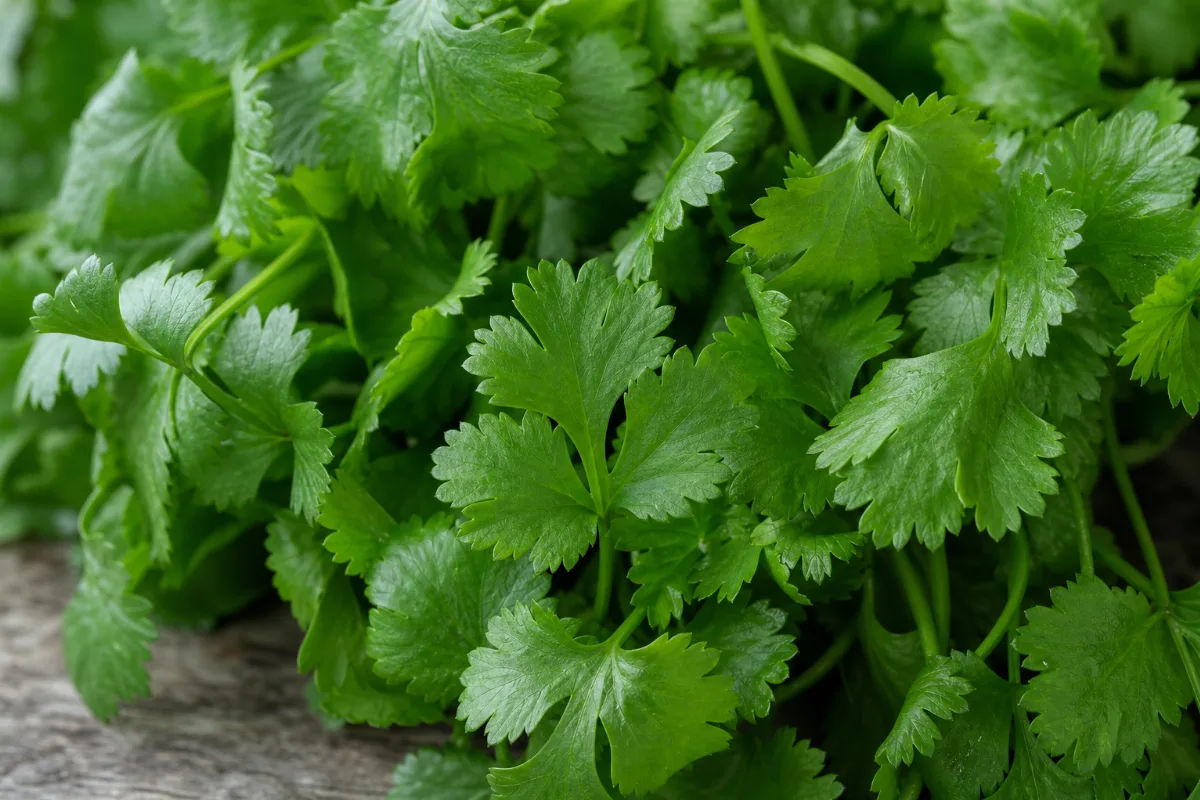
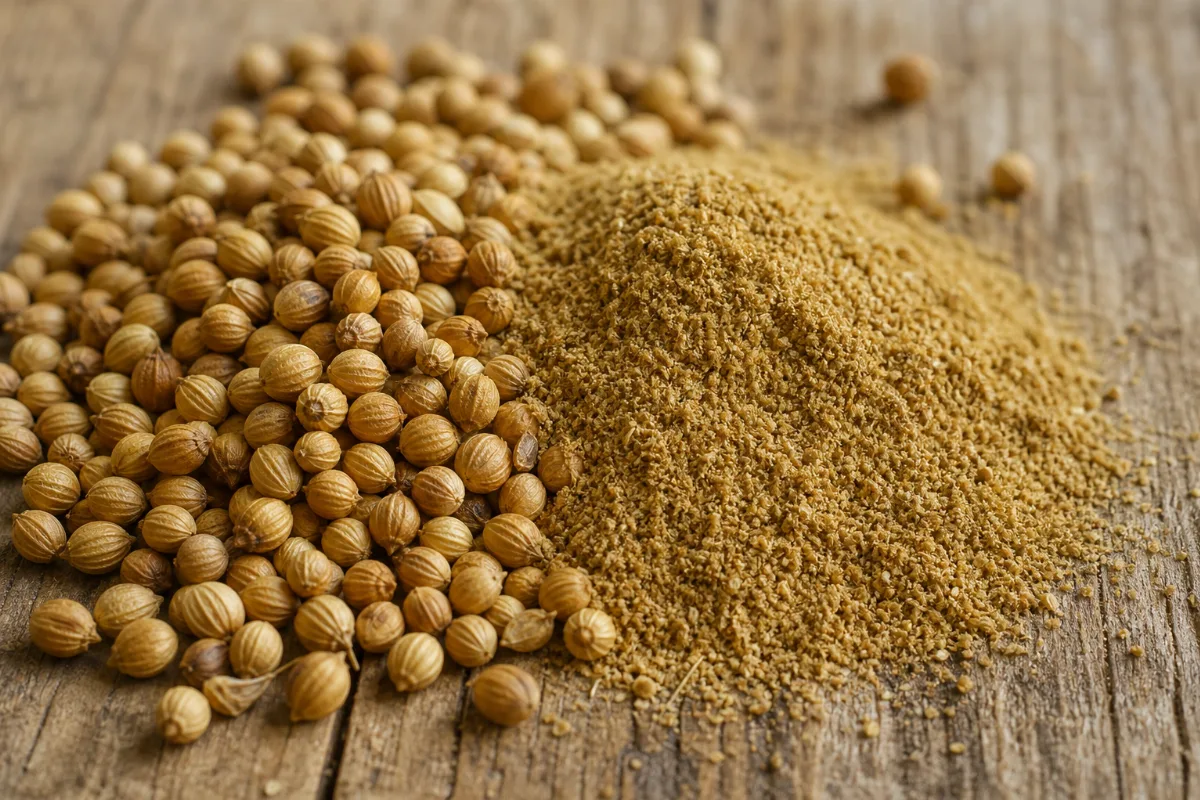
Cilantro and coriander are the same plant, Coriandrum sativum L., in the carrot family (Apiaceae). Cilantro is the fresh leaf and coriander the dry fruit, called the seed. The seed is steam-distilled into an essential oil that is mostly linalool, and pressed into a separate fatty oil.
We keep the leaf, seed, essential oil and seed oil apart because they are different products and the human studies used different ones.
What the research shows
Human research is small. One 40-person trial in people with type 2 diabetes and one 80-person trial in people with raised blood fats used coriander seed powder and reported better blood sugar and blood fats. A two-herb capsule improved indigestion in 90 people.
Anxiety, infection and inflammation findings come from fish, chicks, cells and lab dishes only. No trial tested fresh cilantro leaf as a treatment.
The heavy-metal detox claim
A popular claim says cilantro, sometimes with chlorella, removes metals such as lead and mercury. We found no human trial. A 2015 review found very little clinical evidence for detox diets and said coriander findings were mostly in animals. One mouse study found less lead in bone. We read no chlorella trial for this page, so that half of the claim is not verified.
Coriander can also be a source of metals: wastewater-grown plants carried lead and cadmium, and contaminated coriander powder caused lead poisoning in one reported case.
At a glance
Traditional uses history, not proof
- Indigestion, colic and gut spasm (stated in a 2009 animal study)
- High blood pressure and as a diuretic (same source)
- Anxiety and insomnia (stated in a 2016 chick study)
Studied for research
- Blood sugar in type 2 diabetes, very low (one 40-person trial of seed powder)
- Cholesterol and triglycerides, very low (two small trials)
- Indigestion, low (one two-herb capsule trial)
- IBS pain and bloating, very low (32-person pilot, three-herb product)
- Heavy-metal detox, insufficient (one mouse study, no human trial)
- Anxiety, germs and inflammation: animal or lab only
Main compounds
- Linalool (CID 6549), main compound of the seed oil
- 1,8-Cineole (CID 2758)
- d-Limonene (CID 440917)
- Petroselinic acid (CID 5281125), in the fatty seed oil
Common forms
- Fresh leaf (cilantro), eaten as food
- Seed and seed powder (used in the blood-sugar and blood-fat trials)
- Essential oil (steam-distilled seed)
- Virgin seed oil (a fatty oil, tested in one skin trial)
Research links: Coriander seed powder in type 2 diabetes trial (2025) · Detox diets critical review (2015) · Cilantro Cyclospora outbreak, Alabama (2025) · LactMed: Coriander · Research Library · Genes & Biomarkers Library
The plant and its history
- Accepted scientific name
- Coriandrum sativum L.
- Naming authority
- Linnaeus
- Common names
- Cilantro (English); Coriander (English); Coriander leaf; fresh coriander (English); Chinese parsley (English); Cilantro (Spanish)
- Botanical family
- Apiaceae (carrot or parsley family)
- Classification
- Plantae > Tracheophyta > Magnoliopsida > Apiales > Apiaceae > Coriandrum > Coriandrum sativum
- Native range
- Not verified in a source read
- Habitat
- Annual herb grown as a crop worldwide; details NOT verified in a source read.
- What the plant looks like
- Roots: Not described in sources read; Stems: Not described in sources read; Leaves: Leaf used fresh as cilantro; details NOT verified; Flowers: Not described in sources read; Fruit: The dry fruit is called coriander seed; it is a fruit, not a true seed
- Cultivation
- Not covered by the sources read. Studies show the leaf takes up metals from wastewater-irrigated soil and can hold Cyclospora parasites when contaminated.
- Harvest and processing
- Leaf eaten fresh or dried; seed ground to powder or steam-distilled to essential oil (mainly linalool). A separate fatty oil is pressed from seed (rich in petroselinic acid).
- Look-alikes and adulterants
- Name: Flat-leaf parsley (Petroselinum crispum); Note: Same family; looks similar. GBIF accepted name checked. Resemblance is common knowledge and NOT verified in a source read.; Name: Culantro (Eryngium foetidum); Note: Different genus in Apiaceae, used as a similar-tasting herb; GBIF accepted name checked; the use claim is NOT verified.; Name: Poison hemlock (Conium maculatum); Note: A toxic Apiaceae plant that can be confused with herbs; GBIF accepted name checked; the lookalike claim is general botanical knowledge and NOT verified in a source read. Do not forage unless expert.
- Sustainability and conservation
- Not covered.
The plant and the parts used
Traditional use and history history, not clinical proof
| Tradition or era | Documented use | Source |
|---|---|---|
| Traditional medicine, gut and heart uses | A 2009 animal study states coriander fruit is traditionally used for dyspepsia, abdominal colic, diarrhoea and high blood pressure, and as a diuretic. | p19146935 |
| Traditional medicine, calm and sleep | A 2016 chick study states coriander is used in traditional medicine for the relief of anxiety and insomnia. | p26911626 |
| Modern wellness: metal 'detox' | A popular modern claim, often paired with chlorella; the research record is mouse work and reviews only. | p25522674 |
| Ancient and regional history | Historical details (ancient Egypt, India, Rome and so on) are NOT verified; only Wikipedia-type summaries were seen and they are not used. | s-gbif-coriandrum-sativum |
Traditional use shows how a plant was used. It does not show that a supplement works or is safe today.
What is inside, and how it may work
What the plant contains and how those compounds act in cells and animals. Laboratory and animal mechanisms are not proven effects in people.
Main compounds
| Compound | Family | Where it is concentrated | Activity studied | Level of evidence |
|---|---|---|---|---|
| Linalool PubChem 6549 | Monoterpene alcohol | Seed essential oil About 70% of the oil (food-safety review); over 80% in the oil used in the chick study | Main scent compound; sedative-like effect when injected in chicks 7 14 | Animal research |
| 1,8-Cineole (eucalyptol) PubChem 2758 | Monoterpene ether | Seed oil Not stated | Weak CYP3A4 inhibition in test tubes at high concentrations 9 32 | Laboratory research |
| d-Limonene PubChem 440917 | Monoterpene | Coriander (part not stated) Not stated | Weak CYP3A4 inhibition in test tubes at 4 mM 32 | Laboratory research |
| Petroselinic acid PubChem 5281125 | Fatty acid (omega-12 monounsaturated) | Seed fatty oil 60-75% of the virgin seed oil (company trial abstract) | Studied in lab for effects on NF-kB and TRPA1 pathways 18 | Laboratory research |
Mechanisms, receptors and pathways
| Target or pathway | Gene or receptor | What was found | Level |
|---|---|---|---|
| Gut muscle (cholinergic and calcium-channel effects) | Muscarinic and Ca2+ channels | Crude fruit extract stimulated gut tissue through one fraction and relaxed it through another, like a calcium blocker. 16 | Animal / ex vivo |
| Blood vessels and kidney | Not specified | Fall in blood pressure, vessel relaxation and diuresis in animals. 16 | Animal research |
| Brain receptors for calm | GABA, serotonin, NMDA (lab models) | Reviewed as possible targets of coriander compounds. 25 | Lab/animal review |
| Inflammation signals | IL-1 beta, IL-6, TNF-alpha | Lower in most cell and animal studies; no human studies. 22 | Animal / in vitro |
| Lead binding (chelation) | ALAD enzyme | A methanol extract reduced lead's inhibition of ALAD in a test tube; authors suggest plant substances chelate lead. Not shown in people. 1 | Animal / in vitro |
| Drug-metabolising enzyme CYP3A4 | CYP3A4 | 1,8-cineole and d-limonene weakly inhibited it at high concentrations. 32 | Laboratory research |
Absorption, metabolism and elimination
- Absorption
- No human absorption data were found in the sources read.
- Distribution
- Not found.
- Metabolism
- Not found, apart from in-vitro CYP3A4 effects of some compounds.
- Elimination
- Not found.
- Bioavailability
- Not found.
Isolated compounds versus whole extracts
Leaf, seed, essential oil and seed fatty oil are different products. The human metabolic trials used seed powder; the digestive trials used mixtures; the skin trial used the fatty seed oil. No human trial tested fresh cilantro leaf as a treatment. In chicks, whole seed oil and its main compound linalool gave similar sedative-like effects.
Nutritional composition
No nutrient values were read for this file. Leafy herbs contain vitamin K, but no cilantro-specific value or warfarin study was read, so no vitamin K claim is made.
1 low certainty5 very low certainty6 not enough evidence
What was looked at
The 12 benefits and uses checked for Cilantro (Coriander), each with how strong the evidence is. Tap one to open it.
- Blood sugar in type 2 diabetesVery low certainty
- Cholesterol and triglyceridesVery low certainty
- Blood pressure and water loss (diuretic effect)Not enough evidence
- Heavy-metal 'detox' (lead, mercury): the cilantro claimNot enough evidence
- Antioxidant markersVery low certainty
- Indigestion (functional dyspepsia)Low certainty
- Irritable bowel syndrome (pain and bloating)Very low certainty
- Anxiety, sleep and calmNot enough evidence
- Fighting germs (lab studies)Not enough evidence
- InflammationNot enough evidence
- Sensitive skin (coriander seed oil taken by mouth)Very low certainty
- Breast milk supply (galactagogue)Not enough evidence
Lab markers tracked in the studies
Fasting blood glucoseHOMA-IR (insulin resistance score)LDL cholesterolTriglyceridesTotal cholesterolSystolic blood pressureIL-1 beta, IL-6 and TNF-alpha (inflammation signals)Induced skin redness and itching
What is Cilantro (Coriander) good for?
The studied uses and how strong the human evidence is. 'Low' and 'very low' mean small or weak studies. 'Insufficient' means no human trial, or animal and lab work only. Safety comes first: see the Safety tab.
Benefits, one by one
Each card is a research question, not a promise. Tap a goal to filter. Open a card to see the studies, doses and limits.
Blood sugar in type 2 diabetes
Very low certaintyOne small trial in people with type 2 diabetes found lower fasting blood sugar after 6 weeks of coriander seed powder than with placebo. It is a single 40-person trial, so it is not enough to rely on.
1 studiesSeed powder (the seed, not the leaf) in capsule or powder form; amoun…
Studies, doses and limits
What the trials found
One double-blind placebo-controlled trial of 40 adults aged 30 to 60 with type 2 diabetes in Iran gave 1,000 mg a day of coriander seed powder or placebo for 6 weeks. A second small Pakistani trial in people with raised blood fats also measured blood pressure and weight but did not report blood sugar in its abstract. No systematic review of coriander in diabetes was found in our PubMed search, and a 2015 narrative review lists blood-sugar effects among lab and animal findings.
Results
In the coriander group fasting blood sugar went from 156.15 to 130.30 mg/dL and HOMA-IR (an insulin resistance score) from 6.82 to 5.52. Insulin itself changed only from 17.72 to 17.12 uU/mL. The authors reported significant differences from placebo after adjusting for baseline (P<0.05).
Effect sizes as reported
FBS 156.15 to 130.30 mg/dL; HOMA-IR 6.82 to 5.52 (coriander group, as reported); confidence intervals not given in the abstract
Why this rating
Single small trial, 6 weeks, abstract read only, no confidence intervals or placebo-group figures in the abstract, and no replication. No HbA1c (long-term sugar marker) was reported in the abstract.
Form and dose studied
Seed powder (the seed, not the leaf) in capsule or powder form; amounts are in the study record only. Ask a doctor or pharmacist about amounts.
Who was studied
Adults with type 2 diabetes in Iran.
Limits
Result has not been repeated; the seed was tested, not the fresh leaf (cilantro) or the oil.
Why researchers looked
Coriander seed is a traditional food remedy for high blood sugar in several regions, and lab work suggests plant compounds may act on sugar handling.
Traditional use
Reviews describe traditional use of coriander for diabetes; no historical source was read, so the details are NOT verified.
Proposed mechanism Preliminary mechanism
Animal and lab studies suggest antioxidant and sugar-handling effects of seed compounds; no human study shows how coriander might lower blood sugar.
A proposed mechanism does not show that the effect happens in people.
People taking diabetes medicine should talk to their doctor first, because an added sugar-lowering effect is possible but no interaction study was found.
Cholesterol and triglycerides
Very low certaintyTwo small trials of coriander seed powder, one in people with diabetes and one in people with raised blood fats, reported lower cholesterol and triglycerides. Both were small and short.
3 studiesSeed powder in both trials (amounts are in the study records).
Studies, doses and limits
What the trials found
The 40-person diabetes trial measured blood fats and a separate 80-person Pakistani trial gave coriander seed powder, garlic powder or a mix versus placebo to people with raised blood fats. The garlic arms confuse that second trial; coriander alone was reported to have changed blood fats too, with the biggest effect on blood pressure.
Results
In the diabetes trial total cholesterol went from 183.85 to 145.20 mg/dL, triglycerides from 152.50 to 130.40 mg/dL and LDL from 127.35 to 111.40 mg/dL in the coriander group. In the Pakistan trial all supplements were reported to improve BMI, HDL, total cholesterol, triglycerides, LDL and systolic blood pressure, but the abstract gives no numbers.
Effect sizes as reported
TC 183.85 to 145.20; TG 152.50 to 130.40; LDL 127.35 to 111.40 mg/dL (coriander group, as reported)
Why this rating
Two small, short trials from limited research groups, abstract-level reading, one with no numbers, and a garlic arm in the second. No trial measured heart attacks or strokes.
Form and dose studied
Seed powder in both trials (amounts are in the study records).
Who was studied
Adults with type 2 diabetes, and adults with raised blood fats.
Limits
Blood-fat changes are lab markers, not proof of fewer heart events. A 2021 review conclusion of 'cardioprotective' rests mostly on animal work.
Why researchers looked
Coriander seed is traditionally used for heart and circulation, and animal studies report lower blood fats.
Traditional use
Traditional use for heart and circulation complaints is described in a 2021 review; no historical source was read.
Proposed mechanism Preliminary mechanism
A 2021 review says most cardiovascular studies of coriander were in animals; the mechanism in people is unknown.
A proposed mechanism does not show that the effect happens in people.
Usual cholesterol medicines were not tested alongside coriander in these abstracts.
Blood pressure and water loss (diuretic effect)
Not enough evidenceCoriander fruit lowered blood pressure and increased urine in animals. In people, the only hint is a small trial where coriander seed powder was reported to lower systolic blood pressure.
3 studiesCrude fruit extract in animals; seed powder in the human trial.
Studies, doses and limits
What the trials found
No controlled trial in people was found with blood pressure as the main target. The Pakistani trial of 80 people with raised blood fats reported a significant fall in systolic blood pressure with coriander seed powder, with the strongest blood-pressure effect among its arms.
Results
Animal work: lower blood pressure, relaxed blood vessels, more urine. Human: direction only reported (lower systolic pressure), no numbers in the abstract.
Effect sizes as reported
No numbers available
Why this rating
Animal and tissue studies plus one weakly reported human result; no blood-pressure trial.
Form and dose studied
Crude fruit extract in animals; seed powder in the human trial.
Who was studied
Anaesthetised animals; adults with raised blood fats.
Limits
Animal doses do not translate to people. The animals were anaesthetised and the effect was acute.
Why researchers looked
Coriander is traditionally used for high blood pressure and as a diuretic.
Traditional use
Traditional use as a diuretic and for hypertension is stated by the authors of a 2009 animal study.
Proposed mechanism Animal research
In rabbit and guinea-pig tissue the extract acted like a calcium blocker and through a cholinergic pathway, relaxing vessels and the heart muscle; it also increased urine in rats.
A proposed mechanism does not show that the effect happens in people.
If you take blood-pressure medicine or water pills, the added effect is theoretical but unstudied; ask your doctor or pharmacist.
Heavy-metal 'detox' (lead, mercury): the cilantro claim
Not enough evidenceNo human trial shows that cilantro removes lead, mercury or other metals from the body. One old mouse study found less lead in bone. Coriander plants can themselves carry metals, and a case of lead poisoning came from coriander powder.
4 studiesFresh leaf, seed powder and extracts were all mentioned loosely; the …
Studies, doses and limits
What the trials found
No randomised or other controlled human trial of cilantro for removing metals was found in our PubMed search. A 2015 critical review of detox diets says there is very little clinical evidence for detox diets, and that preliminary evidence for foods such as coriander, nori and olestra is mostly from animals. We did not find or read any chlorella trial in this search, so the chlorella half of the claim is NOT verified here.
Results
In mice given lead in drinking water for 32 days, giving Chinese parsley by stomach tube for 25 days significantly lowered lead in the femur and lead-related kidney injury, and lowered urine ALA; the chelating drug DMSA was the control. A methanol extract also reduced lead's block of the ALAD enzyme in a test tube. Separately, a meta-analysis found wastewater-grown coriander carried average lead of 13.23 mg/kg and cadmium of 2.23 mg/kg, and a 2025 case report linked lead poisoning to coriander powder.
Effect sizes as reported
Mouse: significantly less femur lead (no figures in abstract); human: no data
Why this rating
One old mouse study and a general review; zero human trials found. The plant itself can be a source of metals when grown in polluted water or adulterated.
Form and dose studied
Fresh leaf, seed powder and extracts were all mentioned loosely; the mouse study does not state the preparation. Not a substitute for testing and medical treatment.
Who was studied
Mice; no human population studied.
Limits
Mouse results often do not carry over to people. No one has shown cilantro lowers blood or urine metal levels in humans. Contaminated spice and wastewater-grown leaf are a real exposure route.
Why researchers looked
A popular online claim says cilantro, often paired with chlorella, pulls heavy metals out of the body. This section checks what the research shows.
Traditional use
The claim is a modern wellness idea; no traditional or historical source was read for it.
Proposed mechanism Animal research
A 2001 mouse paper suggested substances in the plant may bind (chelate) lead. Binding in a test tube is not the same as removing metal from a person's tissues.
A proposed mechanism does not show that the effect happens in people.
Do not use cilantro in place of testing or treatment if you suspect metal poisoning; real chelation medicines are given under medical care.
Antioxidant markers
Very low certaintyIn the diabetes trial, an oxidative stress marker (MDA) fell slightly and total antioxidant capacity rose slightly. These are lab markers, not health outcomes.
1 studiesSeed powder.
Studies, doses and limits
What the trials found
The 40-person trial measured MDA and total antioxidant capacity after 6 weeks of seed powder.
Results
MDA went from 1.65 to 1.49 nmol/mL and total antioxidant capacity from 1.93 to 1.97 mmol/L in the coriander group.
Effect sizes as reported
MDA 1.65 to 1.49 nmol/mL; TAC 1.93 to 1.97 mmol/L
Why this rating
Tiny shifts in marker levels in one small trial; no clinical outcome.
Form and dose studied
Seed powder.
Who was studied
Adults with type 2 diabetes in Iran.
Limits
Marker change is not clinical benefit; one trial.
Why researchers looked
Coriander contains many plant chemicals studied for antioxidant activity.
Traditional use
Not described in the sources read.
Proposed mechanism Preliminary mechanism
Laboratory antioxidant activity is widely reported in reviews; no human mechanism is shown.
A proposed mechanism does not show that the effect happens in people.
None specific.
Indigestion (functional dyspepsia)
Low certaintyOne 90-person trial found a two-herb capsule containing coriander improved indigestion symptoms more than placebo. Because coriander was mixed with another herb, it cannot be credited alone.
2 studiesTwo-herb capsule (coriander plus Bunium persicum). The plant part of …
Studies, doses and limits
What the trials found
A double-blind trial in Iran gave 90 adults with Rome IV functional dyspepsia a capsule of Bunium persicum plus Coriandrum sativum (500 mg twice daily) or placebo for 4 weeks, with 4 more weeks of follow-up; 80 completed.
Results
All measured outcomes (dyspepsia severity score, Rome IV questionnaire, Nepean quality-of-life index) improved more with the herbal capsule than placebo (P<0.05), without serious side effects.
Effect sizes as reported
No effect sizes in the abstract
Why this rating
One randomised double-blind trial with a clear diagnosis, but a two-herb mixture, no plant part stated, abstract only, and no replication.
Form and dose studied
Two-herb capsule (coriander plus Bunium persicum). The plant part of coriander is not stated.
Who was studied
Adults with functional dyspepsia in Iran.
Limits
Cannot separate coriander's role from the other herb; 10 of 90 were not analysed.
Why researchers looked
Coriander is a traditional remedy for indigestion, wind and colic.
Traditional use
Traditional use for dyspepsia and abdominal colic is stated in a 2009 animal study; no historical record was read.
Proposed mechanism Animal research
In rabbit and guinea-pig gut tissue the fruit extract both stimulated and relaxed movement (cholinergic and calcium-channel effects).
A proposed mechanism does not show that the effect happens in people.
No serious side effects reported in the trial; allergy to Apiaceae plants was an exclusion.
Irritable bowel syndrome (pain and bloating)
Very low certaintyA small 2006 pilot with a three-herb product (Melissa, mint and coriander extracts) reported less pain and bloating. It was only 32 people and used with other IBS treatment.
1 studiesThree-herb extract mixture plus loperamide or psyllium.
Studies, doses and limits
What the trials found
32 people with IBS were randomised to Carmint (extracts of Melissa officinalis, Mentha spicata and Coriandrum sativum) or placebo, each added to loperamide or psyllium for 8 weeks.
Results
Severity (P=0.016) and frequency (P=0.001) of abdominal pain, and severity (P=0.02) and frequency (P=0.002) of bloating, were lower with Carmint.
Effect sizes as reported
P-values only in the abstract
Why this rating
Tiny pilot, 2006, three-herb mixture, added to other treatments, abstract only.
Form and dose studied
Three-herb extract mixture plus loperamide or psyllium.
Who was studied
People with IBS in Iran.
Limits
Coriander cannot be separated from the other two herbs.
Why researchers looked
The product combines herbs traditionally used to ease cramps and wind.
Traditional use
Not described in the sources read beyond the product label described in the abstract.
Proposed mechanism Pharmacological theory
Authors describe the herbs as antispasmodic, carminative and sedative; no mechanism was tested in people.
A proposed mechanism does not show that the effect happens in people.
Loperamide and psyllium were also being taken.
Anxiety, sleep and calm
Not enough evidenceOnly animal and lab studies exist. Coriander extract calmed fish in an anxiety test, and the oil's main chemical linalool had a sedative-like effect in chicks. No human trial was found.
3 studiesExtract (injected, fish) and seed essential oil injected into the bra…
Studies, doses and limits
What the trials found
No human trial of coriander or cilantro for anxiety or sleep was found. A 2023 review says clinical evaluations of standardised extracts are scarce.
Results
Zebrafish injected with 50 or 100 mg/kg of extract were protected from alarm-substance anxiety responses, similar to clonazepam. In chicks, brain injection of seed oil (over 80% linalool) or linalool reduced movement and distress calls and increased sleeping posture, similar to diazepam.
Effect sizes as reported
Animal effects only
Why this rating
Fish and chicks given injections; no human data.
Form and dose studied
Extract (injected, fish) and seed essential oil injected into the brain (chicks).
Who was studied
Zebrafish and chicks.
Limits
Injection routes and species are far from how people take coriander.
Why researchers looked
Coriander is traditionally used for anxiety and insomnia.
Traditional use
The chick-study authors say it is used traditionally for anxiety and insomnia.
Proposed mechanism Animal research
A 2023 review reports that some coriander compounds interact with GABA, serotonin and NMDA receptors in lab models.
A proposed mechanism does not show that the effect happens in people.
Sedation could add to sedative medicines or alcohol in theory; not tested.
Fighting germs (lab studies)
Not enough evidenceCoriander essential oil stops bacteria growing in laboratory dishes. This has not been tested as a treatment for infection in people.
2 studiesSeed essential oil (and leaf oil in the 2023 review).
Studies, doses and limits
What the trials found
No human infection trial was found. A 2025 systematic review of 7 lab studies found the seed oil acts against both Gram-positive and Gram-negative food bacteria.
Results
Lab activity against food-origin bacteria; antimicrobial activity is also described in a 2023 review of the oil.
Effect sizes as reported
No clinical numbers
Why this rating
Lab dishes only.
Form and dose studied
Seed essential oil (and leaf oil in the 2023 review).
Who was studied
Bacteria in the lab.
Limits
Lab activity often does not become a treatment; strength is not compared with antibiotics.
Why researchers looked
Coriander oil is used as a food preservative and has been tested against food-borne germs.
Traditional use
Not described in the sources read.
Proposed mechanism Laboratory research
How the oil acts was not described in the abstracts read.
A proposed mechanism does not show that the effect happens in people.
Essential oil is concentrated; do not swallow or use undiluted on skin without professional advice.
Inflammation
Not enough evidenceLab and animal studies mostly show lower inflammation signals with coriander, but there are no human studies.
1 studiesVarious.
Studies, doses and limits
What the trials found
A 2022 systematic review of 24 papers found no human study.
Results
Inflammatory mediators were lower in 7 of 9 in-vitro and 10 of 16 animal investigations; the authors call coriander hopeful but not confirmed.
Effect sizes as reported
7 of 9 in vitro; 10 of 16 animal
Why this rating
No human data; mixed preparations.
Form and dose studied
Various.
Who was studied
Cells and animals.
Limits
Mixed preparations and species.
Why researchers looked
Inflammation is a common target in herbal research.
Traditional use
Not described in the sources read.
Proposed mechanism Animal research
Lower IL-1 beta, IL-6 and TNF-alpha in cell and animal studies.
A proposed mechanism does not show that the effect happens in people.
None specific.
Sensitive skin (coriander seed oil taken by mouth)
Very low certaintyA small company-run trial found a fatty oil from coriander seeds reduced induced skin redness and itching in healthy women with sensitive skin. It is a different product from the essential oil and from the leaf.
2 studiesVirgin coriander seed oil (fixed oil), 200 mg a day.
Studies, doses and limits
What the trials found
A randomised, double-blind, placebo-controlled pilot in healthy women with sensitive skin.
Results
Daily seed oil (200 mg) for 28 days reduced stripping-induced redness and stinging-induced itching, and improved perceived sensitivity after 56 days.
Effect sizes as reported
No numbers in the abstract
Why this rating
Pilot; number of participants not in the abstract; all authors work for the ingredient maker, which holds patent applications.
Form and dose studied
Virgin coriander seed oil (fixed oil), 200 mg a day.
Who was studied
Healthy women with sensitive skin.
Limits
Industry-run, patent-linked, induced skin tests only.
Why researchers looked
A seed oil rich in petroselinic acid was found to affect inflammation and nerve-pain pathways in lab work.
Traditional use
Not described in the sources read.
Proposed mechanism Laboratory research
Lab work reported effects on the NF-kB (inflammation) and TRPA1 (pain/itch) pathways.
A proposed mechanism does not show that the effect happens in people.
Contact dermatitis and allergy to coriander are reported in other sources; skin allergy is possible.
Breast milk supply (galactagogue)
Not enough evidenceCoriander is an old folk remedy for low milk supply, but no valid trial supports it. A safety trial of a multi-herb tea containing coriander fruit found no harm in 60 mothers but did not test milk supply.
2 studiesSeed in a mixed tea; strong aqueous extract in the case report.
Studies, doses and limits
What the trials found
LactMed says no scientifically valid clinical trials support the use. A randomised safety trial of Mother's Milk tea (fennel, anise and coriander fruits, fenugreek and others) in 60 healthy mothers reported no attributable adverse effects.
Results
No milk-supply result exists. Safety signal: none in the tea trial; but LactMed reports one nursing mother who had an adrenal problem after drinking a strong coriander extract daily, and one woman with raised liver enzymes on the tea.
Why this rating
No effectiveness trial; mixed tea; two adverse reports.
Form and dose studied
Seed in a mixed tea; strong aqueous extract in the case report.
Who was studied
Breastfeeding mothers.
Limits
Multi-herb; milk supply not measured in the safety trial.
Why researchers looked
Coriander is a purported galactagogue and appears in milk-supply mixtures.
Traditional use
LactMed states it is purported and included in some mixtures.
Proposed mechanism Pharmacological theory
None established.
A proposed mechanism does not show that the effect happens in people.
See the safety tab for pregnancy and breastfeeding.
Connections to the rest of health
How Cilantro (Coriander) connects to the rest of our health knowledge graph. Every link says what kind of connection it is. A safety link (for example to the liver) is a warning, not a benefit. A study that merely mentions a topic never creates a benefit link.
Explore every connection: goals, body systems, organs, symptoms, genes
A. Wellness goals
| Connected to | Kind of connection | Evidence status | Context | Studies |
|---|---|---|---|---|
| Blood Sugar Balance | Potential benefit | Very low certainty | Blood sugar in type 2 diabetes: One small trial in people with type 2 diabetes found lower fasting blood sugar after 6 weeks of coriander seed powder than with placebo. It is a single 40-person trial, so it is not enough to rely on. | 29 |
| Metabolic Health | Potential benefit | Very low certainty | Blood sugar in type 2 diabetes: One small trial in people with type 2 diabetes found lower fasting blood sugar after 6 weeks of coriander seed powder than with placebo. It is a single 40-person trial, so it is not enough to rely on. | 29 |
| Cholesterol Balance | Potential benefit | Very low certainty | Cholesterol and triglycerides: Two small trials of coriander seed powder, one in people with diabetes and one in people with raised blood fats, reported lower cholesterol and triglycerides. Both were small and short. | 29 30 21 |
| Heart Health | Potential benefit | Very low certainty | Cholesterol and triglycerides: Two small trials of coriander seed powder, one in people with diabetes and one in people with raised blood fats, reported lower cholesterol and triglycerides. Both were small and short. | 29 30 21 |
| Blood Pressure Support | Preliminary mechanism | Not enough evidence | Blood pressure and water loss (diuretic effect): Coriander fruit lowered blood pressure and increased urine in animals. In people, the only hint is a small trial where coriander seed powder was reported to lower systolic blood pressure. | 16 30 21 |
| Heart Health | Preliminary mechanism | Not enough evidence | Blood pressure and water loss (diuretic effect): Coriander fruit lowered blood pressure and increased urine in animals. In people, the only hint is a small trial where coriander seed powder was reported to lower systolic blood pressure. | 16 30 21 |
| Liver Support | Preliminary mechanism | Not enough evidence | Heavy-metal 'detox' (lead, mercury): the cilantro claim: No human trial shows that cilantro removes lead, mercury or other metals from the body. One old mouse study found less lead in bone. Coriander plants can themselves carry metals, and a case of lead poisoning came from coriander powder. | 1 19 4 17 |
| Healthy Aging | Preliminary mechanism | Not enough evidence | Heavy-metal 'detox' (lead, mercury): the cilantro claim: No human trial shows that cilantro removes lead, mercury or other metals from the body. One old mouse study found less lead in bone. Coriander plants can themselves carry metals, and a case of lead poisoning came from coriander powder. | 1 19 4 17 |
| Healthy Aging | Biological association | Very low certainty | Antioxidant markers: In the diabetes trial, an oxidative stress marker (MDA) fell slightly and total antioxidant capacity rose slightly. These are lab markers, not health outcomes. | 29 |
| Digestive Support | Potential benefit | Low certainty | Indigestion (functional dyspepsia): One 90-person trial found a two-herb capsule containing coriander improved indigestion symptoms more than placebo. Because coriander was mixed with another herb, it cannot be credited alone. Irritable bowel syndrome (pain and bloating): A small 2006 pilot with a three-herb product (Melissa, mint and coriander extracts) reported less pain and bloating. It was only 32 people and used with other IBS treatment. | 5 16 27 |
| Gut Health | Potential benefit | Low certainty | Indigestion (functional dyspepsia): One 90-person trial found a two-herb capsule containing coriander improved indigestion symptoms more than placebo. Because coriander was mixed with another herb, it cannot be credited alone. Irritable bowel syndrome (pain and bloating): A small 2006 pilot with a three-herb product (Melissa, mint and coriander extracts) reported less pain and bloating. It was only 32 people and used with other IBS treatment. | 5 16 27 |
| Anxiety Support | Preliminary mechanism | Not enough evidence | Anxiety, sleep and calm: Only animal and lab studies exist. Coriander extract calmed fish in an anxiety test, and the oil's main chemical linalool had a sedative-like effect in chicks. No human trial was found. | 31 14 25 |
| Better Sleep | Preliminary mechanism | Not enough evidence | Anxiety, sleep and calm: Only animal and lab studies exist. Coriander extract calmed fish in an anxiety test, and the oil's main chemical linalool had a sedative-like effect in chicks. No human trial was found. | 31 14 25 |
| Calm Relaxation | Preliminary mechanism | Not enough evidence | Anxiety, sleep and calm: Only animal and lab studies exist. Coriander extract calmed fish in an anxiety test, and the oil's main chemical linalool had a sedative-like effect in chicks. No human trial was found. | 31 14 25 |
| Immune Support | Preliminary mechanism | Not enough evidence | Fighting germs (lab studies): Coriander essential oil stops bacteria growing in laboratory dishes. This has not been tested as a treatment for infection in people. | 12 2 |
| Digestive Support | Preliminary mechanism | Not enough evidence | Fighting germs (lab studies): Coriander essential oil stops bacteria growing in laboratory dishes. This has not been tested as a treatment for infection in people. | 12 2 |
| Inflammation Balance | Preliminary mechanism | Not enough evidence | Inflammation: Lab and animal studies mostly show lower inflammation signals with coriander, but there are no human studies. | 22 |
| Healthy Skin | Potential benefit | Very low certainty | Sensitive skin (coriander seed oil taken by mouth): A small company-run trial found a fatty oil from coriander seeds reduced induced skin redness and itching in healthy women with sensitive skin. It is a different product from the essential oil and from the leaf. | 18 9 |
| Womens Wellness | Traditional use | Not enough evidence | Breast milk supply (galactagogue): Coriander is an old folk remedy for low milk supply, but no valid trial supports it. A safety trial of a multi-herb tea containing coriander fruit found no harm in 60 mothers but did not test milk supply. | 9 28 |
B. Body systems
| Connected to | Kind of connection | Evidence status | Context | Studies |
|---|---|---|---|---|
| Endocrine System | Biological association | Very low certainty | Studied for: Blood sugar in type 2 diabetes | 29 |
| Metabolism Weight | Biological association | Very low certainty | Studied for: Blood sugar in type 2 diabetes Studied for: Cholesterol and triglycerides | 29 30 21 |
| Cardiovascular System | Biological association | Very low certainty | Studied for: Cholesterol and triglycerides Studied for: Blood pressure and water loss (diuretic effect) | 29 30 21 16 |
| Urinary System | Biological association | Not enough evidence | Studied for: Blood pressure and water loss (diuretic effect) Studied for: Heavy-metal 'detox' (lead, mercury): the cilantro claim | 16 30 21 1 19 4 17 |
| Hepatic System | Biological association | Not enough evidence | Studied for: Heavy-metal 'detox' (lead, mercury): the cilantro claim | 1 19 4 17 |
| Digestive System | Biological association | Low certainty | Studied for: Indigestion (functional dyspepsia) Studied for: Irritable bowel syndrome (pain and bloating) | 5 16 27 |
| Nervous System | Biological association | Not enough evidence | Studied for: Anxiety, sleep and calm | 31 14 25 |
| Immune System | Biological association | Not enough evidence | Studied for: Fighting germs (lab studies) Studied for: Inflammation | 12 2 22 |
| Integumentary System | Biological association | Very low certainty | Studied for: Sensitive skin (coriander seed oil taken by mouth) | 18 9 |
| Reproductive System | Biological association | Not enough evidence | Studied for: Breast milk supply (galactagogue) | 9 28 |
E. Health conditions
| Connected to | Kind of connection | Evidence status | Context | Studies |
|---|---|---|---|---|
| Spice and food allergy (Apiaceae) | Adverse effect or risk | Case report | Documented cross-reactions with celery, mugwort and birch. Preparation or compound: Seed and leaf |
26 10 6 |
| Cyclosporiasis | Adverse effect or risk | Documented risk | Outbreak linked to contaminated cilantro. Preparation or compound: Fresh leaf |
15 8 |
| Lead poisoning | Adverse effect or risk | Case report | Contamination, not the plant. Preparation or compound: Contaminated coriander powder |
17 |
| Type 2 diabetes | Potential benefit | Very low certainty | One 40-person trial of seed powder. Preparation or compound: Seed powder |
29 |
| Functional dyspepsia | Potential benefit | Low certainty | Two-herb capsule trial. Preparation or compound: Coriander plus Bunium persicum capsule |
5 |
| Spice and food allergy | Adverse effect or risk | Case report | Cross-reactions with celery, mugwort and birch. Preparation or compound: Seed and leaf |
26 10 |
I. Biomarkers
| Connected to | Kind of connection | Evidence status | Context | Studies |
|---|---|---|---|---|
| Fasting blood glucose | Biological association | Very low certainty | Measured in trials: lowered. A lab change is not the same as a health benefit. | 29 |
| HOMA-IR (insulin resistance score) | Biological association | Very low certainty | Measured in trials: lowered. A lab change is not the same as a health benefit. | 29 |
| LDL cholesterol | Biological association | Very low certainty | Measured in trials: lowered. A lab change is not the same as a health benefit. | 29 30 |
| Triglycerides | Biological association | Very low certainty | Measured in trials: lowered. A lab change is not the same as a health benefit. | 29 30 |
| Total cholesterol | Biological association | Very low certainty | Measured in trials: lowered. A lab change is not the same as a health benefit. | 29 |
| Systolic blood pressure | Biological association | Not enough evidence | Measured in trials: lowered. A lab change is not the same as a health benefit. | 30 |
| IL-1 beta, IL-6 and TNF-alpha (inflammation signals) | Biological association | Not enough evidence | Measured in trials: lowered. A lab change is not the same as a health benefit. | 22 |
| Induced skin redness and itching | Biological association | Very low certainty | Measured in trials: lowered. A lab change is not the same as a health benefit. | 18 |
J. Genes, receptors and enzymes
| Connected to | Kind of connection | Evidence status | Context | Studies |
|---|---|---|---|---|
| CYP3A4 | Preliminary mechanism | In vitro | Weak inhibition by seed-oil compounds in vitro. | 32 |
K. Biological pathways
| Connected to | Kind of connection | Evidence status | Context | Studies |
|---|---|---|---|---|
| NF-kB inflammation pathway | Preliminary mechanism | In vitro | Reported for seed fatty oil in lab work cited by the skin trial. | 18 |
| TRPA1 pain and itch channel | Preliminary mechanism | In vitro | Reported for seed fatty oil in lab work cited by the skin trial. | 18 |
L. Active compounds
| Connected to | Kind of connection | Evidence status | Context | Studies |
|---|---|---|---|---|
| Linalool | Biological association | Animal | Main scent compound; sedative-like effect when injected in chicks Preparation or compound: Seed essential oil |
7 14 |
| 1,8-Cineole (eucalyptol) | Biological association | In vitro | Weak CYP3A4 inhibition in test tubes at high concentrations Preparation or compound: Seed oil |
9 32 |
| d-Limonene | Biological association | In vitro | Weak CYP3A4 inhibition in test tubes at 4 mM Preparation or compound: Coriander (part not stated) |
32 |
| Petroselinic acid | Biological association | In vitro | Studied in lab for effects on NF-kB and TRPA1 pathways Preparation or compound: Seed fatty oil |
18 |
Each connection is stored with the ingredient, the connected record, the kind of connection, the evidence status, the supporting studies, the preparation or compound involved, and a review date (last reviewed October 25, 2026).
Evidence at a glance: what changed in 8 lab markers
Tap a number to show only those markers. Counts are markers, not people.
The evidence
The research centre for Cilantro (Coriander). Every record here was checked against PubMed or the publisher's page; we never list a study we have not verified.
Evidence by outcome
Bars show how many studies we found for each outcome, not how well it works. People are added up across trials only (reviews are not added, to avoid double counting).
How we rate evidence
High certainty
Several well-run trials or reviews agree; further research is unlikely to change the picture much.
Moderate certainty
Good trials point the same way, but some doubt remains.
Low certainty
Small, short or inconsistent trials. The finding could change with better research.
Very low certainty
Very little or very weak human data. Treat as a possibility only.
Mixed findings
Trials or reviews disagree with each other.
Not enough evidence
Not enough human research to say either way.
Evidence against
Good research found no benefit, or found harm.
We take the reviewers' own risk-of-bias and GRADE statements where they exist, and otherwise judge from study size, design, consistency, directness and whether a product matches what is sold. Many publications do not make evidence high. Method note: We searched PubMed, read the abstracts of trials and reviews, and read the LactMed entry. Pages that could not be found are marked as not found. Where only a title was available, we say so.
Study library: every study we checked 32
| Study | Design | People | Product, dose, length | Result |
|---|---|---|---|---|
| Aga 2001 Preventive effect of Coriandrum sativum (Chinese parsley) on localized lead deposition in ICR mice J Ethnopharmacol · PMID 11535365 · DOI |
Animal research animal |
Male mice given lead in drinking water for 32 days | Coriandrum sativum (Chinese parsley) given by stomach tube; DMSA as the control chelator herb (type of preparation not stated in the abstract) 25 days · vs DMSA (positive control) |
Chinese parsley significantly lowered lead deposition in the femur and lead-related kidney injury and lowered urine ALA. A methanol extract reduced lead's block of ALAD in a test tube. The authors suggest chelation of lead by substances in the plant. Less lead in bone and less kidney injury in mice Methods, limits and fundingOutcomes: Lead in the femur, kidney injury, urine ALA, ALAD enzyme Limitations: One old mouse study; high lead dose; not shown in people; mechanism only suggested Funding and conflicts: Not stated Read: abstract |
| Al-Khayri 2023 Essential Oil from Coriandrum sativum: A review on Its Phytochemistry and Biological Activity Molecules · PMID 36677754 · DOI |
Narrative review in-vitro |
Review of seed and leaf essential oil | Coriander essential oil (seed and leaf) seed and leaf (essential oil) Various Various · vs Various |
Describes oil composition varying by variety, growth stage and region, and many lab and animal activities. Composition varies; activities mostly preclinical Methods, limits and fundingOutcomes: Antimicrobial, antioxidant, antidiabetic, anticonvulsive and other activities Limitations: Narrative review; abstract gives no human data Funding and conflicts: No conflict declared Read: abstract |
| Al-Said 1987 Post-coital antifertility activity of the seeds of Coriandrum sativum in rats J Ethnopharmacol · PMID 3437767 · DOI |
Animal research animal |
Pregnant female rats | Aqueous extract of fresh coriander seeds seed 250 and 500 mg/kg orally Different pregnancy windows · vs Control |
Dose-dependent anti-implantation effect without complete infertility; no abortifacient effect later in pregnancy; no change in fetal size and no abnormalities in offspring; lower progesterone on day 5. Reduced implantation in rats Methods, limits and fundingOutcomes: Implantation, abortion, fetal growth, progesterone Limitations: Old rat study; high extract doses; not shown in women Funding and conflicts: Not stated Read: abstract |
| Atamaleki 2021 Accumulation of potentially harmful elements (PHEs) in lettuce and coriander irrigated with wastewater: a systematic review and meta-analysis and probabilistic health risk assessment Environ Sci Pollut Res Int · PMID 33486683 · DOI |
Meta-analysis |
32 articles (41 studies) on crops irrigated with wastewater | Fresh coriander and lettuce grown with wastewater leaf (edible part) |
In coriander irrigated with wastewater the average metal levels were highest for iron (1056 mg/kg), then zinc (79.80), chromium (28.34), nickel (24.71), copper (17.46), lead (13.23) and cadmium (2.23 mg/kg). For most countries, combined hazard scores for adults and children were above 1. Wastewater-irrigated coriander can carry harmful metal loads Methods, limits and fundingOutcomes: Metal concentrations in the edible part, health risk Limitations: Only wastewater-irrigated crops; does not describe ordinary market produce; an erratum exists Funding and conflicts: Not stated Read: abstract |
| Azimi 2024 The Efficacy of the Herbal Formula of Bunium persicum and Coriandrum sativum on Clinical Symptoms of Patients with Functional Dyspepsia: A Double-Blind Randomized Controlled Trial Complement Med Res · PMID 38981452 · DOI |
Controlled trial |
90 Adults with functional dyspepsia (Rome IV), Iran; 40 per group analysed |
Two-herb capsule: Bunium persicum plus Coriandrum sativum (ratio and plant parts not stated in the abstract) 500 mg capsule twice daily 4 weeks plus 4 weeks follow-up · vs Placebo capsule |
All clinical outcomes improved more with the herbal capsule than placebo (p<0.05), without serious side effects. Better symptom scores and quality of life than placebo; no effect sizes in the abstract Methods, limits and fundingOutcomes: Dyspepsia Severity Questionnaire, Rome IV questionnaire, Nepean Dyspepsia Index (quality of life) Limitations: Two-herb combination so coriander's own part cannot be separated; the plant part is not stated; 90 enrolled but 80 analysed; abstract only Funding and conflicts: Not stated in abstract Read: abstract |
| Berghea 2025 Spices, herbs and allergic reactions in children: myth or reality - a narrative review with scoping elements Front Allergy · PMID 41306764 · DOI |
Narrative review |
Review of spice and herb allergy in children | Spices and herbs including coriander various |
Coriander is among the most frequently implicated spices, with mustard, celery, fennel, cumin, anise and pepper. Reactions range from mild mouth symptoms to anaphylaxis; cross-reactivity with birch and mugwort pollen is common; oral food challenge is the gold standard test. Spice allergy is real and cross-reacts with pollens Methods, limits and fundingOutcomes: Spice allergy Limitations: Narrative review; abstract only Funding and conflicts: No conflict declared Read: abstract |
| Burdock 2009 Safety assessment of coriander (Coriandrum sativum L.) essential oil as a food ingredient Food Chem Toxicol · PMID 19032971 · DOI |
Safety review animal |
Review of toxicity data for coriander seed essential oil (mainly linalool, about 70%) | Coriander seed essential oil seed (essential oil) |
A 28-day rat gavage study gave a no-effect level of about 160 mg/kg/day; the maternal no-adverse-effect level in a developmental study was 250 and the developmental level 500 mg/kg/day. The oil was not clastogenic; mutagenicity results for the spice and some extracts are mixed; linalool is non-mutagenic. The oil is irritating to rabbits but not humans and is not a sensitiser, although the whole spice may be. Authors judged its use as a food ingredient safe at present levels. Judged safe as a flavouring at current use; animal safety limits given Methods, limits and fundingOutcomes: Toxicity, mutagenicity, irritation, sensitisation Limitations: Written by consultants; based on limited studies; concerns food-flavouring levels, not supplements Funding and conflicts: Not stated in abstract; authors are from a food-safety consultancy Read: abstract |
| Centers for Disease Control and Prevention 2026 CDC: About Cyclosporiasis CDC · Source |
Authoritative guidance not applicable |
General public | Cyclospora parasite on fresh produce |
Cyclosporiasis is caused by the Cyclospora parasite, spread by contaminated food or water; outbreaks have been linked to fresh produce. Symptoms are watery diarrhoea, cramps and loss of appetite, and can last from days to over a month; antibiotics can treat it. The page does not mention cilantro by name. Methods, limits and fundingOutcomes: Illness, spread and treatment Limitations: General page; cilantro link comes from the Alabama outbreak report Read: page-read |
| Drugs and Lactation Database 2026 Coriander (LactMed) LactMed, NCBI Bookshelf · PMID 30000851 |
Authoritative guidance |
Breastfeeding and general safety summary | Coriander seed and its extracts seed |
Coriander seed oil is mainly linalool plus 1,8-cineole. It is a purported galactagogue but no scientifically valid trials support this. It is generally recognised as safe (GRAS) as a food by the US FDA; allergic reactions and photosensitivity have been reported and it can cause contact dermatitis. One report: a nursing mother who drank 200 mL of about 10% aqueous extract daily for 7 days developed diarrhoea and abdominal pain, then skin darkening, low mood, fluid loss and amenorrhoea diagnosed as adrenal dysfunction. Elevated liver enzymes occurred in a woman taking Mother's Milk Tea, which contains coriander. Food use regarded as safe; extract overuse and allergy flagged Methods, limits and fundingOutcomes: Safety in breastfeeding Limitations: Short summary; the cited reports were not read; causality in the case report is not established Funding and conflicts: Government database Read: full-text |
| Ebo 2006 Coriander anaphylaxis in a spice grinder with undetected occupational allergy Acta Clin Belg · PMID 16881566 · DOI |
Case report |
1 Spice factory worker |
Coriander eaten in a meal and handled at work seed (spice) · vs Healthy controls (3) |
Allergy tests were clearly positive for coriander; the man also had hives, swelling, rhinitis and wheeze when handling coriander and fenugreek. No cross-reactivity between fenugreek and coriander was shown. True IgE-mediated coriander allergy with anaphylaxis Methods, limits and fundingOutcomes: IgE, skin tests, basophil activation Limitations: One case; occupational exposure Funding and conflicts: Not stated Read: abstract |
| European Medicines Agency 2026 EMA/HMPC herbal monograph list: no entry found for Coriandrum sativum or coriander fruit EMA website · Source |
Regulatory document not applicable |
EU herbal monograph list entries page | None fruit |
The EMA page of monograph and list entries had no match for 'corian'. Web searches of EMA documents returned only fennel and caraway monographs and a digestive-tea report that lists coriander as an ingredient. No coriander-fruit monograph was found. Methods, limits and fundingOutcomes: Whether an EU herbal monograph exists Limitations: EMA's own database search could not be run, so absence is not fully proven Read: page-read |
| Farias 2025 Antibacterial potential of Coriandrum sativum essential oil against foodborne pathogens: A systematic review Braz J Biol · PMID 41124411 · DOI |
Systematic review in-vitro |
7 laboratory studies (2014-2024) of food-origin bacteria | Coriandrum sativum essential oil essential oil |
The oil showed antibacterial activity against both Gram-positive and Gram-negative food-origin bacteria. Lab activity only Methods, limits and fundingOutcomes: Growth of food-borne bacteria in the lab Limitations: Only 7 lab studies; no animal or human infection data Funding and conflicts: Not stated Read: abstract |
| GBIF Secretariat 2026 GBIF Backbone Taxonomy: Coriandrum sativum L. GBIF API · Source |
Database record not applicable |
Plant taxonomy | Coriandrum sativum L. whole plant |
Accepted name Coriandrum sativum L., family Apiaceae, order Apiales, key 3034871. NCBI Taxonomy id 4047. Methods, limits and fundingOutcomes: Accepted name and family Limitations: Taxonomy only Read: api-record |
| Gaston 2016 Sedative effect of central administration of Coriandrum sativum essential oil and its major component linalool in neonatal chicks Pharm Biol · PMID 26911626 · DOI |
Animal research animal |
Neonatal chicks | Coriander seed essential oil (over 80% linalool) and linalool, injected into the brain ventricle seed (essential oil) 8.6 and 86 ug per chick into the brain Acute · vs Saline, diazepam |
Coriander oil and linalool at 8.6 and 86 ug reduced movement, escape attempts and distress calls and increased sleeping posture, similar to diazepam. Sedative-like effect in chicks when injected into the brain Methods, limits and fundingOutcomes: Movement, escape attempts, distress calls, sleeping posture Limitations: Injected into the brain, which is not how oil is used by people; chicks only Funding and conflicts: Not stated Read: abstract |
| Goetzman 2025 Outbreak of Cyclosporiasis Among Patrons of a Mexican-Style Restaurant - Limestone County, Alabama, May-June 2023 MMWR Morb Mortal Wkly Rep · PMID 40244909 · DOI |
Outbreak investigation |
47 Restaurant patrons, Alabama, USA (5 initial plus 42 further cases) |
Fresh cilantro, traced to an unlicensed supplier sourcing from Mexico leaf · vs Case-control |
Illness was associated with eating cilantro (odds ratio 40.9; 95% CI 6.4-808.6). Cilantro identified as the source of a Cyclospora outbreak (6.4-808.6) Methods, limits and fundingOutcomes: Illness and food eaten Limitations: Wide confidence interval; one outbreak Funding and conflicts: None disclosed Read: abstract |
| Jabeen 2009 Coriander fruit exhibits gut modulatory, blood pressure lowering and diuretic activities J Ethnopharmacol · PMID 19146935 · DOI |
Animal and in vitro animal |
Isolated guinea-pig, rabbit and rat tissues; anaesthetised animals | Coriander fruit crude extract fruit Acute |
The crude extract stimulated and relaxed gut tissue through different parts of the extract, fell blood pressure in anaesthetised animals, relaxed blood vessels in rabbit aorta and increased urine output in rats. Animal and tissue effects only Methods, limits and fundingOutcomes: Gut movement, blood pressure, urine output Limitations: No human data; acute tissue work; doses not applicable to people Funding and conflicts: Not stated Read: abstract |
| Johnson-Arbor 2025 Lead Intoxication Related to Coriander Consumption: A Case Report From the United States J Prev Med Public Health · PMID 40841974 · DOI |
Case report |
1 61-year-old woman with symptomatic anaemia, plus a relative |
Coriander powder from a Malaysian street market and imported spices seed powder (ground coriander) Regular consumption Months |
Lead intoxication was found; markedly high lead was found in coriander powder eaten by the relative, suggesting economic adulteration. Lead poisoning linked to contaminated coriander powder Methods, limits and fundingOutcomes: Blood lead, spice lead Limitations: Case report; the first patient's home spices had only modest lead, so other sources were not excluded Funding and conflicts: No conflicts Read: abstract |
| Kern 2022 Effect of the supplementation of virgin coriander seed oil on reducing reactivity in healthy women with sensitive skin: a randomized double-blind placebo-controlled pilot clinical study Food Nutr Res · PMID 35440935 · DOI |
Controlled trial |
Healthy women with sensitive skin | Virgin coriander seed oil (a fatty oil rich in petroselinic acid, 60-75%), taken by mouth seed (fixed oil, not essential oil) 200 mg/day 28 to 56 days · vs Placebo |
Daily seed oil for 28 days reduced redness induced by stripping stress and itching induced by stinging stress, and improved perceived skin sensitivity after 56 days. Reported reductions in induced redness and itching Methods, limits and fundingOutcomes: Skin redness after stripping, itching after stinging, perceived sensitivity Limitations: Pilot; participant number not in the abstract; skin tests in healthy women only; authors work for the company that makes the ingredient and hold patents on it Funding and conflicts: All authors work for Seppic, which holds patent applications on coriander seed oil for reactive skin Read: abstract |
| Klein 2015 Detox diets for toxin elimination and weight management: a critical review of the evidence J Hum Nutr Diet · PMID 25522674 · DOI |
Narrative review |
Review of detox diets | Detox diets; foods including coriander whole food |
There is very little clinical evidence for detox diets. Preliminary evidence suggests foods such as coriander, nori and olestra have detoxification properties, but most of those studies were in animals. No randomised trials of commercial detox diets in people were found. Very little clinical evidence Methods, limits and fundingOutcomes: Whether detox diets work Limitations: Narrative review; abstract gives no detail on the coriander studies Funding and conflicts: Not stated Read: abstract |
| LiverTox 2026 NIH LiverTox: no coriander entry found NCBI Bookshelf · Source |
Regulatory document not applicable |
Liver safety database | None |
A web search of NCBI found no LiverTox coriander entry. LactMed reports one case of raised liver enzymes with a coriander-containing tea. Methods, limits and fundingOutcomes: Whether LiverTox has a coriander entry Limitations: Absence only; not proof of safety Read: not-found |
| Mahleyuddin 2021 Coriandrum sativum L.: A Review on Ethnopharmacology, Phytochemistry, and Cardiovascular Benefits Molecules · PMID 35011441 · DOI |
Narrative review animal |
Review of cardiovascular studies | Coriandrum sativum preparations, various various Various Various · vs Various |
Most eligible studies were in animals; only a few were in vitro or clinical. The authors conclude coriander can be considered a functional food with antihypertensive, anti-atherogenic, hypolipidemic and cardioprotective effects. Mostly animal evidence Methods, limits and fundingOutcomes: Blood pressure, blood fats, heart protection Limitations: Narrative review; its conclusion goes beyond what animal data can show for people Funding and conflicts: No conflict declared Read: abstract |
| Malek Mahdavi 2022 Systematic review of preclinical studies about effects of Coriandrum sativum L. on inflammatory mediators Inflammopharmacology · PMID 35554788 · DOI |
Systematic review animal |
24 papers: 9 in-vitro and 16 animal comparisons (no human study found) | Coriandrum sativum preparations, various various Various Various · vs Various |
Inflammatory mediators were lower in 7 of 9 in-vitro and 10 of 16 animal investigations. The authors call coriander hopeful but not yet a confirmed ingredient to reduce inflammation. Mostly lower inflammatory signals in lab and animal work Methods, limits and fundingOutcomes: IL-1 beta, IL-6, TNF-alpha Limitations: No human studies at all; mixed preparations Funding and conflicts: Not stated Read: abstract |
| National Center for Complementary and Integrative Health 2026 NCCIH: no coriander or cilantro page found NCCIH website · Source |
Regulatory document not applicable |
Health pages | None |
nccih.nih.gov/health/coriander and /health/cilantro returned not found, and a web search found no NCCIH page. Methods, limits and fundingOutcomes: Whether NCCIH has a fact sheet Limitations: Absence only Read: not-found |
| Reyes 2010 Mutagenicity and safety evaluation of water extract of Coriander sativum leaves J Food Sci · PMID 20492211 · DOI |
In vitro and embryo in-vitro |
Salmonella strains, human cell lines, chicken embryos | Water extract of coriander leaves leaf High concentrations Acute · vs Untreated |
At high concentrations the extract was mutagenic in two Salmonella strains, reduced survival of two human cell lines, altered the cell cycle, and caused dose-dependent malformations in chicken embryos. The authors concluded the aqueous extract cannot be considered safe. Lab signals of toxicity at high concentrations Methods, limits and fundingOutcomes: Ames test, cell survival, cell cycle, chicken embryo development Limitations: Concentrated extract in lab systems; chicken embryos; relevance to eating leaves is unknown Funding and conflicts: Not stated Read: abstract |
| Santibanez 2023 Coriandrum sativum and Its Utility in Psychiatric Disorders Molecules · PMID 37513187 · DOI |
Narrative review animal |
Review of lab and animal work on anxiety, depression, epilepsy and sleep | Coriandrum sativum extracts and compounds various Various Various · vs Various |
The authors report remarkable lab and animal activity and say current clinical evaluations of standardised extracts are scarce. Preclinical promise; clinical evidence scarce Methods, limits and fundingOutcomes: Psychiatric and neurological models Limitations: Narrative review; no human efficacy data Funding and conflicts: No conflict declared Read: abstract |
| Stager 1991 Spice allergy in celery-sensitive patients Allergy · PMID 1957997 · DOI |
Cohort skin test |
70 70 patients with positive skin tests to birch and/or mugwort pollen and celery |
Powdered commercial spices in scratch tests seed (ground spices) Skin test · vs Spices from unrelated families |
More than 24 patients had positive scratch tests to aniseed, fennel, coriander and cumin, which belong to the same family (Apiaceae) as celery. Unrelated spices (pepper, ginger, nutmeg, cinnamon) reacted less often (3 of 11 patients). Cross-reactions between celery, mugwort/birch pollen and Apiaceae spices Methods, limits and fundingOutcomes: Skin and blood allergy tests Limitations: Skin-test positivity does not always mean symptoms; 1991 study; abstract only Funding and conflicts: Not stated Read: abstract |
| Vejdani 2006 The efficacy of an herbal medicine, Carmint, on the relief of abdominal pain and bloating in patients with irritable bowel syndrome: a pilot study Dig Dis Sci · PMID 16868824 · DOI |
Controlled trial |
32 People with irritable bowel syndrome, Iran |
Carmint: extracts of Melissa officinalis, Mentha spicata and Coriandrum sativum, given with loperamide or psyllium 8 weeks · vs Placebo plus loperamide or psyllium |
Pain severity (P=0.016) and frequency (P=0.001), and bloating severity (P=0.02) and frequency (P=0.002), were lower in the Carmint group at the end of treatment. Lower pain and bloating than placebo Methods, limits and fundingOutcomes: Severity and frequency of abdominal pain and bloating Limitations: Pilot of 32 people; three-herb mixture; added to other IBS treatment; 2006 publication; abstract only Funding and conflicts: Not stated in abstract Read: abstract |
| Wagner 2019 The Safety of Mother's Milk Tea: Results of a Randomized Double-Blind, Controlled Study in Fully Breastfeeding Mothers and Their Infants J Hum Lact · PMID 30005170 · DOI |
Controlled trial |
60 Healthy fully breastfeeding mothers and their infants, USA |
Mother's Milk herbal tea (fruits of bitter fennel, anise and coriander; fenugreek seed; other herbs) fruit (seed) plus other herbs 30 days, infants followed to 12 months · vs Lemon verbena leaf tea |
No adverse effects attributable to the tea were reported; no differences between groups. No safety signal in 60 mothers Methods, limits and fundingOutcomes: Maternal and infant adverse effects, infant growth Limitations: Multi-herb tea so coriander cannot be separated; small trial; healthy mothers without low milk supply, so milk supply was not tested Funding and conflicts: Not stated in abstract Read: abstract |
| Zamany 2025 Effects of Dietary Supplementation with Coriander Seed Powder on Serum Lipid Profile, Glycemic Indices, and Oxidative Stress Biomarkers in Patients with Type 2 Diabetes Mellitus: A Randomized, Double-Blind, Placebo-Controlled Trial Prev Nutr Food Sci · PMID 41492428 · DOI |
Controlled trial |
40 Adults aged 30-60 with type 2 diabetes, Iran |
Coriander seed powder seed 1,000 mg/day 6 weeks · vs Placebo 1,000 mg/day |
In the coriander group, fasting blood sugar went from 156.15 to 130.30 mg/dL, HOMA-IR from 6.82 to 5.52, total cholesterol from 183.85 to 145.20 mg/dL, triglycerides from 152.50 to 130.40 mg/dL, LDL from 127.35 to 111.40 mg/dL. Insulin moved only from 17.72 to 17.12 uU/mL. Between-group differences after adjusting for baseline were reported as significant (P<0.05). Body measurements did not differ. Reported improvements in blood sugar and blood fats versus placebo; placebo-group values were not given in the abstract Methods, limits and fundingOutcomes: Fasting blood sugar, insulin, HOMA-IR, cholesterol, triglycerides, MDA, total antioxidant capacity Limitations: Only 40 people, 6 weeks, one centre, abstract read only; the abstract does not give confidence intervals or placebo-group values; the tiny insulin change is described as 'marked' by the authors Funding and conflicts: Authors declared no conflict of interest Read: abstract |
| Zeb 2018 Supplementation of garlic and coriander seed powder: Impact on body mass index, lipid profile and blood pressure of hyperlipidemic patients Pak J Pharm Sci · PMID 30150192 |
Controlled trial |
80 Patients with raised blood fats, Pakistan (4 groups of 20) |
Coriander seed powder alone, garlic powder alone, or a 1:1 mix, versus placebo seed 2 g/day 40 days of supplements plus 20 days follow-up · vs Placebo |
The abstract says all supplements significantly changed BMI, HDL, total cholesterol, triglycerides, LDL and systolic blood pressure (p<0.05). Garlic had the largest effect on BMI, cholesterol, LDL and HDL; coriander alone had the largest effect on blood pressure. Directions of change reported; no numbers in the abstract Methods, limits and fundingOutcomes: BMI, cholesterol, triglycerides, HDL, blood pressure Limitations: Abstract gives no numbers, no randomisation or blinding details, and no confidence intervals; garlic arms confuse the picture; only 20 people per arm Funding and conflicts: Not stated in abstract Read: abstract |
| Zenki 2020 Coriandrum sativum Extract Prevents Alarm Substance-Induced Fear- and Anxiety-Like Responses in Adult Zebrafish Zebrafish · PMID 32176572 · DOI |
Animal research animal |
Adult zebrafish | Coriandrum sativum extract (injected) 25, 50 or 100 mg/kg injected Acute · vs Clonazepam, vehicle |
The extract at 50 and 100 mg/kg prevented alarm-substance effects on movement and the light/dark test, similar to clonazepam. Anxiety-like behaviour reduced in fish Methods, limits and fundingOutcomes: Anxiety-like behaviour in novel tank and light/dark tests Limitations: Fish, injected, single extract, no human data Funding and conflicts: Not stated Read: abstract |
| Zhang 2008 Effects of spice constituents on P-glycoprotein-mediated transport and CYP3A4-mediated metabolism in vitro Drug Metab Dispos · PMID 18385293 · DOI |
Laboratory research in-vitro |
Human liver microsomes and cell layers | Spice constituents including 1,8-cineole and d-limonene (from coriander) isolated compounds Millimolar concentrations Test tube · vs Untreated |
1,8-cineole inhibited CYP3A4 (IC50 about 1.02 mM) and d-limonene at 4 mM reduced it to 65%. Only curcumin and 6-gingerol inhibited P-glycoprotein. Weak CYP3A4 inhibition at high lab concentrations Methods, limits and fundingOutcomes: CYP3A4 activity (midazolam), P-glycoprotein transport Limitations: Isolated compounds at high concentrations; not coriander itself; no human interaction shown Funding and conflicts: Not stated Read: abstract |
What we do not know yet
- No trial of fresh cilantro leaf for any treatment use.
- No human trial of coriander for heavy-metal removal; chlorella evidence not read.
- Digestive trials used mixtures, so coriander cannot be credited alone.
- No interaction, pregnancy or vitamin K data for cilantro.
- Photosensitivity statement rests on LactMed only; original reports not read.
- No EMA/HMPC monograph, NCCIH page or LiverTox entry found.
How new research is added
New studies are found by a saved PubMed search and placed in a review queue. A person reads each one before it changes any rating or safety wording.
Lab markers
What changed in blood or saliva tests during trials. A changed number is not the same as feeling or being healthier, and we give no "normal ranges".
Metabolic 4
Fasting blood glucose
Lowered in trials
Blood sugar after not eating overnight.
Very low certaintyResults and what it means
Why it was measured
A basic marker of how well the body handles sugar.
Statistical vs. clinical meaning
The fall is large on paper but comes from one 40-person trial. A fasting number is not the same as long-term control (HbA1c was not reported).
Safety implication
Possible added effect with diabetes drugs; low sugar is a risk if combined.
| Study | Result | People | Product |
|---|---|---|---|
| 29 | 156.15 to 130.30 mg/dL in the coriander group; significant difference vs placebo after baseline adjustment (P<0.05) | 40 adults with type 2 diabetes | Coriander seed powder, 1,000 mg/day, 6 weeks |
LDL cholesterol
Lowered in trials
The cholesterol carried by low-density lipoproteins, often called 'bad' cholesterol.
Very low certaintyResults and what it means
Why it was measured
Higher LDL is linked to heart disease risk.
Statistical vs. clinical meaning
Direction is consistent across two small trials, but neither tracked heart events.
Safety implication
None identified.
Triglycerides
Lowered in trials
A type of fat carried in the blood.
Very low certaintyResults and what it means
Why it was measured
High levels are linked to heart and pancreas risk.
Statistical vs. clinical meaning
Same small-trial limits.
Safety implication
None identified.
Total cholesterol
Lowered in trials
All cholesterol in the blood.
Very low certaintyResults and what it means
Why it was measured
A broad heart-risk marker.
Statistical vs. clinical meaning
Large drop from a wide baseline spread (SD 55.68); a small trial.
Safety implication
None identified.
| Study | Result | People | Product |
|---|---|---|---|
| 29 | 183.85 to 145.20 mg/dL in the coriander group | 40 adults with type 2 diabetes | Coriander seed powder, 6 weeks |
Inflammatory 1
IL-1 beta, IL-6 and TNF-alpha (inflammation signals)
Lowered in trials
Messenger proteins that drive inflammation.
Not enough evidenceResults and what it means
Other 3
HOMA-IR (insulin resistance score)
Lowered in trials
A calculated score from fasting sugar and insulin that estimates insulin resistance.
Very low certaintyResults and what it means
Why it was measured
Shows how hard the body must work to control sugar.
Statistical vs. clinical meaning
Most of the score change comes from the sugar value; insulin barely moved.
Safety implication
None identified.
| Study | Result | People | Product |
|---|---|---|---|
| 29 | 6.82 to 5.52 in the coriander group; fasting insulin 17.72 to 17.12 uU/mL | 40 adults with type 2 diabetes | Coriander seed powder, 1,000 mg/day, 6 weeks |
Systolic blood pressure
Lowered in trials
The top number of a blood pressure reading.
Not enough evidenceResults and what it means
Why it was measured
Raised pressure raises stroke and heart risk.
Statistical vs. clinical meaning
Cannot judge size without numbers.
Safety implication
Possible added effect with blood-pressure drugs.
| Study | Result | People | Product |
|---|---|---|---|
| 30 | Significant reduction reported; strongest in the coriander-alone arm; no numbers in abstract | 80 adults with raised blood fats | Coriander seed powder, 2 g/day |
Induced skin redness and itching
Lowered in trials
Redness after skin stripping and itching after a stinging test.
Very low certaintyResults and what it means
Why it was measured
Measures skin reactivity in sensitive skin.
Statistical vs. clinical meaning
Induced tests in healthy people, company-run.
Safety implication
None identified.
| Study | Result | People | Product |
|---|---|---|---|
| 18 | Reduced redness and itching after 28 days; improved perceived sensitivity at 56 days (no numbers in abstract) | Healthy women with sensitive skin | Coriander seed oil, 200 mg/day |
Safety
What studies and official sources say about side effects, medicines and who should check first. Each point shows what kind of evidence it comes from.
Main points to know 5
- Eaten as a food, cilantro and coriander are widely used and regarded as safe. The US FDA regards coriander as generally recognised as safe (GRAS) as a food, per the NIH LactMed summary. Coriander seed oil is judged safe as a flavouring at present levels of use by a food-safety review. Neither statement covers concentrated extracts, oils or supplements. Authoritative guidance 9 7
- Allergy is the best-documented risk. Coriander is among the spices most often implicated in spice allergy. It belongs to the carrot family (Apiaceae) with celery, fennel, cumin and anise. People allergic to celery, mugwort or birch pollen can react to it. Anaphylaxis from coriander has been reported, including an occupational case in a spice worker. Case report 26 10 6
- Fresh cilantro can carry germs and metals. A Cyclospora outbreak of 47 cases in Alabama in 2023 was linked to cilantro (odds ratio 40.9). Coriander powder has caused lead poisoning in a case report, and wastewater-grown coriander can carry harmful metals. Outbreak investigation 15 17 4
- Cilantro is not a proven metal 'detox'. No human trial shows it removes lead or mercury. Do not use it instead of testing or treatment. Review 19 1
- Concentrated extracts and strong teas are less well studied. One report describes a nursing mother with an adrenal problem after drinking a strong coriander extract daily; lab and embryo work found toxicity of a leaf extract at high concentrations. Causality is not established. Case report 9 24
Side effects 5
| Effect | How often | Severity and recovery | Evidence |
|---|---|---|---|
| Allergic reactions: hives, swelling, wheeze, anaphylaxis Coriander is among the most frequently implicated spices in children and adults. A published report of anaphylaxis after eating cilantro exists (PMID 23176891; title only, abstract not available). | Not established | mild to life-threatening depends on treatment | Case report 10 6 26 |
| Contact dermatitis and photosensitivity LactMed states that allergic reactions and photosensitivity have been reported and that coriander can cause contact dermatitis. The primary reports behind the photosensitivity statement were not read, so details (for example whether the leaf, seed or oil is involved) are NOT verified. | Not established | mild to moderate usually reversible | Authoritative guidance 9 |
| Stomach upset or diarrhoea The dyspepsia trial reported no serious side effects. A nursing mother who drank strong extract had diarrhoea and stomach pain (case report via LactMed). | Not established | mild reversible | Controlled trial 5 |
| Food poisoning (Cyclospora) from contaminated fresh leaf Watery diarrhoea, cramps and loss of appetite. This is a produce-hygiene risk, not an effect of the plant itself. | Not established | moderate; can last over a month antibiotic treatment available | Outbreak investigation 15 8 |
| Lead poisoning from contaminated coriander powder Linked to adulterated powder, not normal plant content. | Not established | serious treatable | Case report 17 |
Liver
No liver-injury entry (LiverTox) for coriander was found. LactMed reports elevated liver enzymes in one woman taking Mother's Milk Tea, which contains coriander along with other herbs, so the cause cannot be assigned to coriander. The sources read for this file did not include a case of liver injury from cilantro leaf or plain coriander seed. 9 20
How often. No frequency of liver injury was found.
Monitoring. No monitoring advice was found. Stop and seek care for yellow skin or eyes, dark urine or severe itching.
- .
This is a safety connection. It is not evidence that Cilantro (Coriander) supports liver health.
Medicines and supplements 5
| With | Why it matters | Importance | Evidence | What to do |
|---|---|---|---|---|
| Diabetes medicines (insulin, metformin, sulfonylureas) prescription | A human trial reported lower fasting blood sugar with coriander seed powder, so an added sugar-lowering effect is plausible (pharmacological theory). | No interaction study exists. The trial was 40 people for 6 weeks. | Pharmacological theory Not enough evidence 29 | If you take diabetes medicine, talk to your doctor or pharmacist before using coriander supplements; food amounts are not the concern. |
| Blood-pressure medicines and water pills prescription | Coriander fruit extract lowered blood pressure and increased urine in animals, and one human trial reported lower systolic pressure (theory). | No interaction study exists. | Animal research Not enough evidence 16 30 | Check with your doctor or pharmacist before using supplements, especially if your pressure is already well controlled or low. |
| Drugs broken down by CYP3A4 (many common medicines) prescription | In test-tube work, the coriander compounds 1,8-cineole and d-limonene weakly inhibited CYP3A4 at millimolar concentrations. | Those concentrations are far above what eating coriander would give; no human interaction has been shown. | Laboratory research Not enough evidence 32 | No action needed for food use; ask your pharmacist if you use concentrated oil products. |
| Sedatives, sleep medicines, alcohol prescription | Animal studies show a sedative-like effect of coriander oil and linalool when injected into the brain. | Not shown in people. | Animal research Not enough evidence 14 31 | No known need for action at food amounts; be cautious with concentrated products. |
| Warfarin and vitamin K prescription | Leafy herbs contain vitamin K, but no vitamin K value or warfarin study for cilantro was read. | NOT verified in a source read; no claim is made. | Pharmacological theory Not enough evidence | If you take warfarin, keep your leafy-herb intake steady and mention large changes to your clinic. |
Who should check first 5
| Situation | Advice | Evidence |
|---|---|---|
| Known allergy to coriander, celery, mugwort or other Apiaceae spices | Avoid coriander and cilantro; ask an allergist about cross-reactions. | Case report 26 10 6 |
| Pregnancy (supplements, extracts and oil) | Food amounts are common in cooking, but no pregnancy trial was found. Avoid concentrated extracts, oils and supplements unless your doctor agrees: a rat study of seed extract found reduced implantation, and a leaf extract caused malformations in chicken embryos at high concentrations. | Animal research 3 24 |
| Breastfeeding (supplements and strong extracts) | Food use is generally regarded as safe (GRAS), but strong daily extracts have been linked to a case of adrenal problems; no trial supports use to raise milk supply. | Case report 9 28 |
| Eating fresh cilantro when your immune system is weak, or when produce source is uncertain | Wash well and buy from a reliable supplier; Cyclospora has been found on cilantro and other herbs. | Outbreak investigation 15 8 |
| Suspected lead or mercury poisoning | See a doctor for testing and treatment; do not rely on cilantro. | Review 19 |
Overdose, product quality and regulators
Summary. Eaten as food, coriander has a long record of use. A review of coriander seed oil found low toxicity in limited animal studies. Concentrated leaf extract showed toxicity in the lab at high concentrations.
Animal. Seed oil: 28-day rat study no-effect level about 160 mg/kg/day; maternal no-adverse-effect level 250 and developmental 500 mg/kg/day. Oil was irritating to rabbits but not humans and not a sensitiser. Aqueous seed extract at 250 and 500 mg/kg reduced implantation in pregnant rats without abnormalities in offspring.
Human doses studied. Trials used seed powder for 4 to 8 weeks or mixed capsules, with no serious side effects reported in the abstracts.
High dose or long term signals. Leaf water extract was mutagenic in two Salmonella strains at high concentrations, killed human cells in culture and caused malformations in chick embryos; the authors judged the extract not safe. Relevance to eating the leaf is unknown. LactMed describes an extract-overuse case.
Overdose response. No overdose data were found for food use.
Genotoxicity. Oil: not clastogenic; mutagenicity results for the spice and some extracts are mixed; linalool non-mutagenic (review). Leaf water extract: positive at high concentrations in the Ames test.
Toxic plant parts. No toxic plant part is described for coriander in the sources read. Look-alike plants in the same family (for example poison hemlock) are toxic; do not forage.
The main contamination risks are germs on fresh leaf and metals in powder or in leaf grown with wastewater.
Cyclospora outbreak. In Alabama, May to June 2023, 5 initial plus 42 further cyclosporiasis cases were linked to cilantro (OR 40.9; 95% CI 6.4-808.6) traced to an unlicensed supplier sourcing from Mexico. 15
Lead in coriander powder. A 61-year-old woman had lead poisoning after regular consumption of imported spices and coriander from a street market; a relative's coriander powder had markedly high lead, suggesting adulteration. 17
Wastewater-irrigated coriander. Meta-analysis: average lead 13.23 mg/kg and cadmium 2.23 mg/kg in coriander grown with wastewater; combined hazard scores exceeded 1 in most countries. 4
| Body | Action | Date |
|---|---|---|
| US FDA (as reported by NIH LactMed) (US) | Coriander is generally recognised as safe (GRAS) as a food. source | 2026 |
| NIH LactMed (US) | Entry on coriander read: no valid trials support milk-supply use; allergic reactions, photosensitivity and contact dermatitis reported. source | 2026-10-15 (entry date as shown) |
When to get medical help
- Trouble breathing, swelling of lips, tongue or throat, widespread hives or fainting after eating coriander or cilantro: call emergency services.
- Watery diarrhoea lasting more than a few days after eating fresh herbs, especially with fever or dehydration.
- Pale skin, fatigue, stomach pain or nerve symptoms after regular use of imported spice powders: ask about lead testing.
- Yellow skin or eyes, dark urine or severe itching after using a coriander-containing product.
Stop the supplement and contact a clinician or emergency service. In the US, Poison Control is 1-800-222-1222.
General information only, not medical advice. Ask a clinician or pharmacist before use, especially with medicines, in pregnancy or with a health condition. See the Natural Remedy Safety guide.
Frequently asked questions
What is the difference between cilantro and coriander?
Does cilantro detox heavy metals?
Can coriander lower blood sugar?
One 40-person trial in Iran of coriander seed powder for 6 weeks reported lower fasting blood sugar than placebo. It is one small trial, so the certainty is very low. Talk to your doctor if you take diabetes medicine.
Does coriander lower cholesterol?
Does coriander help digestion?
Does coriander help anxiety or sleep?
Does coriander fight infection?
Its essential oil stops food bacteria growing in laboratory dishes. It has not been shown to treat infection in people.
Who should avoid it because of allergy?
Can coriander or cilantro cause sun sensitivity?
LactMed says photosensitivity and contact dermatitis have been reported. We did not read the original reports, so we cannot say which form is involved.
Can it interact with medicines?
Is it safe in pregnancy or breastfeeding?
Food amounts are normal in cooking and coriander is regarded as GRAS as a food. No pregnancy trial exists. A rat study of seed extract found reduced implantation, and a strong daily extract was linked to an adrenal problem in one nursing mother. Avoid concentrated products unless your doctor agrees.
Is cilantro safe to eat?
Explore by health goal
Digestive SupportHeart HealthHealthy AgingGut HealthBlood Sugar BalanceMetabolic HealthCholesterol BalanceBlood Pressure SupportLiver SupportAnxiety SupportBetter SleepCalm RelaxationImmune SupportInflammation BalanceHealthy SkinWomens Wellness
Editorial transparency
- Written by
- AlternativeMed editorial team. Research compiled with AI assistance, then checked against PubMed records.
- Medical review
- None. This page has not been reviewed by a physician or pharmacist.
- First published
- 2026-10-25
- Last substantive update
- 2026-10-25
- How we research
- We searched PubMed, read the abstracts of trials and reviews, and read the LactMed entry. Pages that could not be found are marked as not found. Where only a title was available, we say so.
- How we rate evidence
- See "How we rate evidence" in the Evidence tab.
- Independence
- No product is promoted on this page. No affiliate links are shown.
Sources 32
Each source was opened and checked. Where we read only the abstract, it says so. The small numbers in the text point here.
- Aga M, Iwaki K, Ueda Y, et al.. Preventive effect of Coriandrum sativum (Chinese parsley) on localized lead deposition in ICR mice. J Ethnopharmacol. 2001. PMID 11535365. DOI 10.1016/s0378-8741(01)00299-9. (abstract)
- Al-Khayri JM, Banadka A, Nandhini M, et al.. Essential Oil from Coriandrum sativum: A review on Its Phytochemistry and Biological Activity. Molecules. 2023. PMID 36677754. DOI 10.3390/molecules28020696. (abstract)
- Al-Said MS, Al-Khamis KI, Islam MW, et al.. Post-coital antifertility activity of the seeds of Coriandrum sativum in rats. J Ethnopharmacol. 1987. PMID 3437767. DOI 10.1016/0378-8741(87)90126-7. (abstract)
- Atamaleki A, Yazdanbakhsh A, Fallah S, et al.. Accumulation of potentially harmful elements (PHEs) in lettuce and coriander irrigated with wastewater: a systematic review and meta-analysis and probabilistic health risk assessment. Environ Sci Pollut Res Int. 2021. PMID 33486683. DOI 10.1007/s11356-020-12105-z. (abstract)
- Azimi M, Esfandiarpour M, Raeiszadeh M, et al.. The Efficacy of the Herbal Formula of Bunium persicum and Coriandrum sativum on Clinical Symptoms of Patients with Functional Dyspepsia: A Double-Blind Randomized Controlled Trial. Complement Med Res. 2024. PMID 38981452. DOI 10.1159/000539472. (abstract)
- Berghea EC, Feketea G, Cosoreanu MT, et al.. Spices, herbs and allergic reactions in children: myth or reality - a narrative review with scoping elements. Front Allergy. 2025. PMID 41306764. DOI 10.3389/falgy.2025.1698559. (abstract)
- Burdock GA, Carabin IG. Safety assessment of coriander (Coriandrum sativum L.) essential oil as a food ingredient. Food Chem Toxicol. 2009. PMID 19032971. DOI 10.1016/j.fct.2008.11.006. (abstract)
- Centers for Disease Control and Prevention. CDC: About Cyclosporiasis. CDC. 2026. (page-read)
- Drugs and Lactation Database, NICHD. Coriander (LactMed). LactMed, NCBI Bookshelf. 2026. PMID 30000851. (full-text)
- Ebo DG, Bridts CH, Mertens MH, Stevens WJ. Coriander anaphylaxis in a spice grinder with undetected occupational allergy. Acta Clin Belg. 2006. PMID 16881566. DOI 10.1179/acb.2006.025. (abstract)
- European Medicines Agency. EMA/HMPC herbal monograph list: no entry found for Coriandrum sativum or coriander fruit. EMA website. 2026. (page-read)
- Farias JHA, Simoes MM, Marques FMC, et al.. Antibacterial potential of Coriandrum sativum essential oil against foodborne pathogens: A systematic review. Braz J Biol. 2025. PMID 41124411. DOI 10.1590/1519-6984.294958. (abstract)
- GBIF Secretariat. GBIF Backbone Taxonomy: Coriandrum sativum L.. GBIF API. 2026. (api-record)
- Gaston MS, Cid MP, Vazquez AM, et al.. Sedative effect of central administration of Coriandrum sativum essential oil and its major component linalool in neonatal chicks. Pharm Biol. 2016. PMID 26911626. DOI 10.3109/13880209.2015.1137602. (abstract)
- Goetzman J, Carter A, Oliveira A, Ingram LA. Outbreak of Cyclosporiasis Among Patrons of a Mexican-Style Restaurant - Limestone County, Alabama, May-June 2023. MMWR Morb Mortal Wkly Rep. 2025. PMID 40244909. DOI 10.15585/mmwr.mm7413a1. (abstract)
- Jabeen Q, Bashir S, Lyoussi B, Gilani AH. Coriander fruit exhibits gut modulatory, blood pressure lowering and diuretic activities. J Ethnopharmacol. 2009. PMID 19146935. DOI 10.1016/j.jep.2008.12.016. (abstract)
- Johnson-Arbor K, Dike G, Taha S. Lead Intoxication Related to Coriander Consumption: A Case Report From the United States. J Prev Med Public Health. 2025. PMID 40841974. DOI 10.3961/jpmph.25.273. (abstract)
- Kern C, Gombert C, Roso A, et al.. Effect of the supplementation of virgin coriander seed oil on reducing reactivity in healthy women with sensitive skin: a randomized double-blind placebo-controlled pilot clinical study. Food Nutr Res. 2022. PMID 35440935. DOI 10.29219/fnr.v66.7730. (abstract)
- Klein AV, Kiat H. Detox diets for toxin elimination and weight management: a critical review of the evidence. J Hum Nutr Diet. 2015. PMID 25522674. DOI 10.1111/jhn.12286. (abstract)
- LiverTox, NIDDK. NIH LiverTox: no coriander entry found. NCBI Bookshelf. 2026. (not-found)
- Mahleyuddin NN, Moshawih S, Ming LC, et al.. Coriandrum sativum L.: A Review on Ethnopharmacology, Phytochemistry, and Cardiovascular Benefits. Molecules. 2021. PMID 35011441. DOI 10.3390/molecules27010209. (abstract)
- Malek Mahdavi A, Javadivala Z. Systematic review of preclinical studies about effects of Coriandrum sativum L. on inflammatory mediators. Inflammopharmacology. 2022. PMID 35554788. DOI 10.1007/s10787-022-01000-3. (abstract)
- National Center for Complementary and Integrative Health. NCCIH: no coriander or cilantro page found. NCCIH website. 2026. (not-found)
- Reyes MR, Reyes-Esparza J, Angeles OT, Rodriguez-Fragoso L. Mutagenicity and safety evaluation of water extract of Coriander sativum leaves. J Food Sci. 2010. PMID 20492211. DOI 10.1111/j.1750-3841.2009.01403.x. (abstract)
- Santibanez A, Jimenez-Ferrer E, Angulo-Bejarano PI, et al.. Coriandrum sativum and Its Utility in Psychiatric Disorders. Molecules. 2023. PMID 37513187. DOI 10.3390/molecules28145314. (abstract)
- Stager J, Wuthrich B, Johansson SG. Spice allergy in celery-sensitive patients. Allergy. 1991. PMID 1957997. DOI 10.1111/j.1398-9995.1991.tb04228.x. (abstract)
- Vejdani R, Shalmani HR, Mir-Fattahi M, et al.. The efficacy of an herbal medicine, Carmint, on the relief of abdominal pain and bloating in patients with irritable bowel syndrome: a pilot study. Dig Dis Sci. 2006. PMID 16868824. DOI 10.1007/s10620-006-9079-3. (abstract)
- Wagner CL, Boan AD, Marzolf A, et al.. The Safety of Mother's Milk Tea: Results of a Randomized Double-Blind, Controlled Study in Fully Breastfeeding Mothers and Their Infants. J Hum Lact. 2019. PMID 30005170. DOI 10.1177/0890334418787474. (abstract)
- Zamany S, Barzegar A, Aghapour B, et al.. Effects of Dietary Supplementation with Coriander Seed Powder on Serum Lipid Profile, Glycemic Indices, and Oxidative Stress Biomarkers in Patients with Type 2 Diabetes Mellitus: A Randomized, Double-Blind, Placebo-Controlled Trial. Prev Nutr Food Sci. 2025. PMID 41492428. DOI 10.3746/pnf.2025.30.6.529. (abstract)
- Zeb F, Safdar M, Fatima S, et al.. Supplementation of garlic and coriander seed powder: Impact on body mass index, lipid profile and blood pressure of hyperlipidemic patients. Pak J Pharm Sci. 2018. PMID 30150192. (abstract)
- Zenki KC, Souza LS, Gois AM, et al.. Coriandrum sativum Extract Prevents Alarm Substance-Induced Fear- and Anxiety-Like Responses in Adult Zebrafish. Zebrafish. 2020. PMID 32176572. DOI 10.1089/zeb.2019.1805. (abstract)
- Zhang W, Lim LY. Effects of spice constituents on P-glycoprotein-mediated transport and CYP3A4-mediated metabolism in vitro. Drug Metab Dispos. 2008. PMID 18385293. DOI 10.1124/dmd.107.019737. (abstract)
Where to buy
Check the label first. Whatever you buy, look for these:
- The plant part and the extract type or ratio on the label
- A standardized amount of the active compounds, where relevant
- A third-party testing mark (USP, NSF or ConsumerLab)
- Interactions: ask a pharmacist if you take medicines, are pregnant or have a medical condition
Talk to a pharmacist or doctor before you start any supplement, especially if you take medicines. See the Safety tab for interactions.
Support our free guides: as an Amazon Associate we earn from qualifying purchases. Full disclosure.


