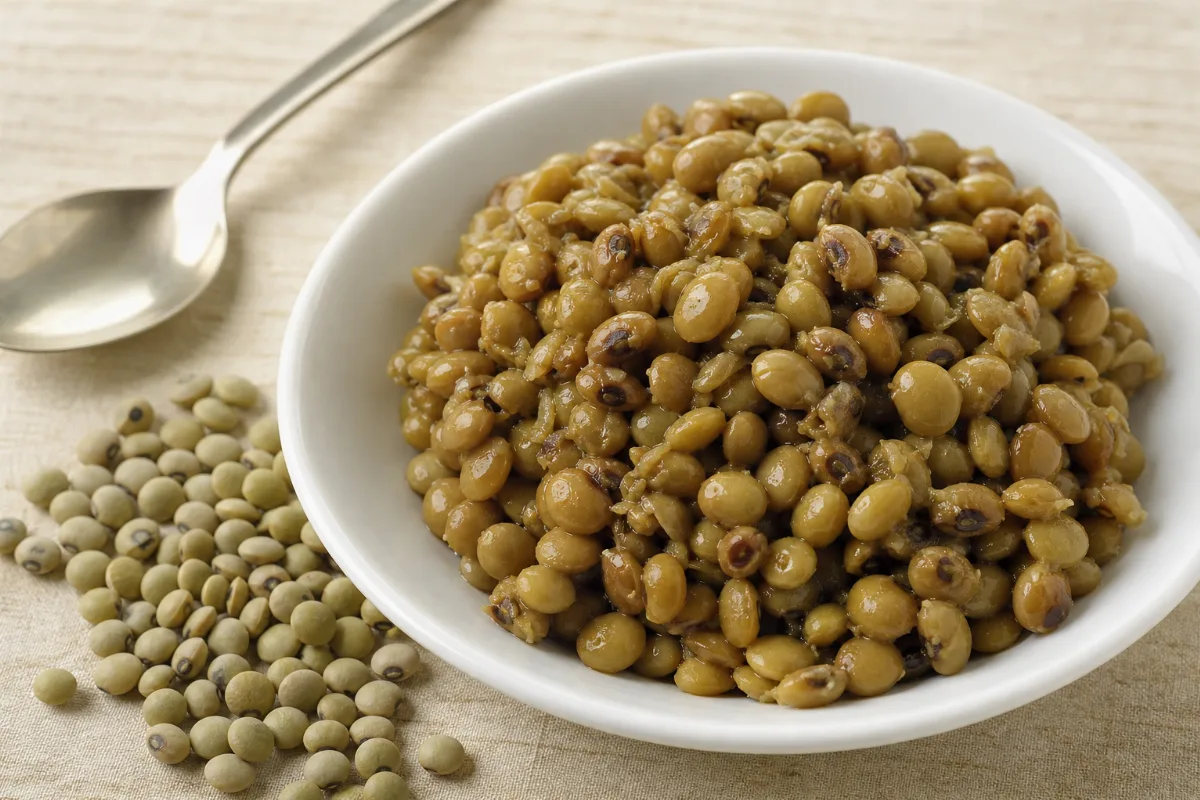
Legumes · Legume
Pigeon Peas
Cajanus cajan · also called Pigeon pea, red gram, toor dal (split), gandules (Spanish), congo pea, arhar
Pigeon peas are the small seeds of a legume grown in warm regions. They are eaten cooked, fresh-green or dried, in stews, rice dishes and dals. They give fibre, plant protein and folate. Studies of pulses in general link them to slightly lower cholesterol and blood sugar, but no trial of pigeon peas on their own was found. The main cautions are allergy (pigeon pea can cross-react with other legumes), gas in sensitive people, and potassium for people with kidney disease.
General information, not medical advice. Last substantive update · Not medically reviewed. A named clinician has not signed off on this page. How this page is made
About Pigeon Peas
Pigeon peas are a nourishing staple legume with fibre, plant protein and folate. They are a food, not a proven remedy: the health findings come from studies of pulses or legumes in general, and very little research names pigeon peas.
What it is
Pigeon peas (Cajanus cajan) are the seeds of a plant in the legume family, accepted as a species by GBIF. They are eaten cooked, fresh-green or dried, and split into dal. Common names include red gram, toor dal (when split) and gandules.
USDA data for cooked, boiled pigeon peas without salt, per 100 g: 121 kcal, 6.76 g protein, 6.7 g fibre, 111 micrograms folate, 384 mg potassium and 119 mg phosphorus. One cup (168 g) has about 203 kcal, 11.4 g protein, 11.3 g fibre, 186 micrograms folate and 645 mg potassium. Dry raw seeds are far more concentrated (343 kcal and 21.7 g protein per 100 g) because they hold little water, so do not compare raw and cooked values. Fresh-green, frozen, split and canned pigeon peas were not read.
What the research shows
The firmest facts are about nutrients: pigeon peas contain fibre, protein and folate. These are not trials of pigeon peas.
Pooled trials of pulses (mostly beans, chickpeas and lentils) found LDL cholesterol 0.16 to 0.17 mmol/L lower, lower fasting blood glucose and a very small weight loss of about 0.34 kg. Cohort studies link more legumes to a little less cardiovascular disease and coronary heart disease. Cohort studies cannot prove cause. Pigeon peas are not named in any of these.
The only human trial of a Cajanus cajan product tested an extract in children and adults with sickle cell anaemia, not the food. Cochrane rated it low quality and made no conclusion. The other work found was a survey of traditional use in Nigeria and a laboratory study of fermented seed extracts.
Food versus extracts
The trials above are about eating whole pulses. Pigeon pea leaf and seed extracts are different products. The one trial of a Cajanus cajan extract was in sickle cell anaemia, and Cochrane drew no conclusion and noted a possible, non-significant harm to anaemia. Do not replace prescribed treatment with plant extracts.
Amounts
This page gives no amounts to eat. Ask a doctor, pharmacist or dietitian what is right for you, especially if you have kidney problems, take medicines affected by potassium, or have a food allergy.
At a glance
Traditional uses history, not proof
- Eaten cooked, fresh-green or dried in stews, rice dishes and dals
- In some places the plant is also used in traditional remedies; long use is not proof that it works
Studied for research
- Fibre, protein and folate, high certainty for the nutrients, no pigeon pea trial
- Cholesterol, insufficient for pigeon peas (trials of pulses as a group)
- Blood sugar, insufficient for pigeon peas (trials of pulses as a group)
- Body weight, insufficient (very small effect, pulses as a group)
- Heart disease, insufficient (observational, legumes as a group)
- Sickle cell disease, insufficient (an extract product, not the food)
- Antioxidant readings, very low (laboratory only)
Main compounds
- Fibre
- Plant protein
- Folate
- Potassium
- Phosphorus
- Galacto-oligosaccharides
- Phenolic compounds (laboratory work)
Common forms
- Cooked, boiled pigeon peas (USDA values read)
- Dry raw pigeon peas (USDA values read; much more concentrated because there is little water)
- Fresh-green, frozen, split (dal) and canned pigeon peas (no verified values)
- Leaf and seed extracts are different products and are not covered
Research links: 2024 review: legume allergens including pigeon pea · 2024 review: legumes and cholesterol and blood sugar · 2020 Cochrane review: plant medicines for sickle cell disease · Research Library · Genes & Biomarkers Library
What it is and its history
- Accepted scientific name
- Cajanus cajan
- Naming authority
- (L.) Huth (GBIF accepted name)
- Common names
- Pigeon peas (English); Pigeon pea (English); Red gram (English); Toor dal (split pigeon pea) (English); Gandules (Spanish); Congo pea (English); Arhar (Hindi)
- Family or group
- Fabaceae (the legume or pea family), per GBIF.
- Classification
- Plantae > Tracheophyta > Magnoliopsida > Fabales > Fabaceae > Cajanus > Cajanus cajan
- Native range
- Not verified from a source read.
- Habitat
- Not verified from a source read.
- What it looks like
- Roots: Not verified.; Stems: Not verified.; Leaves: Not verified.; Flowers: Not verified.; Fruit: The seeds are eaten cooked, fresh-green or dried (existing nutrient summary). Seed shape and colour were not verified from a text source.
- Cultivation
- Not verified from a source read.
- Harvest and processing
- Sold dry, split (dal), fresh-green or frozen, and canned (existing nutrient summary; only boiled and dry raw seeds were verified with USDA).
- Look-alikes and adulterants
- Name: Black-eyed peas (cowpeas), lentils, chickpeas and split peas; Note: Other pulses with their own pages and different USDA values. Pulse trials rarely say which pulse was used.; Name: Pigeon pea leaf and seed extracts; Note: Traditional-medicine products, not the food; not covered by the food results.
- Sustainability and conservation
- Not assessed.
Photographs
What is inside, and how it may work
What it contains and how those compounds act in cells and animals. Laboratory and animal mechanisms are not proven effects in people.
Main compounds
| Compound | Family | Where it is concentrated | Activity studied | Level of evidence |
|---|---|---|---|---|
| Dietary fibre | carbohydrate | Seed USDA: 6.7 g per 100 g cooked; 15.0 g per 100 g dry raw | MedlinePlus says soluble fibre helps lower cholesterol and insoluble fibre adds bulk to stool; it does not name pigeon peas. 23 22 18 | Human data |
| Protein | protein | Seed USDA: 6.76 g per 100 g cooked; 21.7 g per 100 g dry raw | A food nutrient. Seed proteins are also the source of allergens (see Safety). 23 22 10 | Human data |
| Folate (vitamin B9) | vitamin | Seed USDA: 111 micrograms (DFE) per 100 g cooked; 456 micrograms per 100 g dry raw | MedlinePlus names dried beans and peas as folate foods and advises folic acid supplements for women thinking about becoming pregnant. 23 22 19 | Human data |
| Potassium | mineral | Seed USDA: 384 mg per 100 g cooked; 1390 mg per 100 g dry raw | Relevant to people with kidney problems (MedlinePlus). 23 22 20 | Human data |
| Phosphorus (largely phytate-bound) | mineral | Seed USDA: 119 mg per 100 g cooked | Plant phosphorus is absorbed less than animal or additive phosphorus (NKF); a 2021 review says at least 50% of phytate-phosphorus is absorbed in humans. 23 21 3 | Human data |
| Galacto-oligosaccharides | oligosaccharide | Seed Not found for pigeon peas | A hospital leaflet says GOS are mainly found in beans and pulses and can cause gas. Pigeon peas are not named. 15 | Authoritative guidance |
| Phenolic compounds (antioxidant readings) | polyphenols | Seed Not given in the abstract read | Fermented seed extracts gave higher antioxidant readings in test-tube assays; the authors say bioactive compounds still need to be identified. 8 | Laboratory research |
Mechanisms, receptors and pathways
| Target or pathway | Gene or receptor | What was found | Level |
|---|---|---|---|
| Allergy (IgE binding) | Five IgE-binding red gram proteins named Caj c1 to Caj c5 | IgE from patients with rhinitis and bronchial asthma bound five red gram proteins that resemble allergens of soybean, lentil, peanut and pea. Mice sensitised with the proteins showed allergic responses. 10 7 | Mixed (human samples, mouse) |
| Antioxidant readings in the laboratory | None identified | Wild fermentation raised the antioxidant readings of seed extracts in test-tube assays. No effect in people was studied. 8 | Laboratory research |
| Fibre and cholesterol | Not specified | MedlinePlus says soluble fibre helps lower cholesterol and slows digestion. Pigeon peas are not named, and the mechanism for pulses in the trials was not established in the abstracts read. 18 | Authoritative guidance |
Absorption, metabolism and elimination
- Absorption
- Not found for pigeon pea compounds. A 2021 review says at least 50% of phytate-phosphorus from plant foods is absorbed in humans.
- Distribution
- Not found.
- Metabolism
- Not found.
- Elimination
- Not found.
- Bioavailability
- Not established. The 2026 laboratory paper says most pigeon pea bioactive compounds exist in bound forms with limited bioavailability and that this needs study.
Isolated compounds versus whole extracts
The cholesterol, blood sugar and weight results come from trials of whole pulses as a group, mostly beans, chickpeas and lentils. The only Cajanus cajan human trial was of a standardised extract in sickle cell anaemia and does not describe the food. Laboratory results on fermented seed extracts do not describe a cooked meal.
Nutritional composition
Nutrition from USDA FoodData Central (SR Legacy; values read 2026-10-26 from the FDC data feed). Cooked, boiled, without salt (item 172437), per 100 g: 121 kcal, 6.76 g protein, 0.38 g fat, 23.2 g carbohydrate, 6.7 g fibre, about 69 g water, 43 mg calcium, 1.11 mg iron, 46 mg magnesium, 119 mg phosphorus, 384 mg potassium, 5 mg sodium, 0.9 mg zinc, 0.269 mg copper, 0.501 mg manganese, 0.146 mg thiamin, 111 micrograms folate (DFE). One cup (168 g, the USDA household portion): about 203 kcal, 11.4 g protein, 39.0 g carbohydrate, 11.3 g fibre, 186 micrograms folate, 645 mg potassium, 200 mg phosphorus, 1.9 mg iron, 77 mg magnesium (per-100-g values multiplied by 1.68). Dry raw seeds (item 172436), per 100 g: 343 kcal, 21.7 g protein, 15.0 g fibre, 1390 mg potassium, 456 micrograms folate; the figures are higher because the seeds hold little water, so do not compare raw and cooked rows. USDA does not list vitamin K or sugars for these items. Values vary with variety, growing place and cooking. Fresh green, frozen, split and canned pigeon peas were not read.
1 high certainty1 very low certainty6 not enough evidence
What was looked at
The 8 benefits and uses checked for Pigeon Peas, each with how strong the evidence is. Tap one to open it.
- Fibre, protein and folate as a foodHigh certainty
- Cholesterol (pulses as a group)Not enough evidence
- Blood sugar (pulses as a group)Not enough evidence
- Body weight (pulses as a group)Not enough evidence
- Heart disease (legumes, observational)Not enough evidence
- Sickle cell disease (a Cajanus cajan extract, not the food)Not enough evidence
- Traditional use for malaria and typhoidNot enough evidence
- Antioxidant readings of fermented pigeon peas (laboratory only)Very low certainty
Lab markers tracked in the studies
LDL cholesterolFasting blood glucoseBody weight
What is Pigeon Peas good for?
The main studied uses and how strong the human evidence is for each. Almost all results are for pulses or legumes as a group, not for eating pigeon peas. Very little research names pigeon peas, so this page is short.
Benefits, one by one
Each card is a research question, not a promise. Tap a goal to filter. Open a card to see the studies, doses and limits.
Fibre, protein and folate as a food
High certaintyCooked pigeon peas have 6.7 g of fibre, 6.76 g of protein and 111 micrograms of folate per 100 g, by USDA data. One cup (168 g) has about 11.3 g of fibre, 11.4 g of protein and 186 micrograms of folate. This is what is in the food. It is not a trial of pigeon peas. Gas can be a problem for some people (see Safety).
4 studiesCooked, boiled pigeon peas without salt (USDA). Fresh green pigeon pe…
Studies, doses and limits
What the trials found
USDA FoodData Central lists, for cooked boiled pigeon peas without salt (item 172437), 121 kcal, 6.76 g protein, 6.7 g fibre and 111 micrograms folate (DFE) per 100 g. For dry raw seeds (item 172436) the figures per 100 g are 343 kcal, 21.7 g protein, 15.0 g fibre and 456 micrograms folate, because the seeds hold little water. MedlinePlus lists dried beans and peas (legumes) as folate foods.
Results
Pigeon peas are a source of fibre, plant protein and folate. No trial of eating pigeon peas for bowel function or folate status was found.
Effect sizes as reported
USDA, cooked, per 100 g: fibre 6.7 g, protein 6.76 g, folate 111 micrograms. Per cup (168 g): fibre about 11.3 g, protein about 11.4 g, folate about 186 micrograms.
Why this rating
High that cooked pigeon peas contain these nutrients (USDA data). It is not a health-outcome result, and no pigeon pea trial was read.
Form and dose studied
Cooked, boiled pigeon peas without salt (USDA). Fresh green pigeon peas and canned ones were not read.
Who was studied
General adult diet.
Limits
A nutrient fact, not a trial. Values vary with variety, growing place and cooking.
Why researchers looked
Pigeon peas are a staple food in warm regions, so people ask what they add to a diet.
Traditional use
Pigeon peas are eaten cooked, fresh-green or dried in stews, rice dishes and dals. Long use as food is not proof that it treats any condition.
Proposed mechanism Authoritative guidance
MedlinePlus says soluble fibre attracts water, forms a gel and slows digestion, and that insoluble fibre adds bulk to stool. It names beans, lentils and peas among soluble fibre foods, but not pigeon peas. USDA does not split pigeon pea fibre into soluble and insoluble.
A proposed mechanism does not show that the effect happens in people.
Pulses can cause gas and bloating in some people. See Safety.
Cholesterol (pulses as a group)
Not enough evidencePooled trials of pulses (beans, chickpeas, lentils and peas) found a small drop in LDL ("bad") cholesterol of about 0.16 to 0.17 mmol/L. No trial of pigeon peas on their own was found, so the result for pigeon peas is not known.
2 studiesPulses and legumes as food (trial detail: median about 130 g a day an…
Studies, doses and limits
What the trials found
A 2014 meta-analysis of 26 trials (1,037 adults) found diets emphasising pulses, at a median of 130 g a day for at least 3 weeks, lowered LDL cholesterol by 0.17 mmol/L (95% CI -0.25 to -0.09), with no effect on apolipoprotein B or non-HDL cholesterol. A 2024 meta-analysis of 24 trials (1,938 adults, at least 6 weeks, legumes averaging 86 g a day) found moderate-certainty (GRADE) improvements in total cholesterol (-0.23 mmol/L) and LDL cholesterol (-0.16 mmol/L).
Results
Eating pulses slightly lowered LDL cholesterol in short trials. Pigeon peas are not named in the abstracts. They are a pulse, but a result for pigeon peas cannot be assumed.
Effect sizes as reported
LDL -0.17 mmol/L (2014; 26 trials); LDL -0.16 mmol/L, total cholesterol -0.23 mmol/L (2024; 24 trials).
Why this rating
The 2024 review rates pulses and legumes as a group at moderate certainty. We rate it insufficient for pigeon peas because no trial named them, and LDL is a marker, not a count of heart attacks.
Form and dose studied
Pulses and legumes as food (trial detail: median about 130 g a day and 86 g a day; not advice). Not pigeon peas specifically.
Who was studied
Adults in randomised trials.
Limits
Pulses are mostly beans, chickpeas and lentils. Short trials. Cholesterol is a marker, not a measure of heart attacks or strokes.
Why researchers looked
Pulses are high in fibre and protein, so researchers test whether eating them changes blood fats.
Traditional use
Pigeon peas are a staple food. Long use as food is not proof of any effect on cholesterol.
Proposed mechanism Authoritative guidance
Not established in the abstracts read. MedlinePlus says soluble fibre helps lower cholesterol, and pulses contain fibre.
A proposed mechanism does not show that the effect happens in people.
No safety signal for cholesterol. Gas, allergy and kidney cautions are on the Safety tab.
Blood sugar (pulses as a group)
Not enough evidencePooled trials of pulses found lower fasting blood glucose, insulin and long-term sugar markers. The trials differed a lot from each other, and no trial tested pigeon peas on their own.
2 studiesPulses as food (trial detail, not advice). Not pigeon peas specifical…
Studies, doses and limits
What the trials found
A 2009 meta-analysis of 41 trials (people with and without diabetes, at least 7 days) found pulses alone (11 trials) lowered fasting glucose (standardised mean difference -0.82, 95% CI -1.36 to -0.27) and insulin (-0.49). A 2024 review of 24 trials found fasting blood glucose 0.18 mmol/L lower (95% CI -0.30 to -0.06) at moderate certainty.
Results
Pulses as a group lowered blood sugar markers a little, with large unexplained differences between trials. Pigeon peas were not tested separately.
Effect sizes as reported
Fasting glucose SMD -0.82; insulin SMD -0.49 (2009). Fasting glucose -0.18 mmol/L (2024).
Why this rating
Pulses as a group are rated moderate in the 2024 review, but the 2009 review found high, unexplained differences between trials and neither names pigeon peas, so for pigeon peas we call it insufficient.
Form and dose studied
Pulses as food (trial detail, not advice). Not pigeon peas specifically.
Who was studied
Adults with and without diabetes in randomised trials.
Limits
Pulses as a group. High unexplained differences between trials in the 2009 review. This page does not say pigeon peas treat diabetes.
Why researchers looked
Pulses digest slowly and are rich in fibre, so researchers test their effect on blood sugar.
Traditional use
Pigeon peas are a staple food. Long use as food is not proof of any effect on blood sugar.
Proposed mechanism Human review
The 2009 review describes pulses as a source of slowly digestible carbohydrate, fibre and vegetable protein. This is the authors' background statement, not a result for pigeon peas.
A proposed mechanism does not show that the effect happens in people.
Anyone taking diabetes medicines should talk to their clinician before changing their diet a lot.
Body weight (pulses as a group)
Not enough evidencePooled trials found that diets with pulses gave a very small extra weight loss of about 0.34 kg over roughly 6 weeks. Pigeon peas were not tested on their own.
1 studiesWhole pulses as food (trial detail: median about 132 g a day; not adv…
Studies, doses and limits
What the trials found
A 2016 meta-analysis of 21 trials (940 participants, at least 3 weeks, median 6 weeks) found diets with whole pulses (median 132 g a day) gave weight loss of 0.34 kg (95% CI -0.63 to -0.04) compared with diets without pulses.
Results
A very small weight loss with pulses as a group. It is not a weight-loss treatment, and pigeon peas were not tested separately.
Effect sizes as reported
Body weight -0.34 kg (95% CI -0.63 to -0.04 kg).
Why this rating
The result is for pulses as a group and the effect is very small. No pigeon pea trial was found.
Form and dose studied
Whole pulses as food (trial detail: median about 132 g a day; not advice).
Who was studied
Adults in randomised trials.
Limits
Short trials, pulses as a group, tiny effect.
Why researchers looked
Pulses are filling and high in fibre and protein, so researchers test whether adding them changes body weight.
Traditional use
Pigeon peas are a staple food. Long use as food is not proof of any effect on weight.
Proposed mechanism Not established
Not established in the abstract read.
A proposed mechanism does not show that the effect happens in people.
See the Safety tab for gas, allergy and kidney notes.
Heart disease (legumes, observational)
Not enough evidencePeople who ate the most legumes had slightly lower rates of cardiovascular disease and coronary heart disease than people who ate the least. This is an association from observational studies. It does not prove that legumes caused it, and pigeon peas were not named.
1 studiesLegumes as food (intake categories in cohort studies).
Studies, doses and limits
What the trials found
A 2023 meta-analysis of 26 observational studies (21 cohort, 5 case-control) found the highest versus lowest legume intake was linked to lower cardiovascular disease (RR 0.94, 95% CI 0.89 to 0.99) and coronary heart disease (RR 0.90, 0.85 to 0.96), but not to stroke (RR 1.00, 0.93 to 1.08).
Results
A modest link with less heart disease but none with stroke. People who eat more legumes may differ in other ways.
Effect sizes as reported
CVD RR 0.94; CHD RR 0.90; stroke RR 1.00.
Why this rating
Observational, so it cannot show cause. It covers legumes as a group and pigeon peas were not named, so the certainty for pigeon peas is insufficient.
Form and dose studied
Legumes as food (intake categories in cohort studies).
Who was studied
Adults in observational studies.
Limits
Observational. Legumes as a group.
Why researchers looked
Researchers compare disease rates in people who eat different amounts of legumes.
Traditional use
Legumes are a food group eaten worldwide. Long use as food is not proof of any effect.
Proposed mechanism Not established
Not established. Observational studies cannot show a mechanism.
A proposed mechanism does not show that the effect happens in people.
None specific.
Sickle cell disease (a Cajanus cajan extract, not the food)
Not enough evidenceOne small trial of a Cajanus cajan extract product (Ciklavit) in people with sickle cell anaemia reported fewer painful episodes. A Cochrane review rated the evidence low quality, said no conclusions can be made, and noted a possible, non-significant harm to anaemia. This is an extract product, not pigeon peas eaten as food.
2 studiesA standardised Cajanus cajan extract product (Ciklavit). Not the food.
Studies, doses and limits
What the trials found
A 2005 single-blind, placebo-controlled trial in Nigeria (100 people with steady-state sickle cell anaemia, 6 months) reported fewer painful episodes in the extract group (207 to 191, P = 0.03) while they rose in the placebo group (109 to 164, P = 0.01), and less liver enlargement. The 2020 Cochrane review (3 plant-medicine trials, 212 participants) reports for the single Cajanus cajan trial a possible benefit for painful crises and a possible, non-significant adverse effect on the level of anaemia, and says no conclusions can be made.
Results
Not enough reliable evidence. The extract is not an established treatment, and it is not the same as eating pigeon peas.
Effect sizes as reported
Painful episodes 207 to 191 (extract) versus 109 to 164 (placebo) in the 2005 trial.
Why this rating
Cochrane rates the evidence low quality and draws no conclusion for this extract. One small single-blind trial.
Form and dose studied
A standardised Cajanus cajan extract product (Ciklavit). Not the food.
Who was studied
People with sickle cell anaemia in Nigeria.
Limits
One small trial from 2005. Painful episodes were compared with the 6 months before the study. An extract, not the food.
Why researchers looked
The extract was tested as a possible anti-sickling plant medicine.
Traditional use
Plant medicines are widely used in regions where sickle cell disease is common. Traditional use is not proof of benefit.
Proposed mechanism Human data
The trial authors say the mechanism of action remains to be determined.
A proposed mechanism does not show that the effect happens in people.
Do not replace prescribed treatment with plant extracts. A possible, non-significant harm to anaemia was noted.
Traditional use for malaria and typhoid
Not enough evidenceA 2026 survey of 400 people in Nsukka, Nigeria found that pigeon pea and neem preparations are used for malaria and typhoid, mainly because of access, cost and family tradition. The survey did not test whether they work.
1 studiesHerbal preparations used at home (not described in the abstract).
Studies, doses and limits
What the trials found
A cross-sectional questionnaire of 400 adults (200 urban, 200 rural). Rural residents relied more on herbal remedies because of accessibility, affordability and family tradition; urban respondents often alternated herbs with prescription drugs.
Results
A survey of habits, not a test of effect. No evidence that pigeon pea treats malaria or typhoid was found.
Effect sizes as reported
No effect size; no health outcome measured.
Why this rating
A survey only. It cannot show that the plants work.
Form and dose studied
Herbal preparations used at home (not described in the abstract).
Who was studied
Adults in urban and rural Nsukka, Nigeria.
Limits
Cross-sectional design; the authors say it limits causal inference.
Why researchers looked
Researchers asked why people keep using these plants alongside prescription medicines.
Traditional use
Used in local traditional medicine in Nigeria, per the survey. Traditional use is not proof of benefit.
Proposed mechanism Not established
Not studied.
A proposed mechanism does not show that the effect happens in people.
Malaria and typhoid are serious infections. Do not rely on a plant instead of medical care.
Antioxidant readings of fermented pigeon peas (laboratory only)
Very low certaintyA 2026 laboratory study found that wild-fermented pigeon pea seeds gave higher antioxidant readings in test-tube assays. It used extracts, not people, and does not show any health effect.
1 studiesWild-fermented pigeon pea seeds in brine, extracted with solvents (la…
Studies, doses and limits
Results
Test-tube antioxidant readings were higher after fermentation, most clearly for radical scavenging. Nothing was measured in people.
Effect sizes as reported
Higher readings in the DPPH, ferric reducing power and ABTS assays and in total phenolic content (no figures read).
Why this rating
Lab chemistry on solvent extracts. No people and no health outcome.
Form and dose studied
Wild-fermented pigeon pea seeds in brine, extracted with solvents (laboratory).
Limits
Lab only; not a food portion; no health outcome.
Why researchers looked
Researchers wanted to know whether fermenting pigeon peas frees more of their plant compounds for testing.
Proposed mechanism Laboratory research
Not shown. The authors say bioavailability, microbiological characterisation and compound identification still need research.
A proposed mechanism does not show that the effect happens in people.
None specific.
Connections to the rest of health
How Pigeon Peas connects to the rest of our health knowledge graph. Every link says what kind of connection it is. A safety link (for example to the liver) is a warning, not a benefit. A study that merely mentions a topic never creates a benefit link.
Explore every connection: goals, body systems, organs, symptoms, genes
A. Wellness goals
| Connected to | Kind of connection | Evidence status | Context | Studies |
|---|---|---|---|---|
| Digestive Support | High certainty | Fibre, protein and folate as a food: Cooked pigeon peas have 6.7 g of fibre, 6.76 g of protein and 111 micrograms of folate per 100 g, by USDA data. One cup (168 g) has about 11.3 g of fibre, 11.4 g of protein and 186 micrograms of folate. This is what is in the food. It is not a trial of pigeon peas. Gas can be a problem for some people (see Safety). | 23 22 18 19 | |
| Cholesterol Balance | Not enough evidence | Cholesterol (pulses as a group): Pooled trials of pulses (beans, chickpeas, lentils and peas) found a small drop in LDL ("bad") cholesterol of about 0.16 to 0.17 mmol/L. No trial of pigeon peas on their own was found, so the result for pigeon peas is not known. | 4 5 | |
| Heart Health | Not enough evidence | Cholesterol (pulses as a group): Pooled trials of pulses (beans, chickpeas, lentils and peas) found a small drop in LDL ("bad") cholesterol of about 0.16 to 0.17 mmol/L. No trial of pigeon peas on their own was found, so the result for pigeon peas is not known. | 4 5 | |
| Blood Sugar Balance | Not enough evidence | Blood sugar (pulses as a group): Pooled trials of pulses found lower fasting blood glucose, insulin and long-term sugar markers. The trials differed a lot from each other, and no trial tested pigeon peas on their own. | 13 5 | |
| Metabolic Health | Not enough evidence | Blood sugar (pulses as a group): Pooled trials of pulses found lower fasting blood glucose, insulin and long-term sugar markers. The trials differed a lot from each other, and no trial tested pigeon peas on their own. | 13 5 | |
| Weight Management | Not enough evidence | Body weight (pulses as a group): Pooled trials found that diets with pulses gave a very small extra weight loss of about 0.34 kg over roughly 6 weeks. Pigeon peas were not tested on their own. | 6 | |
| Heart Health | Not enough evidence | Heart disease (legumes, observational): People who ate the most legumes had slightly lower rates of cardiovascular disease and coronary heart disease than people who ate the least. This is an association from observational studies. It does not prove that legumes caused it, and pigeon peas were not named. | 9 |
B. Body systems
| Connected to | Kind of connection | Evidence status | Context | Studies |
|---|---|---|---|---|
| Digestive System | Biological association | High certainty | Studied for: Fibre, protein and folate as a food | 23 22 18 19 |
| Cardiovascular System | Biological association | Not enough evidence | Studied for: Cholesterol (pulses as a group) Studied for: Heart disease (legumes, observational) | 4 5 9 |
| Endocrine System | Biological association | Not enough evidence | Studied for: Blood sugar (pulses as a group) | 13 5 |
| Metabolic System | Biological association | Not enough evidence | Studied for: Body weight (pulses as a group) | 6 |
| Blood | Biological association | Not enough evidence | Studied for: Sickle cell disease (a Cajanus cajan extract, not the food) | 11 2 |
| Immune System | Biological association | Not enough evidence | Studied for: Traditional use for malaria and typhoid | 12 |
C. Body parts and organs
| Connected to | Kind of connection | Evidence status | Context | Studies |
|---|---|---|---|---|
| Gut | Adverse effect or risk | Documented risk | Gas and bloating from fermentable carbohydrates in beans and pulses; pigeon peas not named. Preparation or compound: Pulses |
15 |
| Kidneys | Adverse effect or risk | Documented risk | People with kidney problems are advised to limit potassium-rich foods; plant phosphorus is absorbed less than animal or additive phosphorus. Cooked pigeon peas contain potassium and phosphorus; people with kidney problems are advised to limit potassium-rich foods. Preparation or compound: Potassium and phosphorus in cooked pigeon peas |
23 20 21 3 |
E. Health conditions
| Connected to | Kind of connection | Evidence status | Context | Studies |
|---|---|---|---|---|
| Food allergy | Adverse effect or risk | Documented risk | Pigeon pea is listed in a 2024 review among legumes that can cause mild-to-severe allergic reactions; evidence is mostly case reports, lab and mouse work. Preparation or compound: Pigeon pea seed proteins |
1 10 |
I. Biomarkers
| Connected to | Kind of connection | Evidence status | Context | Studies |
|---|---|---|---|---|
| LDL cholesterol | Biological association | Not enough evidence | Measured in trials: lowered. A lab change is not the same as a health benefit. | 4 5 |
| Fasting blood glucose | Biological association | Not enough evidence | Measured in trials: lowered. A lab change is not the same as a health benefit. | 13 5 |
| Body weight | Biological association | Not enough evidence | Measured in trials: lowered. A lab change is not the same as a health benefit. | 6 |
K. Biological pathways
| Connected to | Kind of connection | Evidence status | Context | Studies |
|---|---|---|---|---|
| Fibre | Preliminary mechanism | Human | Pigeon peas are a fibre food; soluble fibre is linked to lower cholesterol (MedlinePlus). | 23 18 |
| Folate | Preliminary mechanism | Human | Cooked pigeon peas supply folate (USDA). | 23 19 |
| Potassium | Preliminary mechanism | Human | Relevant to kidney disease and some medicines (MedlinePlus). | 23 20 |
L. Active compounds
| Connected to | Kind of connection | Evidence status | Context | Studies |
|---|---|---|---|---|
| Dietary fibre | Biological association | Human | MedlinePlus says soluble fibre helps lower cholesterol and insoluble fibre adds bulk to stool; it does not name pigeon peas. Preparation or compound: Seed |
23 22 18 |
| Protein | Biological association | Human | A food nutrient. Seed proteins are also the source of allergens (see Safety). Preparation or compound: Seed |
23 22 10 |
| Folate (vitamin B9) | Biological association | Human | MedlinePlus names dried beans and peas as folate foods and advises folic acid supplements for women thinking about becoming pregnant. Preparation or compound: Seed |
23 22 19 |
| Potassium | Biological association | Human | Relevant to people with kidney problems (MedlinePlus). Preparation or compound: Seed |
23 22 20 |
| Phosphorus (largely phytate-bound) | Biological association | Human | Plant phosphorus is absorbed less than animal or additive phosphorus (NKF); a 2021 review says at least 50% of phytate-phosphorus is absorbed in humans. Preparation or compound: Seed |
23 21 3 |
| Galacto-oligosaccharides | Biological association | Authoritative guidance | A hospital leaflet says GOS are mainly found in beans and pulses and can cause gas. Pigeon peas are not named. Preparation or compound: Seed |
15 |
| Phenolic compounds (antioxidant readings) | Biological association | In vitro | Fermented seed extracts gave higher antioxidant readings in test-tube assays; the authors say bioactive compounds still need to be identified. Preparation or compound: Seed |
8 |
Each connection is stored with the ingredient, the connected record, the kind of connection, the evidence status, the supporting studies, the preparation or compound involved, and a review date (last reviewed October 26, 2026).
The evidence
The research centre for Pigeon Peas. Every record here was checked against PubMed or the publisher's page; we never list a study we have not verified.
Evidence by outcome
Bars show how many studies we found for each outcome, not how well it works. People are added up across trials only (reviews are not added, to avoid double counting).
How we rate evidence
High certainty
Several well-run trials or reviews agree; further research is unlikely to change the picture much.
Moderate certainty
Good trials point the same way, but some doubt remains.
Low certainty
Small, short or inconsistent trials. The finding could change with better research.
Very low certainty
Very little or very weak human data. Treat as a possibility only.
Mixed findings
Trials or reviews disagree with each other.
Not enough evidence
Not enough human research to say either way.
Evidence against
Good research found no benefit, or found harm.
We take the reviewers' own risk-of-bias and GRADE statements where they exist, and otherwise judge from study size, design, consistency, directness and whether a product matches what is sold. Many publications do not make evidence high. Method note: We started from our existing pigeon peas summary, re-checked nutrition at USDA FoodData Central, read health agency pages (MedlinePlus, FDA, a hospital leaflet and the National Kidney Foundation) and searched PubMed for reviews, trials and allergy studies. Only abstracts were read for studies. Very little research names pigeon peas, so the page is short. Items we could not verify are flagged in the research gaps.
Study library: every study we checked 23
| Study | Design | People | Product, dose, length | Result |
|---|---|---|---|---|
| Abu Risha 2024 Legume Allergens Pea, Chickpea, Lentil, Lupine and Beyond Curr Allergy Asthma Rep · PMID 38990406 · DOI |
Narrative review |
Review of reports on legume allergy | Legumes other than peanut and soy, including beans, pea, lentils, chickpea, lupine, cowpea, pigeon pea and fenugreek Legumes as food |
The review lists pigeon pea among "non-priority" legumes that are potentially important allergen sources and can cause mild-to-severe reactions. Severe reactions are described particularly for peas and lupine. Most reactions come from IgE cross-reactions between related proteins, for example peanut and lupine. Most studies are case reports. Not applicable (Not applicable) Methods, limits and fundingOutcomes: Allergic reactions and allergens Limitations: A narrative review. Most evidence is case reports, so how common pigeon pea allergy is cannot be judged from it. Funding and conflicts: The authors declare no conflict of interest. Read: abstract |
| Akinsulie 2005 Clinical evaluation of extract of Cajanus cajan (Ciklavit) in sickle cell anaemia J Trop Pediatr · PMID 15917266 · DOI |
Controlled trial |
100 100 patients with steady-state sickle cell anaemia, Nigeria |
Cajanus cajan extract (Ciklavit) Plant extract (not the food) Given twice daily (trial detail, not advice) 6 months · vs Placebo (single-blind) |
The authors report fewer painful episodes in the extract group (207 to 191, P = 0.03) while episodes rose in the placebo group (109 to 164, P = 0.01), and less liver enlargement. Packed cell volume rose in the placebo group. They say the extract may reduce painful crises. Painful episodes 207 to 191 (extract); 109 to 164 (placebo) (Not given in the abstract) Methods, limits and fundingOutcomes: Liver enlargement, painful episodes, packed cell volume (a blood count measure) Limitations: Extract, not food. Single-blind. Painful episodes were compared with the 6 months before enrolment. A later Cochrane review judged the evidence low quality and drew no conclusion. Funding and conflicts: Funding is not stated in the abstract. Read: abstract |
| Calvo 2021 Perspective: Plant-based Whole-Grain Foods for Chronic Kidney Disease: The Phytate-Phosphorus Conundrum Adv Nutr · PMID 34192744 · DOI |
Narrative review |
Review of human diets high in phytate-phosphorus | Plant foods rich in phytate-phosphorus, including legumes and pulses Plant foods |
Human studies suggest at least 50% of phytate-phosphorus is absorbed. That is less than from animal protein-bound phosphorus but more than the commonly believed 10 to 30%. At least 50% absorption (Not applicable) Methods, limits and fundingOutcomes: Absorption of phosphorus from plant foods Limitations: A perspective article, not a trial. Plant foods in general, not pigeon peas specifically. Funding and conflicts: Funding is not stated in the abstract. Read: abstract |
| Ha 2014 Effect of dietary pulse intake on established therapeutic lipid targets for cardiovascular risk reduction: a systematic review and meta-analysis of randomized controlled trials CMAJ · PMID 24710915 · DOI |
Systematic review meta analysis |
1037 26 randomised trials, 1,037 adults |
Diets emphasising pulses (beans, chickpeas, lentils, peas) Pulses as food Median 130 g a day (trial detail, not advice) At least 3 weeks · vs Isocaloric diets without pulses |
Pulse diets lowered LDL cholesterol. No effect on apolipoprotein B or non-HDL cholesterol was seen. LDL cholesterol mean difference -0.17 mmol/L (95% CI -0.25 to -0.09) Methods, limits and fundingOutcomes: LDL cholesterol, apolipoprotein B, non-HDL cholesterol Limitations: Pulses as a group; pigeon peas are not named in the abstract. The authors call for longer, higher-quality trials. Funding and conflicts: Funding is not stated in the abstract. Registration: NCT01594567 Read: abstract |
| Hossain 2024 Legume intakes on cardiometabolic profile and gut microbiome function: systematic review and meta-analyses of randomised controlled trials Eur J Nutr · PMID 39739131 · DOI |
Systematic review meta analysis |
1938 24 randomised trials (33 comparisons), 1,938 adults |
Legumes provided to adults (daily average 86 g, range 2 to 251) Legumes as food Average 86 g a day (trial detail, not advice) At least 6 weeks · vs Control foods, mostly with the same energy |
Moderate-certainty evidence (GRADE) that higher legume intake improved total cholesterol, LDL cholesterol and fasting blood glucose. No trial reported gut microbiome outcomes. Results differed with the type and format of legume. Total cholesterol -0.23 mmol/L; LDL -0.16 mmol/L; fasting glucose -0.18 mmol/L (Total cholesterol -0.33 to -0.13; LDL -0.24 to -0.08; fasting glucose -0.30 to -0.06) Methods, limits and fundingOutcomes: Cholesterol, fasting blood glucose, other cardiometabolic markers, gut microbiome Limitations: Legumes as a group; pigeon peas are not named in the abstract. Not all markers improved. Funding and conflicts: The authors declare no conflicts of interest. Registration: PROSPERO CRD42023456953 Read: abstract |
| Kim 2016 Effects of dietary pulse consumption on body weight: a systematic review and meta-analysis of randomized controlled trials Am J Clin Nutr · PMID 27030531 · DOI |
Systematic review meta analysis |
940 21 randomised trials, 940 participants |
Diets containing whole dietary pulses (beans, lentils, chickpeas, dry peas) Pulses as food Median 132 g a day (trial detail, not advice) At least 3 weeks; median 6 weeks · vs Diets without pulses |
Diets with pulses gave a small extra weight loss compared with diets without pulses. Body weight -0.34 kg (95% CI -0.63 to -0.04 kg; P = 0.03) Methods, limits and fundingOutcomes: Body weight, waist circumference, body fat Limitations: Pulses as a group, not pigeon peas. The effect is very small and trials were short. Funding and conflicts: Funding is not stated in the abstract. Registration: NCT01594567 Read: abstract |
| Kumar Gupta 2016 Cutaneous exposure to clinically-relevant pigeon pea (Cajanus cajan) proteins promote T(H)2-dependent sensitization and IgE-mediated anaphylaxis in Balb/c mice J Immunotoxicol · PMID 27967302 · DOI |
Animal research animal (mouse) |
BALB/c mice | Pigeon pea crude protein extract applied to skin or given by mouth, then an oral challenge Seed protein extract Repeated applications |
Skin exposure to pigeon pea protein caused allergic sensitisation and anaphylactic signs after an oral challenge in mice. Raised IgE and anaphylaxis scores in mice (Not applicable) Methods, limits and fundingOutcomes: Allergy antibodies and anaphylaxis scores Limitations: Mouse study. It is not shown that eating or touching cooked pigeon peas does this in people. Funding and conflicts: Funding is not stated in the abstract. Read: abstract |
| Machinjili 2026 Unlocking the Antioxidant Potential of Pigeon Peas (Cajanus cajan L.) via Wild Fermentation and Extraction Optimization Foods · PMID 41596909 · DOI |
Laboratory research in-vitro |
Laboratory tests on pigeon pea seed extracts | Pigeon pea seeds, wild-fermented in brine, then extracted with solvents Seed extracts Laboratory run · vs Unfermented pigeon peas |
Fermentation raised the antioxidant readings in all tests, most for radical scavenging. 70% methanol at 40 C for 24 h gave the best extraction. The authors say bioavailability and compound identity still need study. Higher readings in test-tube assays (no figures read) (Not applicable) Methods, limits and fundingOutcomes: Phenolic content and antioxidant test-tube assays (DPPH, ferric reducing power, ABTS) Limitations: Laboratory chemistry on solvent extracts. No people, no health outcome. Not evidence of any health effect. Funding and conflicts: The authors declare no conflicts of interest and say the funders had no role. Read: abstract |
| Mendes 2023 Intake of legumes and cardiovascular disease: A systematic review and dose-response meta-analysis Nutr Metab Cardiovasc Dis · PMID 36411221 · DOI |
Systematic review meta analysis |
26 observational studies (21 cohort, 5 case-control) | Highest versus lowest legume intake Legumes as food Intake categories (observational) · vs Lowest intake |
Higher legume intake was linked to less cardiovascular disease and less coronary heart disease, but not to less stroke. CVD RR 0.94; CHD RR 0.90; stroke RR 1.00 (CVD 0.89 to 0.99; CHD 0.85 to 0.96; stroke 0.93 to 1.08) Methods, limits and fundingOutcomes: Cardiovascular disease, coronary heart disease, stroke Limitations: Observational, so it cannot prove cause. Legumes as a group, pigeon peas not named in the abstract. Funding and conflicts: The authors declare no conflicts of interest. Registration: PROSPERO CRD42021247565 Read: abstract |
| Misra 2010 Partial characterization of red gram (Cajanus cajan L. Millsp) polypeptides recognized by patients exhibiting rhinitis and bronchial asthma Food Chem Toxicol · PMID 20600518 · DOI |
Lab and animal mixed (human samples, mouse) |
IgE tests with serum from patients with rhinitis and bronchial asthma (number not given in the abstract), plus a BALB/c mouse sensitisation test | Red gram (pigeon pea) seed proteins Seed protein extract Not given in the abstract · vs Not given |
IgE from patients bound five red gram proteins. They resembled known allergens of soybean, lentil, peanut and pea. Mice sensitised with the proteins showed raised IgE, histamine and anaphylactic signs. The authors call the five proteins putative clinically relevant allergens. Five IgE-binding proteins found (Not applicable) Methods, limits and fundingOutcomes: IgE-binding proteins, mouse antibody, histamine and anaphylaxis measures Limitations: Lab and mouse work with patient blood samples. It does not tell how common pigeon pea allergy is or how severe it is in people. Funding and conflicts: Funding is not stated in the abstract. Read: abstract |
| Oniyangi 2020 Phytomedicines (medicines derived from plants) for sickle cell disease Cochrane Database Syst Rev · PMID 32977351 · DOI |
Systematic review meta analysis |
212 Three trials of plant medicines in sickle cell disease, 212 participants |
Niprisan, Ciklavit (Cajanus cajan extract) and a Pfaffia paniculata root extract Plant extract products (not the food) Trial detail not given in the abstract Six-month follow-up in the Niprisan trial · vs Placebo or conventional treatment |
The single Cajanus cajan (Ciklavit) trial reported a possible benefit for painful crises and a possible, non-significant harm to the level of anaemia, rated low-quality evidence. The authors say no conclusions can be made about Ciklavit. Not quantified in the abstract for Ciklavit (Not given in the abstract) Methods, limits and fundingOutcomes: Painful crises, severe complications, anaemia Limitations: Covers an extract product, not pigeon peas as food. One small trial. Low-quality evidence. Funding and conflicts: Conflict of interest statement: both authors, none known. Read: abstract |
| Osayi 2026 Family traditions, accessibility and cost shape the continued reliance on Cajanus cajan and Azadirachta indica for malaria and typhoid despite prescription medicines in urban and rural Nsukka, Nigeria BMC Complement Med Ther · PMID 42237302 · DOI |
Cross sectional |
400 400 adults (200 urban, 200 rural) in Nsukka, Nigeria |
Questionnaire about herbal use of pigeon pea and neem for malaria and typhoid Herbal use (plant preparations, not the food) Single survey |
Rural residents relied more on these herbs because of access, cost and family tradition. Urban respondents also used herbal extracts, often alternating with prescription drugs. Residence, occupation and age predicted knowledge and use. No effect on malaria or typhoid was tested (Not applicable) Methods, limits and fundingOutcomes: Knowledge and current herbal use; reasons for use Limitations: A survey of habits. It does not test whether the herbs work. The authors say the design limits causal inference. Funding and conflicts: The authors declare no competing interests. Read: abstract |
| Sievenpiper 2009 Effect of non-oil-seed pulses on glycaemic control: a systematic review and meta-analysis of randomised controlled experimental trials in people with and without diabetes Diabetologia · PMID 19526214 · DOI |
Systematic review meta analysis |
41 randomised trials in people with and without diabetes | Non-oil-seed pulses (chickpeas, beans, peas, lentils and others), alone or in low-GI or high-fibre diets Pulses as food Trial detail not given in the abstract At least 7 days · vs Control diets |
Pulses alone (11 trials) lowered fasting glucose and insulin. Pulses in low-GI diets lowered glycosylated proteins. Pulses in high-fibre diets lowered fasting glucose and glycosylated proteins. Standardised mean differences: fasting glucose -0.82 (pulses alone); insulin -0.49; glycosylated proteins -0.28 (low-GI diets) (Fasting glucose -0.82 (95% CI -1.36 to -0.27); insulin -0.49 (-0.93 to -0.04); glycosylated proteins -0.28 (-0.42 to -0.14)) Methods, limits and fundingOutcomes: Fasting blood glucose, insulin, glycosylated blood proteins (HbA1c or fructosamine) Limitations: Pulses as a group, not pigeon peas. The abstract says differences between trials were high and unexplained for most outcomes. Funding and conflicts: Funding is not stated in the abstract. Read: abstract |
| Wyman 2026 Impacts of Fungal Infection and Mycotoxin Contamination on Nutritional Quality and Safety of Protein-Rich Pulses Food Saf (Tokyo) · PMID 42800994 · DOI |
Narrative review |
Review of reports on fungi and mycotoxins in pulses | Pulses and plant-based proteins Pulse seeds |
Fungal infections tend to lower the nutritional composition of pulse seeds. The fungi named have mostly been studied in corn, peanut and cotton, and pulse research has consistent gaps. Not applicable (Not applicable) Methods, limits and fundingOutcomes: Fungal infection, mycotoxins, nutritional quality Limitations: A review of pulses in general; pigeon peas are not named in the abstract. Funding and conflicts: The authors are US Department of Agriculture researchers; no further funding statement in the abstract. Read: abstract |
| s-cuh-fodmap Cambridge University Hospitals NHS Foundation Trust: Low FODMAP diet - reducing fermentable carbohydrates in your diet · Source |
Health agency n/a |
Methods, limits and fundingRead: full-text | ||
| s-fda-produce FDA: Selecting and Serving Produce Safely · Source |
Health agency n/a |
Methods, limits and fundingRead: full-text | ||
| s-gbif-cajanus-cajan GBIF Backbone: Cajanus cajan (L.) Huth (usageKey 7587087) · Source |
Reference database n/a |
Methods, limits and fundingRead: full-text | ||
| s-medlineplus-fiber MedlinePlus: Insoluble vs. soluble fiber · Source |
Health agency n/a |
Methods, limits and fundingRead: full-text | ||
| s-medlineplus-folate MedlinePlus: Folic acid in the diet · Source |
Health agency n/a |
Methods, limits and fundingRead: full-text | ||
| s-medlineplus-potassium MedlinePlus: Potassium in diet · Source |
Health agency n/a |
Methods, limits and fundingRead: full-text | ||
| s-nkf-phosphorus National Kidney Foundation: Smart eating for kidney health - understanding phosphorus in foods · Source |
Health agency n/a |
Methods, limits and fundingRead: full-text | ||
| s-usda-fdc-172436 USDA FoodData Central: Pigeon peas (red gram), mature seeds, raw (FDC 172436, SR Legacy) · Source |
Reference database n/a |
Methods, limits and fundingRead: full-text | ||
| s-usda-fdc-172437 USDA FoodData Central: Pigeon peas (red gram), mature seeds, cooked, boiled, without salt (FDC 172437, SR Legacy) · Source |
Reference database n/a |
Methods, limits and fundingRead: full-text |
What we do not know yet
- No trial of eating pigeon peas as a food was found for cholesterol, blood sugar, weight, heart disease or any other outcome.
- The pooled trials and cohorts mix beans, lentils, chickpeas, dried peas and other legumes; a pigeon-pea-only result was not in the abstracts read.
- How common pigeon pea allergy is, and how severe, was not found; the evidence is a review, a lab study and mouse studies.
- History, native range, cultivation, lectins and other plant substances, cooking effects, choking risk for young children, pesticide residues, heavy metals, oxalate and purines were not researched. Fresh-green, frozen, split and canned pigeon peas have no verified nutrition values.
How new research is added
New studies are found by a saved PubMed search and placed in a review queue before the page changes.
Lab markers
What changed in blood or saliva tests during trials. A changed number is not the same as feeling or being healthier, and we give no "normal ranges".
Metabolic 2
LDL cholesterol
Lowered in trials
The 'bad' cholesterol carried in the blood. Higher levels are linked to more heart disease.
Not enough evidenceResults and what it means
Why it was measured
It is the usual blood marker used in diet trials for heart risk.
Statistical vs. clinical meaning
A small fall in a blood marker from pulses and legumes as a group. It does not show fewer heart attacks, and pigeon peas were not tested alone.
Safety implication
None specific.
| Study | Result | People | Product |
|---|---|---|---|
| 4 | LDL cholesterol mean difference -0.17 mmol/L (95% CI -0.25 to -0.09); no effect on apolipoprotein B or non-HDL cholesterol | 1,037 adults in 26 trials | Diets emphasising pulses (beans, chickpeas, lentils, peas), median 130 g/day, at least 3 weeks |
| 5 | LDL -0.16 mmol/L (95% CI -0.24 to -0.08); total cholesterol -0.23 mmol/L (-0.33 to -0.13), moderate certainty (GRADE) | 1,938 adults in 24 trials | Legumes, daily average 86 g, at least 6 weeks |
Body weight
Lowered in trials
Total body weight in kilograms.
Not enough evidenceResults and what it means
Why it was measured
A simple measure used in diet trials.
Statistical vs. clinical meaning
A very small change from pulses as a group. Pigeon peas were not tested alone.
Safety implication
None specific.
| Study | Result | People | Product |
|---|---|---|---|
| 6 | Body weight -0.34 kg (95% CI -0.63 to -0.04); P = 0.03 | 940 participants in 21 trials | Diets with whole pulses, median 132 g/day, median 6 weeks |
Other 1
Fasting blood glucose
Lowered in trials
The sugar level in the blood after not eating for several hours. High levels are a sign of poor blood sugar control.
Not enough evidenceResults and what it means
Why it was measured
It is a standard marker of blood sugar control in diet trials.
Statistical vs. clinical meaning
A small change in a blood marker from pulses and legumes as a group. Pigeon peas were not tested alone. It is not a treatment for diabetes.
Safety implication
None specific; people on diabetes medicines should ask their clinician before big diet changes.
| Study | Result | People | Product |
|---|---|---|---|
| 13 | Pulses alone: fasting glucose standardised mean difference -0.82 (95% CI -1.36 to -0.27); insulin -0.49 (-0.93 to -0.04); high unexplained differences between trials | 41 trials, people with and without diabetes | Pulses alone (11 trials), at least 7 days |
| 5 | Fasting blood glucose -0.18 mmol/L (95% CI -0.30 to -0.06), moderate certainty (GRADE) | 1,938 adults in 24 trials | Legumes, daily average 86 g, at least 6 weeks |
Safety
What studies and official sources say about side effects, medicines and who should check first. Each point shows what kind of evidence it comes from.
Main points to know 5
- Pigeon pea can cause allergy, and may cross-react with other legumes. A 2024 review lists pigeon pea among legumes that are potentially important allergen sources and can cause mild-to-severe reactions; it says most reactions come from IgE cross-reactions between related proteins, such as peanut and lupine, and that most reports are case reports. A 2010 laboratory study found five IgE-binding proteins in red gram (pigeon pea) using blood from patients with rhinitis and bronchial asthma, and they looked like known soybean, lentil, peanut and pea allergens. A mouse study found skin exposure to pigeon pea protein could cause sensitisation. No study of how common pigeon pea allergy is, or how severe it is in people, was found. If you are allergic to peanut or another legume, ask an allergist before eating pigeon peas. Observational 1 10 7
- Gas and bloating. A hospital leaflet says galacto-oligosaccharides, a fermentable carbohydrate, are mainly found in beans and pulses, and it asks people on a low-FODMAP plan to avoid or limit pulses. The leaflet does not name pigeon peas, and no pigeon-pea-only gas study was found. A dietitian can help you test your own limits. Authoritative guidance 15
- Kidney disease: potassium and phosphorus. Cooked pigeon peas have 384 mg of potassium and 119 mg of phosphorus per 100 g (USDA). MedlinePlus says people with kidney problems, particularly those on dialysis, should not eat too many potassium-rich foods; it names beans and lentils, not pigeon peas. The National Kidney Foundation says plant phosphorus is absorbed less than animal or additive phosphorus, and a 2021 review says human data suggest at least 50% of phytate-phosphorus is absorbed. Ask your kidney team or dietitian. Authoritative guidance 23 20 21 3
- Leaf and seed extracts are not the same as the food. The Cochrane review of plant medicines for sickle cell disease says no conclusions can be made about the Cajanus cajan extract and notes a possible, non-significant harm to anaemia. The extract is a different product from pigeon peas eaten as food. Do not replace prescribed treatment with plant extracts. Controlled trial 11 2
- Mould in stored dry seeds. A 2026 review says fungal infection tends to lower the nutritional quality of pulse seeds, and that the fungi concerned have mostly been studied in corn, peanut and cotton. No pigeon-pea-specific mycotoxin data were read. Discard dry seeds that look mouldy or damp. Authoritative guidance 14
Side effects 2
| Effect | How often | Severity and recovery | Evidence |
|---|---|---|---|
| Allergic reactions to pigeon pea (reported as mild to severe for non-priority legumes in general) Mostly case reports, lab work and mouse work. It does not show how common allergy to pigeon pea is. | No frequency for pigeon pea was found. | can be severe for some legumes (anaphylaxis described mainly for pea and lupine) Not found. | Observational 1 10 |
| Gas and bloating from fermentable carbohydrates in pulses The leaflet is about beans and pulses in general and does not name pigeon peas. | No frequency was found. | mild to moderate discomfort Not found. | Authoritative guidance 15 |
Liver
No liver injury from eating pigeon peas was found. The 2005 extract trial reported less liver enlargement in the extract group; it concerned an extract in people with sickle cell anaemia and does not apply to the food. No LiverTox entry was read. 2
How often. No frequency was found.
Monitoring. No agency monitoring advice was found.
This is a safety connection. It is not evidence that Pigeon Peas supports liver health.
Medicines and supplements 2
| With | Why it matters | Importance | Evidence | What to do |
|---|---|---|---|---|
| Medicines that raise blood potassium (ACE inhibitors, ARBs, potassium-sparing diuretics) and kidney disease prescription | MedlinePlus lists ACE inhibitors, angiotensin II receptor blockers, potassium-sparing diuretics (spironolactone, triamterene, amiloride) and poor kidney function among common causes of too much potassium in the blood. Cooked pigeon peas contain potassium (384 mg per 100 g, USDA). | No source linking pigeon peas themselves to a problem with these medicines was found. The caution comes from the general potassium guidance. | Authoritative guidance Not enough evidence 20 23 | If you take these medicines or have kidney disease, ask your clinician or dietitian about potassium-rich foods. Do not change your medicines on your own. |
| Warfarin and other specific medicines prescription | Not established. USDA does not list vitamin K for cooked pigeon peas, and no source tying pigeon peas as food to a specific medicine was found. | Unknown. | Not established Not enough evidence 23 | If you take any medicine with food rules, ask your pharmacist about this food. |
Who should check first 4
| Situation | Advice | Evidence |
|---|---|---|
| Known or suspected peanut, other legume or pigeon pea allergy | Ask an allergist before eating pigeon peas. For trouble breathing, swelling of the face, lips or throat, widespread hives, repeated vomiting or collapse, call emergency services. | Observational 1 10 |
| Kidney disease, especially on dialysis, or a potassium-restricted diet | Ask your kidney team or dietitian before adding or increasing pigeon peas. | Authoritative guidance 20 21 23 |
| Low-FODMAP plan for irritable bowel syndrome | Pulses are usually limited during the strict phase of the plan. Do this with a dietitian. | Authoritative guidance 15 |
| Taking medicines that affect potassium (ACE inhibitors, ARBs, potassium-sparing diuretics) | Ask your clinician about potassium-rich foods. Do not change medicines on your own. | Authoritative guidance 20 |
Overdose, product quality and regulators
Summary. No toxicity from pigeon peas as an ordinary cooked food was found in the sources read. No source was found on lectins or other natural plant substances in pigeon peas, so none is claimed either way.
Animal. Only the mouse allergy studies were read; they are about allergy, not poisoning.
Overdose response. Not found.
Genotoxicity. Not researched.
Fresh produce can carry germs; the FDA gives handling advice. Dry pulses can suffer fungal infection in storage. Pesticide residues, heavy metals and canned-product sodium were not researched.
Food safety handling. The FDA says to wash all produce under running water, not to use soap or detergent, to refrigerate perishable produce at 40 F or below, and to keep it away from raw meat. Children, older adults, pregnant women and people with weakened immune systems are more vulnerable to foodborne illness. The page does not address dried pulses. 16
Fungal infection of dry pulses. A 2026 review says fungal infection tends to lower the nutritional composition of pulse seeds and that pulse research has consistent gaps. Pigeon peas are not named in the abstract. 14
| Body | Action | Date |
|---|---|---|
| FDA (US) (United States) | Selecting and Serving Produce Safely: wash produce under running water, refrigerate at 40 F or below, separate from raw meat; certain groups are more vulnerable to foodborne illness. Pigeon peas and dried pulses are not named. source | 2024-03-05 |
| MedlinePlus (US National Library of Medicine) (United States) | Potassium in diet: people with kidney problems, particularly those on dialysis, should not eat too many potassium-rich foods; beans and lentils are good sources. Pigeon peas are not named. source | 2026-04-30 |
| MedlinePlus (US National Library of Medicine) (United States) | Folic acid in the diet: dried beans and peas (legumes) contain folate; women thinking about becoming pregnant should take folic acid supplements because it may be hard to get enough from food. Pigeon peas are not named. source | 2025-02-03 |
When to get medical help
- Trouble breathing, swelling of the lips, face or throat, widespread hives, repeated vomiting or collapse after eating pigeon peas or another legume (possible anaphylaxis): call emergency services
- Vomiting, diarrhoea, stomach pain or flu-like symptoms after eating fresh produce (the FDA lists these as signs of food poisoning): seek medical care if severe or lasting
- A very irregular or racing heartbeat, fainting or chest pain in someone with kidney disease or who takes potassium-raising medicines (MedlinePlus says too much potassium may cause abnormal and dangerous heart rhythms): seek urgent medical help
Stop using the product and contact a clinician or emergency service. In the US, Poison Control is 1-800-222-1222.
General information only, not medical advice. Ask a clinician or pharmacist before use, especially with medicines, in pregnancy or with a health condition. See the Natural Remedy Safety guide.
Frequently asked questions
What are pigeon peas good for?
What is the difference between pigeon peas, toor dal and red gram?
Can you be allergic to pigeon peas?
Yes, it is possible. A 2024 review lists pigeon pea among legumes that can cause mild-to-severe reactions, and a lab study found IgE-binding proteins in pigeon pea. How common it is was not found. Ask an allergist. For trouble breathing or swelling of the face or throat, call emergency services.
If I am allergic to peanuts, can I eat pigeon peas?
Do pigeon peas lower cholesterol?
Do pigeon peas help with blood sugar or weight?
Do pigeon peas treat sickle cell disease, malaria or typhoid?
No good evidence says so. A Cochrane review found one small trial of a Cajanus cajan extract in sickle cell disease, rated it low quality and drew no conclusion. A Nigerian survey shows the plant is used for malaria and typhoid but did not test whether it works. Do not replace medical care with plant remedies.
Why do pigeon peas cause gas?
Beans and pulses contain galacto-oligosaccharides, a fermentable carbohydrate, according to a hospital leaflet. It does not name pigeon peas and no pigeon-pea-only study was found. A dietitian can help you test your own limits.
Are pigeon peas OK with kidney disease?
Are pigeon peas safe with medicines?
Are pigeon peas safe in pregnancy?
Are pigeon pea extracts the same as eating pigeon peas?
Explore by health goal
Heart HealthDigestive SupportCholesterol BalanceBlood Sugar BalanceMetabolic HealthWeight Management
Editorial transparency
- Written by
- AlternativeMed editorial team. Research compiled with AI assistance, then checked against the sources listed.
- Medical review
- None. This page has not been reviewed by a physician or pharmacist.
- First published
- 2026-10-26
- Last substantive update
- 2026-10-26
- How we research
- We started from our existing pigeon peas summary, re-checked nutrition at USDA FoodData Central, read health agency pages (MedlinePlus, FDA, a hospital leaflet and the National Kidney Foundation) and searched PubMed for reviews, trials and allergy studies. Only abstracts were read for studies. Very little research names pigeon peas, so the page is short. Items we could not verify are flagged in the research gaps.
- How we rate evidence
- See "How we rate evidence" in the Evidence tab.
- Independence
- No product is promoted on this page. No affiliate links are shown.
Sources 23
Each source was opened and checked. Where we read only the abstract, it says so. The small numbers in the text point here.
- Abu Risha M, Rick EM, Plum M, Jappe U. Legume Allergens Pea, Chickpea, Lentil, Lupine and Beyond. Curr Allergy Asthma Rep. 2024. PMID 38990406. DOI 10.1007/s11882-024-01165-7. (abstract)
- Akinsulie AO, Temiye EO, Akanmu AS, Lesi FE, Whyte CO. Clinical evaluation of extract of Cajanus cajan (Ciklavit) in sickle cell anaemia. J Trop Pediatr. 2005. PMID 15917266. DOI 10.1093/tropej/fmh097. (abstract)
- Calvo MS, Uribarri J. Perspective: Plant-based Whole-Grain Foods for Chronic Kidney Disease: The Phytate-Phosphorus Conundrum. Adv Nutr. 2021. PMID 34192744. DOI 10.1093/advances/nmab066. (abstract)
- Ha V, Sievenpiper JL, de Souza RJ, et al.. Effect of dietary pulse intake on established therapeutic lipid targets for cardiovascular risk reduction: a systematic review and meta-analysis of randomized controlled trials. CMAJ. 2014. PMID 24710915. DOI 10.1503/cmaj.131727. (abstract)
- Hossain MA, Soni K, Agyei D, Kebede B, Reynolds AN. Legume intakes on cardiometabolic profile and gut microbiome function: systematic review and meta-analyses of randomised controlled trials. Eur J Nutr. 2024. PMID 39739131. DOI 10.1007/s00394-024-03576-8. (abstract)
- Kim SJ, de Souza RJ, Choo VL, et al.. Effects of dietary pulse consumption on body weight: a systematic review and meta-analysis of randomized controlled trials. Am J Clin Nutr. 2016. PMID 27030531. DOI 10.3945/ajcn.115.124677. (abstract)
- Kumar Gupta R, Kumar S, Gupta K, et al.. Cutaneous exposure to clinically-relevant pigeon pea (Cajanus cajan) proteins promote T(H)2-dependent sensitization and IgE-mediated anaphylaxis in Balb/c mice. J Immunotoxicol. 2016. PMID 27967302. DOI 10.1080/1547691X.2016.1205159. (abstract)
- Machinjili T, Maluwa C, Raungsri C, Chuljerm H, Tridtitanakiat PC, Salvador EM, Kulprachakarn K. Unlocking the Antioxidant Potential of Pigeon Peas (Cajanus cajan L.) via Wild Fermentation and Extraction Optimization. Foods. 2026. PMID 41596909. DOI 10.3390/foods15020310. (abstract)
- Mendes V, Niforou A, Kasdagli MI, Ververis E, Naska A. Intake of legumes and cardiovascular disease: A systematic review and dose-response meta-analysis. Nutr Metab Cardiovasc Dis. 2023. PMID 36411221. DOI 10.1016/j.numecd.2022.10.006. (abstract)
- Misra A, Kumar R, Mishra V, et al.. Partial characterization of red gram (Cajanus cajan L. Millsp) polypeptides recognized by patients exhibiting rhinitis and bronchial asthma. Food Chem Toxicol. 2010. PMID 20600518. DOI 10.1016/j.fct.2010.06.047. (abstract)
- Oniyangi O, Cohall DH. Phytomedicines (medicines derived from plants) for sickle cell disease. Cochrane Database Syst Rev. 2020. PMID 32977351. DOI 10.1002/14651858.CD004448.pub7. (abstract)
- Osayi EE, Urama DC, Amujiri AN, Agyo RA, Afyare AAA, Andong FA. Family traditions, accessibility and cost shape the continued reliance on Cajanus cajan and Azadirachta indica for malaria and typhoid despite prescription medicines in urban and rural Nsukka, Nigeria. BMC Complement Med Ther. 2026. PMID 42237302. DOI 10.1186/s12906-026-05426-y. (abstract)
- Sievenpiper JL, Kendall CW, Esfahani A, et al.. Effect of non-oil-seed pulses on glycaemic control: a systematic review and meta-analysis of randomised controlled experimental trials in people with and without diabetes. Diabetologia. 2009. PMID 19526214. DOI 10.1007/s00125-009-1395-7. (abstract)
- Wyman EM, Branstad-Spates E, Rajasekaran K, Lebar MD. Impacts of Fungal Infection and Mycotoxin Contamination on Nutritional Quality and Safety of Protein-Rich Pulses. Food Saf (Tokyo). 2026. PMID 42800994. DOI 10.14252/foodsafetyfscj.D-25-00005. (abstract)
- . Cambridge University Hospitals NHS Foundation Trust: Low FODMAP diet - reducing fermentable carbohydrates in your diet. . . (full-text)
- . FDA: Selecting and Serving Produce Safely. . . (full-text)
- . GBIF Backbone: Cajanus cajan (L.) Huth (usageKey 7587087). . . (full-text)
- . MedlinePlus: Insoluble vs. soluble fiber. . . (full-text)
- . MedlinePlus: Folic acid in the diet. . . (full-text)
- . MedlinePlus: Potassium in diet. . . (full-text)
- . National Kidney Foundation: Smart eating for kidney health - understanding phosphorus in foods. . . (full-text)
- . USDA FoodData Central: Pigeon peas (red gram), mature seeds, raw (FDC 172436, SR Legacy). . . (full-text)
- . USDA FoodData Central: Pigeon peas (red gram), mature seeds, cooked, boiled, without salt (FDC 172437, SR Legacy). . . (full-text)
Where to buy
Check the label first. Whatever you buy, look for these:
- A recent packed-on date: very old dried beans cook unevenly
- Organic or not, and the country of origin
- Whether you want dried or canned
- Soak and cook thoroughly; some raw beans are unsafe
Talk to a pharmacist or doctor before you start any supplement, especially if you take medicines. See the Safety tab for interactions.
Support our free guides: as an Amazon Associate we earn from qualifying purchases. Full disclosure.


