Herbs & Botanicals · Traditional chest herb with heart risks
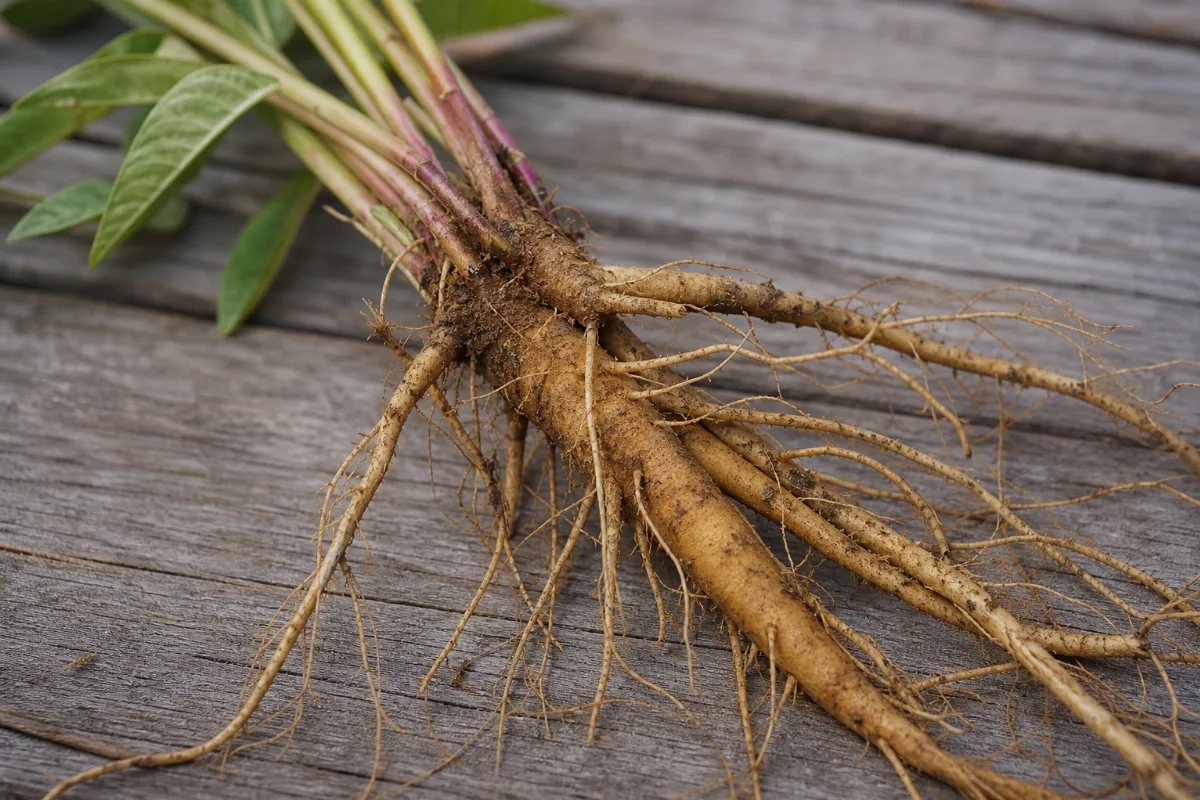
Pleurisy Root
Asclepias tuberosa · also called Butterfly weed, butterfly milkweed, orange milkweed, chigger weed
Pleurisy root is the root of an orange-flowered North American milkweed. It was used for coughs, bronchitis and chest pain, but no human trial has tested it. The root contains digoxin-like compounds that can affect the heart, so it carries real risks. Do not use it with heart medicines or in pregnancy, and ask a doctor or pharmacist first.
General information, not medical advice. Last substantive update · Not medically reviewed. A named clinician has not signed off on this page. How this page is made
About Pleurisy Root
Pleurisy root is a traditional chest herb with no human trials. Its main story today is safety: digoxin-like compounds, medicine interactions, pregnancy and eye injury.
Safety first: the heart
Milkweeds contain cardiac glycosides, which are poisonous to people and livestock. A consumer drug reference rates pleurisy root possibly unsafe because it contains a chemical similar to the heart medicine digoxin, and says not to use it with a heart condition or with digoxin. Lab chemistry has identified cardenolides in the root, but no source we read measured how much is in a product, so strength is unknown.
A woman who ate boiled common milkweed pods (a different species) developed vomiting, palpitations, a heart rate of 40 to 50 and a detectable blood digoxin level, and recovered. This shows what milkweed glycosides can do; it was not pleurisy root.
Other cautions: the consumer reference says water pills that lower potassium may raise the risk of heart effects, and that the root may act weakly like estrogen. Pregnancy use is rated unsafe and breastfeeding possibly unsafe. Nausea, vomiting and rash can occur.
The fresh plant can hurt your eyes
Two case reports describe gardeners who developed corneal swelling and blurred or lost vision after handling Asclepias tuberosa. One wore contact lenses and first went home with a wrong diagnosis of conjunctivitis; she improved quickly with steroid and antibiotic treatment. The other recovered in 96 hours and had 20/20 vision nine months later. If sap gets in your eye, rinse it and get urgent eye care, and say which plant it was.
What it is
Asclepias tuberosa is a milkweed in the Apocynaceae family. The root is the part used. It contains cardenolides (calotropin and uzarigenin types) and many pregnane glycosides, one type of which is described as characteristic of this species. Other milkweeds and plants such as foxglove and oleander have similar heart-active glycosides, but they are not interchangeable.
History
The root was used for chest problems in North America and appeared in the US Pharmacopoeia from 1820 to 1905, according to the USDA plant guide (summarised in our earlier notes; the guide was not re-read for this page). It was also chewed or powdered for wounds.
What the evidence shows
No clinical trial, animal study of lung effects, or review of pleurisy root for any use was found. PubMed searches for the plant returned plant science, chemistry and the eye case reports. Every use on this page is traditional only, with insufficient evidence.
What regulators say
We could not find an EU herbal monograph or an NCCIH page for pleurisy root, and LiverTox and LactMed entries were not found; absence on our search does not prove none exists. The root was an official US drug in the 1800s but is not an approved treatment today as far as we know.
At a glance
Traditional uses history, not proof
- Used in North America for bronchitis, pleurisy, pneumonia and cough; listed in the US Pharmacopoeia from 1820 to 1905 (USDA guide, via our existing summary).
- Used to promote sweating and loosen phlegm (consumer reference).
- Chewed or powdered and applied to wounds (USDA guide, summary only).
Studied for research
- Cough, bronchitis, pleurisy and pneumonia: traditional use only, no human trial (insufficient)
- Loosening phlegm: traditional use, no trial (insufficient)
- Promoting sweating in fever: traditional use, no trial (insufficient)
- Pain relief: traditional use, no trial (insufficient)
- Wound dressing: traditional use, no trial (insufficient)
Main compounds
- Cardenolides (calotropin and uzarigenin types, digoxin-like)
- Pregnane glycosides
- Flavonoids (old report)
Common forms
- Dried root powder (traditional)
- Tea or decoction (traditional)
- Tincture (traditional)
Research links: RxList: pleurisy root · USDA plant guide: butterfly milkweed · Case report: milkweed eye injury (J Emerg Med 2026) · Case report: milkweed corneal toxicity (2017) · Research Library · Genes & Biomarkers Library
The plant and its history
- Accepted scientific name
- Asclepias tuberosa L.
- Naming authority
- Accepted species in the GBIF backbone (key 3170305), exact match, confidence 97. NCBI Taxonomy was not queried.
- Common names
- Pleurisy root; butterfly weed; butterfly milkweed; orange milkweed; chigger weed (English)
- Botanical family
- Apocynaceae (milkweed group), per GBIF. Some older papers say Asclepiadaceae.
- Classification
- Plantae > Apocynaceae > Asclepias > Asclepias tuberosa
- Native range
- Not verified for this page (the USDA guide describes it as a North American plant).
- Habitat
- Not verified.
- What the plant looks like
- Roots: Not verified.; Stems: Not verified.; Leaves: Not verified.; Flowers: Orange blooms are implied by the common names; not verified.; Fruit: Not verified.
- Cultivation
- Not verified.
- Harvest and processing
- The root is dried and powdered or made into tea or tincture (traditional forms; our existing summary).
- Look-alikes and adulterants
- Name: Other milkweeds (for example common milkweed, Asclepias syriaca); Note: Also contain cardiac glycosides; a foraging case with common milkweed pods caused a slow heart rate. Do not substitute.; Name: Oleander and foxglove; Note: Unrelated plants; oleander and foxglove are well-known sources of heart-active glycosides (general knowledge, not checked here).
Traditional use and history history, not clinical proof
| Tradition or era | Documented use | Source |
|---|---|---|
| North American traditional medicine | The root was used for chest complaints (bronchitis, pleurisy, pneumonia, cough) and chewed or powdered for wounds (USDA guide, via our existing summary). | s-usda |
| US Pharmacopoeia, 1820-1905 | Listed as an official drug during this period (USDA guide, via our existing summary; not re-opened). | s-usda |
| 19th-century American journals | PubMed indexes 1848 journal entries on "Asclepias Tuberosa, Butterfly-Weed, Milk-Weed, Pleurisy Root, White Root". Contents not read. | s-rxlist |
Traditional use shows how a plant was used. It does not show that a supplement works or is safe today.
What is inside, and how it may work
What the plant contains and how those compounds act in cells and animals. Laboratory and animal mechanisms are not proven effects in people.
Main compounds
| Compound | Family | Where it is concentrated | Activity studied | Level of evidence |
|---|---|---|---|---|
| Calotropin (delta5-calotropin derivatives) PubChem 16142 | cardenolide (cardiac glycoside) | Root Not measured in any source read. | Cardiac glycosides of this kind inhibit the Na+/K+ pump; this was not tested for the root itself. 1 9 10 | Lab |
| Uzarigenin glycosides PubChem 92760 | cardenolide (cardiac glycoside) | Root Not measured in any source read. | Same class; not tested for effect. 1 | Lab |
| Pregnane glycosides (for example pleurogenin and tuberogenin types) | steroid-sugar compounds | Root Not measured. | Structures only; the 8,14-seco type is said to be characteristic of this species. 2 15 | Lab |
| Flavonoids | polyphenols | Not clear Not measured. | A 1975 Italian paper reports flavonoids in the plant; no abstract text was read. | Lab |
Mechanisms, receptors and pathways
| Target or pathway | Gene or receptor | What was found | Level |
|---|---|---|---|
| Na+/K+-ATPase pump (cardiac glycoside target) | ATP1A1 and related pump genes | Cardenolides in the plant are reported to inhibit this pump in corneal cells (case report authors' interpretation) and in the heart (the digoxin-like action). This is the proposed reason for the heart and eye injuries; it was not measured for pleurisy root in a human study. 7 6 12 | Human data |
| Estrogen-like effect | estrogen receptor (proposed) | A consumer reference says the root may act weakly like estrogen. No primary study was found. 12 | Authoritative guidance |
Absorption, metabolism and elimination
- Absorption
- No data for pleurisy root.
- Distribution
- No data.
- Metabolism
- No data.
- Elimination
- No data.
- Bioavailability
- No data.
Isolated compounds versus whole extracts
The root is a mixture of cardenolides, pregnane glycosides and other compounds. No study compared the whole root to a single compound. The cardiac glycosides are the compounds that drive the main safety concerns.
Nutritional composition
Pleurisy root is not a food or a source of nutrients. It is a traditional medicinal root with heart-active compounds.
6 not enough evidence
What is Pleurisy Root good for?
The traditional uses and how strong the human evidence is. For every use, no human trial was found.
Benefits, one by one
Each card is a research question, not a promise. Tap a goal to filter. Open a card to see the studies, doses and limits.
Cough and bronchitis (traditional)
Not enough evidencePleurisy root was traditionally used for coughs and bronchitis. No human trial was found, and the root contains heart-active compounds, so it is not a safe do-it-yourself cough remedy.
3 studiesNo amounts or preparation advice are given on this page. Ask a doctor…
Studies, doses and limits
What the trials found
No human trial of pleurisy root for cough or bronchitis was found. PeaceHealth (summary only) says no human studies have been done.
Results
No human trial found.
Effect sizes as reported
Not applicable.
Why this rating
No trial; only traditional-use statements in secondary sources.
Form and dose studied
No amounts or preparation advice are given on this page. Ask a doctor or pharmacist.
Who was studied
Adults, if used at all.
Limits
Not tested. A persistent cough needs a medical check.
Why researchers looked
Traditional chest remedy in North America.
Traditional use
USDA and a consumer reference list use for bronchitis and cough; the root was on the US Pharmacopoeia list from 1820 to 1905 (via our existing summary).
Proposed mechanism Pharmacological theory
Not tested. No mechanism for a cough effect was found in the sources read.
A proposed mechanism does not show that the effect happens in people.
The root contains cardiac glycosides (digoxin-like) and can affect the heart. See the Safety tab before any use.
Pleurisy (chest-lining pain) and pneumonia (traditional)
Not enough evidenceThe plant is named after its old use for pleurisy, a painful inflammation of the lung lining. No human study supports it. Pleurisy and pneumonia can be serious and need a doctor.
2 studiesNo amounts or preparation advice are given on this page. Ask a doctor…
Studies, doses and limits
What the trials found
No human trial found.
Results
No human trial found.
Effect sizes as reported
Not applicable.
Why this rating
Traditional statements only; no trial.
Form and dose studied
No amounts or preparation advice are given on this page. Ask a doctor or pharmacist.
Who was studied
Adults, if used at all.
Limits
Pleurisy has many causes (infection, clots, autoimmune disease) that need a diagnosis; do not delay care.
Why researchers looked
The common name comes from its old use for pleurisy.
Traditional use
USDA lists use for pleurisy and pneumonia (via our existing summary).
Proposed mechanism Pharmacological theory
Not tested.
A proposed mechanism does not show that the effect happens in people.
The root contains cardiac glycosides (digoxin-like) and can affect the heart. See the Safety tab before any use.
Loosening phlegm (expectorant, traditional)
Not enough evidenceHerbal books describe pleurisy root as loosening phlegm. The consumer reference rates the evidence as insufficient to rate. No trial was found.
2 studiesNo amounts or preparation advice are given on this page. Ask a doctor…
Studies, doses and limits
What the trials found
No human trial found.
Results
No human trial found.
Effect sizes as reported
Not applicable.
Why this rating
Rated "insufficient evidence to rate" by the consumer reference we read; no trial.
Form and dose studied
No amounts or preparation advice are given on this page. Ask a doctor or pharmacist.
Who was studied
Adults, if used at all.
Limits
Secondary source only.
Why researchers looked
Traditional expectorant.
Traditional use
Listed as a traditional use by a consumer reference.
Proposed mechanism Pharmacological theory
Not tested.
A proposed mechanism does not show that the effect happens in people.
The root contains cardiac glycosides (digoxin-like) and can affect the heart. See the Safety tab before any use.
Promoting sweating and fever (traditional)
Not enough evidenceOld herbal texts used pleurisy root to make people sweat during fevers. No trial was found.
2 studiesNo amounts or preparation advice are given on this page. Ask a doctor…
Studies, doses and limits
What the trials found
No human trial found.
Results
No human trial found.
Effect sizes as reported
Not applicable.
Why this rating
No trial; secondary listing only.
Form and dose studied
No amounts or preparation advice are given on this page. Ask a doctor or pharmacist.
Who was studied
Adults, if used at all.
Limits
Fever with chest symptoms needs medical care.
Why researchers looked
Traditional diaphoretic (sweat-promoting) herb.
Traditional use
Listed as a traditional use by a consumer reference.
Proposed mechanism Pharmacological theory
Not tested.
A proposed mechanism does not show that the effect happens in people.
The root contains cardiac glycosides (digoxin-like) and can affect the heart. See the Safety tab before any use.
Pain relief (traditional)
Not enough evidenceA consumer reference lists pain relief as a traditional use rated insufficient evidence. No trial was found.
1 studiesNo amounts or preparation advice are given on this page. Ask a doctor…
Studies, doses and limits
What the trials found
No human trial found.
Results
No human trial found.
Effect sizes as reported
Not applicable.
Why this rating
No trial.
Form and dose studied
No amounts or preparation advice are given on this page. Ask a doctor or pharmacist.
Who was studied
Adults, if used at all.
Limits
Secondary source only.
Why researchers looked
Traditional use for chest and other pain.
Traditional use
Listed as a traditional use by a consumer reference.
Proposed mechanism Pharmacological theory
Not tested.
A proposed mechanism does not show that the effect happens in people.
The root contains cardiac glycosides (digoxin-like) and can affect the heart. See the Safety tab before any use.
Dressing for wounds (traditional, external)
Not enough evidenceThe USDA record says the root was chewed and placed on wounds, or dried, powdered and blown into wounds. No study tested this.
1 studiesNo amounts or preparation advice are given on this page. Ask a doctor…
Studies, doses and limits
What the trials found
No human trial found.
Results
No human trial found.
Effect sizes as reported
Not applicable.
Why this rating
Traditional record only.
Form and dose studied
No amounts or preparation advice are given on this page. Ask a doctor or pharmacist.
Who was studied
Not advised.
Limits
Fresh milkweed sap has injured eyes (see Safety); putting plant material in wounds is not tested for safety.
Why researchers looked
Traditional first-aid use by some Native American peoples, per the USDA guide (via our existing summary).
Traditional use
USDA plant guide (summary only).
Proposed mechanism Pharmacological theory
Not tested.
A proposed mechanism does not show that the effect happens in people.
The root contains cardiac glycosides (digoxin-like) and can affect the heart. See the Safety tab before any use.
Connections to the rest of health
How Pleurisy Root connects to the rest of our health knowledge graph. Every link says what kind of connection it is. A safety link (for example to the liver) is a warning, not a benefit. A study that merely mentions a topic never creates a benefit link.
Explore every connection: goals, body systems, organs, symptoms, genes
A. Wellness goals
| Connected to | Kind of connection | Evidence status | Context | Studies |
|---|---|---|---|---|
| Immune Support | Traditional use | Not enough evidence | Cough and bronchitis (traditional): Pleurisy root was traditionally used for coughs and bronchitis. No human trial was found, and the root contains heart-active compounds, so it is not a safe do-it-yourself cough remedy. Pleurisy (chest-lining pain) and pneumonia (traditional): The plant is named after its old use for pleurisy, a painful inflammation of the lung lining. No human study supports it. Pleurisy and pneumonia can be serious and need a doctor. | 14 12 8 |
| Inflammation Balance | Traditional use | Not enough evidence | Pain relief (traditional): A consumer reference lists pain relief as a traditional use rated insufficient evidence. No trial was found. | 12 |
| Healthy Skin | Traditional use | Not enough evidence | Dressing for wounds (traditional, external): The USDA record says the root was chewed and placed on wounds, or dried, powdered and blown into wounds. No study tested this. | 14 |
B. Body systems
| Connected to | Kind of connection | Evidence status | Context | Studies |
|---|---|---|---|---|
| Heart | Adverse effect or risk | Low certainty | Consumer reference warns of serious heart problems; a case with another milkweed showed a slow heart rate and detectable digoxin level. Consumer reference warns of serious heart effects; no trial. Preparation or compound: Root cardenolides (digoxin-like) |
12 13 |
| Respiratory System | Biological association | Not enough evidence | Studied for: Cough and bronchitis (traditional) Studied for: Pleurisy (chest-lining pain) and pneumonia (traditional) | 14 12 8 |
| Immune System | Biological association | Not enough evidence | Studied for: Promoting sweating and fever (traditional) | 12 8 |
| Pain Inflammation | Biological association | Not enough evidence | Studied for: Pain relief (traditional) | 12 |
| Integumentary System | Biological association | Not enough evidence | Studied for: Dressing for wounds (traditional, external) | 14 |
C. Body parts and organs
| Connected to | Kind of connection | Evidence status | Context | Studies |
|---|---|---|---|---|
| Eyes (cornea) | Adverse effect or risk | Low certainty | Two case reports of corneal swelling after handling the plant. Preparation or compound: Fresh plant or sap |
6 7 |
G. Root causes and contributing factors
| Connected to | Kind of connection | Evidence status | Context | Studies |
|---|---|---|---|---|
| Medication side effects | Drug or supplement interaction | Low certainty | Digoxin, water pills and estrogen medicines are listed as interactions by a consumer reference. Preparation or compound: Root |
12 |
J. Genes, receptors and enzymes
L. Active compounds
| Connected to | Kind of connection | Evidence status | Context | Studies |
|---|---|---|---|---|
| Calotropin (delta5-calotropin derivatives) | Biological association | Lab | Cardiac glycosides of this kind inhibit the Na+/K+ pump; this was not tested for the root itself. Preparation or compound: Root |
1 9 10 |
| Uzarigenin glycosides | Biological association | Lab | Same class; not tested for effect. Preparation or compound: Root |
1 |
| Pregnane glycosides (for example pleurogenin and tuberogenin types) | Biological association | Lab | Structures only; the 8,14-seco type is said to be characteristic of this species. Preparation or compound: Root |
2 15 |
| Flavonoids | Biological association | Lab | A 1975 Italian paper reports flavonoids in the plant; no abstract text was read. Preparation or compound: Not clear |
Each connection is stored with the ingredient, the connected record, the kind of connection, the evidence status, the supporting studies, the preparation or compound involved, and a review date (last reviewed October 25, 2026).
The evidence
The research centre for Pleurisy Root. Every record here was checked against PubMed or the publisher's page; we never list a study we have not verified.
Evidence by outcome
Bars show how many studies we found for each outcome, not how well it works. People are added up across trials only (reviews are not added, to avoid double counting).
How we rate evidence
High certainty
Several well-run trials or reviews agree; further research is unlikely to change the picture much.
Moderate certainty
Good trials point the same way, but some doubt remains.
Low certainty
Small, short or inconsistent trials. The finding could change with better research.
Very low certainty
Very little or very weak human data. Treat as a possibility only.
Mixed findings
Trials or reviews disagree with each other.
Not enough evidence
Not enough human research to say either way.
Evidence against
Good research found no benefit, or found harm.
We take the reviewers' own risk-of-bias and GRADE statements where they exist, and otherwise judge from study size, design, consistency, directness and whether a product matches what is sold. Many publications do not make evidence high. Method note: We started from our existing pleurisy root summary, read the RxList page, checked plant names in GBIF and compound IDs in PubChem, and read PubMed abstracts for the eye case reports, the foraging case, the lab chemistry papers and a Cochrane antidote review. The USDA guide and PeaceHealth page are used only as summarised in our earlier notes. Some papers have no abstract (marked title-only). EMA, NCCIH, LiverTox and LactMed entries were not found. Certainty ratings are the compiler's own reading. No study is cited that we could not verify.
Study library: every study we checked 15
| Study | Design | People | Product, dose, length | Result |
|---|---|---|---|---|
| Abe 2000 An androstane bioside and 3'-thiazolidinone derivatives of doubly-linked cardenolide glycosides from the roots of Asclepias tuberosa Chem Pharm Bull (Tokyo) · PMID 10923828 · DOI |
Laboratory chemistry lab |
Isolation of compounds from roots | Asclepias tuberosa root Root Not given on this page Not applicable · vs Not applicable |
Isolated an androstane glycoside (ascandroside), five doubly-linked cardenolide glycosides (including derivatives of delta5-calotropin), and nine glycosides of uzarigenin, coroglaucigenin and corotoxigenin. Chemistry only; no biological effect tested. Methods, limits and fundingLimitations: Structure work only. Funding and conflicts: Not stated in abstract Read: abstract |
| Abe 2000 Pregnane glycosides from the roots of Asclepias tuberosa Chem Pharm Bull (Tokyo) · PMID 10923833 · DOI |
Laboratory chemistry lab |
Isolation of compounds from roots | Asclepias tuberosa root Root Not given on this page Not applicable · vs Not applicable |
Sixteen pregnane glycosides were isolated, including a new pregnane named pleurogenin. Chemistry only; no biological effect tested. Methods, limits and fundingLimitations: Structure work only. Funding and conflicts: Not stated in abstract Read: abstract |
| Authors not read 2006 Antidotes for acute cardenolide (cardiac glycoside) poisoning Cochrane Database Syst Rev · PMID 17054261 |
Systematic review |
Patients with acute cardenolide poisoning | Cardenolide poisoning (yellow oleander in both trials found), not pleurisy root None Not given on this page Not applicable · vs Not applicable |
Only two small randomised trials were found, both in yellow oleander poisoning: multiple-dose activated charcoal lowered mortality (relative risk 0.31, 95% CI 0.12 to 0.83) and anti-digoxin Fab antitoxin was reported to help with rhythm problems. Very limited evidence from a different plant; relevant only to show that cardenolide poisoning is a medical emergency with treatments given in hospital. (MDAC mortality RR 0.31 (95% CI 0.12 to 0.83)) Methods, limits and fundingLimitations: Different plant; only the first part of the abstract was read. Funding and conflicts: Not stated Read: abstract (partly read) |
| Chakraborty 1995 Corneal edema due to Asclepias curassavica Arch Ophthalmol · PMID 7639668 · DOI |
Case report (letter) |
Case report of eye exposure to a milkweed | Asclepias curassavica (a different milkweed) Latex Not given on this page Not applicable · vs Not applicable |
Corneal edema (swelling) after exposure. The indexed record has no abstract text beyond the title and keywords (Cardiac Glycosides, Latex). Case report Methods, limits and fundingLimitations: Different species; no abstract text read. Funding and conflicts: Not stated Read: title/keywords only |
| GBIF 2026 GBIF Backbone Taxonomy: Asclepias tuberosa L. GBIF · Source |
Database record authoritative-guidance |
Pleurisy root (Asclepias tuberosa) as a herbal product | Pleurisy root root Not given on this page Not applicable · vs Not applicable |
Accepted species (key 3170305), family Apocynaceae, genus Asclepias; exact match, confidence 97. Secondary summary; no effect size Methods, limits and fundingOutcomes: Accepted name and family Limitations: Names only. NCBI Taxonomy not queried. Funding and conflicts: Not applicable Read: full-text |
| Lu 2026 Toxic Keratoconjunctivitis from Milkweed (Asclepias tuberosa) Exposure in a Contact Lens Wearer J Emerg Med · PMID 41903404 · DOI |
Case report |
1 One healthy adult woman who handled milkweed plants while gardening, wearing contact lenses |
Fresh Asclepias tuberosa plant (handling) Whole fresh plant, skin and eye contact Not given on this page Not applicable · vs Not applicable |
Sudden vision loss and corneal haze hours after gardening. First seen as conjunctivitis and sent home. She returned with vision limited to motion detection; corneal haze and a small abrasion. After corticosteroids and antibiotics she improved rapidly. Case report: no rate. The authors link the damage to cardiac glycosides that disrupt the cornea's pump function. Methods, limits and fundingOutcomes: Vision, corneal swelling Limitations: One case; cause inferred from exposure history. Not about swallowing the root. Funding and conflicts: Authors declare no competing interests Read: abstract |
| Mikkelsen 2017 Corneal Toxicity Following Exposure to Asclepias Tuberosa Open Ophthalmol J · PMID 28400886 · DOI |
Case report |
1 One 70-year-old woman who handled Asclepias tuberosa |
Milky latex of fresh Asclepias tuberosa Latex (sap), eye exposure Not given on this page Not applicable · vs Not applicable |
Blurred vision and eye pain with corneal swelling and small surface defects. Treated with eye drops (antibiotic, steroid, scopolamine). The swelling cleared after 96 hours and corrected vision was 20/20 nine months later. Case report: full recovery. The authors say latex cardenolides inhibit the Na+/K+ pump in corneal cells. Methods, limits and fundingOutcomes: Corneal swelling, visual acuity Limitations: One case; no comparison group. Funding and conflicts: No conflict statement read in the abstract Read: abstract |
| PeaceHealth 2015 Pleurisy Root (PeaceHealth health library) PeaceHealth · Source |
Secondary reference authoritative-guidance |
Pleurisy root (Asclepias tuberosa) as a herbal product | Pleurisy root root Not given on this page Not applicable · vs Not applicable |
As summarised in our existing herb summary: no human studies; traditional preparations (root powder, tea, tincture); concerns with beta-blockers, calcium channel blockers and digoxin; a large single amount may cause cramping, nausea, vomiting and diarrhea; pregnant women should avoid it. Secondary summary; no effect size Methods, limits and fundingOutcomes: Uses, safety, interactions Limitations: NOT re-opened for this page (the site returned HTTP 403 on 2026-10-25); content is taken from our existing summary only. Funding and conflicts: Not applicable Read: summary-only |
| Petricic 1966 Uber die Cardenolide der Wurzeln von Asclepias tuberosa L. (On the cardenolides of roots of Asclepias tuberosa L) Arch Pharm Ber Dtsch Pharm Ges · PMID 5232699 · DOI |
Laboratory chemistry lab |
Analysis of roots | Asclepias tuberosa root Root Not given on this page Not applicable · vs Not applicable |
Title and keywords only (no abstract in PubMed): the paper is about cardenolides (cardiac glycosides) in the root. Not read. Methods, limits and fundingLimitations: No abstract available; content not read. Funding and conflicts: Not stated Read: title/keywords only |
| PubChem 2026 PubChem name lookup: calotropin, uzarigenin, digoxin PubChem · Source |
Database record authoritative-guidance |
Pleurisy root (Asclepias tuberosa) as a herbal product | Pleurisy root root Not given on this page Not applicable · vs Not applicable |
Name lookups returned CID 16142 (calotropin), 92760 (uzarigenin) and 2724385 (digoxin). Secondary summary; no effect size Methods, limits and fundingOutcomes: Compound identifiers Limitations: CIDs matched by compound name only; structures not compared. Funding and conflicts: Not applicable Read: full-text |
| Radford 1986 Naturally occurring cardiac glycosides Med J Aust · PMID 3086679 · DOI |
Laboratory screening lab |
Plant specimens screened by radioimmunoassay | Various plants; milkweeds tested were Asclepias curassavica, A. fruticosa, Calotropis procera and Cryptostegia grandifolia (not A. tuberosa) Plant specimens Not given on this page Not applicable · vs Not applicable |
Significant digoxin-like (immunoreactive) cardiac glycoside was found in several ornamental shrubs and milkweeds. The method can also confirm cardiac glycosides in serum after poisoning. Lab screening; no effect size. Methods, limits and fundingLimitations: Did not test Asclepias tuberosa. Funding and conflicts: Not stated in abstract Read: abstract |
| RxList 2026 Pleurisy Root (RxList supplements page, Natural Medicines-based) RxList · Source |
Secondary reference authoritative-guidance |
Pleurisy root (Asclepias tuberosa) as a herbal product | Pleurisy root root Not given on this page Not applicable · vs Not applicable |
Rates pleurisy root possibly unsafe because it contains a powerful chemical similar to digoxin that might cause serious heart problems; nausea, vomiting and skin rash can occur. Unsafe in pregnancy (may stimulate the uterus and act like estrogen); possibly unsafe when breastfeeding. Do not use with a heart condition. Interactions: digoxin (major, do not combine); estrogens (moderate); water pills that lower potassium (moderate). Says there is not enough scientific information to set a dose range. Secondary summary; no effect size Methods, limits and fundingOutcomes: Uses, safety, interactions Limitations: Consumer reference, secondary source. Page read in full 2026-10-25; its references are chemistry papers, so safety statements are not backed by cited human studies on this page. Funding and conflicts: Not applicable Read: full-text |
| Shanahan 2023 Forage and You Shall Find: Cardiac Glycoside Poisoning and the Danger of Foraging Mil Med · PMID 36208203 · DOI |
Case report |
1 One 38-year-old woman who ate boiled and sauteed milkweed pods |
Common milkweed (Asclepias syriaca) pods - a different species from pleurisy root Seed pods (cooked, eaten) Not given on this page Not applicable · vs Not applicable |
Vomiting and palpitations within 1 hour; heart rate 40-50 per minute (sinus bradycardia); a detectable blood digoxin level. Life-threatening toxicity did not occur. Case report. Shows that eating a milkweed can cause digoxin-like heart effects. Methods, limits and fundingOutcomes: Heart rate, ECG, blood digoxin level Limitations: Different species (A. syriaca), not A. tuberosa; one case. Funding and conflicts: Not stated in abstract Read: abstract |
| USDA NRCS 2001 Plant Guide: Butterfly milkweed, Asclepias tuberosa L. USDA NRCS · Source |
Government plant guide authoritative-guidance |
Pleurisy root (Asclepias tuberosa) as a herbal product | Pleurisy root root Not given on this page Not applicable · vs Not applicable |
As summarised in our existing herb summary: milkweeds contain cardiac glycosides that are poisonous to people and livestock; the root was used traditionally for bronchitis, pleurisy, pneumonia and cough, was on the US Pharmacopoeia list from 1820 to 1905, and was chewed or powdered and applied to wounds. Secondary summary; no effect size Methods, limits and fundingOutcomes: Uses, safety, interactions Limitations: The PDF was downloaded but not read for this page (no PDF reader available); statements come from our existing summary only. Funding and conflicts: Not applicable Read: summary-only |
| Warashina 2018 New 8,12;8,20-diepoxy-8,14-secopregnane hexa- and hepta-glycosides from the roots of Asclepias tuberosa J Nat Med · PMID 29177792 · DOI |
Laboratory chemistry lab |
Isolation of compounds from roots | Asclepias tuberosa root Root Not given on this page Not applicable · vs Not applicable |
Eight new minor pregnane glycosides were described. The authors say this glycoside type has only been seen in A. tuberosa and is characteristic of the plant. Chemistry only; no biological effect tested. Methods, limits and fundingLimitations: Structure work only. Funding and conflicts: Not stated in abstract Read: abstract |
What we do not know yet
- No clinical trial of pleurisy root for any use.
- Cardiac glycoside content of root products is not measured.
- Pregnancy, breastfeeding, liver and interaction data come only from a consumer reference.
- EMA, NCCIH, LiverTox and LactMed entries were not found.
- PeaceHealth and the USDA guide were not re-read for this page.
How new research is added
New studies are found by a saved PubMed search and are placed in a review queue. A person reads each one before it changes any evidence rating or safety wording. New publications never change ratings automatically.
Lab markers
What changed in blood or saliva tests during trials. A changed number is not the same as feeling or being healthier, and we give no "normal ranges".
Safety
What studies and official sources say about side effects, medicines and who should check first. Each point shows what kind of evidence it comes from.
Main points to know 3
- This root contains heart-active compounds. Lab work has found cardenolides (digoxin-like cardiac glycosides) in the root of Asclepias tuberosa. A consumer drug reference rates the root possibly unsafe because it contains a chemical similar to digoxin that might cause serious heart problems. The amount in a root product has not been measured in the sources we read, so strength is unknown. Authoritative guidance 12 1 9 14
- Very little human research. No clinical trial of pleurisy root was found. Everything on this tab comes from a consumer reference, chemistry papers and case reports, including milkweeds of other species. Treat gaps as unknown, not as safe. Authoritative guidance 12 8
- Fresh plant and sap can injure the eye. Two case reports describe corneal swelling and vision loss after gardeners handled Asclepias tuberosa; both recovered with treatment. Case report 6 7
Side effects 4
| Effect | How often | Severity and recovery | Evidence |
|---|---|---|---|
| Heart effects: slow or irregular heartbeat, palpitations (digoxin-like) The root is rated possibly unsafe for the heart by the consumer reference. A case of eating common milkweed (A. syriaca, a different species) caused a heart rate of 40-50 and a detectable blood digoxin level. | No rate for pleurisy root | potentially serious Not known for this root | Authoritative guidance 12 13 |
| Nausea, vomiting, skin rash Listed by the consumer reference. | No rate | mild to moderate Not known | Authoritative guidance 12 |
| Cramping, nausea, vomiting, diarrhea after a large single amount Summary only; not re-opened. | No rate | mild to moderate Not known | Authoritative guidance 8 |
| Eye injury: corneal swelling, blurred vision, vision loss after handling the plant or sap Contact lens wear was a factor in one case. A report of a different milkweed (A. curassavica) also describes corneal edema. | Rare; two case reports | moderate to severe, recovered with treatment Both reported cases recovered (one with 20/20 vision at nine months) | Case report 6 7 |
Liver
No liver injury from pleurisy root was found in the sources read. A LiverTox entry was not found; this is not proof that the root is safe for the liver. 12
How often. No frequency can be given.
Monitoring. No monitoring advice was found.
This is a safety connection. It is not evidence that Pleurisy Root supports liver health.
Medicines and supplements 5
| With | Why it matters | Importance | Evidence | What to do |
|---|---|---|---|---|
| Digoxin (Lanoxin) and other heart medicines prescription | The root is said to contain digoxin-like glycosides, so effects could add up. | Consumer reference rates this a major interaction: do not combine. | Authoritative guidance Low certainty 12 | Do not combine without a doctor. Ask a pharmacist. |
| Beta-blockers and calcium channel blockers prescription | Not explained in the source. | Listed as concerns by PeaceHealth (summary only). | Authoritative guidance Very low certainty 8 | Ask a pharmacist before combining. |
| Water pills (diuretics) that lower potassium prescription | Low potassium can raise the risk of heart effects from digoxin-like compounds. | Consumer reference rates this moderate. | Authoritative guidance Low certainty 12 | Ask a doctor or pharmacist. |
| Estrogen medicines (for example estradiol, Premarin) prescription | The root may act weakly like estrogen and so could blunt estrogen pills. | Consumer reference rates this moderate. No primary study read. | Authoritative guidance Very low certainty 12 | Ask a doctor or pharmacist. |
| Anything that is not on this list unknown | No interaction studies of the root exist in the sources read. | Unknown. | Authoritative guidance Not enough evidence 12 | Tell your doctor and pharmacist you are considering it. |
Who should check first 5
| Situation | Advice | Evidence |
|---|---|---|
| Any heart condition, or taking digoxin | Do not use. The consumer reference says not to use it with a heart condition. | Authoritative guidance 12 |
| Pregnancy | Avoid. The consumer reference rates it unsafe: it may stimulate the uterus and act like estrogen. | Authoritative guidance 12 8 |
| Breastfeeding | Avoid. Rated possibly unsafe; no data. LactMed has no entry that we found. | Authoritative guidance 12 |
| Low potassium or use of potassium-lowering water pills | Ask a doctor first. | Authoritative guidance 12 |
| Children | No data. Do not give to children. | Authoritative guidance 12 |
Overdose, product quality and regulators
Summary. Milkweeds contain cardiac glycosides, which are poisonous to people and livestock (USDA guide, via our existing summary). Poisoning from cardiac glycoside plants can slow the heart and cause vomiting, as in a case of eating common milkweed pods. Cardiac glycoside poisoning is managed in hospital.
Animal. Livestock poisoning is mentioned by the USDA guide (summary only). No animal toxicity study was read.
Human doses studied. No amounts are given on this page. No safe amount of the root has been established.
High dose or long term signals. No long-term data. A large single amount may cause stomach and gut upset (PeaceHealth, summary only).
Overdose response. Call poison control or emergency services for suspected poisoning; do not wait for symptoms. A Cochrane review found treatments such as activated charcoal and anti-digoxin antibody were studied only in yellow oleander poisoning, with very limited trials.
Genotoxicity. Not looked up.
Toxic plant parts. Whole plant: milkweeds contain cardiac glycosides. The root contains cardenolides (calotropin derivatives, uzarigenin glycosides) per lab chemistry; the milky latex of the fresh plant injured eyes in two cases.
No test of pleurisy root products for contaminants, strength or identity was found.
Unknown strength. Cardiac glycoside content of root products has not been measured in anything we read, so two products could differ a lot. A 1986 screen of other milkweeds found digoxin-like glycosides in several species, which shows content varies by plant. 11
Mix-ups with other milkweeds. Other Asclepias species (for example common milkweed) also contain cardiac glycosides. Mistaking species is possible; no study of adulteration was found. 13
| Body | Action | Date |
|---|
When to get medical help
- Very slow, fast or irregular heartbeat, fainting or chest pain after eating or drinking any milkweed product: call emergency services.
- Repeated vomiting, severe stomach pain or confusion after swallowing any part of the plant: call poison control or emergency services.
- Eye pain, blurred vision or cloudy vision after touching the plant or sap: rinse the eye with water and get urgent eye care. Mention the plant.
- Chest pain or trouble breathing from any cause: get medical care. Do not treat pleurisy at home with this root.
Stop the supplement and contact a clinician or emergency service. In the US, Poison Control is 1-800-222-1222.
General information only, not medical advice. Ask a clinician or pharmacist before use, especially with medicines, in pregnancy or with a health condition. See the Natural Remedy Safety guide.
Frequently asked questions
Is pleurisy root safe?
Does pleurisy root treat pleurisy or a cough?
Can it interact with heart medicines?
Is pleurisy root safe in pregnancy or breastfeeding?
Can it cause vomiting or stomach upset?
Can touching the plant be harmful?
Is butterfly weed the same thing?
What is in the root?
Do water pills or estrogen medicines matter?
The consumer reference rates both as moderate interactions: potassium-lowering water pills may raise the risk of heart effects, and the root may blunt estrogen pills. No primary study was found. Ask a pharmacist.
Has it been tested in humans?
What about poisoning from other milkweeds?
Explore by health goal
Editorial transparency
- Written by
- AlternativeMed editorial team. Research compiled with AI assistance, then checked against PubMed records.
- Medical review
- None. This page has not been reviewed by a physician or pharmacist.
- First published
- 2026-10-25
- Last substantive update
- 2026-10-25
- How we research
- We started from our existing pleurisy root summary, read the RxList page, checked plant names in GBIF and compound IDs in PubChem, and read PubMed abstracts for the eye case reports, the foraging case, the lab chemistry papers and a Cochrane antidote review. The USDA guide and PeaceHealth page are used only as summarised in our earlier notes. Some papers have no abstract (marked title-only). EMA, NCCIH, LiverTox and LactMed entries were not found. Certainty ratings are the compiler's own reading. No study is cited that we could not verify.
- How we rate evidence
- See "How we rate evidence" in the Evidence tab.
- Independence
- No product is promoted on this page. No affiliate links are shown. If one is added later it will be labelled and kept apart from the evidence.
Sources 15
Each source was opened and checked. Where we read only the abstract, it says so. The small numbers in the text point here.
- Abe F, Yamauchi T. An androstane bioside and 3'-thiazolidinone derivatives of doubly-linked cardenolide glycosides from the roots of Asclepias tuberosa. Chem Pharm Bull (Tokyo). 2000. PMID 10923828. DOI 10.1248/cpb.48.991. (abstract)
- Abe F, Yamauchi T. Pregnane glycosides from the roots of Asclepias tuberosa. Chem Pharm Bull (Tokyo). 2000. PMID 10923833. DOI 10.1248/cpb.48.1017. (abstract)
- Authors not read. Antidotes for acute cardenolide (cardiac glycoside) poisoning. Cochrane Database Syst Rev. 2006. PMID 17054261. (abstract (partly read))
- Chakraborty S, Siegenthaler JB, Buchi ER. Corneal edema due to Asclepias curassavica. Arch Ophthalmol. 1995. PMID 7639668. DOI 10.1001/archopht.1995.01100080024013. (title/keywords only)
- GBIF. GBIF Backbone Taxonomy: Asclepias tuberosa L.. GBIF. 2026. (full-text)
- Lu A, St Clair JJ 4th, TenHulzen RD. Toxic Keratoconjunctivitis from Milkweed (Asclepias tuberosa) Exposure in a Contact Lens Wearer. J Emerg Med. 2026. PMID 41903404. DOI 10.1016/j.jemermed.2026.03.001. (abstract)
- Mikkelsen LH, Hamoudi H, Gul CA, Heegaard S. Corneal Toxicity Following Exposure to Asclepias Tuberosa. Open Ophthalmol J. 2017. PMID 28400886. DOI 10.2174/1874364101711010001. (abstract)
- PeaceHealth. Pleurisy Root (PeaceHealth health library). PeaceHealth. 2015. (summary-only)
- Petricic J. Uber die Cardenolide der Wurzeln von Asclepias tuberosa L. (On the cardenolides of roots of Asclepias tuberosa L). Arch Pharm Ber Dtsch Pharm Ges. 1966. PMID 5232699. DOI 10.1002/ardp.19662991208. (title/keywords only)
- PubChem. PubChem name lookup: calotropin, uzarigenin, digoxin. PubChem. 2026. (full-text)
- Radford DJ, Gillies AD, Hinds JA, Duffy P. Naturally occurring cardiac glycosides. Med J Aust. 1986. PMID 3086679. DOI 10.5694/j.1326-5377.1986.tb112283.x. (abstract)
- RxList. Pleurisy Root (RxList supplements page, Natural Medicines-based). RxList. 2026. (full-text)
- Shanahan KM, Thomas MA, Walker EN, Downs JW. Forage and You Shall Find: Cardiac Glycoside Poisoning and the Danger of Foraging. Mil Med. 2023. PMID 36208203. DOI 10.1093/milmed/usac287. (abstract)
- USDA NRCS. Plant Guide: Butterfly milkweed, Asclepias tuberosa L.. USDA NRCS. 2001. (summary-only)
- Warashina T, Miyase T. New 8,12;8,20-diepoxy-8,14-secopregnane hexa- and hepta-glycosides from the roots of Asclepias tuberosa. J Nat Med. 2018. PMID 29177792. DOI 10.1007/s11418-017-1155-9. (abstract)