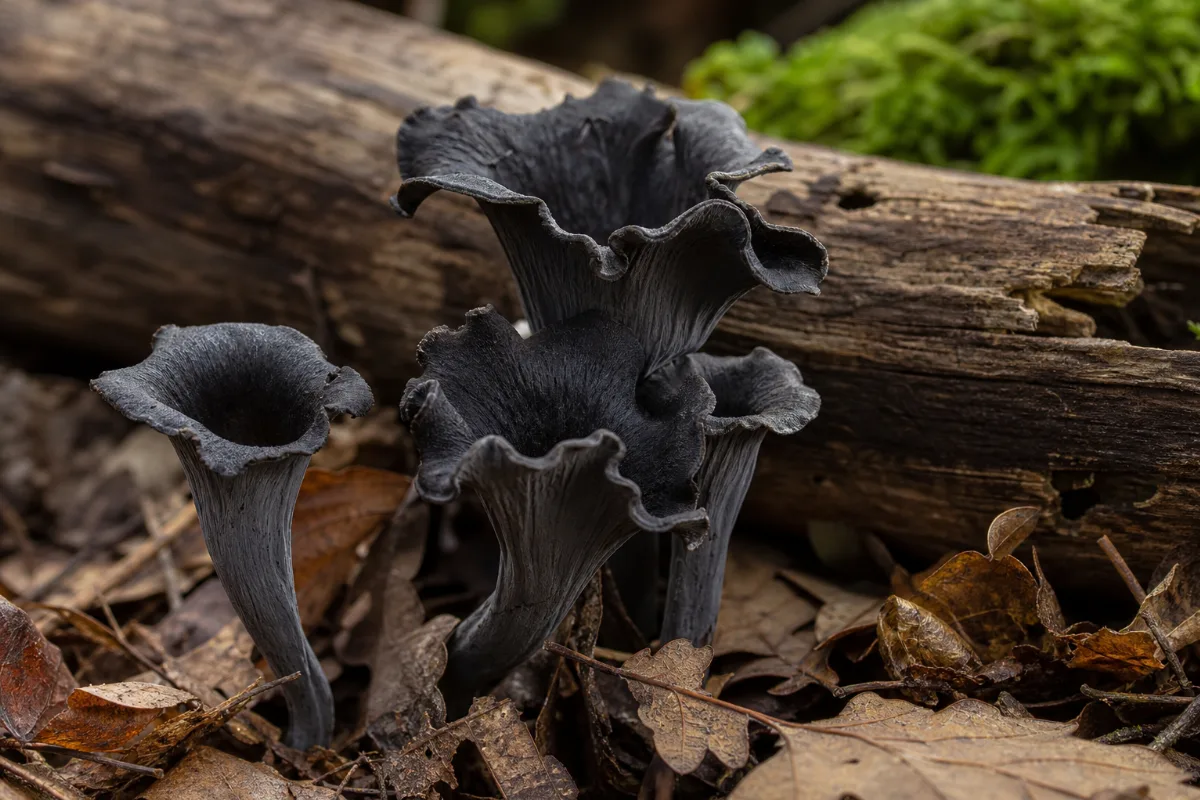
Mushrooms · Wild culinary mushroom
Black Trumpet
Craterellus cornucopioides (C. fallax in eastern North America) · also called Horn of plenty, trompette de la mort, trumpet of the dead, black chanterelle
Black trumpet is a dark, funnel-shaped wild mushroom that cooks prize for its rich flavour. It is mostly eaten dried. We found no human trial of it. Research is laboratory and mouse work on purified extracts, plus one case report of a bowel blockage after a large meal in a transplant patient. Wild mushrooms can poison if the wrong one is picked, so only eat one an experienced local expert has identified.
General information, not medical advice. Last substantive update · Not medically reviewed. A named clinician has not signed off on this page. How this page is made
About Black Trumpet
Black trumpet is a wild mushroom, eaten mostly dried and prized in cooking. Human research on it does not exist: the benefit claims rest on laboratory work with purified extracts and a few mouse studies. Real concerns are misidentified wild mushrooms, one case report of a bowel blockage, and metals taken up from wild soil.
What it is
Black trumpet is the fruiting body of the fungus Craterellus cornucopioides. GBIF places it in the family Hydnaceae; some papers write Cantharellaceae. It is also called horn of plenty. It is a wild mushroom, not a plant.
In eastern North America, a separate species, Craterellus fallax, was split from it in a 2010 DNA study. GBIF still lists it as a synonym. Most of the research on this page was done on C. cornucopioides from Europe and China, so results may not carry over.
What the research shows
No clinical trial of black trumpet was found. The research is laboratory analysis and work in cells and mice. A purified polysaccharide raised immune markers in mice given an immune-suppressing drug, and lowered inflammation markers in mouse cells. Extracts scored well in chemical antioxidant tests. One mouse study found less gut injury after chemotherapy.
These are purified fractions and extracts, not the mushroom on a plate. They cannot show that eating black trumpet helps your health.
Nutrition and vitamin B12
Reviews list fatty acids, minerals, polyphenols, fibre-like sugars and mannitol in black trumpet. Reported amounts differ between studies, and dry-weight figures are not the same as a fresh serving.
One laboratory study found true vitamin B12 in dried black trumpet and golden chanterelle (1.09 to 2.65 micrograms per 100 g dry weight), while four other wild mushrooms had almost none. Nobody has tested whether eating it changes B12 levels, so do not rely on it as a B12 source.
At a glance
Traditional uses history, not proof
- Used as a prized cooking mushroom, especially dried (Bumbu 2024 review abstract).
- We found no traditional medicinal use in the sources read.
Studied for research
- Food nutrition (protein, minerals, fibre), low (laboratory analysis)
- Immune support, not enough evidence (purified extract in mice and cells)
- Antioxidant activity, not enough evidence (chemical tests)
- Anti-inflammatory activity, not enough evidence (mouse cells)
- Vitamin B12 content, very low (one laboratory analysis)
- Gut microbes, not enough evidence (laboratory simulation)
- Gut injury from chemotherapy, not enough evidence (one mouse study)
- Microbes and cancer cells, not enough evidence (dishes only)
- Blood sugar, not enough evidence (a review mention only)
Main compounds
- Unsaturated fatty acids (oleic and linoleic) and mannitol (Adamska 2024)
- Phenolic acids such as gentisic and protocatechuic acid
- Polysaccharides; vitamin B12 in small amounts in one laboratory study
Common forms
- Fresh wild mushroom, cooked
- Dried mushroom, rehydrated
- Dried and ground into a seasoning powder (from an earlier summary)
- Laboratory extracts used in research (not consumer products we know of)
Research links: Case report: bowel blockage with Craterellus cornucopioides (abstract) · Review: black trumpet bioactive properties (abstract) · Review: functional and nutraceutical properties (abstract) · Vitamin B12 in black trumpet and golden chanterelle (abstract) · Craterellus fallax as a separate species (abstract) · MedlinePlus: Poisoning · Research Library · Genes & Biomarkers Library
What it is and its history
- Accepted scientific name
- Craterellus cornucopioides
- Naming authority
- (L.) Pers. (GBIF)
- Synonyms
- GBIF lists Craterellus fallax A.H.Sm. as a synonym of C. cornucopioides, but a 2010 DNA study supports treating C. fallax as a separate eastern North American species. Other historical names were not checked.
- Common names
- Black trumpet (English); Horn of plenty (English (named in the Adamska 2024 abstract)); Trompette de la mort (French (from our earlier summary; source not re-opened)); Trumpet of the dead (English (from our earlier summary; source not re-opened)); Black chanterelle (English (from our earlier summary; source not re-opened))
- Family or group
- Hydnaceae in GBIF (some papers write Cantharellaceae). A fungus, not a plant.
- Classification
- Fungi > Basidiomycota > Agaricomycetes > Cantharellales > Hydnaceae (GBIF); Bumbu 2024 writes Cantharellaceae > Craterellus > Craterellus cornucopioides
- Native range
- A 2024 review abstract says black trumpet is present in many countries. A 2021 paper calls the species widely distributed in south-western China. C. fallax is described from eastern North America (Matheny 2010).
- Habitat
- The 2010 study describes C. fallax as an ectomycorrhizal partner of trees, found on roots of Pinus virginiana, Tsuga and Quercus, possibly Castanea. Habitat of C. cornucopioides was not described in the abstracts read.
- What it looks like
- Fruiting body: Not described. No source read gave an appearance description, and this page gives no identification advice.
- Cultivation
- Our earlier summary says cultivation is not developed and the mushroom is wild-harvested only. Not re-checked on this pass.
- Harvest and processing
- Sold fresh or, more often, dried; the dried mushroom can be rehydrated or ground (Bumbu 2024 abstract says it is used especially dehydrated).
- Look-alikes and adulterants
- Name: Not listed; Note: We read no authoritative, non-vendor source on look-alikes or identification. Not verified. Do not forage using this page; get an experienced local expert.
- Sustainability and conservation
- Not studied in the sources read.
Traditional use and history history, not clinical proof
| Tradition or era | Documented use | Source |
|---|---|---|
| Cooking | A 2024 review describes the black trumpet as renowned for culinary excellence and unique taste, used especially in a dehydrated state. We found no traditional medicinal use in the sources read. | p38542742 |
Traditional use shows how it was used. It does not show that it works or is safe today.
What is inside, and how it may work
What it contains and how those compounds act in cells and animals. Laboratory and animal mechanisms are not proven effects in people.
Main compounds
| Compound | Family | Where it is concentrated | Activity studied | Level of evidence |
|---|---|---|---|---|
| Oleic acid PubChem 445639 | unsaturated fatty acid | Fruiting body | Named with linoleic acid as the main unsaturated fatty acids (Adamska 2024). 1 | Review |
| Linoleic acid PubChem 5280450 | unsaturated fatty acid | Fruiting body | See oleic acid. 1 | Review |
| Gentisic acid PubChem 3469 | phenolic acid | Fruiting body | Named as present in high amounts in Romanian samples; extracts scored well in chemical antioxidant tests. 3 | Laboratory research |
| Protocatechuic acid PubChem 72 | phenolic acid | Fruiting body | See gentisic acid. 3 | Laboratory research |
| Mannitol PubChem 6251 | sugar alcohol | Fruiting body | Named as the main polyol; contributes to taste (Adamska 2024). 1 | Review |
| Vitamin B12 (cobalamin) PubChem 5311498 | vitamin | Fruiting body 1.09 to 2.65 micrograms per 100 g dry weight | Identified as true vitamin B12 by mass spectrometry. The paper does not say which form was in the mushroom. 17 | Lab analysis |
| Polysaccharide CCP2 | polysaccharide (mannose, galactose, glucose, xylose) | Fruiting body (extract) Ratio 1.86 : 1.57 : 1.00 : 1.14; molecular weight 8.28 x 10^4 Da | Raised macrophage activity and immune markers in cells and mice. 19 | Animal research |
| Beta-glucans | polysaccharide | Fruiting body Measured in a Polish survey of nine mushrooms (13.5 to 40.9 g per 100 g dry mass total beta-glucan across species); no separate black trumpet value in the abstract. | Named in reviews as a main bioactive group. 9 1 | Lab analysis |
Mechanisms, receptors and pathways
| Target or pathway | Gene or receptor | What was found | Level |
|---|---|---|---|
| TLR4 and NF-kB signalling in macrophages | TLR4, TRAF6, NF-kB | A purified polysaccharide activated this pathway in mouse macrophages and raised cytokines in immune-suppressed mice. 19 6 | Animal research |
| NF-kB and NLRP3 inflammasome | NF-kB, NLRP3 | A polysaccharide fraction lowered inflammation signals in LPS-stimulated mouse cells. 18 | Laboratory research |
| Gut microbial fermentation | Short-chain fatty acid production | Human gut microbes fermented the polysaccharide in a dish and produced short-chain fatty acids. 7 | Laboratory research |
| Gut barrier | ZO-1, Claudin-1 | Raised in the gut of chemotherapy-treated mice given a polysaccharide fraction. 16 | Animal research |
Absorption, metabolism and elimination
- Absorption
- Not studied in people. Not found in the sources read.
- Distribution
- Not found in the sources read.
- Metabolism
- Not found in the sources read. In a digestion simulation, the polysaccharide's molecular weight fell but its main structure stayed fairly stable.
- Elimination
- Not found in the sources read.
- Bioavailability
- Not established.
Isolated compounds versus whole extracts
Almost all research uses purified polysaccharide fractions (CCP, CCP2, CCPP-1) or laboratory extracts. Eating the cooked or dried whole mushroom is different, and no study compared them.
Nutritional composition
Black trumpet is eaten as a food, mostly dried. Reported composition varies a lot between studies and drying methods, so figures per 100 g dry weight do not describe a fresh serving. It contains measurable vitamin B12 in one laboratory study, but the amount is small and no study shows an effect on B12 status.
1 low certainty1 very low certainty7 not enough evidence
What was looked at
The 9 benefits and uses checked for Black Trumpet, each with how strong the evidence is. Tap one to open it.
- As a food: protein, minerals and fibreLow certainty
- Immune system supportNot enough evidence
- Antioxidant activityNot enough evidence
- Anti-inflammatory activityNot enough evidence
- Vitamin B12 contentVery low certainty
- Fibre-like sugars and gut microbesNot enough evidence
- Gut injury from chemotherapy (mice only)Not enough evidence
- Slowing microbes and cancer cells in dishesNot enough evidence
- Blood sugarNot enough evidence
Lab markers tracked in the studies
Spleen and thymus weight index (mice)Immune messenger proteins (cytokines) in miceNitric oxide and IL-6 in stimulated mouse cellsAntioxidant capacity in chemical testsVitamin B12 content of the mushroom (laboratory)Short-chain fatty acids in simulated gut fermentationGut barrier proteins (ZO-1, Claudin-1) in mice
What is Black Trumpet good for?
The uses people ask about and how strong the evidence is for each. None is proven in people. Read this together with the Safety tab.
Benefits, one by one
Each card is a research question, not a promise. Tap a goal to filter. Open a card to see the studies, doses and limits.
As a food: protein, minerals and fibre
Low certaintyBlack trumpet is eaten, mostly dried, as a flavourful wild mushroom. Laboratory analyses describe protein, minerals, fatty acids and fibre-like sugars in it. No study measured a health result in people who ate it.
3 studiesWild-harvested whole mushroom, fresh or dried. No supplement trial wa…
Studies, doses and limits
What the trials found
No human study. The evidence is laboratory analysis of wild samples and reviews that summarise it.
Results
Reviews list unsaturated fatty acids (oleic, linoleic), beta-glucans, minerals, vitamins, polyphenols and mannitol (Adamska 2024). In one set of Romanian wild samples, crude protein was roughly 46 to 47 g per 100 g dry weight (summary-only, from an earlier read of Bumbu 2025).
Effect sizes as reported
Composition measured in the laboratory; no health outcome
Why this rating
Composition has been measured in several laboratories, but samples are few, drying changes the numbers, and nobody has tested a health outcome.
Form and dose studied
Wild-harvested whole mushroom, fresh or dried. No supplement trial was found.
Who was studied
No human group studied
Limits
Few samples; values on a dry-weight basis are much higher than for a fresh serving.
Why researchers looked
It is a prized culinary mushroom, so researchers measure what it contains.
Traditional use
No traditional medicinal use was found in the sources we read. The black trumpet is known as a prized cooking mushroom, used mostly dried (Bumbu 2024).
Proposed mechanism Preliminary mechanism
This is a composition finding, not a mechanism. Amounts vary between studies, places and drying methods.
A proposed mechanism does not show that the effect happens in people.
Black trumpet is a wild-harvested food. A wrong pick can poison, and one case report links a large meal to a bowel blockage in a transplant patient. See the Safety tab.
Immune system support
Not enough evidenceA purified sugar chain (polysaccharide) from black trumpet raised immune markers in mouse cells and in mice that had been given an immune-suppressing drug. We found no human trial, so it is not known whether eating the mushroom does anything for the immune system.
3 studiesPurified polysaccharide extracts, not the cooked mushroom.
Studies, doses and limits
Results
Spleen and thymus weight indexes rose, macrophage phagocytosis rose, and IL-2, IL-6 and IL-8 (Zhang 2022) or IL-2, IL-6, TNF-alpha and IFN-alpha (Guo 2019) rose, in mice given cyclophosphamide.
Effect sizes as reported
Raised immune markers in mice and cells
Why this rating
The results are from purified fractions in cells and mice. Cell and mouse results cannot show that the whole mushroom helps immunity in people.
Form and dose studied
Purified polysaccharide extracts, not the cooked mushroom.
Who was studied
Mice and mouse cells
Limits
The fraction studied (CCP2) is rich in mannose and galactose, so it is not a classic beta-glucan. Group sizes were inconsistent in one study.
Why researchers looked
Mushroom polysaccharides are often studied for immune effects, so researchers tested a fraction from black trumpet.
Traditional use
No traditional medicinal use was found in the sources we read. The black trumpet is known as a prized cooking mushroom, used mostly dried (Bumbu 2024).
Proposed mechanism Animal research
In mouse cells and mice, the fraction acted through the TLR4 and NF-kB signalling pathway and raised cytokines (IL-2, IL-6 and others). This is a laboratory and animal finding.
A proposed mechanism does not show that the effect happens in people.
Black trumpet is a wild-harvested food. A wrong pick can poison, and one case report links a large meal to a bowel blockage in a transplant patient. See the Safety tab.
Antioxidant activity
Not enough evidenceExtracts of black trumpet scored well in chemical antioxidant tests. That is a test-tube result and does not show that eating the mushroom changes antioxidant levels in the body.
2 studiesLaboratory extracts, not food or supplements.
Studies, doses and limits
Results
All tested extracts, and one (CE3) in particular, showed strong antioxidant readings in five tests (FRAP, ABTS, CUPRAC, DPPH, ORAC).
Effect sizes as reported
Strong readings in chemical tests
Why this rating
Test-tube readings do not show an effect in the body.
Form and dose studied
Laboratory extracts, not food or supplements.
Who was studied
No human or animal group
Limits
Small number of wild samples. No test in cells with a body-like setting for this species in the sources we read.
Why researchers looked
Black trumpet contains phenolic acids such as gentisic acid and protocatechuic acid, which score in antioxidant tests.
Traditional use
No traditional medicinal use was found in the sources we read. The black trumpet is known as a prized cooking mushroom, used mostly dried (Bumbu 2024).
Proposed mechanism Laboratory research
Extracts neutralise test chemicals in five different assays. This is a laboratory reading only.
A proposed mechanism does not show that the effect happens in people.
Black trumpet is a wild-harvested food. A wrong pick can poison, and one case report links a large meal to a bowel blockage in a transplant patient. See the Safety tab.
Anti-inflammatory activity
Not enough evidenceIn mouse immune cells in a dish, a polysaccharide fraction and an ethanol extract of black trumpet lowered inflammation markers. No animal or human study of inflammation with the whole mushroom was found.
3 studiesA purified polysaccharide fraction and an ethanol extract.
Studies, doses and limits
Results
CCPP-1 lowered several inflammation markers in LPS-stimulated mouse cells (Xu 2021). In a screen of 27 Irish fungi, an ethanol extract of Craterellus cornucopioides lowered nitric oxide and IL-6 but not TNF-alpha (O'Callaghan 2015).
Effect sizes as reported
Lower inflammation markers in cells in a dish
Why this rating
Cells in a dish cannot show a health effect from eating black trumpet.
Form and dose studied
A purified polysaccharide fraction and an ethanol extract.
Who was studied
Mouse cells in culture
Limits
Two cell studies, one of them a broad screen with no figures for this species in the abstract.
Why researchers looked
Mushroom extracts are often screened for effects on inflammation.
Traditional use
No traditional medicinal use was found in the sources we read. The black trumpet is known as a prized cooking mushroom, used mostly dried (Bumbu 2024).
Proposed mechanism Laboratory research
A polysaccharide fraction (CCPP-1) lowered LPS-triggered ROS, nitric oxide, TNF-alpha, IL-1 beta and IL-18 in mouse macrophages, linked to less NF-kB signalling and NLRP3 inflammasome activation. This is a cell-culture finding.
A proposed mechanism does not show that the effect happens in people.
Black trumpet is a wild-harvested food. A wrong pick can poison, and one case report links a large meal to a bowel blockage in a transplant patient. See the Safety tab.
Vitamin B12 content
Very low certaintyOne laboratory study found real vitamin B12 in dried black trumpet, which is unusual for a mushroom. The amount is small, and no study shows that eating it keeps B12 levels up.
2 studiesDried mushroom analysed in the laboratory.
Studies, doses and limits
What the trials found
No human study. Laboratory analysis of dried mushrooms only.
Results
Black trumpet and golden chanterelle had 1.09 to 2.65 micrograms of B12 per 100 g dry weight. Porcini, parasol, oyster and black morel had zero or trace amounts (0.01 to 0.09).
Effect sizes as reported
1.09 to 2.65 micrograms per 100 g dry weight (laboratory)
Why this rating
The content was measured, but no study tested B12 blood levels in people who eat black trumpet, and a serving of the dried mushroom is small.
Form and dose studied
Dried mushroom analysed in the laboratory.
Who was studied
No human group studied
Limits
Dry-weight figures; sample numbers not stated in the abstract. Not a replacement for advice about B12 from a doctor or dietitian.
Why researchers looked
Vegetarians eat wild mushrooms, and B12 is hard to get from plant foods, so the study looked at six wild mushrooms.
Traditional use
No traditional medicinal use was found in the sources we read. The black trumpet is known as a prized cooking mushroom, used mostly dried (Bumbu 2024).
Proposed mechanism Preliminary mechanism
Not a mechanism. B12 was identified by mass spectrometry as true vitamin B12, not an inactive look-alike compound.
A proposed mechanism does not show that the effect happens in people.
Black trumpet is a wild-harvested food. A wrong pick can poison, and one case report links a large meal to a bowel blockage in a transplant patient. See the Safety tab.
Fibre-like sugars and gut microbes
Not enough evidenceBlack trumpet contains fibre-like sugar chains. In a laboratory gut simulation, gut microbes fermented a purified black trumpet polysaccharide and produced short-chain fatty acids. Nobody has tested this in people.
3 studiesPurified polysaccharide CCP.
Studies, doses and limits
Results
Fermentation lowered pH to 6.68 and raised total short-chain fatty acids (acetic, propionic and n-butyric acids); Bacteroidetes shifted most.
Effect sizes as reported
Fermented by gut microbes in a dish
Why this rating
A laboratory simulation with a purified fraction cannot show a gut benefit from eating the mushroom.
Form and dose studied
Purified polysaccharide CCP.
Who was studied
Human gut microbes in a laboratory simulation
Limits
No animal or human feeding test of the whole mushroom was found. A Polish survey measured total beta-glucan in nine mushrooms including black trumpet, but the abstract gives no figure for black trumpet.
Why researchers looked
Mushroom polysaccharides may act like prebiotics, feeding gut microbes.
Traditional use
No traditional medicinal use was found in the sources we read. The black trumpet is known as a prized cooking mushroom, used mostly dried (Bumbu 2024).
Proposed mechanism Laboratory research
In a dish, simulated digestion changed the polysaccharide only a little, and fermentation by gut microbes raised short-chain fatty acids and shifted bacteria. This is a laboratory simulation.
A proposed mechanism does not show that the effect happens in people.
Black trumpet is a wild-harvested food. A wrong pick can poison, and one case report links a large meal to a bowel blockage in a transplant patient. See the Safety tab.
Gut injury from chemotherapy (mice only)
Not enough evidenceIn mice given a chemotherapy drug, a black trumpet polysaccharide reduced gut damage markers. This is mouse work on a purified extract. It is not a treatment, and people having chemotherapy should talk to their cancer team before using any mushroom product.
1 studiesPurified polysaccharide CCP in mice.
Studies, doses and limits
Results
CCP raised sIgA, SOD, CAT and T-AOC and lowered TNF-alpha and MDA in mice given cyclophosphamide, raised ZO-1 and Claudin-1, and increased Lactobacillus and Dubosiella while decreasing Bacteroides.
Effect sizes as reported
Better gut markers in chemotherapy-treated mice
Why this rating
One mouse study of a purified fraction. Animal results often do not carry over to people.
Form and dose studied
Purified polysaccharide CCP in mice.
Who was studied
Mice
Limits
No data on whether the fraction affects how chemotherapy works. Not tested in people.
Why researchers looked
Chemotherapy often injures the gut, so researchers tested whether the fraction protects the gut lining in mice.
Traditional use
No traditional medicinal use was found in the sources we read. The black trumpet is known as a prized cooking mushroom, used mostly dried (Bumbu 2024).
Proposed mechanism Animal research
The fraction raised tight-junction proteins (ZO-1, Claudin-1), raised gut antioxidant enzymes and shifted gut bacteria in mice given cyclophosphamide. This is an animal finding.
A proposed mechanism does not show that the effect happens in people.
Black trumpet is a wild-harvested food. A wrong pick can poison, and one case report links a large meal to a bowel blockage in a transplant patient. See the Safety tab.
Slowing microbes and cancer cells in dishes
Not enough evidenceExtracts of black trumpet slowed several bacteria and a fungus in dishes, and one study found it more selective for one breast cancer cell line than for a normal cell line. These are dish results and do not mean it treats infections or cancer.
3 studiesLaboratory extracts.
Studies, doses and limits
Results
Four Romanian extracts slowed all tested microbes except Pseudomonas aeruginosa (Bumbu 2025). In a Turkish screen of seven species, black trumpet had the highest antimicrobial activity with Lepista nuda, and showed higher selectivity for MCF-7 breast cancer cells than for the normal cell line tested (Dincer 2023).
Effect sizes as reported
Activity in dishes
Why this rating
Dish screening cannot show that black trumpet treats infection or cancer.
Form and dose studied
Laboratory extracts.
Who was studied
Microbes and cell lines in dishes
Limits
No figures for black trumpet alone in one abstract. No animal or human test was found. Black trumpet is not a cancer treatment.
Why researchers looked
Researchers screen wild mushrooms for antimicrobial and cancer-cell-killing activity.
Traditional use
No traditional medicinal use was found in the sources we read. The black trumpet is known as a prized cooking mushroom, used mostly dried (Bumbu 2024).
Proposed mechanism Laboratory research
Extracts slowed microbes and affected cancer cells in culture. This is laboratory screening.
A proposed mechanism does not show that the effect happens in people.
Black trumpet is a wild-harvested food. A wrong pick can poison, and one case report links a large meal to a bowel blockage in a transplant patient. See the Safety tab.
Blood sugar
Not enough evidenceA 2024 review lists blood-sugar-lowering activity among the reported effects of black trumpet. We found no human study and did not open the underlying papers, so we cannot describe the result.
1 studiesNot stated.
Studies, doses and limits
Results
No result is described in the abstract.
Effect sizes as reported
Not available
Why this rating
A review mention without detail, and nothing in people.
Limits
Underlying studies were not read. People who take diabetes medicines should not rely on mushrooms to change their blood sugar.
Why researchers looked
Mushroom fractions are sometimes screened for effects on blood sugar.
Traditional use
No traditional medicinal use was found in the sources we read. The black trumpet is known as a prized cooking mushroom, used mostly dried (Bumbu 2024).
Proposed mechanism Preliminary mechanism
The review abstract lists the effect but does not describe a mechanism. We did not read the source papers.
A proposed mechanism does not show that the effect happens in people.
Black trumpet is a wild-harvested food. A wrong pick can poison, and one case report links a large meal to a bowel blockage in a transplant patient. See the Safety tab.
Connections to the rest of health
How Black Trumpet connects to the rest of our health knowledge graph. Every link says what kind of connection it is. A safety link (for example to the liver) is a warning, not a benefit. A study that merely mentions a topic never creates a benefit link.
Explore every connection: goals, body systems, organs, symptoms, genes
A. Wellness goals
| Connected to | Kind of connection | Evidence status | Context | Studies |
|---|---|---|---|---|
| Immune Support | Preliminary mechanism | Not enough evidence | Immune system support: A purified sugar chain (polysaccharide) from black trumpet raised immune markers in mouse cells and in mice that had been given an immune-suppressing drug. We found no human trial, so it is not known whether eating the mushroom does anything for the immune system. | 19 6 1 |
| Cellular Protection | Preliminary mechanism | Not enough evidence | Antioxidant activity: Extracts of black trumpet scored well in chemical antioxidant tests. That is a test-tube result and does not show that eating the mushroom changes antioxidant levels in the body. | 3 1 |
| Inflammation Balance | Preliminary mechanism | Not enough evidence | Anti-inflammatory activity: In mouse immune cells in a dish, a polysaccharide fraction and an ethanol extract of black trumpet lowered inflammation markers. No animal or human study of inflammation with the whole mushroom was found. | 18 11 1 |
| Gut Health | Preliminary mechanism | Not enough evidence | Fibre-like sugars and gut microbes: Black trumpet contains fibre-like sugar chains. In a laboratory gut simulation, gut microbes fermented a purified black trumpet polysaccharide and produced short-chain fatty acids. Nobody has tested this in people. Gut injury from chemotherapy (mice only): In mice given a chemotherapy drug, a black trumpet polysaccharide reduced gut damage markers. This is mouse work on a purified extract. It is not a treatment, and people having chemotherapy should talk to their cancer team before using any mushroom product. | 7 9 1 16 |
| Blood Sugar Balance | Not enough evidence | Blood sugar: A 2024 review lists blood-sugar-lowering activity among the reported effects of black trumpet. We found no human study and did not open the underlying papers, so we cannot describe the result. | 1 |
B. Body systems
| Connected to | Kind of connection | Evidence status | Context | Studies |
|---|---|---|---|---|
| Immune system | Drug or supplement interaction | Not enough evidence | Immune markers rose in mice given an immune-suppressing drug; nothing is known about eating the mushroom with immune-suppressing medicines. Preparation or compound: Purified polysaccharide (mouse work) |
19 |
| Digestive System | Biological association | Low certainty | Studied for: As a food: protein, minerals and fibre Studied for: Vitamin B12 content | 1 2 3 17 7 9 16 |
| Immune System | Biological association | Not enough evidence | Studied for: Immune system support Studied for: Antioxidant activity | 19 6 1 3 18 11 16 4 |
| Endocrine System | Biological association | Not enough evidence | Studied for: Blood sugar | 1 |
C. Body parts and organs
| Connected to | Kind of connection | Evidence status | Context | Studies |
|---|---|---|---|---|
| Small intestine | Adverse effect or risk | Very low certainty | One transplant patient had a small bowel blockage from undigested black trumpet; frequency unknown. Preparation or compound: Large meal of wild black trumpet (case report) |
14 |
E. Health conditions
| Connected to | Kind of connection | Evidence status | Context | Studies |
|---|---|---|---|---|
| Small bowel obstruction | Adverse effect or risk | Very low certainty | A single case report; not enough to call it a general risk. Preparation or compound: Craterellus cornucopioides bezoar (case report) |
14 |
I. Biomarkers
| Connected to | Kind of connection | Evidence status | Context | Studies |
|---|---|---|---|---|
| Spleen and thymus weight index (mice) | Biological association | Not enough evidence | Measured in trials: raised. A lab change is not the same as a health benefit. | 19 6 |
| Immune messenger proteins (cytokines) in mice | Biological association | Not enough evidence | Measured in trials: raised. A lab change is not the same as a health benefit. | 19 6 |
| Nitric oxide and IL-6 in stimulated mouse cells | Biological association | Not enough evidence | Measured in trials: lowered. A lab change is not the same as a health benefit. | 11 18 |
| Antioxidant capacity in chemical tests | Biological association | Not enough evidence | Measured in trials: raised. A lab change is not the same as a health benefit. | 3 |
| Vitamin B12 content of the mushroom (laboratory) | Biological association | Very low certainty | Measured in trials: raised. A lab change is not the same as a health benefit. | 17 |
| Short-chain fatty acids in simulated gut fermentation | Biological association | Not enough evidence | Measured in trials: raised. A lab change is not the same as a health benefit. | 7 |
| Gut barrier proteins (ZO-1, Claudin-1) in mice | Biological association | Not enough evidence | Measured in trials: raised. A lab change is not the same as a health benefit. | 16 |
K. Biological pathways
L. Active compounds
| Connected to | Kind of connection | Evidence status | Context | Studies |
|---|---|---|---|---|
| Oleic acid | Biological association | Review | Named with linoleic acid as the main unsaturated fatty acids (Adamska 2024). Preparation or compound: Fruiting body |
1 |
| Linoleic acid | Biological association | Review | See oleic acid. Preparation or compound: Fruiting body |
1 |
| Gentisic acid | Biological association | In vitro | Named as present in high amounts in Romanian samples; extracts scored well in chemical antioxidant tests. Preparation or compound: Fruiting body |
3 |
| Protocatechuic acid | Biological association | In vitro | See gentisic acid. Preparation or compound: Fruiting body |
3 |
| Mannitol | Biological association | Review | Named as the main polyol; contributes to taste (Adamska 2024). Preparation or compound: Fruiting body |
1 |
| Vitamin B12 (cobalamin) | Biological association | Lab analysis | Identified as true vitamin B12 by mass spectrometry. The paper does not say which form was in the mushroom. Preparation or compound: Fruiting body |
17 |
| Polysaccharide CCP2 | Biological association | Animal | Raised macrophage activity and immune markers in cells and mice. Preparation or compound: Fruiting body (extract) |
19 |
| Beta-glucans | Biological association | Lab analysis | Named in reviews as a main bioactive group. Preparation or compound: Fruiting body |
9 1 |
Each connection is stored with the ingredient, the connected record, the kind of connection, the evidence status, the supporting studies, the preparation or compound involved, and a review date (last reviewed October 25, 2026).
Evidence at a glance: what changed in 7 lab markers
Tap a number to show only those markers. Counts are markers, not people.
The evidence
The research centre for Black Trumpet. Every record here was checked against PubMed or the publisher's page; we never list a study we have not verified.
Evidence by outcome
Bars show how many studies we found for each outcome, not how well it works. People are added up across trials only (reviews are not added, to avoid double counting).
How we rate evidence
High certainty
Several well-run trials or reviews agree; further research is unlikely to change the picture much.
Moderate certainty
Good trials point the same way, but some doubt remains.
Low certainty
Small, short or inconsistent trials. The finding could change with better research.
Very low certainty
Very little or very weak human data. Treat as a possibility only.
Mixed findings
Trials or reviews disagree with each other.
Not enough evidence
Not enough human research to say either way.
Evidence against
Good research found no benefit, or found harm.
We take the reviewers' own risk-of-bias and GRADE statements where they exist, and otherwise judge from study size, design, consistency, directness and whether a product matches what is sold. Many publications do not make evidence high. Method note: We read PubMed records and abstracts for 16 papers (one case report, two reviews, five laboratory analyses including two of metals, four cell or simulation studies, three mouse studies and one name study), the National Cancer Institute and MedlinePlus pages, and checked the species in GBIF and compounds in PubChem. Some points are carried over from an earlier summary and marked as such. EMA, LiverTox, LactMed and similar entries for black trumpet were not found. Numbers come from abstracts or the text read. Certainty ratings are the compiler's own reading.
Study library: every study we checked 19
| Study | Design | People | Product, dose, length | Result |
|---|---|---|---|---|
| Adamska 2024 Black Trumpet [Craterellus cornucopioides (L.) Pers.]-Bioactive Properties and Prospects for Application in Medicine and Production of Health-Promoting Food. Nutrients · PMID 38732570 · DOI |
Review review |
Published research on Craterellus cornucopioides (narrative review) | Craterellus cornucopioides Fruiting body Not shown here |
The abstract says black trumpet contains unsaturated fatty acids (mainly oleic and linoleic), beta-glucans, minerals, vitamins, polyphenols and tannins, plus amino acids, nucleotides and sugars and polyols (mainly mannitol). It reports antioxidant, immune-stimulating, anti-inflammatory, anticancer, antibacterial, antifungal, antiviral and blood-sugar-lowering activity according to researchers, and says the mushroom is not widely used in processed food. Narrative summary of mostly laboratory findings; no clinical outcome. Methods, limits and fundingOutcomes: Chemical composition and bioactivity as summarised by the authors Limitations: Narrative review. Our reading was the abstract (and, in an earlier pass, part of the full text); it does not grade the evidence. The 'effects' it lists are mostly laboratory results. Funding and conflicts: No conflicts of interest declared Read: abstract |
| Bumbu 2024 Comprehensive Review of Functional and Nutraceutical Properties of Craterellus cornucopioides (L.) Pers. Nutrients · PMID 38542742 · DOI |
Review review |
Published research on Craterellus cornucopioides (narrative review) | Craterellus cornucopioides Fruiting body Not shown here |
The abstract describes the black trumpet as a wild mushroom prized for its flavour and used mainly dried, and says recent studies show a potential source of bioactive compounds. It states a conclusion of 'potential' as a functional food and for therapeutics. Narrative review; 'potential' only, no clinical result. Methods, limits and fundingOutcomes: Morphology, chemical profile and medicinal potential Limitations: Narrative review; only the abstract was re-read for this page. The abstract gives no numbers. Funding and conflicts: No conflicts of interest declared Read: abstract |
| Bumbu 2025 Exploring the Nutritional Value and Bioactive Potential of Craterellus cornucopioides (L.) Pers. as a Functional Food Source. Foods · PMID 41376059 · DOI |
Lab analysis n/a |
Wild Craterellus cornucopioides collected in Romania, extracts tested in the laboratory | Extracts of Craterellus cornucopioides (four extracts, CE1 to CE4) Fruiting body Not shown here Laboratory assays |
The authors report high amounts of polyphenols including gentisic acid and protocatechuic acid, and strong antioxidant readings in five chemical tests. Extracts CE1 to CE4 slowed all tested microbes except Pseudomonas aeruginosa in dishes (MSSA, MRSA, Bacillus cereus, Enterococcus faecalis, Listeria monocytogenes, E. coli, Candida albicans). Protein: in our earlier read of the paper, crude protein was about 46 to 47 g per 100 g dry weight in the Romanian samples (not shown in the abstract; not re-checked). Chemical and dish results only; no test in animals or people. Methods, limits and fundingOutcomes: Nutrient composition, phenolic compounds, antioxidant assays (FRAP, ABTS, CUPRAC, DPPH, ORAC), antimicrobial tests Limitations: Small sample (we noted three samples per collection in an earlier read). Antioxidant and antimicrobial readings in dishes do not show an effect in the body. Funding and conflicts: No conflicts of interest declared Read: abstract (protein figure from an earlier read of the full text, summary-only) |
| Dincer 2023 Cytotoxic, Antioxidant, Antibiofilm, and Antimicrobial Activities of Mushroom Species from Turkey. International Journal of Medicinal Mushrooms · PMID 37522534 · DOI |
Laboratory research human cells in vitro |
7 Seven mushroom species from northern and central Turkey, tested in dishes |
Extracts of seven species including Craterellus cornucopioides Fruiting body (extract) Not shown here Laboratory assays |
C. cornucopioides and Lepista nuda had the highest antimicrobial activity of the seven. C. cornucopioides showed higher selectivity for MCF-7 breast cancer cells than for the normal cell line tested. Dish results against microbes and one cancer cell line. Methods, limits and fundingOutcomes: Cytotoxic, antioxidant, antibiofilm and antimicrobial activity Limitations: Cells and microbes in dishes. Not a treatment finding. The abstract gives no figures for black trumpet alone. Funding and conflicts: Funding not stated in the abstract Read: abstract |
| GBIF Secretariat 2026 GBIF Backbone Taxonomy: Craterellus cornucopioides (L.) Pers. and Craterellus fallax A.H.Sm. Global Biodiversity Information Facility · Source |
Registry or database n/a |
Taxonomy records (keys 2554662 and 3367713) | Not applicable |
GBIF lists Craterellus cornucopioides (L.) Pers. as ACCEPTED (key 2554662; family Hydnaceae, order Cantharellales, phylum Basidiomycota). It lists Craterellus fallax A.H.Sm. (key 3367713) as a SYNONYM of it. Name check Methods, limits and fundingOutcomes: Accepted name, status and classification Limitations: Index Fungorum was not checked. GBIF's synonym status for C. fallax differs from the 2010 DNA study that treats it as a separate species. Funding and conflicts: Not applicable Read: database record (API, checked 2026-10-25) |
| Guo 2019 A novel polysaccharide obtained from Craterellus cornucopioides enhances immunomodulatory activity in immunosuppressive mice models via regulation of the TLR4-NF-kB pathway. Food & Function · PMID 31314026 · DOI |
Animal research mouse |
BALB/c mice made immune-suppressed with cyclophosphamide | Purified polysaccharide (CCP) from Craterellus cornucopioides, triple-helix structure Fruiting body (extract) Not shown here Preventive and treatment groups (details not shown here) |
In the preventive groups, spleen and thymus weight indices rose and the polysaccharide protected against cyclophosphamide immunosuppression. It also raised lymphocyte proliferation, natural killer cell activity and macrophage phagocytosis, and raised IL-2, IL-6, TNF-alpha and IFN-alpha through the TLR4-NF-kB pathway. Immune markers raised in mice given an immune-suppressing drug. Methods, limits and fundingOutcomes: Spleen and thymus indices, lymphocyte proliferation, NK-cell activity, macrophage phagocytosis, TLR4-NF-kB proteins, cytokines Limitations: Mouse study of a purified fraction. Animal doses are not repeated here because they are not advice for people. Funding and conflicts: Funding not stated in the abstract Read: abstract |
| Liu 2020 Effects of in vitro digestion and fecal fermentation on the stability and metabolic behavior of polysaccharides from Craterellus cornucopioides. Food & Function · PMID 32691027 · DOI |
Laboratory research n/a |
Simulated digestion and human gut-microbe fermentation in the laboratory | Polysaccharide CCP from Craterellus cornucopioides Fruiting body (extract) Not shown here Laboratory simulation |
Simulated digestion lowered the molecular weight of CCP but released little free glucose, and its main structure stayed fairly stable. Fermentation by gut microbes lowered pH to 6.68, raised total short-chain fatty acids (acetic, propionic and n-butyric acids) and shifted bacteria, especially Bacteroidetes. Gut microbes broke down the fibre-like polysaccharide in a dish. Methods, limits and fundingOutcomes: Molecular weight, free glucose, short-chain fatty acids, microbial composition Limitations: A laboratory simulation with a purified fraction. It shows fermentation is possible, not a health effect in people. Funding and conflicts: Funding not stated in the abstract Read: abstract |
| Matheny 2010 Craterellus fallax, a Black Trumpet mushroom from eastern North America with a broad host range. Mycorrhiza · PMID 20602121 · DOI |
Taxonomy study fungus |
DNA (ITS) sequences from the Craterellus cornucopioides complex and tree root tips | Not applicable Not shown here |
ITS analysis supports treating Craterellus fallax as separate from C. cornucopioides, with which it had been synonymised. The authors recovered three species in the complex (C. fallax, C. cornucopioides and an unidentified smaller Craterellus) and found C. fallax on roots of Pinus virginiana, Tsuga and Quercus, and possibly Castanea (a broad host range). Supports C. fallax as its own species in eastern North America. Methods, limits and fundingOutcomes: Whether C. fallax is a separate species; its tree partners Limitations: Name study, not a health study. GBIF currently lists C. fallax as a synonym, so databases disagree. Funding and conflicts: Research support from non-US government sources (abstract) Read: abstract |
| Mironczuk-Chodakowska 2017 Quantitative evaluation of 1,3,1,6 beta-D-glucan contents in wild-growing species of edible Polish mushrooms. Roczniki Panstwowego Zakladu Higieny · PMID 28895671 |
Lab analysis n/a |
9 Eight wild edible species (including Craterellus cornucopioides) and cultivated Agaricus bisporus from Poland |
Craterellus cornucopioides and eight other mushrooms Fruiting body Not shown here Laboratory analysis |
Across the nine species, mean total beta-glucan ranged from 13.5 g per 100 g dry mass (portobello) to 40.9 g per 100 g dry mass (Tricholomopsis rutilans). The abstract does not give a separate figure for black trumpet. Black trumpet was measured, but its own value is not in the abstract. Methods, limits and fundingOutcomes: Total beta-glucan and 1,3-1,6-beta-D-glucan content Limitations: Colorimetric method; only the abstract was read. Dry mass, not fresh mushroom. Funding and conflicts: Funding not stated in the abstract Read: abstract |
| National Cancer Institute PDQ Integrative 2024 Medicinal Mushrooms (PDQ), Health Professional Version National Cancer Institute · Source |
Authoritative guidance n/a |
Health-professional summary of medicinal mushrooms | Medicinal mushrooms in general Not shown here |
NCI says the FDA has not approved medicinal mushrooms as a treatment for cancer or any other medical condition, and that supplement ingredients may vary considerably from lot to lot with no guarantee that label ingredients are present. The page text we read has no section on black trumpet (no mention of Craterellus). General regulatory and quality statement Methods, limits and fundingOutcomes: Regulation and quality of mushroom supplements Limitations: General to medicinal mushrooms; black trumpet is not covered. Page updated 2024-11-06. Funding and conflicts: Government cancer institute Read: full text (page read 2026-10-25) |
| O'Callaghan 2015 Anti-inflammatory effects of wild Irish mushroom extracts in RAW264.7 mouse macrophage cells. Journal of Medicinal Food · PMID 25136763 · DOI |
Laboratory research mouse cells in vitro |
27 27 fungal samples collected in south-west Ireland (2011); LPS-stimulated mouse macrophage cells |
Ethanol and hot water extracts, including Craterellus cornucopioides Fruiting body (extract) Not shown here 24 hours in cell culture |
Ethanol extracts of five species, including Craterellus cornucopioides, lowered nitric oxide and IL-6 but not TNF-alpha in the stimulated cells. Selective lowering of two inflammation markers in a dish. Methods, limits and fundingOutcomes: IL-6, TNF-alpha and nitric oxide Limitations: Screening study of many species; the abstract gives no figures for black trumpet alone. Cells in a dish. Funding and conflicts: Funding not stated in the abstract Read: abstract |
| Sarikurkcu 2020 Metal concentration and health risk assessment of wild mushrooms collected from the Black Sea region of Turkey. Environmental Science and Pollution Research · PMID 32363460 · DOI |
Lab analysis n/a |
Wild mushrooms from hazelnut gardens in Trabzon, Turkey, said to be free from industrial pollution | Craterellus cornucopioides among many wild species Fruiting body Not shown here Laboratory analysis |
Across all species, concentrations ranged from 0.29 to 9.11 mg/kg dry weight for Cd and 14.9 to 752.0 for Pb (full ranges in the paper). The authors found high risk index values, especially for Cd, Co and Pb, in several species including Craterellus cornucopioides and Cantharellus cibarius. Black trumpet was among species with a high metal risk index in this one area. Methods, limits and fundingOutcomes: Cd, Co, Cu, Fe, Mn, Ni, Pb and Zn content; daily intake; health risk index Limitations: One region and a small set of samples; the abstract does not give black trumpet's own concentrations. Results depend on soil. Funding and conflicts: Funding not stated in the abstract Read: abstract |
| Sesli 2008 Evaluation of trace metal contents of some wild edible mushrooms from Black sea region, Turkey. Journal of Hazardous Materials · PMID 18433997 · DOI |
Lab analysis n/a |
Fourteen wild mushroom species from the Black Sea region of Turkey | Craterellus cornucopioides among 14 species Fruiting body Not shown here Laboratory analysis |
Across species, lead ranged from 0.9 to 2.6 mg/kg and iron from 150 to 1741 mg/kg. The authors say lead in some samples was higher than legal limits. The abstract does not say which species. Some wild mushrooms in the set exceeded lead limits; species not named. Methods, limits and fundingOutcomes: Iron, copper, manganese, zinc, aluminium and lead Limitations: The abstract does not give a black trumpet value. Funding and conflicts: Funding not stated in the abstract Read: abstract |
| Sotiropoulou 2026 Unusual cause of small bowel obstruction in a liver transplant recipient: a case report and focused literature review. Frontiers in Surgery · PMID 42339171 · DOI |
Case report |
1 A 60-year-old man with two prior liver transplants (2012, 2022) |
Wild mushrooms eaten, later found to be Craterellus cornucopioides Fruiting body (as eaten) Not shown here A single meal (as described) |
He had acute belly pain and vomiting after eating wild mushrooms. Surgery found a mass in the distal jejunum and removed a phytobezoar (a lump of undigested material) made of Craterellus cornucopioides. He left hospital on day 14 after a paralytic ileus was treated. The authors' review found one retrospective study and seven adult case reports of bowel obstruction in transplant patients; bezoars caused 5 of the 7 case reports, mostly at Roux-en-Y bowel joins. One case of bowel blockage linked to this mushroom in a person with two liver transplants; it cannot show how often this happens. Methods, limits and fundingOutcomes: Cause of small bowel obstruction; findings at surgery; focused literature review of transplant patients with bowel obstruction Limitations: Single case. The abstract does not describe how the mushroom was identified or how much was eaten. Other risk factors were present (two transplants, earlier surgery). Funding and conflicts: No commercial or financial relationships declared (abstract) Read: abstract |
| U.S. National Library of Medicine 2026 Poisoning (MedlinePlus health topic) MedlinePlus · Source |
Authoritative guidance n/a |
General public | Not applicable |
The page says that if you suspect someone has been poisoned, you should call your local poison control center at 1-800-222-1222 (United States) right away. General first-step guidance Methods, limits and fundingOutcomes: What to do if poisoning is suspected Limitations: General poisoning page. It does not mention mushrooms or give identification advice. No authoritative page on identifying black trumpet or its look-alikes was read. Funding and conflicts: Government library Read: full text (page read 2026-10-25) |
| Wang 2026 Gut microbiota and metabolomic: The potential mechanism underlying the female-specific protective effects of Craterellus cornucopioides polysaccharide against chemotherapy-induced intestinal injury. International Journal of Biological Macromolecules · PMID 41338497 · DOI |
Animal research mouse |
Mice given cyclophosphamide chemotherapy (the abstract focuses on females) | Craterellus cornucopioides polysaccharide (CCP) Fruiting body (extract) Not shown here Not shown in the abstract |
In mice given cyclophosphamide, CCP raised sIgA, SOD, CAT and T-AOC and lowered TNF-alpha and MDA, raised the tight-junction proteins ZO-1 and Claudin-1, and shifted gut bacteria (more Lactobacillus and Dubosiella, less Bacteroides). Less chemotherapy-induced gut injury in mice. Methods, limits and fundingOutcomes: Gut antioxidant and immune markers, tight-junction proteins, gut bacteria, metabolites Limitations: Mouse study of a purified fraction. The authors call it a foundation for future work. It does not show benefit for people having chemotherapy. Funding and conflicts: No competing interests declared Read: abstract |
| Watanabe 2012 Characterization of vitamin B12 compounds in the wild edible mushrooms black trumpet (Craterellus cornucopioides) and golden chanterelle (Cantharellus cibarius). Journal of Nutritional Science and Vitaminology · PMID 23419403 · DOI |
Lab analysis n/a |
Six wild edible mushrooms eaten by European vegetarians | Craterellus cornucopioides and five other wild mushrooms Fruiting body Not shown here Laboratory analysis |
Porcini, parasol, oyster and black morel had zero or trace B12 (0.01 to 0.09 micrograms per 100 g dry weight). Black trumpet and golden chanterelle had 1.09 to 2.65 micrograms per 100 g dry weight. A purified corrinoid from them was identified as vitamin B12 by LC/ESI-MS/MS. Measurable B12 in dried black trumpet; amount is small and no human result. Methods, limits and fundingOutcomes: Vitamin B12 content and identity of the corrinoid compound Limitations: Dry-weight figures, not a serving. The study did not test whether eating the mushroom changes B12 status. The abstract does not say which species was dried or how many samples. Funding and conflicts: Funding not stated in the abstract Read: abstract |
| Xu 2021 Anti-inflammatory effect of a polysaccharide fraction from Craterellus cornucopioides in LPS-stimulated macrophages. Journal of Food Biochemistry · PMID 34189750 · DOI |
Laboratory research mouse cells in vitro |
RAW264.7 mouse macrophage cells stimulated with LPS | Polysaccharide fraction CCPP-1 from Craterellus cornucopioides Fruiting body (extract) Not shown here Cell culture |
CCPP-1 reduced LPS-induced ROS and nitric oxide, lowered TNF-alpha, IL-1 beta and IL-18 and iNOS expression, and was linked to less NF-kB signalling and NLRP3 inflammasome activation. Lower inflammation markers in mouse cells in a dish. Methods, limits and fundingOutcomes: ROS and NO, TNF-alpha, IL-1 beta, IL-18, iNOS, NF-kB and NLRP3 inflammasome Limitations: Cells in a dish. Does not show that eating the mushroom reduces inflammation in people. Funding and conflicts: Funding not stated in the abstract Read: abstract |
| Zhang 2022 Extraction and immunomodulatory activity of the polysaccharide obtained from Craterellus cornucopioides. Frontiers in Nutrition · PMID 36424922 · DOI |
Animal research mouse |
Mouse macrophage cells and BALB/c mice given an immune-suppressing drug (cyclophosphamide) | Purified polysaccharide CCP2 from Craterellus cornucopioides Fruiting body (extract) Not shown here Not shown in the abstract |
CCP2 was mainly mannose, galactose, glucose and xylose (ratio 1.86 : 1.57 : 1.00 : 1.14; molecular weight 8.28 x 10^4 Da). It raised macrophage phagocytosis in a dose-dependent way without toxicity to cells at 10 to 200 micrograms per mL. In mice given cyclophosphamide, CCP2 raised spleen and thymus weight indexes and the production of IL-2, IL-6 and IL-8, and raised TLR4 and downstream proteins. Immune markers raised in cells and mice; nothing tested in people. Methods, limits and fundingOutcomes: Structure; macrophage activity; spleen and thymus weight indexes; cytokines and TLR4-NF-kB proteins Limitations: Purified extract in cells and mice. Not the same as eating the mushroom. We saw inconsistent group sizes in an earlier read of the full text. Funding and conflicts: No conflicts of interest declared Read: abstract |
What we do not know yet
- No human trial of black trumpet exists for any use.
- Laboratory work is on purified polysaccharides and extracts, not the mushroom as eaten.
- No measured metal values for black trumpet were read, only studies naming it among many species.
- The eastern North American species Craterellus fallax was not studied in these papers.
- No authoritative guidance on identification or look-alikes was read, so none is given here.
- No data on pregnancy, breastfeeding, children, liver or interactions.
How new research is added
New studies are found by a saved PubMed search and placed in a review queue. A person reads each one before it changes any evidence rating or safety wording. New publications never change ratings automatically.
Lab markers
What changed in blood or saliva tests during trials. A changed number is not the same as feeling or being healthier, and we give no "normal ranges".
Other 7
Spleen and thymus weight index (mice)
Raised in trials
Organ weight relative to body weight in mice, used as a rough sign of immune organ size.
Not enough evidenceResults and what it means
Why it was measured
Used to see whether a fraction offsets the immune loss caused by cyclophosphamide.
Statistical vs. clinical meaning
Clear in mice but not shown in people.
Safety implication
None for this test.
| Study | Result | People | Product |
|---|---|---|---|
| 19 | Spleen and thymus weight indexes were significantly higher in mice given the purified polysaccharide CCP2 than in the cyclophosphamide model group. | BALB/c mice with drug-induced immune suppression | CCP2 polysaccharide |
| 6 | Spleen and thymus weight indices were significantly increased in the preventive groups given the polysaccharide CCP. | BALB/c mice with drug-induced immune suppression | CCP polysaccharide |
Immune messenger proteins (cytokines) in mice
Raised in trials
Proteins such as IL-2 and IL-6 that immune cells release to signal each other.
Not enough evidenceResults and what it means
Why it was measured
Used to see whether a fraction activates immune cells.
Statistical vs. clinical meaning
Mouse and cell result only.
Safety implication
None for this test.
| Study | Result | People | Product |
|---|---|---|---|
| 19 | CCP2 raised production of IL-2, IL-6 and IL-8 and raised TLR4 and downstream proteins in cells and in immunosuppressed mice. | Mouse macrophages and mice | CCP2 polysaccharide |
| 6 | CCP raised IL-2, IL-6, TNF-alpha and IFN-alpha through the TLR4-NF-kB pathway in peritoneal macrophages of immunosuppressed mice. | BALB/c mice | CCP polysaccharide |
Nitric oxide and IL-6 in stimulated mouse cells
Lowered in trials
Signals of inflammation produced by mouse immune cells when they are provoked with LPS.
Not enough evidenceResults and what it means
Why it was measured
Used to screen mushroom extracts for effects on inflammation.
Statistical vs. clinical meaning
Dish result only.
Safety implication
None for this test.
| Study | Result | People | Product |
|---|---|---|---|
| 11 | Ethanol extract of Craterellus cornucopioides lowered nitric oxide and IL-6 but not TNF-alpha in LPS-stimulated RAW264.7 cells. | Mouse macrophage cells | Ethanol extract |
| 18 | CCPP-1 lowered LPS-induced nitric oxide, TNF-alpha, IL-1 beta and IL-18. | Mouse macrophage cells | Polysaccharide fraction CCPP-1 |
Antioxidant capacity in chemical tests
Raised in trials
Five laboratory tests (FRAP, ABTS, CUPRAC, DPPH, ORAC) that measure how well an extract neutralises test chemicals.
Not enough evidenceResults and what it means
Why it was measured
Used to compare extracts. It is not measured in a person.
Statistical vs. clinical meaning
Test-tube readings do not show an effect in the body.
Safety implication
None for this test.
| Study | Result | People | Product |
|---|---|---|---|
| 3 | All tested black trumpet extracts, especially CE3, showed strong antioxidant properties in the five assays. | Extracts of Romanian wild samples | Four extracts (CE1 to CE4) |
Vitamin B12 content of the mushroom (laboratory)
Raised in trials
The amount of vitamin B12 measured in dried mushroom, not in a person's blood.
Very low certaintyResults and what it means
Why it was measured
Checks whether a plant food could supply B12.
Statistical vs. clinical meaning
A content measurement. It does not show an effect on B12 status in people.
Safety implication
None for this test.
| Study | Result | People | Product |
|---|---|---|---|
| 17 | Black trumpet and golden chanterelle contained 1.09 to 2.65 micrograms per 100 g dry weight; four other wild mushrooms had zero or trace amounts (0.01 to 0.09). | Dried wild mushrooms | Not applicable (food analysis) |
Short-chain fatty acids in simulated gut fermentation
Raised in trials
Small acids made when gut microbes ferment fibre, measured here in a laboratory culture of human gut microbes.
Not enough evidenceResults and what it means
Why it was measured
Used to see whether a fibre-like fraction can feed gut microbes.
Statistical vs. clinical meaning
A laboratory simulation only.
Safety implication
None for this test.
| Study | Result | People | Product |
|---|---|---|---|
| 7 | Total short-chain fatty acids, including acetic, propionic and n-butyric acids, rose after fermentation of CCP compared with a blank, and pH fell to 6.68. | Human gut microbes in a laboratory culture | Purified polysaccharide CCP |
Gut barrier proteins (ZO-1, Claudin-1) in mice
Raised in trials
Proteins that seal the gaps between gut lining cells.
Not enough evidenceResults and what it means
Why it was measured
Used to judge gut lining damage in the chemotherapy mouse model.
Statistical vs. clinical meaning
One mouse study.
Safety implication
None for this test.
| Study | Result | People | Product |
|---|---|---|---|
| 16 | CCP raised ZO-1 and Claudin-1 and promoted intestinal stem cell repair in mice treated with cyclophosphamide. | Mice given cyclophosphamide | Purified polysaccharide CCP |
Safety
What studies and official sources say about side effects, medicines and who should check first. Each point shows what kind of evidence it comes from.
Main points to know 4
- Only eat a wild mushroom that an experienced local expert has identified. Black trumpet is picked wild. A wrong pick can cause serious poisoning, and a book, photo, app or web page, including this one, is not enough to be sure. We read no official guide on identifying black trumpet or its look-alikes, so this page gives no identification advice. If anyone may have eaten a wild mushroom they were unsure of, call your local poison centre or emergency services right away (in the United States, Poison Help is 1-800-222-1222, per MedlinePlus). Authoritative guidance 15
- One case report links a black trumpet meal to a bowel blockage. A 60-year-old man with two liver transplants had belly pain and vomiting after eating wild mushrooms. Surgeons removed a lump of undigested Craterellus cornucopioides from his small bowel. The authors' review found 8 reports in transplant patients, 5 of the 7 case reports being bezoars, mostly at Roux-en-Y joins. This is one case with other risk factors and says little about people in general. People with bowel surgery, transplants or slow-moving bowels should ask their doctor about eating large amounts. Case report 14
- Wild mushrooms can carry heavy metals. In one study of wild mushrooms from Turkey, Craterellus cornucopioides was among the species with high health-risk index values, mainly for cadmium, cobalt and lead. A second study found lead above legal limits in some of 14 wild species, without naming which. Metal levels reflect the soil, so they vary by place. We found no measured value for black trumpet in the abstracts we read. Lab analysis 12 13
- There is no human safety research on black trumpet. No clinical trial, no interaction study and no regulator monograph for black trumpet was found. Absence of reports is not proof of safety, and we could not check liver, pregnancy or children's data. Insufficient 1 10
Side effects 3
| Effect | How often | Severity and recovery | Evidence |
|---|---|---|---|
| Small bowel blockage from undigested mushroom (phytobezoar) The patient had two liver transplants and other risk factors. It does not show the risk for most people. | Unknown; one case report in a transplant patient | high Needed surgery; he was discharged on day 14 after a paralytic ileus was treated | Case report 14 |
| Exposure to cadmium, lead and cobalt from wild-grown mushrooms Depends on where the mushroom grew and how much is eaten. | Not measured for black trumpet in the abstracts read | moderate Not applicable | Lab analysis 12 13 |
| Allergy or digestive upset No allergy report was found. Any food can cause one. Stop eating it and get help if you have swelling, trouble breathing or a spreading rash. | No report found | low Not applicable | Insufficient 1 |
Liver
We found no case report or trial linking black trumpet to liver injury. We did not find a LiverTox entry. 1
How often. No liver reports found; this is not proof of liver safety.
Monitoring. No agency advice was read for the liver. People with liver disease or a liver transplant should ask their doctor before eating large amounts.
This is a safety connection. It is not evidence that Black Trumpet supports liver health.
Medicines and supplements 3
| With | Why it matters | Importance | Evidence | What to do |
|---|---|---|---|---|
| Immune-suppressing medicines (for example after an organ transplant) prescription | A purified black trumpet polysaccharide raised immune markers in mice that had been given cyclophosphamide. Whether eating the mushroom changes the effect of any medicine is unknown. | Not known. No human interaction study was found. The only transplant link is the bowel-blockage case report, which is a food-blockage issue, not a drug interaction. | Animal research Not enough evidence 19 14 | If you take immune-suppressing medicines, ask your transplant or prescribing team before eating large amounts or using concentrated products. |
| Chemotherapy prescription | A purified polysaccharide lowered gut injury markers in mice given cyclophosphamide. The studies did not test whether it changes how chemotherapy works. | Not known; mouse work only. | Animal research Not enough evidence 16 | Tell your cancer team about any mushroom products or large amounts of mushrooms you use. |
| Other medicines and supplements other | No interaction was described in the sources read. | Not studied. | Insufficient Not enough evidence 1 | Ask a pharmacist if you take regular medicines and eat a lot of any wild mushroom. |
Who should check first 5
| Situation | Advice | Evidence |
|---|---|---|
| Anyone who cannot be sure of a wild mushroom's identity | Do not eat it. Ask an experienced local expert, and call a poison centre if anything may have been eaten by mistake. | Authoritative guidance 15 |
| Bowel surgery, an organ transplant, a narrowed bowel or slow-moving bowels | Ask your doctor before eating large amounts. One transplant patient had a blockage from undigested black trumpet. | Case report 14 |
| Pregnancy and breastfeeding | No data were found for black trumpet in pregnancy or breastfeeding. As with any wild food, ask your midwife or doctor. | Insufficient |
| Children | No data were found for children. Children should not be given wild-picked mushrooms of uncertain identity. | Insufficient |
| Mushroom allergy | No black trumpet allergy report was found. If you have reacted to mushrooms before, ask an allergy doctor. | Insufficient |
Overdose, product quality and regulators
Summary. No toxicity of black trumpet itself was described in the sources we read. The documented risks are the wrong mushroom being picked, a bowel blockage in one transplant patient, and metals from wild soil.
Animal. No animal safety study of the whole mushroom was found. Mouse studies of purified polysaccharides did not report harm in the abstracts we read, but they were not safety studies.
Human doses studied. No clinical trial. The studies are laboratory analyses, cell and mouse work, and one case report.
High dose or long term signals. A large meal was linked to one bowel blockage. No long-term data.
Genotoxicity. Not read.
Toxic or hazardous parts. Fruiting body (the part eaten). One review summary says raw fruiting body should be heat-treated before eating (summary-only, not re-checked on this pass).
Black trumpet is wild-harvested, so what it contains depends on where it grew. Metals are the main quality concern in the studies we found.
Heavy metals in wild samples. In a Turkish study, Craterellus cornucopioides was among the species with high risk-index values for cadmium, cobalt and lead, even though the samples came from hazelnut gardens said to be free from industrial pollution. 12
Lead in wild mushrooms. Another Turkish study found lead above legal limits in some of 14 wild species. The abstract does not say which species. 13
Radioactive caesium. Not checked on this pass. An earlier summary noted no species-specific value was found.
Dried and powdered products. NCI says supplement ingredients can vary considerably from lot to lot and there is no guarantee that label ingredients are present. That is a general statement about mushroom supplements. We found no test of black trumpet products. 10
| Body | Action | Date |
|---|---|---|
| US National Cancer Institute (PDQ, Medicinal Mushrooms) (United States) | States that the FDA has not approved medicinal mushrooms as a treatment for cancer or any other medical condition, and that supplement ingredients vary between lots. It has no black trumpet section. source | 2024-11-06 |
| MedlinePlus (US National Library of Medicine) (United States) | General poisoning page: if you suspect poisoning, call your local poison control center (1-800-222-1222 in the US) right away. source | Not shown in the text read |
When to get medical help
- Any vomiting, diarrhoea, stomach pain, confusion or feeling very unwell after eating a wild mushroom you could not identify for certain: get urgent medical help and call a poison centre. Do not wait to see if it passes.
- Severe or worsening belly pain with repeated vomiting, a swollen belly, or being unable to pass wind or stool, especially after a large mushroom meal or if you have had bowel surgery or a transplant.
- Swelling of the lips or face, trouble breathing, or a spreading rash after eating mushrooms: call emergency services.
If someone may be poisoned or in a crisis, contact a clinician or emergency service straight away. In the US, Poison Control is 1-800-222-1222.
General information only, not medical advice. Ask a clinician or pharmacist before use, especially with medicines, in pregnancy or with a health condition. See the Natural Remedy Safety guide.
Frequently asked questions
What is black trumpet?
Is black trumpet safe to eat?
What should I do if I think I ate the wrong mushroom?
Call your local poison centre or emergency services right away. In the United States, MedlinePlus lists Poison Help as 1-800-222-1222. Do not wait for symptoms to settle.
Does black trumpet boost the immune system?
Is black trumpet a good source of vitamin B12?
One laboratory study found small amounts of real B12 in dried black trumpet (1.09 to 2.65 micrograms per 100 g dry weight). No study tested whether eating it keeps B12 levels up.
Does black trumpet fight cancer or infection?
Can black trumpet cause a bowel blockage?
One case report describes it in a man with two liver transplants. It is a single case with other risk factors, so the general risk is unknown. People with bowel surgery or transplants should ask their doctor.
Does black trumpet contain heavy metals?
Is the eastern North American black trumpet the same species?
Does black trumpet interact with medicines?
Is black trumpet safe in pregnancy or for children?
No data were found. Ask your midwife or doctor, and do not give children wild mushrooms of uncertain identity.
Explore by health goal
Gut HealthImmune SupportCellular ProtectionInflammation BalanceBlood Sugar Balance
Editorial transparency
- Written by
- AlternativeMed editorial team. Research compiled with AI assistance, then checked against PubMed records.
- Medical review
- None. This page has not been reviewed by a physician or pharmacist.
- First published
- 2026-10-25
- Last substantive update
- 2026-10-25
- How we research
- We read PubMed records and abstracts for 16 papers (one case report, two reviews, five laboratory analyses including two of metals, four cell or simulation studies, three mouse studies and one name study), the National Cancer Institute and MedlinePlus pages, and checked the species in GBIF and compounds in PubChem. Some points are carried over from an earlier summary and marked as such. EMA, LiverTox, LactMed and similar entries for black trumpet were not found. Numbers come from abstracts or the text read. Certainty ratings are the compiler's own reading.
- How we rate evidence
- See "How we rate evidence" in the Evidence tab.
- Independence
- No product is promoted on this page. No affiliate links are shown. This page is information, not a recommendation to eat or forage any mushroom.
Sources 19
Each source was opened and checked. Where we read only the abstract, it says so. The small numbers in the text point here.
- Adamska I, Felisiak K. Black Trumpet [Craterellus cornucopioides (L.) Pers.]-Bioactive Properties and Prospects for Application in Medicine and Production of Health-Promoting Food.. Nutrients. 2024. PMID 38732570. DOI 10.3390/nu16091325. (abstract)
- Bumbu MG, Niculae M, Ielciu I, et al. Comprehensive Review of Functional and Nutraceutical Properties of Craterellus cornucopioides (L.) Pers.. Nutrients. 2024. PMID 38542742. DOI 10.3390/nu16060831. (abstract)
- Bumbu MG, Niculae M, Ielciu I, et al. Exploring the Nutritional Value and Bioactive Potential of Craterellus cornucopioides (L.) Pers. as a Functional Food Source.. Foods. 2025. PMID 41376059. DOI 10.3390/foods14234124. (abstract (protein figure from an earlier read of the full text, summary-only))
- Dincer E, Isik H, Hepokur C, et al. Cytotoxic, Antioxidant, Antibiofilm, and Antimicrobial Activities of Mushroom Species from Turkey.. International Journal of Medicinal Mushrooms. 2023. PMID 37522534. DOI 10.1615/IntJMedMushrooms.2023047802. (abstract)
- GBIF Secretariat. GBIF Backbone Taxonomy: Craterellus cornucopioides (L.) Pers. and Craterellus fallax A.H.Sm.. Global Biodiversity Information Facility. 2026. (database record (API, checked 2026-10-25))
- Guo MZ, Meng M, Feng CC, et al. A novel polysaccharide obtained from Craterellus cornucopioides enhances immunomodulatory activity in immunosuppressive mice models via regulation of the TLR4-NF-kB pathway.. Food & Function. 2019. PMID 31314026. DOI 10.1039/c9fo00201d. (abstract)
- Liu Y, Duan X, Duan S, et al. Effects of in vitro digestion and fecal fermentation on the stability and metabolic behavior of polysaccharides from Craterellus cornucopioides.. Food & Function. 2020. PMID 32691027. DOI 10.1039/d0fo01430c. (abstract)
- Matheny PB, Austin EA, Birkebak JM, Wolfenbarger AD. Craterellus fallax, a Black Trumpet mushroom from eastern North America with a broad host range.. Mycorrhiza. 2010. PMID 20602121. DOI 10.1007/s00572-010-0326-2. (abstract)
- Mironczuk-Chodakowska I, Witkowska AM, Zujko ME, Terlikowska KM. Quantitative evaluation of 1,3,1,6 beta-D-glucan contents in wild-growing species of edible Polish mushrooms.. Roczniki Panstwowego Zakladu Higieny. 2017. PMID 28895671. (abstract)
- National Cancer Institute PDQ Integrative, Alternative, and Complementary Therapies Editorial Board. Medicinal Mushrooms (PDQ), Health Professional Version. National Cancer Institute. 2024. (full text (page read 2026-10-25))
- O'Callaghan YC, O'Brien NM, Kenny O, et al. Anti-inflammatory effects of wild Irish mushroom extracts in RAW264.7 mouse macrophage cells.. Journal of Medicinal Food. 2015. PMID 25136763. DOI 10.1089/jmf.2014.0012. (abstract)
- Sarikurkcu C, Akata I, Guven G, Tepe B. Metal concentration and health risk assessment of wild mushrooms collected from the Black Sea region of Turkey.. Environmental Science and Pollution Research. 2020. PMID 32363460. DOI 10.1007/s11356-020-09025-3. (abstract)
- Sesli E, Tuzen M, Soylak M. Evaluation of trace metal contents of some wild edible mushrooms from Black sea region, Turkey.. Journal of Hazardous Materials. 2008. PMID 18433997. DOI 10.1016/j.jhazmat.2008.03.020. (abstract)
- Sotiropoulou A, Martin D, Vionnet J, et al. Unusual cause of small bowel obstruction in a liver transplant recipient: a case report and focused literature review.. Frontiers in Surgery. 2026. PMID 42339171. DOI 10.3389/fsurg.2026.1824834. (abstract)
- U.S. National Library of Medicine. Poisoning (MedlinePlus health topic). MedlinePlus. 2026. (full text (page read 2026-10-25))
- Wang F, Li Y, Feng X, et al. Gut microbiota and metabolomic: The potential mechanism underlying the female-specific protective effects of Craterellus cornucopioides polysaccharide against chemotherapy-induced intestinal injury.. International Journal of Biological Macromolecules. 2026. PMID 41338497. DOI 10.1016/j.ijbiomac.2025.149406. (abstract)
- Watanabe F, Schwarz J, Takenaka S, et al. Characterization of vitamin B12 compounds in the wild edible mushrooms black trumpet (Craterellus cornucopioides) and golden chanterelle (Cantharellus cibarius).. Journal of Nutritional Science and Vitaminology. 2012. PMID 23419403. DOI 10.3177/jnsv.58.438. (abstract)
- Xu JJ, Gong LL, Li YY, et al. Anti-inflammatory effect of a polysaccharide fraction from Craterellus cornucopioides in LPS-stimulated macrophages.. Journal of Food Biochemistry. 2021. PMID 34189750. DOI 10.1111/jfbc.13842. (abstract)
- Zhang C, Shu Y, Li Y, Guo M. Extraction and immunomodulatory activity of the polysaccharide obtained from Craterellus cornucopioides.. Frontiers in Nutrition. 2022. PMID 36424922. DOI 10.3389/fnut.2022.1017431. (abstract)


