Hormonal Support Herbs
Unlock the secrets of hormonal support herbs, their uses, and how they can enhance your well-being.
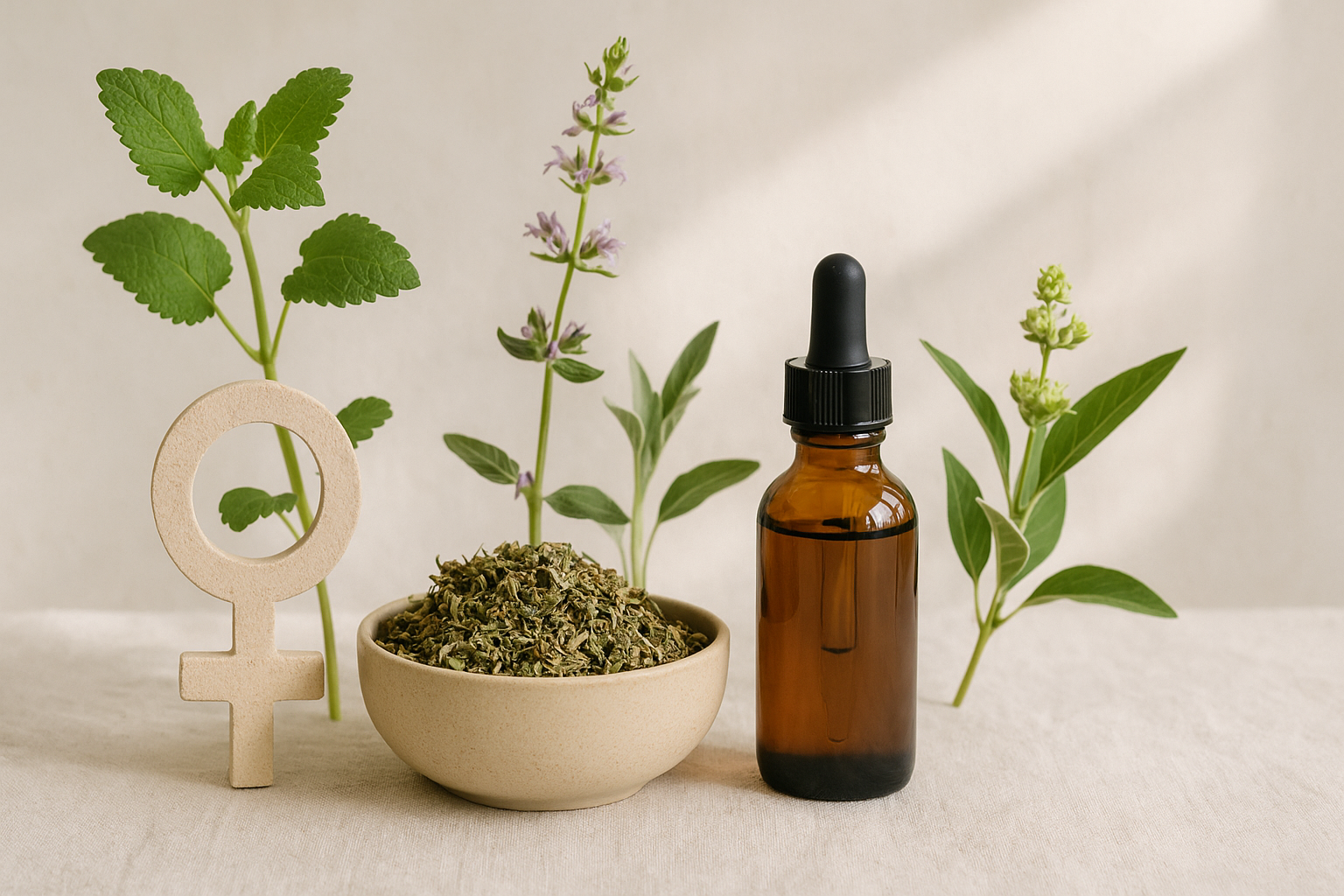
Explore the potential of hormonal support herbs in balancing hormonal health naturally. Discover their active compounds, traditional uses, modern research insights, and safe dosing practices.
What It Is
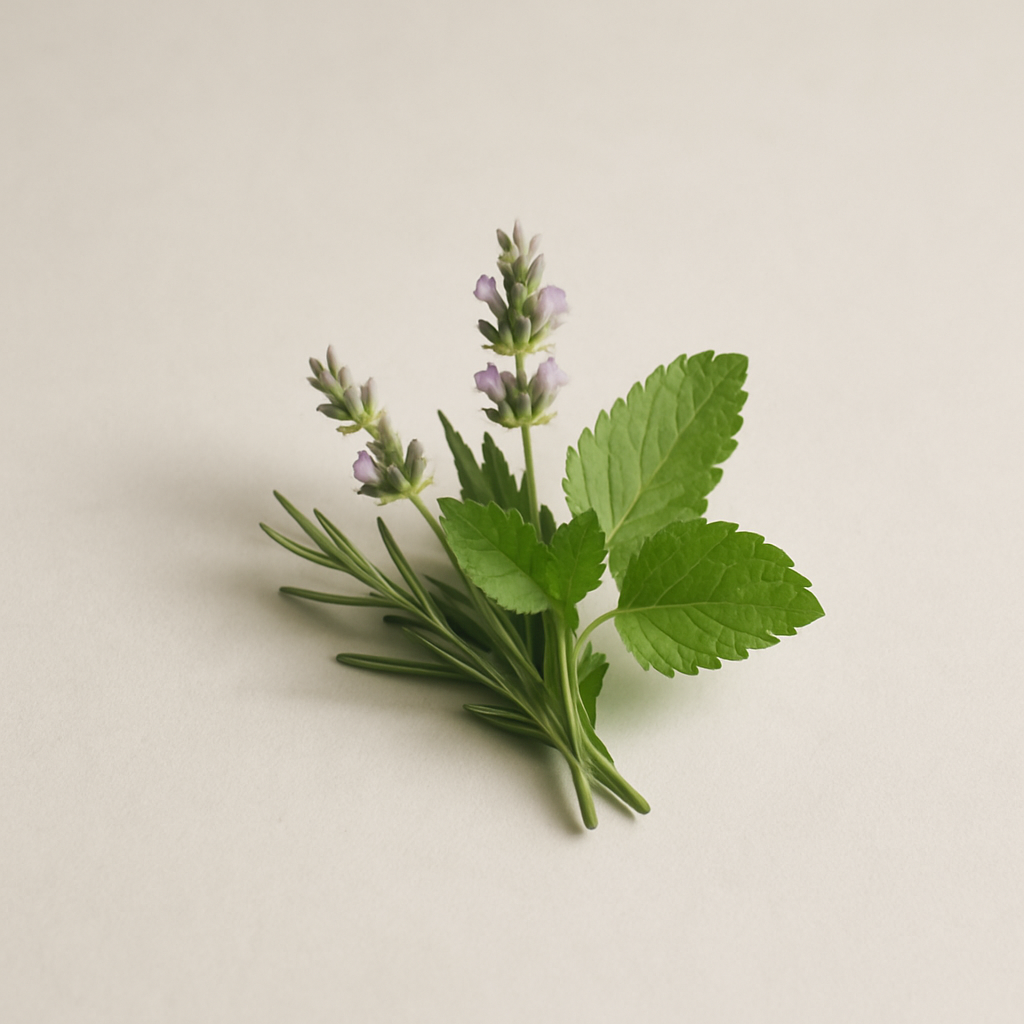
Hormonal support herbs are natural plants traditionally used to help balance the body’s hormone levels. These herbs can influence endocrine function and are often utilized to support conditions related to hormonal imbalance. Some well-known hormonal support herbs include Vitex agnus-castus (Chaste Tree), Trigonella foenum-graecum (Fenugreek), and Glycyrrhiza glabra (Licorice).
Key Active Compounds & Mechanisms
The effectiveness of hormonal support herbs can often be attributed to their active compounds. For example:
- Vitex agnus-castus: Contains flavonoids and iridoid glycosides that may influence prolactin levels and modulate estrogen and progesterone.
- Trigonella foenum-graecum: Rich in phytoestrogens, it can mimic estrogen in the body, potentially aiding in the regulation of menstrual cycles.
- Glycyrrhiza glabra: Contains glycyrrhizin, which can affect cortisol metabolism and may help in regulating stress hormones.
Traditional Uses
Throughout history, various cultures have utilized these herbs to promote hormonal balance. For instance:
- Vitex agnus-castus: Used in ancient Greece to support women's health, particularly for menstrual irregularities.
- Trigonella foenum-graecum: Known in Ayurvedic medicine for its ability to enhance lactation and support reproductive health.
- Glycyrrhiza glabra: Employed in Traditional Chinese Medicine to support adrenal health and manage stress.
What Modern Research Suggests
Recent studies on hormonal support herbs have shown promising results. For instance, research indicates that:
- Vitex may help reduce premenstrual syndrome (PMS) symptoms and regulate menstrual cycles.
- Fenugreek has been studied for its potential to enhance libido and improve reproductive health in both men and women.
- Licorice root may assist in managing the symptoms of adrenal fatigue and stress-related disorders.
Functional Actions
Hormonal support herbs exhibit various functional actions, including:
- Modulating hormone levels, particularly estrogen and progesterone.
- Supporting adrenal function and stress response.
- Enhancing reproductive health and fertility.
Body Systems Supported
The body systems that benefit from hormonal support herbs include:
- Endocrine System: Helps regulate hormone production and balance.
- Reproductive System: Supports menstrual health, fertility, and menopause.
- Nervous System: Aids in managing stress and mood fluctuations.
Common Forms & Educational Dosing Ranges
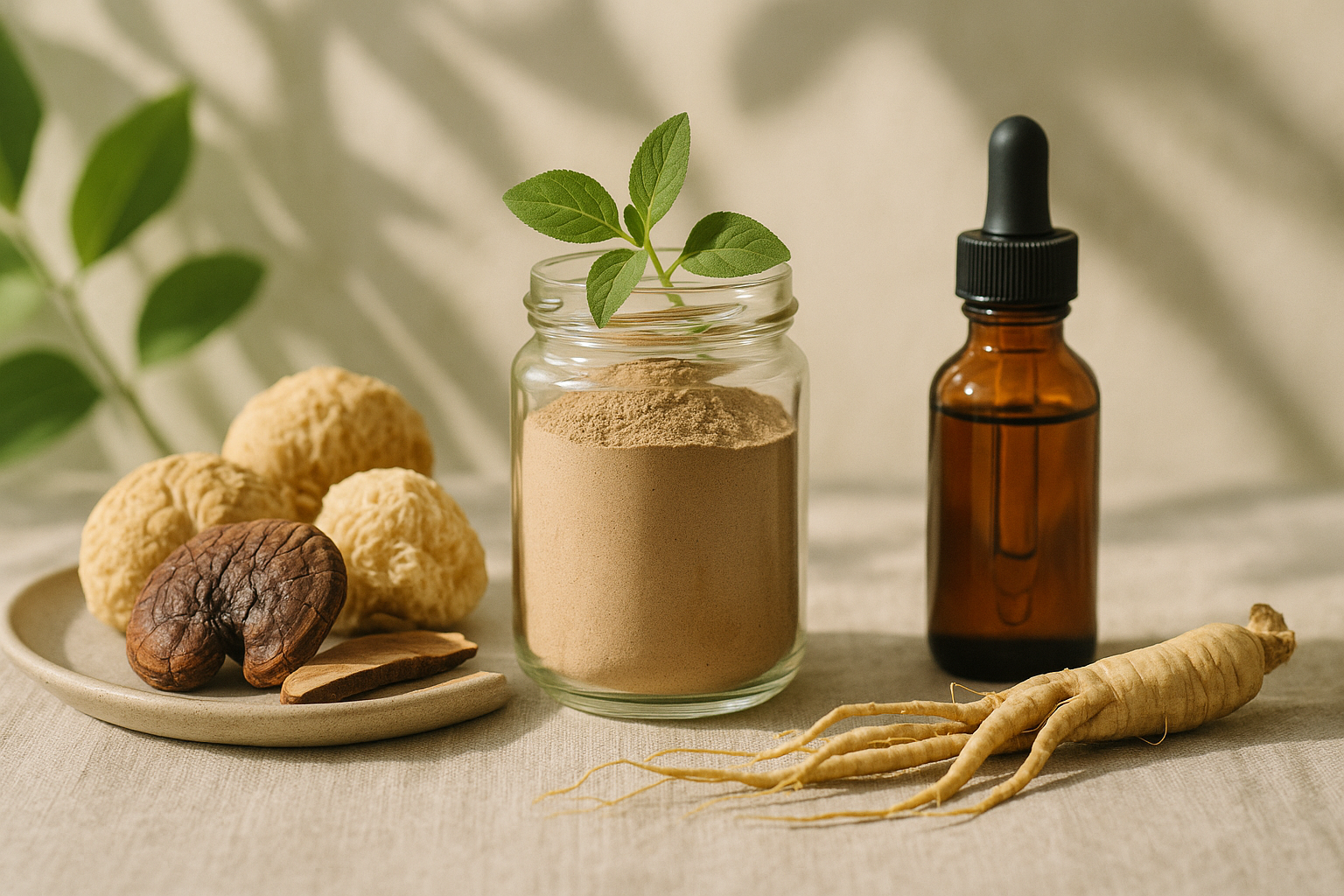
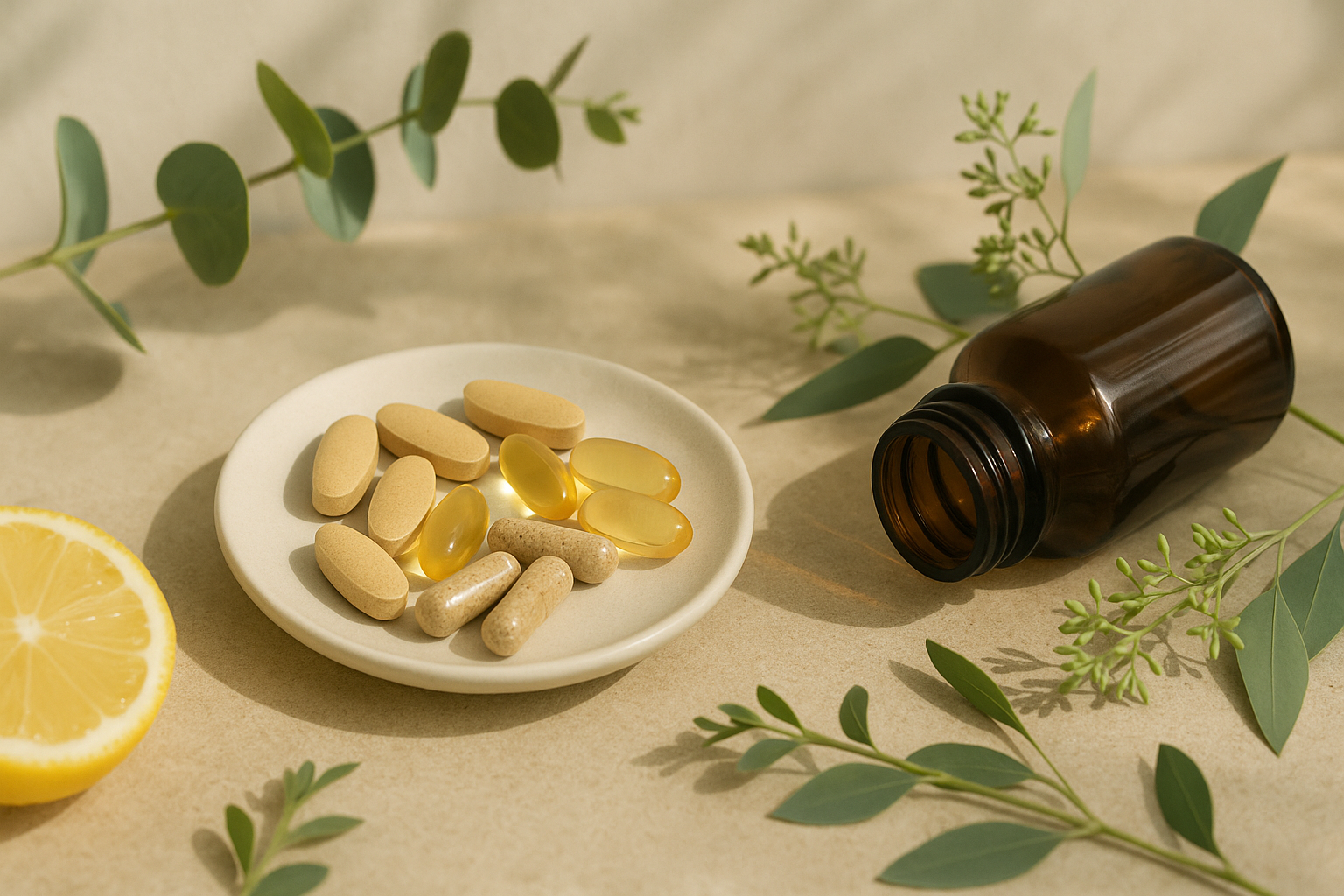
Hormonal support herbs are available in several forms, including:
- Tinctures: Typically taken in dropper form; dosages vary, but common ranges are 30-60 drops daily.
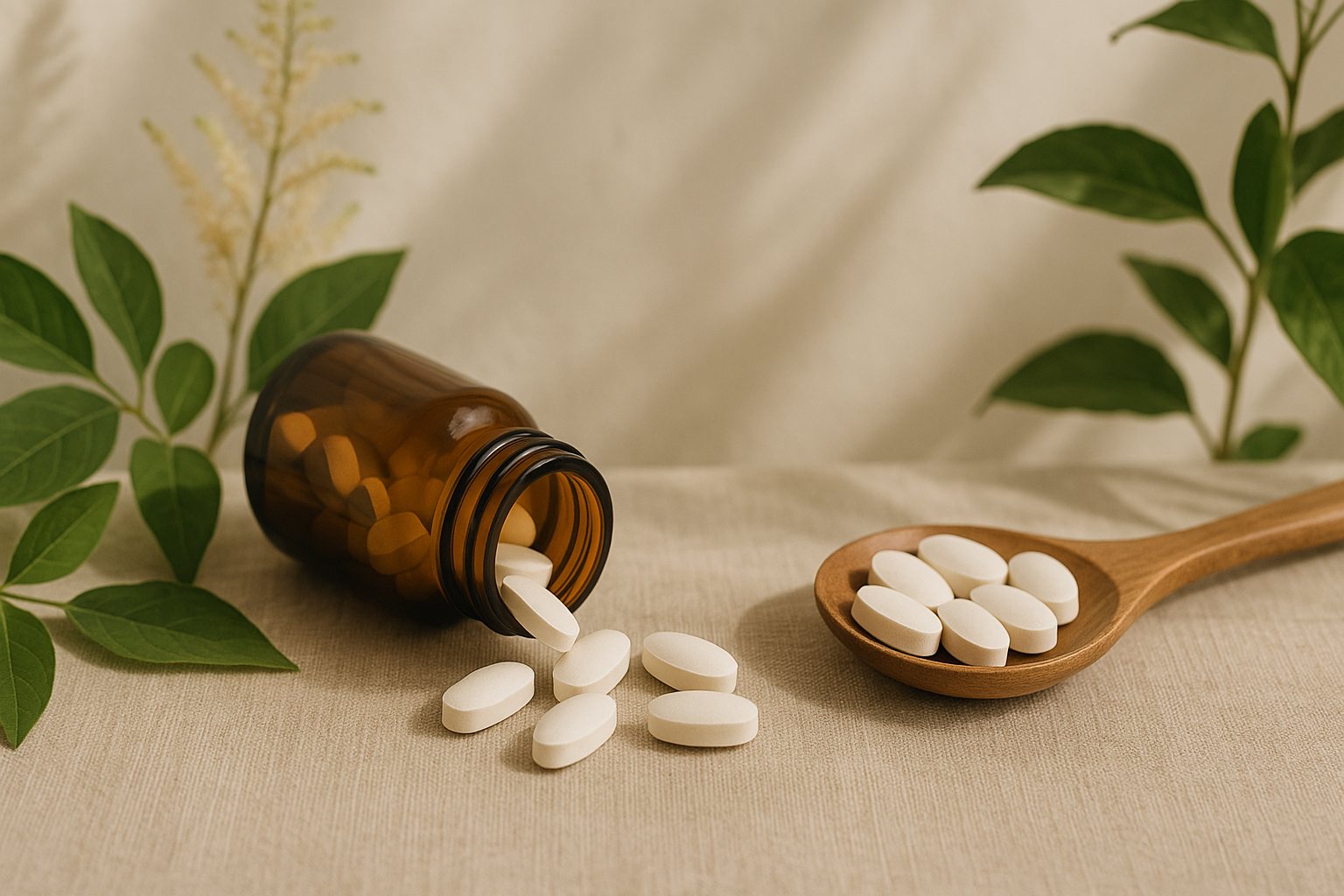
- Capsules: Often standardized extracts; recommended dosages can range from 300-1200 mg daily.
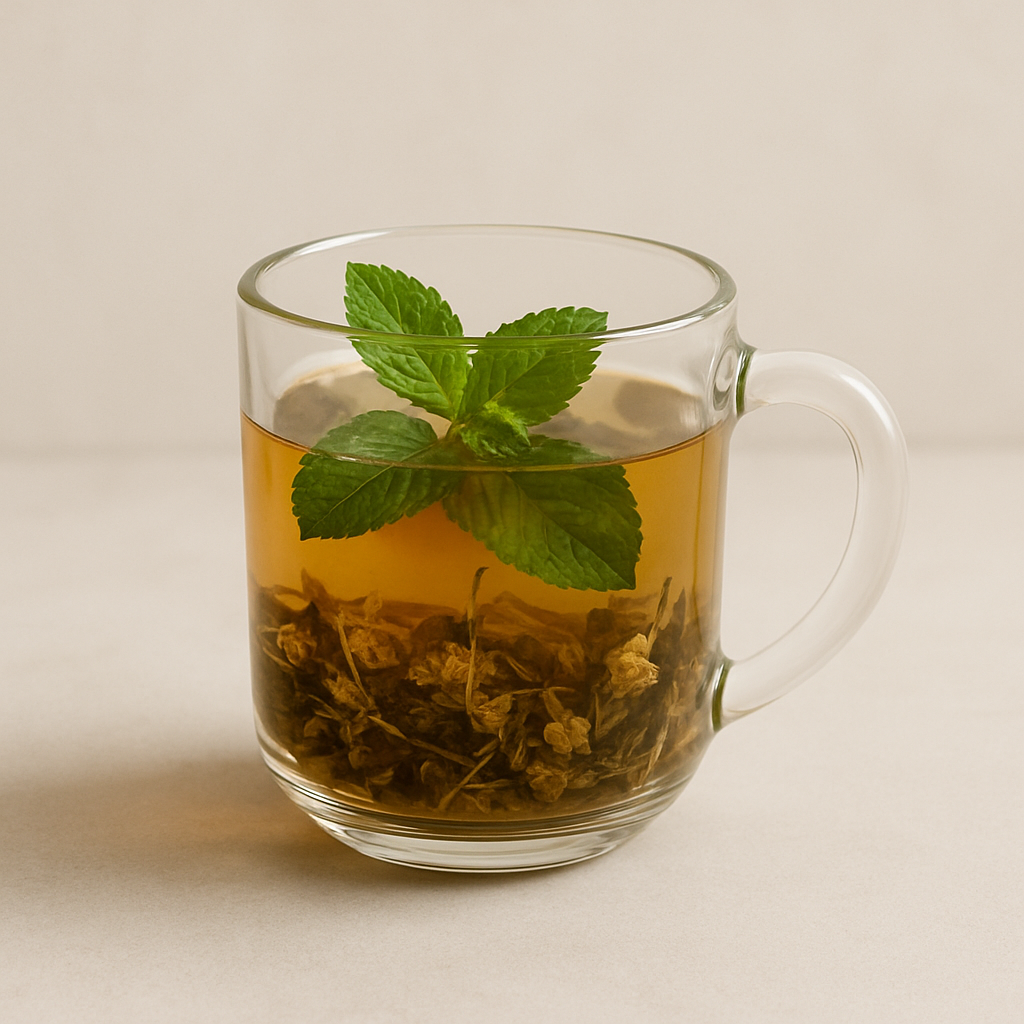
- Teas: Infusions made from dried herbs; generally consumed 1-3 cups daily.
It is important to consult a healthcare professional for personalized dosing recommendations.
Safety, Contraindications & Interactions
While hormonal support herbs can be beneficial, they may also have contraindications and interactions. Key considerations include:
- Vitex: May interact with hormonal therapies and should be avoided during pregnancy.
- Fenugreek: Can lower blood sugar levels; caution is advised for individuals with diabetes.
- Licorice: Prolonged use can lead to elevated blood pressure; individuals on corticosteroids should avoid it.
Pairs Well With
To enhance the effects of hormonal support herbs, they can be combined with:
- Adaptogens: Herbs like Ashwagandha and Rhodiola may further support adrenal function.
- Essential Fatty Acids: Omega-3 fatty acids can help reduce inflammation and support hormonal health.
- Minerals: Magnesium and zinc are vital for hormonal balance and can complement these herbs.
FAQs (5)
- What are hormonal support herbs? They are natural plants used to help balance hormone levels in the body.
- How do these herbs work? They contain active compounds that can modulate hormone production and balance.
- Are there side effects of using hormonal support herbs? Yes, potential side effects exist, and it is important to consult a healthcare provider.
- Can I take these herbs while on medication? It is crucial to check for interactions with medications, especially hormonal therapies.
- How long does it take to see results? Results may vary; some individuals may notice changes within a few weeks, while others may take longer.