Adaptogenic Herbs
Explore adaptogenic herbs and their role in modern wellness. Understand their benefits, safety, and ethical considerations while navigating this natural remedy category.
Discover the world of adaptogenic herbs, their significance in modern wellness, and how they can support your health goals. Learn about the different types of adaptogens, their benefits, safety considerations, and how to integrate them into your wellness routine.
Understanding Adaptogenic Herbs
Adaptogenic herbs are a unique class of natural substances that help the body adapt to stress and promote homeostasis. These herbs have gained popularity in recent years, especially as stress-related issues continue to rise in modern society. The term "adaptogen" was coined in the 1940s by Russian scientist Dr. Nikolai Lazarev, who described these substances as natural agents that enhance the body's ability to cope with physical, emotional, and environmental stressors.
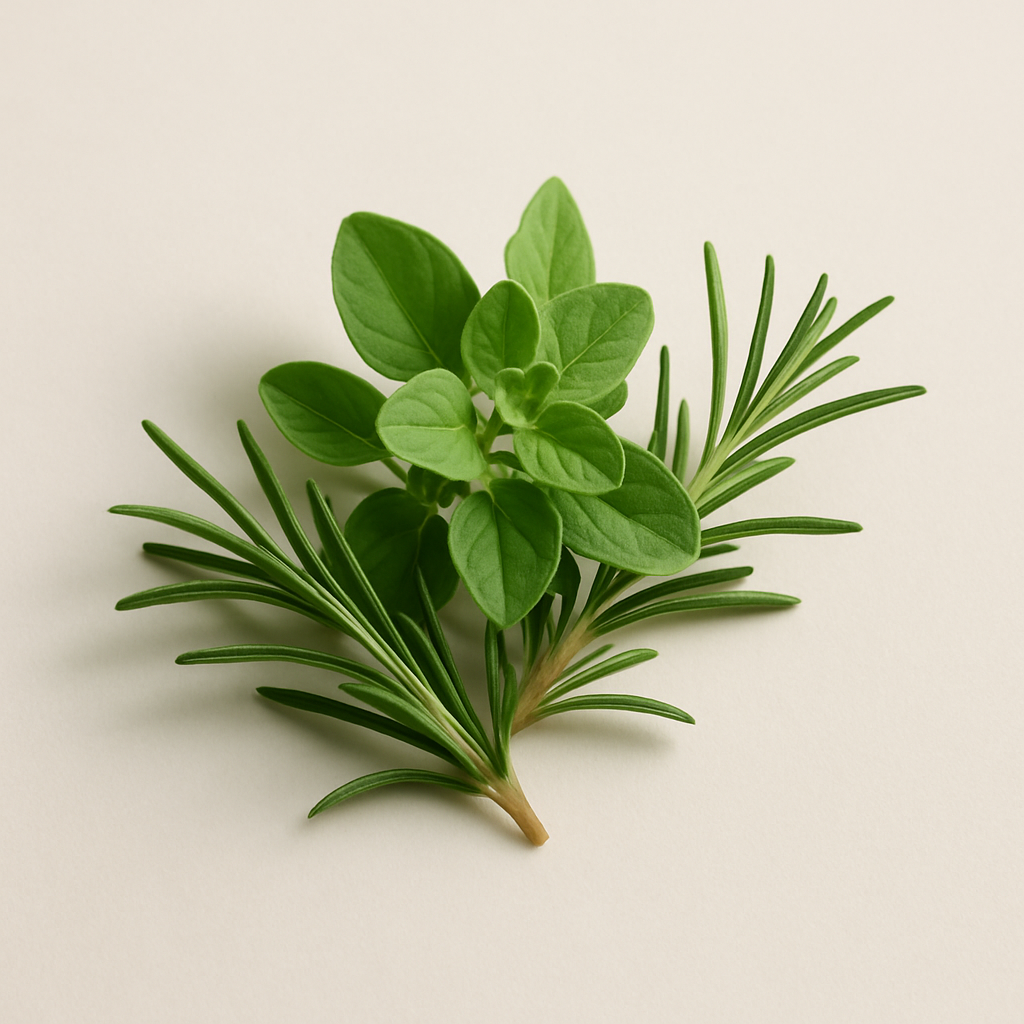
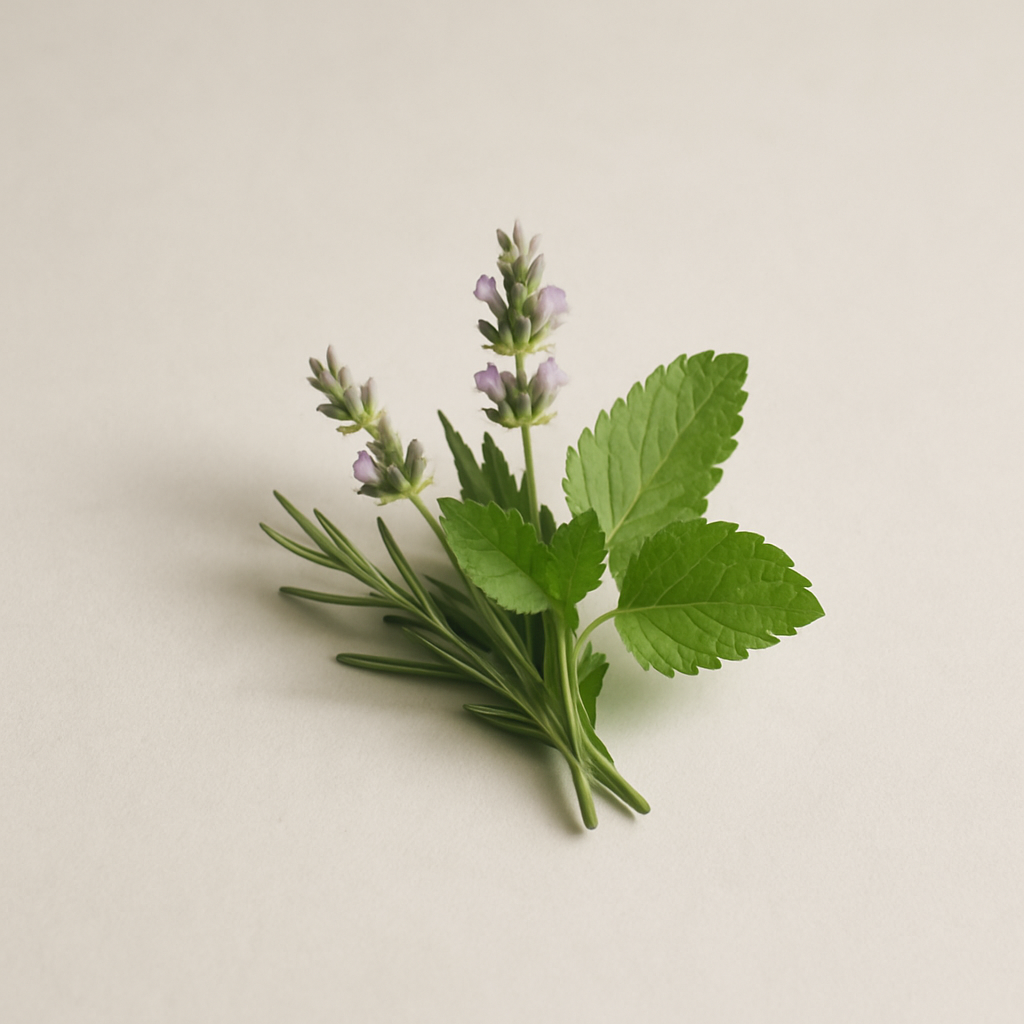
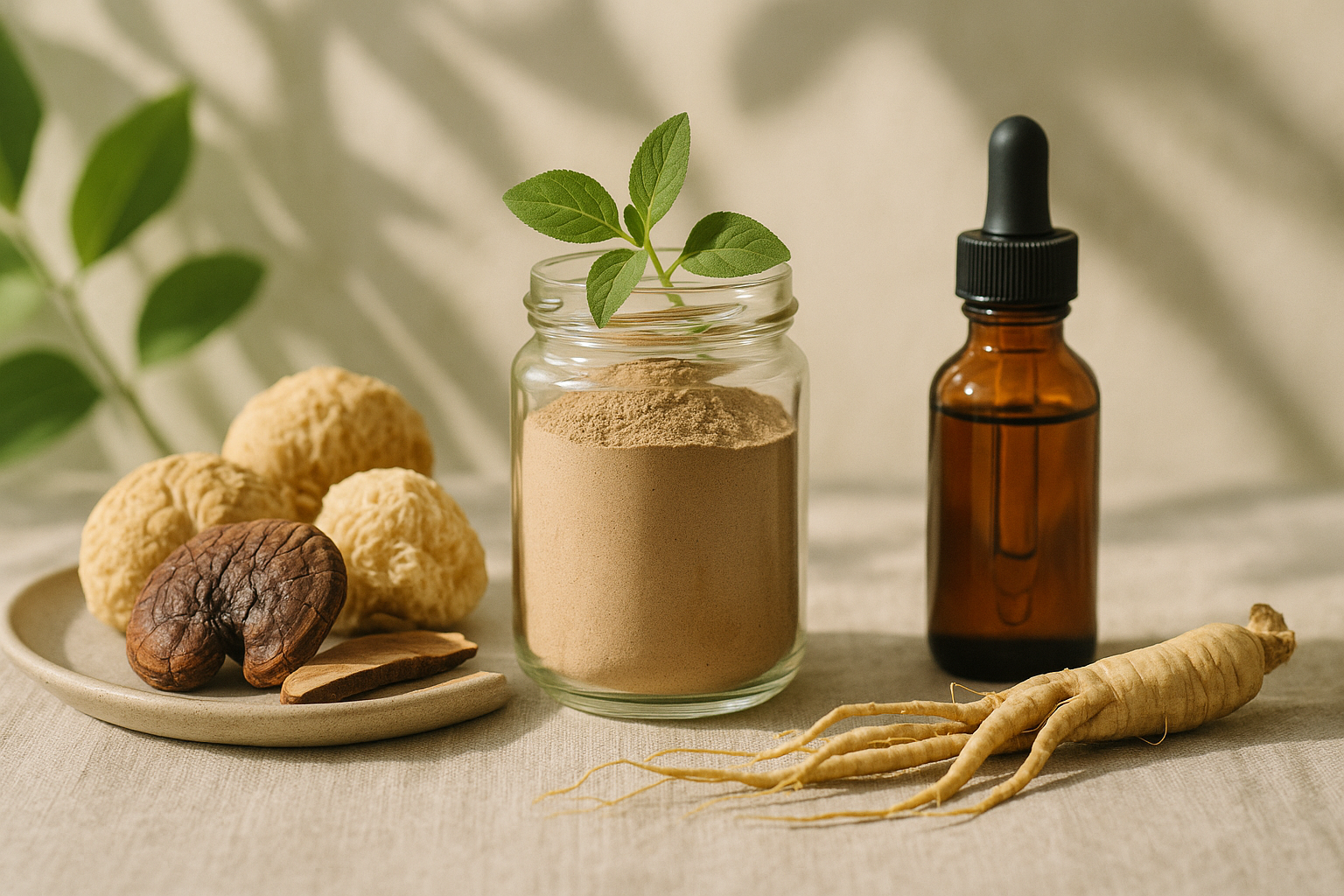
Adaptogens work by modulating the body's stress response, helping to balance hormones, support immune function, and improve overall resilience. Some well-known adaptogenic herbs include ashwagandha, rhodiola, ginseng, holy basil, and schisandra. Each of these herbs has its own unique properties and benefits, making them versatile tools in the realm of natural wellness.
The Importance of Adaptogenic Herbs in Modern Wellness
In today's fast-paced world, chronic stress has become a prevalent issue, leading to various health concerns such as anxiety, fatigue, and inflammation. Adaptogenic herbs offer a natural approach to managing stress and promoting mental clarity, making them increasingly relevant in the wellness landscape.
Many individuals are turning to these herbs as holistic alternatives to conventional treatments. Unlike pharmaceuticals, which may have side effects and dependency issues, adaptogens provide a safer and more sustainable way to support the body’s natural functions. By incorporating adaptogenic herbs into daily routines, people can enhance their physical and mental well-being, improve their resilience to stress, and promote a sense of calm and balance.
Main Approaches and Sub-Topics within Adaptogenic Herbs
1. Types of Adaptogenic Herbs
Adaptogenic herbs can be classified into different categories based on their specific benefits. Some of the most prominent types include:- Stress Relievers: Herbs like ashwagandha and holy basil are known for their calming properties, helping to reduce anxiety and promote relaxation.
- Energy Boosters: Rhodiola and ginseng are popular for enhancing energy levels and reducing fatigue, making them ideal for those facing demanding lifestyles.
- Cognitive Support: Herbs such as ginkgo biloba and bacopa monnieri are recognized for their potential to improve focus, memory, and overall cognitive function.
2. Mechanisms of Action
Adaptogens work through various mechanisms to help the body adapt to stress. They influence the hypothalamic-pituitary-adrenal (HPA) axis, which regulates the body's stress response and hormone production. By modulating cortisol levels and supporting adrenal function, adaptogens can promote a more balanced response to stressors. Additionally, they may enhance neuroplasticity, allowing the brain to adapt to new challenges more effectively.3. Preparation and Usage
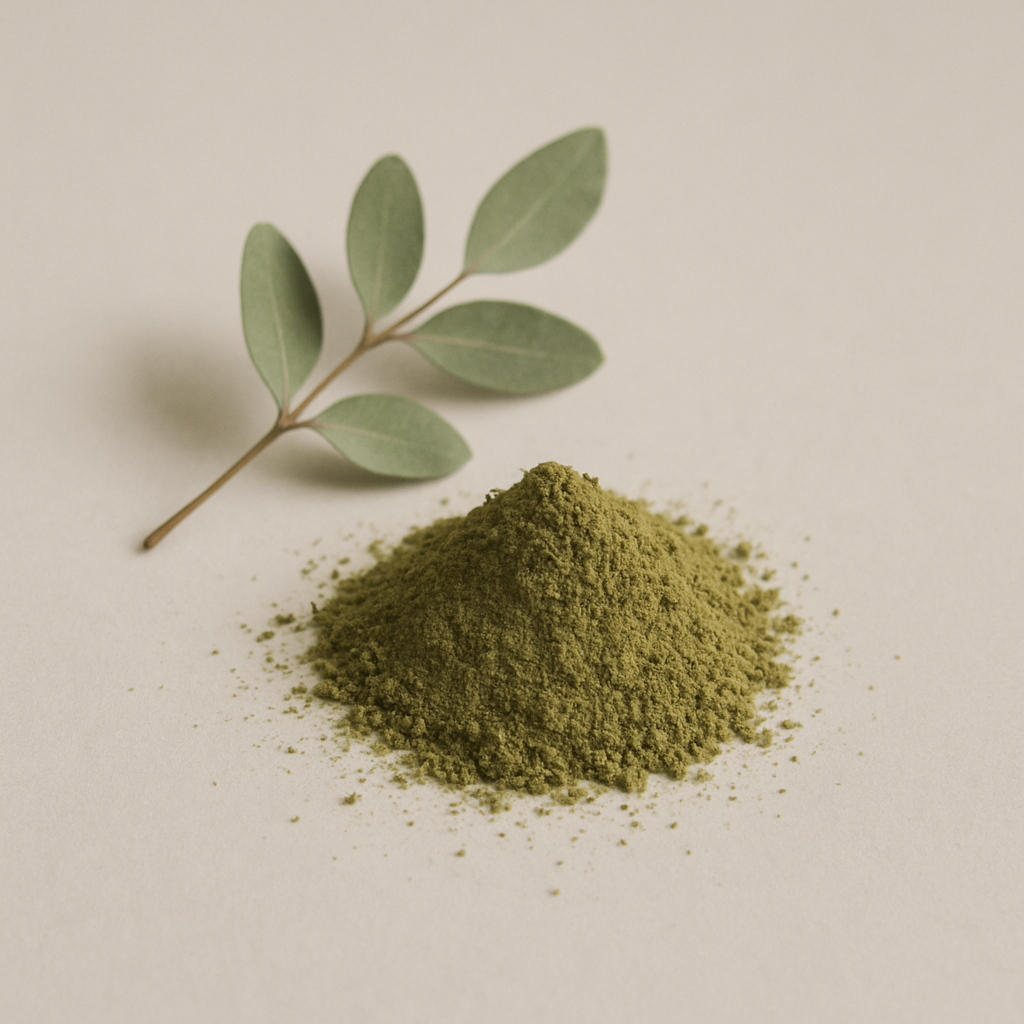
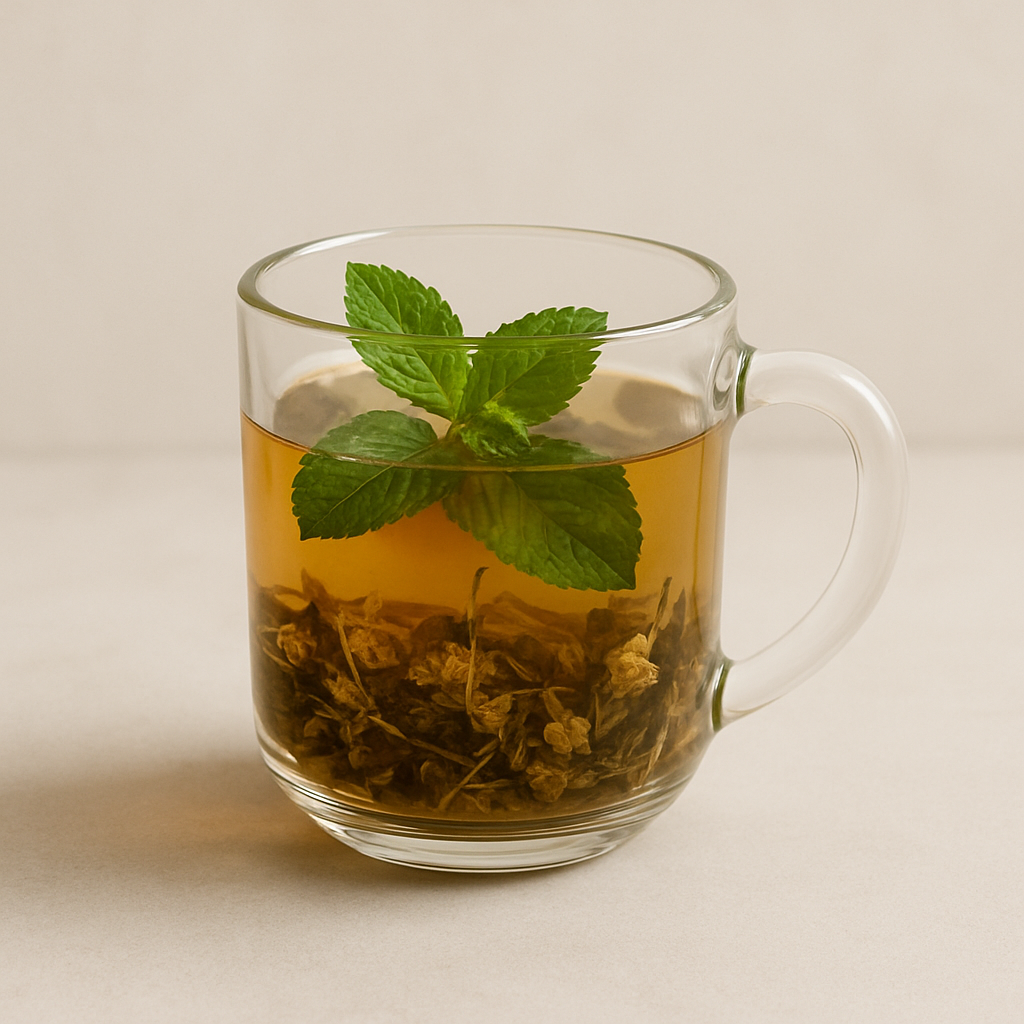
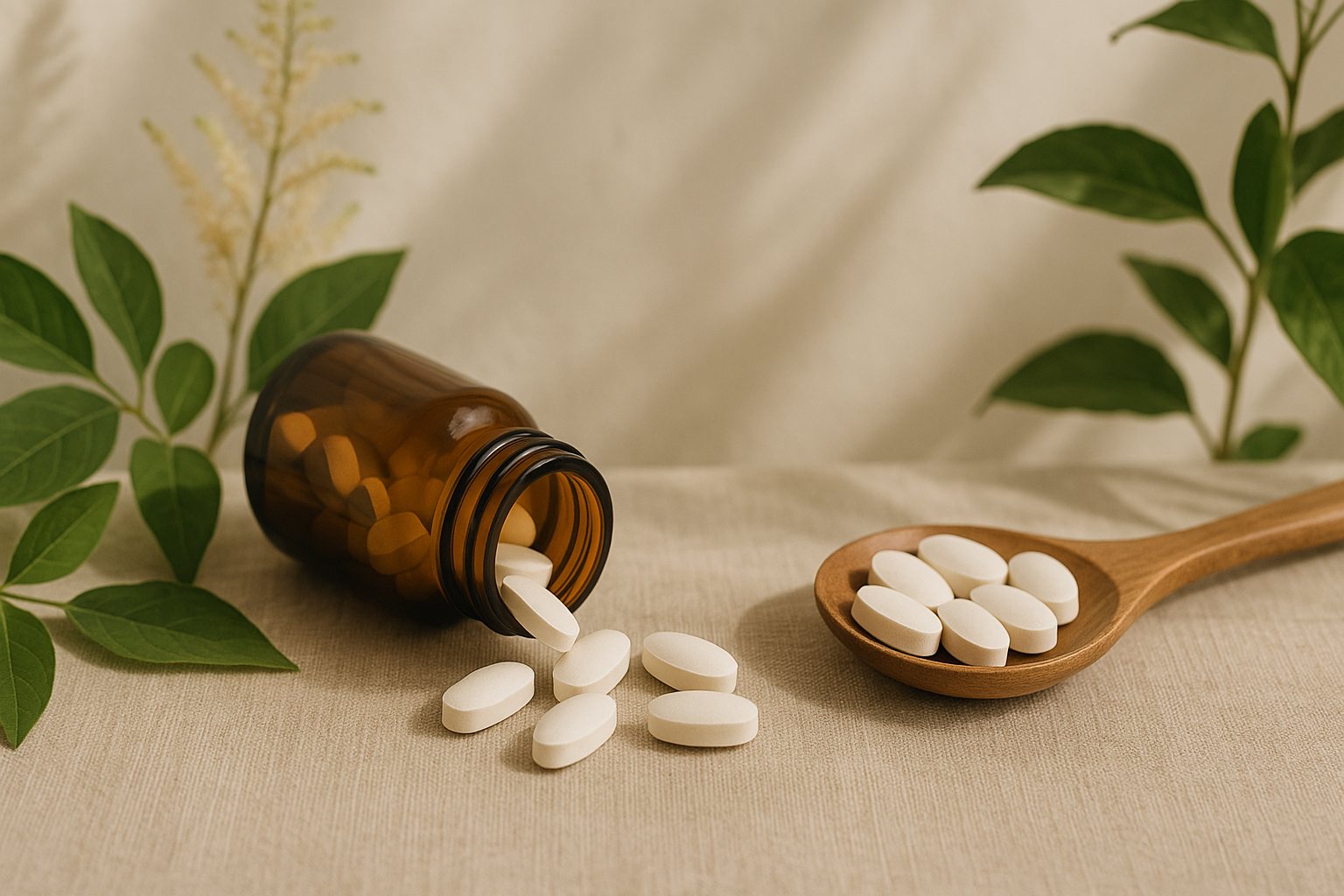
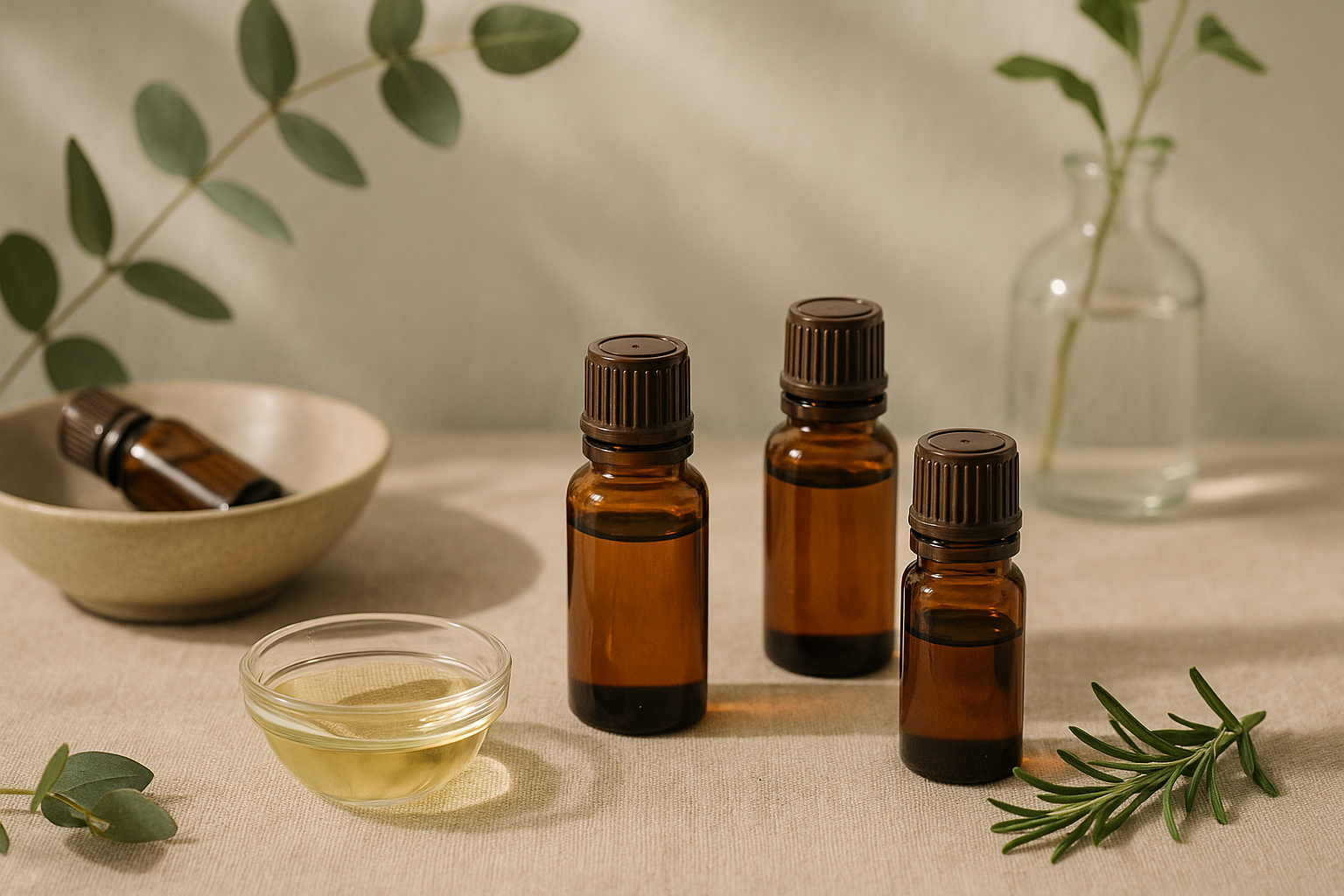
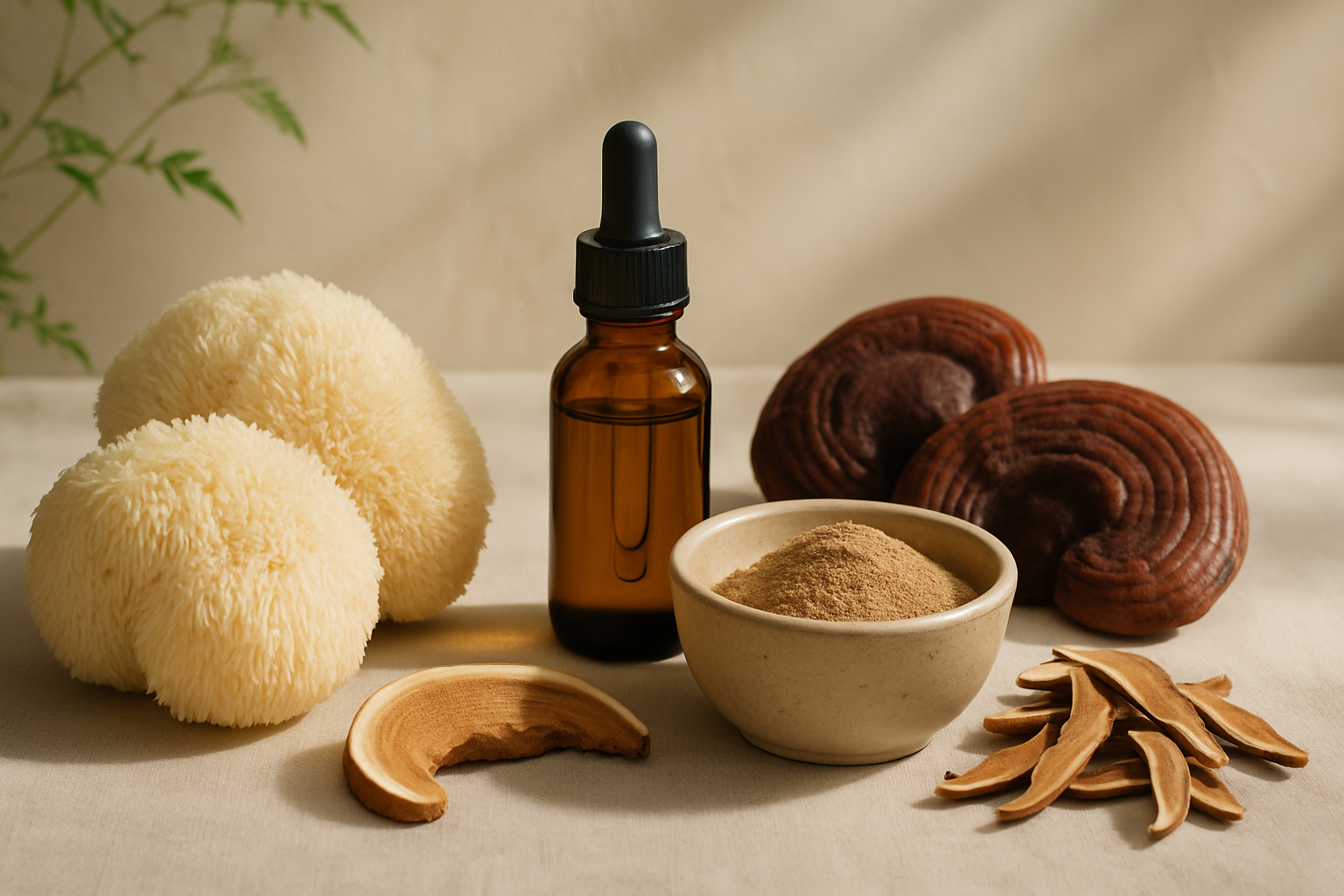
Adaptogenic herbs can be consumed in various forms, including teas, tinctures, capsules, powders, and extracts. The method of preparation can influence the potency and efficacy of the herb. For instance, tinctures may offer a more concentrated dose, while teas provide a gentler introduction to their benefits. It’s essential to select high-quality products from reputable sources to ensure effectiveness and safety.Common Goals and Outcomes
Individuals seek to incorporate adaptogenic herbs into their wellness routines for various reasons, including:- Stress Management: Many people use adaptogens to reduce stress and anxiety levels, helping them cope with daily pressures more effectively.
- Enhanced Energy and Stamina: Athletes and active individuals often turn to adaptogens to support energy levels, endurance, and recovery.
- Improved Mood and Mental Clarity: Adaptogens may help stabilize mood and enhance cognitive function, providing clarity and focus for daily tasks.
- Support for Immune Function: Certain adaptogens are known to bolster the <a href="/body-systems/immune-system" class="internal-link">immune system</a>, making them beneficial during times of illness or stress.
Safety, Ethics, and Finding Qualified Guidance
While adaptogenic herbs are generally considered safe for most individuals, there are important considerations to keep in mind. It’s crucial to consult with a healthcare professional before starting any new herbal regimen, especially for individuals with underlying health conditions or those taking medications.Additionally, ethical sourcing of herbs is vital. Look for brands that prioritize sustainable harvesting practices and transparency in their supply chains. Third-party testing can also ensure product quality and potency, giving consumers peace of mind about what they are consuming.
Connections to Other Categories and Broader Pillars
Adaptogenic herbs are part of a larger framework of natural remedies and herbal therapies. They connect with categories such as:- Herbal Remedies: Adaptogens fall under the broader spectrum of herbal medicine, which encompasses a variety of plants used for health and wellness.
- Nutritional Supplements: Many adaptogenic herbs are available as supplements, linking them to the nutritional wellness category.
- Mind-Body Practices: The use of adaptogens often complements practices such as meditation, yoga, and mindfulness, enhancing the overall wellness experience.
Frequently Asked Questions (FAQs)
1. What are adaptogenic herbs?
Adaptogenic herbs are natural substances that help the body adapt to stress, promoting balance and resilience in the face of physical, emotional, and environmental challenges.2. How do adaptogens work?
Adaptogens work by modulating the body’s stress response, influencing the hypothalamic-pituitary-adrenal (HPA) axis, and supporting hormonal balance to enhance resilience against stressors.3. Are there any side effects of adaptogenic herbs?
While generally safe for most individuals, some adaptogens may cause side effects in specific populations or interact with medications. Consulting a healthcare professional is recommended before use.4. How should I take adaptogenic herbs?
Adaptogens can be taken in various forms, including teas, tinctures, capsules, powders, and extracts. The appropriate form depends on personal preference and intended use.5. Can I combine different adaptogenic herbs?
Yes, many people combine different adaptogenic herbs to target specific health goals. However, it’s best to consult with a healthcare professional to ensure compatibility and safety.6. Where can I find high-quality adaptogenic herbs?
Look for reputable brands that prioritize quality, sustainability, and transparency. Third-party testing and customer reviews can also help guide your choices.Conclusion
Adaptogenic herbs represent a powerful avenue for promoting wellness in our increasingly stressful world. By understanding their benefits, mechanisms, and safe usage, individuals can leverage these natural remedies to enhance their health and resilience. As you explore the potential of adaptogens, remember to seek guidance from qualified professionals and prioritize ethical sourcing to ensure the best outcomes for your well-being.<aside class="disclaimer"><strong>Disclaimer:</strong> This information is educational and not a substitute for medical advice. Speak with a qualified healthcare provider before making changes, especially during pregnancy, breastfeeding, or while taking medications.</aside>
Frequently asked
What are adaptogenic herbs?
Adaptogenic herbs are natural substances that help the body adapt to stress, promoting balance and resilience in the face of physical, emotional, and environmental challenges.
How do adaptogens work?
Adaptogens work by modulating the body’s stress response, influencing the hypothalamic-pituitary-adrenal (HPA) axis, and supporting hormonal balance to enhance resilience against stressors.
Are there any side effects of adaptogenic herbs?
While generally safe for most individuals, some adaptogens may cause side effects in specific populations or interact with medications. Consulting a healthcare professional is recommended before use.
How should I take adaptogenic herbs?
Adaptogens can be taken in various forms, including teas, tinctures, capsules, powders, and extracts. The appropriate form depends on personal preference and intended use.
Can I combine different adaptogenic herbs?
Yes, many people combine different adaptogenic herbs to target specific health goals. However, it’s best to consult with a healthcare professional to ensure compatibility and safety.
Where can I find high-quality adaptogenic herbs?
Look for reputable brands that prioritize quality, sustainability, and transparency. Third-party testing and customer reviews can also help guide your choices.