Spiritual Healing
Discover the principles, history, and applications of Spiritual Healing within Tibetan Medicine, focusing on its holistic approach and traditional practices.

Explore the practice of Spiritual Healing in Tibetan Medicine, a holistic approach that integrates ancient wisdom with modern understanding. This page delves into its definition, historical context, practical applications, and more.
What It Is
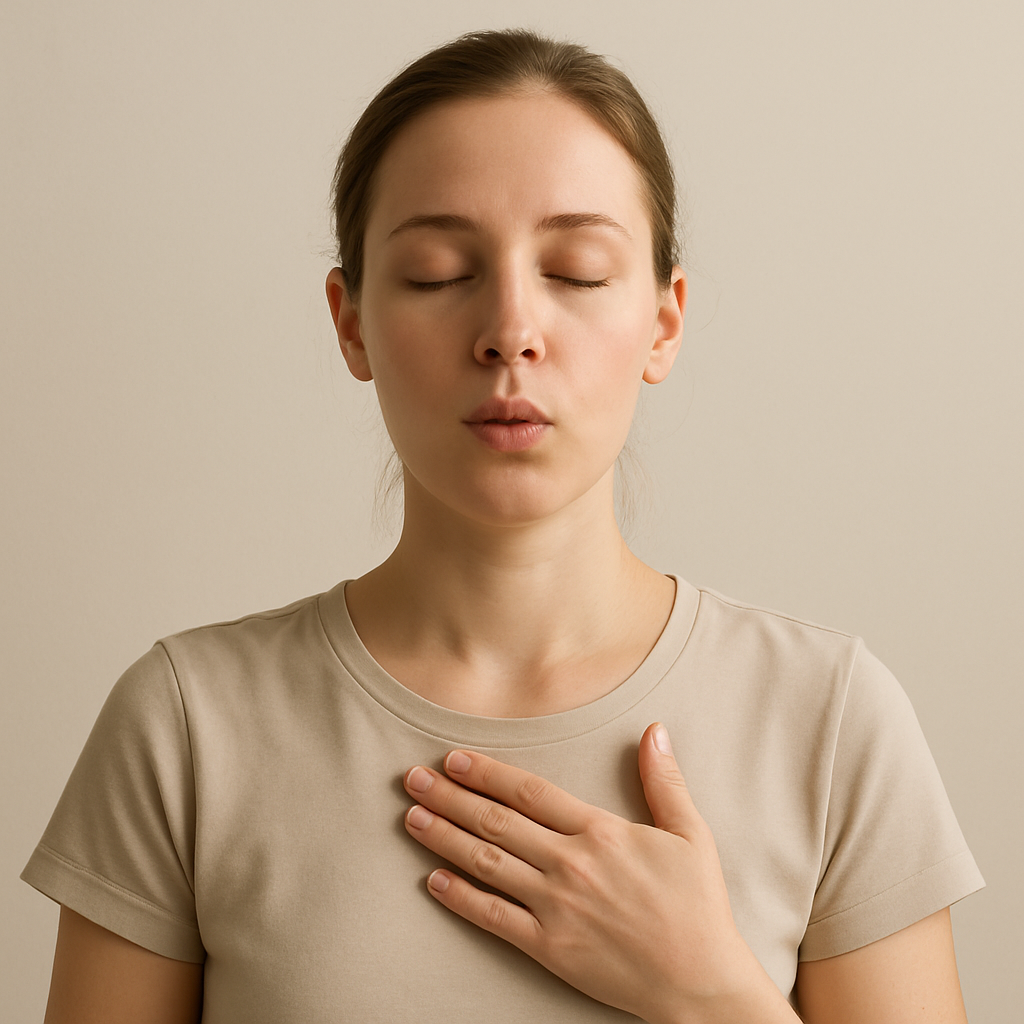
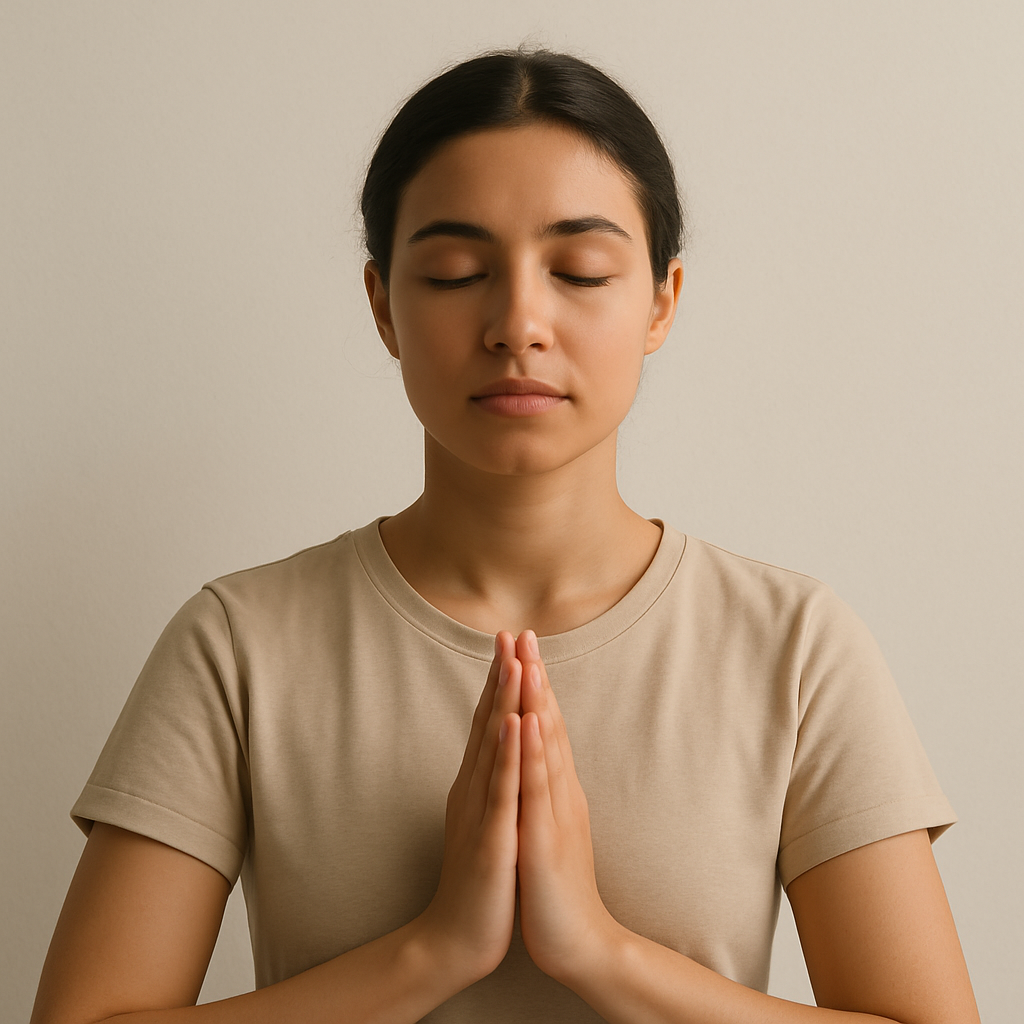
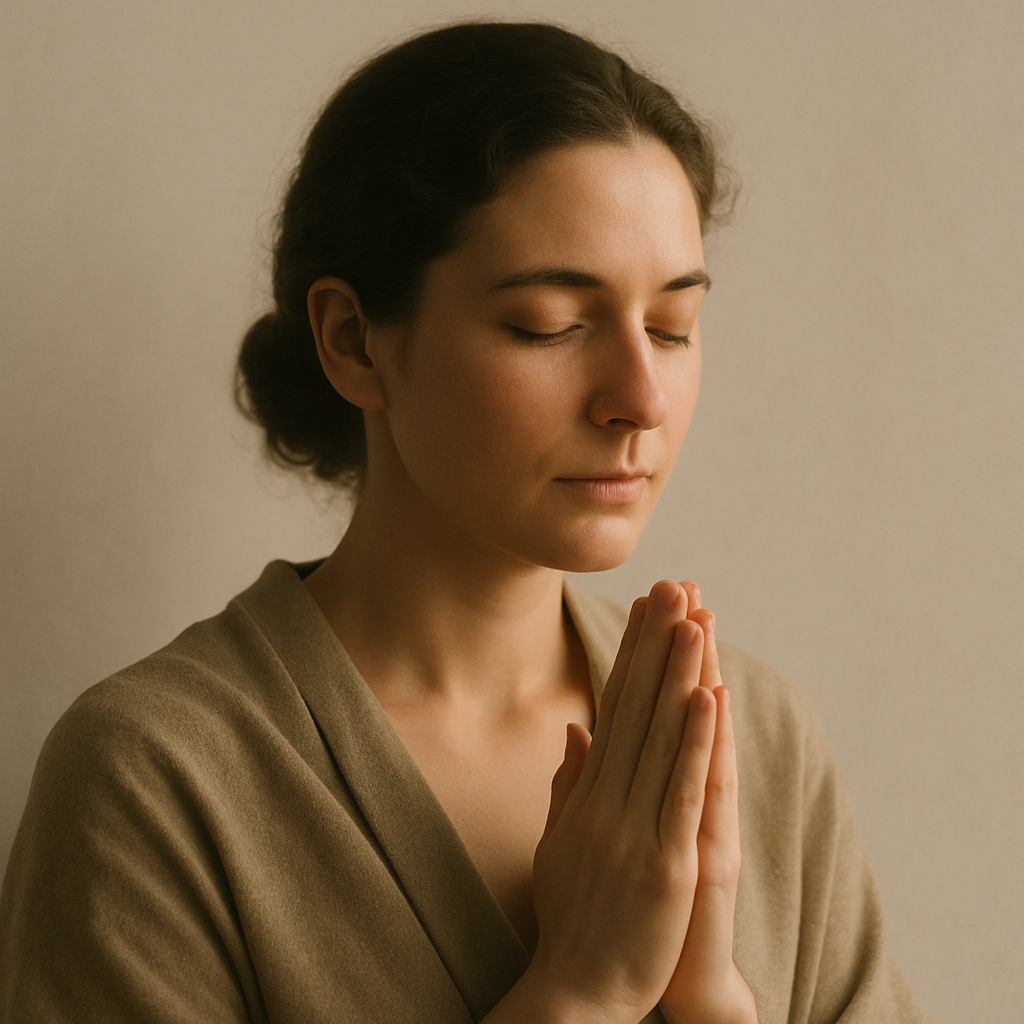
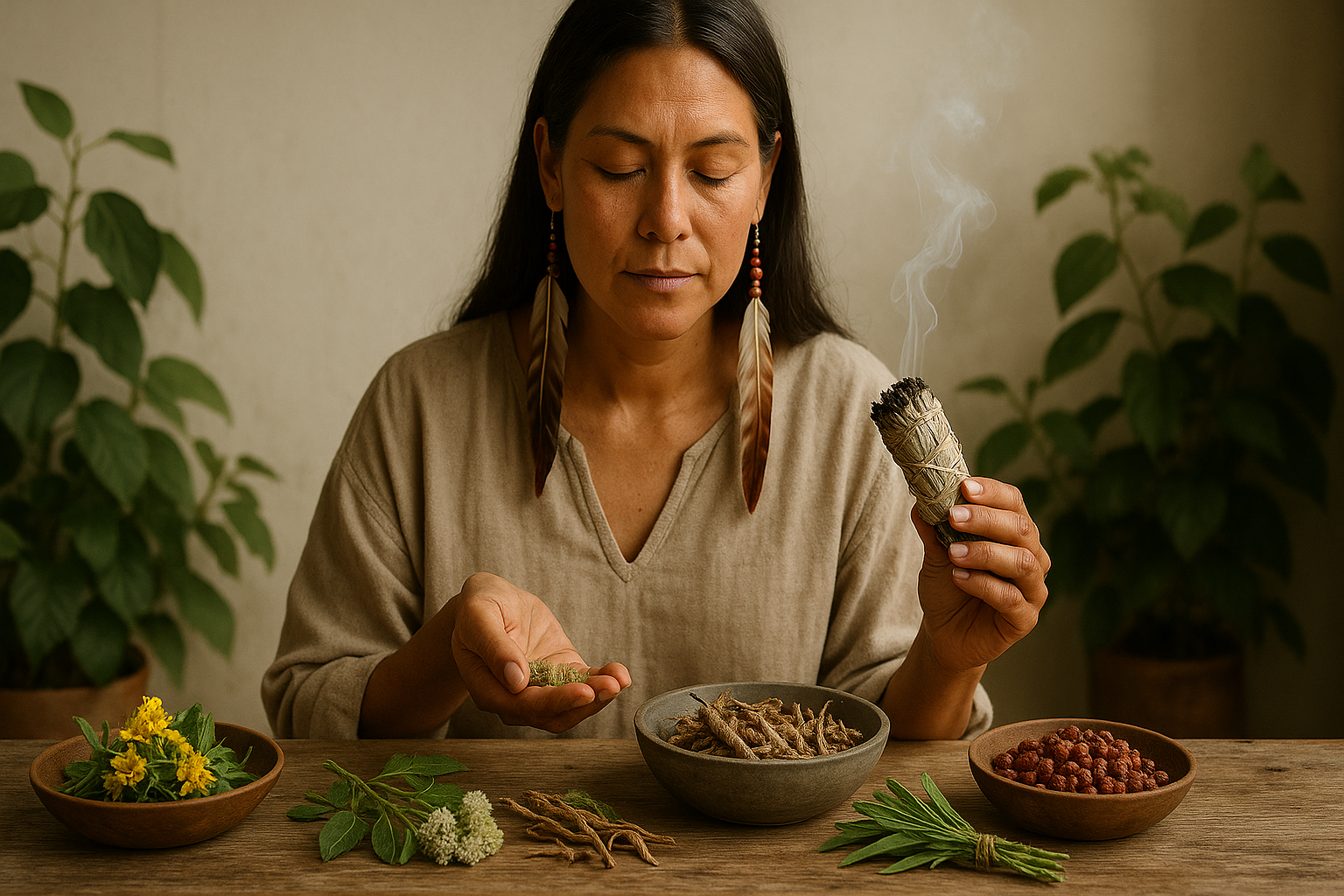
Spiritual Healing in the context of Tibetan Medicine refers to a holistic approach to wellness that integrates mind, body, and spirit. It encompasses various techniques aimed at restoring balance and harmony within an individual, emphasizing the interconnectedness of physical health and spiritual well-being. This modality often involves meditation, visualization, and rituals that are believed to promote healing on multiple levels.
The foundation of Spiritual Healing lies in the belief that emotional and spiritual issues can manifest as physical ailments. Practitioners utilize various techniques to address these underlying issues, fostering a sense of inner peace and clarity. Through this process, individuals can achieve a deeper understanding of their life experiences and cultivate a more profound sense of purpose.
Historical Context Within Tibetan Medicine
Spiritual Healing has deep roots within the tradition of Tibetan Medicine, which dates back over 2,500 years. It emerged alongside the development of Tibetan Buddhism, where spiritual practices were integrated into the healing arts. Influential figures such as the Indian sage Padmasambhava played a crucial role in establishing these connections, bringing with him extensive knowledge of spiritual practices that influenced Tibetan healing approaches.
Throughout history, Tibetan Medicine has evolved, incorporating various cultural elements and practices. The practice of Spiritual Healing has remained a vital aspect of this tradition, with teachings passed down through generations of practitioners. This continuity has ensured that spiritual elements remain an integral part of the healing process, emphasizing the necessity of addressing both physical and spiritual needs.
How It's Practiced
The practice of Spiritual Healing in Tibetan Medicine typically involves several key components. A practitioner may follow these steps:
- Initial Consultation: The practitioner assesses the individual's needs, discussing their physical, emotional, and spiritual concerns.
- Diagnosis: Using traditional techniques, the practitioner may evaluate the individual's energy, often involving pulse diagnosis or observation of physical symptoms.
- Personalized Healing Plan: Based on the assessment, a tailored plan is developed, which may include specific meditative practices, rituals, and herbal remedies.
- Guided Meditation: Practitioners often lead patients in guided meditations aimed at fostering spiritual insight and emotional release.
- Rituals and Offerings: These may involve rituals that honor spiritual entities or deities, as well as offerings intended to create positive energy and facilitate healing.
- Follow-Up: Practitioners may schedule follow-up sessions to monitor progress and adjust the healing plan as necessary.
What It Is Traditionally Explored For
Spiritual Healing is traditionally used for a variety of issues, often reflecting the holistic nature of Tibetan Medicine. Some common goals include:
- Alleviating emotional distress, such as anxiety and depression.
- Facilitating personal growth and self-discovery.
- Enhancing spiritual awareness and connection.
- Promoting inner peace and reducing stress.
- Addressing chronic pain and physical ailments that may have emotional or spiritual roots.
What Modern Research Suggests
However, much of the evidence is anecdotal or derived from broader studies on meditation and mindfulness rather than specific to Tibetan spiritual practices. Continued research is necessary to better understand the efficacy and mechanisms of Spiritual Healing within this ancient tradition.
Safety, Contraindications & Who Should Skip
Spiritual Healing is generally considered safe for most individuals. However, those with severe mental health issues, such as psychosis or extreme anxiety, should approach these practices with caution and consult a qualified professional before engaging in spiritual healing methods. It is important to note that Spiritual Healing is not a substitute for medical treatment, particularly for serious health conditions.
Pairs Well With (within Tibetan Medicine and across pillars)
Spiritual Healing can be complemented by various modalities and ingredients within Tibetan Medicine, including:
- Tibetan Herbal Medicine
- Acupuncture
- Moxibustion
- Traditional Tibetan Massage (Auyrvedic techniques)
- Yoga and Movement Practices
How to Find a Qualified Practitioner
Finding a qualified practitioner of Spiritual Healing in Tibetan Medicine involves several steps:
- Research practitioners in your area who specialize in Tibetan Medicine and spiritual healing.
- Check credentials and training, ensuring they have a background in traditional Tibetan practices.
- Read reviews and testimonials from previous clients.
- Schedule an initial consultation to gauge their approach and whether it aligns with your needs.
- Trust your intuition; the right practitioner will resonate with you and provide a sense of comfort.
FAQs
- What is Spiritual Healing? Spiritual Healing is a holistic practice within Tibetan Medicine that focuses on restoring balance and harmony in mind, body, and spirit.
- How does Spiritual Healing work? It works by addressing emotional and spiritual issues through techniques such as meditation, visualization, and rituals.
- Is Spiritual Healing safe? Generally, it is safe for most individuals, but those with severe mental health issues should consult a professional before engaging in these practices.
- What common issues can Spiritual Healing help with? It is traditionally explored for emotional distress, personal growth, and enhancing spiritual awareness.
- How can I find a qualified practitioner? Research local practitioners, check their credentials, and trust your intuition during the selection process.
Frequently asked
What is Spiritual Healing?
Spiritual Healing is a holistic practice within Tibetan Medicine that focuses on restoring balance and harmony in mind, body, and spirit.
How does Spiritual Healing work?
It works by addressing emotional and spiritual issues through techniques such as meditation, visualization, and rituals.
Is Spiritual Healing safe?
Generally, it is safe for most individuals, but those with severe mental health issues should consult a professional before engaging in these practices.
What common issues can Spiritual Healing help with?
It is traditionally explored for emotional distress, personal growth, and enhancing spiritual awareness.
How can I find a qualified practitioner?
Research local practitioners, check their credentials, and trust your intuition during the selection process.