Sacred Practices
Delve into the sacred practices of Tibetan Medicine, their historical roots, traditional applications, and modern insights.

Explore the sacred practices within Tibetan Medicine, a holistic approach grounded in ancient wisdom. Discover its historical context, traditional applications, modern research insights, and how to find qualified practitioners.
What It Is
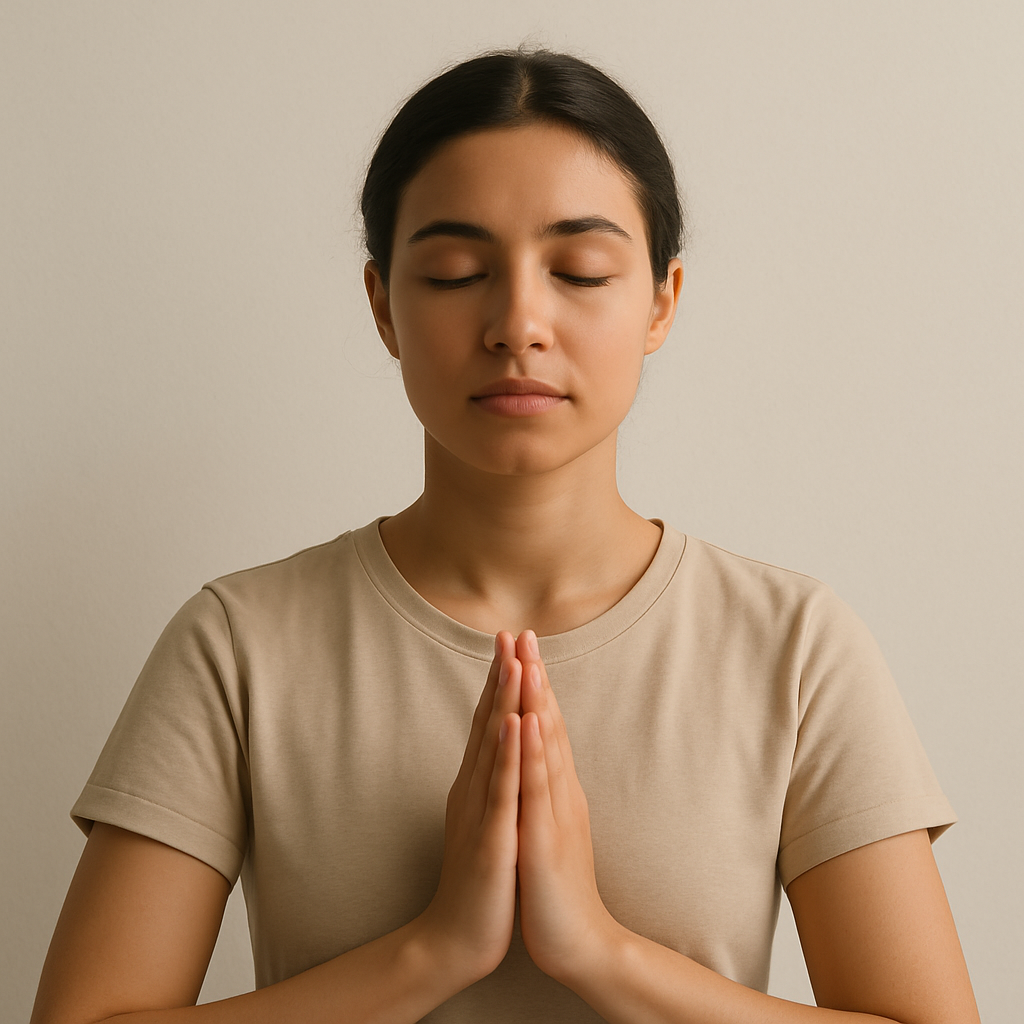
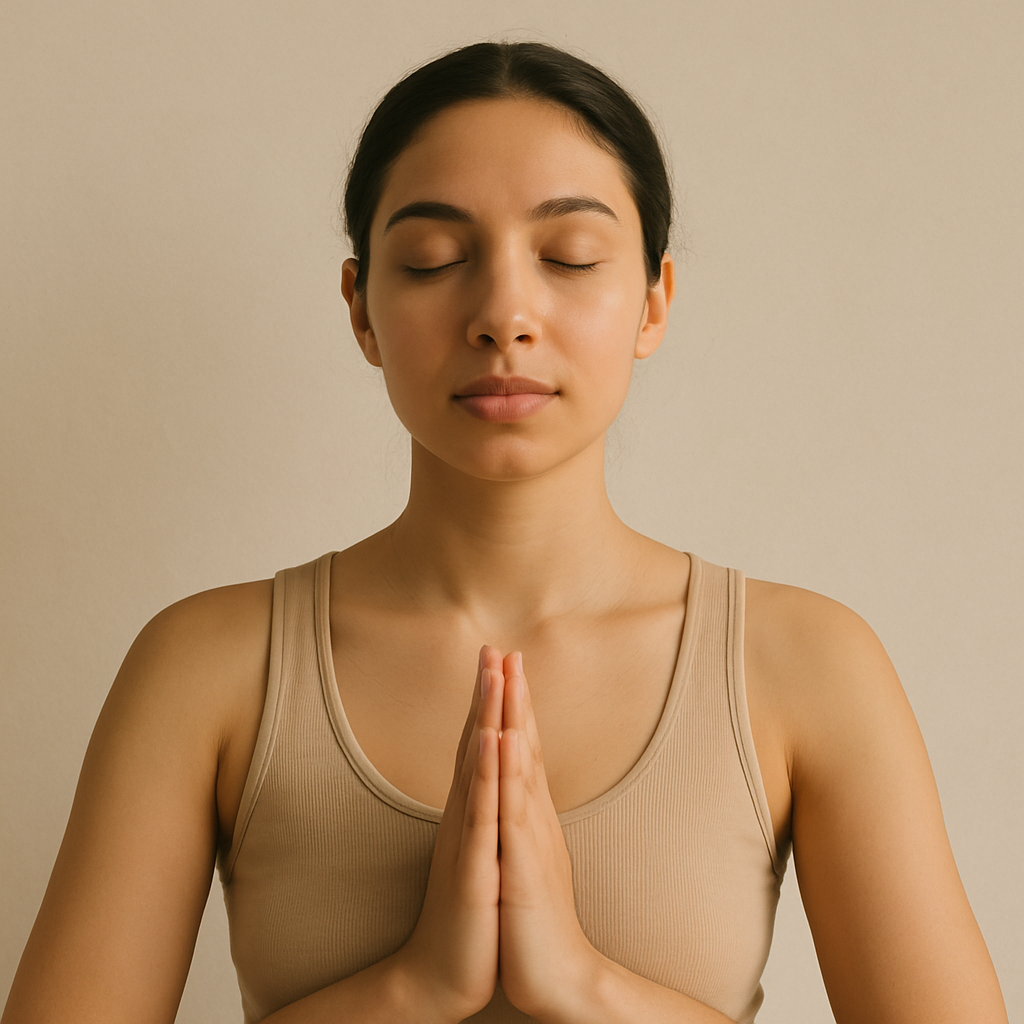
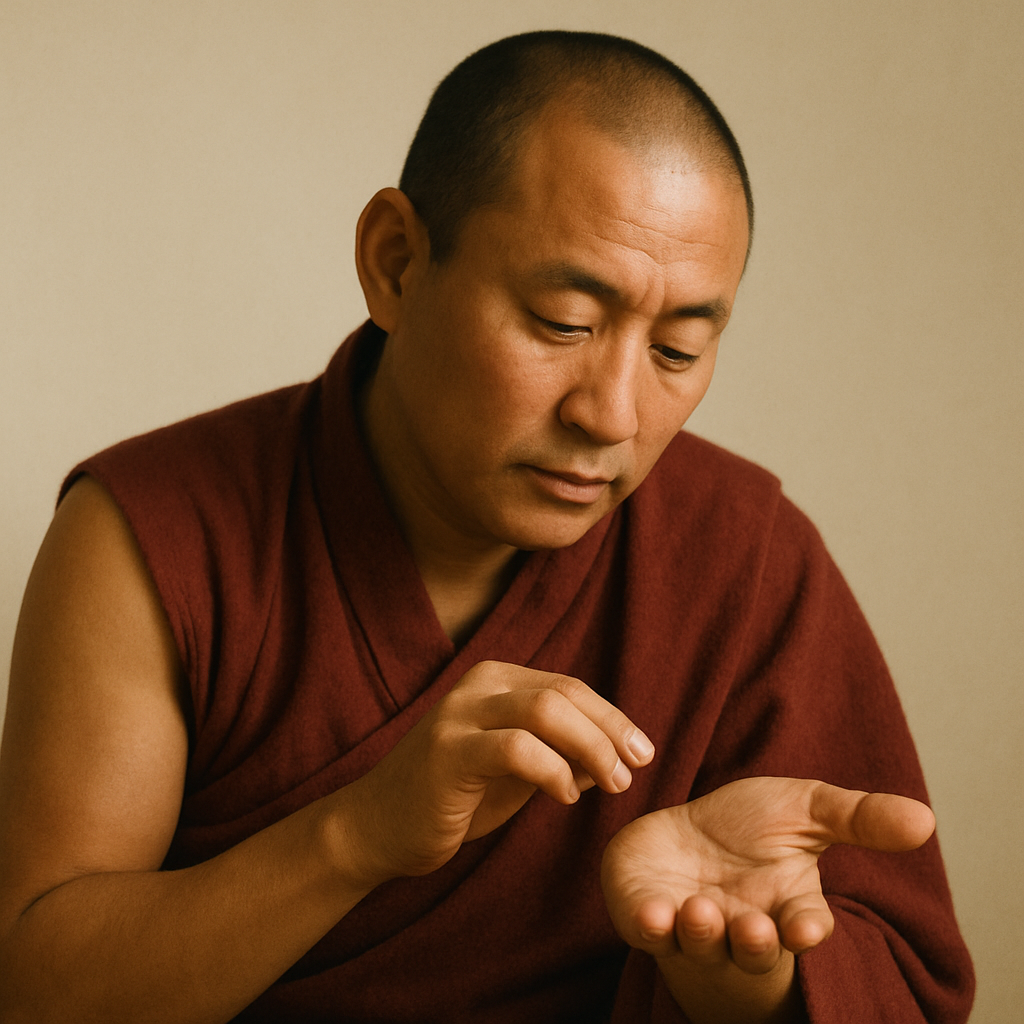
Sacred practices in Tibetan Medicine encompass a range of rituals, meditations, and healing techniques that are deeply rooted in the spiritual and philosophical traditions of Tibet. These practices are not merely physical but are considered holistic approaches that aim to harmonize the body, mind, and spirit. They involve a blend of meditation, visualization, chanting, and the use of sacred symbols, all designed to facilitate healing and promote well-being.
The essence of these practices is to connect with the deeper aspects of existence, drawing upon the ancient wisdom that has been passed down through generations. Practitioners believe that by engaging in these sacred rituals, individuals can tap into their inner resources and the universal energies that surround them, fostering a sense of balance and harmony in their lives.
Historical Context Within Tibetan Medicine
Sacred practices within Tibetan Medicine emerged alongside the development of Tibetan Buddhism, particularly in the 7th century when Buddhism was introduced to Tibet. The integration of spiritual and healing practices became prominent as Tibetan scholars and practitioners sought to harmonize the teachings of the Buddha with the indigenous Bon traditions. This synthesis led to the evolution of a comprehensive medical system that addresses not only physical ailments but also the spiritual and emotional aspects of health.
Notable figures such as Padmasambhava and Atisha played crucial roles in the development of these sacred practices. They emphasized the importance of meditation, ethical living, and ritual in the healing process. Over centuries, these practices have been refined and adapted, maintaining a strong emphasis on the interconnectedness of all aspects of life.
How It's Practiced
Practicing sacred techniques in Tibetan Medicine often involves a structured approach, typically guided by a qualified practitioner. Here’s a general walk-through of what a session may include:
- Initial Consultation: A discussion about the individual's health history and spiritual beliefs.
- Guided Meditation: Engaging in meditation to cultivate awareness and focus.
- Visualization: Using mental imagery to enhance healing intentions.
- Chanting: Reciting mantras or prayers to invoke positive energies.
- Ritual Offerings: Performing rituals to express gratitude and seek blessings.
- Integration: Reflecting on the experience and discussing follow-up practices.
What It Is Traditionally Explored For
Sacred practices in Tibetan Medicine are traditionally explored for a variety of reasons. While individual experiences may vary, these practices are often associated with:
- Promoting inner peace and emotional balance.
- Enhancing spiritual growth and self-awareness.
- Supporting physical healing and resilience.
- Facilitating the resolution of stress and anxiety.
- Encouraging a deeper connection to oneself and the universe.
What Modern Research Suggests
Modern research into sacred practices within Tibetan Medicine is still in its nascent stages. Preliminary studies suggest that practices such as meditation and visualization may have beneficial effects on mental health, including reductions in stress and anxiety levels. Some clinical trials have indicated that these practices can enhance overall well-being and may contribute to improved emotional regulation.
However, more extensive research is needed to draw definitive conclusions about the efficacy of these sacred practices. While the initial findings are promising, they should be considered as part of a broader understanding of holistic health that includes traditional knowledge and contemporary scientific inquiry.
Safety, Contraindications & Who Should Skip
While sacred practices in Tibetan Medicine are generally considered safe, there are certain considerations to keep in mind. Individuals with severe mental health issues or those undergoing significant psychological distress should approach these practices with caution and seek guidance from qualified professionals. Additionally, those who are skeptical of spiritual practices may find it challenging to engage fully in these techniques.
It is recommended that individuals consult with a healthcare provider or a qualified practitioner before embarking on sacred practices, especially if they have pre-existing health conditions or concerns.
Pairs Well With (within Tibetan Medicine and across pillars)
Sacred practices can complement various other modalities within Tibetan Medicine and beyond. Some related approaches include:
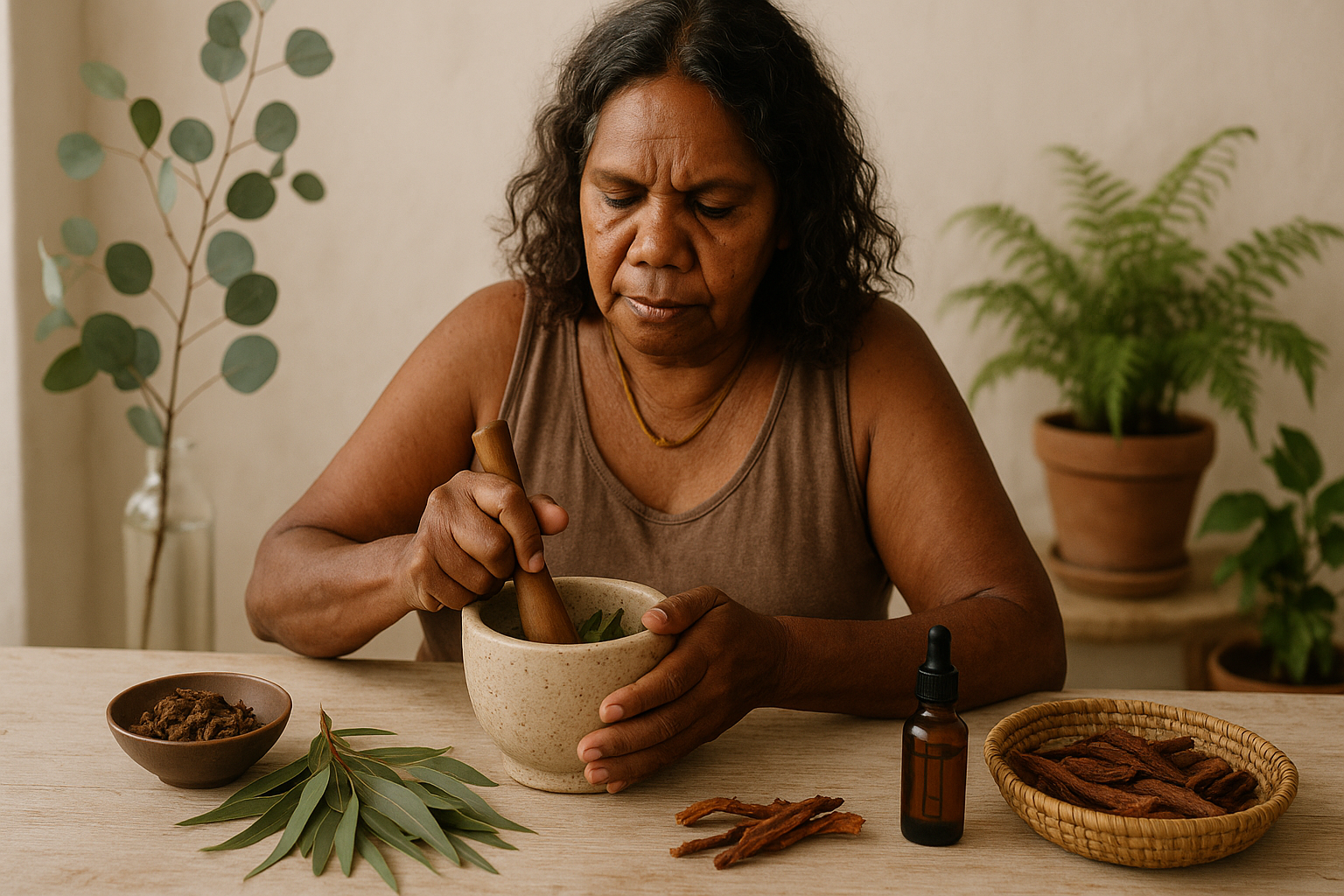
- Herbal Medicine
- Aromatherapy
- Acupuncture
- Yoga
- Mindfulness Practices
How to Find a Qualified Practitioner
Finding a qualified practitioner for sacred practices in Tibetan Medicine involves several steps:
- Research: Look for practitioners with formal training in Tibetan Medicine and sacred practices.
- Referrals: Seek recommendations from trusted sources or communities familiar with Tibetan Medicine.
- Interviews: Consider reaching out to potential practitioners to discuss their approach and qualifications.
- Credentials: Verify any certifications or credentials related to Tibetan Medicine.
Taking the time to find a qualified practitioner can ensure a more meaningful and beneficial experience.
FAQs (5)
- What are sacred practices in Tibetan Medicine? Sacred practices encompass rituals, meditations, and healing techniques aimed at harmonizing body, mind, and spirit.
- Who developed these practices? The practices emerged with the introduction of Buddhism to Tibet, influenced by figures like Padmasambhava and Atisha.
- What are they traditionally used for? They are traditionally explored for promoting inner peace, enhancing spiritual growth, and supporting physical healing.
- Is there any scientific research on these practices? Preliminary studies suggest potential benefits for mental health, but more research is needed.
- How can I find a qualified practitioner? Research, seek referrals, and verify credentials of practitioners specializing in Tibetan Medicine.
Frequently asked
What are sacred practices in Tibetan Medicine?
Sacred practices encompass rituals, meditations, and healing techniques aimed at harmonizing body, mind, and spirit.
Who developed these practices?
The practices emerged with the introduction of Buddhism to Tibet, influenced by figures like Padmasambhava and Atisha.
What are they traditionally used for?
They are traditionally explored for promoting inner peace, enhancing spiritual growth, and supporting physical healing.
Is there any scientific research on these practices?
Preliminary studies suggest potential benefits for mental health, but more research is needed.
How can I find a qualified practitioner?
Research, seek referrals, and verify credentials of practitioners specializing in Tibetan Medicine.