Energy Balancing
What It Is
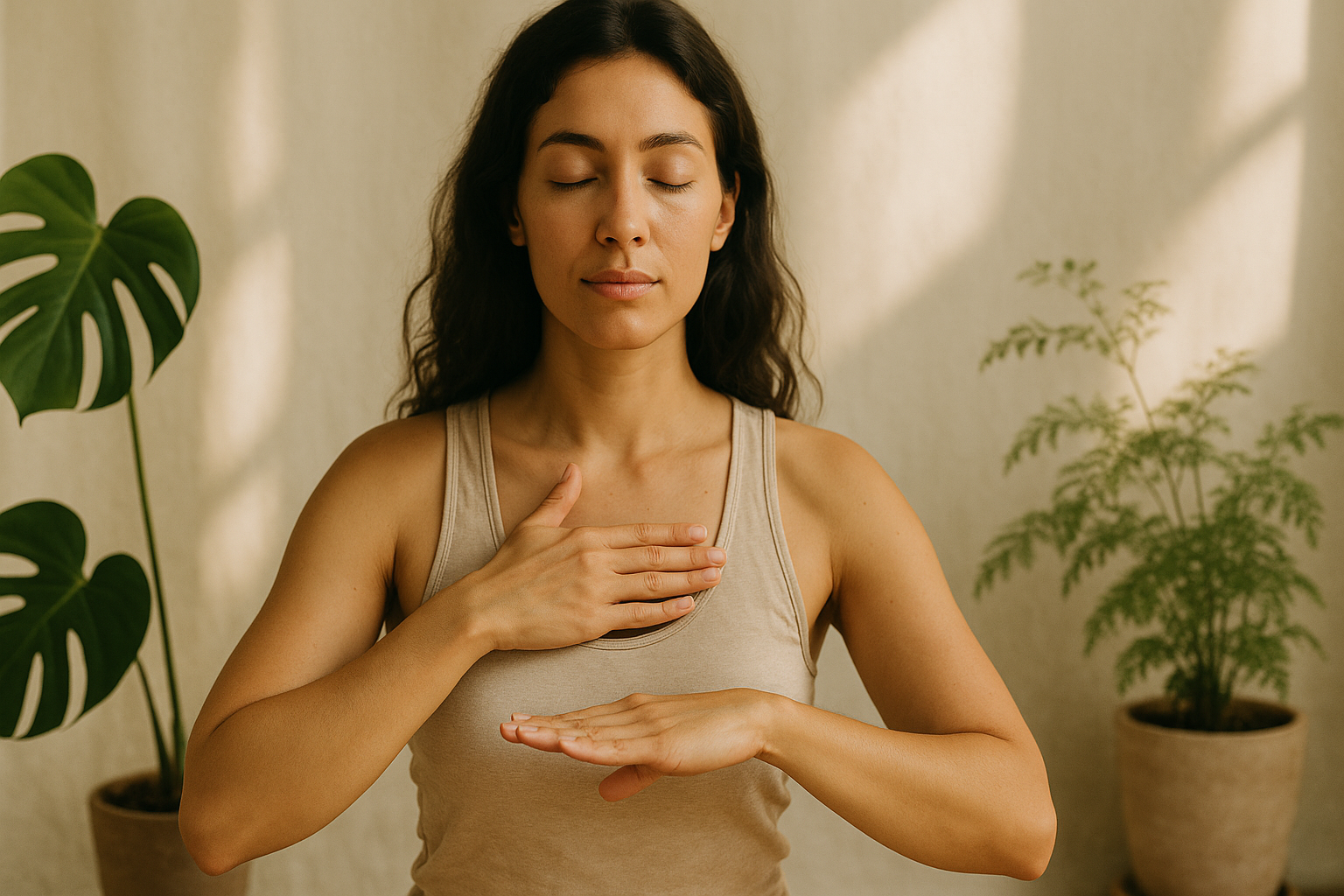
Energy Balancing is a practice within Tibetan Medicine that focuses on restoring harmony and equilibrium to the body's energy systems. This approach is based on the belief that health is influenced by the flow of energy, known as "lung," which traverses the body in various channels. When this energy becomes blocked or imbalanced, it can manifest as physical or emotional distress.
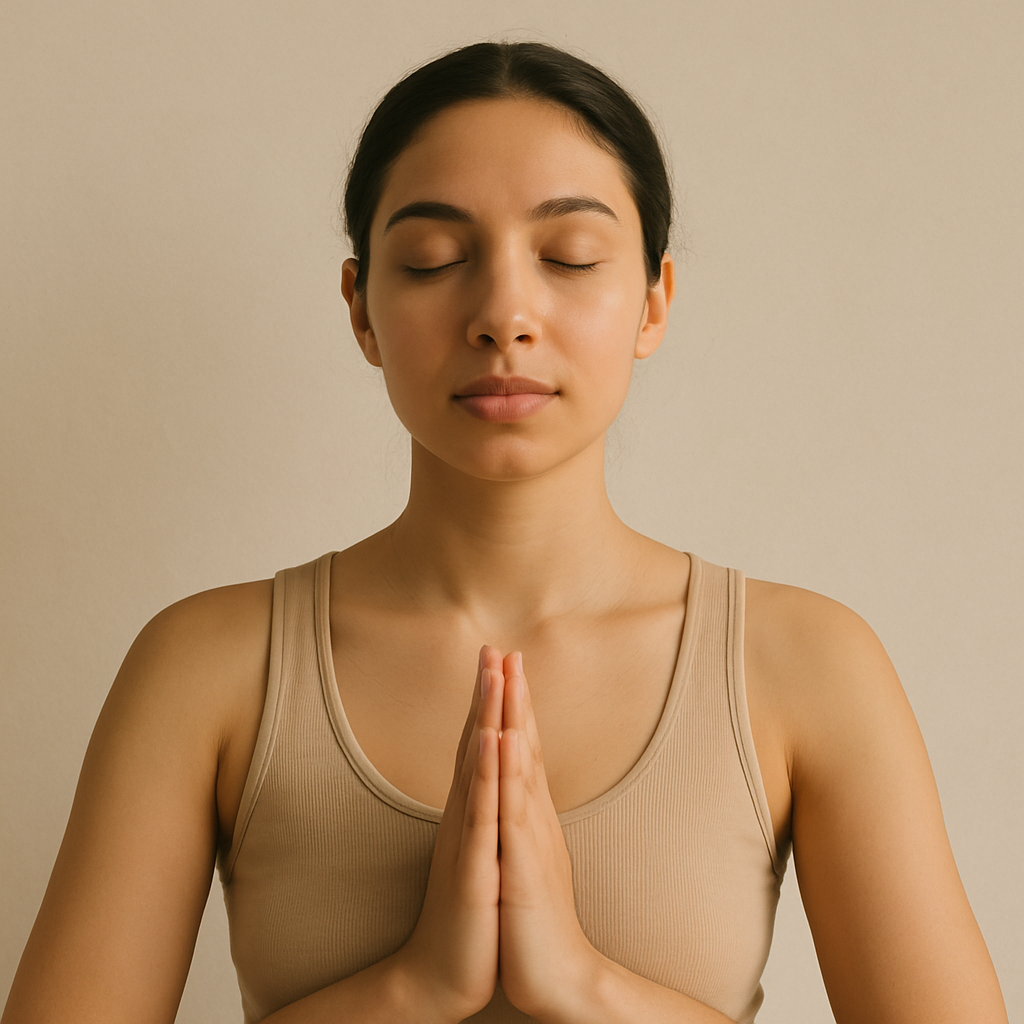
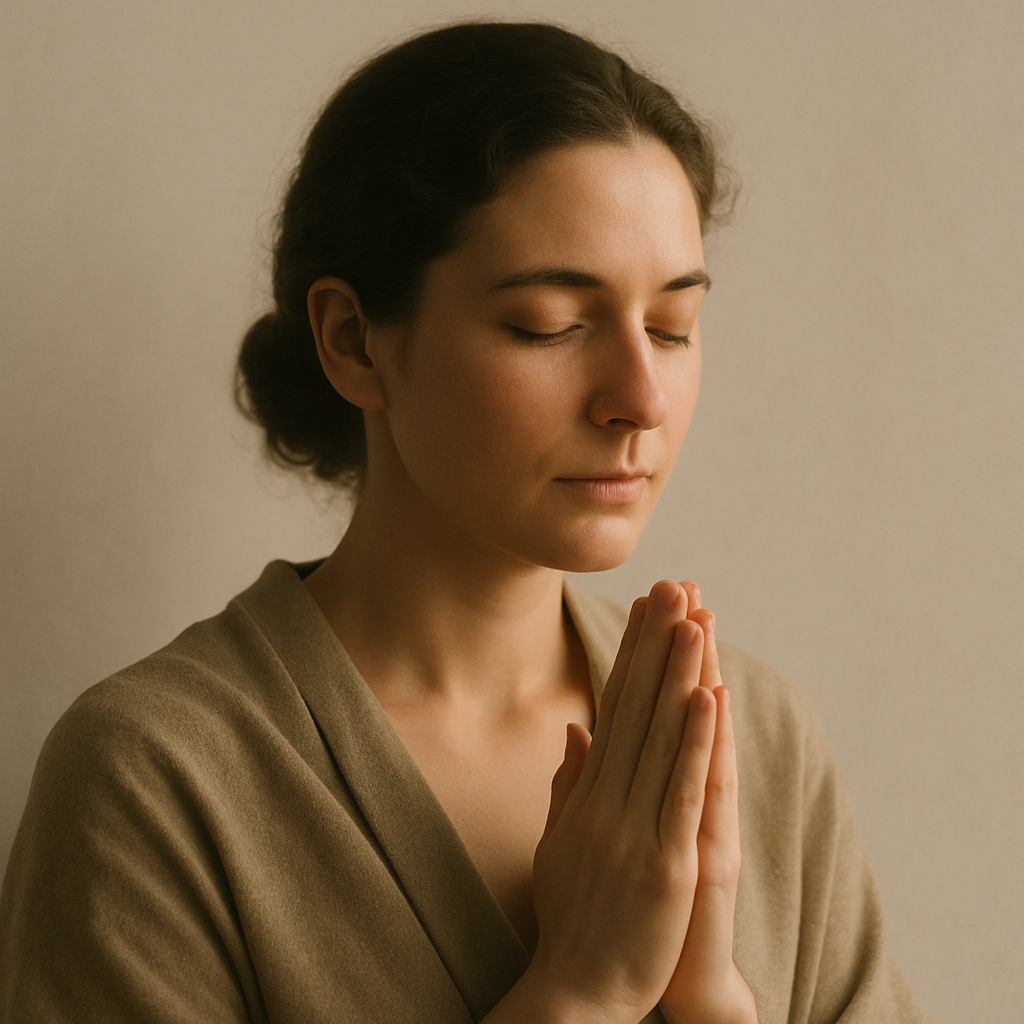
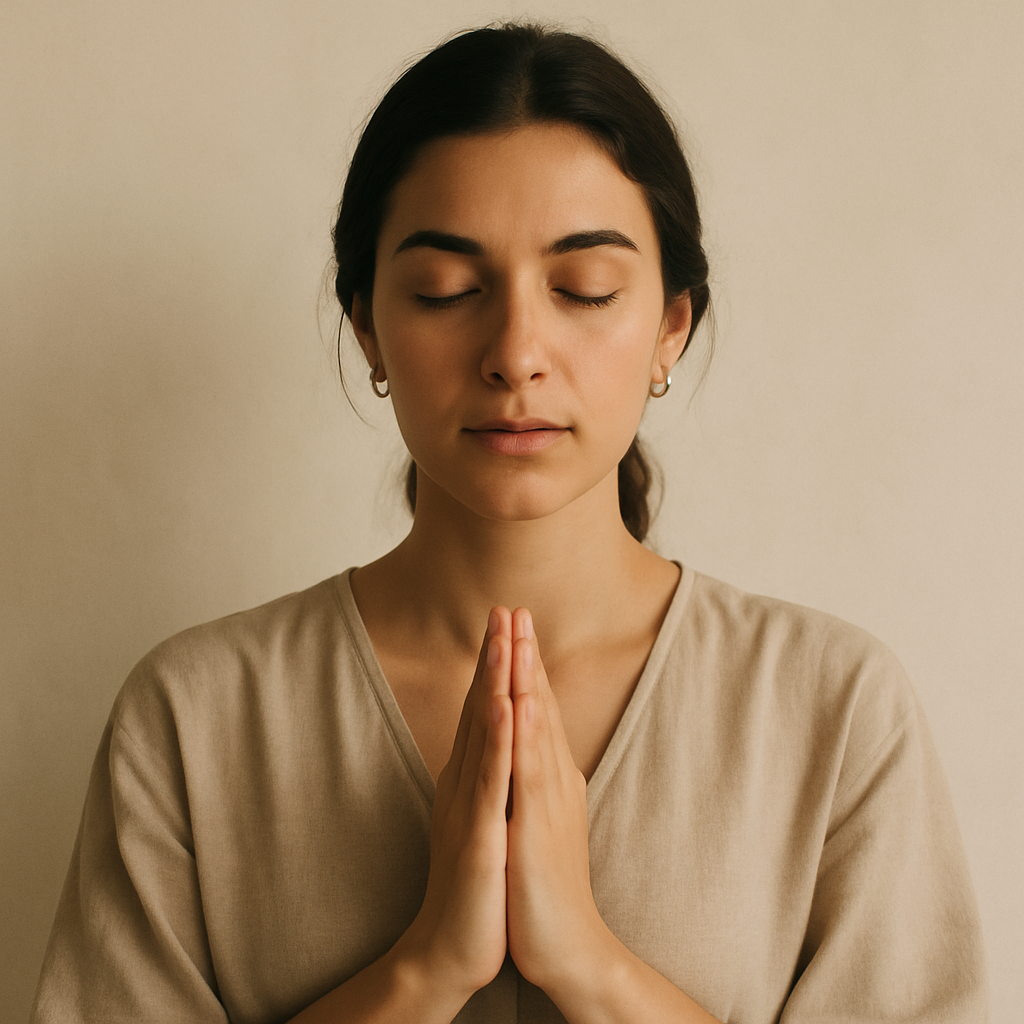
Practitioners of Energy Balancing utilize various techniques such as meditation, breathing exercises, and gentle manipulation to facilitate the movement of energy. The goal is to promote a state of well-being, allowing the body to may support itself by re-establishing its natural rhythm and balance.
Historical Context Within Tibetan Medicine
Energy Balancing has deep roots in the ancient practices of Tibetan Medicine, which dates back over a thousand years. This approach to health and wellness emerged as part of a comprehensive system that integrates physical, emotional, and spiritual aspects of well-being. It draws from traditional Buddhist teachings and indigenous healing practices.
The foundational principles of Energy Balancing were developed by early Tibetan physicians known as "sowa rigpa" practitioners. They studied the interconnections between the mind, body, and spirit, leading to the formulation of techniques aimed at restoring energy flow. Over centuries, these methods have been refined and preserved, making Energy Balancing a vital component of Tibetan Medicine today.
How It's Practiced
Energy Balancing is practiced through a combination of techniques designed to enhance the flow of energy in the body. A typical session may involve the following steps:
- Initial Consultation: The practitioner assesses the individual's energy state and identifies areas of imbalance.
- Breathing Exercises: Techniques are introduced to help calm the mind and open energy channels.
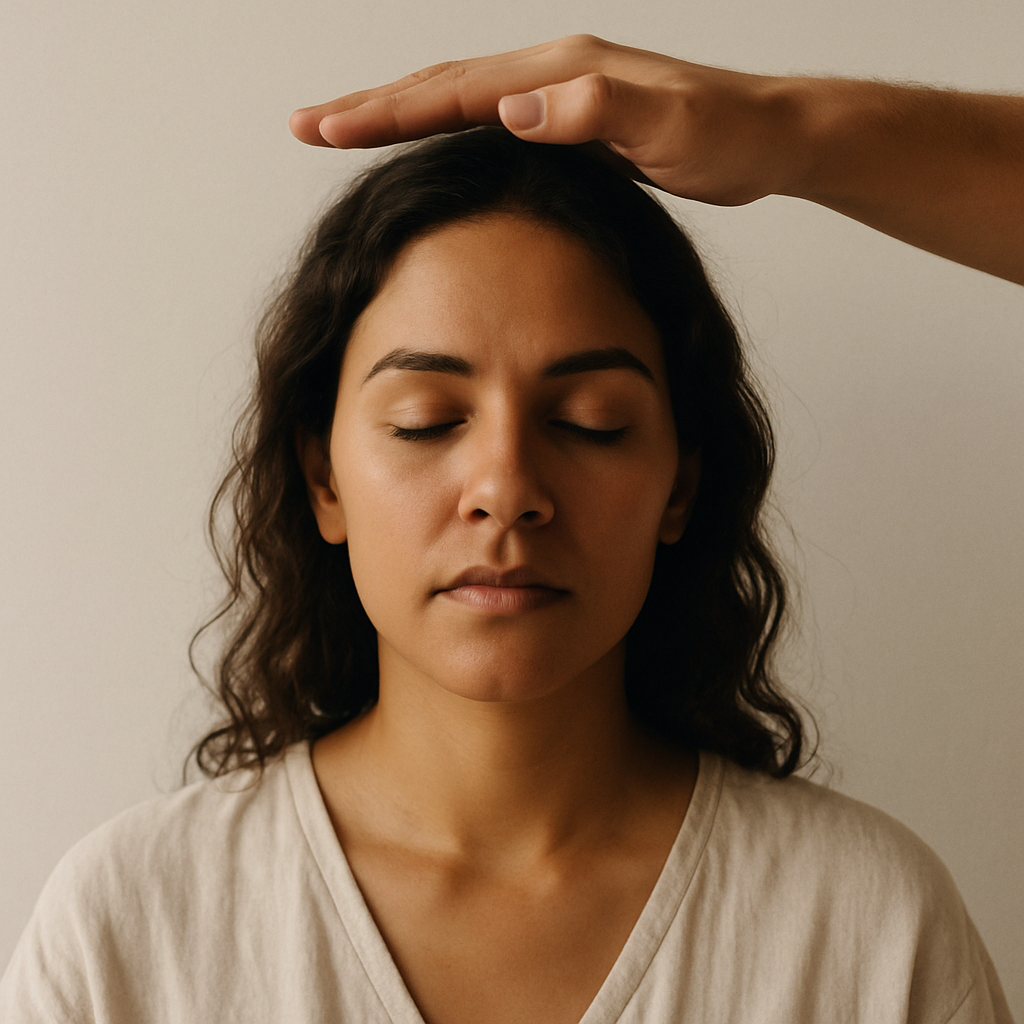
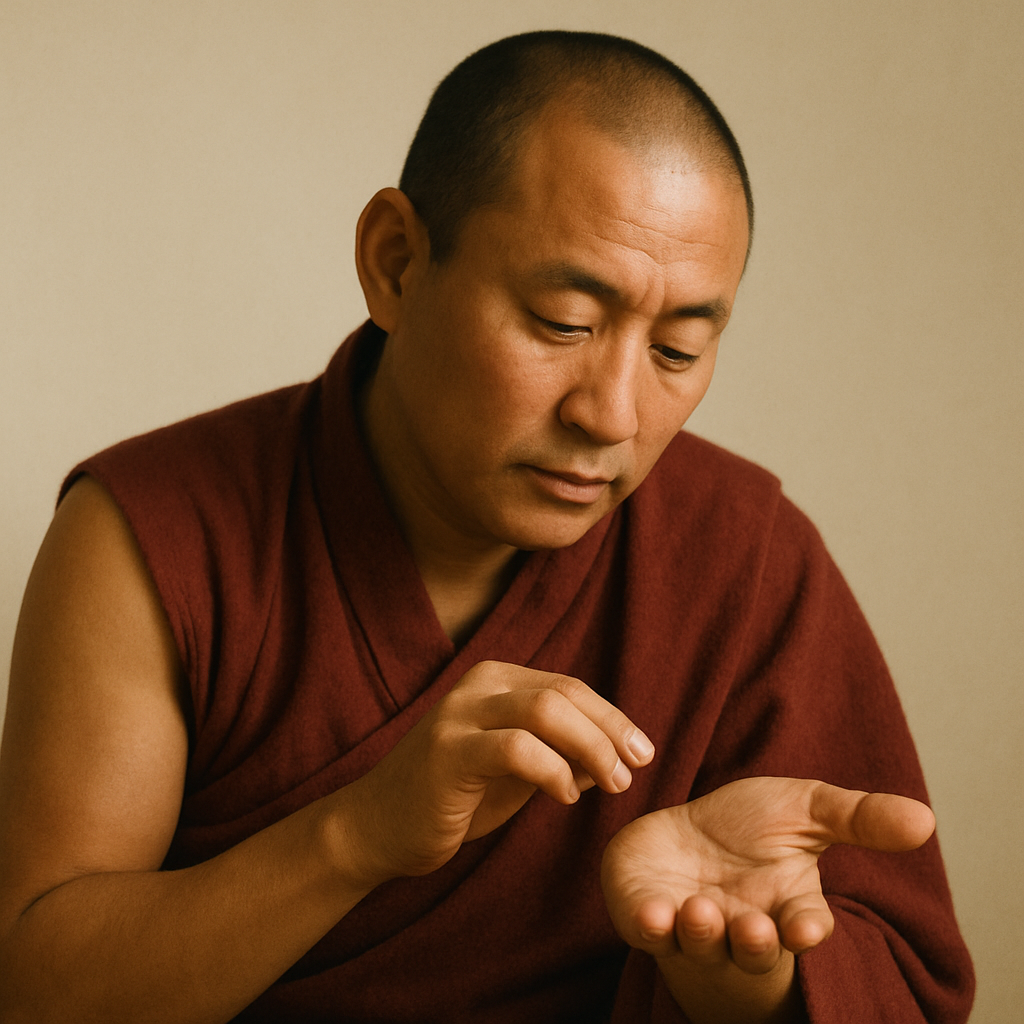
- Gentle Manipulation: The practitioner may use light pressure or touch on specific energy points to facilitate movement.
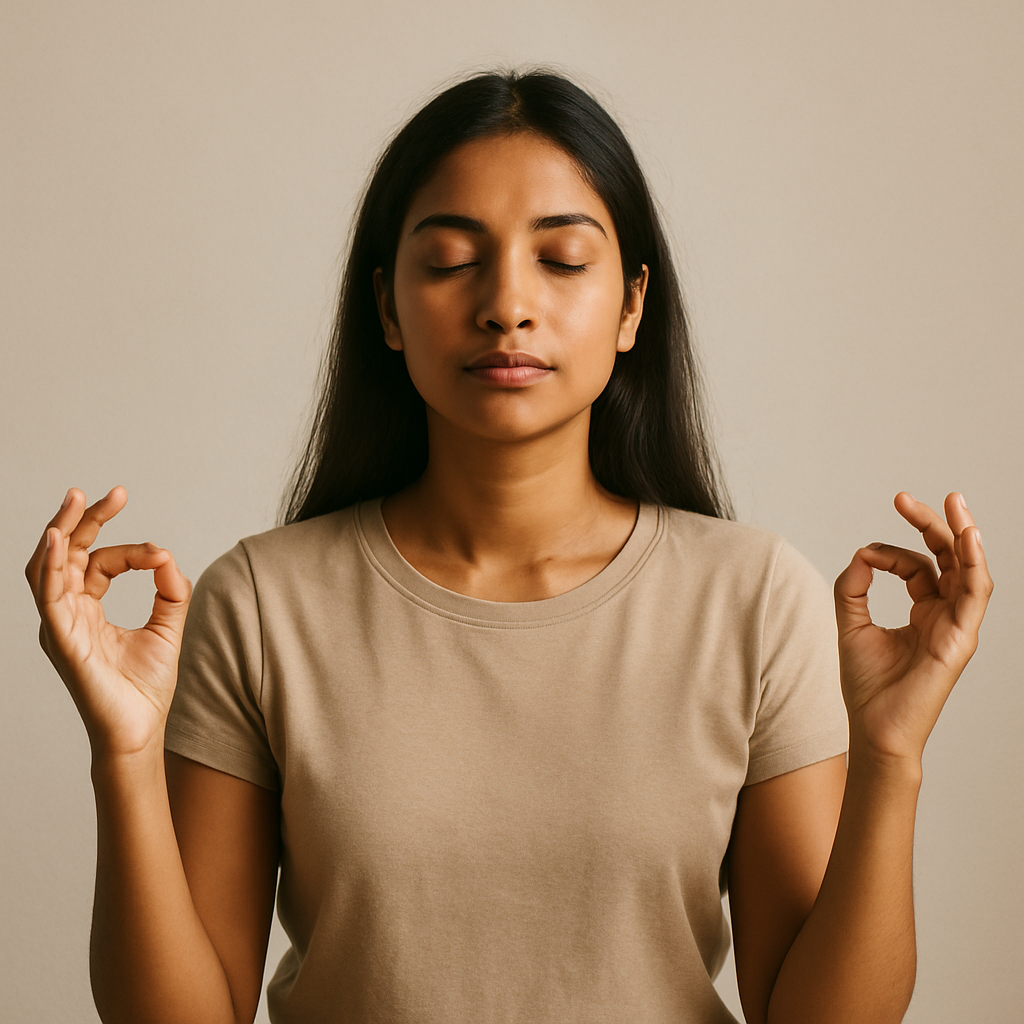
- Meditation: Guided meditative practices are often incorporated to deepen relaxation and enhance energy awareness.
- Follow-up: Recommendations for self-care practices may be provided to maintain balance outside of sessions.
What It Is Traditionally Explored For
Energy Balancing is traditionally used for various purposes, particularly in the context of maintaining overall well-being. Some common goals include:
- Reducing stress and anxiety
- Enhancing emotional stability
- Improving mental clarity
- Supporting physical healing
- Promoting a deeper connection to one's inner self
What Modern Research Suggests
While the practice of Energy Balancing is steeped in tradition, modern research has begun to explore its effectiveness. Preliminary studies suggest that techniques associated with energy balancing, such as meditation and breath control, may have positive effects on stress reduction and emotional well-being. Some clinical trials have indicated improvements in anxiety levels and overall life satisfaction among participants engaged in these practices.
However, it is essential to note that research in this area is still emerging. More extensive studies are needed to draw definitive conclusions regarding the broader health benefits of Energy Balancing within Tibetan Medicine. As with any holistic practice, it is advisable to approach it as a complement to conventional medical treatments rather than a replacement.
Safety, Contraindications & Who Should Skip
Energy Balancing is generally considered safe for most individuals; however, there are certain considerations to keep in mind:
- Individuals with severe mental health issues should consult a qualified healthcare provider before engaging in Energy Balancing.
- Pregnant women should seek advice from a healthcare professional to ensure the safety of specific techniques.
- Those with serious medical conditions should discuss their plans with their primary care physician.
- Energy Balancing may not be suitable for individuals who are uncomfortable with touch or who prefer not to engage in meditative practices.
Pairs Well With (within Tibetan Medicine and across pillars)
Energy Balancing can be effectively paired with various other modalities and ingredients in Tibetan Medicine, enhancing its benefits. Some complementary practices include:
- Herbal medicine
- Acupressure
- Dietary recommendations
- Mindfulness practices
- Traditional Tibetan massage (Abyanga)
How to Find a Qualified Practitioner
Finding a qualified practitioner for Energy Balancing within Tibetan Medicine involves several steps:
- Research local Tibetan Medicine clinics or holistic health centers.
- Look for practitioners with formal training in Tibetan Medicine or specific certification in Energy Balancing.
- Read reviews or testimonials from previous clients.
- Schedule a preliminary consultation to discuss your needs and ensure a good fit.
FAQs
What is the difference between Energy Balancing and acupuncture?
Energy Balancing focuses on the flow of energy through gentle manipulation and meditation, while acupuncture specifically uses needles to stimulate energy points.
Can Energy Balancing help with chronic pain?
Traditionally, Energy Balancing is explored to support overall well-being, including alleviating discomfort, though individual experiences may vary.
How often should I undergo Energy Balancing sessions?
The frequency of sessions can vary; many practitioners recommend starting with weekly sessions and adjusting based on individual needs.
Is Energy Balancing suitable for children?
Energy Balancing can be adapted for children, but it is essential to consult a qualified practitioner to ensure appropriateness.
What should I expect during a session?
During a session, you can expect a calm environment, guided breathing, gentle touch, and an overall focus on restoring balance to your energy.
Frequently asked
What is the difference between Energy Balancing and acupuncture?
Energy Balancing focuses on the flow of energy through gentle manipulation and meditation, while acupuncture specifically uses needles to stimulate energy points.
Can Energy Balancing help with chronic pain?
Traditionally, Energy Balancing is explored to support overall well-being, including alleviating discomfort, though individual experiences may vary.
How often should I undergo Energy Balancing sessions?
The frequency of sessions can vary; many practitioners recommend starting with weekly sessions and adjusting based on individual needs.
Is Energy Balancing suitable for children?
Energy Balancing can be adapted for children, but it is essential to consult a qualified practitioner to ensure appropriateness.
What should I expect during a session?
During a session, you can expect a calm environment, guided breathing, gentle touch, and an overall focus on restoring balance to your energy.