Natural Therapies
Explore the practice of Natural Therapies within Tibetan Medicine, including its definition, historical context, applications, and modern research findings.

This subcategory page delves into the practice of Natural Therapies within Tibetan Medicine, exploring its definition, historical context, practical applications, traditional uses, modern research, safety considerations, complementary practices, and guidance for finding qualified practitioners.
What It Is
Natural Therapies, as practiced in Tibetan Medicine, encompass a variety of holistic approaches that utilize natural elements and traditional techniques to promote health and well-being. This practice is deeply rooted in the understanding of the body, mind, and spirit as interconnected entities, emphasizing the importance of balance and harmony within the individual.
Typically, Natural Therapies involve the use of herbal remedies, dietary practices, and lifestyle modifications, all tailored to the unique constitution of each individual. The aim is to restore equilibrium, enhance vitality, and support the body’s innate healing mechanisms.
Historical Context Within Tibetan Medicine
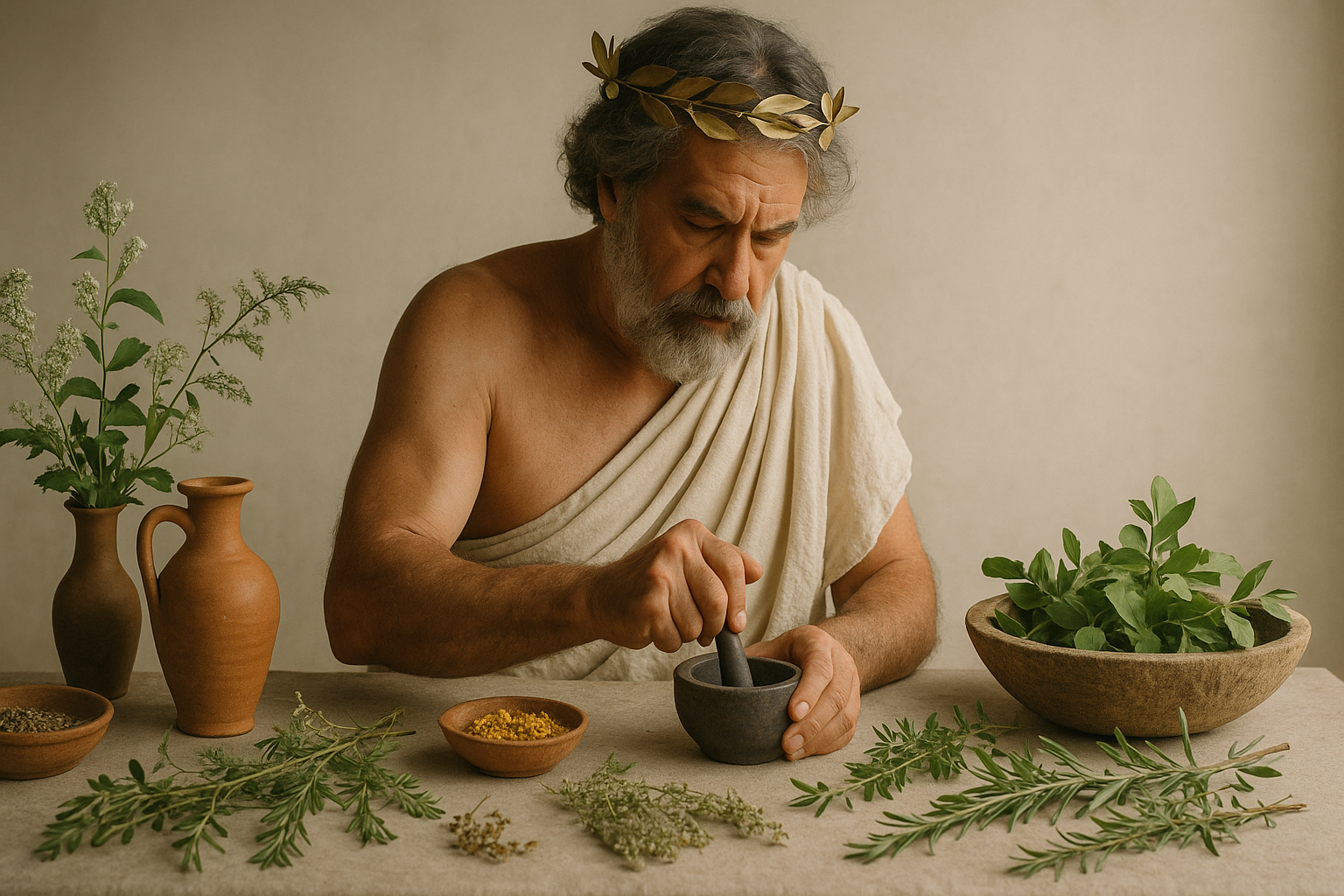
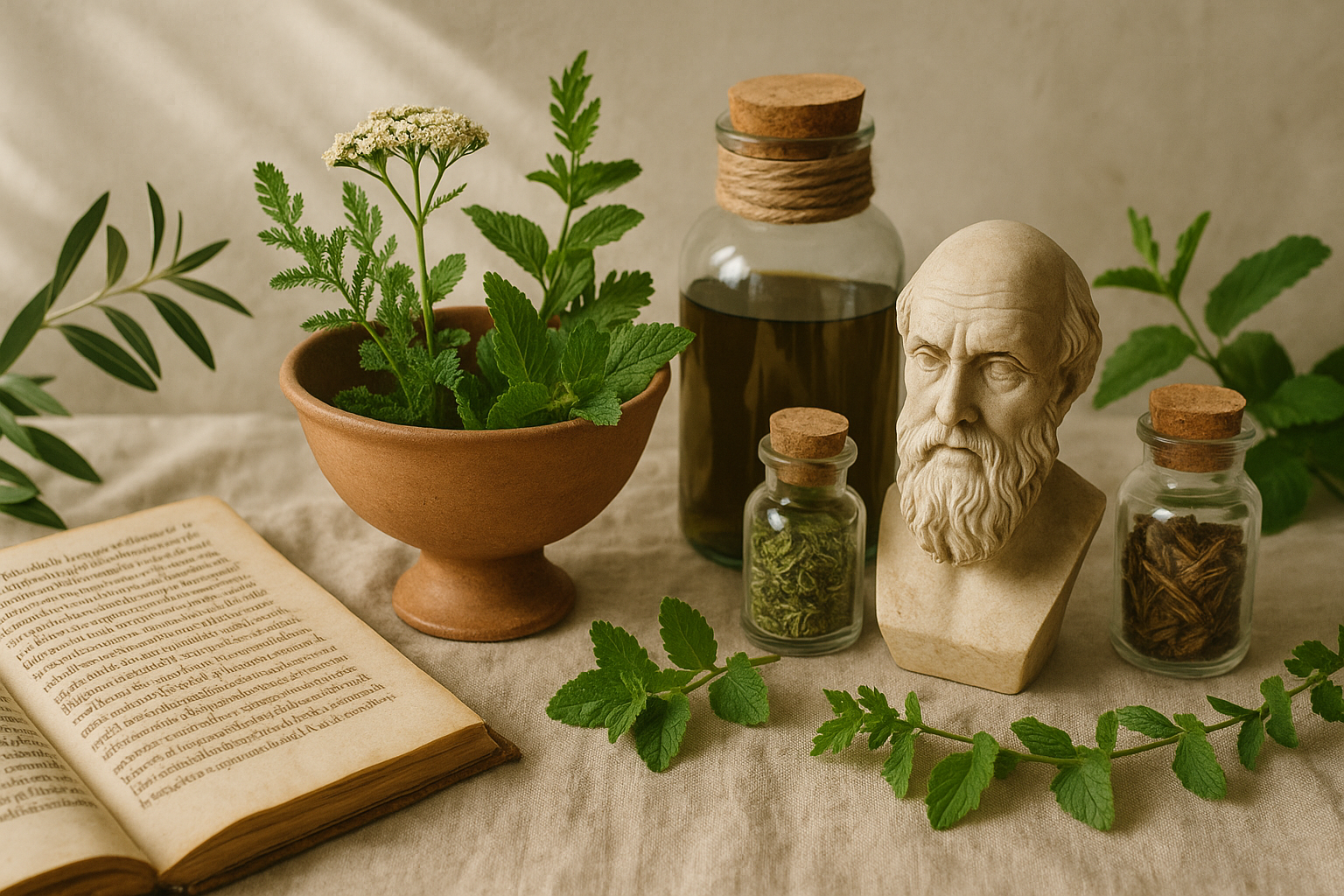
The origins of Natural Therapies in Tibetan Medicine can be traced back over a millennium, integrating influences from ancient Indian, Chinese, and Greek medicinal systems. This rich tapestry of knowledge was further developed by early Tibetan scholars and practitioners, who sought to create a comprehensive medical system that addressed both physical and spiritual aspects of health.
One of the pivotal figures in the establishment of Tibetan Medicine as a formal discipline was Yuthok Yonten Gonpo, a revered physician of the 8th century. His seminal work, the Four Medical Tantras, laid the foundation for understanding the principles of health and disease, including the role of natural therapies in promoting wellness.
How It's Practiced
Practicing Natural Therapies in Tibetan Medicine typically involves the following steps:
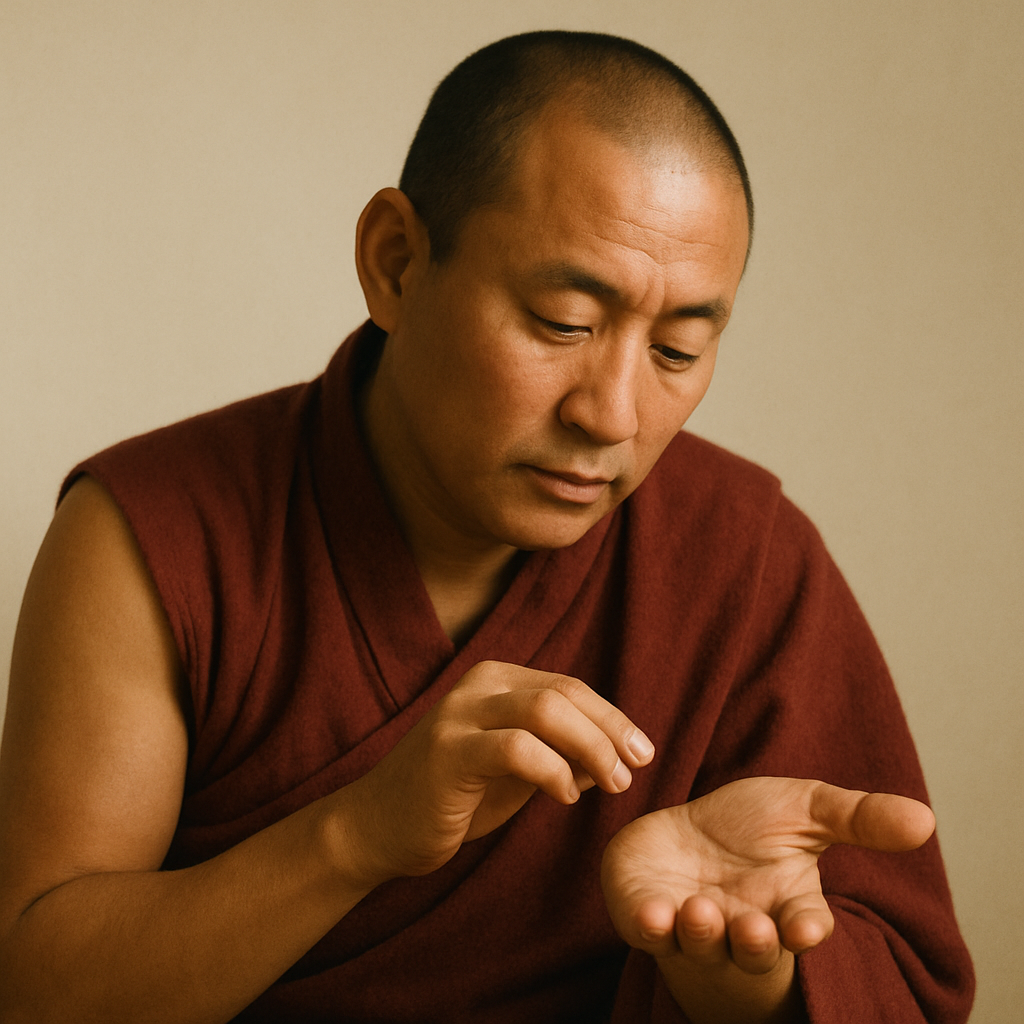
- Initial Consultation: A qualified practitioner conducts a thorough assessment, including pulse diagnosis and examination of the tongue and other physical signs.
- Personalized Treatment Plan: Based on the assessment, the practitioner formulates a tailored plan that may include herbal medicines, dietary recommendations, and lifestyle changes.
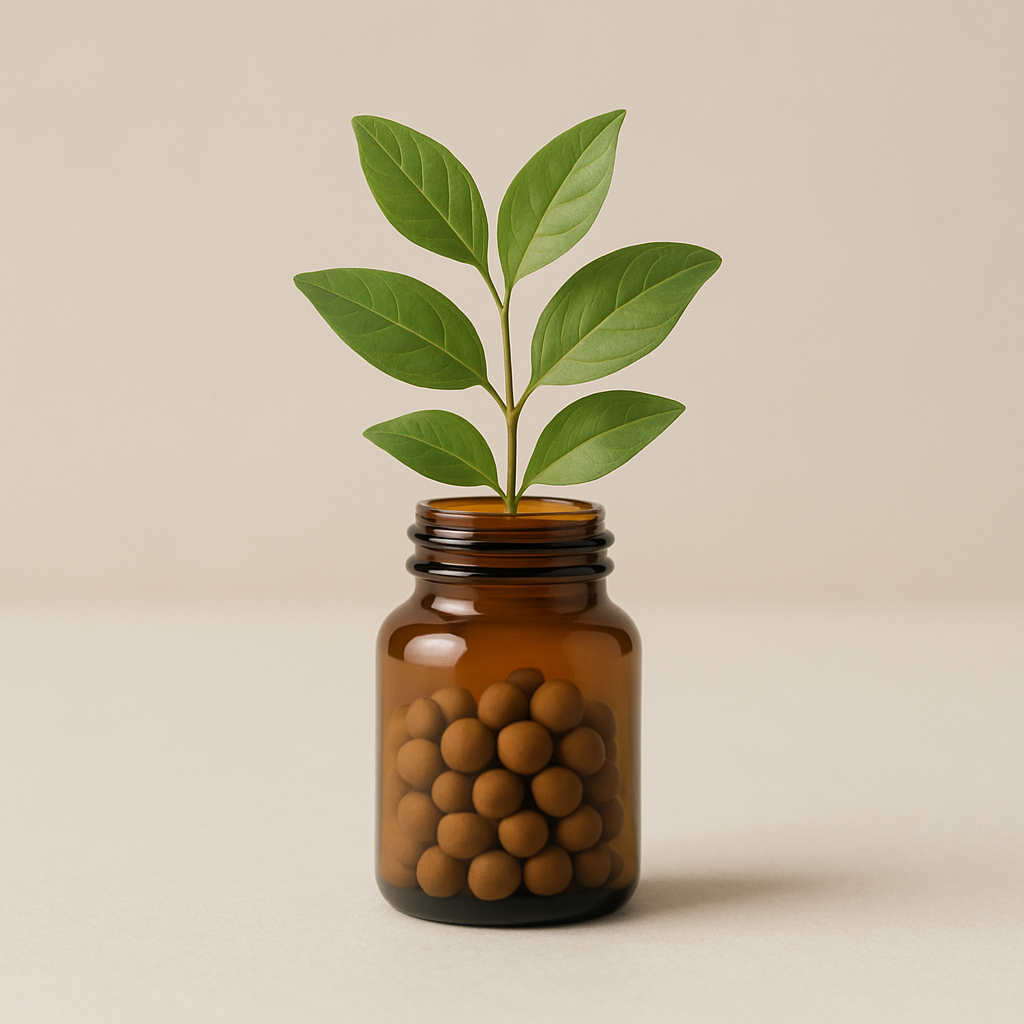
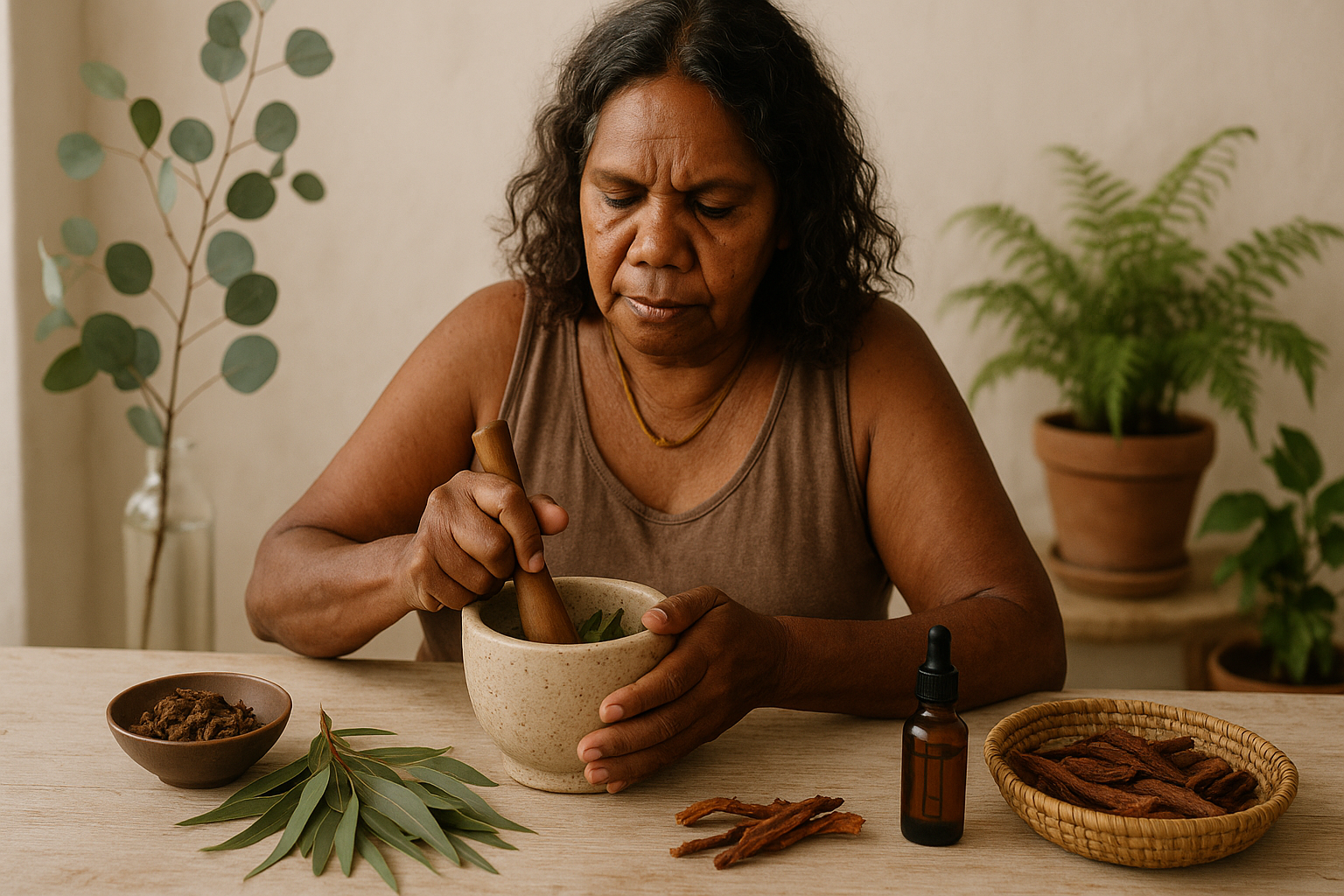
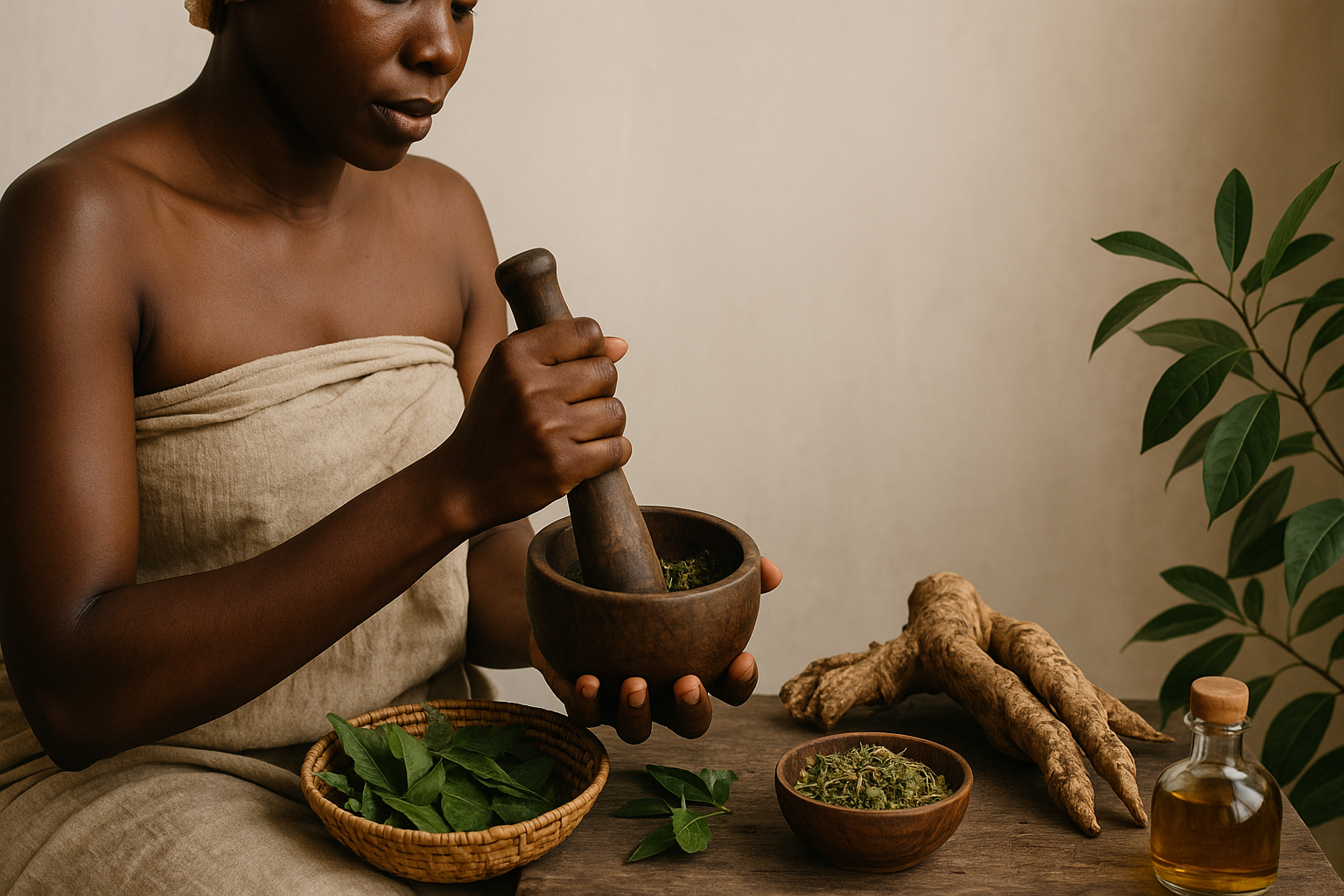
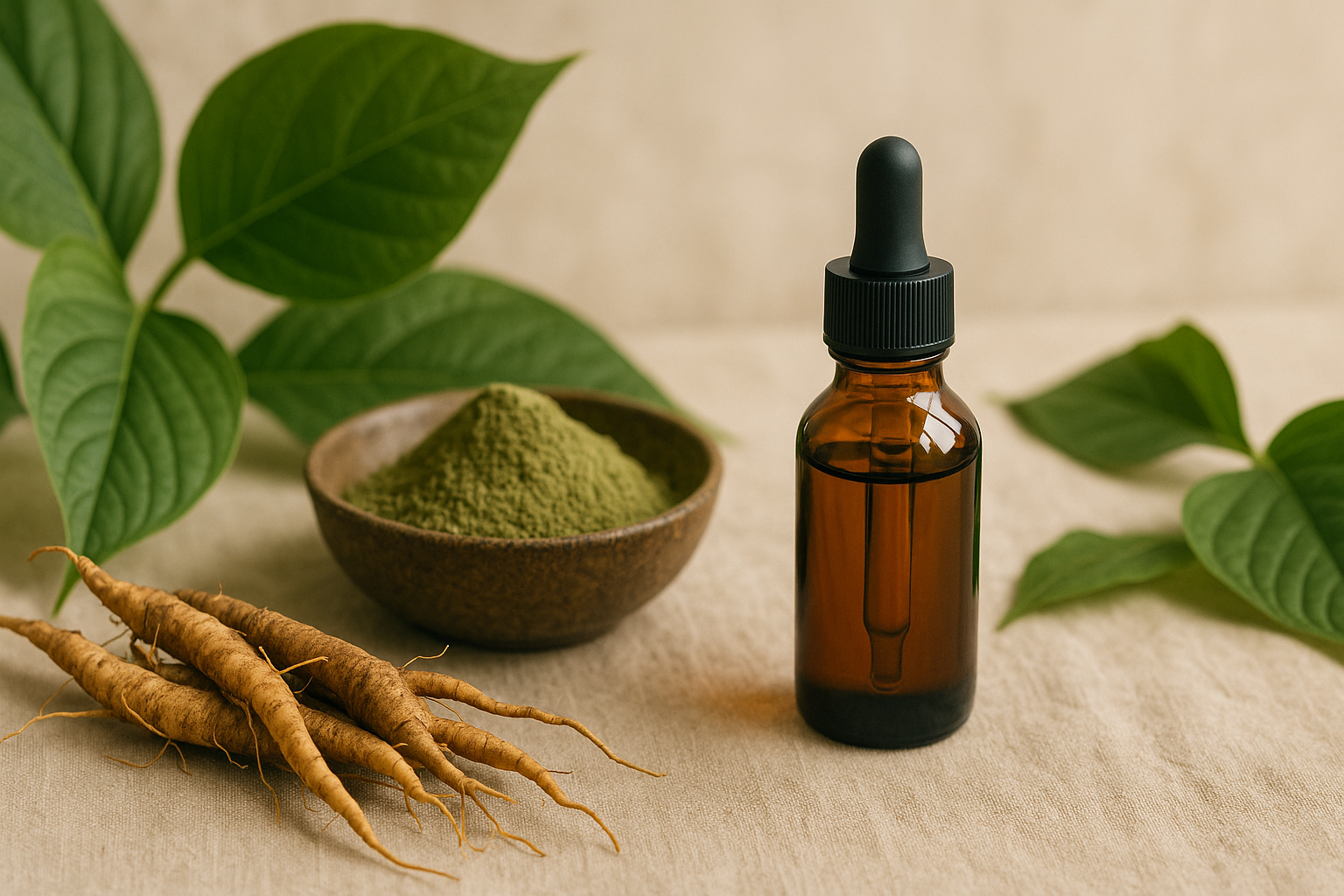
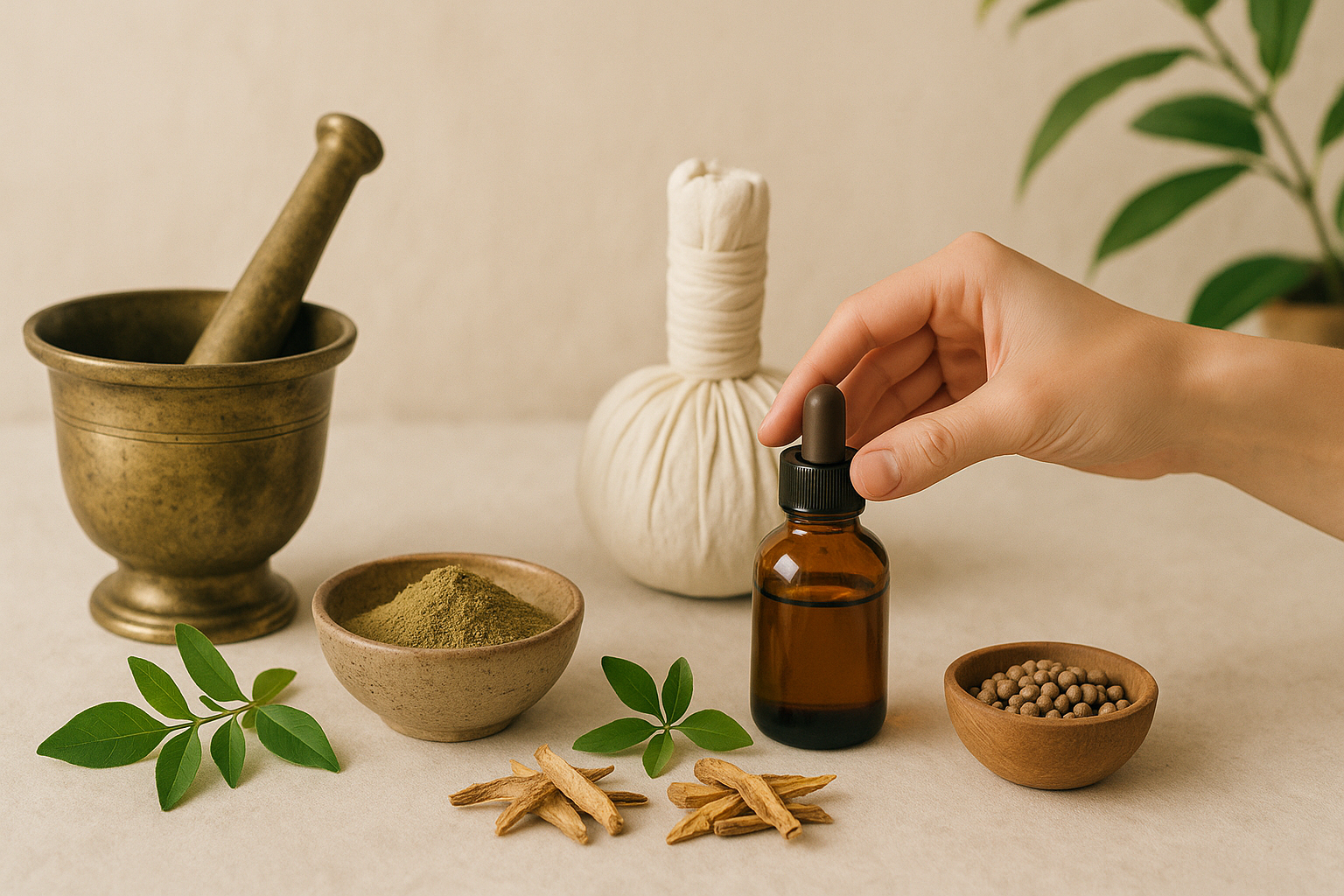
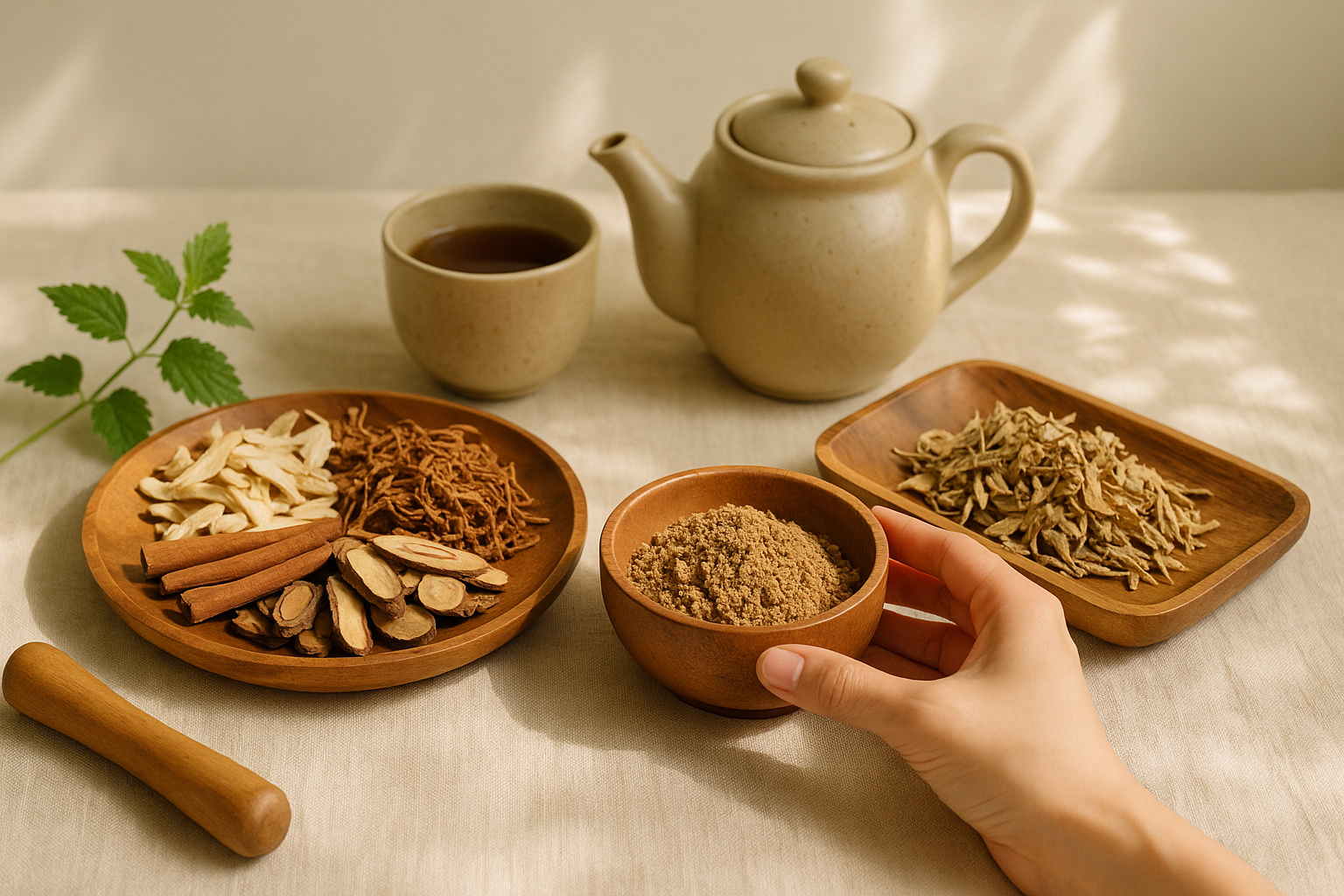
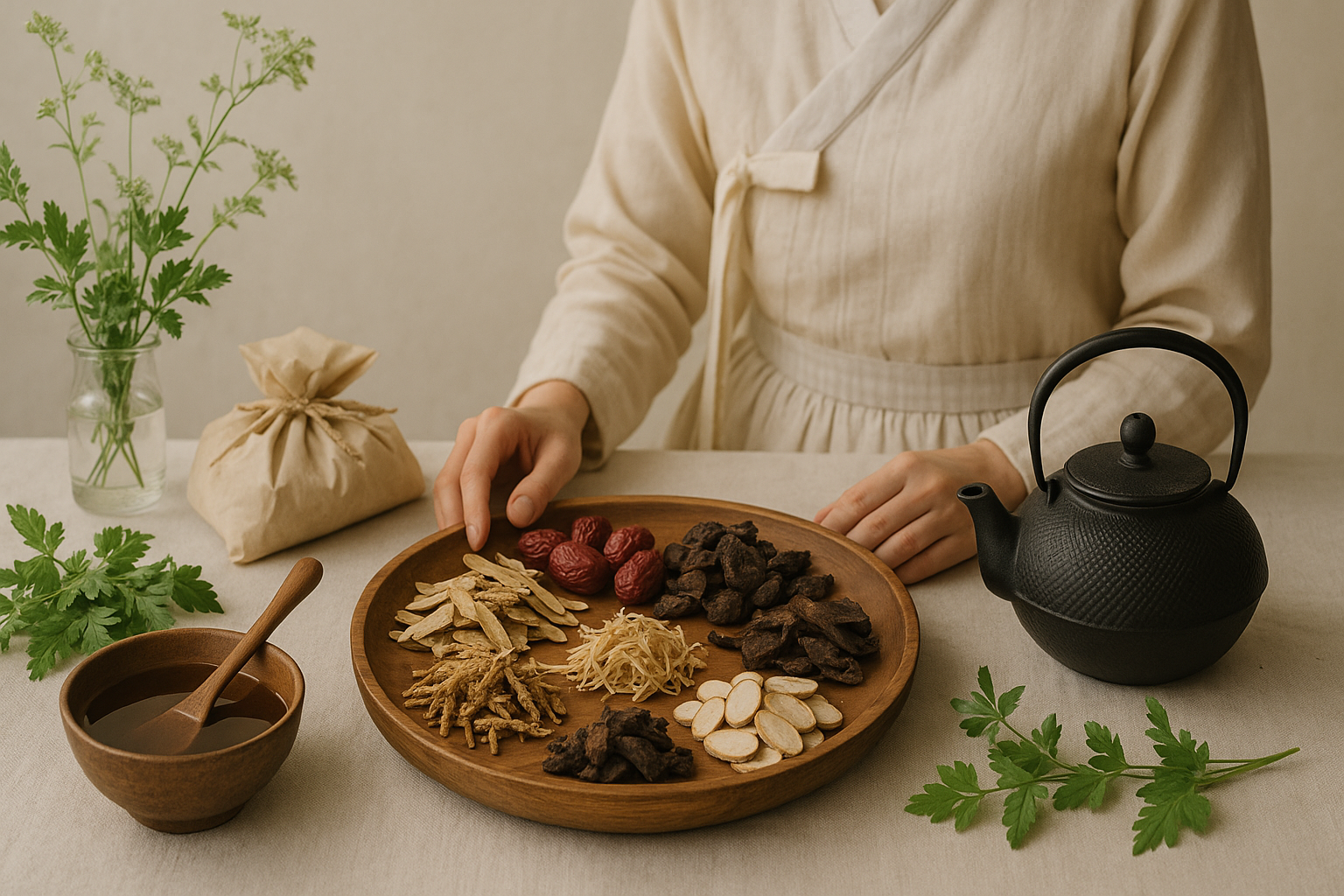
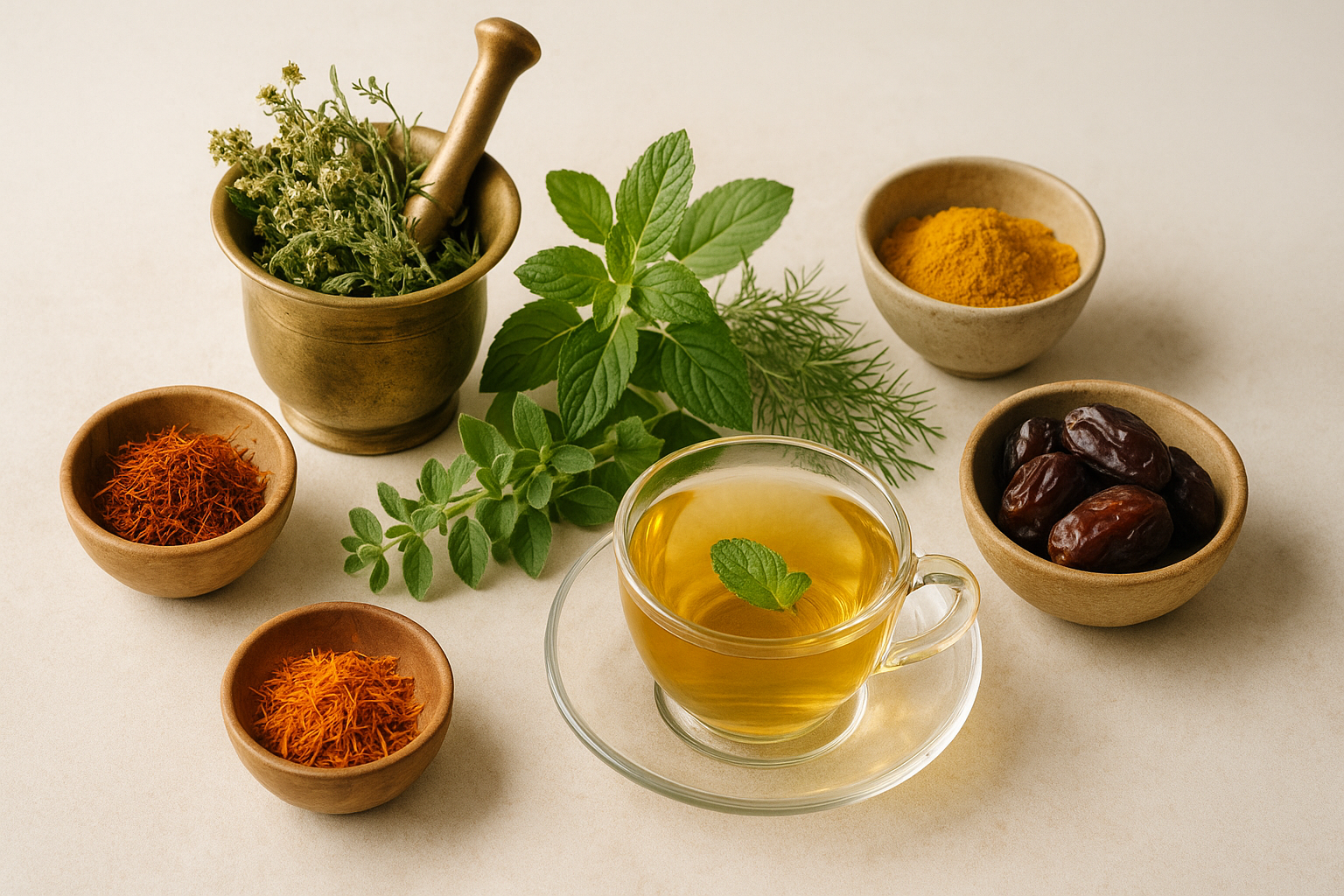
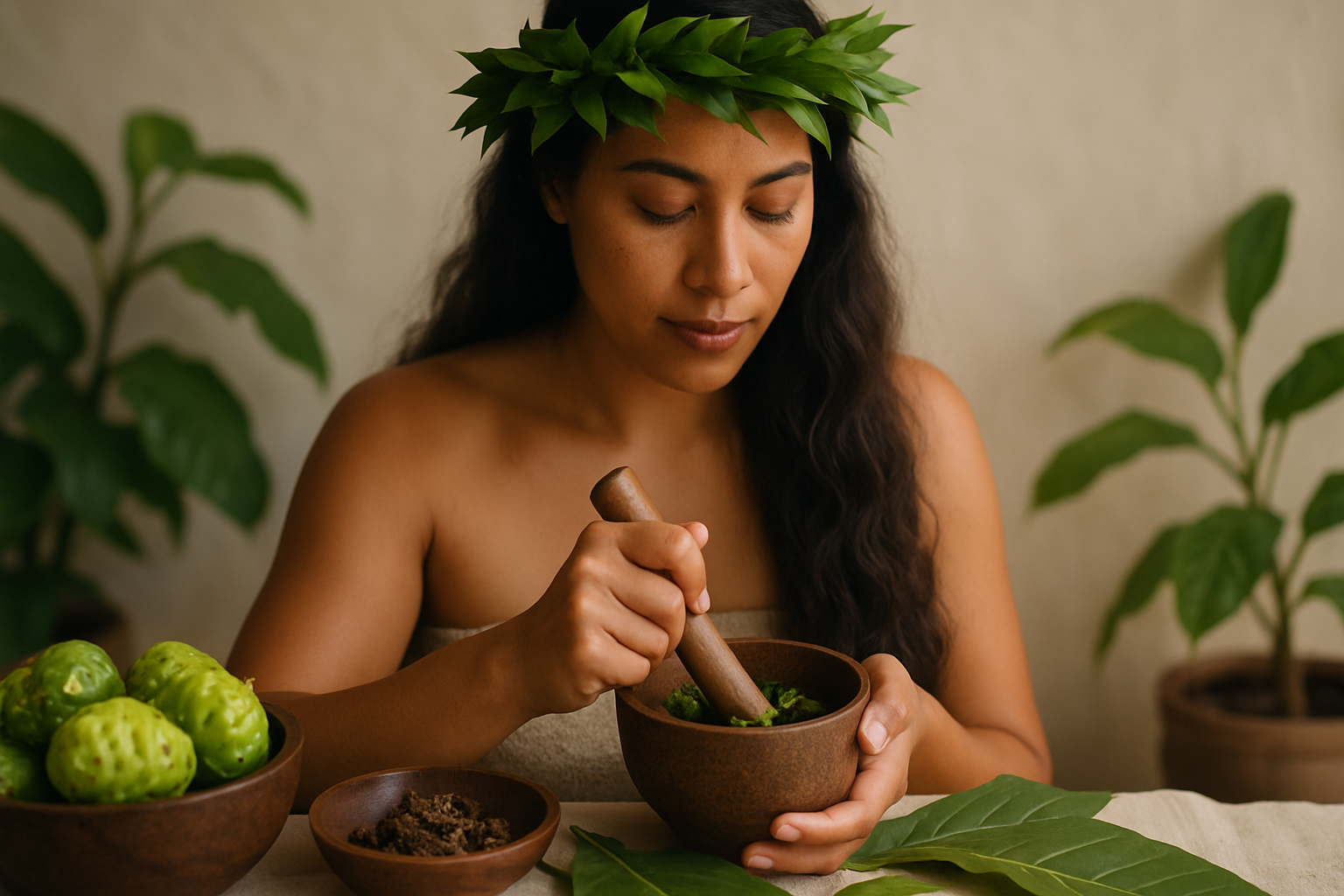
- Use of Herbs: Various herbs are selected for their specific properties, often prepared in teas, powders, or tinctures.
- Dietary Adjustments: Emphasis is placed on consuming whole, natural foods that align with the individual's constitution and health conditions.
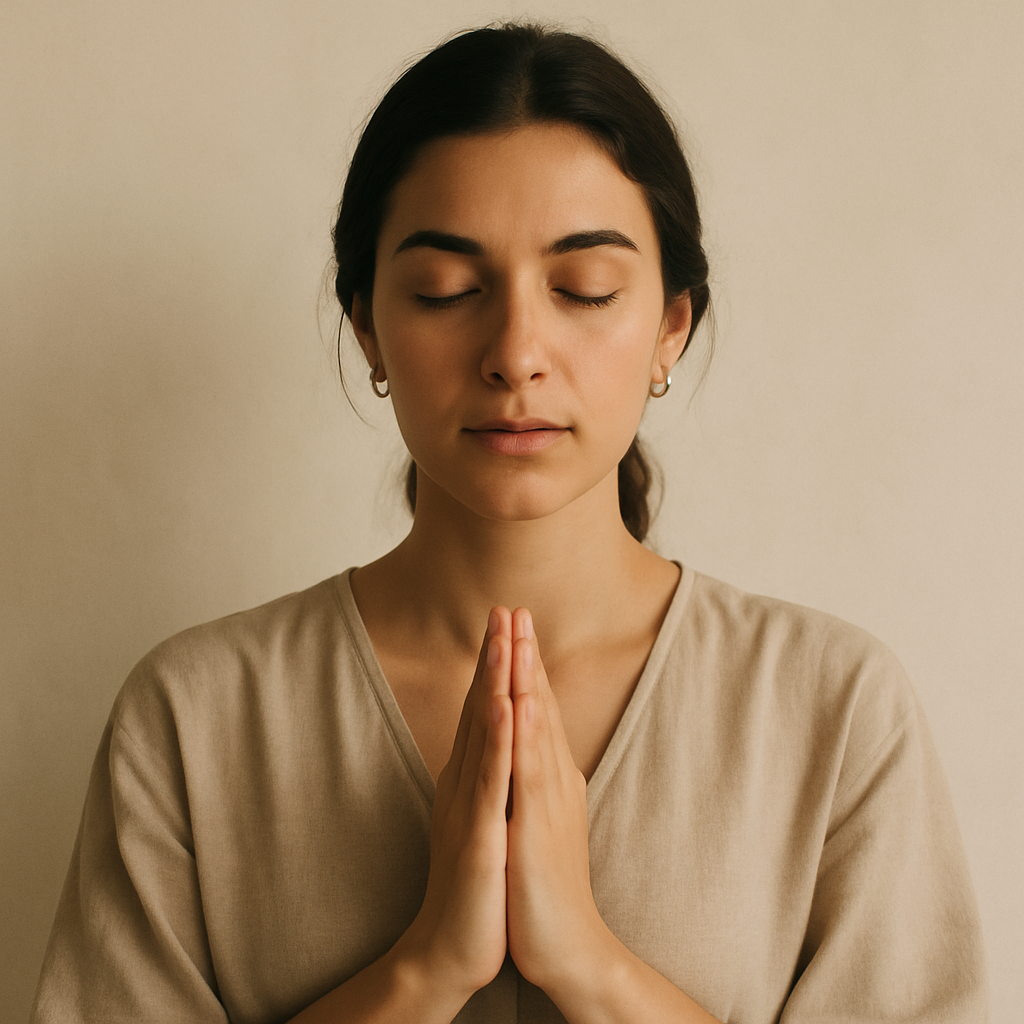
- Mindfulness and Lifestyle Practices: Techniques such as meditation, breathing exercises, and yoga may be incorporated to enhance overall well-being.
What It Is Traditionally Explored For
Natural Therapies in Tibetan Medicine are traditionally used for a variety of health concerns, focusing on promoting balance and holistic healing. Common goals include:
- Enhancing digestive health
- Supporting immune function
- Managing stress and anxiety
- Addressing chronic pain and inflammation
- Promoting mental clarity and emotional stability
What Modern Research Suggests
While Natural Therapies have been practiced for centuries, modern research is beginning to explore their efficacy and potential benefits. Preliminary studies suggest that certain herbal formulations used in Tibetan Medicine may possess anti-inflammatory, antioxidant, and immunomodulatory properties. For example, some research has indicated that specific herbs traditionally used in Tibetan remedies can support metabolic health and may be beneficial in managing chronic conditions.
However, it is crucial to approach these findings with caution. Much of the research is in its infancy, and more rigorous clinical trials are needed to establish definitive conclusions about the effectiveness of these therapies. As always, individuals should consult healthcare professionals before integrating any new treatment into their health regimen.
Safety, Contraindications & Who Should Skip
While Natural Therapies are generally considered safe when administered by qualified practitioners, there are certain considerations to keep in mind:
- Individuals with specific allergies or sensitivities to herbs should exercise caution.
- Those with chronic health conditions or who are pregnant should consult healthcare providers before starting any new therapy.
- Natural therapies may interact with certain medications, so it is important to disclose all current treatments to the practitioner.
Pairs Well With (within Tibetan Medicine and across pillars)
Natural Therapies can complement various practices within Tibetan Medicine and other holistic health modalities, including:
- Acupuncture
- Moxibustion
- Tibetan massage (Ashi)
- Yoga and meditation
- Aromatherapy
How to Find a Qualified Practitioner
To find a qualified practitioner of Natural Therapies within Tibetan Medicine, consider the following steps:
- Research local Tibetan medicine clinics or holistic health centers.
- Check for credentials and certifications in Tibetan Medicine or related fields.
- Seek recommendations from friends, family, or online wellness communities.
- Schedule a consultation to discuss your health concerns and determine if the practitioner’s approach aligns with your needs.
FAQs (5)
- What is the role of herbs in Natural Therapies? Herbs are used to address specific health concerns and promote overall well-being, tailored to individual needs.
- Are Natural Therapies safe for everyone? While generally safe, individuals with certain conditions should consult healthcare professionals before starting.
- How long does it take to see results from Natural Therapies? Results can vary based on the individual and the specific conditions being addressed, often taking several weeks to notice improvements.
- Can I combine Natural Therapies with conventional medicine? It is advisable to discuss any integrative approaches with your primary healthcare provider to avoid potential interactions.
- Is there scientific evidence supporting Natural Therapies? While there are preliminary studies suggesting benefits, more research is needed to establish their efficacy definitively.
Frequently asked
What is the role of herbs in Natural Therapies?
Herbs are used to address specific health concerns and promote overall well-being, tailored to individual needs.
Are Natural Therapies safe for everyone?
While generally safe, individuals with certain conditions should consult healthcare professionals before starting.
How long does it take to see results from Natural Therapies?
Results can vary based on the individual and the specific conditions being addressed, often taking several weeks to notice improvements.
Can I combine Natural Therapies with conventional medicine?
It is advisable to discuss any integrative approaches with your primary healthcare provider to avoid potential interactions.
Is there scientific evidence supporting Natural Therapies?
While there are preliminary studies suggesting benefits, more research is needed to establish their efficacy definitively.