Meditation Healing
Discover the principles and practices of Meditation Healing in Tibetan Medicine, including its historical roots, modern research, and how to find qualified practitioners.

Explore the ancient practice of Meditation Healing within Tibetan Medicine, a holistic approach that integrates mind, body, and spirit for overall well-being.
What It Is
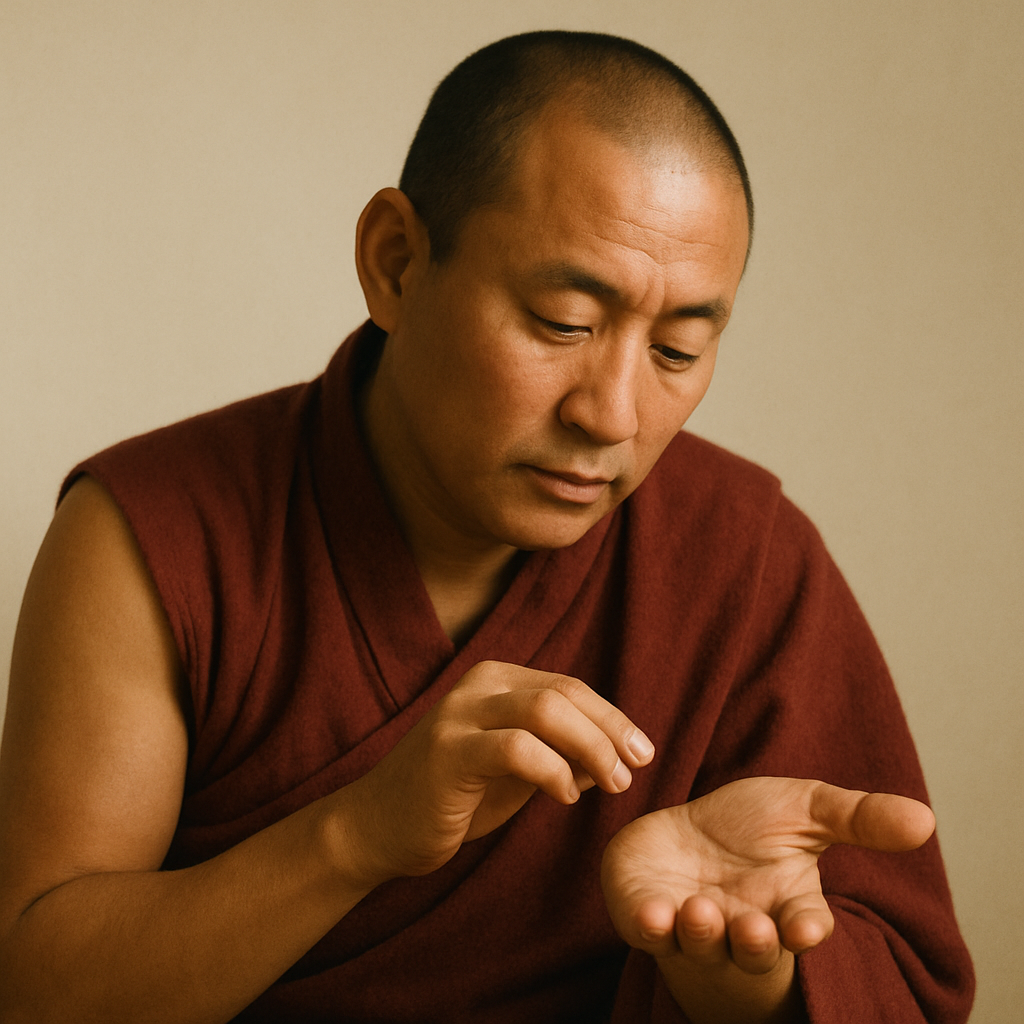
Meditation Healing, a significant aspect of Tibetan Medicine, is a practice that emphasizes the connection between the mind and body through focused meditation techniques. It serves as a tool for deep introspection and self-discovery, allowing individuals to cultivate inner peace and harmony. This ancient practice is rooted in the understanding that mental clarity and emotional balance can lead to improved physical health.
At its core, Meditation Healing involves various meditative techniques designed to enhance mindfulness, reduce stress, and promote a state of relaxation. Practitioners engage in specific meditative exercises aimed at fostering awareness and insight, which can lead to transformative experiences. This healing modality is not merely about relaxation but also about empowering individuals to navigate life's challenges with a clearer mind and a more stable emotional state.
Historical Context Within Tibetan Medicine
Meditation Healing emerged within the rich tapestry of Tibetan Medicine, which dates back over a thousand years. The practice was developed by notable figures such as Padmasambhava, who is credited with bringing Buddhism to Tibet and integrating meditation into the healing practices of the region. This integration laid the groundwork for a holistic approach that considers not only physical ailments but also the mental and spiritual dimensions of health.
The tradition emphasizes the importance of meditation as a means of connecting with the fundamental nature of reality, thus aiding in the healing process. Over centuries, various schools of thought within Tibetan Buddhism have contributed to the evolution of Meditation Healing, making it a vital component of Tibetan Medicine today.
How It's Practiced
Practicing Meditation Healing typically involves several steps that guide individuals into a deeper state of awareness. Here is a general walk-through of how one might engage in this practice:
- Setting the Space: Find a quiet and comfortable location free from distractions.
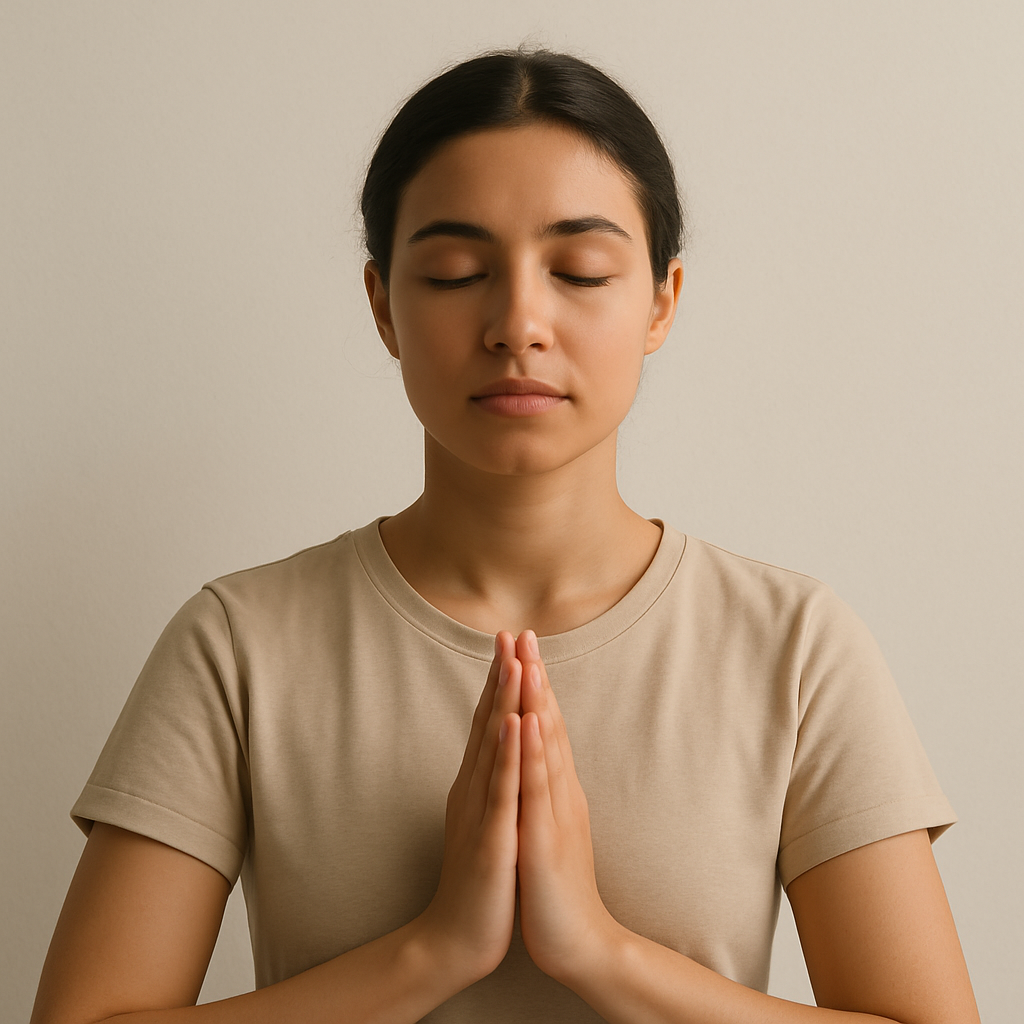
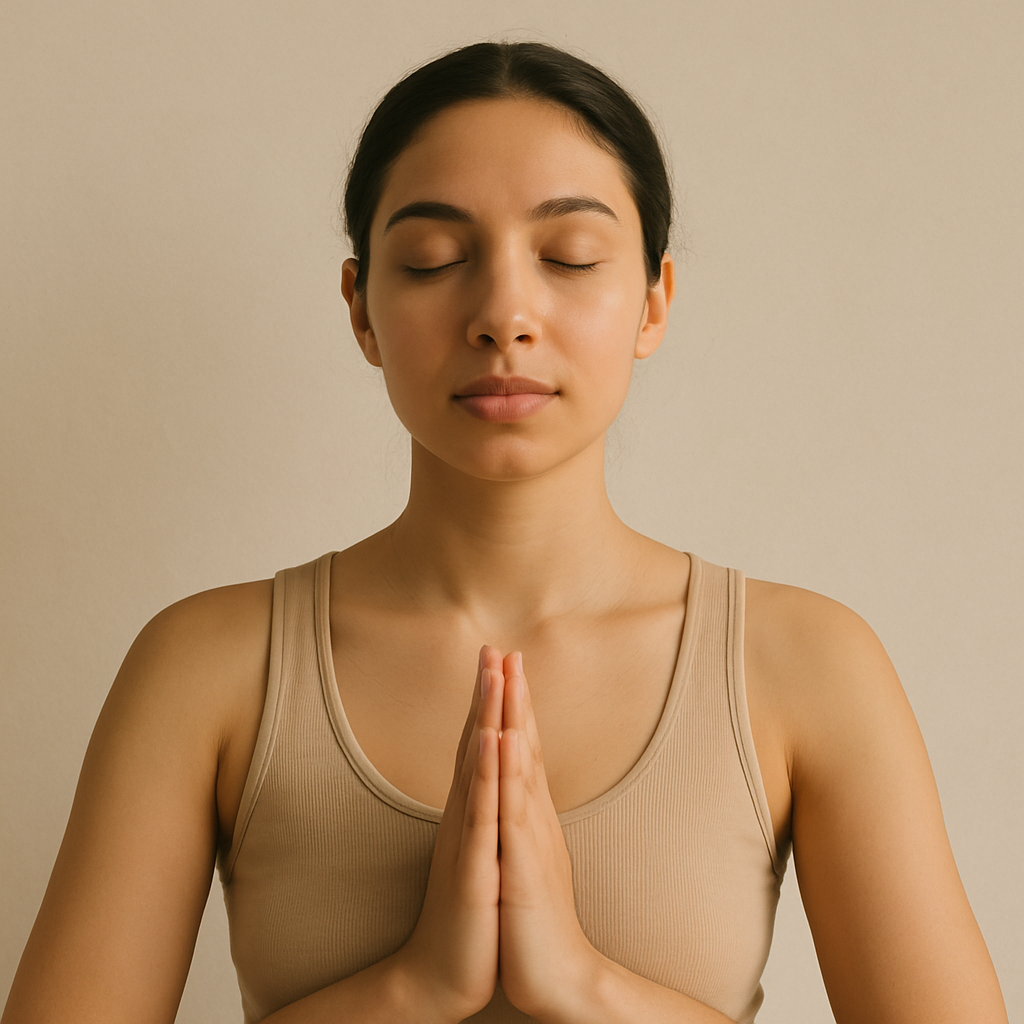
- Posture: Sit in a comfortable position, either on a cushion or chair, ensuring your back is straight.
- Breath Awareness: Begin by focusing on your breath, feeling the inhalation and exhalation.
- Mindful Observation: Allow thoughts to come and go without attachment, observing them as they arise.
- Guided Visualization: Use imagery or mantras that resonate with you to deepen your meditation.
- Integration: Gradually bring your awareness back to the present moment and reflect on your experience.
What It Is Traditionally Explored For
Meditation Healing is traditionally used for a variety of purposes within Tibetan Medicine. Some of these include:
- Enhancing mental clarity and focus.
- Reducing stress and anxiety levels.
- Promoting emotional balance and resilience.
- Facilitating self-discovery and personal growth.
- Supporting physical health and recovery from illness.
While individual experiences may vary, these goals reflect the holistic nature of Tibetan Medicine, aiming to create harmony within the body, mind, and spirit.
What Modern Research Suggests
In recent years, modern research has begun to explore the efficacy of meditation practices, including those rooted in Tibetan traditions. Preliminary studies suggest that meditation may be associated with various health benefits, such as reduced symptoms of anxiety and depression, improved cognitive function, and enhanced emotional well-being. These findings align with the traditional beliefs surrounding Meditation Healing and its potential to foster overall wellness.
Furthermore, clinical trials have indicated that regular meditation practice can lead to measurable changes in brain structure and function, supporting the idea that Meditation Healing can positively influence mental health. While more extensive research is needed to establish definitive conclusions, the existing evidence offers promising insights into the benefits of integrating meditation into daily life.
Safety, Contraindications & Who Should Skip
While Meditation Healing is generally considered safe for most individuals, there are some precautions to keep in mind. Those with severe mental health issues, such as acute anxiety or trauma, should consult with a qualified mental health professional before engaging in meditation practices. Additionally, individuals with certain medical conditions or those who find meditation exacerbates their symptoms may wish to approach this practice with caution.
In such cases, it may be beneficial to seek guidance from a trained practitioner who can tailor the meditation experience to meet individual needs and ensure a supportive environment.
Pairs Well With (within Tibetan Medicine and across pillars)
Meditation Healing complements various modalities within Tibetan Medicine, as well as practices from other healing traditions. Some related modalities include:
- Aromatherapy: Utilizing essential oils to enhance relaxation during meditation.
- Herbal Medicine: Incorporating herbs known for their calming properties.
- Acupuncture: Addressing physical imbalances that may hinder meditation practice.
- Yoga: Combining physical movement with breath awareness and meditation.
How to Find a Qualified Practitioner
Finding a qualified practitioner for Meditation Healing within Tibetan Medicine can enhance your experience significantly. Here are some tips on how to locate a suitable expert:
- Research local Tibetan Medicine practitioners or centers that offer meditation instruction.
- Inquire about their training and experience in Tibetan Buddhist practices.
- Look for reviews or testimonials from previous clients.
- Consider attending introductory workshops or classes to gauge their teaching style.
- Trust your intuition in selecting a practitioner who resonates with you.
FAQs (5)
- What is the main goal of Meditation Healing?
The primary goal is to cultivate mental clarity, emotional balance, and overall well-being. - How long should I meditate for?
Beginners may start with just a few minutes and gradually increase the duration as they become more comfortable. - Can anyone practice Meditation Healing?
Yes, most people can benefit from meditation, but it’s wise for those with severe mental health issues to seek professional guidance. - Is Meditation Healing a substitute for medical treatment?
No, it is intended to complement traditional medical care, not replace it. - How often should I practice Meditation Healing?
Consistency is key; regular practice, even if brief, is more beneficial than infrequent long sessions.
Frequently asked
What is the main goal of Meditation Healing?
The primary goal is to cultivate mental clarity, emotional balance, and overall well-being.
How long should I meditate for?
Beginners may start with just a few minutes and gradually increase the duration as they become more comfortable.
Can anyone practice Meditation Healing?
Yes, most people can benefit from meditation, but it’s wise for those with severe mental health issues to seek professional guidance.
Is Meditation Healing a substitute for medical treatment?
No, it is intended to complement traditional medical care, not replace it.
How often should I practice Meditation Healing?
Consistency is key; regular practice, even if brief, is more beneficial than infrequent long sessions.