Detoxification
Discover detoxification in Tibetan Medicine, its historical roots, practices, and modern insights.

This page explores detoxification within Tibetan Medicine, detailing its definition, historical context, practice methods, traditional uses, modern research insights, safety considerations, complementary modalities, and tips for finding a qualified practitioner.
What It Is
Detoxification in Tibetan Medicine refers to the process of cleansing the body of toxins and impurities that are believed to disrupt the natural balance of health. This practice is rooted in the understanding that physical, emotional, and spiritual wellbeing are interconnected, and that toxins can manifest in various forms, impacting overall health. The goal of detoxification is to restore harmony within the body, enhancing vitality and promoting optimal functioning.
In Tibetan Medicine, detoxification is approached holistically, considering the individual's constitution, lifestyle, and environmental factors. Various methods such as dietary adjustments, herbal remedies, and therapeutic practices are employed to facilitate the elimination of harmful substances. Through this comprehensive approach, detoxification aims not only to cleanse the body but also to rejuvenate the mind and spirit.
Historical Context Within Tibetan Medicine
The concept of detoxification within Tibetan Medicine has deep historical roots, emerging from ancient healing practices that emphasize the balance of the body's energies, known as the three humors: lung, tripa, and bile. These principles were developed over centuries, influenced by both indigenous practices and the integration of Buddhist philosophies.
One of the key figures in the establishment of Tibetan Medicine is Yuthok Yonten Gonpo, an 8th-century physician who is often referred to as the father of Tibetan Medicine. He compiled the foundational text known as the "Four Medical Treatises," which outlines various healing techniques, including detoxification methods. This ancient wisdom has been passed down through generations, evolving to meet the needs of contemporary practitioners and patients.
How It's Practiced
The practice of detoxification in Tibetan Medicine typically involves several steps and techniques aimed at cleansing the body. A practitioner may guide an individual through the following process:
- Initial Assessment: Understanding the individual's health history, lifestyle, and specific concerns.
- Dietary Adjustments: Recommending a detoxifying diet that emphasizes whole, natural foods while eliminating processed items and potential allergens.
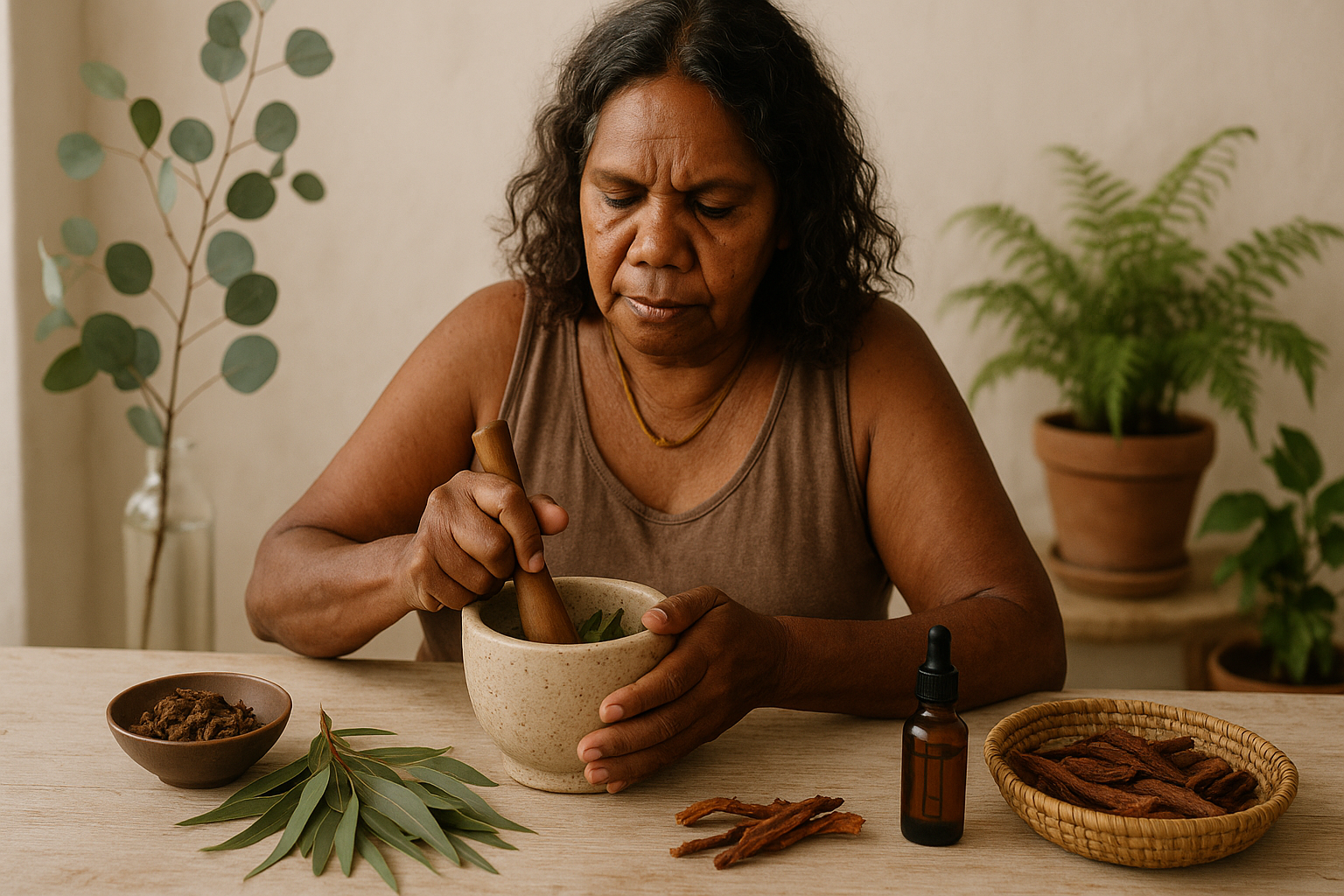
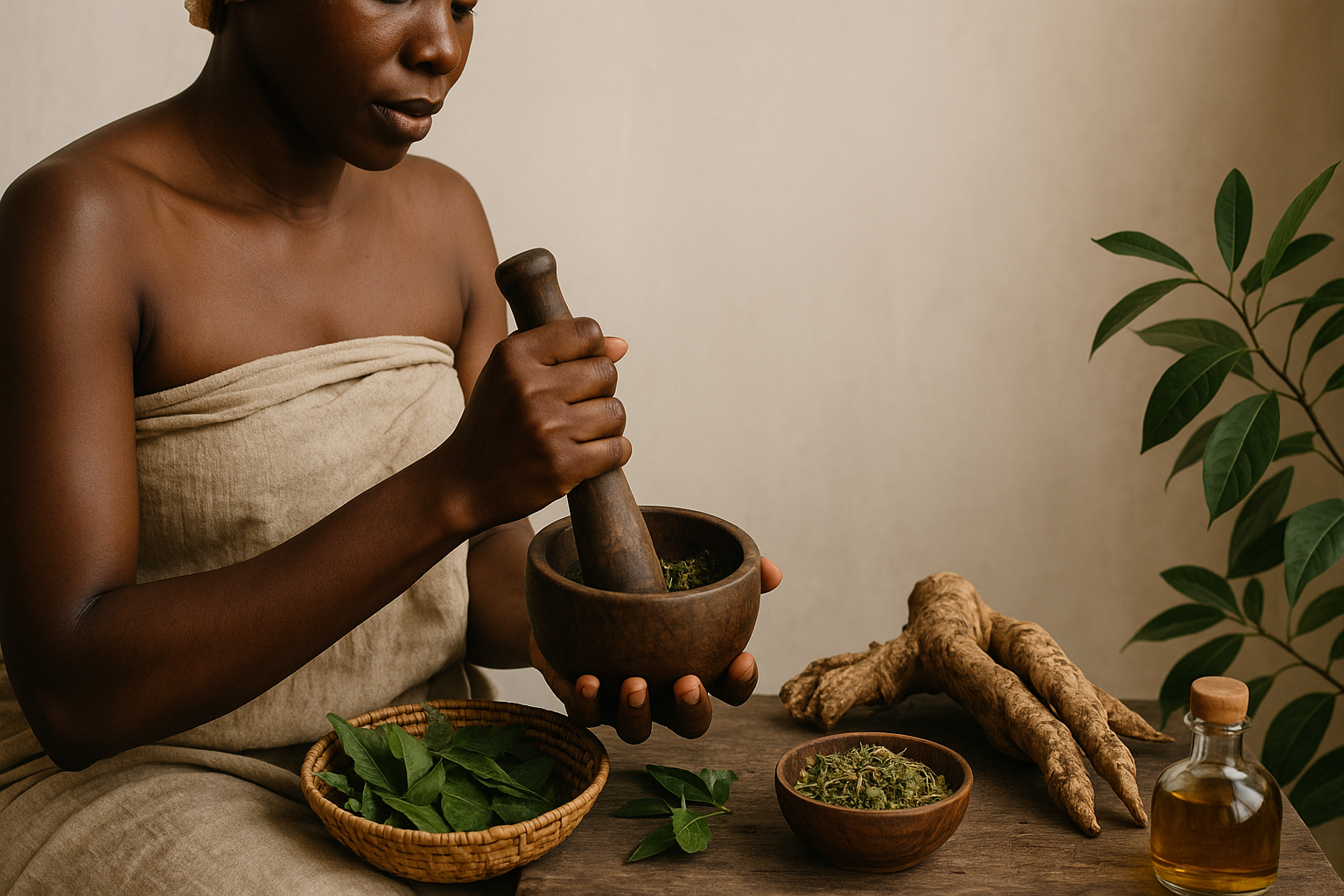
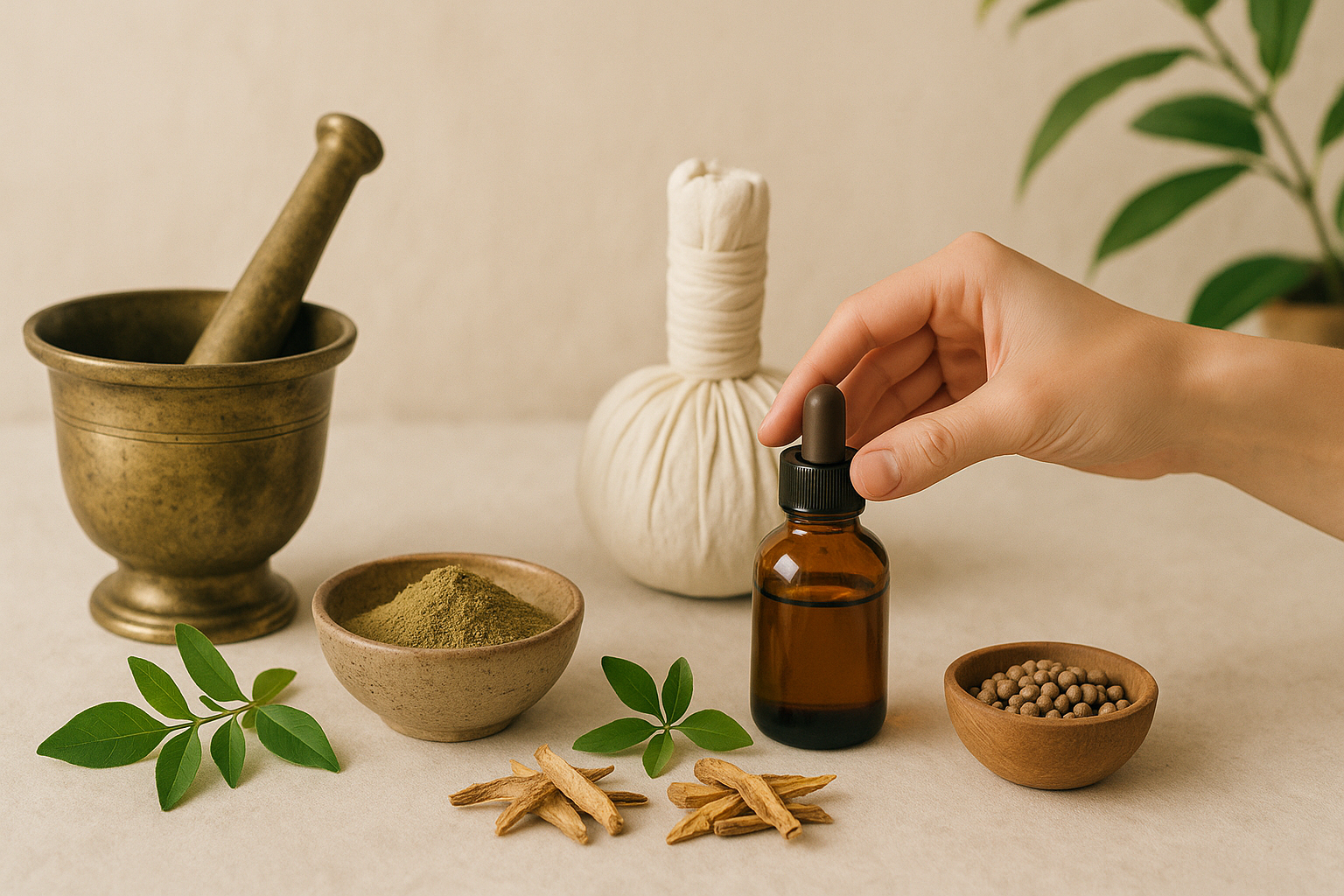
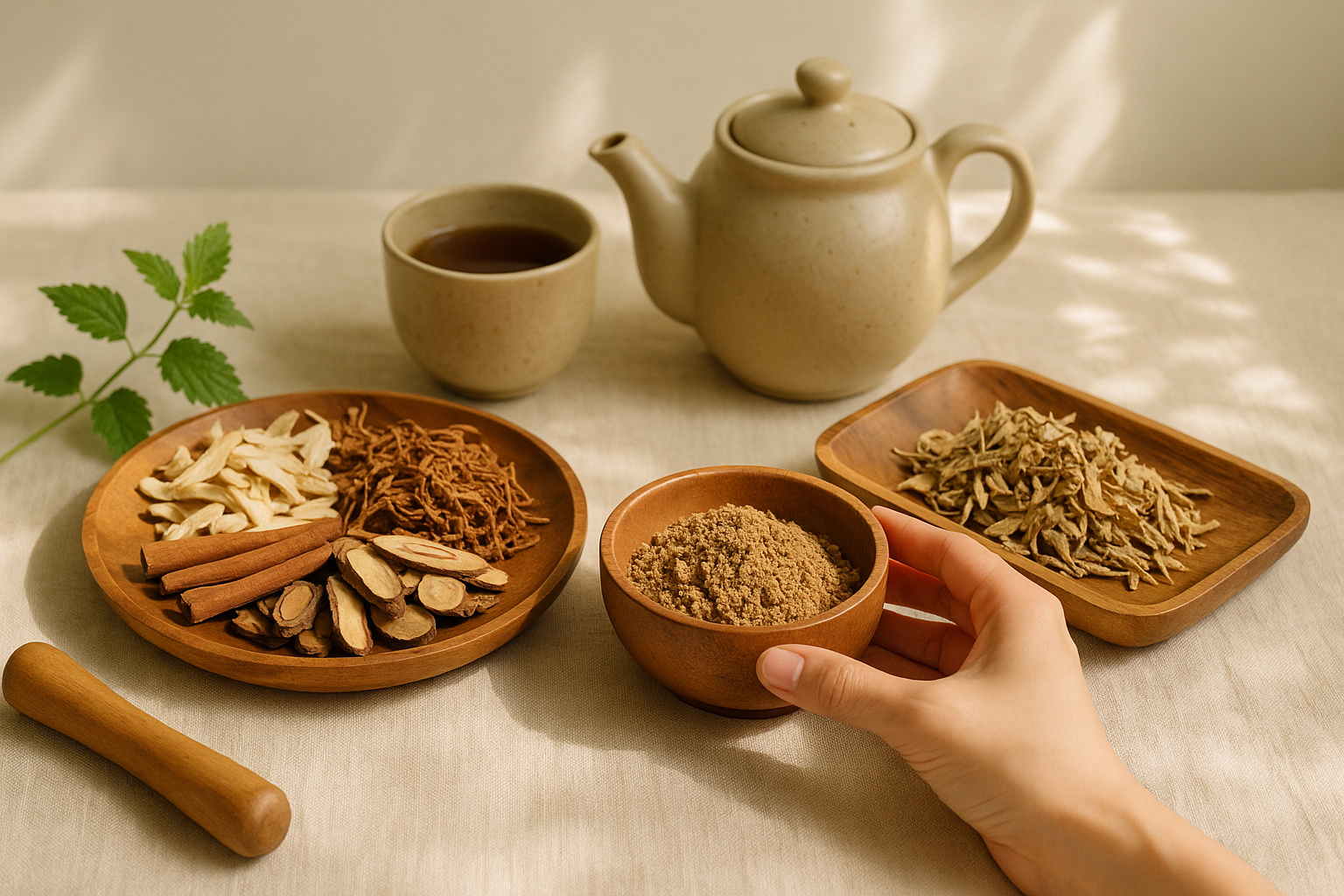
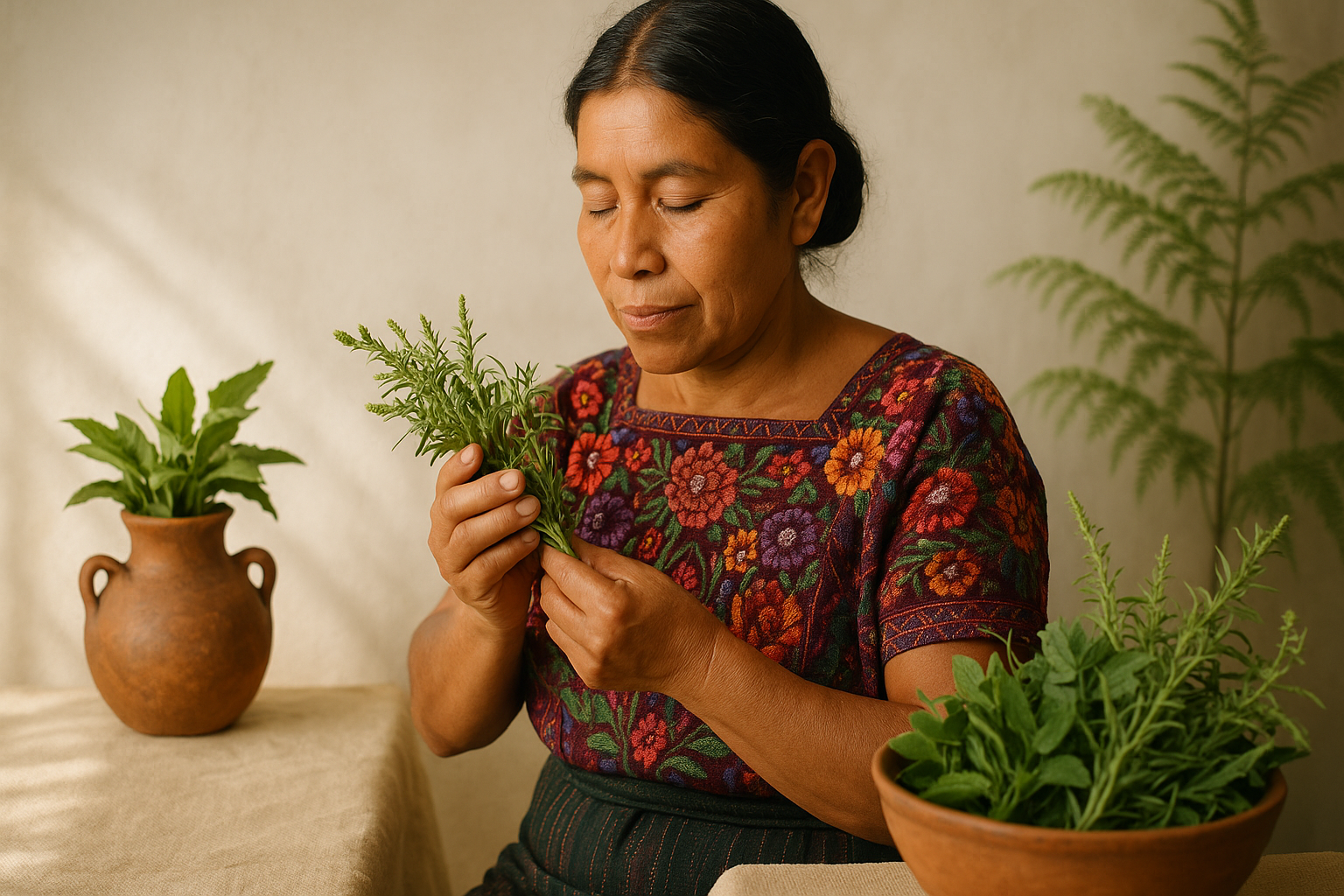
- Herbal Remedies: Utilizing specific herbs known for their cleansing properties, such as turmeric, ginger, and various detoxifying teas.
- Therapies: Incorporating techniques like cupping, moxibustion, and massage to stimulate circulation and support detoxification.
- Mindfulness Practices: Encouraging meditation and breathing exercises to promote mental clarity and emotional balance.
What It Is Traditionally Explored For
Detoxification in Tibetan Medicine is traditionally explored for various purposes, including:
- Enhancing energy levels and vitality.
- Supporting digestive health and alleviating gastrointestinal issues.
- Promoting mental clarity and emotional stability.
- Strengthening the immune system.
- Facilitating recovery from chronic illnesses and fatigue.
While these goals align with the holistic approach of Tibetan Medicine, it is essential to note that detoxification is seen as a supportive process rather than a may support for specific diseases.
What Modern Research Suggests
Modern research into detoxification practices, including those derived from Tibetan Medicine, is still in its early stages. Some preliminary studies suggest that certain herbal ingredients commonly used in detoxification may possess pharmacological properties that support liver health and metabolic function. For example, studies have shown that herbs like milk thistle and dandelion can enhance liver detoxification processes.
However, it is crucial to approach these findings with caution. Much of the existing research is limited by small sample sizes and varying methodologies. More comprehensive clinical trials are needed to establish definitive conclusions about the efficacy and safety of detoxification practices in Tibetan Medicine.
Safety, Contraindications & Who Should Skip
While detoxification can offer potential benefits, it is not suitable for everyone. Individuals who should approach detoxification with caution or consult a healthcare provider before engaging in such practices include:
- Pregnant or breastfeeding women.
- Individuals with chronic health conditions, such as kidney disease or heart problems.
- Those taking medications that may interact with herbal remedies.
- People with sensitivities or allergies to specific herbs.
It is always advisable to seek guidance from a qualified practitioner to tailor the detoxification process to individual needs and ensure safety.
Pairs Well With (within Tibetan Medicine and across pillars)
Detoxification techniques in Tibetan Medicine can be complemented by various related modalities, including:
- Traditional Tibetan Massage (Abyanga)
- Acupuncture
- Dietary therapies focusing on whole foods
- Meditative practices for mental clarity
- Physical exercises such as yoga or Tibetan movement practices
How to Find a Qualified Practitioner
Finding a qualified practitioner in Tibetan Medicine who specializes in detoxification can enhance the effectiveness of the process. Here are some tips for locating a reputable practitioner:
- Research local Tibetan Medicine clinics or holistic health centers.
- Seek recommendations from friends or family members who have experience with Tibetan Medicine.
- Check credentials to ensure the practitioner has formal training in Tibetan Medicine.
- Look for practitioners who are members of professional organizations or associations related to Tibetan Medicine.
- Schedule a consultation to discuss your health concerns and approach before committing to treatment.
FAQs (5)
- What is the primary goal of detoxification in Tibetan Medicine? The primary goal is to restore balance and harmony within the body by eliminating toxins.
- How long does a typical detoxification process last? The duration can vary, but it often lasts from a few days to several weeks, depending on individual needs.
- Are there any risks associated with detoxification? Yes, potential risks include adverse reactions to herbs and the possibility of dehydration or nutrient deficiencies if not done properly.
- Can anyone undergo detoxification? Not everyone is a suitable candidate; those with specific health conditions should consult a healthcare provider first.
- How can I maintain the benefits of detoxification after the process? Maintaining a balanced diet, regular exercise, and mindfulness practices can help sustain the benefits.
Frequently asked
What is the primary goal of detoxification in Tibetan Medicine?
The primary goal is to restore balance and harmony within the body by eliminating toxins.
How long does a typical detoxification process last?
The duration can vary, but it often lasts from a few days to several weeks, depending on individual needs.
Are there any risks associated with detoxification?
Yes, potential risks include adverse reactions to herbs and the possibility of dehydration or nutrient deficiencies if not done properly.
Can anyone undergo detoxification?
Not everyone is a suitable candidate; those with specific health conditions should consult a healthcare provider first.
How can I maintain the benefits of detoxification after the process?
Maintaining a balanced diet, regular exercise, and mindfulness practices can help sustain the benefits.