Herbal Formulas
Discover the role of Herbal Formulas in Tibetan Medicine, their historical significance, practical applications, and insights from modern research.
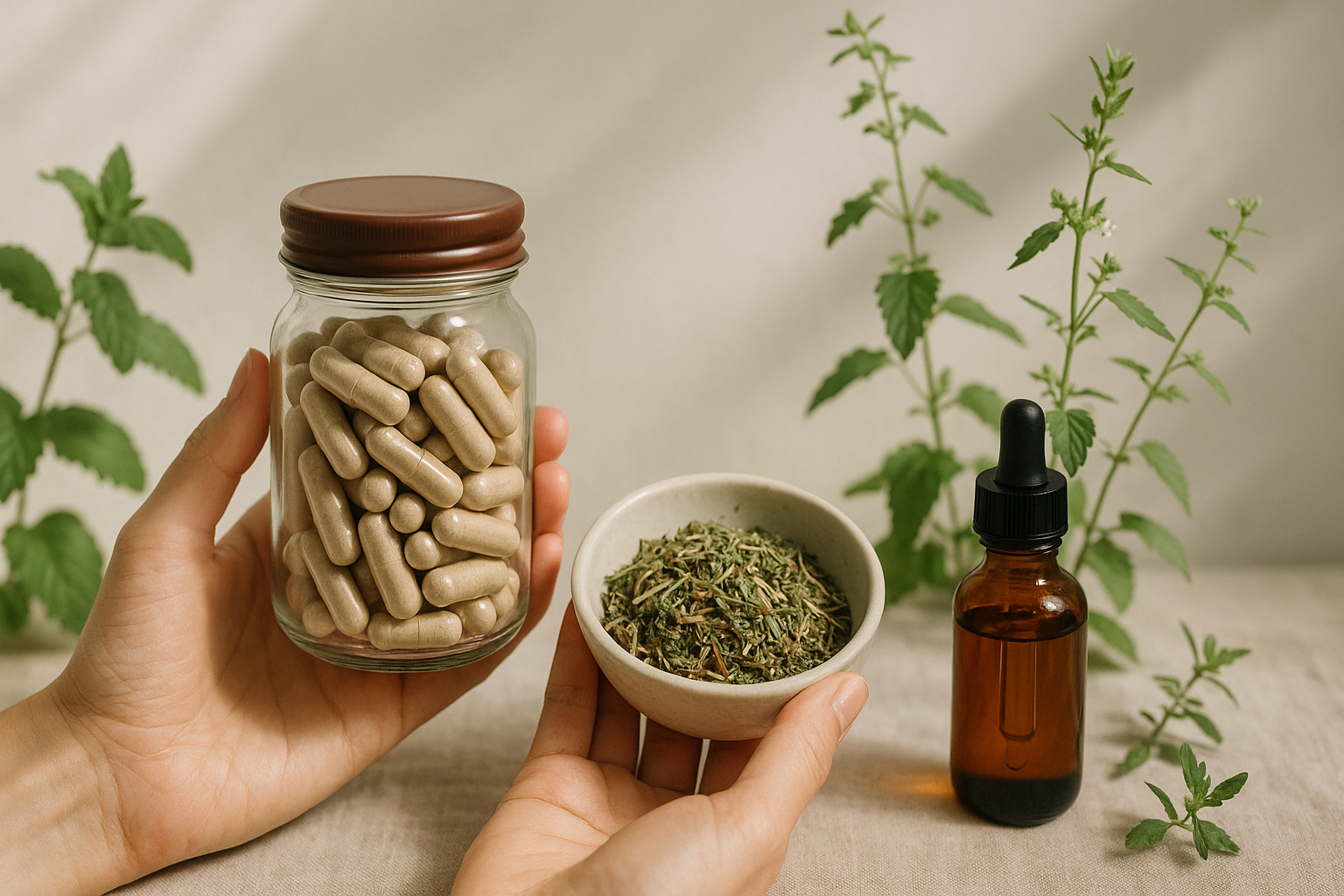
Explore the ancient wisdom of Tibetan Medicine through the practice of Herbal Formulas, examining its historical context, practical applications, and how it pairs with other healing modalities.
What It Is
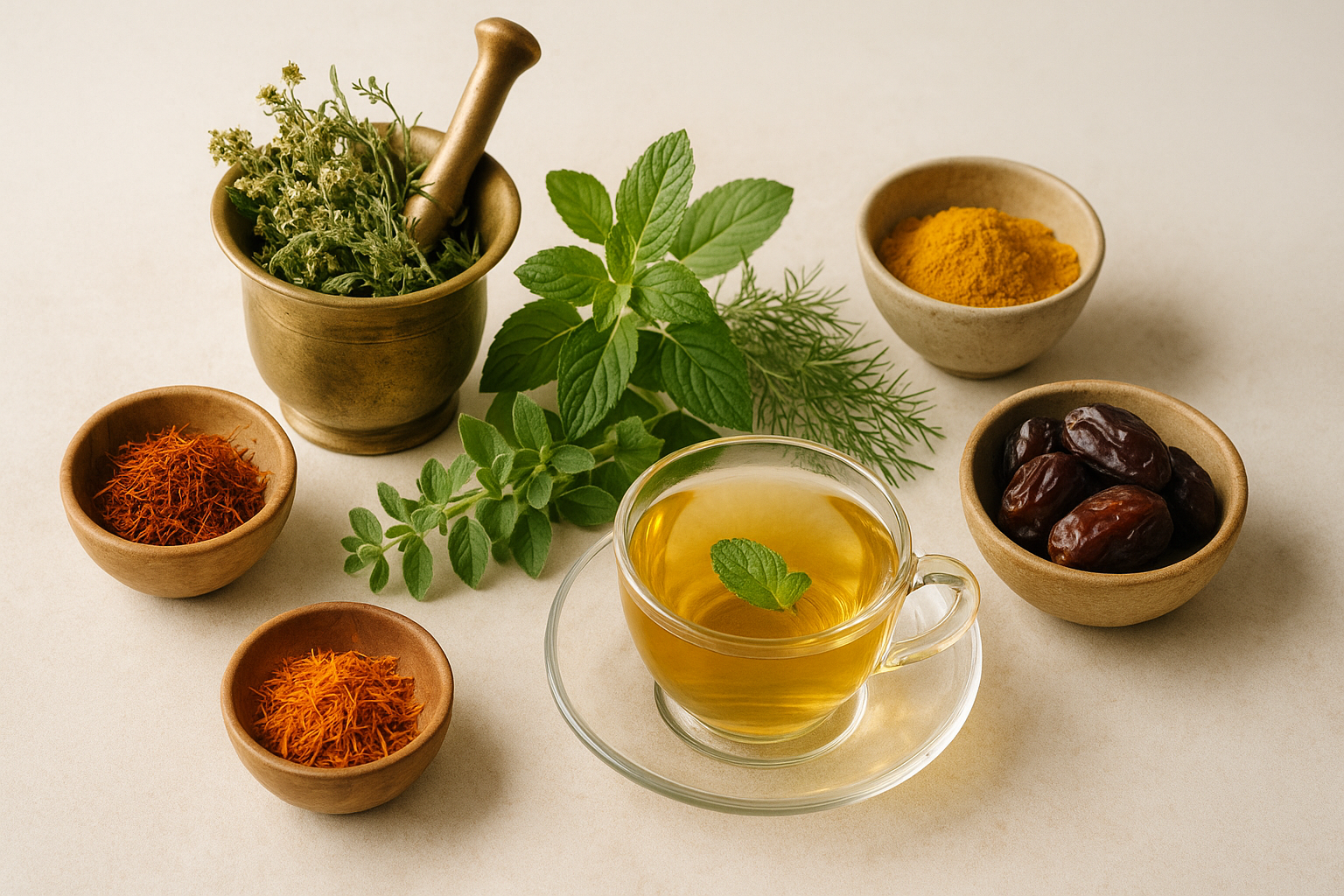
Herbal Formulas in Tibetan Medicine are a complex amalgamation of various herbs, minerals, and sometimes animal products, meticulously designed to restore balance and promote health. These formulas are based on the principles of traditional Tibetan medical theory, which posits that health is a dynamic balance between the body, mind, and environment. Herbal remedies are tailored to individual needs, addressing both physical and mental ailments.
Each formula is constructed with specific goals in mind, often targeting the three primary energies in Tibetan Medicine: Lung (wind), Tripa (bile), and Beken (phlegm). The blending of different herbs is believed to enhance therapeutic effects and mitigate potential side effects, thus making these formulations a cornerstone of holistic healing within this ancient tradition.
Historical Context Within Tibetan Medicine
The practice of using Herbal Formulas in Tibetan Medicine dates back to the 8th century, gaining prominence through the teachings of Padmasambhava, a pivotal figure in the establishment of Tibetan Buddhism and medicine. Over the centuries, Tibetan medical texts, such as the "Four Medical Tantras," have documented the principles and methods of herbal formulation.
These texts outline the origins, properties, and uses of various herbs and their combinations, reflecting an understanding that transcends mere symptom management. The tradition has been preserved and developed through generations of practitioners, leading to a rich repository of knowledge about herbal remedies that continue to be relevant today.
How It's Practiced
The practice of administering Herbal Formulas typically involves several steps:
- Consultation: A practitioner begins with a comprehensive assessment of the patient's health, including their medical history, lifestyle, and specific concerns.
- Diagnosis: Based on this evaluation, the practitioner identifies imbalances within the body's energies (Lung, Tripa, Beken).
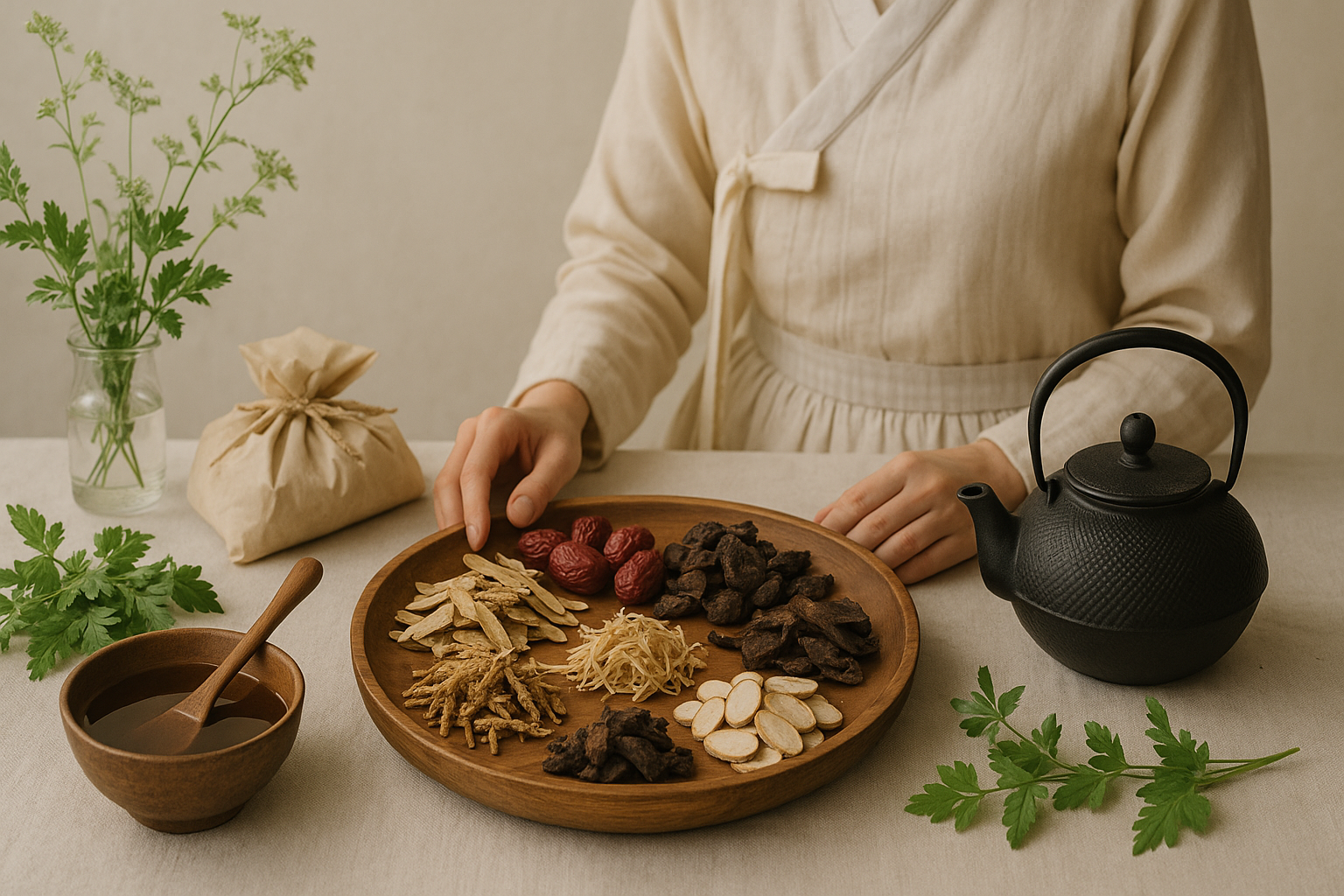
- Formulation: The practitioner selects appropriate herbs and composes a unique formula tailored to the individual's needs.
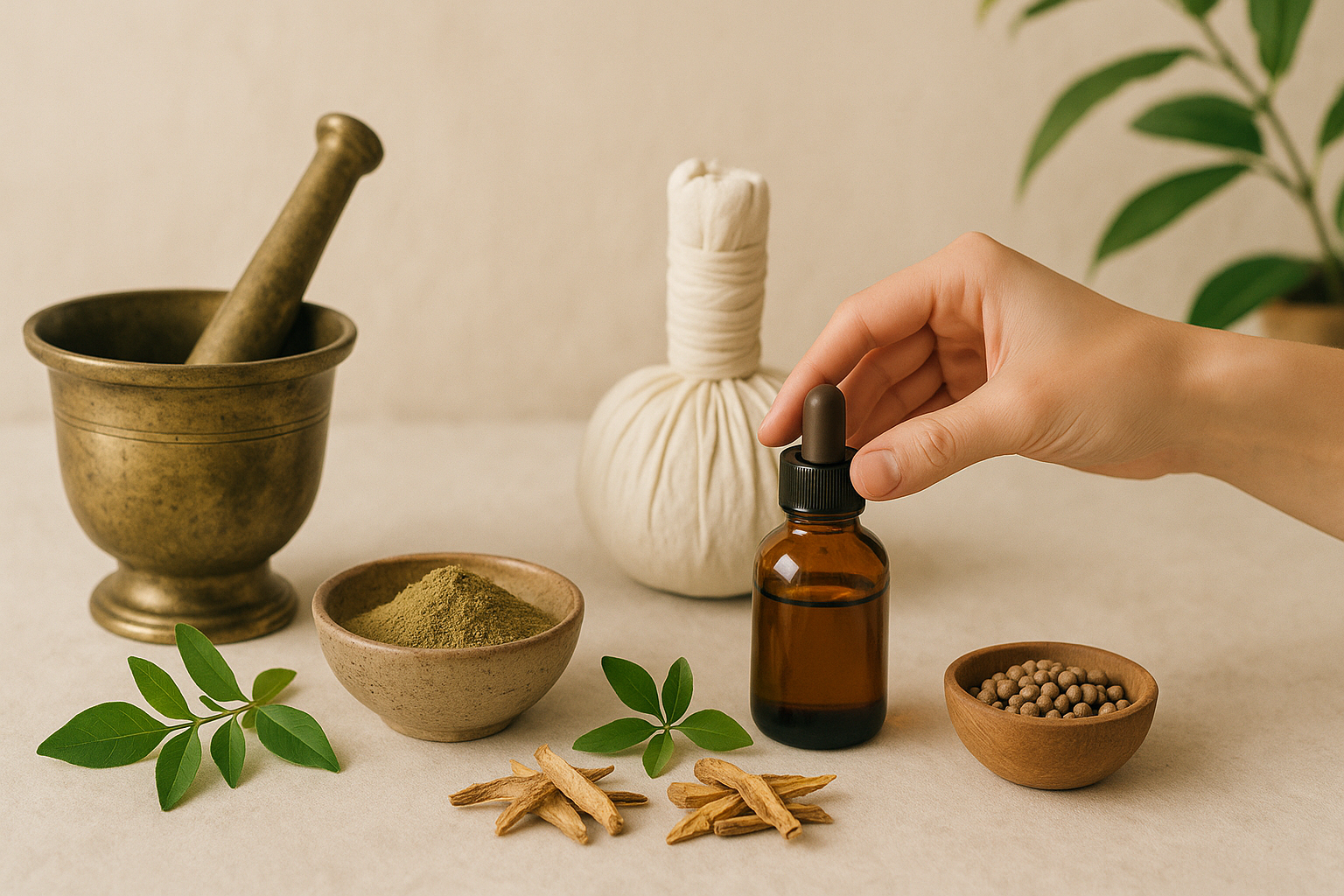
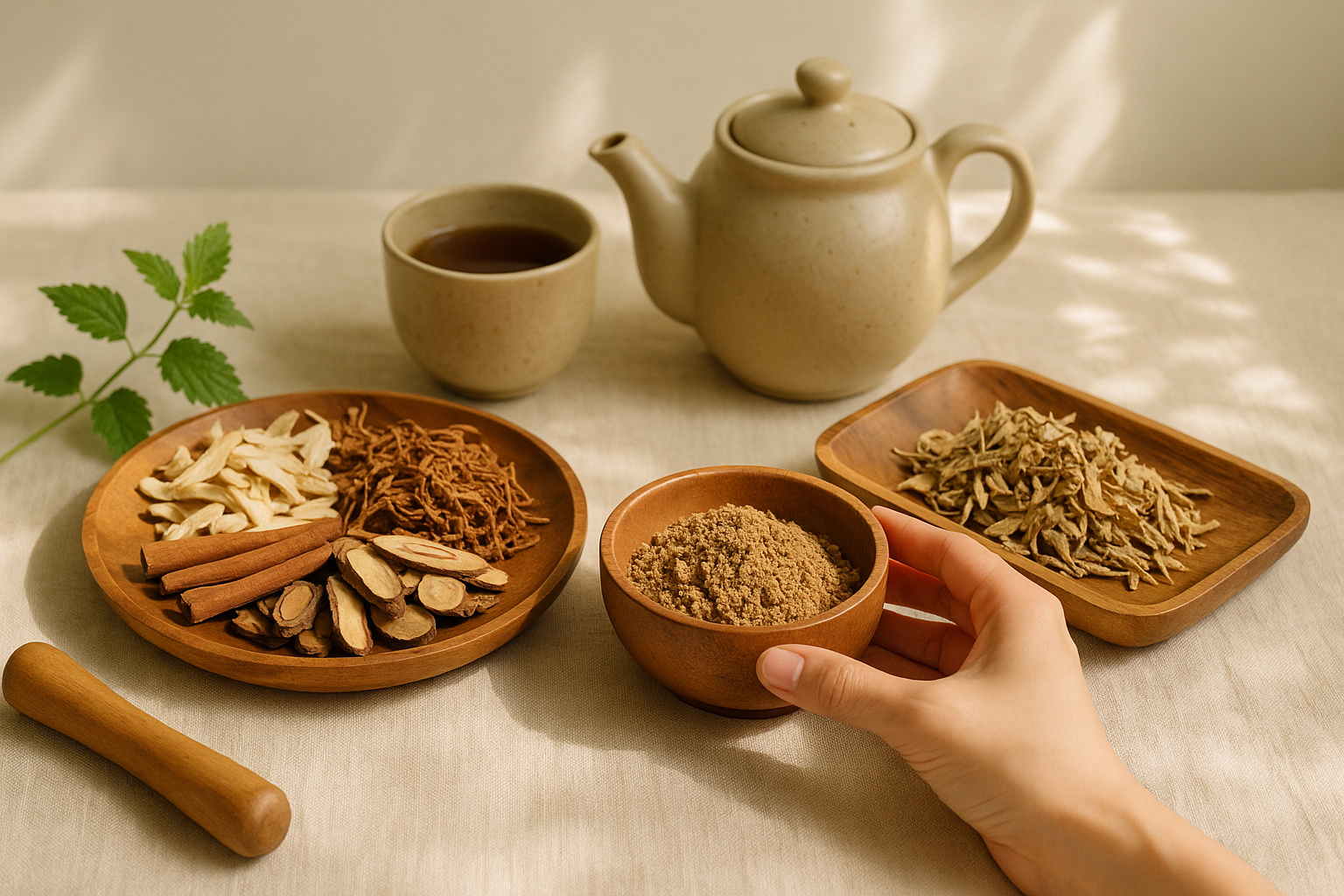
- Preparation: Herbal formulas can be prepared in various ways, including decoctions, powders, or pills, depending on the desired effect and patient preference.
- Follow-Up: Regular follow-up appointments are typically scheduled to monitor progress and make adjustments to the formula as necessary.
What It Is Traditionally Explored For
Herbal Formulas in Tibetan Medicine are traditionally used for a wide range of conditions, including:
- Digestive Issues: Formulas may help in alleviating symptoms related to indigestion or gastrointestinal discomfort.
- Respiratory Conditions: Certain combinations are believed to support lung health and respiratory function.
- Emotional Well-Being: Some herbal blends are used to promote mental clarity and emotional balance.
- Immunity Support: Formulations may be aimed at strengthening the immune system and preventing illness.
It is essential to approach these uses with caution, as the efficacy can vary widely based on individual health conditions and the specific formulation used.
What Modern Research Suggests
Modern research into the efficacy of Herbal Formulas from Tibetan Medicine is still in its early stages, yet preliminary studies have shown promising results. Some research suggests that specific herbs used in these formulations may exhibit anti-inflammatory, antioxidant, and immunomodulatory properties. For instance, studies on individual herbs such as Rhodiola and Cordyceps have highlighted their potential benefits for enhancing endurance and reducing fatigue.
However, it is important to note that many studies are limited in scale and scope, often focusing on single herbs rather than complex formulations typical in Tibetan Medicine. As such, while the initial findings are encouraging, further research is needed to substantiate the claims and explore the full spectrum of benefits associated with these herbal practices.
Safety, Contraindications & Who Should Skip
While Herbal Formulas can be beneficial, they are not without risks. Potential contraindications include:
- Pregnant or breastfeeding women, as certain herbs may affect fetal development or lactation.
- Individuals with specific allergies to certain herbs or components used in the formulas.
- Those taking prescription medications, as interactions may occur.
- People with chronic health conditions should consult a healthcare provider before starting any herbal regimen.
It is crucial for individuals to work closely with a qualified practitioner to ensure safety and appropriateness of use.
Pairs Well With (within Tibetan Medicine and across pillars)
Herbal Formulas in Tibetan Medicine often complement other practices and modalities, enhancing overall well-being. Some related practices include:
- Moxibustion: A technique that involves burning mugwort near acupuncture points to stimulate healing.
- Acupuncture: Often used alongside herbal remedies for pain relief and to address energy imbalances.
- Dietary Therapy: Tailoring food intake based on individual constitution and health conditions.
- Mindfulness Practices: Techniques such as meditation and yoga that promote mental clarity and emotional stability.
How to Find a Qualified Practitioner
Finding a qualified practitioner of Tibetan Medicine can enhance the effectiveness of Herbal Formulas. Here are some steps to find a suitable practitioner:
- Research local practitioners who specialize in Tibetan Medicine and have verifiable credentials.
- Look for recommendations from trusted sources or community health centers.
- Verify their training and experience in herbal medicine specifically.
- Schedule an initial consultation to discuss your health concerns and treatment goals.
FAQs (5)
- What are Herbal Formulas? Herbal Formulas are blends of various herbs and minerals designed to promote health and balance according to Tibetan medical principles.
- Are Herbal Formulas safe? While many are considered safe, potential contraindications exist, and it is crucial to consult a qualified practitioner.
- Can Herbal Formulas replace conventional medicine? Herbal Formulas are typically used as complementary therapies and should not replace conventional medical treatment without professional guidance.
- How long does it take to see results from Herbal Formulas? The time to see results can vary widely among individuals, depending on health conditions and the specific formula used.
- Where can I find Herbal Formulas? Herbal Formulas can be obtained through qualified practitioners of Tibetan Medicine, who can tailor them to meet individual needs.
Frequently asked
What are Herbal Formulas?
Herbal Formulas are blends of various herbs and minerals designed to promote health and balance according to Tibetan medical principles.
Are Herbal Formulas safe?
While many are considered safe, potential contraindications exist, and it is crucial to consult a qualified practitioner.
Can Herbal Formulas replace conventional medicine?
Herbal Formulas are typically used as complementary therapies and should not replace conventional medical treatment without professional guidance.
How long does it take to see results from Herbal Formulas?
The time to see results can vary widely among individuals, depending on health conditions and the specific formula used.
Where can I find Herbal Formulas?
Herbal Formulas can be obtained through qualified practitioners of Tibetan Medicine, who can tailor them to meet individual needs.