Ancient Wisdom
Explore the rich tapestry of Ancient Wisdom in healing traditions.
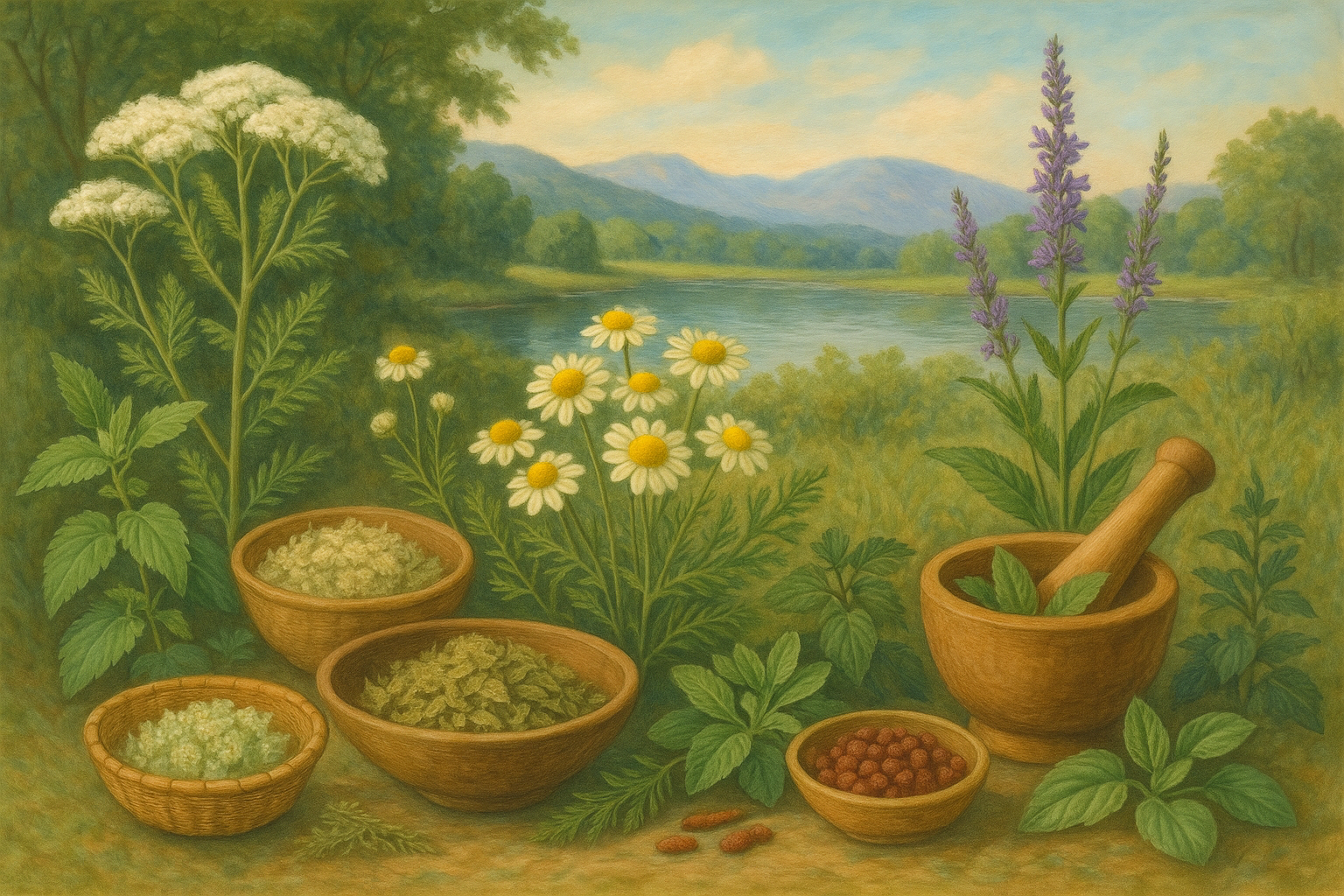
Ancient Wisdom encompasses traditional healing practices that have evolved over millennia, emphasizing holistic approaches to health and well-being. This timeless knowledge remains relevant today as we seek natural and integrative methods to support our physical, emotional, and spiritual health.
Intro Summary
Ancient Wisdom represents the collective knowledge and practices of traditional healing systems that have been passed down through generations. These systems are rooted in a worldview that perceives health as a balance of energies and a harmonious relationship with the natural world. Today, as many seek alternatives to conventional medicine, the principles of Ancient Wisdom resonate profoundly, offering insights into holistic health, self-care, and the interconnectedness of body, mind, and spirit. This pillar serves as a comprehensive guide to understanding the depth of this ancient knowledge and its relevance in our modern lives.
Historical Context
The origins of Ancient Wisdom can be traced back thousands of years, with various cultures contributing to its rich tapestry. From the early practices of Traditional Chinese Medicine (TCM) to the holistic approaches of Ayurveda in India, these systems have their roots in the observation of nature and human experience. Other significant traditions include Unani medicine from the Middle East, indigenous healing practices from Native American cultures, and the herbal knowledge of African and Greek traditions. Each lineage brings its unique perspective on health and healing, shaped by centuries of cultural evolution.
Core Concepts & Philosophies
At the heart of Ancient Wisdom lies the understanding of vital forces and energies that govern life. Concepts such as qi in TCM and prana in Ayurveda emphasize the flow of energy within the body. The idea of dosha in Ayurveda categorizes individuals into unique constitutions, each requiring personalized care. Holism is a common thread, advocating for the integration of body, mind, and spirit in the healing process. Furthermore, the relationship between plants and spirits is central, recognizing the healing properties of nature and the importance of respecting these connections.
The Major Sub-Traditions
Traditional Chinese Medicine (TCM)
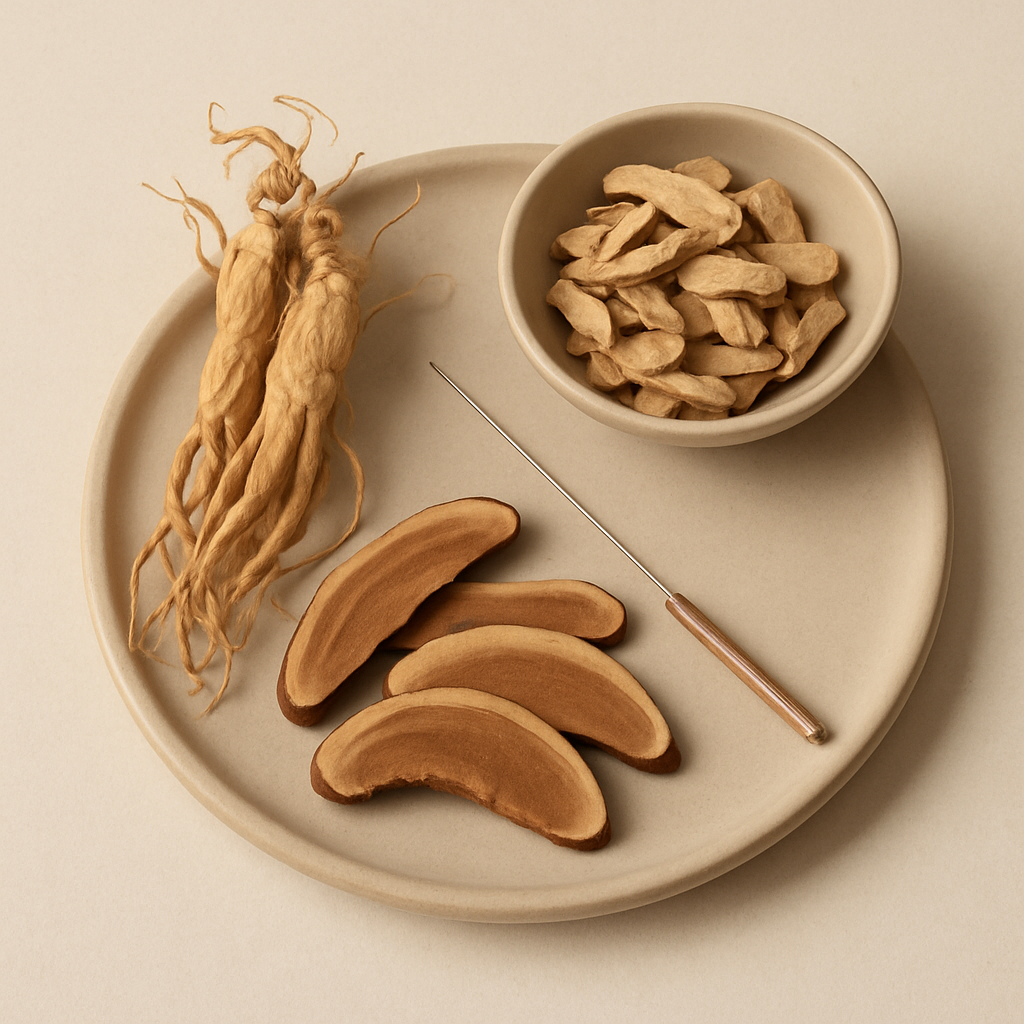
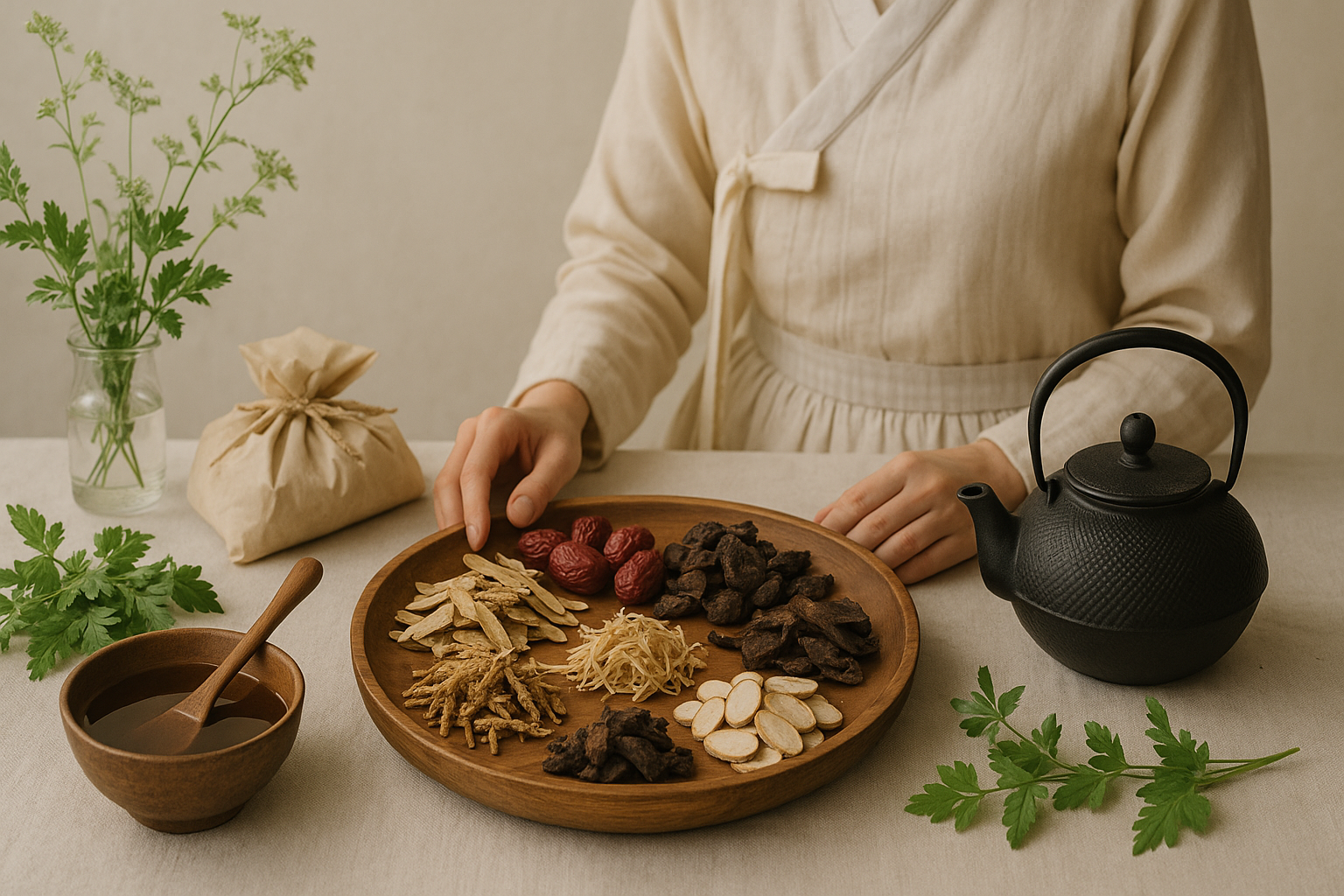
Rooted in over 2,500 years of history, TCM encompasses a variety of practices including acupuncture, herbal medicine, and qigong. This system views health as a balance of yin and yang energies and the smooth flow of qi through meridians. Diagnosis is achieved through pulse taking and observation, leading to personalized treatment plans that restore harmony.
Ayurveda
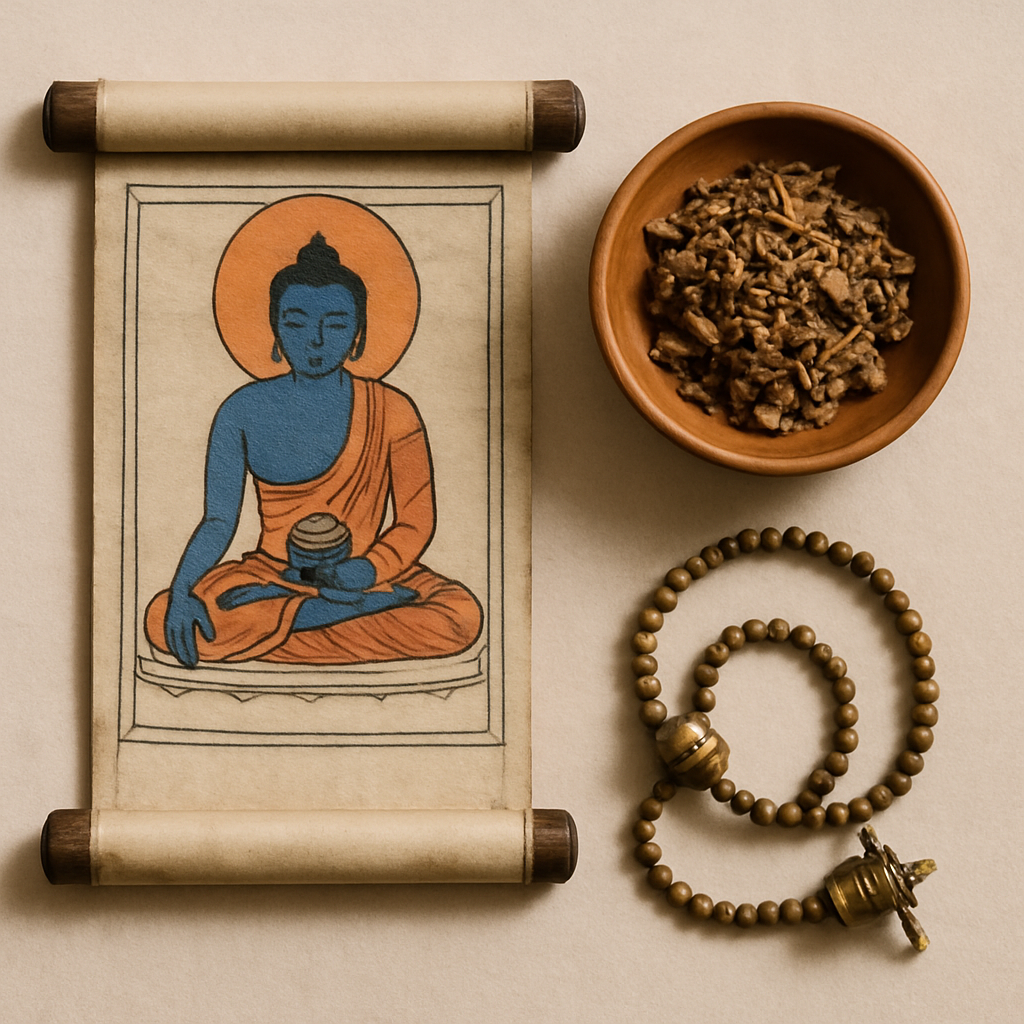
Originating in India, Ayurveda is one of the oldest medical systems in the world. It focuses on the balance of the three doshas: vata, pitta, and kapha, which represent different combinations of the elements. Ayurvedic practices include dietary recommendations, herbal remedies, and lifestyle adjustments tailored to individual constitutions, aiming for overall wellness and longevity.
Unani Medicine
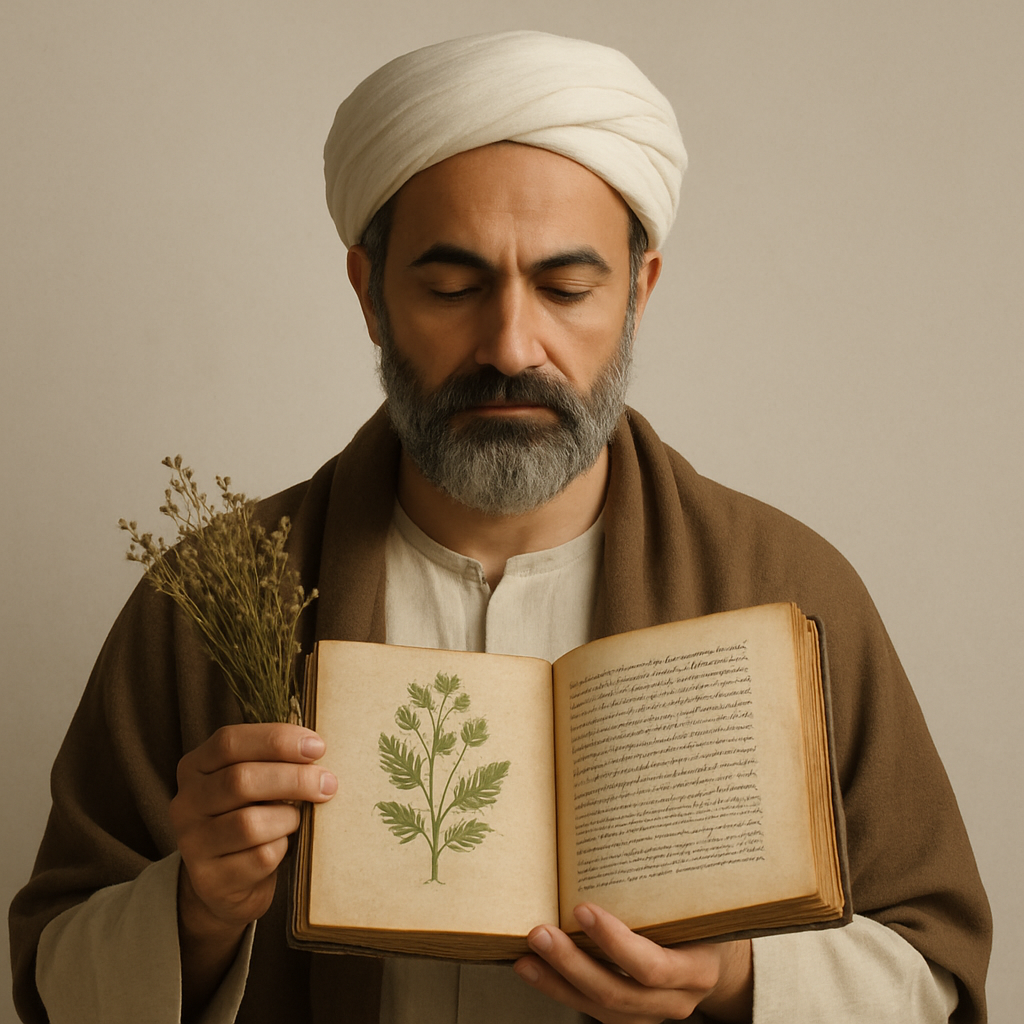
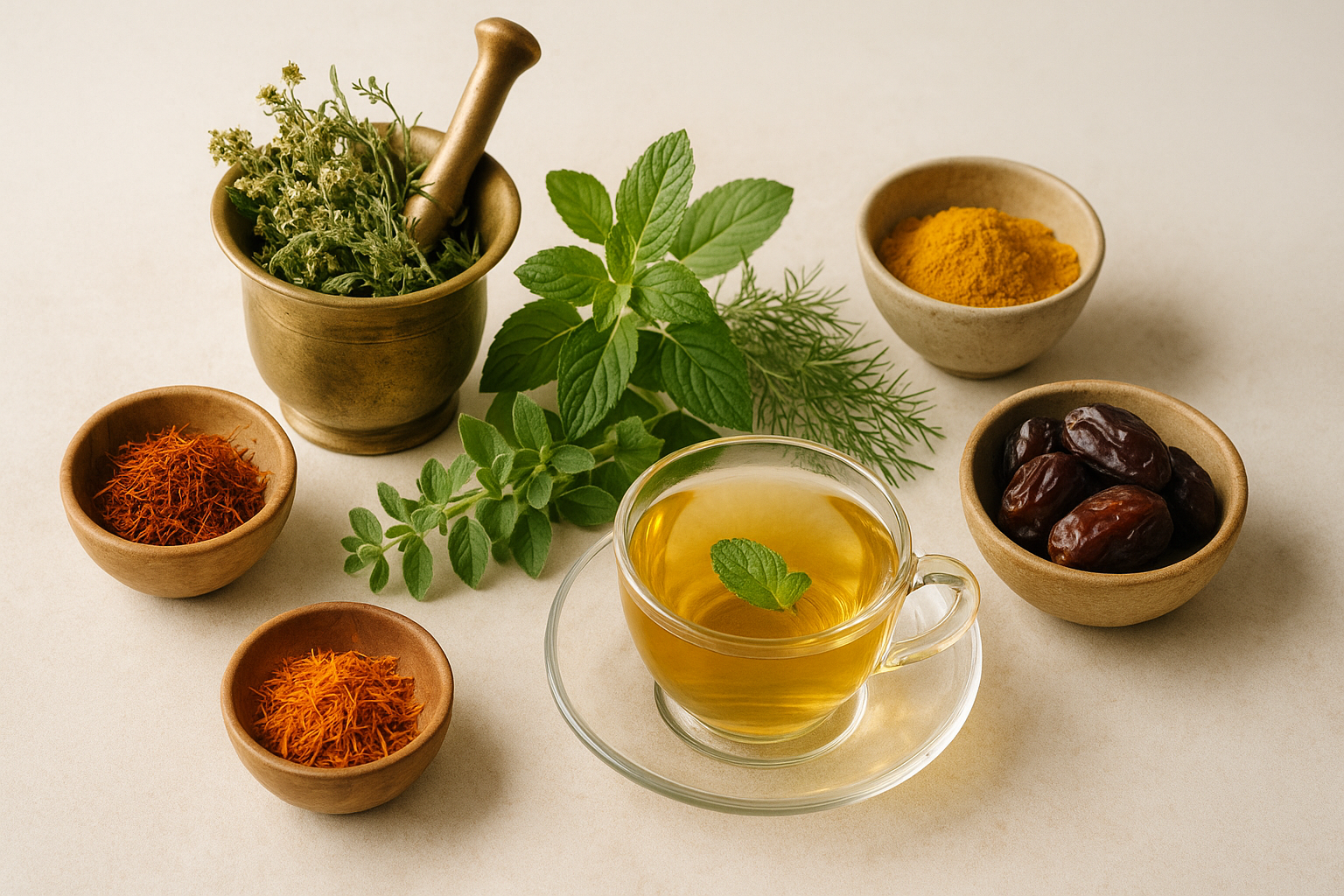
Unani medicine, with roots in ancient Greece and further developed in the Islamic Golden Age, emphasizes the balance of bodily humors. This system combines herbal treatments, dietary guidelines, and therapeutic practices to promote health and is traditionally explored for illnesses, often integrating spiritual aspects and the importance of emotional well-being.
Native American Healing
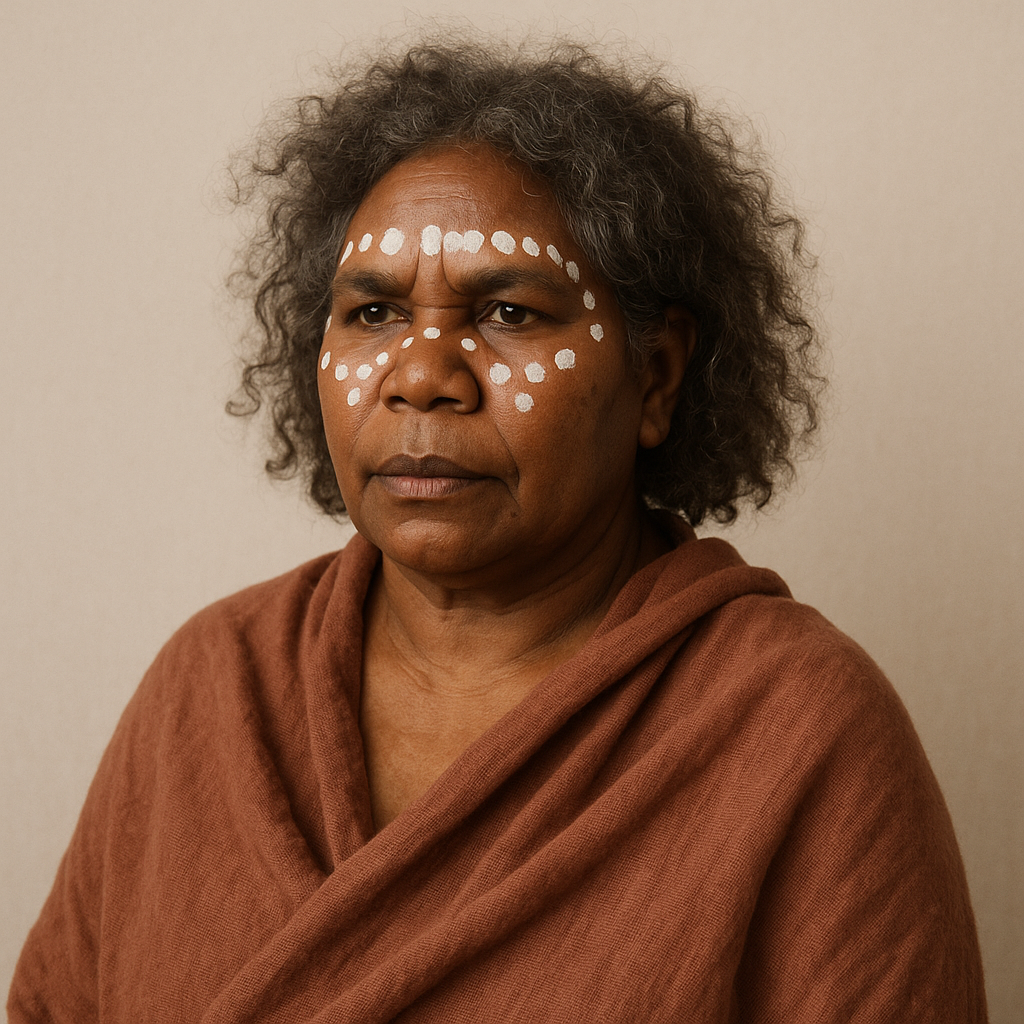
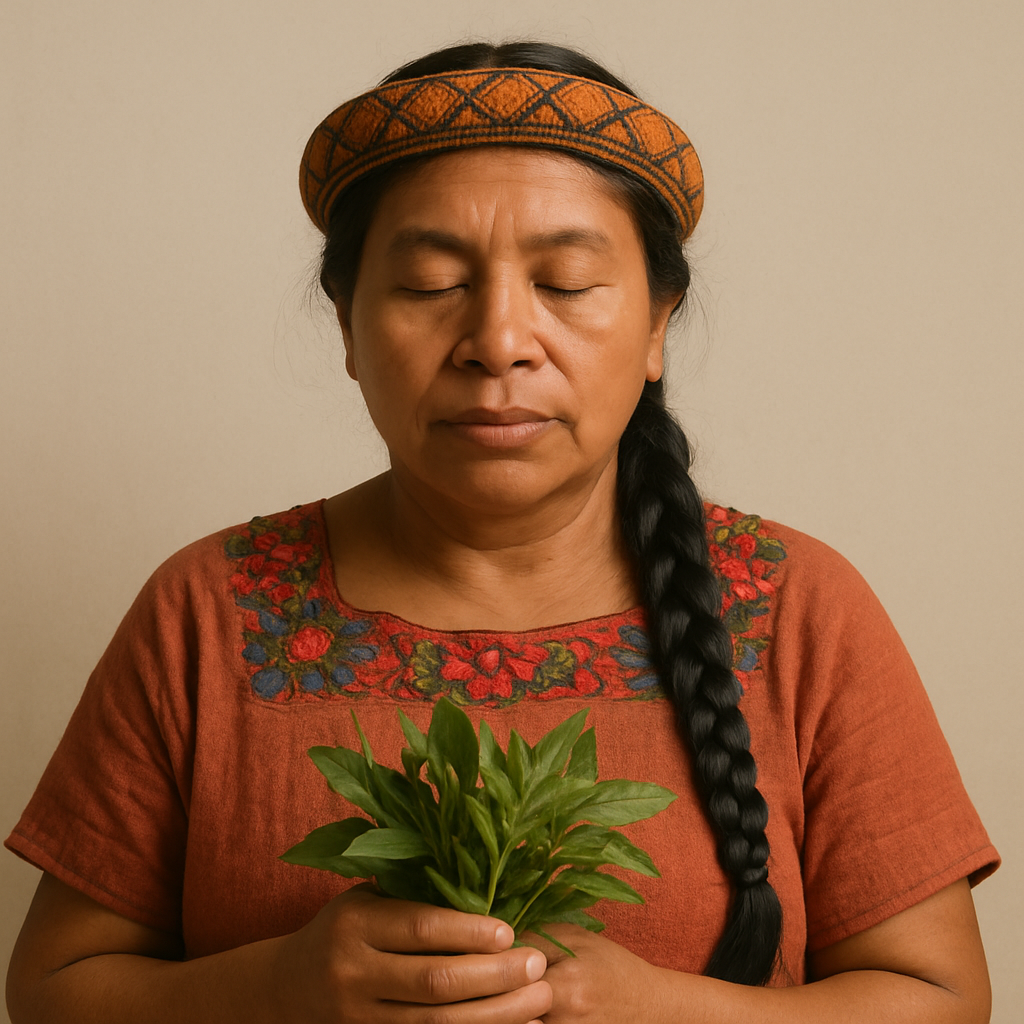
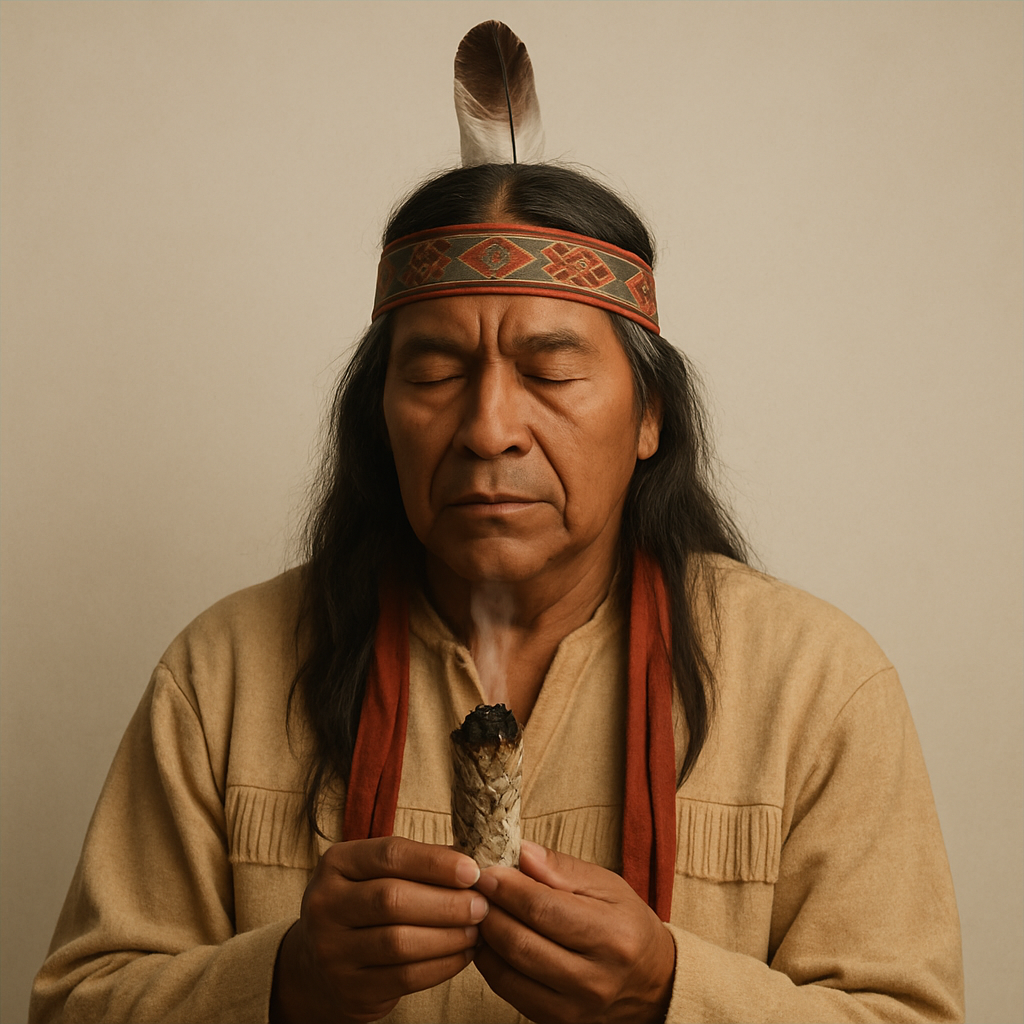
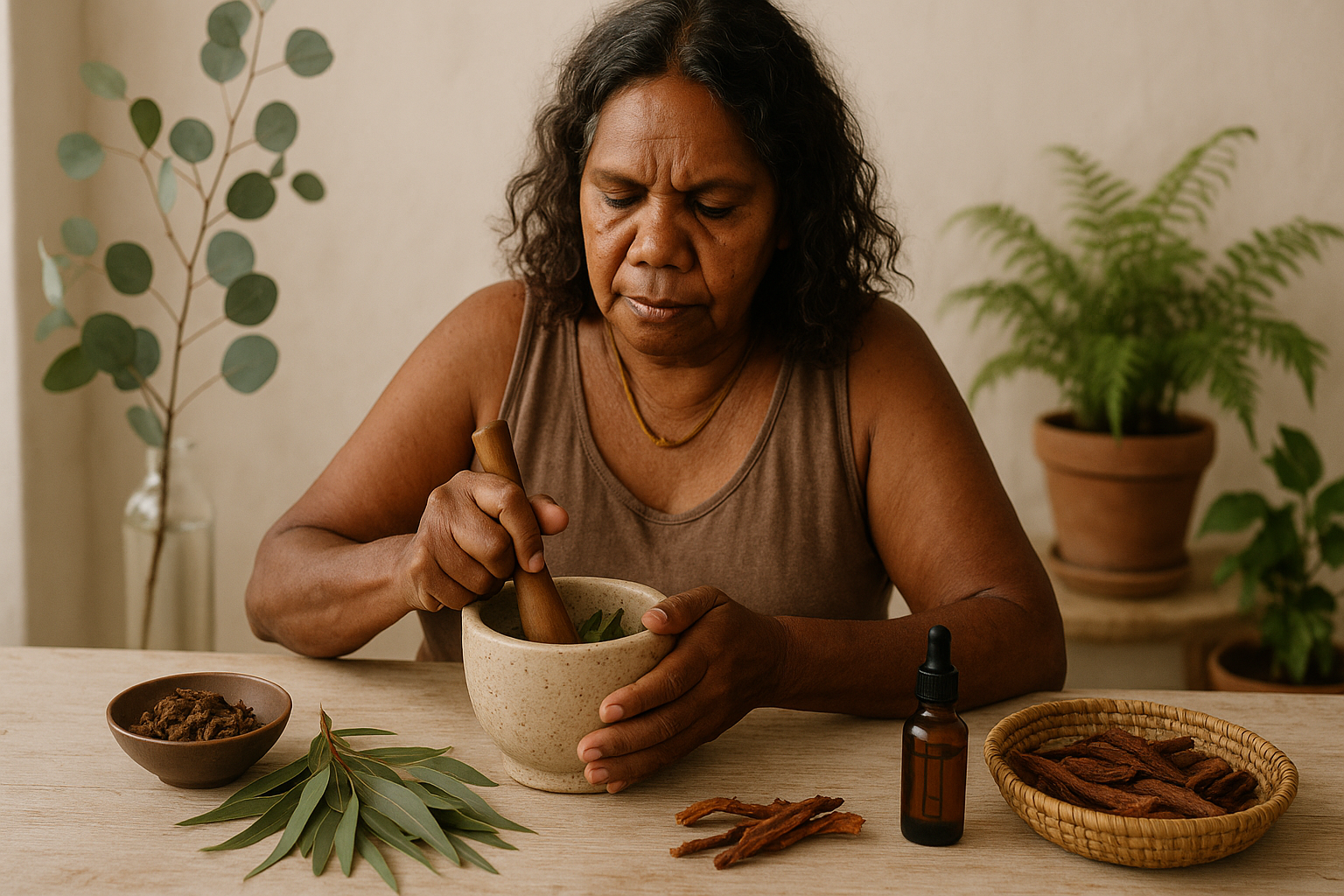
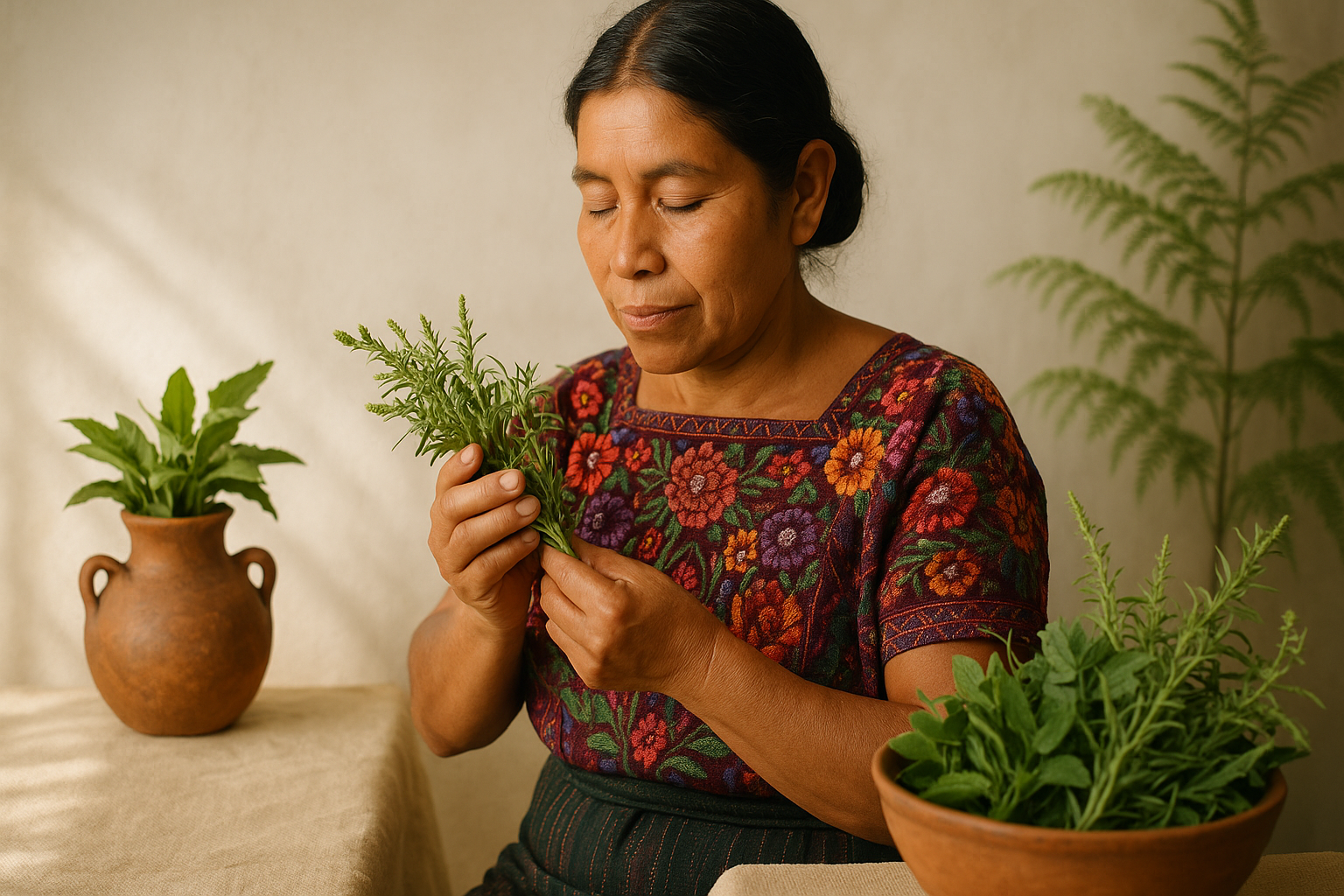
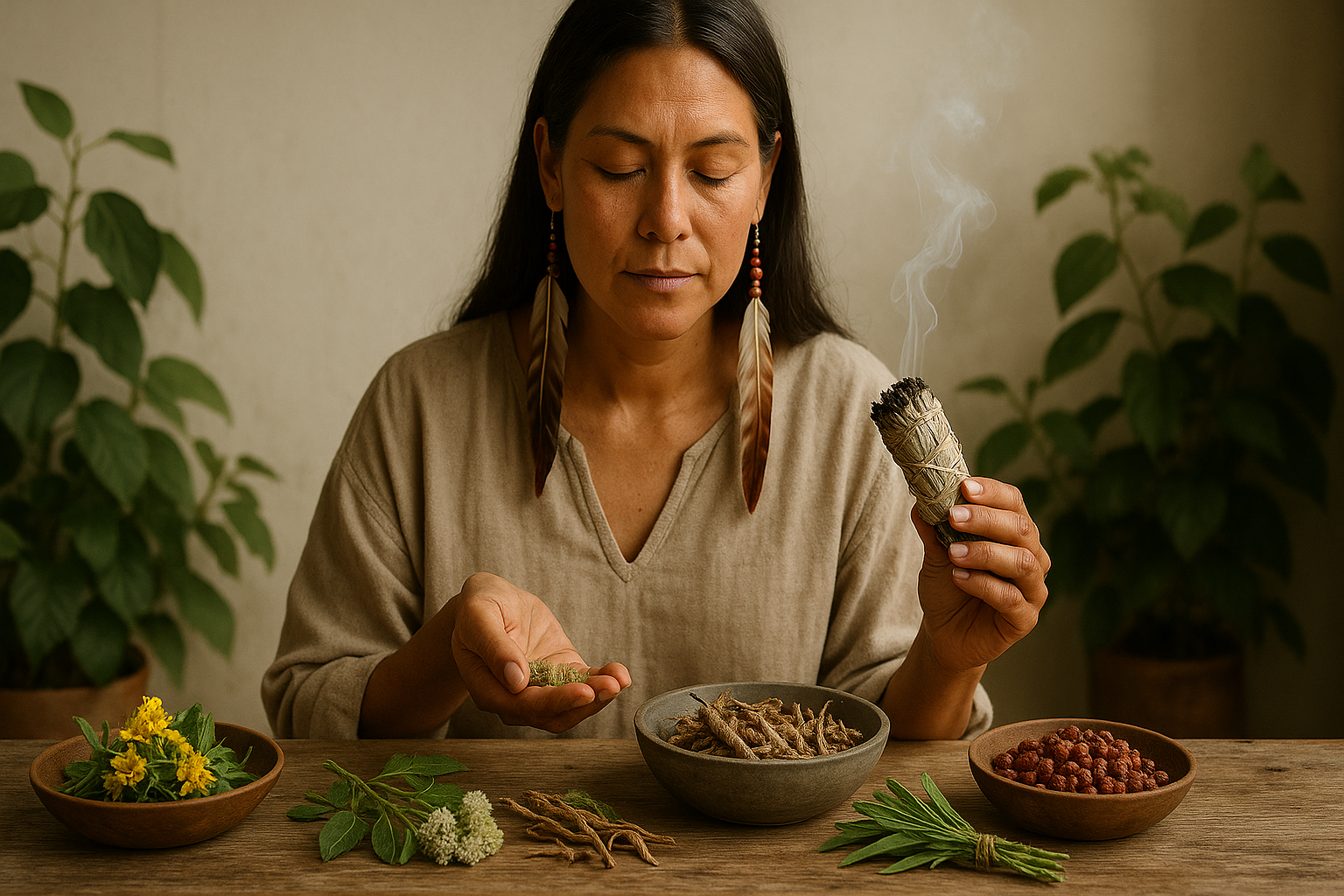
Indigenous cultures across North America have rich healing traditions that are deeply intertwined with spirituality and community. Practices often involve rituals, ceremonies, and the use of sacred plants for healing. The focus is on restoring balance not only within the individual but also with nature and the community.
African Traditional Medicine
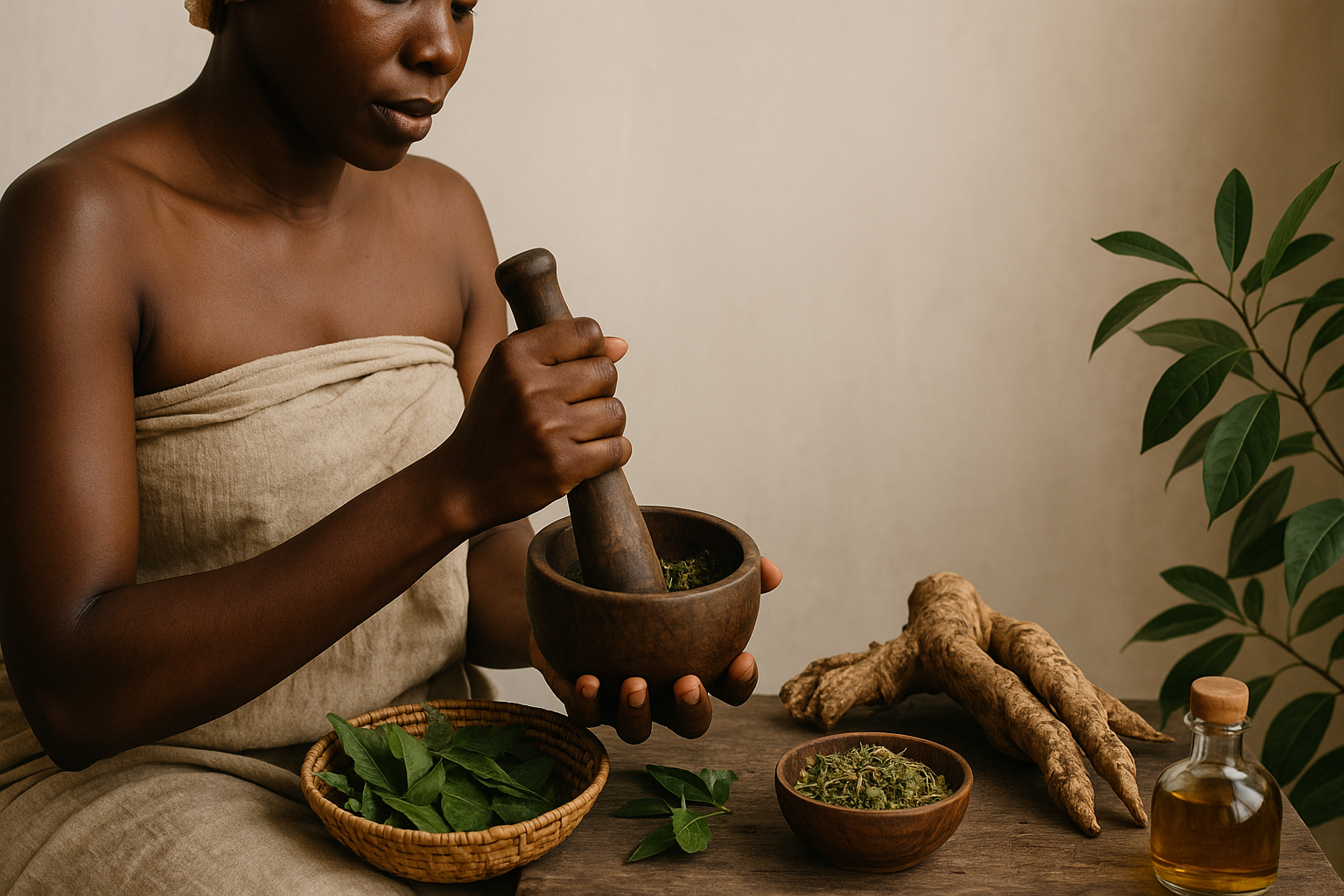
African healing systems vary widely across the continent, often based on ancestral knowledge and a profound connection to nature. Herbal medicine, divination, and community rituals play vital roles in health. These traditions emphasize the spiritual dimensions of healing, viewing illness as a disruption in the spiritual and communal fabric.
Greek Medicine
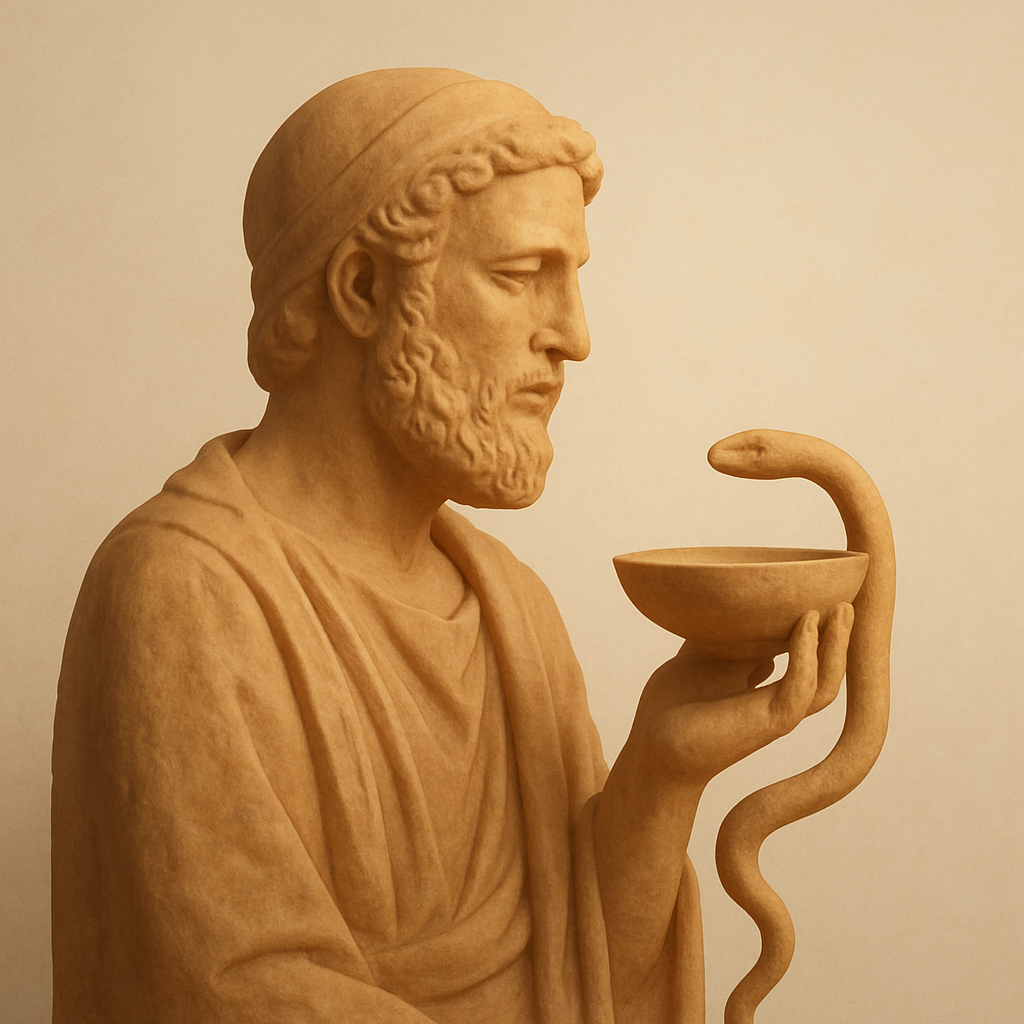
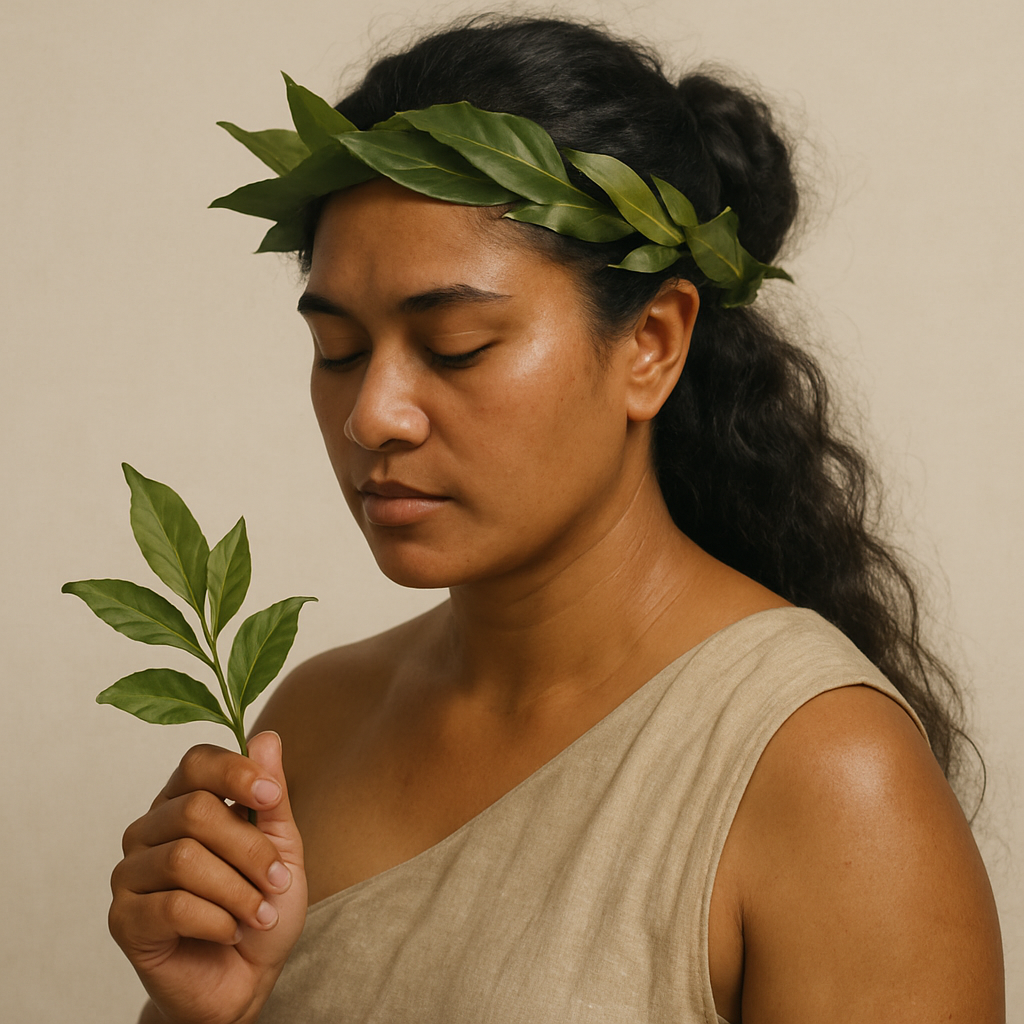
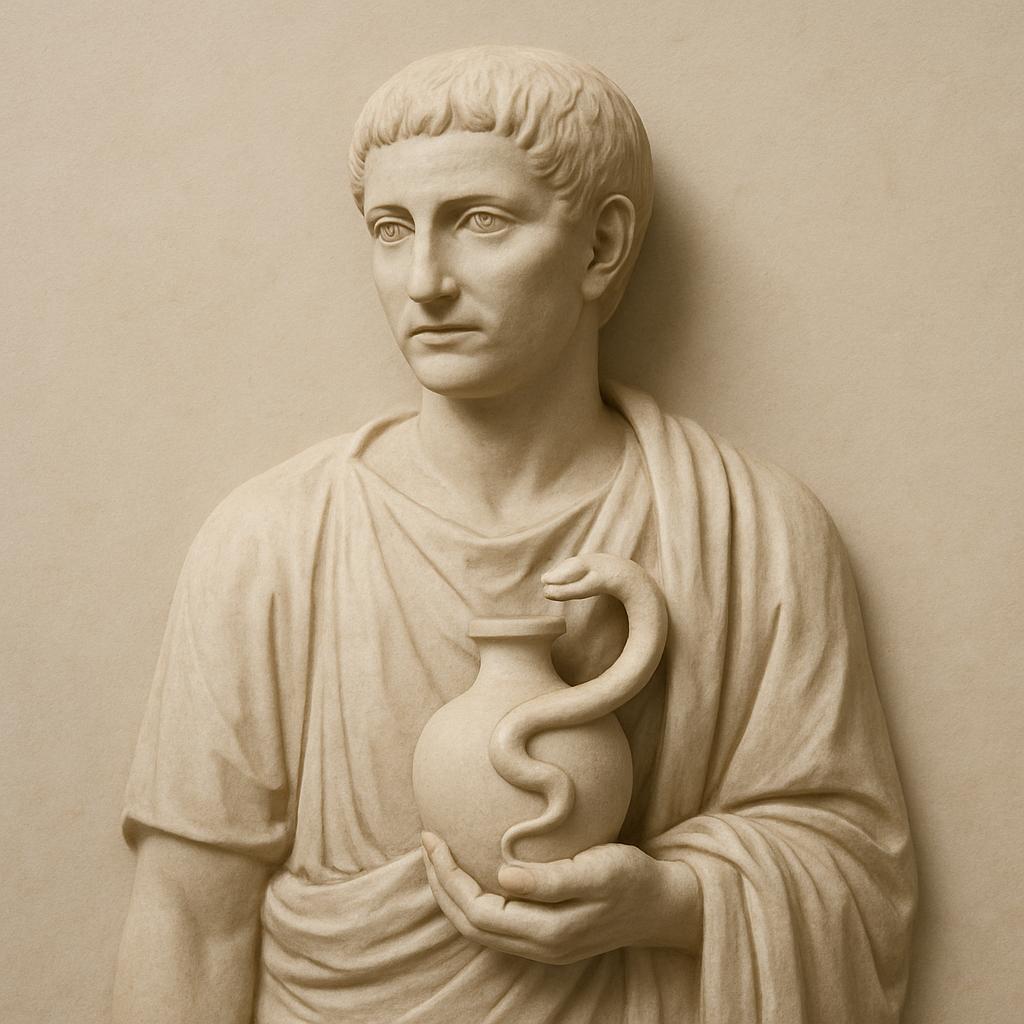
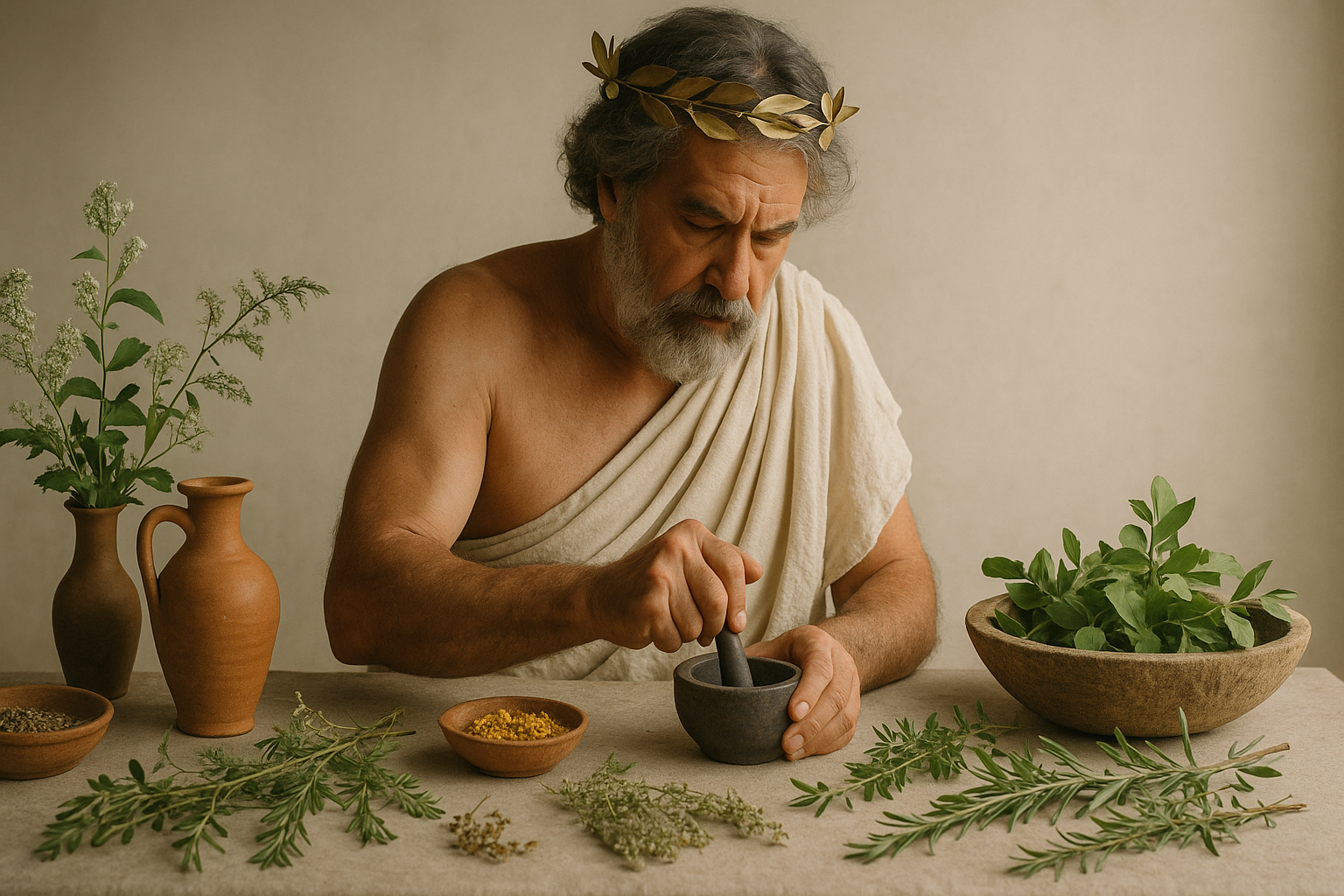
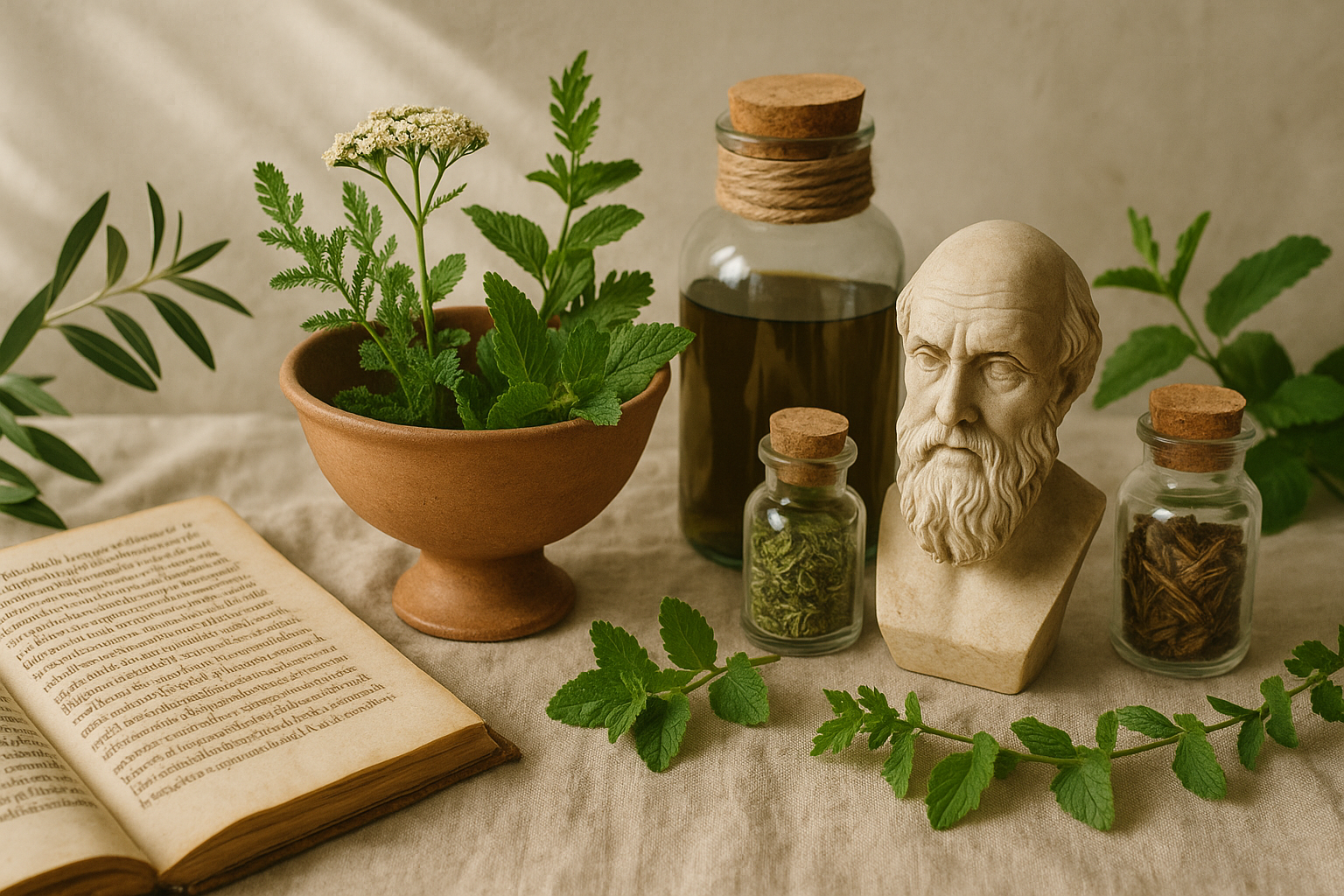
Greek medicine, particularly through the works of Hippocrates and Galen, laid the foundations for Western medical thought. It focused on the four humors and the importance of diet and lifestyle in maintaining health. This tradition has significantly influenced modern medicine while still retaining its holistic principles.
Egyptian Medicine
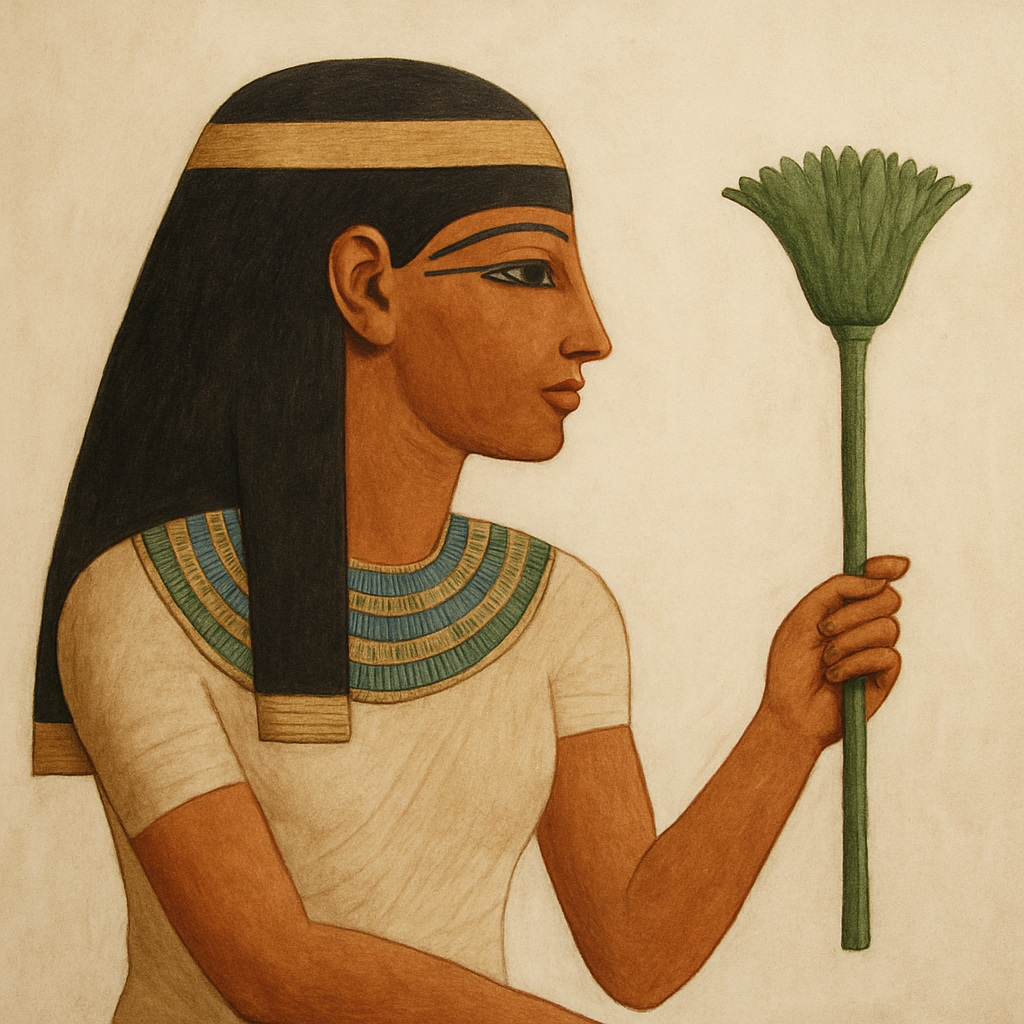
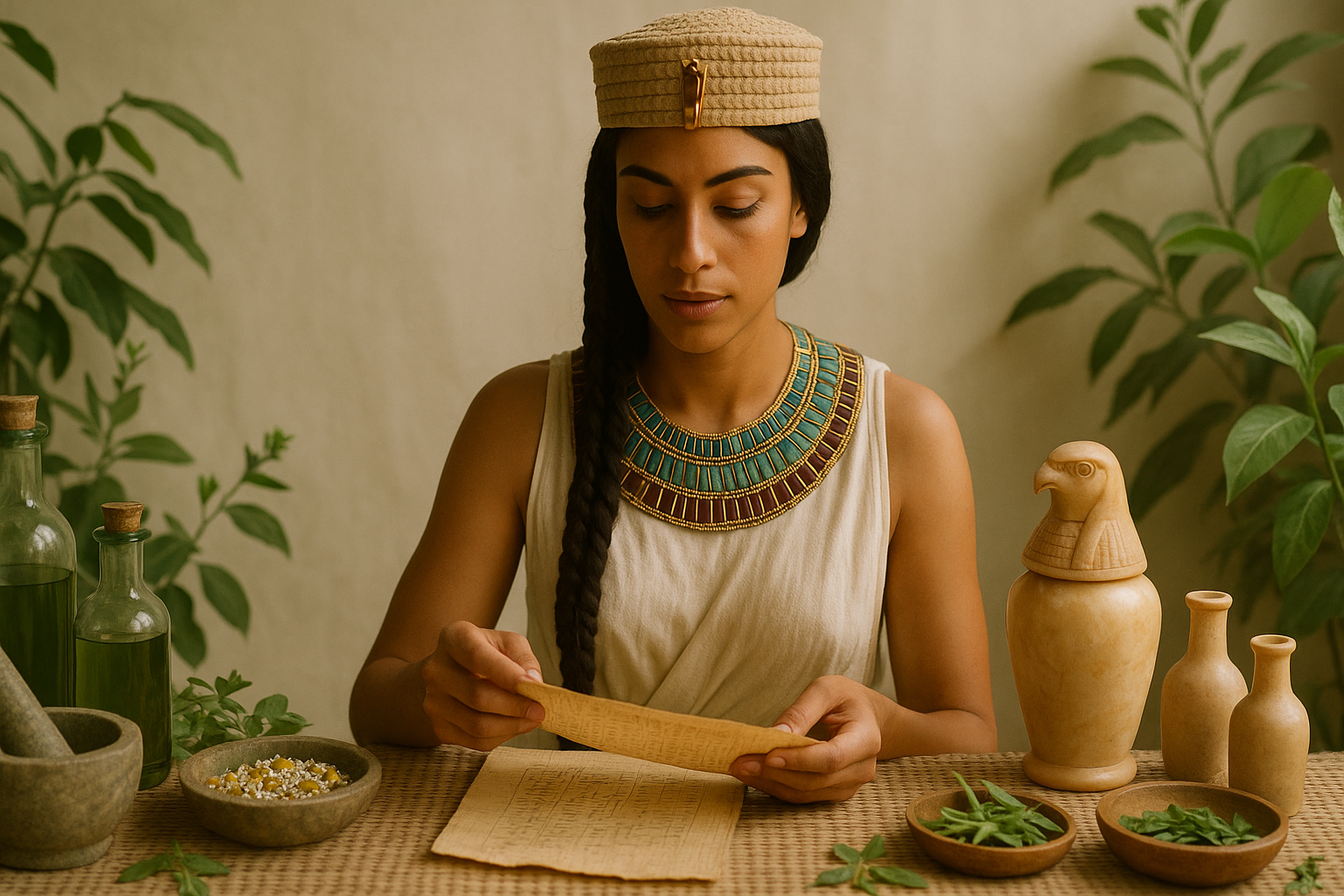
Ancient Egyptian medicine combined practical knowledge of anatomy with spiritual beliefs. Healing practices involved herbal remedies, surgical techniques, and the invocation of deities. The holistic approach recognized the interdependence of the body, mind, and spirit, laying the groundwork for future medical systems.
Common Modalities
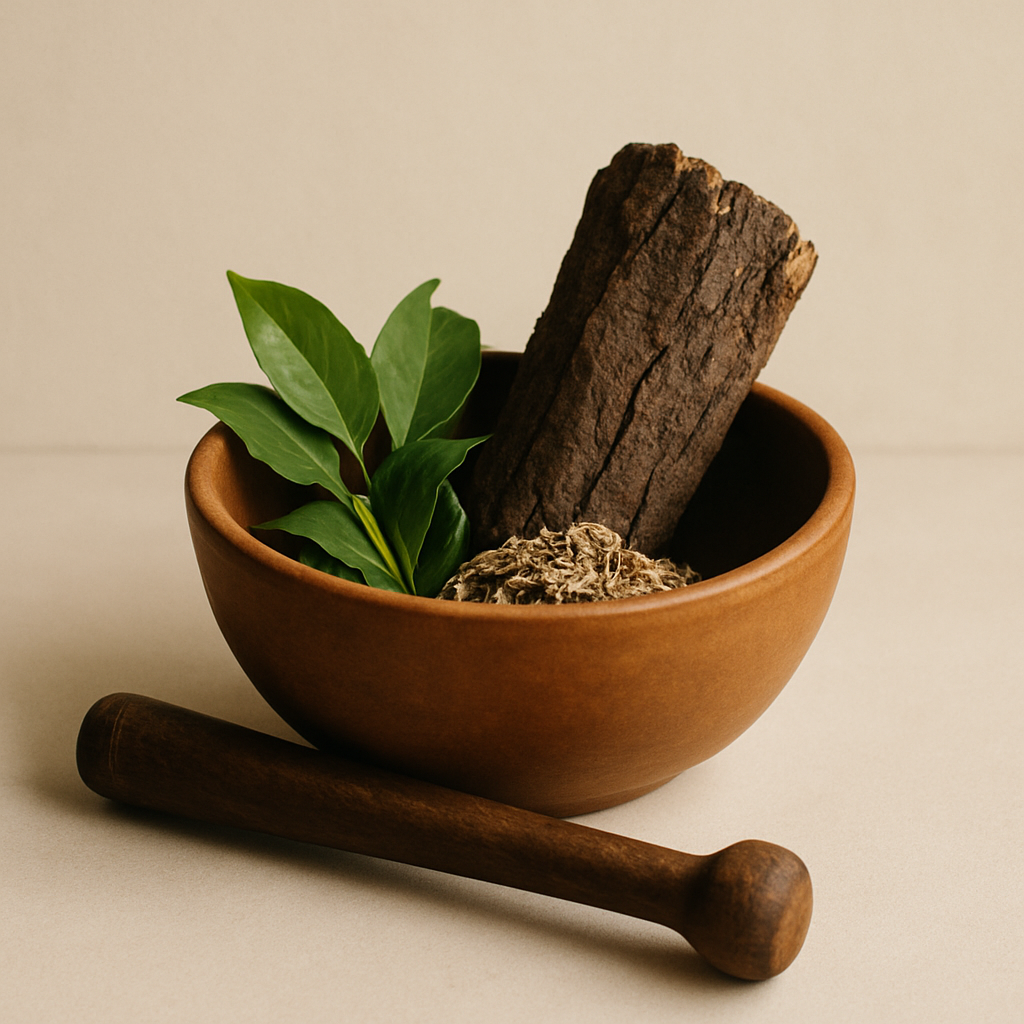
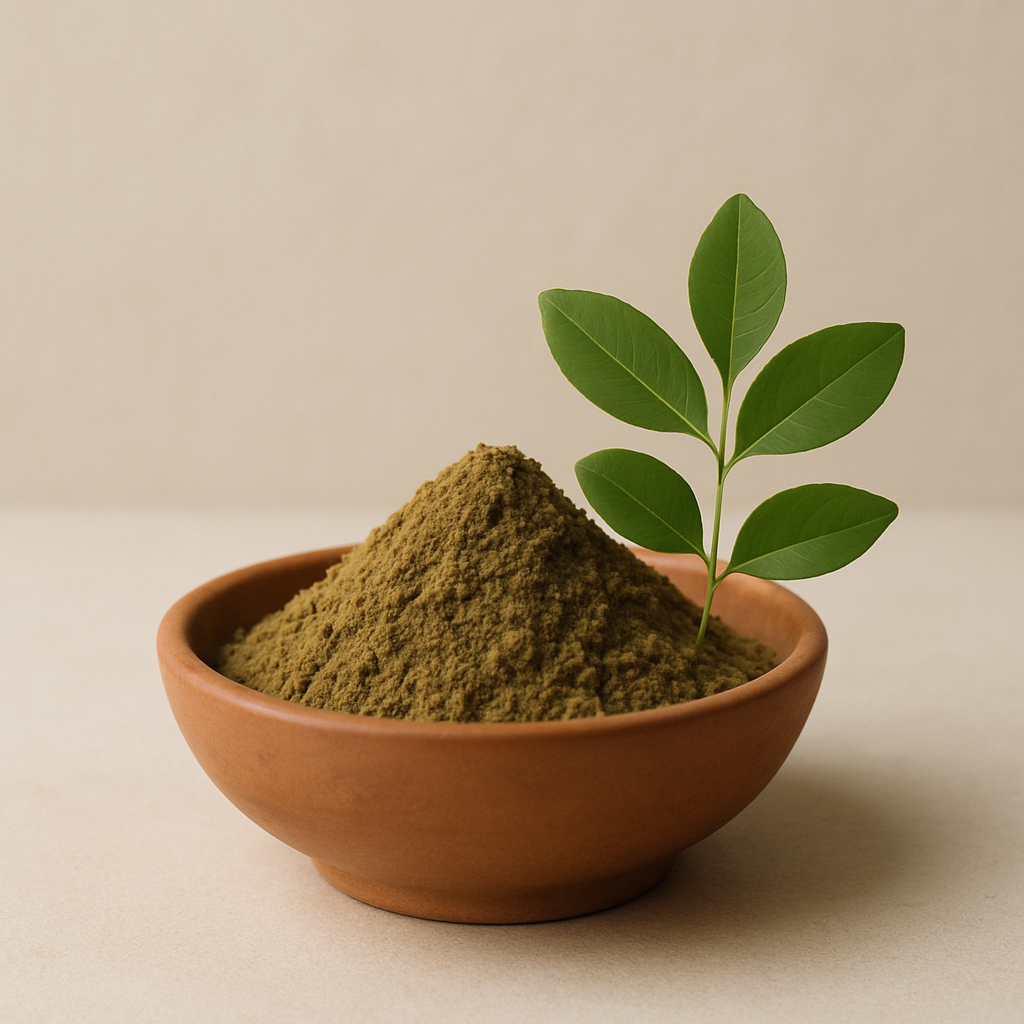
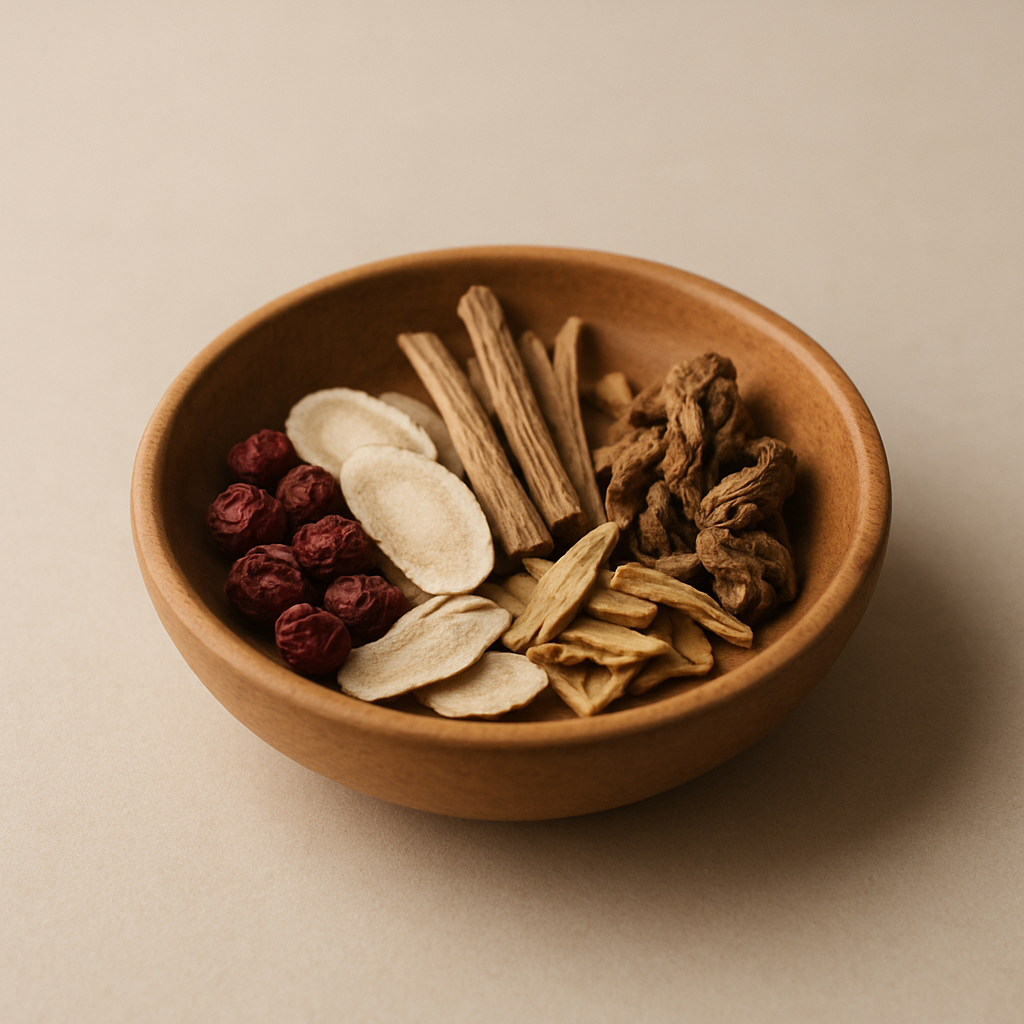
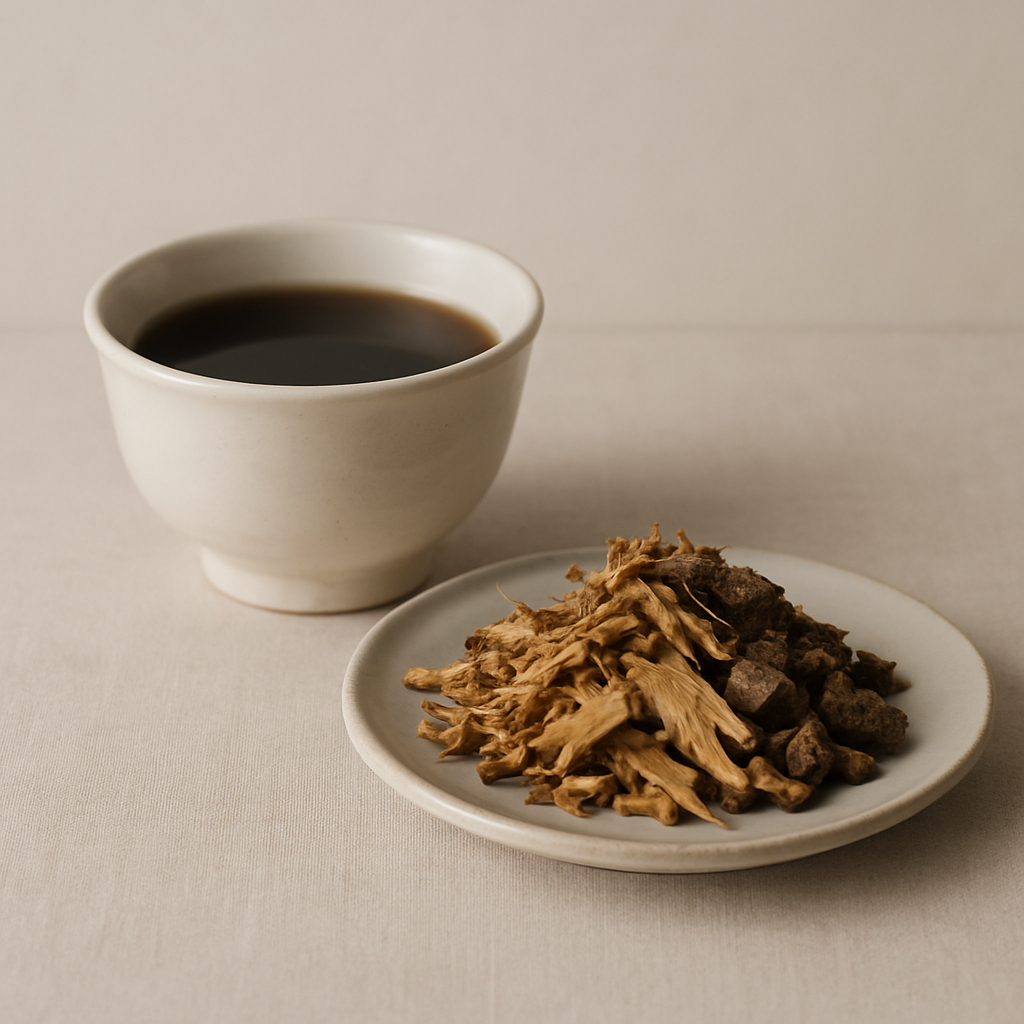
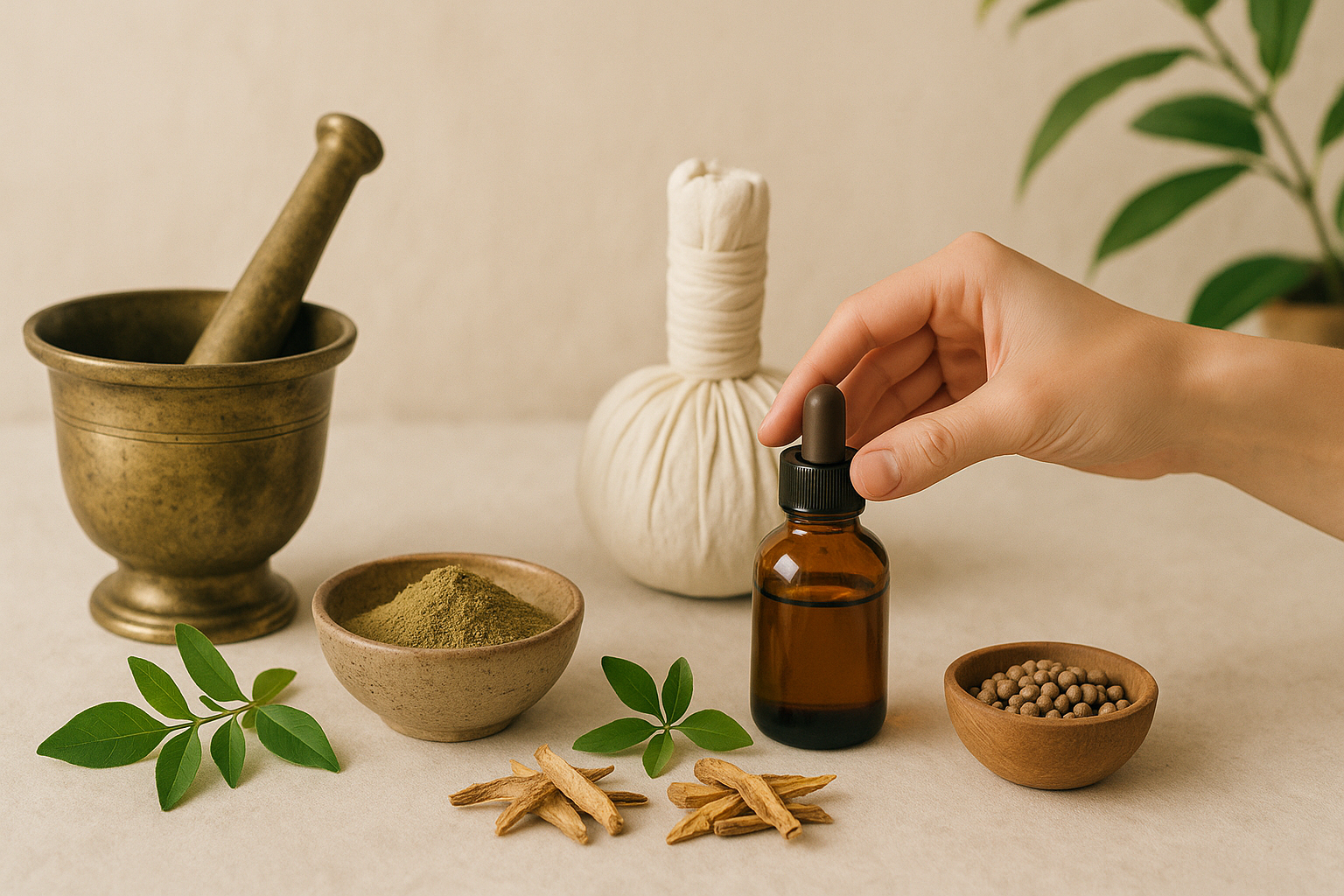
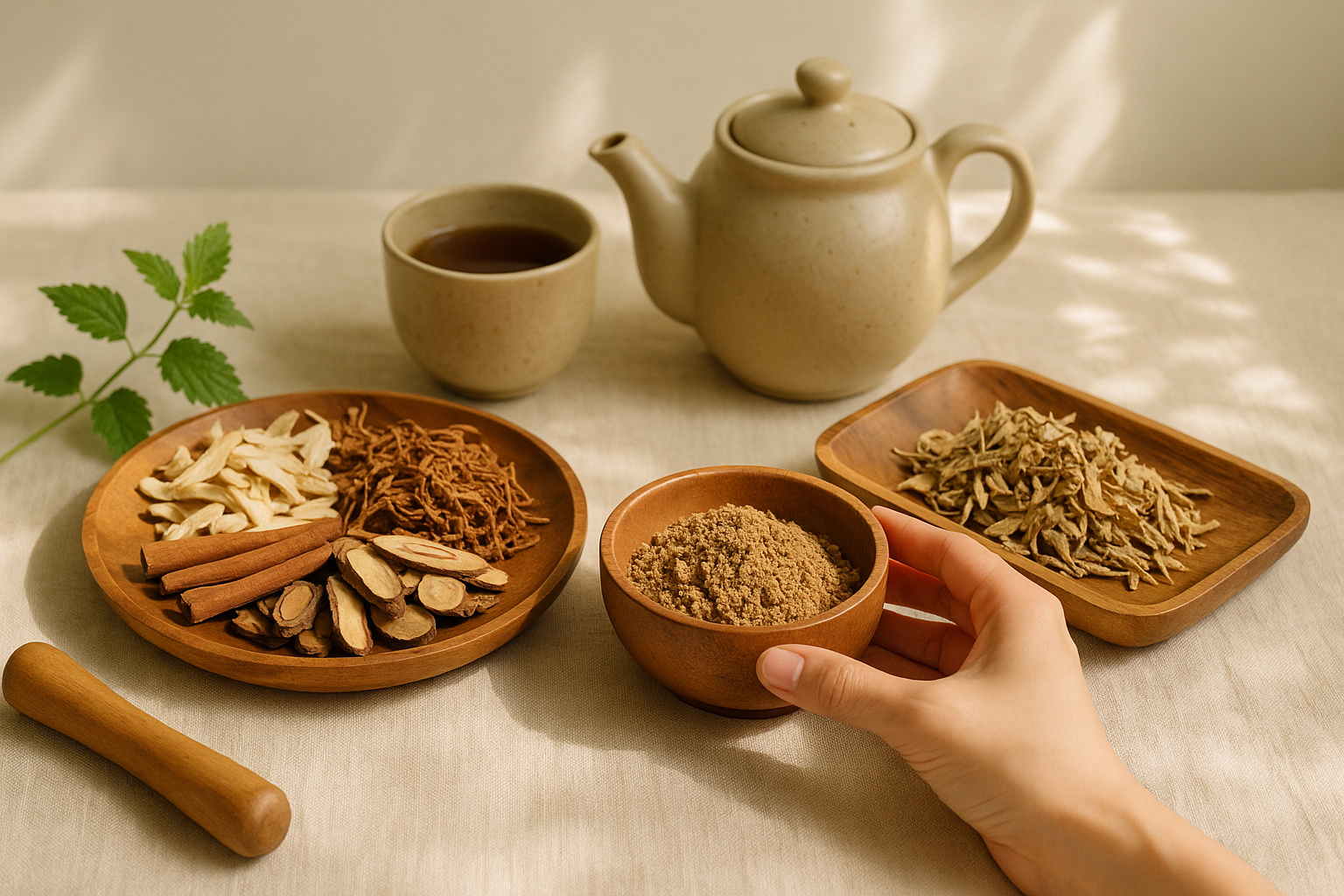
- Herbs: Used for their therapeutic properties, herbs are foundational in many healing traditions, offering natural remedies for various ailments.
- Food: Dietary practices, viewed as medicine, emphasize the importance of nutrition in maintaining health.
- Movement: Practices like yoga or tai chi promote physical health and mental clarity through mindful movement.
- Breath: Breathwork techniques are employed to enhance energy flow and relaxation.
- Ritual: Rituals create a sacred space for healing and connection to the spiritual realm.
- Energy Work: Techniques such as Reiki focus on balancing energy fields within the body.
- Bodywork: Massage and other body therapies aim to release tension and promote circulation.
- Fasting: Cleansing through fasting is seen as a way to reset the body and mind.
- Fire/Water: Elements are often incorporated in healing practices, symbolizing transformation and purification.
- Sound: Sound healing utilizes vibrations to promote relaxation and healing.
- Prayer: Spiritual practices are integral in many traditions, fostering a connection to a higher power.
Goals People Pursue Within Ancient Wisdom
Individuals turn to Ancient Wisdom for various reasons, including:
- Healing chronic patterns: Addressing long-standing health issues through holistic approaches.
- Prevention: Emphasizing lifestyle changes and natural remedies to maintain health.
- Life-stage support: Tailoring practices to align with different life phases, such as pregnancy or aging.
- Spiritual connection: Seeking deeper understanding and connection to self and the universe.
- Lineage honoring: Respecting and preserving ancestral knowledge and practices.
Safety & Ethics
As interest in Ancient Wisdom grows, it is crucial to approach these traditions with respect and caution. Finding qualified practitioners who honor the cultural origins of these practices is essential. Integration with modern care should be done thoughtfully, ensuring that traditional approaches complement rather than replace evidence-based medicine. Cultural appropriation must be avoided, with an emphasis on ethical practice and appreciation of the wisdom offered by these traditions.
How Ancient Wisdom Connects to the Other Pillars
Ancient Wisdom serves as a bridge to both Natural Remedies and Modern Wellness. Many plants used in traditional medicine are also recognized in contemporary herbalism, while the holistic approaches of Ancient Wisdom align with functional and integrative health models. This interconnectedness emphasizes the importance of a comprehensive approach to health that honors both ancient knowledge and modern advancements.
FAQs
- What is Ancient Wisdom? Ancient Wisdom encompasses traditional healing practices and philosophies that have been used for millennia to promote health and well-being.
- How can Ancient Wisdom benefit my health? Ancient Wisdom offers holistic approaches to healing, emphasizing balance and natural remedies that can support physical, emotional, and spiritual health.
- Are there risks associated with Ancient Wisdom practices? Yes, it is important to seek qualified practitioners and to integrate these practices ethically with modern healthcare.
- Can Ancient Wisdom be used alongside modern medicine? Many individuals find that Ancient Wisdom complements modern medicine, but it is essential to discuss this with healthcare providers.
- What are some common modalities in Ancient Wisdom? Common modalities include herbs, nutrition, movement, breathwork, and ritual practices.
- How do I find a qualified practitioner of Ancient Wisdom? Research practitioners' credentials, seek referrals, and ensure they respect the cultural origins of the practices they offer.
Explore Ancient Wisdom
15 subcategories