Understand Your Hormonal Health
Adapt Healthy Habits to Midlife Changes
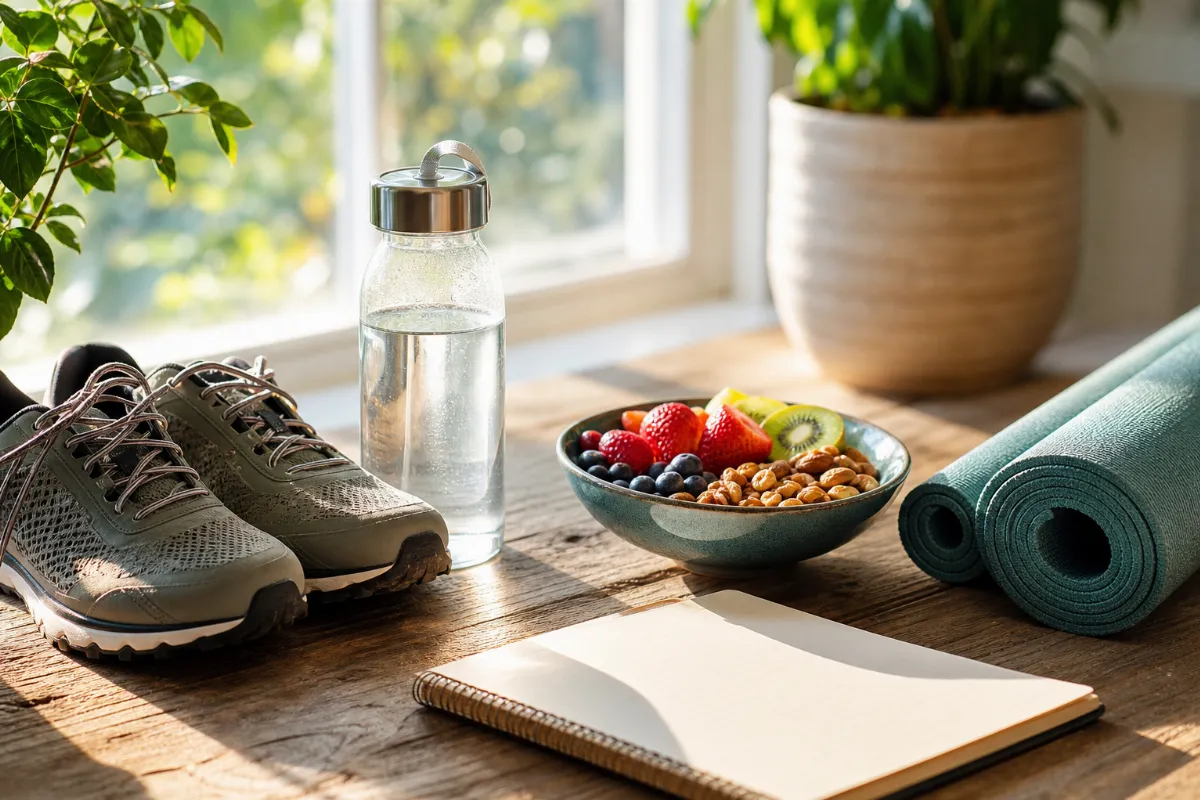
In the midlife years, usually the 40s and 50s, bodies change: periods and sleep may shift, muscle and bone need more attention, weight tends to settle around the middle, and mood or energy can feel different. This page is about adjusting everyday habits (movement, food, sleep routines, bone care and coping) to fit those changes; hot flashes, menopause care, hormone tests and weight each have their own pages.
General information, not medical advice. Last updated November 1, 2026. Written by the AlternativeMed editorial team. Not medically reviewed.
Start here
- Keep moving most days and add strength and weight-bearing exercise: health agencies advise at least 150 minutes of moderate activity a week plus muscle strengthening, which also helps protect bones.
- Keep to regular sleep and wake times, a cool bedroom and a balanced diet with enough calcium and vitamin D, and cut back on smoking and alcohol.
- Write down which changes bother you most (periods, sleep, mood, memory, energy, sex drive) and bring the list to a clinician, because treatments exist and many midlife symptoms have other, treatable causes.
Be careful with
- Do not assume every symptom is just midlife. Tiredness, low mood, weight change and palpitations can have other causes, so a check is worthwhile if they are new, strong or lasting.
- Herbal and 'hormone balance' products are not tested and regulated like medicines, may interact with prescribed medicines, and a few have been linked to liver problems. Ask a pharmacist or doctor first, and never stop or change a prescribed medicine on your own.
- You can still become pregnant during perimenopause. Agencies advise continuing contraception for a set time after the last period, so ask a clinician before stopping it.
Get help when
- Any vaginal bleeding after 12 months without a period, bleeding after sex or between periods, very heavy bleeding, periods very close together, or periods lasting more than a week.
- Palpitations, a fast or unusual heartbeat, or symptoms that disrupt work, relationships or daily life.
- Low mood, anxiety or loss of interest that keeps coming back or does not lift. If you are thinking about harming yourself, call or text 988 in the US (named by the US Office on Women's Health) or contact your local emergency services right away.
About Adapt Healthy Habits to Midlife Changes
What this goal means
Midlife is the stretch of adult life when the body begins to change gradually: for women, the menopausal transition (perimenopause) usually starts between about 45 and 55, and the average age at menopause in the US is 52. Menopause is not a disease; it is a normal part of ageing, and some people have few or mild symptoms.
This goal is about habits: how to adapt what you eat, how you move, how you sleep, and how you look after your bones, muscles and mood while these changes happen. It covers people of any gender in their 40s to 60s. It does not repeat the pages on hot flashes, menopause treatment, hormone tests or weight, which are linked below.
1,2Common experiences
For women, the NHS lists changes to periods, hot flushes and night sweats, sleep problems, mood changes, poor memory and brain fog, weight gain around the stomach, vaginal dryness, more urinary infections or urinary symptoms, palpitations, muscle and joint aches, hair thinning, skin changes, lower sex drive and mouth problems. Symptoms usually last 7 to 9 years, sometimes longer, and they can change over time.
Men can also notice changes in their late 40s and 50s: lower mood or drive, poorer sleep, loss of muscle, a larger belly, trouble concentrating, and changes in sex drive or erections. The NHS calls the term 'male menopause' misleading: testosterone falls gradually, about 1% a year from the age of 30 to 40, and in many cases the symptoms are not hormonal.
2,3What contributes
In women, the ovaries make less oestrogen and progesterone during the transition, and these hormone changes may explain many symptoms. Smoking is linked to earlier menopause and more severe symptoms. The body also begins to use energy differently, fat distribution changes and weight is gained more easily.
MedlinePlus notes that with ageing some hormones fall, some stay about the same and some rise, and that tissues can become less sensitive to hormones. Other everyday factors matter too: stress, family and work demands, sleep loss, low activity, a poor diet, alcohol and smoking can all produce similar symptoms in both women and men.
1,4,3Conditions that can look like midlife changes
Thyroid problems, depression, anxiety, sleep apnea and anaemia can cause tiredness, mood change, poor sleep or weight change, and they are treatable. In men, the NHS says a true testosterone deficiency in later life is an uncommon, specific medical condition and not a normal part of ageing; it is diagnosed with symptoms and blood tests.
That is why a clinician check matters when symptoms are strong, new or lasting, rather than assuming everything is midlife.
3,2Realistic expectations
Habits cannot stop the menopausal transition or the gradual hormone changes of ageing, and no food or supplement 'balances' hormones. What habits can do is protect bones, muscle and heart health, ease some symptoms, and help you feel more in control. The NIA notes that many women do not need treatment for their menopause symptoms, and for those who do, options include lifestyle changes, non-hormone medicines and hormones.
Evidence that lifestyle changes reduce hot flashes specifically is weak (see below), so judge habits by their wider benefits.
1,5Who this applies to
Women in perimenopause, menopause and after; people whose periods stopped because of surgery or medical treatment (symptoms can start immediately, and a clinician can advise); men in their late 40s to 60s noticing energy, mood or sex-drive changes; and anyone who simply wants to adjust their habits for the next decades of life. Younger people with periods that stop or symptoms before about 45 should see a clinician rather than assume it is midlife.
1,2Related conditions and symptoms
Perimenopause and menopause → Thyroid problems and fatigue → Osteoporosis and bone health → Testosterone and low testosterone → Sleep apnea → Anxiety disorders →
A manageable starting plan
An educational starting point, not a personal prescription. Adjust it to your own situation and any advice from your clinician.
Your first actions
- Choose one movement habit you can keep (such as brisk walking most days) and add muscle-strengthening work on two days a week.
- Set a regular sleep and wake time, keep the bedroom cool, and cut back on alcohol and smoking.
- Add a calcium source and look at vitamin D with your clinician; keep meals varied and balanced.
Optional additions
- Try a CBT-based programme, yoga, tai chi or meditation for stress and sleep.
- Review your triggers and drop only those that set off hot flashes.
- Book a bone-health or general midlife check-up if you are due.
What to track
- A two-week note of symptoms, sleep, mood and what makes them better or worse.
- Weekly minutes of activity and strength sessions.
- Your period pattern (if you have periods) and any bleeding that is new.
When to reassess
Give habit changes 4 to 8 weeks. If symptoms still disrupt work, relationships or sleep, or if anything on the warning list appears, speak to a clinician. Review your plan with a clinician once a year, as the NIA advises.
When to seek professional support
- A doctor, nurse or pharmacist for symptoms, medicines and supplements.
- A therapist for low mood, anxiety or sleep trouble.
- A trainer or physiotherapist for safe strength work, especially with bone or joint problems.
What helps
Ordered by how well the research supports each step. Evidence strength is shown on every card; precautions sit next to the advice.
Start here
Regular physical activity, most days
Moderate certaintyAddresses: Better overall health, mood, sleep and body fat in adults
Why it may help: The WHO says regular activity helps prevent and manage heart disease, type 2 diabetes and some cancers, reduces symptoms of depression and anxiety, improves sleep and brain health, and that any amount is better than none. Its target for adults is at least 150 minutes of moderate-intensity activity a week. The NHS also lists regular exercise among things that can help menopause and perimenopause symptoms such as low mood and sleep.
How to apply it: Pick walking, cycling, swimming, dancing or sport you enjoy, build up gradually, and spread it through the week.
Who it may suit: Most midlife adults.
Precautions: If you have heart disease, high blood pressure, diabetes, joint problems or have been inactive, check with a clinician first. Stop and seek urgent care for chest pain, fainting or severe breathlessness.
6,7Strength and weight-bearing exercise
Moderate certaintyAddresses: Helps protect bones and muscle through midlife
Why it may help: The NHS advises weight-bearing exercise to build strength, which can help protect against weakening bones, such as walking, running, dancing and resistance exercises like using weights. The NIA lists strength training, walking, hiking, stair climbing, tennis and dancing as weight-bearing options, and the WHO says muscle strengthening benefits everyone. A review of 12 small trials in postmenopausal women found resistance training was linked with better functional capacity and bone density, but the certainty was very low to low.
How to apply it: Include muscle-strengthening work on at least a couple of days a week and learn the movements with a trainer or physiotherapist if you are new to it.
Who it may suit: Women after menopause; men and women who want to keep muscle and bone.
Precautions: Take advice before starting if you have osteoporosis, a recent fracture, joint or heart problems. People with osteoporosis are advised by the NIA to avoid forward bends and spine twists, so ask for guidance.
7,8,6,9Maintain the Muscle You Have → Osteoporosis and bone health →
A balanced diet with enough calcium and vitamin D
Moderate certaintyAddresses: Supports bone health and general health
Why it may help: The NIA's midlife tips are to eat a healthy diet, get enough calcium and vitamin D, stay active, keep a healthy weight, and limit alcohol and avoid smoking. The NHS suggests calcium-rich foods such as milk, yoghurt and kale, and some sunlight on the skin for vitamin D. The NIA lists low-fat dairy, leafy greens, fish and fortified foods as calcium sources and says to talk with a doctor about a supplement if your vitamin D level is low.
How to apply it: Build meals around vegetables, fruit, wholegrains, protein foods and calcium sources. Ask a clinician about testing or supplements instead of guessing.
Who it may suit: Most midlife adults, especially women after menopause.
Precautions: Calcium or vitamin D supplements have upper limits and can interact with medicines; confirm with a pharmacist or doctor, especially with kidney disease.
10,7,8A short symptom list for your appointment
Low certaintyAddresses: Makes the visit more useful and may reveal other causes
Why it may help: The US Office on Women's Health suggests telling your provider which symptoms bother you most and bringing your health history, any hormone therapy you have used and how long since your last period. The NHS says early advice can reduce the effects of menopause and perimenopause on health, relationships and work. The NIA also points to an online tool, My Menoplan, to build a personal plan.
How to apply it: Note symptom, how often, how much it bothers you, and what seems to trigger or ease it, for a couple of weeks before you go.
Who it may suit: Anyone with symptoms that bother them.
Precautions: A list helps conversation but does not diagnose anything.
11,2,12Additional options
Regular sleep routines and a cool bedroom
Low certaintyAddresses: May ease the sleep disturbance common in midlife
Why it may help: A meta-analysis found sleep disorders in about half (51.6%) of postmenopausal women. The NHS advises rest and keeping to regular sleep routines, and keeping the bedroom cool when night sweats wake you; the NIA suggests a cooler room, layered bedding and a fan. The US Office on Women's Health notes that treating night sweats can help sleep and that menopause can also bring insomnia or sleep apnea, so tell your provider about sleep trouble.
How to apply it: Keep a steady wake time, dim the evening, keep the room cool, and see the sleep goal pages for detail.
Who it may suit: Anyone with midlife sleep changes.
Precautions: Loud snoring, gasping at night or sleep that stays poor needs a check for sleep apnea or insomnia.
13,7,12,11Understand How Sleep & Hormones Interact → Build a Healthy Sleep Schedule → Sleep apnea →
Cutting back on alcohol and quitting smoking
Moderate certaintyAddresses: Fewer symptom triggers and better bone and heart health
Why it may help: The NHS says smoking can make menopause symptoms worse and that drinking over the recommended limit may affect symptoms. The NIA says avoiding alcohol and caffeine may help hot flashes and that smoking is linked to earlier menopause and more severe symptoms, and also harms bones.
How to apply it: Ask a pharmacist or doctor about support to stop smoking, and keep alcohol modest or avoid it.
Who it may suit: Smokers and regular drinkers.
Precautions: If you drink heavily, talk to a clinician before cutting down suddenly.
7,12,1,8Keeping a steady weight by staying active
Low certaintyAddresses: May limit gradual weight and waist gain
Why it may help: In the SWAN study of 3,064 women aged 42 to 52 followed for 3 years, average weight rose 2.1 kg and waist 2.2 cm; the change in menopausal status itself was not linked to weight gain, while more activity was linked to smaller gains. This is observational and cannot prove cause. The NIA notes the body begins to use energy differently in the transition, so gaining weight becomes easier.
How to apply it: Keep or raise your usual activity, include strength work, and watch portions and drinks gently without crash dieting.
Who it may suit: Adults noticing a slow creep of weight.
Precautions: Sudden or unexplained weight change needs a medical check. If dieting feels stressful or you fear food, see the eating disorders page.
14,1Manage Weight Changes in Midlife → Eating disorders and disordered eating →
Cognitive behavioural strategies for symptoms and mood
Moderate certaintyAddresses: Less bother from hot flashes, low mood and poor sleep
Why it may help: In a randomized trial of 71 women, a CBT programme for menopausal symptoms improved hot flash interference, depressive symptoms, sleep and sexual concerns compared with waiting, and gains lasted 3 months. A meta-analysis of 14 trials (1,618 women) found small to moderate effects on hot flushes, depression and anxiety. The NHS says CBT can help low mood, anxiety, sleep and hot flushes, and the North American Menopause Society recommends it as a non-hormone option (Level I).
How to apply it: Look for a therapist trained in CBT or a guided programme; the studies used structured sessions.
Who it may suit: Women with bothersome hot flashes, low mood or poor sleep.
Precautions: CBT does not replace a check for other causes. Ask your doctor about therapy options.
15,16,7,5Staying socially connected and talking about it
Low certaintyAddresses: Support during a period of change
Why it may help: The NHS suggests talking to other people going through the same thing, such as family, friends or colleagues, and doing relaxing activities such as yoga, tai chi or meditation. We did not find trials in our sources testing social support for midlife symptoms, so this is practical advice rather than proven treatment.
How to apply it: Share what you are going through with someone you trust, or join a local group.
Who it may suit: Anyone feeling isolated or overwhelmed.
Precautions: Persistent low mood or anxiety needs professional support, not just a chat.
7Yoga, tai chi or meditation for relaxation
Low certaintyAddresses: Stress relief and calm
Why it may help: The NHS suggests relaxing activities such as yoga, tai chi or meditation in its midlife advice. The NIA says early-stage research suggests mindfulness meditation and hypnotherapy might help hot flashes. The North American Menopause Society rated yoga and mindfulness-based interventions as not recommended for vasomotor symptoms based on limited or inconsistent evidence (Level II), so enjoy them for general wellbeing rather than as a hot flash treatment.
How to apply it: Try a beginner class or guided practice and choose what you enjoy.
Who it may suit: Most healthy adults.
Precautions: Tell instructors about joint, bone or balance problems; avoid very hot rooms if you flush easily.
7,12,5Still being studied
Exercise specifically to reduce hot flashes
Very low certaintyAddresses: Possible small improvement in hot flash severity
Why it may help: A 2022 meta-analysis of 21 randomized trials (2,884 women) found exercise slightly improved hot flash severity compared with no treatment, but with very low certainty, and the effect shrank when higher-risk studies were excluded. It found no significant change in hot flash frequency. The North American Menopause Society also rates exercise as not recommended specifically for vasomotor symptoms (Level II). Exercise is still advised for other reasons.
How to apply it: Exercise for bones, mood and heart health; treat any change in hot flashes as a bonus.
Who it may suit: Women with hot flashes who are able to exercise.
Precautions: Vigorous exercise can bring on flushing in some; adjust and stay hydrated.
17,5Weight loss for hot flashes in people with overweight
Low certaintyAddresses: Possible fewer or milder hot flashes
Why it may help: The NIA says women who are overweight or obese may have more frequent and severe hot flashes, and the North American Menopause Society lists weight loss as a recommended option with Level II-III evidence. This is lower-certainty evidence and weight loss should be gradual and safe.
How to apply it: Steady, sustainable changes; see the weight pages rather than fast diets.
Who it may suit: Women with overweight and bothersome hot flashes.
Precautions: Avoid crash diets. Anyone with an eating disorder history, diabetes, pregnancy or older age needs clinician guidance first.
12,5Acupuncture
Not enough evidenceAddresses: Possible help with hot flashes
Why it may help: The North American Menopause Society placed acupuncture among treatments not recommended for vasomotor symptoms because evidence was limited or inconsistent (Level II). It is a low-risk option for some people who want to try it, but we did not find strong trials in our sources.
How to apply it: If you try it, use a licensed practitioner and tell them about medicines and conditions.
Who it may suit: People open to complementary care.
Precautions: Tell the practitioner if you take blood thinners or have a bleeding disorder.
5Food & nutrition
A balanced pattern for the midlife years
The NHS advises a healthy, balanced diet with plenty of fruit, vegetables and calcium sources, and the NIA includes eating a healthy diet and keeping a healthy weight among its midlife tips. We did not find trial evidence in our sources for a single best eating pattern for midlife symptoms; consistent, varied meals are the advice.
- Fruit and vegetables
- Wholegrains and legumes
- Protein foods spread across the day
- Calcium sources such as milk, yoghurt, kale and fortified foods
Calcium and vitamin D
The NIA lists low-fat dairy, leafy green vegetables, fish and fortified juices, milk and grains as calcium sources, and says to talk with a doctor about a supplement if your vitamin D level is low. The NHS also advises some sunlight on skin and mentions vitamin D supplements. Total intake from food and supplements should be discussed with a clinician because upper limits apply.
- Dairy or fortified alternatives
- Leafy greens
- Fish
- Sensible sun exposure per local advice
Soy and plant oestrogens
Soy foods and other phytoestrogens have been studied for hot flashes. A JAMA review of 62 studies found phytoestrogens were linked with about one fewer hot flash per day on average, but quality was suboptimal and results varied. A Cochrane review of 43 trials found no conclusive evidence that phytoestrogen supplements reduce hot flushes, with a strong placebo effect. Eating soy foods as part of a normal diet is different from taking concentrated extracts; talk to a clinician if you have had a hormone-sensitive cancer.
- Tofu, tempeh and soy milk as normal foods
- Extracts and supplements are covered under remedies
Drinks and possible triggers
The NIA and NHS suggest noticing whether caffeine, alcohol, spicy food and hot drinks trigger hot flashes and cutting only the ones that do. Cold drinks in small amounts before bed may help if night sweats wake you.
- Water and cold drinks
- Alcohol kept modest
- Caffeine earlier in the day if it affects you
Remedies & supplements
Traditional use, laboratory findings and human trials are kept apart. "Natural" does not mean safe.
Soy foods and isoflavone supplements
Mixed findingsStudied form and route: Soy foods, or concentrated isoflavone extracts taken by mouth
Intended outcome: Fewer or milder hot flashes
Human evidence: A 2016 JAMA meta-analysis of 62 trials (6,653 women) linked phytoestrogens to fewer daily hot flashes and lower vaginal dryness scores but not fewer night sweats, with substantial heterogeneity. A Cochrane review of 43 trials (4,364 women) concluded no conclusive evidence that phytoestrogen supplements reduce hot flushes, noting a strong placebo effect and no clear harm to the womb lining over up to two years. The NIA says phytoestrogens have not been consistently shown to work and long-term safety is unclear.
Limits: Studies were often small, varied and at risk of bias, so effects are inconsistent. Product strength varies.
Interactions and precautions: Ask a clinician first if you have had breast or other hormone-sensitive cancer, take thyroid or blood-thinning medicines, or are pregnant or breastfeeding. Supplements are not tested like medicines.
18,19,12Red clover
Low certaintyStudied form and route: Herbal extract taken by mouth
Intended outcome: Fewer hot flashes
Human evidence: In the Cochrane review, five trials of a red clover extract found no significant difference in daily hot flushes versus placebo. The NHS says red clover contains plant hormones that can act like oestrogen, but this is not supported by scientific evidence.
Limits: Doses and products differ and long-term effects are unknown.
Interactions and precautions: Plant oestrogens may not suit people with hormone-sensitive conditions. Check with a pharmacist if you take other medicines.
19,20Black cohosh
Not enough evidenceStudied form and route: Herbal extract taken by mouth
Intended outcome: Fewer hot flashes
Human evidence: The NIA says black cohosh is not proven to be effective and some products carry risks such as liver damage; the NHS says there is very little evidence on how well it works or how safe it is.
Limits: We found no reliable data in our sources on safe long-term use.
Interactions and precautions: Stop and seek care if you notice signs of liver trouble such as dark urine or yellow skin. Avoid in liver disease unless a clinician advises, and during pregnancy or breastfeeding.
12,20St John's wort
Not enough evidenceStudied form and route: Herbal product taken by mouth
Intended outcome: Sometimes sold for menopause symptoms and mood
Human evidence: The NHS lists St John's wort among herbs sometimes taken for menopause symptoms and says it may cause serious side effects with other medicines. We did not find trial data on it in our sources, so we cannot rate benefit.
Limits: Product strength varies.
Interactions and precautions: It can interact with many prescribed medicines, including antidepressants and others; do not combine without a pharmacist or doctor. Low mood needs professional care.
20DHEA
Not enough evidenceStudied form and route: Supplement taken by mouth
Intended outcome: Sometimes marketed for menopause symptoms and 'hormone support'
Human evidence: The NIA lists DHEA among products not proven to treat hot flashes, noting some carry risks. MedlinePlus notes DHEA levels drop with age but the effects of the drop are not clear.
Limits: No reliable benefit shown in our sources.
Interactions and precautions: It is a hormone-active product; do not use without medical advice, especially with hormone-sensitive conditions.
12,4Evening primrose oil, angelica and ginseng
Not enough evidenceStudied form and route: Herbal products taken by mouth
Intended outcome: Sometimes sold for menopause symptoms
Human evidence: The NHS lists these among herbs sometimes taken and says benefits are not supported by scientific evidence, and that even where some evidence exists, doses and lasting benefit are uncertain.
Limits: Quality, purity and ingredients cannot always be guaranteed.
Interactions and precautions: Check interactions with a pharmacist, particularly if you take blood thinners or other prescribed medicines.
20Calcium and vitamin D
Moderate certaintyStudied form and route: Supplements or fortified foods
Intended outcome: Bone health through and after menopause
Human evidence: The NIA says to get enough calcium and vitamin D for bone health and to discuss a vitamin D supplement with your doctor if your level is low; the NHS lists vitamin D supplements among ways to protect against weak bones. We cite agency advice here, not trial data.
Limits: Supplements do not replace weight-bearing exercise or medical care for osteoporosis.
Interactions and precautions: Do not exceed the upper limits on the label; ask about kidney disease and interactions. Osteoporosis medicines are prescribed and should not be stopped without the prescriber.
8,7Therapies & care
Established care for midlife symptoms is a conversation with a doctor, nurse or pharmacist about lifestyle, talking therapy, non-hormone medicines and, for some, menopausal hormone therapy. This page does not recommend medicines or doses, and you should not start, stop or change a hormone, thyroid, bone or contraceptive medicine without the prescriber.
Menopausal hormone therapy (clinician decision)
High certaintyPrescription treatment The NIA says hormone therapy is a very effective treatment for hot flashes in women who can use it and can help with vaginal dryness, sleep and bone density. It also carries risks, including heart attack, stroke, blood clots, breast cancer, gallbladder disease and dementia, which vary with age and whether the womb is present. The NIA advises the lowest dose for the shortest time it stays effective, with a doctor. The North American Menopause Society says it is the most effective treatment for vasomotor symptoms and should be considered within 10 years of the final period. The NHS notes it is not contraception. The US Office on Women's Health says it is not used for brain fog or memory problems alone.
Who it may suit: Women with bothersome symptoms who have talked through personal risks with a clinician.
Precautions: History of breast cancer, blood clots, stroke or heart disease changes the picture; bring your full history.
12,5,21,11Cognitive behavioural therapy and mindfulness-based stress reduction
Moderate certaintyTalking therapy The NHS says CBT can help hot flushes, low mood, anxiety and sleep. The US Office on Women's Health says CBT and mindfulness-based stress reduction may help depression and anxiety in perimenopause and menopause. Trials show small to moderate benefits.
Who it may suit: People with low mood, anxiety, sleep trouble or hot flashes.
Precautions: Choose a trained therapist. Severe depression or thoughts of self-harm need urgent professional help.
21,11,15,16Non-hormone prescription options
Moderate certaintyMedicine class a clinician decides on The NIA says the US FDA has approved some non-hormone medicines for moderate to severe hot flashes, which can suit people who cannot or do not want to take hormones. The NHS says a doctor may offer such options if CBT does not help. We do not name medicines or doses here.
Who it may suit: People who cannot take hormones or prefer not to.
Precautions: Side effects and interactions vary; a prescriber should go over them.
12,21,5Treatment for vaginal and urinary changes
Moderate certaintySelf-care and medical care The NHS suggests over-the-counter vaginal moisturisers and lubricants, noting oil-based lubricants can damage condoms, and says a doctor can prescribe hormonal options. The US Office on Women's Health says genitourinary syndrome of menopause can be treated, and low-dose vaginal estrogen is one option.
Who it may suit: People with dryness, irritation, painful sex or urinary symptoms.
Precautions: Repeated urinary infections or pain with urination need a check.
7,11Bone density check and osteoporosis care
Moderate certaintyScreening and medical care The NIA says the US Preventive Services Task Force recommends osteoporosis testing for women over 65 and for younger women at greater risk, and that a bone density scan measures bone strength. Lifestyle helps and medications exist when bone loss is significant. Treatment is a medical decision.
Who it may suit: Women after menopause and anyone with fracture risk factors.
Precautions: Never stop osteoporosis medicines without the prescriber.
8Checking for late-onset low testosterone (men)
Low certaintyMedical assessment The NHS says a doctor will ask about work and personal life, mental health and lifestyle, may order a blood test for testosterone, and may refer to a specialist, who decides whether replacement is suitable. Talking therapy, exercise and relaxation may also help when stress or anxiety is involved.
Who it may suit: Men with persistent low mood, low drive or sexual symptoms.
Precautions: Do not self-treat with hormone products.
3What to avoid
Habits, products and claims that can get in the way. Never stop a prescribed medicine without talking to the professional who prescribed it.
Risks that apply to most people
Smoking
Moderate certaintyWhy: The NHS says smoking can make menopause symptoms worse, the NIA links smoking to earlier menopause and more severe symptoms, and smoking increases the risk of weakened bones.
Who it applies to: Anyone who smokes.
Try instead: Ask a pharmacist or doctor about stop-smoking support.
7,1,8Heavy or regular alcohol
Moderate certaintyWhy: The NHS says drinking above the recommended limit may affect symptoms, the NIA says alcohol can make menopausal symptoms worse, and too much alcohol can harm bones.
Who it applies to: Regular drinkers, especially with hot flashes or poor sleep.
Try instead: Keep alcohol modest or avoid it; swap for a cold drink or herbal tea.
7,12,8Personal triggers to check
Personal hot flash triggers: spicy food, caffeine, hot drinks
Low certaintyWhy: The NIA and NHS list spicy food, caffeine, hot drinks, alcohol and smoking as common triggers and suggest noticing your own. The evidence that avoiding triggers reduces hot flashes is limited (Level II in the North American Menopause Society review).
Who it applies to: People with hot flashes.
Try instead: Track what sets yours off and avoid only those, not everything.
12,7,5Long unbroken sitting and being inactive
Moderate certaintyWhy: The WHO says all age groups should limit time spent sedentary and that physical inactivity raises risk of heart disease, cancer and type 2 diabetes.
Who it applies to: Desk workers and people who have become less active.
Try instead: Stand and walk in short breaks and add movement to the day.
6Products that need caution
Herbal and 'menopause' supplements without advice
Moderate certaintyWhy: The NHS says herbal remedies such as red clover and black cohosh have very little evidence on how well they work or how safe they are, may cause serious side effects with other medicines (especially St John's wort) and are not tested and regulated like medicines. The NIA says black cohosh, DHEA and soy isoflavones are not proven to work and some carry risks such as liver damage.
Who it applies to: Anyone considering such products, particularly with other medicines, liver disease, hormone-sensitive cancers, pregnancy or breastfeeding.
Try instead: Ask a pharmacist or doctor first; see the claim check for black cohosh, soy and red clover.
20,12,21Black cohosh, soy, red clover and hormone claims → Evaluate Hormone Balance Products & Claims →
'Bioidentical' hormones and saliva-test-guided creams or kits
Moderate certaintyWhy: The NHS does not recommend bioidentical hormone preparations because they are not regulated, safety is unclear, there is no good evidence they are safer than standard hormone therapy, and the doses are usually based on saliva levels that have no proven link to symptoms.
Who it applies to: Anyone offered custom hormone products.
Try instead: Talk with a doctor about regulated treatment options.
20Over-the-counter testosterone boosters
Low certaintyWhy: The NHS says testosterone treatment is considered only after blood tests and specialist confirmation of a deficiency, and that many midlife symptoms in men are not hormonal. We did not find evidence in our sources supporting over-the-counter boosters.
Who it applies to: Men with tiredness, low mood or low drive.
Try instead: See a doctor for a check of other causes; read the claim check.
3Unsupported claims
'Male menopause means testosterone suddenly crashes'
Moderate certaintyWhy: The NHS calls this label misleading: testosterone declines steadily, about 1% a year from around age 30 to 40, which is unlikely to cause problems alone, and later-life deficiency is an uncommon medical condition. MedlinePlus says testosterone usually decreases gradually with age.
Who it applies to: Anyone reading about 'andropause'.
Try instead: Look for lifestyle, sleep, mood and health causes and ask a clinician.
3,4'Nothing can be done, you just have to put up with it'
Moderate certaintyWhy: The US Office on Women's Health says treatments can help, the NHS says early advice can reduce the effect of symptoms, and the NIA says options include lifestyle changes, non-hormone medicines and hormones.
Who it applies to: Anyone struggling with midlife symptoms.
Try instead: Book a conversation with a clinician; you do not need to suffer in silence.
11,2,1'All midlife weight gain is caused by menopause'
Mixed findingsWhy: In the SWAN study, change in menopausal status was not associated with weight gain over 3 years, while physical activity was. The NIA also says the body uses energy differently and fat distribution changes in the transition, so the picture is mixed.
Who it applies to: Anyone blaming hormones alone.
Try instead: Focus on activity, muscle, sleep and eating habits and ask a clinician if the change is sudden.
14,1'A hormone test will tell me exactly where I am'
Moderate certaintyWhy: The NIA says true menopause is confirmed only one year after the final period, that a doctor usually uses age, symptoms and history, and may suggest a blood test in some cases, such as periods stopping at an early age.
Who it applies to: Anyone considering home or saliva kits.
Try instead: Ask a clinician whether any test is actually needed.
1,20Common mistakes
Stopping contraception too early
Moderate certaintyWhy: The NHS says it is possible to get pregnant during perimenopause and that contraception is needed for 1 year after the final period if you are 50 or over, and 2 years if you are 40 to 49. The NIA advises at least 12 months after the last period. HRT is not contraception.
Who it applies to: Anyone with periods who does not want pregnancy.
Try instead: Ask a clinician which contraception suits your age and health.
2,1,7Ignoring changes in bleeding
Moderate certaintyWhy: Heavier bleeding, bleeding between periods, or any bleeding after 12 months without a period should be checked; the NHS says postmenopausal bleeding is not usually serious but can be a sign of cancer.
Who it applies to: Anyone with changing periods.
Try instead: Contact a clinician promptly rather than waiting.
2,1,11Putting every symptom down to midlife
Moderate certaintyWhy: Tiredness, mood change and weight gain can come from stress, depression, anxiety, poor sleep or medical conditions as well as hormone change.
Who it applies to: Anyone with new or severe symptoms.
Try instead: Get a check, especially if symptoms are sudden, severe or not improving.
3,2Stopping or changing prescribed medicines alone
Moderate certaintyWhy: Hormone, thyroid, bone and other prescribed medicines should only be changed with the prescriber.
Who it applies to: Anyone on regular medicines.
Try instead: Talk to the prescriber about concerns or side effects.
12,21Evidence & safety
What the research shows
Health agencies agree that staying active (including strength and weight-bearing exercise), eating a balanced diet with enough calcium and vitamin D, keeping regular sleep routines, not smoking and limiting alcohol are sensible habits for the midlife years, and that many symptoms can be treated. Evidence that these habits specifically reduce hot flashes is weak. CBT has the best evidence among non-hormone approaches, and hormone therapy is the most effective for hot flashes but carries risks and is a clinician decision. Herbal and 'hormone balance' products have inconsistent or insufficient evidence, and some carry risks.
Limits of the evidence
- Many exercise, soy and herb trials were small, short or at risk of bias, and certainty is low to very low.
- SWAN weight findings are observational and show association, not cause.
- Men's midlife changes have much less research than women's, and we found limited trial evidence in our sources for habits specifically for men.
- Symptoms and timing vary widely with ethnicity, genetics, culture and lifestyle, and trial populations may not match yours.
Precautions and interactions
- Check any supplement or herb with a pharmacist or doctor, especially with blood thinners, antidepressants, thyroid or hormone medicines, liver disease or a history of hormone-sensitive cancer.
- Never stop or change a prescribed medicine on your own.
- Exercise: get advice first if you have heart disease, high blood pressure, diabetes, osteoporosis or joint problems.
Life-stage considerations
- Pregnancy and breastfeeding: avoid herbal menopause products unless a clinician advises; pregnancy is still possible during perimenopause.
- Older adults: bone and fall risk rise; ask about bone density and balance, and about medicine interactions.
- Hormone-sensitive cancers: ask your cancer team before using soy extracts, red clover, black cohosh, DHEA or any hormone product.
- Early menopause or menopause after surgery: symptoms can start suddenly; see a clinician for advice.
- Men: persistent symptoms deserve a check for other causes before any hormone testing or treatment.
Warning signs
- Bleeding after 12 months with no period, bleeding after sex or between periods, very heavy bleeding or periods lasting more than a week.
- Palpitations or a fast, irregular heartbeat.
- Low mood, anxiety or loss of interest that lingers; thoughts of self-harm need urgent help (988 in the US per the US Office on Women's Health, or local emergency services).
- Yellow skin, dark urine or stomach pain after starting a herbal product.
- Chest pain, fainting or severe breathlessness during exercise.
Claim checks
Natural supplements balance your hormones in midlife
Not enough evidenceThe NHS says such products are untested and unregulated like medicines, and the NIA says black cohosh, DHEA and soy isoflavones are not proven. Cochrane found no conclusive evidence for phytoestrogen supplements.
20,12,19Soy foods stop hot flashes
Mixed findingsA JAMA meta-analysis linked phytoestrogens with about one fewer hot flash a day on average, but a Cochrane review found no conclusive evidence and a strong placebo effect.
18,19Exercise fixes hot flashes
Very low certaintyA 2022 meta-analysis found only a small improvement in severity with very low certainty and no clear change in frequency. Exercise is still recommended for other benefits.
17,5Male menopause is a sudden testosterone crash
Moderate certaintyThe NHS says testosterone falls slowly, about 1% a year, and many symptoms are not hormonal.
3,4Menopause causes weight gain on its own
Mixed findingsIn SWAN, menopausal status was not linked to weight gain over 3 years while activity was, though the NIA notes body composition changes in the transition.
14,1Bioidentical hormones are a safer natural alternative
Evidence againstThe NHS does not recommend them: they are unregulated, safety is unclear and there is no good evidence they are safer.
20Questions people ask
At what age do midlife changes start?
The NHS says menopause and perimenopause usually affect women between 45 and 55, though it can happen earlier. The NIA says most women begin the transition between 45 and 55 and that the average age of menopause in the US is 52. Men's testosterone falls slowly from around age 30 to 40.
How long do symptoms last?
The NHS says symptoms usually last 7 to 9 years, sometimes longer, and can change over time. The NIA says two to eight years, varying widely.
Can I still get pregnant in perimenopause?
Yes. The NHS advises contraception for 1 year after the final period if you are 50 or over and 2 years if aged 40 to 49. The NIA says at least 12 months. Ask a clinician which method suits you.
Do men go through menopause?
Not in the same way. The NHS says the 'male menopause' label is misleading because testosterone declines gradually, and many midlife symptoms in men come from stress, mood, sleep or lifestyle. A true deficiency is uncommon and diagnosed with symptoms and blood tests.
What are the best habits for my bones?
The NHS and NIA advise weight-bearing and strength exercise, enough calcium and vitamin D, not smoking and limiting alcohol. Ask about bone density testing if you are at risk.
Will I gain weight?
Weight gain around the middle is common, says the NHS. A large study found weight and waist rose slowly over time and that more activity was linked with smaller gains. See the weight page for more.
Is brain fog normal?
The US Office on Women's Health says forgetting words or trouble focusing is common in perimenopause and often improves after menopause. Hormone therapy is not used for these changes alone. Sudden or fast-worsening confusion needs prompt care.
Do I need a hormone test?
Often not. The NIA says a doctor usually considers your age, symptoms and history and may suggest a blood test in some cases. See the hormone test page for what tests can and cannot show.
Are herbal supplements a safe alternative to hormone therapy?
Not necessarily. The NHS says natural does not mean safe, and some herbs interact with other medicines. Evidence for them is limited.
When should I see a doctor?
If you have bleeding after menopause, heavy or unusual bleeding, palpitations, symptoms that disrupt daily life, or low mood that lingers. Seek urgent help for thoughts of self-harm.
References
- National Institute on Aging. What Is Menopause? (content reviewed 16 October 2024). Read 2026-11-01. source
- NHS. Symptoms of menopause and perimenopause (page last reviewed 19 May 2026). Read 2026-11-01. source
- NHS. The 'male menopause' (page last reviewed 13 October 2022). Read 2026-11-01. source
- MedlinePlus Medical Encyclopedia. Aging changes in hormone production. Read 2026-11-01. source
- The 2023 nonhormone therapy position statement of The North American Menopause Society. Menopause. 2023. PMID 37252752. source
- World Health Organization. Physical activity fact sheet (26 June 2024). Read 2026-11-01. source
- NHS. Things you can do to help menopause and perimenopause symptoms. Read 2026-11-01. source
- National Institute on Aging. Osteoporosis (content reviewed 15 November 2022). Read 2026-11-01. source
- Sa KMM, et al. Resistance training for postmenopausal women: systematic review and meta-analysis. Menopause. 2023. PMID 36283059. source
- National Institute on Aging. Infographic: Staying Healthy During and After Menopause (updated 5 June 2025). Read 2026-11-01. source
- Office on Women's Health (US HHS). Menopause symptoms and relief. Read 2026-11-01. source
- National Institute on Aging. Hot Flashes: What Can I Do? (content reviewed 30 September 2021). Read 2026-11-01. source
- Salari N, et al. Global prevalence of sleep disorders during menopause: a meta-analysis. Sleep Breath. 2023. PMID 36892796. source
- Sternfeld B, et al. Physical activity and changes in weight and waist circumference in midlife women: findings from the Study of Women's Health Across the Nation. Am J Epidemiol. 2004. PMID 15496544. source
- Green SM, et al. Cognitive behavior therapy for menopausal symptoms (CBT-Meno): a randomized controlled trial. Menopause. 2019. PMID 31453958. source
- Ye M, et al. Efficacy of cognitive therapy and behavior therapy for menopausal symptoms: a systematic review and meta-analysis. Psychol Med. 2022. PMID 35199638. source
- Liu T, et al. Effects of exercise on vasomotor symptoms in menopausal women: a systematic review and meta-analysis. Climacteric. 2022. PMID 35904028. source
- Franco OH, et al. Use of Plant-Based Therapies and Menopausal Symptoms: A Systematic Review and Meta-analysis. JAMA. 2016. PMID 27327802. source
- Lethaby A, et al. Phytoestrogens for menopausal vasomotor symptoms. Cochrane Database Syst Rev. 2013. PMID 24323914. source
- NHS. Herbal remedies and complementary medicines for menopause symptoms. Read 2026-11-01. source
- NHS. Treatment for menopause and perimenopause (page last reviewed 19 May 2026). Read 2026-11-01. source
Related on AlternativeMed
Related goals
Understand Hormonal Changes → Recognize When Hormonal Symptoms Need Evaluation → Understand Hormone Tests → Understand How Sleep & Hormones Interact → Evaluate Hormone Balance Products & Claims → Manage Hot Flashes & Night Sweats → Support Your Wellbeing Through Menopause → Maintain Health Through Midlife → Manage Weight Changes in Midlife → Build a Healthy Sleep Schedule → Stay Active Throughout Your Life → Maintain the Muscle You Have → Support a More Balanced Mood →
Ingredients, foods and supplements
Black cohosh → Red clover → St John's wort → Evening primrose →
Research, safety and claim-check resources
Black cohosh, soy, red clover and hormone claims → Nutrition for women: iron, folate, calcium and vitamin D → Cortisol and adrenal fatigue → Fatigue: when to get help → Therapy for anxiety and stress → Yoga → Tai chi →