Healthy Weight & Metabolism
Gain Weight Safely
Gaining weight in a healthy way means finding out why your weight is low and then building up gradually with regular, nourishing food and some strength work. Because low weight can sometimes point to an underlying health issue, a quick check with a doctor comes first.
General information, not medical advice. Last updated October 31, 2026. Written by the AlternativeMed editorial team. Not medically reviewed.
Start here
- Check first: if you have lost weight without trying, or you are not sure why your weight is low, see a GP or doctor before changing anything.
- Eat little and often: three meals plus planned snacks, and add extra energy and protein to foods you already like (cheese, nuts, seeds, milk, eggs, beans).
- Add some strength work, such as resistance exercise or yoga, so that some of the gain is muscle rather than only fat.
Be careful with
- Unexplained or sudden weight loss needs a medical check. It can be a sign of an underlying condition and should not be treated as just a diet problem.
- Aim for gradual gain from balanced food. Leaning only on cakes, sweets and sugary drinks is not advised by the NHS, and neither is filling up on drinks before meals.
- If food feels frightening, you restrict to cope with feelings, or you purge or over-exercise, please talk to a doctor. Gaining weight in that situation needs professional support, not tips.
Get help when
- You have lost weight suddenly, or without changing your diet or exercise (see a GP; sooner if you also have other symptoms).
- Your BMI is below 18.5, or you have lost roughly 5 to 10% of your body weight over 3 to 6 months (the NHS lists these as signs of malnutrition).
- You feel constantly tired or weak, keep getting ill, or have a poor appetite that does not improve.
- You have difficulty swallowing, ongoing stomach or bowel symptoms, a long-term condition, or a child, teenager or older person you are worried about.
- You worry about weight or body shape all the time, avoid eating with others, or use food control, vomiting, laxatives or over-exercise to cope.
About Gain Weight Safely
What this goal means
This goal is for adults whose weight is lower than is healthy for them and who want to gain steadily and safely. The NHS describes being underweight as something that can mean you are not getting enough vitamins and minerals, which may contribute to a weak immune system and bone fractures.
It is about health, not appearance. Some people are naturally slim and well. What matters is whether your weight is low for you, has dropped, or comes with symptoms.
1,2Why weight can be low
Low weight can have many different causes, and the cause shapes the best plan. The NHS lists stress or upsetting life events, mental health conditions (including depression, anxiety and eating disorders), digestive conditions such as coeliac disease and inflammatory bowel disease, an overactive thyroid, type 1 diabetes, heart failure, malnutrition or low appetite, side effects of some medicines, and cancer.
People with swallowing difficulties, limited mobility, social isolation or low income are also at higher risk of not eating enough, and adults aged 65 and over are particularly at risk, though losing weight is not an inevitable part of ageing.
3,2What it can feel like
People describe feeling tired or weak, getting ill more often, feeling cold, having little appetite or feeling full after small amounts, or finding clothes loose. The NHS lists ongoing tiredness, weakness, low appetite and frequent illness with slow recovery among the signs of malnutrition.
Some people also feel pressure or comments about their body. Weight stigma goes in both directions, and this page uses neutral language on purpose.
2Health measures and what they show
The NHS lists a BMI below 18.5 as one sign of malnutrition. A large analysis of 239 prospective studies found the lowest risk of death from any cause at a BMI of 20 to 25, with higher risk just below that range (BMI 18.5 to under 20) and higher still at BMI 15 to under 18.5. The researchers worked to reduce the influence of smoking and pre-existing illness, but this is an association, not proof that gaining weight changes risk.
BMI is only a rough guide. It does not show how much of your weight is muscle, or why your weight is low, which is why a clinician looks at the whole picture.
2,4Who it applies to
It applies to adults who are underweight and well enough to eat, once any medical cause has been looked at. People who are pregnant or breastfeeding, under 18, older, living with diabetes or another long-term condition, or who have had an eating disorder need guidance from their own clinician or a dietitian before following general tips.
If you are an older adult, or caring for one, the page on appetite changes and weight loss in later life has more detail.
2Realistic expectations
Gaining weight takes time. The NHS suggests adding roughly 300 to 500 extra calories a day and gaining gradually. In a Cochrane review of dietary advice for people with illness-related malnutrition, advice improved weight by around 1 kg after three months compared with no advice, with low-certainty evidence, so steady small steps are the realistic aim.
Appetite, muscle and energy often improve before the scales move much. Track how you feel as well as your weight.
1,5Related conditions and symptoms
Unintentional weight loss → Eating disorders and disordered eating → Celiac disease → Inflammatory bowel disease → Thyroid problems and fatigue → Sarcopenia and muscle loss →
A manageable starting plan
An educational starting point, not a personal prescription. Adjust it to your own situation and any advice from your clinician.
Your first actions
- Week 1: see a GP if weight loss is unexplained or you have symptoms; write down your weight, medicines and what you eat in a normal day.
- Eat three meals and two or three planned snacks at set times, and add extra energy and protein to foods you already like.
- Add a milk-based or fortified drink between meals, not just before them.
- Start gentle strength work two or three times a week.
Optional additions
- Ask for a referral to a dietitian.
- Cook larger batches and freeze portions so meals are easy.
- Eat with others when you can.
- Arrange supermarket or meal delivery if shopping is hard.
What to track
- Your weight every one to four weeks, on the same scale at the same time.
- Appetite, energy, strength and how clothes fit.
- Any new symptoms, and any medicine or supplement changes.
When to reassess
Give a gradual plan a few weeks, then review. If you are not gaining, are losing, or feel worse after about a month, go back to your GP or dietitian rather than eating even more of the same.
When to seek professional support
- A friend or family member who can eat with you or help with shopping.
- Your GP or practice team, a registered dietitian, and for eating concerns a specialist service.
What helps
Ordered by how well the research supports each step. Evidence strength is shown on every card; precautions sit next to the advice.
Start here
See a doctor to look for a cause
High certaintyAddresses: Treat the reason, not only the number
Why it may help: The NHS notes that unexplained weight loss can be a sign of an underlying condition. A GP can ask about your health, order tests, treat a cause and refer you to a specialist or dietitian.
How to apply it: Book a visit, say how much weight you have lost and over how long, and list any other symptoms and medicines. Bring a friend if that helps.
Who it may suit: Anyone who has lost weight without trying, or whose weight is low and they do not know why.
Precautions: Do not stop or change any prescribed medicine on your own; discuss it with the prescriber.
3,2Eat small meals more often, with planned snacks
Moderate certaintyAddresses: Eating more total food without feeling over-full
Why it may help: The NHS advises smaller, more frequent meals with healthy snacks in between. Food fortification and small snacks between meals are also part of NHS malnutrition treatment.
How to apply it: Set three meals plus two or three snacks at regular times, such as yoghurt, rice pudding, toast with nut butter, a handful of nuts or fruit with cheese.
Who it may suit: Most underweight adults, especially those who feel full quickly.
Precautions: If chewing, swallowing or digestion is difficult, ask a clinician or dietitian for a plan.
1,6Add extra energy and protein to food you already eat
Moderate certaintyAddresses: Gain gradually from ordinary food
Why it may help: The NHS suggests boosting meals with cheese, nuts and seeds, and adding protein from beans, pulses, fish, eggs and lean meat. Adults can aim to add roughly 300 to 500 extra calories a day.
How to apply it: Stir milk powder or grated cheese into soups and mash, add nut butter or seeds to porridge, use whole milk, and add beans or eggs to meals.
Who it may suit: Adults who are medically cleared to gain weight.
Precautions: People with kidney, liver or heart conditions, diabetes or food allergies should check changes with their clinician. Avoid allergens.
1,6Include strength training
Moderate certaintyAddresses: More of the gain as muscle, and often a better appetite
Why it may help: The NHS suggests building muscle with strength training or yoga, which can also improve appetite. In a meta-analysis of 49 trials (1,863 healthy adults), protein supplementation on top of resistance training added a small amount of fat-free mass (about 0.3 kg on average).
How to apply it: Start with bodyweight or light resistance two or three times a week and progress slowly. A physiotherapist or qualified trainer can help.
Who it may suit: Adults without exercise restrictions.
Precautions: Check with a clinician if you have heart, bone or joint conditions or are returning to activity after illness. Too much exercise can work against weight gain.
1,7Drink calories between meals
Moderate certaintyAddresses: Extra energy without crowding out meals
Why it may help: The NHS suggests high-calorie drinks between meals, such as milkshakes, and warns against filling up on drinks before meals.
How to apply it: Have a milk-based smoothie or shake mid-morning or mid-afternoon, not just before a meal.
Who it may suit: People who find big plates of food off-putting.
Precautions: Milk-based drinks may not suit people with lactose intolerance or milk allergy; use suitable alternatives.
1,6Additional options
Make eating easier and more appealing
Moderate certaintyAddresses: Removing practical barriers to eating enough
Why it may help: The NHS notes that cooking and shopping can be hard for some people. Home meal delivery, supermarket delivery, and help from local social services may be available, and social isolation and limited mobility raise malnutrition risk.
How to apply it: Use easy foods (yoghurt, rice pudding), batch-cook, eat with others where possible, and ask about meal delivery or home support.
Who it may suit: Older adults, people with limited mobility, low income or low mood.
Precautions: Persistent low appetite or low mood needs a clinician as well as practical help.
1,2Work with a dietitian
Moderate certaintyAddresses: A personalised plan reviewed over time
Why it may help: The NHS says a dietitian can design an eating plan to meet your needs and adjust it over time, with regular check-ups to see whether nutrition is improving.
How to apply it: Ask your GP for a referral, or find a registered dietitian.
Who it may suit: Anyone with a long-term condition, swallowing problems, food restrictions or who is not gaining on their own.
Precautions: Choose a registered professional rather than an unqualified coach.
6Balanced variety across food groups
Moderate certaintyAddresses: Meeting nutrient needs, not just calories
Why it may help: The NHS recommends a balanced diet with fruit and vegetables, starchy carbohydrates, dairy or alternatives and protein foods. Relying on cakes and sugary drinks is not advised.
How to apply it: Build each meal around a starchy food and a protein food, add fruit or vegetables, and add a dairy or fortified alternative.
Who it may suit: Most adults.
Precautions: Special diets (vegan, coeliac, allergies) need planning to cover nutrients.
1,2Still being studied
Oral nutritional supplement drinks (clinician-guided)
Low certaintyAddresses: Possible small extra weight gain when food alone is not enough
Why it may help: In a Cochrane review of 94 trials (10,284 adults, mostly older people with illness-related malnutrition), dietary advice plus supplement drinks may have led to about 1.15 kg more weight gain at three months than advice alone, but this was not seen at other time points and certainty was low.
How to apply it: These are usually started and monitored by a healthcare professional when diet changes are not enough.
Who it may suit: People with illness-related malnutrition, not healthy people wanting to bulk up.
Precautions: The NHS says to take nutritional supplements only under professional guidance. The review mostly studied unwell, older people, so it may not apply to healthy adults.
5,6Protein supplements alongside strength training
Moderate certaintyAddresses: Small gains in muscle size and strength
Why it may help: In 49 trials of 1,863 healthy adults, protein supplementation added modest gains in strength and fat-free mass during resistance training of at least six weeks, and the benefit was smaller with older age. Gains did not increase further beyond a total daily protein intake of about 1.6 g/kg.
How to apply it: Food first is usual; supplements fill gaps. Powders are not required.
Who it may suit: Healthy adults doing regular resistance training.
Precautions: Studied in healthy adults, not underweight people. Check with a clinician if you have kidney disease. Some trials had industry funding.
7Food & nutrition
Energy and protein, gradually
The NHS suggests adding roughly 300 to 500 extra calories a day for adults, spread across smaller, more frequent meals with healthy snacks. It also suggests boosting meals with cheese, nuts and seeds, and adding protein through beans, pulses, fish, eggs and lean meat.
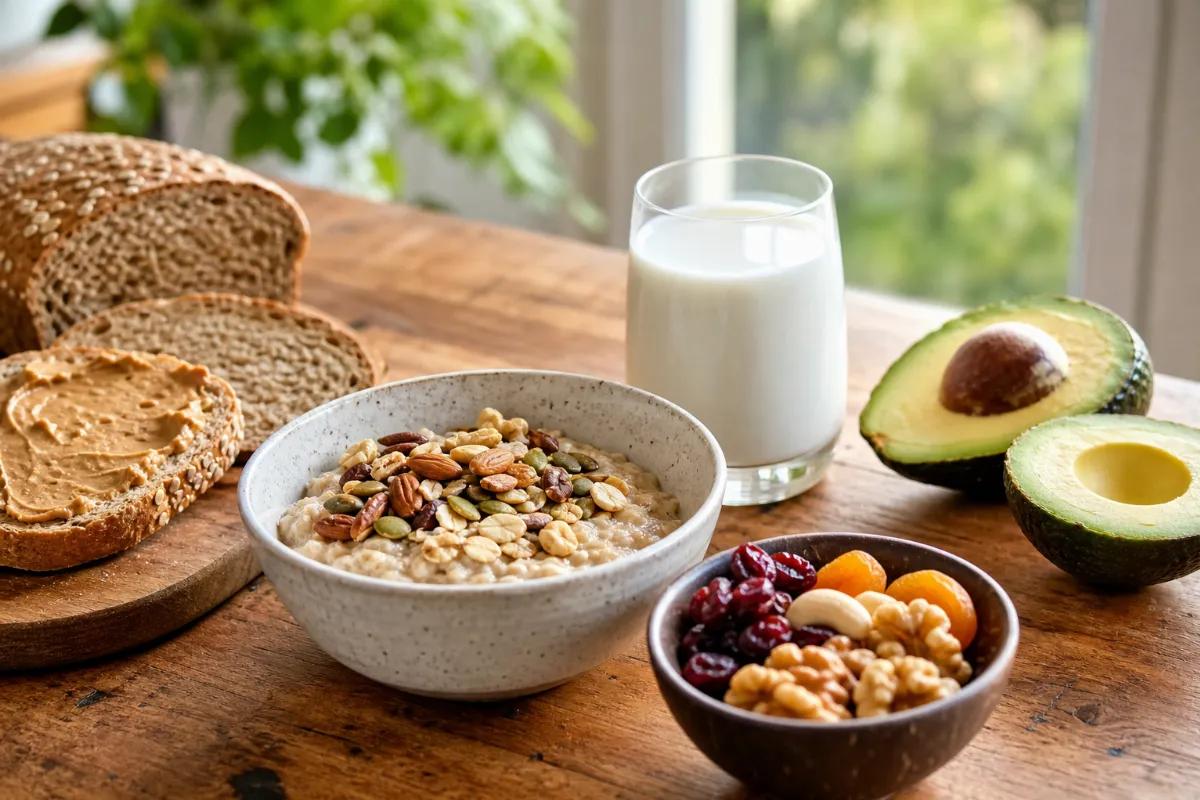
Aim for variety: fruit and vegetables, starchy carbohydrates, dairy or alternatives, and protein foods all have a place. Energy-dense choices like nuts, avocado, dried fruit, whole milk and nut butters pack more into smaller portions.
- Porridge made with whole milk, topped with nuts, seeds and dried fruit
- Toast or crackers with nut butter, cheese or avocado
- Yoghurt, rice pudding or custard as easy snacks
- Beans, lentils, eggs and fish added to main meals
- Milk-based smoothies or milkshakes between meals
Make the food you like count more
Food fortification means adding extra energy or protein to normal dishes without making the portion bigger. The NHS lists fortified foods, regular snacks and high-calorie drinks as the first steps in treating malnutrition, with supplements only if needed and under professional guidance.
- Add grated cheese or milk powder to mash, soups and sauces
- Cook with a little oil or butter
- Stir nut butter or seeds into cereal and yoghurt
- Keep easy snacks within reach
Food allergies, swallowing and special diets
If you have a food allergy, coeliac disease, a vegetarian or vegan diet, or difficulty chewing or swallowing, a dietitian can adapt these ideas safely. People with kidney, heart or liver conditions or diabetes should get food advice from their care team.
6,2Remedies & supplements
Traditional use, laboratory findings and human trials are kept apart. "Natural" does not mean safe.
Oral nutritional supplement drinks
Low certaintyStudied form and route: Ready-made energy and protein drinks, usually clinician-recommended
Intended outcome: Possible extra weight gain in illness-related malnutrition
Human evidence: In a Cochrane review (94 trials, 10,284 adults, mostly older people in hospital, care homes or the community), dietary advice plus supplements may have led to about 1.15 kg more weight gain at three months than advice alone, with low-certainty evidence and not at all time points.
Limits: Studied mainly in unwell people. Benefit in healthy underweight adults is not shown here.
Interactions and precautions: The NHS says to use nutritional supplements only under professional guidance. They do not replace meals.
5,6Protein supplements (whey and similar)
Moderate certaintyStudied form and route: Powders or shakes used as an add-on to food
Intended outcome: Small gains in muscle mass and strength with resistance training
Human evidence: A meta-analysis of 49 trials in 1,863 healthy adults found small increases in fat-free mass (about 0.3 kg) and strength with protein supplementation during resistance training, with less benefit at older ages.
Limits: Trials were in healthy adults doing structured training, not people who are underweight. Food sources can do the same job.
Interactions and precautions: People with kidney disease or milk allergy should check first. Powders vary in quality.
7Herbal appetite stimulants and 'weight-gain' herbs
Not enough evidenceStudied form and route: Teas, capsules and tonics marketed for appetite
Intended outcome: Claimed: stronger appetite and weight gain
Human evidence: We did not find high-quality human trials for healthy underweight adults while preparing this page, so there is no reliable evidence to rate.
Traditional use: Some herbs are traditionally used to stimulate appetite or digestion; traditional use is not proof that they work or are safe.
Laboratory findings: Lab or animal findings were not reviewed here and would not show benefit in people.
Limits: Without good evidence, effects and doses are unknown.
Interactions and precautions: Herbs can interact with medicines and may hide a medical cause. Avoid in pregnancy and breastfeeding unless a clinician agrees. Tell your pharmacist.
3Therapies & care
Established professional care starts with finding the cause. A GP can examine you, check your height and weight, review your medical history and appetite, arrange tests, treat an underlying condition and refer you to a dietitian or specialist. This page does not recommend medicines or doses, and you should not stop a prescribed medicine on your own.
GP assessment
High certaintyMedical check A GP checks height and weight, medical history and changes in appetite, and may order tests or scans, treat any underlying condition and refer you on if needed.
Who it may suit: Anyone with unexplained, sudden or ongoing low weight, or low weight with symptoms.
Precautions: Go sooner if weight loss comes with other symptoms.
3,2Dietitian support
Low certaintyNutrition therapy A registered dietitian can design a plan for your needs, using fortified foods, regular snacks and high-calorie drinks, and review it over time. In a Cochrane review, dietary advice may have improved weight by about 1 kg at three months compared with no advice (low-certainty evidence).
Who it may suit: People with long-term conditions, swallowing problems, restricted diets or who have not gained on their own.
Precautions: Choose a registered professional.
6,5Specialist eating disorder care
Not enough evidencePsychological and medical care If low weight is linked with restriction, purging, over-exercise or fear of eating, the NHS says to see a GP as soon as possible. Treatment is led by specialists. In the UK the NHS names the charity Beat and its helpline, 0808 801 0677.
Who it may suit: Anyone whose relationship with food or body feels distressing, or whose family worry about them.
Precautions: Do not try to gain weight alone by following tips in this situation.
8Support at home
Low certaintyPractical support For people who find shopping or cooking hard, the NHS notes that local social services may be able to arrange meal delivery, and that home care or occupational therapy can help with reduced mobility.
Who it may suit: Older adults and people with limited mobility.
Precautions: Ask your GP or local council what is available.
1,2What to avoid
Habits, products and claims that can get in the way. Never stop a prescribed medicine without talking to the professional who prescribed it.
Risks that apply to most people
Skipping the medical check
High certaintyWhy: Weight loss without trying can be a sign of an underlying condition, and food alone will not fix it.
Who it applies to: Anyone with unexplained or sudden weight loss.
Try instead: Book a GP visit first, then build your plan around the cause.
3,1Relying on cakes, sweets and sugary drinks
Moderate certaintyWhy: The NHS advises against using chocolate, cakes and sugary drinks as the way to gain weight. They add energy but few nutrients and can crowd out balanced meals.
Who it applies to: Anyone trying to gain weight.
Try instead: Choose energy- and protein-rich nourishing foods such as nuts, dairy, eggs, beans and nut butters, with treats in moderation.
1Filling up on drinks before meals
Moderate certaintyWhy: The NHS lists this as something to avoid, because it can reduce how much you eat at the meal.
Who it applies to: People who feel full quickly.
Try instead: Drink between meals instead and keep meal-time fluids modest.
1Personal triggers to check
Very big meals when appetite is small
Low certaintyWhy: Large plates can be off-putting and make eating feel like a chore, so you may eat less overall.
Who it applies to: People with a small appetite or who feel full quickly.
Try instead: Smaller, more frequent meals and snacks, as the NHS suggests.
1Going long gaps without eating
Low certaintyWhy: Long gaps make reaching your total for the day harder, and low energy may make cooking feel harder.
Who it applies to: People who forget to eat or have low appetite or low mood.
Try instead: Plan fixed snack times and keep easy snacks in sight.
1,2Products that need caution
Weight-gain pills, powders and herbal appetite 'boosters' used without advice
Not enough evidenceWhy: Products sold for weight gain vary, and We did not find high-quality human trials of them in healthy underweight adults while preparing this page. They can interact with medicines or hide a medical cause.
Who it applies to: Anyone tempted by marketing claims.
Try instead: Talk to a GP or dietitian first. If you use a supplement, tell your pharmacist and clinician.
6Prohibited or unlicensed muscle and appetite drugs
Not enough evidenceWhy: Products not prescribed to you can carry serious risks and a clinician should decide whether any medicine is appropriate.
Who it applies to: Anyone considering them.
Try instead: Ask a doctor about safe options; this page does not recommend medicines.
3Unsupported claims
'Eat anything and everything to bulk up'
Moderate certaintyWhy: The NHS advice is to gain gradually from a balanced diet, with protein and variety, not simply to eat as much as possible of any food.
Who it applies to: Anyone aiming to gain weight.
Try instead: Gradual gain from varied foods, with strength training.
1,2'A naturally fast metabolism explains it, so there is nothing to check'
High certaintyWhy: Low weight that is unexplained, sudden or comes with symptoms can be due to a health condition. Only a check can tell.
Who it applies to: Adults with unexplained low weight.
Try instead: Get checked first. Metabolism claims are covered on the metabolism myths page.
3Common mistakes
Setting a fast target or weighing yourself daily
Low certaintyWhy: Weight naturally fluctuates, and chasing a quick number can be discouraging or tip into unhealthy habits. Evidence for dietary advice shows gains of around 1 kg over three months in a malnutrition population, so expect gradual change.
Who it applies to: Anyone who finds weighing stressful.
Try instead: Weigh at most weekly or monthly, and also track appetite, energy and strength.
5Using food rules or control to cope with feelings
High certaintyWhy: The NHS lists using control over food intake to cope with feelings as a reason to see a GP. That pattern needs professional support rather than weight-gain tips.
Who it applies to: People who restrict, purge or over-exercise, or feel intense fear of eating.
Try instead: Talk to a GP and see the page on eating disorders; in the UK the NHS names Beat's helpline.
8,1Evidence & safety
What the research shows
Health guidance agrees on a sequence: find the cause, then gain gradually with regular meals, snacks, extra energy and protein, and some strength work, with supplements only under professional advice. Good-quality trials in healthy underweight adults are limited; most evidence is in people with illness-related malnutrition, so confidence is low to moderate.
Limits of the evidence
- The main trial evidence comes from people with illness-related malnutrition, often older and unwell, so it may not apply to healthy underweight adults.
- The Cochrane review rated most outcomes as low certainty, and gains appeared at some time points but not others.
- The protein and strength training trials were in healthy adults, not underweight people, and some had industry funding.
- BMI and mortality data come from observational studies and show association, not cause.
- We did not find reliable human trials for weight-gain pills or herbal appetite products.
Precautions and interactions
- Check for a cause before starting; unexplained weight loss can be due to a medical condition.
- Pregnancy, breastfeeding, under 18, older age, diabetes, kidney or liver disease and food allergy all need clinician guidance.
- Do not stop or change prescribed medicines on your own.
- Avoid unlicensed weight or muscle products and be cautious with herbs; tell your pharmacist about everything you take.
Life-stage considerations
- Children and teenagers: growth matters, so their weight should be reviewed by a doctor, not managed with adult tips. The NHS notes poor growth or weight gain can be a sign of malnutrition in children.
- Older adults: low weight and loss of appetite are more common and need a check; strength work and protein help keep muscle.
- Pregnancy and breastfeeding: talk to a midwife or doctor before changing your diet to gain weight.
Warning signs
- Weight loss without changing diet or exercise
- Roughly 5 to 10% weight loss over 3 to 6 months, or BMI under 18.5
- Persistent tiredness, weakness, frequent infections
- Weight loss together with other symptoms
- Worry about weight or shape, strict food rules, vomiting, laxatives or over-exercise
Claim checks
Eating lots of sweets and sugary drinks is a good way to gain weight
Moderate certaintyThe NHS advises against relying on chocolate, cakes and sugary drinks and recommends a balanced diet with protein.
1Dietary advice helps people with illness-related malnutrition gain weight
Low certaintyA Cochrane review found advice may improve weight by about 1 kg at three months versus no advice, but certainty was low.
5Protein powder alone builds weight and muscle
Moderate certaintyIn healthy adults, protein supplementation during resistance training gave small gains (about 0.3 kg fat-free mass); the training and total diet matter.
7Being underweight is harmless if you feel fine
Moderate certaintyLarge studies found higher mortality at BMI under 20, but this is an association and individuals vary. A check can tell if your weight is a concern for you.
4,2Weight-gain pills and herbs are a safe shortcut
Not enough evidenceNo reliable human trial evidence was found for healthy underweight adults, and safety depends on the product and your medicines.
6Questions people ask
How do I know if I am underweight?
The NHS lists a BMI below 18.5 as one sign of malnutrition, but BMI is only a guide. If you have lost weight without trying, feel weak or tired, or are worried, a GP can look at the whole picture.
Why am I not gaining weight even though I eat a lot?
There are many possible reasons, including digestive conditions, an overactive thyroid, other health conditions, stress, or medicine side effects. Weight that stays low despite eating well deserves a medical check.
How fast should I gain weight?
Gradually. The NHS suggests adding roughly 300 to 500 extra calories a day for adults. In a Cochrane review of dietary advice, weight rose by about 1 kg over three months, so steady is normal.
Is it OK to eat sweets and fast food to gain weight?
The NHS advises against relying on chocolate, cakes and sugary drinks. Nourishing energy-rich foods such as nuts, dairy, eggs, beans and nut butters cover more nutrients.
Should I drink milkshakes or supplement drinks?
The NHS suggests high-calorie drinks between meals. Ready-made supplement drinks are mainly for people with illness-related malnutrition and are best used on professional advice.
Do I need protein powder?
Not necessarily. In trials of healthy adults it gave small extra gains in muscle when combined with strength training. Food can supply protein; check with a clinician if you have kidney disease.
Will exercise make it harder to gain weight?
Too much can. The NHS suggests strength training or yoga to build muscle, which can also improve appetite. Keep activity moderate while you build up.
What if I have no appetite?
Try small meals and snacks at set times, drinks between meals and easy foods. If low appetite lasts, or comes with weight loss or low mood, see a GP.
Is this safe for older adults?
Appetite and weight loss in later life are common and worth a check. The NHS notes weight loss is not an inevitable part of ageing. See the older-adults page and ask your GP or dietitian.
Can children and teenagers use these tips?
No. Growth matters, so a doctor should review their weight. The NHS lists poor growth or weight gain as a sign of malnutrition in children.
I get anxious about food or my body. What should I do?
You deserve support. The NHS says to see a GP as soon as possible if you think you may have an eating disorder, and names the UK charity Beat, helpline 0808 801 0677. In other countries, ask your doctor or local services.
Should I stop my medicine if it affects my weight?
No. Never stop or change a prescribed medicine on your own. Tell the prescriber about the weight change so they can review it.
References
- NHS. Advice for underweight adults. Read 2026-10-31. source
- NHS. Malnutrition. Read 2026-10-31. source
- NHS. Unintentional weight loss. Read 2026-10-31. source
- Global BMI Mortality Collaboration. Body-mass index and all-cause mortality: individual-participant-data meta-analysis of 239 prospective studies. Lancet. 2016. PMID 27423262 (abstract read 2026-10-31). source
- Baldwin C, et al. Dietary advice with or without oral nutritional supplements for disease-related malnutrition in adults. Cochrane Database Syst Rev. 2021. PMID 34931696 (abstract read 2026-10-31). source
- NHS. Malnutrition: treatment. Read 2026-10-31. source
- Morton RW, et al. Protein supplementation on resistance training-induced gains in muscle mass and strength in healthy adults: systematic review and meta-analysis. Br J Sports Med. 2018. PMID 28698222 (abstract read 2026-10-31). source
- NHS. Eating disorders: overview. Read 2026-10-31. source
Related on AlternativeMed
Related goals
Maintain a Healthy Weight → Lose Weight Sustainably → Preserve Muscle While Losing Weight → Manage Hunger & Cravings → Build More Balanced Eating Habits → Manage Weight Changes in Midlife → Maintain Progress Over Time →
Ingredients, foods and supplements
Whey protein → Protein powder → Creatine → Vitamin D → Dates →
Research, safety and claim-check resources
Healthy weight hub → BMI, body composition and muscle → Medicines that can change weight → Weight and metabolism safety → Weight and metabolism research → Weight-loss supplements claim check → Metabolism myths → Strength training and protein for older adults → Appetite changes and weight loss in older adults → Medication interactions →