Healthy Aging
Appetite Changes and Unintended Weight Loss in Older Adults
Eating less as you get older is common, and for many people the reasons are simple and can be eased: a sore mouth, trouble shopping or cooking, low mood, a medicine, or eating alone. This page is about keeping up eating when appetite fades; finding the cause of weight that is already dropping is covered on its own page, and unintended weight loss always needs a medical check.
General information, not medical advice. Last updated November 1, 2026. Written by the AlternativeMed editorial team. Not medically reviewed.
Start here
- Notice and write down any weight loss you did not plan, and tell a doctor if it keeps going or comes with other symptoms; do not wait for it to become obvious.
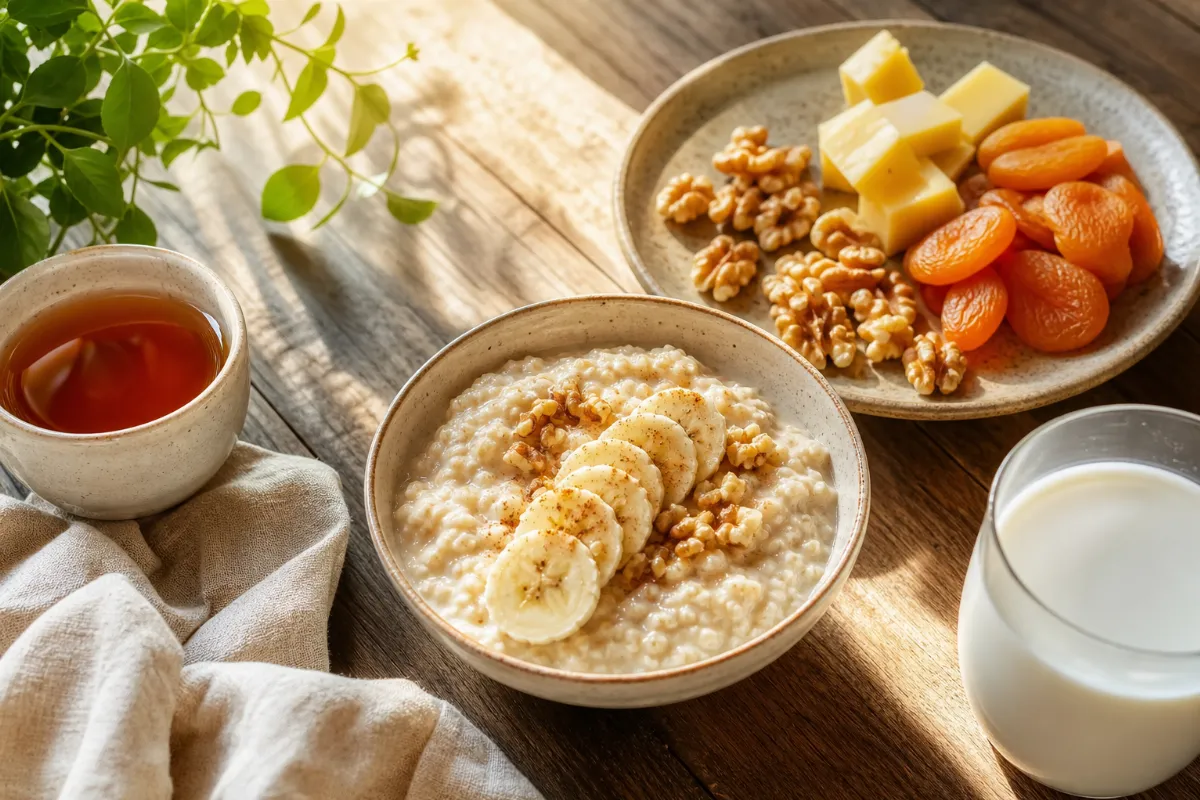
- Make the food you do eat count: add energy and protein to favourite foods, offer smaller meals more often and keep nutrient-dense snacks such as nuts, cheese and dried fruit within reach.
- Look for the simple causes first: pain or trouble when chewing or swallowing, low mood, a new medicine, difficulty getting to the shops or cooking, and eating alone. Ask a doctor, dentist, pharmacist or dietitian about what you find.
Be careful with
- Do not treat unplanned weight loss as normal ageing. It can signal a serious medical problem, so it should be checked even when it seems to have a simple cause.
- Do not use herbs, supplements or appetite stimulants to push up appetite without asking a clinician. We did not find trials of herbs or supplements for appetite in older adults, and absence of a study is not proof of safety.
- Do not thicken drinks, change food textures or crush tablets on your own if swallowing is hard; ask a swallowing specialist and a pharmacist.
- Do not stop or change a prescribed medicine because you suspect it is affecting your appetite; ask the prescriber or a pharmacist to review it.
- If you have diabetes, kidney or heart disease or another condition that needs a special diet, do not add large amounts of extra fat, salt or protein without a clinician or dietitian.
Get help when
- Weight loss you did not plan that keeps going, or of about 10 pounds (4.5 kg) or 5% of body weight over 6 to 12 months or less with no known reason (MedlinePlus wording).
- Weight loss with other symptoms such as dark stools, vomiting, belly pain, fever, severe tiredness or confusion: see a doctor promptly.
- Coughing or choking when eating or drinking, food that feels stuck, a wet gurgly voice, shortness of breath after eating or drinking, or repeated chest infections: the NHS advises an urgent GP appointment or urgent advice. If someone is choking or cannot breathe, call local emergency services.
- Not drinking enough, or signs of dehydration.
- Low mood, loss of interest, or thoughts of not wanting to go on: talk to a doctor soon, or use a local crisis line or emergency services if you are in danger.
About Appetite Changes and Unintended Weight Loss in Older Adults
What this goal means
This goal is about keeping up eating when hunger or interest in food drops with age. The National Institute on Aging (NIA) says some older adults lose weight without trying because they have less appetite, find it hard to get to the shops, have pain when chewing or swallowing, or forget to eat.
Sudden, unintended weight loss can also be a sign of a serious medical problem such as cancer, gastrointestinal disorders or some neurological diseases, so appetite changes are worth watching rather than accepting.
1,2How common it is
In a 2025 meta-analysis of 62 studies (80,176 people), about 29 percent of older adults reported appetite loss: 25 percent in the community, 38 percent in nursing homes and 42 percent in hospitals. Eating alone, oral problems and depression went with higher rates.
In a review of 58 studies, appetite loss went with a higher risk of malnutrition and, in 17 of 18 longitudinal studies, with death. These are observational links: they show that appetite loss deserves attention, not that raising appetite alone changes the outcome.
3,4Common causes and contributing factors
The NHS lists depression, anxiety, eating disorders, digestive conditions such as coeliac disease or inflammatory bowel disease, an overactive thyroid, type 1 diabetes, heart failure and some medicines. MedlinePlus adds chronic illness such as COPD or Parkinson disease, chronic infection and cancer. Life events such as divorce, job loss or the death of a loved one can also play a part.
In nursing homes, depression, poor oral intake, swallowing problems and needing help to eat or chew were the factors most often linked with weight loss. A family medicine review notes that medicines can dull taste or cause nausea, and that isolation and money worries contribute.
2,5,6,7Swallowing difficulty (dysphagia)
Dysphagia means problems swallowing. The NHS says it is usually caused by certain medicines or another condition such as acid reflux or a stroke, and that over time it can cause weight loss, dehydration and repeated chest infections. Signs include coughing or choking when eating or drinking, bringing food back up, a feeling that food is stuck and a wet, gurgly voice.
Treatment depends on the cause and may involve a speech and language therapist or dietitian, softer foods or thickened drinks. These are decisions for specialists and should not be improvised at home.
8What counts as concerning weight loss
MedlinePlus describes unintentional weight loss as 10 pounds (4.5 kg) or 5 percent of normal body weight over 6 to 12 months or less without a known reason. The NHS describes it as losing weight without changing diet or exercise routine, and says it can be a sign of stress or serious illness. Smaller but ongoing loss is still worth mentioning to a clinician.
In a meta-analysis of 178,644 people, unintentional weight loss went with a higher risk of death (adjusted risk ratio 1.38; 1.81 in older adults). The detailed work-up for weight that is already falling is on the unintended weight loss pages.
5,2,9How a clinician looks into it
The NHS says a GP asks about your health and may arrange tests or scans, then treats the cause, gives advice or refers you to a specialist. A family medicine review lists age-appropriate cancer screening, blood and urine tests, a chest X-ray and a stool test, and suggests a three- to six-month watch only when early checks are normal. Up to a quarter of people have no diagnosis after a full work-up and need close follow-up.
Clinicians may use short screening questionnaires: in a meta-analysis the Mini Nutritional Assessment short form (score of 11 or less) had a sensitivity and specificity of 0.95 for finding malnutrition risk in community-dwelling older adults. An international consensus (GLIM) defines malnutrition by weight loss, low BMI or low muscle together with low intake or illness.
2,7,10,11,12Realistic expectations
Where the cause can be found and treated (a sore mouth, low mood, a medicine, swallowing therapy), appetite and intake often improve, but no approach reviewed here is a guaranteed fix. The food-first and social measures below have low or very low certainty evidence, so think of them as sensible, low-risk steps taken alongside a medical check, not as a substitute for one.
7,13Who this applies to
Older adults who are eating less than before, and the family and carers who notice. Being underweight raises the chance of problems such as osteoporosis and anemia and can make recovery from illness harder (NIA). People with dementia, swallowing problems, diabetes, kidney or heart disease should have their eating plan guided by a clinician or dietitian. For the overall nutrition picture, see Stay Well Nourished as You Age; for weight already falling, see Recognize & Address Unintended Weight Loss.
1Related conditions and symptoms
Unintentional weight loss → Frailty → Sarcopenia and muscle loss → Anxiety disorders → Mild cognitive impairment and dementia → Osteoporosis and bone health → Gut and digestive health →
A manageable starting plan
An educational starting point, not a personal prescription. Adjust it to your own situation and any advice from your clinician.
Your first actions
- Tell a doctor about lasting appetite loss or any weight loss you did not plan.
- Check the simple causes: mouth and teeth, swallowing, mood, medicines, shopping and cooking, and company at meals.
- Offer smaller, more frequent meals and nutrient-dense snacks, and add energy and protein to favourite foods.
Optional additions
- Share meals with others when you can.
- Boost flavour with seasoning if diet limits allow.
- Keep gently active, as a clinician allows.
- Ask for a dietitian referral.
What to track
- Weight every week or two, on the same scale.
- What was eaten and drunk over a few days, with any coughing at meals.
- Mood, mouth pain and any new medicine.
When to reassess
If weight keeps falling, appetite stays low for more than a few weeks or other symptoms appear, return to the doctor sooner rather than waiting. Review the plan with a clinician or dietitian after the cause has been checked.
When to seek professional support
- Ask a doctor, dentist, pharmacist or dietitian for help with the causes you find.
- Family and carers can help with shopping, cooking, company at meals and noticing weight changes.
- Ask about community meal programmes or home-delivered meals if shopping and cooking are hard.
What helps
Ordered by how well the research supports each step. Evidence strength is shown on every card; precautions sit next to the advice.
Start here
Get a medical check for unplanned weight loss or a sudden drop in appetite
Low certaintyAddresses: Finds a treatable cause early
Why it may help: Reviews say the cause should be searched for and treated. Depression, poor oral intake, swallowing and chewing problems, medicines and illness can all lower intake, and the NHS says the earlier the cause is found, the sooner it can be treated.
How to apply it: Book a visit with a GP or primary care clinician and bring a weight record, a list of all medicines and supplements, and notes on swallowing, mood and mouth pain.
Who it may suit: Anyone eating noticeably less, or losing weight without trying.
Precautions: This page does not replace an evaluation. Do not stop a prescribed medicine yourself; ask the prescriber or a pharmacist to review it.
2,7,6,10Unintentional weight loss: why it matters → Recognize & Address Unintended Weight Loss →
Add energy and protein to foods already liked (food first)
Low certaintyAddresses: Raises how much energy and protein is eaten
Why it may help: A systematic review of 44 studies found fortified recipes added on average about 403 kcal and 19 g of protein a day. A nursing-home meta-analysis found higher energy intake (Hedges g 0.69) and protein intake (g 0.46). Neither found strong proof of better nutritional status.
How to apply it: The NIA suggests foods with healthy fats, and seafood, dairy or fortified soy products with beans, peas and lentils for protein. A dietitian can tailor the plan.
Who it may suit: Older adults who eat small amounts, at home or in care, once a clinician has checked the cause.
Precautions: People with diabetes, kidney or heart disease or a special diet need a dietitian before adding extra fat, salt or protein.
13,14,15,1,16Smaller, more frequent meals and nutrient-dense snacks
Not enough evidenceAddresses: Easier to finish a meal when you fill up quickly
Why it may help: The NIA suggests, for people trying to gain weight after a medical check, frequent smaller meals if you get full quickly and nutrient-dense snacks such as nuts, cheese and dried fruit. This is agency guidance; we did not find a trial of it.
How to apply it: Keep easy snacks visible and within reach, and offer small portions rather than a full plate.
Who it may suit: People who feel full after a few bites.
Precautions: Talk to a doctor before trying to gain weight, especially with a long-term condition.
1Eat with other people when you can
Very low certaintyAddresses: May make eating more appealing
Why it may help: Older adults who eat alone, have oral problems or are depressed report poor appetite more often, and the NIA suggests dining with friends and family. We did not find a trial of shared meals, so this is a link, not a proven fix.
How to apply it: Share meals with family or friends, join a lunch club or community meal if available, or ask for company at mealtimes in care.
Who it may suit: Anyone who eats most meals alone.
Precautions: If low mood or loneliness is behind poor appetite, it deserves its own support.
3,1,6Social connection and loneliness → Feel More Connected to Others →
Additional options
Check the mouth, teeth and swallowing
Low certaintyAddresses: Removes a common practical barrier to eating
Why it may help: Pain when chewing or swallowing is named by the NIA as a reason for eating less, and chewing problems and dysphagia went with weight loss and low BMI in a nursing-home review.
How to apply it: See a dentist about sore gums, loose teeth or poorly fitting dentures. Report coughing or choking at meals to a doctor.
Who it may suit: People who avoid foods because chewing or swallowing hurts or is hard.
Precautions: Choking or breathlessness with eating needs urgent advice. Do not change textures or thicken drinks without a specialist.
1,6,8Boost the flavour of meals
Very low certaintyAddresses: Meals may be eaten more fully
Why it may help: In a 16-week trial of 67 nursing-home residents, those whose cooked meals had flavour enhancers added gained 1.1 kg on average while the comparison group lost 0.3 kg. It is a single small trial from 2001.
How to apply it: Season food well, use herbs and mild spices and serve foods with appealing colour, smell and temperature, if the person likes them and has no diet restrictions.
Who it may suit: People who say food tastes bland.
Precautions: Taste can be dulled by medicines or illness, so mention a sudden change to a clinician. Check salt limits first if you have heart or kidney disease or high blood pressure.
17,7Dietary advice from a dietitian or nurse
Low certaintyAddresses: May add about 1 kg over three months in people who are malnourished
Why it may help: A Cochrane review of 94 trials (10,284 adults) found advice to eat energy- and nutrient-rich foods may improve weight after three months (mean difference 0.97 kg) in people with disease-related malnutrition, with low-certainty evidence. A nursing review found slight effects and no convincing proof, but no sign of harm. An Academy of Nutrition and Dietetics guideline covers dietitian care, fortification, supplements and shared meals.
How to apply it: Ask the GP for a dietitian referral, or ask the care home for a nutrition assessment.
Who it may suit: Older adults who are underweight or at risk of malnutrition.
Precautions: Advice should be individual, particularly with other conditions.
18,19,20Stay active
Low certaintyAddresses: May help appetite and keep muscle
Why it may help: The NIA says staying active may boost appetite. A review of 13 studies of healthy adults aged 60 and over found exercising groups had lower fasting leptin and glucose, which the authors read as better satiety signalling; it did not show that people ate more, and it was not tested in people who eat too little.
How to apply it: Short walks and gentle strength work, within what a clinician says is safe.
Who it may suit: Older adults who are well enough to be active.
Precautions: Check with a clinician first if you are frail or have lost weight.
21,1Still being studied
Prescribed nutritional drinks (oral nutritional supplements)
Very low certaintyAddresses: Might slightly raise energy eaten
Why it may help: In 11 trials of 822 frail older people at risk of malnutrition, supplements might slightly raise energy intake (SMD 1.02) but protein intake and weight (+1.31 kg, not significant) were not clearly changed; 11 of 12 pooled outcomes were very low certainty. A larger review of community use in mixed patients found fewer complications (odds ratio 0.68), mainly with high adherence.
How to apply it: Used after assessment, on the advice of a clinician or dietitian.
Who it may suit: Frail or malnourished older adults, once the cause has been looked into.
Precautions: Not a substitute for finding the cause. Those with swallowing problems, diabetes or kidney disease need guidance on type and amount.
22,23Softer or modified-texture food when chewing or swallowing is hard
Very low certaintyAddresses: Safer eating; may help weight when combined with extra nutrition
Why it may help: A review of 20 studies found that eating texture-modified diets went with weight loss or malnutrition, which mostly reflects the swallowing problem; adjusting texture together with nutrition enrichment showed positive effects on weight and satisfaction.
How to apply it: Only on the advice of a speech and language therapist or dietitian.
Who it may suit: People assessed as having dysphagia.
Precautions: Do not thicken drinks or change textures on your own.
24,8Food & nutrition
Making small appetites count
The NIA suggests, for people trying to gain weight after a medical check, foods with healthy fats, frequent smaller meals if you get full quickly, nutrient-dense snacks such as nuts, cheese and dried fruit, dining with friends and family, and staying active. For protein, it points to seafood, dairy or fortified soy products with beans, peas and lentils.
These are agency tips for after the cause has been looked into; the research on fortified food is low certainty and mostly in care homes.
1,16,13Foods and ways of eating that have been studied
No food has been shown to restore appetite. The items below are approaches that were studied, with the certainty we found.
Fortified everyday foods
Low certaintyAddresses: Higher energy and protein eaten
Why it may help: 44 studies on food-based fortification found added energy and protein intake with no strong effect on nutritional status. In care homes, fortified diets raised energy and protein intake.
How to apply it: Add milk powder, cheese, oil or butter, nut butter or beans to foods already liked, as a dietitian suggests.
Who it may suit: Older adults eating small amounts.
Precautions: Use clinician guidance with diabetes, kidney or heart disease.
13,15,14Flavour-enhanced meals
Very low certaintyAddresses: Weight gain in one small nursing-home trial
Why it may help: Residents gained 1.1 kg in 16 weeks versus a 0.3 kg loss in the comparison group.
How to apply it: Season cooked meals well if allowed.
Who it may suit: People with a dulled sense of taste.
Precautions: Mind salt limits.
17Beans, peas and lentils
Not enough evidenceAddresses: A protein source suggested by the NIA
Why it may help: The NIA lists them alongside seafood, dairy and fortified soy. This is guidance, not a trial of appetite.
How to apply it: Soft, well-cooked legumes in soups and stews.
Who it may suit: Those who find meat hard to chew.
Precautions: Large amounts can cause gas; introduce slowly.
16Remedies & supplements
Traditional use, laboratory findings and human trials are kept apart. "Natural" does not mean safe.
Herbs and supplements taken to raise appetite
Not enough evidenceStudied form and route: Teas, tinctures, capsules and tonics
Intended outcome: Raise appetite
Human evidence: We did not find a trial of any herb or supplement for appetite in older adults in the sources read. A family medicine review says appetite stimulants and high-calorie supplements are not recommended, and the dementia guideline does not recommend routine appetite-stimulating agents.
Traditional use: We did not review traditional use for this goal.
Laboratory findings: We did not find laboratory findings relevant to this goal in the sources read.
Limits: No evidence of benefit is not proof of harm, but there is also nothing to show these products work.
Interactions and precautions: Herbs and supplements can interact with medicines, and some are risky for older people. Ask a clinician or pharmacist before using any, and do not use them in place of finding the cause of lost appetite.
7,25Natural Remedy Safety: older adults → Supplements for healthy aging →
Prescribed oral nutritional supplement drinks
Very low certaintyStudied form and route: Ready-to-drink or powder nutritional supplements used under advice
Intended outcome: Raise energy and nutrient intake
Human evidence: In 11 trials of 822 frail older people, they might slightly raise energy intake but weight did not clearly change, and 11 of 12 outcomes were very low certainty. A review of community use found fewer complications overall (odds ratio 0.68), with benefit only at high adherence, in mixed patients.
Traditional use: We did not review traditional use for this goal.
Laboratory findings: We did not find laboratory findings relevant to this goal in the sources read.
Limits: Six of the 11 trials in the frail-older-people review were fully or partly industry funded, and results varied widely.
Interactions and precautions: Choose type and amount with a clinician or dietitian, especially with diabetes, kidney disease, dysphagia or other conditions. They do not replace a search for the cause.
22,23Therapies & care
Established care targets the cause: treating low mood, reviewing medicines, dental and mouth problems and swallowing therapy. A family medicine review also advises feeding assistance, appealing foods and social support. This page does not recommend medicines or doses. Never stop a prescribed medicine on your own.
Medical evaluation of appetite and weight loss
Low certaintyClinical assessment A GP asks about health, mood, medicines, mouth and swallowing, and may arrange blood and urine tests, a chest X-ray, a stool test or scans, then treats the cause or refers on. Screening questionnaires can flag malnutrition risk.
Who it may suit: Anyone with lasting appetite loss or unplanned weight loss.
Precautions: Up to a quarter of people have no diagnosis after full work-up and need close follow-up.
2,7,10,11,12Speech and language therapy for swallowing
Very low certaintyAllied health care A speech and language therapist assesses swallowing and may advise safer techniques, softer foods or thickened drinks; dietitians help keep nutrition up.
Who it may suit: People who cough, choke or feel food stick when eating or drinking.
Precautions: Urgent advice is recommended by the NHS for these signs.
8,24Dietitian or nurse nutrition support
Low certaintyNutrition care Personalised advice on fortification, supplements and meal support. A Cochrane review found advice may add about 1 kg after three months in malnourished adults (low certainty).
Who it may suit: Older adults at risk of malnutrition.
Precautions: Individual plan needed with other conditions.
18,19,20Support for mood and loneliness
Low certaintyPsychological and social support Low mood and isolation are linked with poor appetite. A doctor can assess mood and discuss support options, including talking therapies and social programmes.
Who it may suit: Anyone with low mood, loss of interest or isolation.
Precautions: Persistent low mood or thoughts of self-harm need prompt help from a doctor or crisis service.
3,6Social connection and loneliness → Understand & Manage Your Emotions →
What to avoid
Habits, products and claims that can get in the way. Never stop a prescribed medicine without talking to the professional who prescribed it.
Risks that apply to most people
Waiting to see whether unplanned weight loss stops by itself
Moderate certaintyWhy: The NHS says to see a GP if you keep losing weight without changing your diet or exercise routine, and as soon as possible with other symptoms. A family medicine review notes that cancer accounts for up to one-third of cases in people over 65, though non-cancer causes are more common.
Who it applies to: Anyone losing weight without trying.
Try instead: Book a check and bring a weight record and medicine list.
2,7Assuming eating less is simply normal ageing
Moderate certaintyWhy: About 29 percent of older adults report appetite loss, but appetite loss went with malnutrition in all 15 studies that assessed it and with death in 17 of 18 longitudinal studies. Common does not mean harmless.
Who it applies to: Older adults, families and carers.
Try instead: Treat a lasting drop in appetite as something to look into.
3,4Personal triggers to check
Eating alone, sore mouth or ill-fitting dentures, and low mood
Low certaintyWhy: Eating alone, oral problems and depression were linked with higher rates of appetite loss in 62 studies. These are links, not proof of cause.
Who it applies to: Older adults living alone, or with dental problems or low mood.
Try instead: Arrange company at meals, see a dentist and raise mood with a doctor.
3,6Medicines that dull taste or cause nausea
Low certaintyWhy: A family medicine review notes that medicines and polypharmacy can disturb taste or cause nausea; the NHS and MedlinePlus list some medicines among causes of weight loss. How they act was not described in the pages read.
Who it applies to: Anyone taking several medicines.
Try instead: Ask a pharmacist or doctor to review every medicine and supplement. Do not stop any on your own.
7,2,5Medicines that can change weight → Review Medicines & Supplements Safely →
Products that need caution
Herbs, supplements or appetite stimulants bought to raise appetite
Not enough evidenceWhy: We did not find a trial of an herb or supplement for appetite in older adults. A family medicine review says appetite stimulants and high-calorie supplements are not recommended, and the dementia guideline does not recommend routine appetite-stimulating agents.
Who it applies to: Anyone tempted by appetite tonics, especially with medicines or chronic conditions.
Try instead: Ask a clinician or pharmacist first; focus on food-first steps and finding the cause.
7,25Natural Remedy Safety: older adults → Weight and metabolism safety →
Using nutritional drinks as a replacement for a medical check
Very low certaintyWhy: Drinks might slightly raise energy eaten in frail people, but weight did not clearly change and the evidence is very low certainty. They do not look for a cause.
Who it applies to: Anyone whose weight is falling.
Try instead: Get the cause assessed; use drinks only if a clinician or dietitian advises.
22Unsupported claims
"A tonic or herb will bring your appetite back"
Evidence againstWhy: We did not find human trial evidence for herbal appetite remedies in older adults. Rated against routine use.
Who it applies to: Anyone offered appetite herbs or tonics.
Try instead: Check with a clinician; look for treatable causes.
7,25Common mistakes
Thickening drinks, changing textures or crushing tablets without advice
Moderate certaintyWhy: The NHS says swallowing problems can cause weight loss, dehydration and chest infections and need assessment. Crushing some tablets can change how they work; the NIA advises asking the pharmacist if swallowing pills is hard.
Who it applies to: Anyone with coughing, choking or trouble swallowing.
Try instead: Ask a swallowing specialist and a pharmacist; liquid forms of some medicines may exist.
8,26Dieting to lose weight in later life without advice
Low certaintyWhy: The NIA says healthy weight ranges differ in older adults and that a normal weight can hide more fat and less muscle; it advises talking to your doctor before trying to lose or gain weight.
Who it applies to: Older adults considering a diet.
Try instead: Discuss goals with a clinician first.
1Evidence & safety
What the research shows
Appetite loss is common in older adults and is linked in observational studies with malnutrition and death, so it deserves attention. Agency and clinical sources agree that the first step is to look for and treat the cause. Fortified food raises energy and protein eaten (low certainty), dietitian advice may add about 1 kg after three months in malnourished adults (low), and nutritional drinks gave very low certainty results in frail people. We did not find trials of herbs or supplements for appetite, and appetite stimulants are not recommended routinely.
Limits of the evidence
- Many reviews mix hospital, nursing-home and community populations.
- Several trials were small, short or industry-funded.
- We did not find a trial of shared meals; only associations.
- Appetite loss was measured with different tools across studies.
- The Academy of Nutrition and Dietetics guideline abstract does not state its individual recommendations, so we do not repeat them.
- We did not find a trial comparing food-first approaches with usual care in people with unintended weight loss.
Precautions and interactions
- Check with a clinician before changing diet if you have diabetes, kidney or heart disease or swallowing problems.
- Review every medicine and supplement with a pharmacist; do not stop any on your own.
- Do not use herbs or appetite stimulants without clinical advice.
Life-stage considerations
- Older adults: healthy weight ranges differ and a normal weight can hide low muscle.
- People with dementia: nutrition care should be individual with help at meals and oral care; routine appetite stimulants, dementia-specific supplements, ketogenic diets and omega-3 are not recommended in the ESPEN guideline.
- Care home residents: depression, poor oral intake and swallowing problems were most linked with weight loss.
Warning signs
- Weight loss of 10 pounds (4.5 kg) or 5 percent of body weight over 6 to 12 months or less with no known reason, or ongoing loss.
- Weight loss with dark stools, vomiting, belly pain, fever, severe tiredness or confusion.
- Coughing or choking when eating or drinking, food that feels stuck, a wet gurgly voice, breathlessness after eating or repeated chest infections.
- Signs of dehydration, or persistent low mood or thoughts of self-harm.
Claim checks
Losing your appetite is a normal part of ageing
Moderate certaintyIt is common (about 29 percent), but appetite loss was linked with malnutrition and death in observational studies. Sudden or lasting change should be checked.
3,4Herbs or supplements can restore appetite in older people
Evidence againstWe did not find any trial. A family medicine review and the dementia guideline do not recommend routine appetite stimulants.
7,25Nutritional drinks fix weight loss
Very low certaintyThey might slightly raise energy eaten in frail older people, but weight did not clearly change (very low certainty). They do not look for the cause.
22Adding energy and protein to food improves nutritional status
Low certaintyIt raises the amount eaten, but strong proof of better nutritional status is lacking.
13,15Eating with others restores appetite
Very low certaintyEating alone is linked with poor appetite, but we did not find a trial of shared meals.
3,1Questions people ask
Is it normal to lose appetite with age?
It is common but not something to ignore. A 2025 meta-analysis of 62 studies found about 29 percent of older adults reported appetite loss, and a review of 58 studies linked appetite loss with a higher risk of malnutrition and death. Sudden or lasting change should be checked.
How much weight loss is concerning?
MedlinePlus describes 10 pounds (4.5 kg) or 5 percent of normal body weight over 6 to 12 months or less without a known reason. The NHS says to see a GP if you keep losing weight without changing diet or exercise, and sooner with other symptoms. Smaller but ongoing loss is still worth mentioning.
What causes appetite loss in older adults?
Causes include depression and anxiety, digestive conditions, an overactive thyroid, heart failure, chronic illness, cancer, medicines, mouth and swallowing problems, isolation, and life events such as bereavement. A family medicine review notes no cause is found in 6 to 28 percent.
Can swallowing problems cause weight loss?
Yes. The NHS says dysphagia can lead to weight loss, dehydration and repeated chest infections. Coughing or choking when eating, food feeling stuck and a wet, gurgly voice are signs, and the NHS advises an urgent GP appointment or urgent advice.
Does adding energy and protein to foods help?
Reviews found it raised energy and protein eaten, including in nursing homes, but no strong proof of better nutritional status. We rate the evidence low. A dietitian can tailor it.
Do nutritional drinks fix it?
In 11 trials of frail older people (822 people) they might slightly raise energy eaten, but weight did not clearly change and the evidence was very low certainty. Ask a clinician or dietitian after the cause is looked into.
Are there herbs or supplements that restore appetite?
We did not find a trial of any herb or supplement for appetite in older adults. A family medicine review says appetite stimulants and high-calorie supplements are not recommended. Ask a clinician or pharmacist before using any.
Does eating with other people help?
Eating alone, oral problems and depression were linked with appetite loss, and the NIA suggests dining with friends and family. We did not find a trial of shared meals, so this is a link rather than a proven fix.
Can exercise improve appetite?
The NIA says staying active may boost appetite. A review of healthy adults aged 60 and over found lower fasting leptin and glucose with exercise, but it was not tested in people who eat too little. Check with a clinician first if you are frail or have lost weight.
What if swallowing pills or food is hard?
Tell your pharmacist or doctor and ask for an assessment. Do not crush tablets, thicken drinks or change textures on your own. The NHS says a speech and language therapist or dietitian can advise.
How do doctors look for the cause?
The NHS says a GP asks about your health and may arrange tests or scans. A family medicine review lists age-appropriate cancer screening, blood and urine tests, a chest X-ray and a stool test, then a three- to six-month watch if early checks are normal.
References
- National Institute on Aging. Maintaining a healthy weight (content reviewed April 7, 2022). Read 2026-10-22. source
- NHS. Unintentional weight loss (page last reviewed 28 July 2025). Read 2026-10-22. source
- Li W, Ni Y, Chen H, et al. Global prevalence of anorexia and appetite loss among older adults: a systematic review and meta-analysis. Age Ageing 2025. PMID 40966616. source
- Fielding RA, Landi F, Smoyer KE, et al. Association of anorexia/appetite loss with malnutrition and mortality in older populations: a systematic literature review. J Cachexia Sarcopenia Muscle 2023. PMID 36807868. source
- MedlinePlus. Weight loss - unintentional (review date shown on page: 1/1/2025). Read 2026-10-22. source
- Tamura BK, Bell CL, Masaki KH, Amella EJ. Factors associated with weight loss, low BMI, and malnutrition among nursing home patients: a systematic review. J Am Med Dir Assoc 2013. PMID 23639716. source
- Gaddey HL, Holder KK. Unintentional weight loss in older adults. Am Fam Physician 2021. PMID 34264616. source
- NHS. Dysphagia (swallowing problems). Read 2026-10-22. source
- De Stefani FDC, Pietraroia PS, Fernandes-Silva MM, et al. Observational evidence for unintentional weight loss in all-cause mortality and major cardiovascular events: a systematic review and meta-analysis. Sci Rep 2018. PMID 30337578. source
- Perera LAM, Chopra A, Shaw AL. Approach to patients with unintentional weight loss. Med Clin North Am 2021. PMID 33246517. source
- Isautier JMJ, Bosnic M, Yeung SSY, et al. Validity of nutritional screening tools for community-dwelling older adults: a systematic review and meta-analysis. J Am Med Dir Assoc 2019. PMID 31409560. source
- Jensen GL, Cederholm T, Correia MITD, et al. GLIM criteria for the diagnosis of malnutrition: a consensus report from the global clinical nutrition community. JPEN 2019. PMID 30175461. source
- Geny A, Petitjean M, Van Wymelbeke-Delannoy V, et al. Impact of food-based fortification on nutritional outcomes and acceptability in older adults: systematic literature review. Front Nutr 2023. PMID 37964932. source
- Morilla-Herrera JC, Martin-Santos FJ, Caro-Bautista J, et al. Effectiveness of food-based fortification in older people: a systematic review and meta-analysis. J Nutr Health Aging 2016. PMID 26812514. source
- Sossen L, Bonham M, Porter J. Can fortified, nutrient-dense and enriched foods and drink-based nutrition interventions increase energy and protein intake in residential aged care residents? Int J Nurs Stud 2021. PMID 34717275. source
- National Institute on Aging. Healthy meal planning: tips for older adults (content reviewed November 23, 2021). Read 2026-10-22. source
- Mathey MF, Siebelink E, de Graaf C, Van Staveren WA. Flavor enhancement of food improves dietary intake and nutritional status of elderly nursing home residents. J Gerontol A Biol Sci Med Sci 2001. PMID 11283191. source
- Baldwin C, de van der Schueren MA, Kruizenga HM, Weekes CE. Dietary advice with or without oral nutritional supplements for disease-related malnutrition in adults. Cochrane Database Syst Rev 2021. PMID 34931696. source
- Ten Cate D, Ettema RGA, Huisman-de Waal G, et al. Interventions to prevent and treat malnutrition in older adults to be carried out by nurses: a systematic review. J Clin Nurs 2020. PMID 31876074. source
- Riddle E, Munoz N, Clark K, et al. Prevention and treatment of malnutrition in older adults living in long-term care or the community: an evidence-based nutrition practice guideline. J Acad Nutr Diet 2024. PMID 38583584. source
- Hubner S, Boron JB, Koehler K. The effects of exercise on appetite in older adults: a systematic review and meta-analysis. Front Nutr 2021. PMID 34869516. source
- Thomson KH, Rice S, Arisa O, et al. Effectiveness and cost-effectiveness of oral nutritional supplements in frail older people who are malnourished or at risk of malnutrition. Lancet Healthy Longev 2022. PMID 36116457. source
- Cawood AL, Burden ST, Smith T, Stratton RJ. A systematic review and meta-analysis of the effects of community use of oral nutritional supplements on clinical outcomes. Ageing Res Rev 2023. PMID 37182743. source
- Wu XS, Miles A, Braakhuis AJ. Texture-modified diets, nutritional status and mealtime satisfaction: a systematic review. Healthcare (Basel) 2021. PMID 34073835. source
- Volkert D, Beck AM, Faxen-Irving G, et al. ESPEN guideline on nutrition and hydration in dementia, update 2024. Clin Nutr 2024. PMID 38772068. source
- National Institute on Aging. Taking medicines safely as you age. Read 2026-10-22. source
Related on AlternativeMed
Related goals
Stay Well Nourished as You Age → Recognize & Address Unintended Weight Loss → Maintain Your Everyday Independence → Review Medicines & Supplements Safely → Care for Your Teeth & Mouth as You Age → Gain Weight Safely → Reduce Loneliness → Reduce Your Risk of Falls →
Ingredients, foods and supplements
Legumes → Strength training and protein for older adults → Foods for energy →
Research, safety and claim-check resources
Healthy aging: when to get help → Natural Remedy Safety: older adults → Weight and metabolism safety → Medicines that can change weight → Supplements for healthy aging → Healthy aging →