Healthy Aging
Recognize & Address Unintended Weight Loss
Losing weight without trying is not a normal part of getting older, and it is worth noticing early. This page explains how to recognize it, which signs call for a prompt check, and the food-first and practical steps that health sources describe while the cause is found.
General information, not medical advice. Last updated November 1, 2026. Written by the AlternativeMed editorial team. Not medically reviewed.
Start here
- Write down your weight (or a loved one's) on the same scale, at the same time of day, once a month. MedlinePlus counts a loss of 10 pounds (4.5 kg) or 5% of normal body weight over 6 to 12 months or less, without a known reason, as a reason to contact a provider.
- Book a check with a doctor or nurse if weight is falling without a change in diet or exercise, and sooner if there are other symptoms. NHS advises seeing a GP as soon as possible in that case, because the earlier the cause is found, the sooner it can be treated.
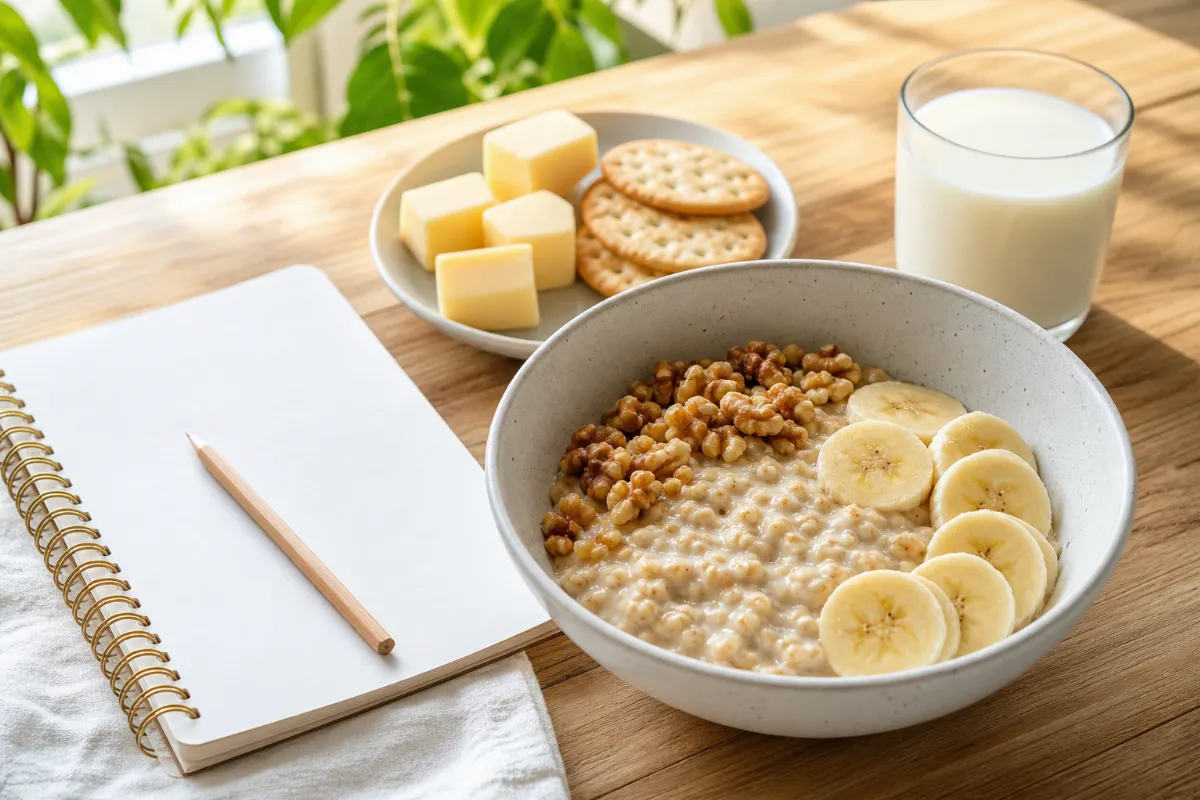
- While waiting, eat little and often, and add energy and protein to foods you already like. Bring a list of all medicines and supplements to the visit.
Be careful with
- Do not treat weight loss as a normal part of ageing or as good news by default. NHS says weight loss is not an inevitable result of old age, and NIA says sudden, unintended loss can be a sign of a serious medical problem.
- Do not start weight-gain products, appetite boosters or crash plans on your own. The cause needs to be found first, and NHS says malnutrition supplements should only be taken on the advice of a healthcare professional.
- Do not stop or change any prescribed medicine because you suspect it is affecting appetite. Raise it with the prescriber or pharmacist.
Get help when
- Weight loss of 10 pounds (4.5 kg) or 5% of normal body weight over 6 to 12 months or less without a known reason (MedlinePlus), or a loss of 5% to 10% or more over 3 to 6 months (NHS lists this as one of the main signs of malnutrition).
- Weight loss together with other symptoms such as fainting, vomiting, diarrhea or constipation, increased thirst or urination, mouth sores or dental problems, shakiness or sweating with sudden hunger, or feeling sad or depressed. MedlinePlus lists all of these among the questions a provider will ask.
- Coughing or choking when eating or drinking, food getting stuck, a gurgly voice after meals, or repeated chest infections. NHS advises an urgent GP appointment or NHS 111 in the UK for swallowing difficulty. Elsewhere, contact a doctor promptly.
- Sudden confusion, chest pain, stroke signs or severe dehydration alongside poor eating are emergencies: use your local emergency number.
- Vomiting on purpose, fear of eating or intense worry about weight can point to an eating disorder at any age. See the eating-disorders page for help options.
About Recognize & Address Unintended Weight Loss
What this goal means
This goal is about noticing weight loss that was not planned and acting on it, mainly in older adults. MedlinePlus describes unintentional weight loss as a loss of 10 pounds (4.5 kg) or 5% of normal body weight over 6 to 12 months or less without knowing the reason. NHS describes it as losing weight without changing your diet or exercise routine.
It is not about weight-loss plans. Intended weight loss is covered on other pages, and this page does not give calorie targets. Its scope is recognition, a prompt check, and the supportive steps that sit alongside finding the cause.
1,2What it can look and feel like
Loose clothes, a belt moved in a notch, rings that slip, or a number on the scale that keeps falling are common first signs. NHS lists a lack of interest in eating and drinking, feeling tired all the time, feeling weak, and getting ill often and taking a long time to recover as signs of malnutrition.
NIA notes that older adults can lose weight unintentionally when appetite is lower, when it is hard to get out to buy food, when chewing or swallowing hurts, or when meals are forgotten. Sometimes the change is noticed by family or friends before the person themselves.
3,4Contributing factors
A review in American Family Physician reports that, in people older than 65, non-cancer diseases are more common causes than cancer, although cancer accounts for up to one-third of cases. Medicines and polypharmacy can dull taste or cause nausea, and isolation and money worries can contribute. A readily identifiable cause is not found in 6% to 28% of cases.
NHS lists stressful events, depression, anxiety, eating disorders, digestive problems, an overactive thyroid, type 1 diabetes, heart failure and some medicines among the causes. Wong's review of involuntary weight loss makes the same point from the clinic side: the range of possible causes is broad, and judgement matters because prediction scores have not been broadly validated.
5,2,6Conditions that can be behind it
MedlinePlus lists, among others, depression, cancer, long-lasting infections, chronic illnesses such as COPD or Parkinson disease, chronic digestive problems that reduce absorption (celiac disease, long-lasting diarrhea, chronic pancreatitis, removal of part of the small intestine), laxative overuse, undiagnosed eating disorders, undiagnosed diabetes and an overactive thyroid.
This list is not a self-diagnosis checklist. It shows why the usual advice is a medical assessment rather than guessing. Pages on some of these conditions are linked at the end.
1,2Realistic expectations
Treatment depends on the cause. NHS says a GP will ask about health and may arrange tests or scans, advise on things that help, treat any condition causing the loss, or refer to a specialist.
When a first assessment finds nothing, the AFP review suggests a three- to six-month observation period with follow-up, a decision made by the clinician together with the person. The same review says treatment should focus on the cause if known, and on feeding assistance, a look at contributing medicines, appealing foods and social support.
2,5Who this applies to
Everyone can lose weight unintentionally, but the risks and the practical issues described here are most relevant to adults 65 and over. NHS says people aged 65 and over are particularly at risk of malnutrition, and also lists people with swallowing problems, long-term conditions that affect appetite or absorption, social isolation, limited mobility or low income.
In a meta-analysis of 15 observational studies (178,644 participants), unintentional weight loss was linked with higher all-cause mortality. The risk ratio was 1.38 overall and 1.81 in older adults, and the link also held in people who were overweight or obese (1.11). This is observational evidence: it shows the loss is a warning sign, not that the weight itself is the cause.
3,7Related conditions and symptoms
Frailty → Sarcopenia and muscle loss with age → Celiac disease → Inflammatory bowel disease → Thyroid problems and fatigue → Prediabetes, type 2 diabetes and metabolic syndrome → Mild cognitive impairment and dementia → Eating disorders and disordered eating →
A manageable starting plan
An educational starting point, not a personal prescription. Adjust it to your own situation and any advice from your clinician.
Your first actions
- Record the current weight and the date, and look back for any earlier weights or clothing-size changes to estimate how much and how fast.
- Book a medical check and prepare: medicine list, weight history, appetite, any other symptoms, and what the person is eating on a typical day.
- Start food-first steps today: small frequent meals, nutrient-dense snacks, protein at each meal, and meals shared with others when possible.
Optional additions
- Ask about a dental review if chewing is painful or dentures are loose.
- Ask about home support: shopping, cooking help, meals at home.
- Ask for a dietitian referral if weight keeps falling.
What to track
- Weight monthly (or more often if a clinician asks), on the same scale.
- Appetite from 1 to 5 each day, and what was eaten at each meal.
- Other symptoms: energy, swallowing, nausea, bowel changes, mood.
- Questions to bring to the next appointment.
When to reassess
If weight is still falling after the first assessment and a few weeks of food-first steps, return to the clinician rather than waiting. If a three- to six-month observation period was agreed, keep the follow-up date.
When to seek professional support
- A GP, nurse or pharmacist for the assessment and a medicines review.
- A dietitian for a tailored plan.
- A dentist, speech and language therapist or occupational therapist where chewing, swallowing or daily tasks are the issue.
- Family, friends, neighbours or community groups for shared meals and practical help.
What helps
Ordered by how well the research supports each step. Evidence strength is shown on every card; precautions sit next to the advice.
Start here
Weigh regularly and keep a simple record
Low certaintyAddresses: Makes a gradual loss visible early
Why it may help: MedlinePlus and NHS define the thresholds that matter (5% or 10 pounds over 6 to 12 months; 5% to 10% over 3 to 6 months for malnutrition), and these can only be checked if weights are noted. NIA points out that the number on the scale and BMI calculators tell only part of the story in older adults. We did not find a trial of home weighing itself, so this step rests on agency definitions.
How to apply it: Use the same scale, once a month, at a similar time of day, and write the date and number in a notebook or phone. Add a note about appetite and any new symptoms.
Who it may suit: Older adults living alone and families who help with care.
Precautions: Weighing can become distressing for people with a history of an eating disorder. If it does, ask a clinician to do the weighing.
1,3,4Arrange a medical check promptly
Moderate certaintyAddresses: Finds a treatable cause sooner
Why it may help: NHS advises seeing a GP if you keep losing weight without changing diet or exercise, and as soon as possible if there are other symptoms. MedlinePlus advises contacting a provider for the 10-pound/5% threshold or for other symptoms. The AFP review lists the usual starting tests: age-appropriate cancer screening, blood counts and chemistry, liver and thyroid tests, inflammation markers, urinalysis, chest X-ray and stool blood testing.
How to apply it: Tell the clinician how much, how fast, and since when. Bring a medicines and supplements list. Ask what the plan is if the first tests are normal.
Who it may suit: Anyone with unplanned loss meeting the thresholds above or with other symptoms.
Precautions: Weight loss with swallowing trouble, vomiting or fainting should not wait for a routine appointment.
2,1,5Bring every medicine and supplement to the visit
Low certaintyAddresses: Lets the prescriber spot ones that dull appetite or taste
Why it may help: The AFP review says medication use and polypharmacy can interfere with taste or induce nausea and should not be overlooked. MedlinePlus lists medicines, including thyroid medicines, among causes of appetite loss, and NHS names levothyroxine as one example.
How to apply it: Put prescription, over-the-counter and herbal products on one list, including how often each is taken. Ask the prescriber or pharmacist whether any could affect appetite, taste or digestion.
Who it may suit: People taking several medicines or who recently started or changed one.
Precautions: Do not stop or change a prescribed medicine on your own. Changes are for the prescriber to decide.
5,1,2Review medicines and supplements safely → Medicines that can change weight →
Additional options
Food-first: add energy and protein to foods you already eat
Low certaintyAddresses: Raises intake without more volume
Why it may help: NHS lists eating fortified foods that are high in calories and protein, snacking between meals and having high-calorie drinks as the first dietary advice for malnutrition. A systematic review of 44 studies (3,384 participants) found that do-it-yourself fortification raised energy and protein intake in older adults, but there was no strong evidence for nutritional status. A meta-analysis in nursing homes (16 studies, 891 residents) found higher energy and protein intake on fortified menus, with some studies also reporting weight benefits.
How to apply it: Examples that sources mention: adding foods rich in energy and protein to meals and snacks, and choosing nutrient-dense snacks such as nuts, cheese or dried fruit. The fortification studies added a mean of about 403 kcal and 19 g of protein a day, as reported.
Who it may suit: Older adults with a small appetite, after the cause has been looked into or while it is being checked.
Precautions: People with diabetes, kidney disease, swallowing problems or food allergies should ask a clinician or dietitian before changing what they add to meals.
3,8,9,4Stay Well Nourished as You Age → Manage appetite changes with age →
Smaller, more frequent meals and snacks
Low certaintyAddresses: Eases feeling full too quickly
Why it may help: NIA advises, for people who get full quickly, eating frequent smaller meals through the day and adding nutrient-dense snacks. NHS lists snacking between meals as first-line advice.
How to apply it: Set a rough rhythm of three small meals and two or three snacks. Keep easy options visible, such as yogurt, cheese, fruit and nut butters.
Who it may suit: People with a poor appetite or early fullness.
Precautions: Persistent early fullness, vomiting or abdominal pain needs a medical check rather than only a change in meal pattern.
4,3Make meals more social and more appealing
Low certaintyAddresses: Supports appetite and the habit of eating
Why it may help: NIA suggests dining with friends and family to make eating more enjoyable. NHS lists social isolation among the risk factors for malnutrition, and the AFP review names social support and appealing foods among the treatment focuses. We did not find a trial testing shared meals alone in the sources read.
How to apply it: Plan regular meals with others in person or by video, community lunches, or a neighbour or family member who drops by at mealtimes. Favour foods the person enjoys.
Who it may suit: People who live alone or eat mostly alone.
Precautions: If low mood or loss of interest is behind the poor appetite, a doctor should hear about it.
4,3,5Check teeth, dentures and swallowing
Low certaintyAddresses: Removes a mechanical barrier to eating
Why it may help: NIA lists pain when chewing or swallowing among reasons for unintended loss. A systematic review of 26 studies (mostly cross-sectional) found that people at risk of malnutrition or malnourished had fewer teeth present than well-nourished people. NHS lists weight loss among the effects of dysphagia over time.
How to apply it: Book a dental review if eating hurts, dentures are loose, or foods have changed because of chewing. Report any coughing, choking or wet voice at meals to a doctor.
Who it may suit: Anyone eating less because of mouth pain, ill-fitting dentures or swallowing trouble.
Precautions: Swallowing difficulty needs assessment: NHS advises an urgent GP appointment or NHS 111 (UK) rather than self-managing.
4,10,11Practical help with shopping and cooking
Low certaintyAddresses: Makes regular, adequate meals possible
Why it may help: NHS lists supermarket deliveries, home care visitors who help with shopping or cooking, occupational therapy, and meals-at-home services among supports for people who are malnourished and have limited mobility. Availability and cost vary by area.
How to apply it: Ask the GP, a social worker or local council about help at home. Frozen and ready-prepared meals can be a stopgap when cooking is hard.
Who it may suit: People with limited mobility, low income, or difficulty managing kitchen tasks.
Precautions: Consent matters: NHS notes that care teams must ask for consent before starting or stopping nutrition support.
12Stay as physically active as you can
Low certaintyAddresses: Helps maintain muscle and appetite
Why it may help: NIA says activity can help older adults keep muscle mass and stay independent, and suggests staying active to boost appetite when trying to gain weight. It also advises talking with a doctor before starting a new or more vigorous exercise program.
How to apply it: Short walks, chair-based movement or strength exercises as your doctor allows. See the strength-training page for protein and resistance work.
Who it may suit: Most older adults who are well enough to be active.
Precautions: Check with a doctor first if weight loss is unexplained, you are frail, or you have heart, lung or joint conditions.
4Strength training and protein for older adults → Sarcopenia and muscle loss with age →
Still being studied
Oral nutritional supplement drinks (with a health professional)
Mixed findingsAddresses: May add a little weight in some groups, but results are mixed
Why it may help: A meta-analysis of 12 randomized trials (1,320 community-dwelling older adults) found a gain in body weight of about 1.3 kg (moderate certainty) and small gains in grip strength. A review of frail older people (11 studies, 822 participants, mostly very low quality, six industry-funded) found no clear effect on body weight and little evidence of benefit overall. The AFP review does not recommend high-calorie supplements or appetite stimulants as routine treatment.
How to apply it: Used on the advice of a doctor, nurse or dietitian, usually after food-first steps. The same professional reviews progress.
Who it may suit: Adults who are malnourished or at risk, when food alone is not enough.
Precautions: NHS says extra-nutrient supplements should only be taken on the advice of a healthcare professional. Many contain sugar, which matters for people with diabetes.
13,14,5,3Food & nutrition
Food-first basics
NHS describes the first dietary advice for malnutrition as eating fortified foods that are high in calories and protein, snacking between meals, and having drinks that contain lots of calories. The aim is more energy and protein in the same amount of food, which suits a small appetite.
NIA's meal-planning guidance suggests adding seafood, dairy, fortified soy products, beans, peas and lentils to meals for protein, and pre-cut fruits and vegetables when chopping is hard. It also advises foods fortified with vitamin B12, or a talk with a doctor about a B12 supplement, and drinking plenty of water through the day.
Higher-calorie, higher-protein versions of everyday foods
Low certaintyAddresses: Raises intake without larger portions
Why it may help: The 44-study review of do-it-yourself fortification found it valuable for raising energy and protein intake in older adults, without strong evidence on nutritional status. Acceptability studies were few.
How to apply it: Simple additions to foods the person already enjoys, chosen to suit taste, chewing and any health conditions.
Who it may suit: Older adults with a small appetite.
Precautions: Ask a clinician or dietitian first if you have diabetes, kidney disease or a swallowing difficulty.
8,3Nutrient-dense snacks
Low certaintyAddresses: Adds energy between meals
Why it may help: NIA suggests snacks such as nuts, cheese and dried fruit when trying to gain weight, and eating frequent smaller meals if you get full quickly.
How to apply it: Keep a few ready to eat at hand: cheese, nuts or nut butter, dried fruit, yogurt.
Who it may suit: People who tire of large meals.
Precautions: Nuts are a choking risk with swallowing difficulty and can trigger allergy; choose softer options if chewing is hard.
4Protein sources across the day
Low certaintyAddresses: Supports muscle alongside weight
Why it may help: NIA suggests seafood, dairy, fortified soy products, beans, peas and lentils to get enough protein and maintain muscle.
How to apply it: Spread protein over breakfast, lunch, dinner and snacks rather than one large meal.
Who it may suit: Older adults at risk of muscle loss.
Precautions: Kidney disease and some other conditions call for individual protein advice from a clinician.
15When chewing or swallowing is the problem
NHS lists eating soft or liquid foods among the changes that can help when eating is difficult, and speech and language therapy among supports for swallowing problems, including exercises and advice on easier-to-swallow foods. If these are not enough, a doctor, nurse or dietitian may suggest nutrition drinks, and in some cases tube feeding or nutrition given into a vein, usually started in hospital.
Coughing or choking at meals, food that sticks, a gurgly voice and repeated chest infections are reasons to ask for an assessment promptly. The textures that suit you are best set by a speech and language therapist rather than guessed.
3,12,11Fluids and everyday drinks
NIA recommends drinking plenty of water through the day and avoiding sugary drinks in its older-adult meal-planning tips. NHS lists dehydration as a possible long-term effect of dysphagia. If weight loss and thirst or frequent urination go together, MedlinePlus lists that combination among the questions a provider will ask, so mention it.
15,11,1Remedies & supplements
Traditional use, laboratory findings and human trials are kept apart. "Natural" does not mean safe.
Oral nutritional supplement drinks
Mixed findingsStudied form and route: Ready-made drinks or powders recommended by a clinician or dietitian
Intended outcome: Added energy, protein and micronutrients when food alone is not enough
Human evidence: A meta-analysis of 12 trials (1,320 community-dwelling older adults) reported a weight gain of about 1.3 kg with moderate certainty. A review of 11 studies in frail older people (822 participants) found no clear effect on weight, and a Cochrane review of 94 trials (10,284 adults with disease-related malnutrition) found mostly low-certainty results, with dietary advice alone possibly adding about 1 kg at three months compared with no advice.
Limits: Studies vary by population, product and length. Industry funding was common in the frail-adult trials. The AFP review does not recommend high-calorie supplements as routine care.
Interactions and precautions: Use under a healthcare professional's advice (NHS). Sugar content matters for diabetes. Discuss with a dietitian if on a restricted diet or if you have kidney disease.
13,14,16,5,12Omega-3 fish oil
Low certaintyStudied form and route: Oral fish-oil supplements (studied in people with cancer cachexia)
Intended outcome: Studied for preventing wasting in people with advanced cancer, not for ordinary age-related loss
Human evidence: A meta-analysis of 12 randomized trials (1,184 patients) found no effect on body weight, lean body weight or inflammation markers, but improved quality of life and survival.
Limits: The trials were in cancer cachexia only. We did not find evidence in older adults with unplanned weight loss from other causes.
Interactions and precautions: Ask a clinician or pharmacist about interactions, for example with blood-thinning medicines, and about the product.
17Cannabinoids
Very low certaintyStudied form and route: Cannabis-derived products studied for appetite in cachexia
Intended outcome: Studied for appetite and weight in cancer cachexia
Human evidence: A systematic review of 10 studies (4 randomized) found very low-quality evidence of no significant appetite benefit, low-quality evidence of no benefit for weight gain, and moderate-quality evidence of lower quality of life than controls.
Limits: Small, varied studies in a different setting from ordinary ageing. Legal status and product quality vary by place.
Interactions and precautions: Can interact with other medicines and affect alertness and balance. Talk to a clinician before considering any cannabis-based product, especially with falls risk or memory concerns.
18Therapies & care
Established professional care starts with finding the cause. NHS says a GP will ask about your health, may arrange tests or scans, and then advise on helpful steps, treat the condition causing the loss, or refer to a specialist. The steps below are described in general terms; the clinician decides what suits the person.
Medical assessment
Moderate certaintyClinical evaluation History, physical examination and tests chosen for the person. The AFP review lists age-appropriate cancer screening, blood and urine tests, thyroid tests, a chest X-ray and stool blood testing as the usual starting point, with further imaging only if needed.
Who it may suit: Anyone with unplanned weight loss meeting the thresholds on this page.
Precautions: A normal first result does not mean nothing is wrong; follow-up is part of the plan.
5,2,1Unintentional weight loss: why it matters → Healthy aging: warning signs and when to get help →
Dietitian-led nutrition support
Low certaintyNutrition care A dietitian can create a tailored plan, suggest fortified foods and snacks, and arrange regular follow-up. NHS describes this as the usual treatment pathway for malnutrition. The Cochrane review found low-certainty evidence that dietary advice may improve weight by about 1 kg at three months compared with no advice.
Who it may suit: People at risk of or diagnosed with malnutrition.
Precautions: Ask for a plan that fits other conditions such as diabetes or kidney disease.
12,16Medicines and supplements review
Low certaintyPharmacist or prescriber review A review of what is taken, why and whether any item may reduce appetite, change taste or cause nausea (AFP). Deprescribing decisions are made by the prescriber.
Who it may suit: People taking several medicines.
Precautions: Never stop a medicine without advice.
5Dental, swallowing and occupational therapy support
Low certaintyAllied health care A dentist can address pain and denture problems, and a speech and language therapist can teach swallowing exercises and advise on food textures (NHS). An occupational therapist can find ways around daily-activity problems such as cooking.
Who it may suit: People whose eating is limited by mouth, swallowing or mobility problems.
Precautions: Swallowing difficulty needs prompt assessment.
12,11,10Social and home support
Low certaintyCommunity care Home care visitors, meals-at-home services, supermarket deliveries and social contact. The AFP review lists feeding assistance and social support among the treatment focuses.
Who it may suit: People who are isolated, have limited mobility or low income.
Precautions: Services vary by area; ask the GP, social services or local council.
12,5,19Mood and mental health care
Low certaintyClinical care Depression, anxiety and eating disorders are listed among causes of unintended loss. Treating them is part of treating the weight loss.
Who it may suit: People with persistent low mood, worry or fear around eating.
Precautions: Low mood lasting two weeks or more, or thoughts of self-harm, need a doctor or a crisis line now.
2,19Stress, anxiety, burnout and depression: how they differ → Eating disorders and disordered eating →
What to avoid
Habits, products and claims that can get in the way. Never stop a prescribed medicine without talking to the professional who prescribed it.
Risks that apply to most people
Assuming it is just ageing
Moderate certaintyWhy: NHS states that weight loss is not an inevitable result of old age, and says to see a GP just in case. NIA notes that sudden, unintended loss can signal a serious medical problem.
Who it applies to: Older adults and the families who notice changes.
Try instead: Treat any unplanned loss meeting the thresholds as a reason for a check.
3,2,4Ignoring it because the loss feels welcome
Moderate certaintyWhy: A pooled analysis found unintentional weight loss linked with higher all-cause mortality, including in people who were overweight or obese (risk ratio 1.11). The authors found no protective effect of being overweight for unintentional loss.
Who it applies to: Anyone who is told they should lose weight anyway.
Try instead: Mention the loss to the doctor even if you are pleased with it. MedlinePlus lists "pleased or concerned" among its visit questions.
7,1Waiting for the observation period on your own
Moderate certaintyWhy: The three- to six-month observation period in the AFP review applies after a clinician has done an initial evaluation, not before it.
Who it applies to: People who notice a gradual loss.
Try instead: Have the first assessment, then agree a follow-up plan with the clinician.
5Personal triggers to check
Long gaps between meals and skipped meals
Low certaintyWhy: NIA lists forgetting to eat, low appetite and trouble getting food among the ways older adults lose weight unintentionally. Missing meals adds up.
Who it applies to: Anyone with low appetite, memory changes or low mood.
Try instead: Set reminders, use a regular mealtime rhythm, and keep easy snacks within reach. Raise memory concerns with a doctor.
4Eating alone, isolation and money worries
Low certaintyWhy: NHS lists social isolation, limited mobility and low income as risk factors for malnutrition. The AFP review lists isolation and financial constraints as contributors.
Who it applies to: People living alone or with limited support.
Try instead: Ask about community meals, delivery services and benefits advice. Share meals when possible.
3,5Unreviewed medicines and supplements
Low certaintyWhy: Medicines and polypharmacy can interfere with taste or cause nausea (AFP). MedlinePlus and NHS name specific medicine classes as causes, and the full list is long.
Who it applies to: People taking several medicines or who recently started one.
Try instead: Ask the prescriber or pharmacist for a medicines review. Do not stop anything on your own.
5,1,2Products that need caution
Self-started weight-gain or appetite-boosting products
Not enough evidenceWhy: NHS says malnutrition supplements should only be taken on the advice of a healthcare professional. The AFP review does not recommend appetite stimulants or high-calorie supplements as routine treatment. For herbal and unregulated appetite products, we did not find human trials in the sources read for this page.
Who it applies to: Anyone tempted by products promising weight gain.
Try instead: See a clinician first. Use food-first steps while the cause is looked for.
3,5Using supplement drinks as a substitute for finding the cause
Low certaintyWhy: Drinks can add energy, but they do not treat an underlying illness. The review of frail older people found little evidence that they reduce malnutrition or its consequences.
Who it applies to: Anyone whose weight loss has not been assessed.
Try instead: Have the assessment, then use drinks only if a clinician or dietitian advises.
14,5Unsupported claims
"Weight loss is a normal part of getting older"
Evidence againstWhy: NHS says weight loss is not an inevitable result of old age. NIA notes that metabolism can change with age, so some older adults need to eat less or be more active to keep the same weight, which is different from unplanned loss.
Who it applies to: Anyone told not to worry.
Try instead: Ask for an assessment when weight keeps falling.
3,4"Cannabis or cannabinoids will bring the appetite back"
Evidence againstWhy: A systematic review of cannabinoids in cancer cachexia (10 studies, 4 randomized) found very low-quality evidence of no significant benefit for appetite and low-quality evidence of no benefit for weight gain, and moderate-quality evidence of lower quality of life than controls. That setting is not the same as ageing, but no better evidence was found for older adults in the sources read. Legal status varies by place.
Who it applies to: People who see such products promoted for appetite.
Try instead: Discuss appetite problems with a clinician rather than self-treating.
18"Fish oil will reverse wasting"
Evidence againstWhy: A meta-analysis of 12 randomized trials (1,184 people with cancer cachexia) found no effect on body weight or lean body weight, though quality of life and survival improved.
Who it applies to: People looking for a supplement to rebuild weight.
Try instead: Use omega-3 supplements for weight only if a clinician advises.
17Common mistakes
Stopping a prescribed medicine to see whether appetite returns
High certaintyWhy: Medicines can affect appetite and taste (AFP), but stopping one without advice can be harmful and may hide the real cause.
Who it applies to: Anyone taking regular prescribed medicines.
Try instead: Bring the question to the prescriber or pharmacist.
5Relying on BMI alone
Moderate certaintyWhy: NIA says the number on the scale and online BMI calculators only tell part of the story; older adults with a normal weight may have more fat and less muscle.
Who it applies to: People using one number to judge health.
Try instead: Look at the trend over time, muscle strength, appetite and energy as well.
4Hiding swallowing or chewing trouble
Moderate certaintyWhy: NHS lists coughing or choking while eating, a gurgly voice and repeated chest infections as signs that should be checked. Over time dysphagia can cause weight loss and dehydration.
Who it applies to: People who change foods to avoid discomfort.
Try instead: Tell a doctor. A swallowing assessment can lead to safer food textures.
11Evidence & safety
What the research shows
Health agencies agree on the main message: unplanned weight loss in an older adult should be checked rather than assumed to be ageing. Evidence on how best to rebuild weight is weaker: dietary advice and fortified foods raise intake, and supplement drinks have mixed results. Natural products promoted for appetite have little or no human evidence for older adults.
Limits of the evidence
- Most evidence on interventions is low or very low certainty, from small trials of varied populations; some trials were industry-funded.
- Many studies were in hospitals, nursing homes or specific diseases such as cancer, and may not apply to everyone.
- Observational studies of mortality show an association, not cause.
- We read the abstracts of the American Family Physician and Medical Clinics of North America reviews, not the full texts.
- We did not find trials of home weighing, shared meals or practical home support as stand-alone interventions.
Precautions and interactions
- Do not use supplements, appetite products or special diets before the cause is checked.
- Check any herbal or supplement product with a pharmacist if you take regular medicines.
- Do not stop or change prescribed medicines on your own.
- People with diabetes, kidney disease or swallowing problems need individual advice on adding calories, protein or supplement drinks.
Life-stage considerations
- Older adults: the main audience. NHS notes people 65 and over are particularly at risk of malnutrition.
- Children and teenagers: this page is not written for them. NHS advises seeing a GP if a child is not growing or putting on weight at the expected rate.
- Pregnancy and breastfeeding: unplanned loss in pregnancy should be raised with a midwife or doctor. This page does not cover pregnancy.
- Chronic conditions and cancer care: nutrition plans should come from the treating team.
Warning signs
- Loss of 10 pounds (4.5 kg) or 5% of normal body weight over 6 to 12 months or less without a known reason, or 5% to 10% or more over 3 to 6 months.
- Weight loss with fainting, vomiting, persistent diarrhea or constipation, increased thirst or urination, or mouth sores.
- Coughing or choking when eating or drinking, food sticking, a wet or gurgly voice, or repeated chest infections.
- Feeling weak, tired all the time, or getting ill often and recovering slowly.
- Persistent low mood or loss of interest in food. Thoughts of self-harm need a doctor or crisis line now.
- Sudden confusion, chest pain, stroke signs or signs of severe dehydration: use the local emergency number.
Claim checks
Weight loss is a normal part of ageing
Moderate certaintyNHS says weight loss is not an inevitable result of old age, and NIA says sudden unintended loss can signal a serious medical problem. Metabolism does change with age, but that is not the same as unplanned loss.
3,4Being overweight makes unintended weight loss safe
Moderate certaintyA meta-analysis found higher mortality with unintentional loss in people who were overweight or obese (risk ratio 1.11) and found no protective effect of excess weight. It is observational evidence.
7Supplement drinks fix unintended weight loss
Mixed findingsResults are mixed: a meta-analysis in community-dwelling older adults found about 1.3 kg more weight, a review of frail older adults found no clear effect, and the AFP review does not recommend high-calorie supplements as routine treatment. They do not treat the cause.
13,14,5Fish oil reverses wasting
Low certaintyIn cancer cachexia trials, omega-3 did not change body weight, though quality of life and survival improved. There is no evidence in ordinary age-related loss.
17Cannabis products restore appetite
Evidence againstVery low-quality evidence in cancer cachexia showed no significant appetite benefit, and quality of life was lower than with controls.
18Questions people ask
How much weight loss counts as unintentional weight loss?
MedlinePlus counts a loss of 10 pounds (4.5 kg) or 5% of normal body weight over 6 to 12 months or less, without a known reason, as a reason to contact a provider. NHS lists a loss of 5% to 10% or more over 3 to 6 months as one of the main signs of malnutrition. A smaller loss with other symptoms also deserves a check.
Is unintentional weight loss normal as people get older?
NHS says weight loss is not an inevitable result of old age. NIA says sudden, unintended loss can be a sign of a serious medical problem.
What can cause it?
Many things. NHS lists stressful events, depression, anxiety, eating disorders, digestive conditions, an overactive thyroid, type 1 diabetes, heart failure, malnutrition and some medicines, and says it can sometimes be caused by cancer. The AFP review adds that non-cancer causes are more common in people over 65 and that no cause is found in 6% to 28% of cases.
What will the doctor do?
NHS says a GP will ask about health and may arrange tests or scans. MedlinePlus lists the questions a provider may ask, such as how much and how fast, eating changes, dental problems, vomiting, bowel changes, thirst, mood and medicines. The AFP review lists the usual first tests.
What if the tests are normal?
The AFP review suggests a three- to six-month observation period with follow-up, set by the clinician and the person together. Keep the follow-up and report new symptoms.
Should I take supplement drinks?
NHS says supplements for malnutrition should only be taken on the advice of a healthcare professional. Evidence is mixed, and they do not treat the cause. Food-first steps are described as the usual starting point.
What can I eat to help while I wait for answers?
NHS describes fortified foods high in calories and protein, snacks between meals, and drinks with plenty of calories. NIA suggests smaller frequent meals, nuts, cheese and dried fruit, and protein from sources such as seafood, dairy, beans and lentils. Check with a clinician if you have diabetes, kidney disease or a swallowing problem.
Could my medicines be causing it?
Possibly. The AFP review says medicines and polypharmacy can dull taste or cause nausea. Ask the prescriber or pharmacist for a review, and do not stop anything on your own.
What if eating or swallowing is difficult?
NHS lists coughing or choking while eating, food sticking and a gurgly voice as signs that need checking and advises an urgent GP appointment or NHS 111 in the UK. A speech and language therapist can advise on swallowing exercises and food textures.
How can family help?
Notice changes in clothes and appetite, share meals, help with shopping or cooking, offer to come to appointments and bring a medicines list. NHS encourages people worried about a friend or family member to urge them to see a GP.
Is this the same as wanting to lose weight?
No. This page covers weight loss that was not planned. If weight loss is intended, or fear of eating or weight is involved, see the other healthy weight pages and the eating-disorders page.
References
- MedlinePlus. Weight loss - unintentional (review date 1/1/2025). Read 2026-11-01. source
- NHS. Unintentional weight loss. Read 2026-11-01. source
- NHS. Malnutrition. Read 2026-11-01. source
- National Institute on Aging. Maintaining a Healthy Weight (content reviewed April 7, 2022). Read 2026-11-01. source
- Gaddey HL, Holder KK. Unintentional Weight Loss in Older Adults. Am Fam Physician. 2021;104(1):34-40 (abstract read; PMID 34264616). Read 2026-11-01. source
- Wong CJ. Involuntary weight loss. Med Clin North Am. 2014 May (abstract read; PMID 24758965). Read 2026-11-01. source
- De Stefani FDC, Pietraroia PS, Fernandes-Silva MM, et al. Observational Evidence for Unintentional Weight Loss in All-Cause Mortality and Major Cardiovascular Events: A Systematic Review and Meta-Analysis. Sci Rep. 2018 Oct 18 (PMID 30337578). Read 2026-11-01. source
- Geny A, Petitjean M, Van Wymelbeke-Delannoy V, et al. Impact of food-based fortification on nutritional outcomes and acceptability in older adults: systematic literature review. Front Nutr. 2023 (PMID 37964932). Read 2026-11-01. source
- Sossen L, Bonham M, Porter J, et al. Can fortified, nutrient-dense and enriched foods and drink-based nutrition interventions increase energy and protein intake in residential aged care residents? A systematic review with meta-analyses. Int J Nurs Stud. 2021 Dec (PMID 34717275). Read 2026-11-01. source
- Toniazzo MP, Amorim PS, Muniz FWMG, et al. Relationship of nutritional status and oral health in elderly: Systematic review with meta-analysis. Clin Nutr. 2018 Jun (PMID 28392164). Read 2026-11-01. source
- NHS. Dysphagia (swallowing problems). Read 2026-11-01. source
- NHS. Malnutrition: treatment. Read 2026-11-01. source
- Asghari Hanjani N, Arzhang P, Azadbakht L. Effect of oral nutrition supplements on anthropometric and functional parameters among community-dwelling older adults: a systematic review and meta-analysis of randomized controlled trials. BMC Nutr. 2025 Feb 13 (PMID 39948673). Read 2026-11-01. source
- Thomson K, Rice S, Arisa O, et al. Oral nutritional interventions in frail older people who are malnourished or at risk of malnutrition: a systematic review. Health Technol Assess. 2022 Dec (PMID 36541454). Read 2026-11-01. source
- National Institute on Aging. Healthy Meal Planning: Tips for Older Adults (content reviewed November 23, 2021). Read 2026-11-01. source
- Baldwin C, de van der Schueren MA, Kruizenga HM, et al. Dietary advice with or without oral nutritional supplements for disease-related malnutrition in adults. Cochrane Database Syst Rev. 2021 Dec 21 (PMID 34931696). Read 2026-11-01. source
- Jin X, Xu XT, Tian MX, et al. Omega-3 polyunsaturated fatty acids improve quality of life and survival, but not body weight in cancer cachexia: A systematic review and meta-analysis of controlled trials. Nutr Res. 2022 Nov (PMID 36283229). Read 2026-11-01. source
- Simon L, Baldwin C, Kalea AZ, et al. Cannabinoid interventions for improving cachexia outcomes in cancer: a systematic review and meta-analysis. J Cachexia Sarcopenia Muscle. 2022 Feb (PMID 34881518). Read 2026-11-01. source
- Moloney L, Jarrett B. Nutrition Assessment and Interventions for the Prevention and Treatment of Malnutrition in Older Adults: An Evidence Analysis Center Scoping Review. J Acad Nutr Diet. 2021 Oct (PMID 34581276). Read 2026-11-01. source
Related on AlternativeMed
Related goals
Manage appetite changes with age → Stay Well Nourished as You Age → Review medicines and supplements safely → Make Your Home Safer & Easier to Use → Care for Your Teeth & Mouth as You Age → Gain Weight Safely → Maintain a healthy weight → Social connection and loneliness →
Ingredients, foods and supplements
Omega fatty acids explained → Supplements for healthy aging →
Research, safety and claim-check resources
Unintentional weight loss: why it matters → Healthy aging: warning signs and when to get help → Healthy aging research and evidence → Medicines that can change weight → Stress, anxiety, burnout and depression →