Mushrooms · Culinary mushroom
Bailing mushroom
Pleurotus nebrodensis · also called White ferula mushroom, Sicilian oyster mushroom, bailinggu (the Chinese farmed mushroom usually sold under this name)
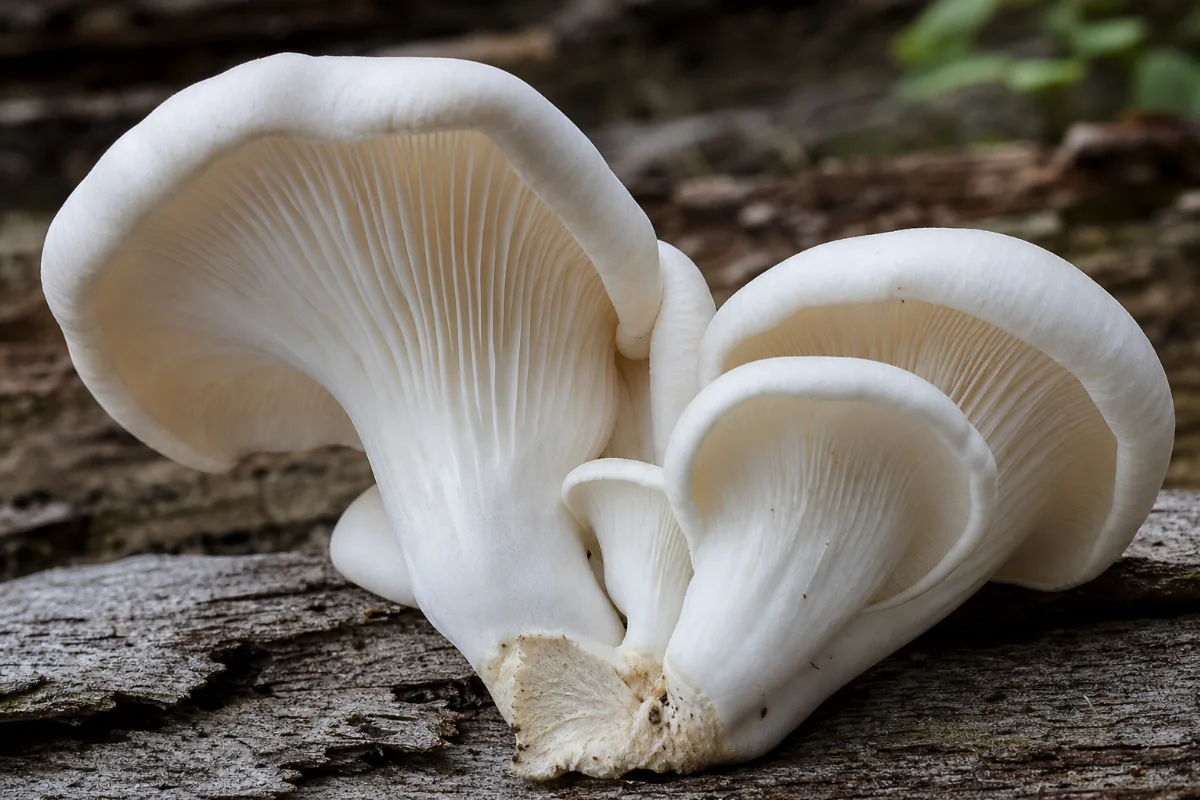
Bailing mushroom is a white to cream oyster-type food mushroom. The name belongs to a rare wild mushroom from Sicily, but most of what is sold under it in Asia is probably a different mushroom. All the health research is on cells and animals, and we found no human study. Safety in people is unknown.
General information, not medical advice. Last substantive update · Not medically reviewed. A named clinician has not signed off on this page. How this page is made
About Bailing mushroom
Bailing mushroom is a white to cream oyster-type food mushroom. Strictly, the name belongs to Pleurotus nebrodensis, a rare wild mushroom from Sicily and Greece that grows on the roots of plants in the carrot family. Most of what is farmed and sold under that name in Asia is probably a different mushroom, Pleurotus eryngii subsp. tuoliensis. The health research is on cells and animals, mostly with purified extracts. We found no study in people, so safety is unknown.
What it is, and a naming mix-up
Pleurotus nebrodensis is a fungus in the oyster mushroom family, not a plant. GBIF lists it as an accepted species. It grows on the dead roots of Prangos ferulacea, a plant in the carrot family, on pastures in the Madonie Mountains of Sicily, and has also been found in Greece.
Researchers who compared DNA sequences found that material from China sold as P. nebrodensis matched Pleurotus eryngii subsp. tuoliensis instead. The mushroom called bailinggu in China is that farmed mushroom. A study or product that says P. nebrodensis may therefore be about either mushroom, and many papers do not say which. See also king oyster, a close but different relative.
Conservation: please do not pick it
The wild Sicilian mushroom is rare. A 2025 paper says over-harvesting, including picking unripe mushrooms, and habitat loss led to a Critically Endangered listing on the IUCN Red List, and after a find in Greece it is now listed as Endangered. GBIF's record still shows Critically Endangered, so the exact current category is not confirmed here.
A 2011 survey of old collecting sites in Sicily found fruiting still in decline. Italian researchers now grow it in protected tunnels on wheat straw and sugar-beet residues to protect the wild population. If you want to try it, choose farmed mushrooms from a seller who names the species.
As a food
It is prized for taste and texture. We found no official nutrient table. A 2005 analysis of cultivated mushrooms called the vitamin B12 and riboflavin content noteworthy, without figures in the abstract. In a 2026 Sicilian study, water extracts of dried, farmed mushrooms held small amounts of vitamin C and phenolic compounds, mostly gallic acid, and the typical mushroom aroma molecules 1-octen-3-ol and hexanal.
These numbers are for extracts of one batch, not for a meal. A compound being present is not a health effect.
What the research shows
Almost all studies use purified polysaccharides, crude fractions or water extracts. In mice made immune-deficient by a chemotherapy drug, a polysaccharide raised immune measures. Injected crude polysaccharides lengthened life in mice with a transplanted tumour, and purified fractions killed cancer cells in dishes. Mouse studies also report longer swimming time, better kidney measures and a slower rise in blood pressure in rats.
None of this has been tested in people. Many substances kill cancer cells in a dish and then fail in people, and injected or purified doses are not like eating a mushroom.
Mushroom, mycelium and extract are different
The food is the fruiting body. Researchers also grow the mycelium in liquid culture, including selenium-enriched mycelium made by adding sodium selenite, and extract polysaccharides from it. Those are research preparations, not the mushroom. We read nothing on any commercial extract, capsule or mycelium-on-grain product sold under this name. Ask a pharmacist before using one.
At a glance
Traditional uses history, not proof
- No traditional medicinal use was found. In Sicily it has a long reputation as a delicious food mushroom.
Studied for research
- Immune activity (mice and cells), very low
- Anticancer findings (cells and mice), very low
- Antioxidant activity in skin cells (lab), very low
- Fatigue, kidney, blood pressure, heart and liver (mice and rats), very low
- Food composition (one lab sample), low
- Any effect in people, insufficient (no human study)
Main compounds
- Beta-glucans (fibre-like sugars)
- Polysaccharides (long sugar chains)
- Gallic acid and other phenolics
- Vitamin C in small amounts in extracts
- Nebrodeolysin (a protein that breaks red blood cells in a dish)
Common forms
- Fresh or cooked mushroom (food)
- Dried and powdered mushroom
- Water extracts and purified polysaccharides (research only)
- Liquid-culture mycelium products (research only)
Research links: Name mix-up: sequence analysis (abstract) · Antioxidant and aroma extracts, Sicily, 2026 (open access) · Wild and farmed extracts in skin cells, 2025 (open access) · Polysaccharides and mouse sarcoma (open access) · Hemolytic protein nebrodeolysin (abstract) · GBIF record with conservation status · Research Library · Genes & Biomarkers Library
What it is and its history
- Accepted scientific name
- Pleurotus nebrodensis
- Naming authority
- (Inzenga) Quel. (GBIF)
- Synonyms
- Agaricus nebrodensis Inzenga (original name); Pleurotus eryngii var. nebrodensis (Inzenga) Sacc.; Pleurotus cardarella var. nebrodensis (Inzenga) Quel.; Pleurotus fossulatus (Cooke) Sacc.; Agaricus fossulatus Cooke
- Common names
- Bailing mushroom (English); White ferula mushroom (English); Sicilian oyster mushroom (English); Bailinggu (the Chinese farmed mushroom usually sold under this name) (Chinese (romanised))
- Family or group
- Pleurotaceae (oyster mushroom family), a fungus, not a plant
- Classification
- Fungi > Basidiomycota > Agaricomycetes > Agaricales > Pleurotaceae > Pleurotus > Pleurotus nebrodensis
- Native range
- The Mediterranean: the Madonie Mountains in Sicily, Italy, where a 2026 paper calls it the only fungal species currently reported as endemic, and some regions of Greece (Foods 2026 introduction).
- Habitat
- A saprotroph (it feeds on dead material) growing on dead roots of the umbellifer Prangos ferulacea (carrot family), on pastures; fruiting between April and June in the Madonie (Antioxidants 2025). Collected at Piano Battaglia, 1,687 m.
- What it looks like
- Fruiting body: Papers describe it as having entirely white to cream fruiting bodies (basidiomes). No detailed description was read.
- Cultivation
- Grown in tunnels or protected sites in Sicily as an ex situ conservation measure. The PLEURON project used cultivation bags of wheat straw and sugar-beet residues inoculated with a pure culture, at Castelbuono in the Madonie (Foods 2026). In Asia, a different mushroom sold under this name is farmed commercially.
- Harvest and processing
- Samples in the Sicilian study were air-dried at about 30 C before extraction. A 2026 paper made water extracts by freeze-thaw and by ultrasound.
- Look-alikes and adulterants
- Name: Pleurotus eryngii subsp. tuoliensis (the farmed Chinese 'bailinggu'); Note: Often sold as P. nebrodensis. A different taxon in current research. Results for one cannot be assumed for the other.; Name: Other Pleurotus taxa on Apiaceae plants (e.g. P. eryngii varieties, P. nebrodensis subsp. fossulatus, P. ferulaginis); Note: A 2014 paper provides a key for nine such taxa; it is for specialists.; Name: Wild mushrooms in general; Note: No identification source for the public was read. Do not eat wild mushrooms unless an expert has identified them.
- Sustainability and conservation
- Listed by IUCN as threatened. GBIF's record shows Critically Endangered. A 2025 paper says it was classified Critically Endangered because of over-harvesting (including picking unripe mushrooms) and habitat degradation, and following a find in Greece is now Endangered. A 2011 survey of old Sicilian sites confirmed a continuing decline in fruiting. The IUCN site itself was not reachable, so the latest category is not confirmed here.
Traditional use and history history, not clinical proof
| Tradition or era | Documented use | Source |
|---|---|---|
| Culinary reputation in Sicily | A 2025 paper says it has historically been celebrated as the most delicious mushroom of the Sicilian mycological flora. This is a food reputation, not a medicinal tradition. | p41462638 |
| Traditional medicinal use | No source we read describes a traditional medicinal use. Recent papers call it a medicinal mushroom because of laboratory findings. | none |
| Commercial farming in Asia | A mushroom sold under this name is farmed commercially, especially in China, but sequence analysis shows it is mostly a different taxon (P. eryngii subsp. tuoliensis). | p27279445 |
Traditional use shows how it was used. It does not show that it works or is safe today.
What is inside, and how it may work
What it contains and how those compounds act in cells and animals. Laboratory and animal mechanisms are not proven effects in people.
Main compounds
| Compound | Family | Where it is concentrated | Activity studied | Level of evidence |
|---|---|---|---|---|
| Beta-glucans | polysaccharide | Fruiting body extract fractions 23.79 to 36.63 g per 100 g of dried extract fractions (Korean commercial fruiting body; not the whole mushroom) | Fibre-like sugars. A 2025 paper found antioxidant activity in skin cells went along with beta-glucan content. Lab only. 1 15 | Laboratory research |
| PNPS (hot-water polysaccharide) | polysaccharide | Fruiting body 97.20% sugar; glucose 89.22 mol%, mannose 5.60, galactose 5.18; about 5,012 kDa | Fermented by gut bacteria in the lab into short-chain fatty acids. 8 | Laboratory research |
| Gallic acid and other phenolics | phenolic acid | Fruiting body water extract Gallic acid 92.48 and 103.24 ug per g of lyophilised extract (two methods); total phenolics 4.02 and 5.05 ug per g dry weight | Antioxidant in test-tube assays; no human outcome. 2 | Laboratory research |
| Ascorbic acid (vitamin C) | vitamin | Fruiting body water extract 7.02 and 6.23 ug per g of extract (two methods) | Measured in an extract; a small amount. 2 | Laboratory research |
| 1-Octen-3-ol and hexanal | volatile aroma compounds | Fruiting body Not given as amounts in what we read | Typical mushroom aroma; freeze-thaw extraction kept more than ultrasound. 2 | Food chemistry |
| Vitamin B12 and riboflavin | vitamins | Fruiting body The 2005 abstract calls the content 'noteworthy' and gives no figures | Nutrient content reported for cultivated mushrooms; amounts and form not given. 11 | Food chemistry |
| Nebrodeolysin | hemolytic protein (about 27 kDa) | Fruiting body Not given | Broke open red blood cells and was toxic to cell lines in dishes; anti-HIV-1 activity in cell culture only. 13 | Laboratory research |
Mechanisms, receptors and pathways
| Target or pathway | Gene or receptor | What was found | Level |
|---|---|---|---|
| Mitochondrial (intrinsic) cell-death pathway | Caspase-3, caspase-9, Bax, Bcl-2, cytochrome c | Polysaccharides raised cell-death signals in lung, liver and breast cancer cells, per the authors. 3 5 12 | Laboratory research |
| Macrophage and cytokine signalling | TNF-alpha, IL-6, IL-10, iNOS, interferon-gamma | The polysaccharides raised these signals in resting mouse immune cells and lowered inflammatory ratios in overstimulated cells. 17 4 | Laboratory research |
| Nrf2/Keap1 antioxidant pathway | Nrf2, Keap1 | The authors suggest this pathway explains the swimming-time result in mice. Not proven. 21 | Hypothesis |
| Free-radical scavenging | ROS, mitochondrial superoxide | Water extracts scavenged free radicals in skin cells; effect correlated with beta-glucan content. 15 | Laboratory research |
Absorption, metabolism and elimination
- Absorption
- Not found in the sources read.
- Distribution
- Not found in the sources read.
- Metabolism
- Not found in the sources read.
- Elimination
- Not found in the sources read.
- Bioavailability
- Not established.
Isolated compounds versus whole extracts
Nearly all the biological research uses purified polysaccharide fractions, crude fractions, water extracts or liquid-culture mycelium, many of them injected or applied to cells. No study tested the whole cooked mushroom in people or animals, apart from a rat diet with dried powder. Results from a fraction cannot be assumed for the food.
Nutritional composition
We found no official nutrient table for bailing mushroom and no open paper with protein, fibre, vitamin D or ergothioneine for it. The numbers in papers describe extracts of one batch, not a serving.
1 low certainty8 very low certainty1 not enough evidence
What was looked at
The 10 benefits and uses checked for Bailing mushroom, each with how strong the evidence is. Tap one to open it.
- Immune activity (mice and cells)Very low certainty
- Anticancer findings (cells and mice)Very low certainty
- Selenium-enriched mycelium polysaccharide and breast cancer (mice)Very low certainty
- As a food: what a sample containedLow certainty
- Antioxidant activity in skin cells (lab)Very low certainty
- Anti-fatigue findings (mice)Very low certainty
- Kidney findings (mice)Very low certainty
- Blood pressure (rats)Very low certainty
- Heart and liver protection after injury (rats)Very low certainty
- Feeding gut bacteria (lab fermentation)Not enough evidence
Lab markers tracked in the studies
Thymus and spleen indices (immune organ weights)Blood IgM and IgG (antibodies) in miceLife span of tumour-bearing miceCancer-cell growth and cell death in dishesPhenolics and vitamin C in a water extractFree radicals (ROS) and mitochondrial superoxide (SOX) in skin cellsWeight-loaded swimming time in miceSystolic blood pressure in hypertensive ratsShort-chain fatty acids in lab fermentation
What is Bailing mushroom good for?
The uses people ask about and how strong the evidence is for each. For nearly all of them the evidence is lab or animal work only. Read this together with the Safety tab.
Benefits, one by one
Each card is a research question, not a promise. Tap a goal to filter. Open a card to see the studies, doses and limits.
Immune activity (mice and cells)
Very low certaintyA purified polysaccharide from the fruiting body raised immune measures in mice made immune-deficient by a chemotherapy drug, and it stimulated mouse macrophage cells in a dish. No one has tested it in people.
2 studiesA purified polysaccharide fraction (PN-S, PN50G). Not the same as eat…
Studies, doses and limits
What the trials found
No human study of this mushroom was found, so nothing here shows an effect in people. The evidence is a purified polysaccharide given to mice and applied to a mouse cell line.
Results
Mice: weight loss reversed, thymus and spleen indices, antibody levels and immune-cell activity rose. Cells: raised immune signals, and lower inflammatory ratios when overstimulated.
Effect sizes as reported
Higher immune measures in mice; no numbers in the abstracts
Why this rating
Mouse and cell-dish work only, with purified compounds, from related research groups. No human data. Abstracts give no sizes.
Form and dose studied
A purified polysaccharide fraction (PN-S, PN50G). Not the same as eating the mushroom or any supplement.
Who was studied
Mice made immune-deficient with cyclophosphamide; a mouse macrophage cell line
Limits
Immune measures in mice do not show better health in people. A stronger immune response is not always helpful, for example in autoimmune disease or after a transplant.
Why researchers looked
Mushroom polysaccharides are often tested for immune effects, and researchers asked whether this one could help after chemotherapy-type damage.
Traditional use
No traditional medicinal use of this mushroom was found in the sources read.
Proposed mechanism Animal research
The authors report more cytokine signals (IL-6, TNF-alpha, interferon-gamma) and more active macrophages and natural killer cells. They do not show how.
A proposed mechanism does not show that the effect happens in people.
No human safety data were found. See the Safety tab. Name confusion with a different farmed mushroom is the main quality question.
Anticancer findings (cells and mice)
Very low certaintyCrude and purified polysaccharides from the fruiting body killed some cancer cells in dishes and lengthened life in mice with a transplanted tumour. This is early lab work. It does not show that the mushroom treats or prevents cancer in people.
5 studiesCrude fractions, purified polysaccharides and a cold-water extract. N…
Studies, doses and limits
What the trials found
No human study of this mushroom was found, so nothing here shows an effect in people. Cancer research here means cells in dishes and mice.
Results
Injected crude polysaccharides lengthened life of sarcoma-bearing mice by 11.76 to 27.06%. Purified polysaccharides killed lung, liver and colon cancer cells in dishes and slowed liver-tumour growth in mice.
Effect sizes as reported
Life span in mice 11.76 to 27.06% longer (injected extracts); other results have no numbers in the abstracts
Why this rating
Cells in dishes and mice only, many different preparations, injected doses unlike eating a mushroom, from a small number of research groups. No human trial.
Form and dose studied
Crude fractions, purified polysaccharides and a cold-water extract. Nothing here is a food or supplement dose.
Who was studied
Cancer cell lines (human lung, liver, colon); mice with transplanted tumours
Limits
Killing cells in a dish is common and rarely leads to a treatment. Do not use this mushroom or any extract in place of cancer treatment, and tell your cancer team about any supplement.
Why researchers looked
Edible-fungus polysaccharides are often tested against cancer cells because many reduce tumour growth in animal models.
Traditional use
No traditional medicinal use of this mushroom was found in the sources read.
Proposed mechanism In vitro and animal
The papers report cell death through the mitochondrial pathway (caspase-3 and caspase-9 signals) and immune stimulation. These are the authors' explanations from lab measurements.
A proposed mechanism does not show that the effect happens in people.
No human safety data were found. See the Safety tab. Name confusion with a different farmed mushroom is the main quality question.
Selenium-enriched mycelium polysaccharide and breast cancer (mice)
Very low certaintyResearchers grew the mushroom's mycelium in a liquid with added selenium and extracted polysaccharides from it. In mice with breast tumours, these slowed tumour growth. It is a lab-made research product, not the mushroom you eat.
1 studiesSelenium-enriched mycelium polysaccharide made in a liquid culture. R…
Studies, doses and limits
What the trials found
No human study of this mushroom was found, so nothing here shows an effect in people. The work is in mouse breast cancer cells and mice.
Results
A higher-selenium fraction slowed cancer-cell growth, migration and invasion in dishes. By mouth in mice it inhibited tumour growth, reported without observable toxicity.
Effect sizes as reported
Smaller mouse tumours; no numbers in the abstract
Why this rating
One 2026 paper, mouse cells and mice, no numbers in the abstract, a lab-made mycelium product.
Form and dose studied
Selenium-enriched mycelium polysaccharide made in a liquid culture. Results do not carry over to the fruiting body, mycelium-on-grain products or capsules.
Who was studied
Mouse breast cancer cells; mice with transplanted tumours
Limits
Too much selenium can itself be harmful; this paper tells us nothing about safe amounts for people.
Why researchers looked
Selenium is added to mycelium cultures to see whether the polysaccharides become more active against cancer cells.
Traditional use
No traditional medicinal use of this mushroom was found in the sources read.
Proposed mechanism Animal research
The authors report more cell-death signals (Bax up, Bcl-2 down) and changes in tumour immune signals. They explain this as a mitochondrial pathway.
A proposed mechanism does not show that the effect happens in people.
No human safety data were found. See the Safety tab. Name confusion with a different farmed mushroom is the main quality question.
As a food: what a sample contained
Low certaintyStudies of farmed Sicilian bailing mushroom report vitamin C, phenolic compounds and the typical mushroom aroma molecules in water extracts, and a 2005 analysis reported notable vitamin B12 and riboflavin. We found no official nutrient table and no numbers for protein, fibre or minerals.
2 studiesDried fruiting body and its water extracts. Fresh and cooked mushroom…
Studies, doses and limits
What the trials found
No human study of what eating it does. Content was measured only in laboratories.
Results
Freeze-thaw and ultrasound water extracts held gallic acid, vitamin C, procyanidins and aroma compounds (1-octen-3-ol, hexanal). A 2005 composition paper called its vitamin B12 and riboflavin content noteworthy.
Effect sizes as reported
Extract values, for example total phenolics 4.02 and 5.05 ug per g dry weight
Why this rating
Careful measurement in one 2026 paper, but of extracts from one farmed batch; the B12 and riboflavin point is from an abstract with no numbers. Content depends on strain and growing.
Form and dose studied
Dried fruiting body and its water extracts. Fresh and cooked mushrooms were not analysed in the papers read.
Who was studied
Farmed Sicilian fruiting bodies
Limits
Extract values do not tell you what a meal gives you. A nutrient being present is not a health effect. No USDA entry was found.
Why researchers looked
People want to know whether this prized food mushroom is also nutritious.
Traditional use
No traditional medicinal use of this mushroom was found in the sources read.
Proposed mechanism Compositional analysis
Not applicable; this is food composition.
A proposed mechanism does not show that the effect happens in people.
No human safety data were found. See the Safety tab. Name confusion with a different farmed mushroom is the main quality question.
Antioxidant activity in skin cells (lab)
Very low certaintyWater extracts from wild and farmed bailing mushroom reduced oxidative stress markers in human skin cells in a dish. The effect went along with beta-glucan content. It is a lab finding only.
2 studiesWater extracts of wild and cultivated fruiting bodies. Not creams or …
Studies, doses and limits
What the trials found
No human study of this mushroom was found, so nothing here shows an effect in people. Only a cultured human skin cell line was used.
Results
Two of ten extracts lowered ROS and SOX. The overall antioxidant activity correlated with beta-glucan content.
Effect sizes as reported
Lower oxidative stress markers in cells; no clinical outcome
Why this rating
One paper, one cell line, doses chosen to be non-toxic, nothing in people.
Form and dose studied
Water extracts of wild and cultivated fruiting bodies. Not creams or supplements.
Who was studied
Human skin cell line (HaCaT) in dishes
Limits
A cell result does not show skin benefit. The paper itself says the species is rare, so wild collection for cosmetics would harm the wild population.
Why researchers looked
Antioxidants are tested for skin protection, and this rare mushroom had never been tested in skin cells.
Traditional use
No traditional medicinal use of this mushroom was found in the sources read.
Proposed mechanism Laboratory research
The authors report both prevention (changing cell defences) and direct scavenging of free radicals. Which one an extract used differed by extract.
A proposed mechanism does not show that the effect happens in people.
No human safety data were found. See the Safety tab. Name confusion with a different farmed mushroom is the main quality question.
Anti-fatigue findings (mice)
Very low certaintyPolysaccharides from mycelium grown in liquid culture lengthened swimming time in mice and changed blood markers of fatigue. This is a mouse test only.
1 studiesLiquid-culture mycelium polysaccharide; not the fruiting body.
Studies, doses and limits
What the trials found
No human study of this mushroom was found, so nothing here shows an effect in people. Only mice were tested.
Results
Mice swam longer; blood MDA, lactate and LDH fell; SOD activity and glycogen stores rose.
Effect sizes as reported
Longer swimming time; no numbers in the abstract
Why this rating
One mouse paper, mycelium made in a liquid culture, abstract without numbers.
Form and dose studied
Liquid-culture mycelium polysaccharide; not the fruiting body.
Who was studied
Mice
Limits
A mouse swimming test is not a test of fatigue in people.
Why researchers looked
Mushroom polysaccharides are tested in mouse swimming tests as a stand-in for endurance.
Traditional use
No traditional medicinal use of this mushroom was found in the sources read.
Proposed mechanism Animal research
The authors point to the Nrf2/Keap1 antioxidant pathway. They did not prove it.
A proposed mechanism does not show that the effect happens in people.
No human safety data were found. See the Safety tab. Name confusion with a different farmed mushroom is the main quality question.
Kidney findings (mice)
Very low certaintyA chewable tablet made from the fruiting-body polysaccharide improved kidney measures in mice with chemically induced kidney disease. It has not been tested in people.
1 studiesA polysaccharide tablet made for the study, not a commercial product.
Studies, doses and limits
What the trials found
No human study of this mushroom was found, so nothing here shows an effect in people. Only mice with adenine-induced kidney disease were tested.
Results
At both doses tested, the tablet improved renal function, raised antioxidant activity and reduced inflammation.
Effect sizes as reported
Improved kidney measures in mice; no numbers in the abstract
Why this rating
One 2026 mouse paper and no numbers in the abstract.
Form and dose studied
A polysaccharide tablet made for the study, not a commercial product.
Who was studied
Mice with adenine-induced kidney disease
Limits
People with kidney disease should not take this or any mushroom extract without asking their kidney doctor. Nothing is known about safety in kidney disease.
Why researchers looked
Researchers were looking for a use for the polysaccharide as a dietary supplement for kidney problems.
Traditional use
No traditional medicinal use of this mushroom was found in the sources read.
Proposed mechanism Animal research
The authors report better antioxidant activity and less inflammation in the mouse kidney. They did not prove how.
A proposed mechanism does not show that the effect happens in people.
No human safety data were found. See the Safety tab. Name confusion with a different farmed mushroom is the main quality question.
Blood pressure (rats)
Very low certaintyFeeding rats bred to have high blood pressure a diet with 6% dried bailing mushroom powder slowed the rise in their blood pressure. This is rat work from 2008 and has not been followed by human trials.
1 studiesDried fruiting body powder and fractions fed in rat diets.
Studies, doses and limits
What the trials found
No human study of this mushroom was found, so nothing here shows an effect in people. The evidence is from rats only.
Results
Single doses lowered systolic pressure for about 2 hours. Over 16 weeks, the 6% powder diet slowed the rise; total cholesterol and triglycerides were not changed.
Effect sizes as reported
Smaller rise in blood pressure in rats; no numbers in the abstract
Why this rating
One old rat study, abstract only, strain not stated, no repeat.
Form and dose studied
Dried fruiting body powder and fractions fed in rat diets.
Who was studied
Spontaneously hypertensive rats
Limits
Rat blood pressure results rarely carry over to people. People on blood pressure medicine should not change their plan because of this.
Why researchers looked
Food-derived proteins and polysaccharides are tested for blood pressure effects in rat models.
Traditional use
No traditional medicinal use of this mushroom was found in the sources read.
Proposed mechanism Animal research
The abstract says effects on the renin-angiotensin system and kidney function were indicated; it does not prove this.
A proposed mechanism does not show that the effect happens in people.
No human safety data were found. See the Safety tab. Name confusion with a different farmed mushroom is the main quality question.
Heart and liver protection after injury (rats)
Very low certaintyA purified polysaccharide given to rats before an induced heart or liver injury reduced the damage. These are 2015 and 2017 rat studies, not human trials.
2 studiesA purified polysaccharide (PNPA).
Studies, doses and limits
What the trials found
No human study of this mushroom was found, so nothing here shows an effect in people. These were rat models with the compound given beforehand.
Results
Heart: smaller infarct size and restored antioxidant enzymes after 30 days of pretreatment. Liver: less damage, lower AST and ALT and lower inflammatory signals after pretreatment.
Effect sizes as reported
Less tissue damage in rats; no numbers in the abstracts
Why this rating
Two rat papers from the same research line, abstracts only, compound given before the injury.
Form and dose studied
A purified polysaccharide (PNPA).
Who was studied
Rats with induced heart or liver injury
Limits
Protection when given before an injury in rats does not mean protection or treatment in people.
Why researchers looked
Antioxidant polysaccharides are tested in injury models where blood flow is blocked and restored.
Traditional use
No traditional medicinal use of this mushroom was found in the sources read.
Proposed mechanism Animal research
The authors report more antioxidant enzymes and fewer cell-death signals in the protected tissue.
A proposed mechanism does not show that the effect happens in people.
No human safety data were found. See the Safety tab. Name confusion with a different farmed mushroom is the main quality question.
Feeding gut bacteria (lab fermentation)
Not enough evidenceIn a lab fermenter, gut bacteria broke down the fruiting-body polysaccharide and made more short-chain fatty acids. This shows the fibre can be fermented, not that it helps digestion.
1 studiesA purified hot-water polysaccharide (PNPS).
Studies, doses and limits
What the trials found
No human study of this mushroom was found, so nothing here shows an effect in people. No person's gut was tested.
Results
More short-chain fatty acids than the control after 48 hours, mainly acetic acid, then propionic and butyric acid.
Effect sizes as reported
Higher short-chain fatty acids in a dish
Why this rating
One laboratory fermentation of a purified polysaccharide.
Form and dose studied
A purified hot-water polysaccharide (PNPS).
Who was studied
Lab fermentation with gut bacteria
Limits
A lab fermentation says nothing about digestion, comfort or health in people.
Why researchers looked
Mushroom fibres are tested as possible prebiotics (food for gut bacteria).
Traditional use
No traditional medicinal use of this mushroom was found in the sources read.
Proposed mechanism Laboratory research
Short-chain fatty acids are made when gut bacteria ferment fibre; this was measured in the lab.
A proposed mechanism does not show that the effect happens in people.
No human safety data were found. See the Safety tab. Name confusion with a different farmed mushroom is the main quality question.
Connections to the rest of health
How Bailing mushroom connects to the rest of our health knowledge graph. Every link says what kind of connection it is. A safety link (for example to the liver) is a warning, not a benefit. A study that merely mentions a topic never creates a benefit link.
Explore every connection: goals, body systems, organs, symptoms, genes
A. Wellness goals
| Connected to | Kind of connection | Evidence status | Context | Studies |
|---|---|---|---|---|
| Immune Support | Very low certainty | Immune activity (mice and cells): A purified polysaccharide from the fruiting body raised immune measures in mice made immune-deficient by a chemotherapy drug, and it stimulated mouse macrophage cells in a dish. No one has tested it in people. Anticancer findings (cells and mice): Crude and purified polysaccharides from the fruiting body killed some cancer cells in dishes and lengthened life in mice with a transplanted tumour. This is early lab work. It does not show that the mushroom treats or prevents cancer in people. | 4 17 1 3 5 6 13 | |
| Cellular Protection | Very low certainty | Anticancer findings (cells and mice): Crude and purified polysaccharides from the fruiting body killed some cancer cells in dishes and lengthened life in mice with a transplanted tumour. This is early lab work. It does not show that the mushroom treats or prevents cancer in people. Selenium-enriched mycelium polysaccharide and breast cancer (mice): Researchers grew the mushroom's mycelium in a liquid with added selenium and extracted polysaccharides from it. In mice with breast tumours, these slowed tumour growth. It is a lab-made research product, not the mushroom you eat. | 1 3 5 6 13 12 15 2 | |
| Healthy Aging | Low certainty | As a food: what a sample contained: Studies of farmed Sicilian bailing mushroom report vitamin C, phenolic compounds and the typical mushroom aroma molecules in water extracts, and a 2005 analysis reported notable vitamin B12 and riboflavin. We found no official nutrient table and no numbers for protein, fibre or minerals. | 2 11 | |
| Healthy Skin | Very low certainty | Antioxidant activity in skin cells (lab): Water extracts from wild and farmed bailing mushroom reduced oxidative stress markers in human skin cells in a dish. The effect went along with beta-glucan content. It is a lab finding only. | 15 2 | |
| Reduce Fatigue | Very low certainty | Anti-fatigue findings (mice): Polysaccharides from mycelium grown in liquid culture lengthened swimming time in mice and changed blood markers of fatigue. This is a mouse test only. | 21 | |
| Physical Stamina | Very low certainty | Anti-fatigue findings (mice): Polysaccharides from mycelium grown in liquid culture lengthened swimming time in mice and changed blood markers of fatigue. This is a mouse test only. | 21 | |
| Healthy Aging | Very low certainty | Kidney findings (mice): A chewable tablet made from the fruiting-body polysaccharide improved kidney measures in mice with chemically induced kidney disease. It has not been tested in people. | 20 | |
| Blood Pressure Support | Very low certainty | Blood pressure (rats): Feeding rats bred to have high blood pressure a diet with 6% dried bailing mushroom powder slowed the rise in their blood pressure. This is rat work from 2008 and has not been followed by human trials. | 14 | |
| Heart Health | Very low certainty | Blood pressure (rats): Feeding rats bred to have high blood pressure a diet with 6% dried bailing mushroom powder slowed the rise in their blood pressure. This is rat work from 2008 and has not been followed by human trials. Heart and liver protection after injury (rats): A purified polysaccharide given to rats before an induced heart or liver injury reduced the damage. These are 2015 and 2017 rat studies, not human trials. | 14 19 18 | |
| Liver Support | Very low certainty | Heart and liver protection after injury (rats): A purified polysaccharide given to rats before an induced heart or liver injury reduced the damage. These are 2015 and 2017 rat studies, not human trials. | 19 18 | |
| Gut Health | Not enough evidence | Feeding gut bacteria (lab fermentation): In a lab fermenter, gut bacteria broke down the fruiting-body polysaccharide and made more short-chain fatty acids. This shows the fibre can be fermented, not that it helps digestion. | 8 | |
| Digestive Support | Not enough evidence | Feeding gut bacteria (lab fermentation): In a lab fermenter, gut bacteria broke down the fruiting-body polysaccharide and made more short-chain fatty acids. This shows the fibre can be fermented, not that it helps digestion. | 8 |
B. Body systems
| Connected to | Kind of connection | Evidence status | Context | Studies |
|---|---|---|---|---|
| Immune system | Drug or supplement interaction | Very low certainty | Raised immune activity in mice and cells; a theoretical caution for people on immune-suppressing medicine. Preparation or compound: Fruiting-body polysaccharides |
4 17 |
| Blood | Adverse effect or risk | Very low certainty | Broke open rabbit red blood cells in a dish; nothing in people. Preparation or compound: Nebrodeolysin (purified protein) |
13 |
| Immune system | Very low certainty | Raised immune measures in mice and mouse cells; nothing in people. Preparation or compound: Fruiting-body polysaccharides |
4 17 | |
| Immune System | Biological association | Very low certainty | Studied for: Immune activity (mice and cells) Studied for: Anticancer findings (cells and mice) | 4 17 1 3 5 6 13 12 |
| Metabolism Weight | Biological association | Low certainty | Studied for: As a food: what a sample contained | 2 11 |
| Skin Hair Beauty | Biological association | Very low certainty | Studied for: Antioxidant activity in skin cells (lab) | 15 2 |
| Energy Fatigue | Biological association | Very low certainty | Studied for: Anti-fatigue findings (mice) | 21 |
| Kidney Urinary | Biological association | Very low certainty | Studied for: Kidney findings (mice) | 20 |
| Heart Circulation | Biological association | Very low certainty | Studied for: Blood pressure (rats) Studied for: Heart and liver protection after injury (rats) | 14 19 18 |
| Hepatic System | Biological association | Very low certainty | Studied for: Heart and liver protection after injury (rats) | 19 18 |
| Digestive System | Biological association | Not enough evidence | Studied for: Feeding gut bacteria (lab fermentation) | 8 |
I. Biomarkers
| Connected to | Kind of connection | Evidence status | Context | Studies |
|---|---|---|---|---|
| Thymus and spleen indices (immune organ weights) | Biological association | Very low certainty | Measured in trials: raised. A lab change is not the same as a health benefit. | 4 |
| Blood IgM and IgG (antibodies) in mice | Biological association | Very low certainty | Measured in trials: raised. A lab change is not the same as a health benefit. | 4 |
| Life span of tumour-bearing mice | Biological association | Very low certainty | Measured in trials: raised. A lab change is not the same as a health benefit. | 1 |
| Cancer-cell growth and cell death in dishes | Biological association | Very low certainty | Measured in trials: lowered. A lab change is not the same as a health benefit. | 3 5 6 |
| Phenolics and vitamin C in a water extract | Biological association | Low certainty | Measured in trials: not-applicable. A lab change is not the same as a health benefit. | 2 |
| Free radicals (ROS) and mitochondrial superoxide (SOX) in skin cells | Biological association | Very low certainty | Measured in trials: lowered. A lab change is not the same as a health benefit. | 15 |
| Weight-loaded swimming time in mice | Biological association | Very low certainty | Measured in trials: raised. A lab change is not the same as a health benefit. | 21 |
| Systolic blood pressure in hypertensive rats | Biological association | Very low certainty | Measured in trials: lowered. A lab change is not the same as a health benefit. | 14 |
| Short-chain fatty acids in lab fermentation | Biological association | Very low certainty | Measured in trials: raised. A lab change is not the same as a health benefit. | 8 |
J. Genes, receptors and enzymes
| Connected to | Kind of connection | Evidence status | Context | Studies |
|---|---|---|---|---|
| Nrf2 / Keap1 | Preliminary mechanism | Hypothesis | Suggested by authors as the pathway behind a swimming-time effect in mice. | 21 |
| Caspase-3 and caspase-9 | Preliminary mechanism | In vitro | Cell-death enzymes raised in lung cancer cells treated with a polysaccharide. | 3 |
L. Active compounds
| Connected to | Kind of connection | Evidence status | Context | Studies |
|---|---|---|---|---|
| Beta-glucans | Biological association | In vitro | Fibre-like sugars. A 2025 paper found antioxidant activity in skin cells went along with beta-glucan content. Lab only. Preparation or compound: Fruiting body extract fractions |
1 15 |
| PNPS (hot-water polysaccharide) | Biological association | In vitro | Fermented by gut bacteria in the lab into short-chain fatty acids. Preparation or compound: Fruiting body |
8 |
| Gallic acid and other phenolics | Biological association | In vitro | Antioxidant in test-tube assays; no human outcome. Preparation or compound: Fruiting body water extract |
2 |
| Ascorbic acid (vitamin C) | Biological association | In vitro | Measured in an extract; a small amount. Preparation or compound: Fruiting body water extract |
2 |
| 1-Octen-3-ol and hexanal | Biological association | Food chemistry | Typical mushroom aroma; freeze-thaw extraction kept more than ultrasound. Preparation or compound: Fruiting body |
2 |
| Vitamin B12 and riboflavin | Biological association | Food chemistry | Nutrient content reported for cultivated mushrooms; amounts and form not given. Preparation or compound: Fruiting body |
11 |
| Nebrodeolysin | Biological association | In vitro | Broke open red blood cells and was toxic to cell lines in dishes; anti-HIV-1 activity in cell culture only. Preparation or compound: Fruiting body |
13 |
Each connection is stored with the ingredient, the connected record, the kind of connection, the evidence status, the supporting studies, the preparation or compound involved, and a review date (last reviewed October 25, 2026).
Evidence at a glance: what changed in 8 lab markers
Tap a number to show only those markers. Counts are markers, not people.
The evidence
The research centre for Bailing mushroom. Every record here was checked against PubMed or the publisher's page; we never list a study we have not verified.
Evidence by outcome
Bars show how many studies we found for each outcome, not how well it works. People are added up across trials only (reviews are not added, to avoid double counting).
How we rate evidence
High certainty
Several well-run trials or reviews agree; further research is unlikely to change the picture much.
Moderate certainty
Good trials point the same way, but some doubt remains.
Low certainty
Small, short or inconsistent trials. The finding could change with better research.
Very low certainty
Very little or very weak human data. Treat as a possibility only.
Mixed findings
Trials or reviews disagree with each other.
Not enough evidence
Not enough human research to say either way.
Evidence against
Good research found no benefit, or found harm.
We take the reviewers' own risk-of-bias and GRADE statements where they exist, and otherwise judge from study size, design, consistency, directness and whether a product matches what is sold. Many publications do not make evidence high. Method note: We read PubMed records and abstracts for 23 sources (laboratory and animal studies, three taxonomy papers, two food-analysis papers and one metal survey), the open-access full text of three papers, and the GBIF taxonomy and conservation record. Numbers come from the text read; most are from abstracts. Certainty ratings are the compiler's own reading.
Study library: every study we checked 23
| Study | Design | People | Product, dose, length | Result |
|---|---|---|---|---|
| Cha 2012 Anticancer and Immunopotentiating Activities of Crude Polysaccharides from Pleurotus nebrodensis on Mouse Sarcoma 180. Mycobiology · PMID 23323048 · DOI |
Animal study mouse |
Mice with an implanted sarcoma 180 tumour; four cell lines in dishes | Three crude polysaccharide extracts (methanol, neutral salt and hot-water fractions) of a commercial fruiting body sold in Korea Fruiting body (crude polysaccharide fractions) Not shown here Injection into the abdomen for 10 days (mice) |
The extracts were not toxic to four cell lines at the concentrations tested. Injected into the abdomen of tumour-bearing mice, they lengthened life span by 11.76 to 27.06%. The salt fraction raised spleen-cell numbers 1.49-fold and the hot-water fraction raised a B-cell marker 1.65-fold. TNF-alpha, IL-1 beta and IL-6 rose. Beta-glucan made up 23.79 to 36.63 g per 100 g of the dried extracts. Life span of tumour mice longer by 11.76 to 27.06% Methods, limits and fundingOutcomes: Cell toxicity, life span of tumour-bearing mice, spleen-cell numbers, immune signals Limitations: Injected extracts in mice with one transplanted tumour type. The authors suggest a possible use in treating cancer; this study cannot show that. The commercial Korean strain may be the farmed Asian mushroom rather than the Sicilian one. Funding and conflicts: Korean university; funding not checked Read: full text (open access, PMC3538970) |
| Cirlincione 2026 Antioxidant and Aromatic Properties of Aqueous Extracts of Pleurotus nebrodensis as Potential Food Ingredients. Foods · PMID 41596895 · DOI |
Food analysis fungus |
Farmed Pleurotus nebrodensis fruiting bodies from the PLEURON project, Castelbuono, Sicily, air-dried | Two water extracts, one by freeze-thaw and one by ultrasound Fruiting body (water extracts) Not shown here Laboratory analysis |
Ultrasound extracts had more phenolics (5.05 vs 4.02 ug per g dry weight) and flavonoids (0.74 vs 0.23) but less procyanidins (12.33 vs 15.93) and ascorbic acid (6.23 vs 7.02) than freeze-thaw extracts. Gallic acid was the most abundant phenolic (92.48 and 103.24 ug per g). Freeze-thaw kept more of the aroma compounds 1-octen-3-ol and hexanal. Extract yields were 45.3 and 40.3%. Composition of extracts only; no health outcome Methods, limits and fundingOutcomes: Phenolics, flavonoids, procyanidins, vitamin C, antioxidant tests, aroma compounds Limitations: Extracts, not whole mushrooms, so values do not describe what a meal provides. Farmed Sicilian strain only. No nutrition table. Funding and conflicts: Mushrooms came from the PLEURON project, funded by the Sicilian Regional Administration (per the paper's introduction); no company funding seen Read: full text (open access, PMC12841083) |
| Cui 2014 Pleurotus nebrodensis polysaccharide induces apoptosis in human non-small cell lung cancer A549 cells. Carbohydrate Polymers · PMID 24607184 · DOI |
Laboratory research cell |
Human lung cancer cells (A549) and normal human fetal lung fibroblast cells (MRC-5) in dishes | A purified polysaccharide called PN50G Fruiting body (polysaccharide) Not shown here Cell culture |
PN50G caused cell death in the lung cancer cells in a dose-dependent way and did not affect the normal lung fibroblast cells. Caspase-3 and caspase-9 messenger RNA rose. Dose-dependent cancer-cell death in a dish; no effect on one normal cell line Methods, limits and fundingOutcomes: Cancer-cell growth, cell death (apoptosis), DNA damage, caspase signals Limitations: Cells in a dish only. Cell experiments rarely carry over to people. Funding and conflicts: Not stated in the abstract Read: abstract |
| Cui 2015 Pleurotus nebrodensis polysaccharide (PN-S) enhances the immunity of immunosuppressed mice. Chinese Journal of Natural Medicines · PMID 26481376 · DOI |
Animal study mouse |
Mice made immune-deficient with the chemotherapy drug cyclophosphamide | A polysaccharide called PN-S purified from the fruiting body Fruiting body (polysaccharide) Not shown here |
PN-S reversed the weight loss caused by the drug, raised thymus and spleen indices, and increased immune-cell growth, natural killer cell activity, IgM, IgG, macrophage engulfing activity and several cytokines (IL-6, TNF-alpha, interferon-gamma, iNOS). Higher immune measures than drug-only mice; no sizes or p values in the abstract Methods, limits and fundingOutcomes: Weight, thymus and spleen indices, immune-cell growth, natural killer cell activity, IgM and IgG, macrophage activity, cytokines Limitations: Mouse study only, with a purified polysaccharide. It says nothing about people eating the mushroom. The abstract gives no numbers. Funding and conflicts: Not stated in the abstract Read: abstract |
| Cui 2016 Polysaccharide from Pleurotus nebrodensis induces apoptosis via a mitochondrial pathway in HepG2 cells. Food & Function · PMID 26506946 · DOI |
Animal study mouse and cells |
Human liver cancer cells (HepG2) in dishes and mice carrying HepG2 tumours | A purified alkali-extracted polysaccharide called PNA-2 Fruiting body (polysaccharide) Not shown here Cell culture; mouse tumour model |
PNA-2 slowed the growth of the liver cancer cells, caused cell death, reduced cell migration and damaged their DNA. It also suppressed tumour growth in the tumour-bearing mice (no size in the abstract). Lower cancer-cell growth and smaller mouse tumours; no numbers in the abstract Methods, limits and fundingOutcomes: Cancer-cell growth, cell death, migration, DNA damage, tumour growth in mice Limitations: Cell and mouse work with a purified compound. The authors call it a possible drug or food factor; that is a hope, not a finding in people. Funding and conflicts: Not stated in the abstract Read: abstract |
| Fontana 2014 In vitro antitumor effects of the cold-water extracts of Mediterranean species of genus Pleurotus (higher Basidiomycetes) on human colon cancer cells. International Journal of Medicinal Mushrooms · PMID 24940904 · DOI |
Laboratory research cell |
Human colon cancer cells (HCT116) in dishes | Cold-water extracts of Pleurotus eryngii var. ferulae and of Pleurotus nebrodensis Whole mushroom (cold-water extract) Not shown here Cell culture |
Both extracts reduced cell survival, promoted cell death, reduced cell migration and changed cell-to-cell adhesion and ERK1/2 phosphorylation in the colon cancer cells. Lower cancer-cell survival in a dish Methods, limits and fundingOutcomes: Cell survival, cell death, cell movement, cell adhesion, ERK1/2 signalling Limitations: Cells in a dish only. The abstract does not say which strain or part was used or give numbers. Funding and conflicts: Italian university groups; funding not stated in the abstract Read: abstract |
| GBIF Secretariat 2026 GBIF Backbone Taxonomy: Pleurotus nebrodensis (Inzenga) Quel., species match, synonym list and IUCN category GBIF API · Source |
Taxonomy record fungus |
n/a | n/a |
GBIF returns Pleurotus nebrodensis (Inzenga) Quel. as ACCEPTED, species, key 3329478, family Pleurotaceae, order Agaricales. Synonyms listed: Agaricus fossulatus Cooke, Agaricus nebrodensis Inzenga, Pleurotus cardarella var. nebrodensis, Pleurotus eryngii var. nebrodensis, Pleurotus fossulatus. The attached IUCN record is Pleurotus nebrodensis ssp. nebrodensis, category CRITICALLY_ENDANGERED. GBIF lists the Chinese farmed mushroom as Pleurotus tuoliensis (C.J.Mou) M.R.Zhao & Jin X.Zhang, accepted, IUCN not evaluated. Naming and conservation record only Methods, limits and fundingOutcomes: Accepted name, rank, family, synonyms and the IUCN category attached to the record Limitations: Taxonomy record read on 2026-10-25 through the GBIF API. Index Fungorum was not opened. GBIF's IUCN category may be older than the latest IUCN assessment, and the IUCN website itself was not reachable. Funding and conflicts: Public biodiversity database Read: API record |
| Gao 2020 Polysaccharide from Pleurotus nebrodensis: Physicochemical, structural characterization and in vitro fermentation characteristics. International Journal of Biological Macromolecules · PMID 33080265 · DOI |
Laboratory research lab |
A polysaccharide (PNPS) extracted from the fruiting body with hot water, then ethanol; lab fermentation with gut bacteria | Hot-water polysaccharide Fruiting body (polysaccharide) Not shown here 48 to 72 h in a lab fermenter |
PNPS was 97.20% sugar, mostly glucose (89.22 mol%) with some mannose (5.60) and galactose (5.18), and a molecular weight of about 5,012 kDa. Gut bacteria in the lab fermented it and made more short-chain fatty acids than controls after 48 hours, mainly acetic, then propionic and butyric acid; pH fell from 6.95 to 4.70. More short-chain fatty acids in a lab fermentation Methods, limits and fundingOutcomes: Structure, short-chain fatty acids, pH, sugar breakdown Limitations: A laboratory fermentation, not a person's gut. It shows the polysaccharide can feed bacteria in a dish, not that it helps digestion. Funding and conflicts: Not stated in the abstract Read: abstract |
| Gargano 2011 Building the jigsaw puzzle of the critically endangered Pleurotus nebrodensis: historical collection sites and an emended description. Mycotaxon · Source |
Field survey fungus |
Historical collecting sites in Sicily | n/a |
Historical collection sites in Sicily were retraced using rediscovered documents and local interviews, and visited in 2009. They were checked for the rare mushroom, confirming a continuing decline in fruiting. The authors emphasise the need for stronger action to safeguard it. Continuing decline in fruiting at old sites (2009 visits) Methods, limits and fundingOutcomes: Presence of fruiting at old collecting sites; emended description Limitations: Abstract read via Europe PMC (record IND44619156); not indexed on PubMed. A 2009 survey; later changes are not covered. Funding and conflicts: Not stated in the abstract Read: abstract (Europe PMC) |
| He 2016 Phylogenetic relationship of two popular edible Pleurotus in China, Bailinggu (P. eryngii var. tuoliensis) and Xingbaogu (P. eryngii), determined by ITS, RPB2 and EF1alpha sequences. Molecular Biology Reports · PMID 27075657 · DOI |
Taxonomy review fungus |
Bailinggu, P. eryngii and P. nebrodensis strains | DNA sequences of three genes Not shown here Analysis |
Sequence differences show that Bailinggu, P. eryngii and P. nebrodensis are three distinct species, and P. eryngii is closer to P. nebrodensis than to Bailinggu. Bailinggu is identical to P. eryngii var. tuoliensis. The authors say it should be raised to species level or given a new name. Bailinggu (the Chinese farmed mushroom) is not P. nebrodensis Methods, limits and fundingOutcomes: Whether Bailinggu, P. eryngii and P. nebrodensis are different species Limitations: Abstract only; a taxonomy paper. Naming has been changing since. Funding and conflicts: Not stated in the abstract Read: abstract |
| La Guardia 2005 On the chemical composition and nutritional value of pleurotus taxa growing on umbelliferous plants (apiaceae). Journal of Agricultural and Food Chemistry · PMID 16028987 · DOI |
Food analysis fungus |
Cultivated fruiting bodies of four Pleurotus taxa that grow on Apiaceae plants | Laboratory analysis of fats, sugars, nitrogen, water, vitamins, ash and energy Fruiting body Not shown here Laboratory analysis |
The authors conclude that these mushrooms suit every type of diet because of low calories, gastronomic value, vitamins and mineral salts. They note a high content of vitamin B12 and riboflavin in P. nebrodensis. The abstract gives no numbers. Composition described; no numbers in the abstract Methods, limits and fundingOutcomes: Composition and energy value Limitations: Abstract only, no numbers. Mushrooms are not a reliable B12 source in general; this one claim comes from one 2005 analysis of cultivated mushrooms. It does not say how much B12 a serving would give or whether it is the form people absorb. Funding and conflicts: Italian university; funding not stated in the abstract Read: abstract |
| Liu 2026 Mycelial biotransformation of selenium-enriched polysaccharides from Pleurotus nebrodensis suppress breast cancer via mitochondrial apoptosis and immune microenvironment remodeling. International Journal of Biological Macromolecules · PMID 42702312 · DOI |
Animal study mouse and cells |
Mouse breast cancer cells (4T1) in dishes and mice with 4T1 tumours | Selenium-enriched polysaccharides from liquid-culture mycelium grown with added sodium selenite Mycelium (liquid culture) polysaccharide Not shown here Cell culture; oral treatment in mice |
The more selenium-rich fraction (Se-PNP-2) slowed cancer-cell growth, movement and invasion in a dose-dependent way. Taken by mouth, the selenium polysaccharides inhibited tumour growth in mice 'without observable toxicity', comparable to cyclophosphamide, and shifted immune signals (TNF-alpha and interferon-gamma up, IL-10 and TGF-beta1 down). Smaller mouse tumours, similar to a chemotherapy drug; no numbers in the abstract Methods, limits and fundingOutcomes: Cancer-cell growth, migration, invasion, cell death, tumour growth, immune signals, signs of toxicity Limitations: A lab-made mycelium product, enriched with selenium, in mice and cells. It is not the mushroom and not a food. 'No observable toxicity' in mice is not a human safety finding. Funding and conflicts: Chinese university group; funding not stated in the abstract Read: abstract |
| Lv 2009 Nebrodeolysin, a novel hemolytic protein from mushroom Pleurotus nebrodensis with apoptosis-inducing and anti-HIV-1 effects. Phytomedicine · PMID 18722099 · DOI |
Laboratory research lab |
Rabbit red blood cells and several human and mouse cell lines in dishes | A purified protein (nebrodeolysin, about 27 kDa) isolated from the fruiting body Fruiting body (purified protein) Not shown here Laboratory |
The protein broke open rabbit red blood cells and caused potassium to leak from them. It was toxic to five cell lines (Lu-04, Bre-04, HepG2, L929, HeLa), induced cell death in two of them, and showed anti-HIV-1 activity in a cell culture. Strong red-cell breakage and cell toxicity in a dish Methods, limits and fundingOutcomes: Red-cell breakage (hemolysis), cell toxicity, cell death, anti-HIV-1 activity in cell culture Limitations: A purified protein tested in test tubes. The abstract does not say whether cooking changes this protein, how much the mushroom holds, or whether eating the mushroom exposes anyone to it. It is a reason to be careful, not proof of harm. Funding and conflicts: Chinese university group; funding not stated in the abstract Read: abstract |
| Miyazawa 2008 Antihypertensive effect of Pleurotus nebrodensis in spontaneously hypertensive rats. Journal of Oleo Science · PMID 19001780 · DOI |
Animal study rat |
Spontaneously hypertensive rats and control rats | Diets made from fruiting body: dry powder, hot-water extract, polysaccharide, protein and other fractions Fruiting body (powder and fractions) Not shown here Single dose and 16 weeks of feeding |
In single-dose tests the protein fraction, hot-water extract and polysaccharide fraction lowered systolic blood pressure for about 2 hours; it returned to starting level after 48 hours. In 16 weeks of feeding, the 6% dry-powder diet significantly inhibited the rise in blood pressure compared with controls, with no effect on total cholesterol or triglycerides. The authors suggest it could prevent and improve high blood pressure. Smaller rise in blood pressure in rats; no numbers in the abstract Methods, limits and fundingOutcomes: Systolic blood pressure, cholesterol, triglycerides Limitations: Rats bred to have high blood pressure. Does not show that eating the mushroom lowers blood pressure in people. The strain used is not stated in the abstract. Funding and conflicts: Japanese university; funding not stated in the abstract Read: abstract |
| Ratto 2025 Dual Antioxidant Activity: Preventive and Scavenger Effects of Wild and Cultivated P. nebrodensis Extracts Against ROS and SOX in Human Keratinocytes. Antioxidants · PMID 41462638 · DOI |
Laboratory research human cells |
Human skin cell line (HaCaT keratinocytes) in dishes; extracts of six wild (Piano Battaglia, Madonie, 1,687 m) and four cultivated Sicilian fruiting bodies | Water extracts Fruiting body (water extracts) Not shown here Cell culture, 24 h |
Two extracts (one wild, one cultivated) reduced intracellular ROS and mitochondrial SOX, both as a preventive pre-treatment and as a direct scavenger. Glucan measurement showed a correlation between beta-glucan content and overall antioxidant activity. The paper also states the species is rare, endemic and now listed as Endangered by IUCN after being Critically Endangered. Lower oxidative stress markers in cultured skin cells Methods, limits and fundingOutcomes: Cell viability, free radicals (ROS) and mitochondrial superoxide (SOX) after hydrogen peroxide stress, glucan content Limitations: Cells in a dish with doses chosen to be non-toxic. The authors suggest uses in skin products; that is untested in people. Funding and conflicts: Italian university groups; funding not checked Read: full text (open access, PMC12729980) |
| Venturella 2016 Taxonomic Identity, Geographic Distribution, and Commercial Exploitation of the Culinary-Medicinal Mushroom Pleurotus nebrodensis. International Journal of Medicinal Mushrooms · PMID 27279445 · DOI |
Taxonomy review fungus |
Sequence data in the NCBI database deposited as P. nebrodensis | In silico comparison of ITS rRNA gene sequences Not shown here Analysis |
All 'P. nebrodensis' material examined from China (plus several sequences of unknown origin) corresponded to P. eryngii subsp. tuoliensis, with only two exceptions that grouped with P. eryngii in the strict sense. The authors say it is very probable that many or most commercial strains sold as P. nebrodensis are not the real species, and that real material from Italy and Greece is certified at the University of Palermo and the Agricultural University of Athens. Most commercial 'P. nebrodensis' is probably a different mushroom Methods, limits and fundingOutcomes: Which species the commercial 'P. nebrodensis' material really is Limitations: Abstract only. A sequence analysis of public data, not a test of products on sale. Funding and conflicts: Not stated in the abstract Read: abstract |
| Wang 2014 Bidirectional immunomodulatory activities of polysaccharides purified from Pleurotus nebrodensis. Inflammation · PMID 23963923 · DOI |
Laboratory research cell |
Mouse macrophage cell line (RAW264.7) in a dish | A purified proteo-polysaccharide called PN50G Fruiting body (polysaccharide) Not shown here |
PN50G improved macrophage engulfing activity and raised TNF-alpha, IL-6, IL-10 and iNOS. In cells stimulated with LPS, the ratios of inflammatory to anti-inflammatory signals fell with PN50G in a dose-dependent way. Raised immune signals in resting cells; lowered inflammatory ratios in overstimulated cells Methods, limits and fundingOutcomes: Macrophage engulfing activity, TNF-alpha, IL-6, IL-10, iNOS, and inflammatory ratios in cells stimulated with LPS Limitations: Cells in a dish only. A mouse cell line, not human cells, and not a living body. Funding and conflicts: Not stated in the abstract Read: abstract |
| Wang 2017 A polysaccharide (PNPA) from Pleurotus nebrodensis ameliorates hepatic ischemic/reperfusion (I/R) injury in rats. International Journal of Biological Macromolecules · PMID 28709897 · DOI |
Animal study rat |
Rats given a model liver injury (blocked then restored blood flow) | A purified polysaccharide called PNPA Fruiting body (polysaccharide) Not shown here Pretreatment before injury |
Rats given PNPA had less liver damage than injured rats without it, lower inflammatory signals (IL-1 beta, IL-6, TNF-alpha, NF-kB) and fewer cell-death signals. Less liver damage in rats; no numbers in the abstract Methods, limits and fundingOutcomes: Liver enzymes (AST, ALT), liver tissue damage, antioxidant and inflammation markers Limitations: Pretreatment in rats only. It does not show protection for a person's liver and says nothing about liver safety of eating the mushroom. Funding and conflicts: Not stated in the abstract Read: abstract |
| Yan 2015 A polysaccharide (PNPA) from Pleurotus nebrodensis offers cardiac protection against ischemia-reperfusion injury in rats. Carbohydrate Polymers · PMID 26344247 · DOI |
Animal study rat |
Rats given a model heart injury (blocked then restored blood flow) | A purified polysaccharide called PNPA (105 kDa) Fruiting body (polysaccharide) Not shown here 30 days of pretreatment, then injury |
Pretreatment with PNPA for 30 days made the infarct smaller than in untreated injured rats, restored antioxidant enzymes (SOD, CAT, GSH), lowered MDA and reduced heart-cell death. Smaller infarct size in rats; no numbers in the abstract Methods, limits and fundingOutcomes: Heart-attack size (infarct size), antioxidant enzymes, cell death Limitations: Rats given the compound before the injury. This does not show benefit after a heart attack or in people. Funding and conflicts: Not stated in the abstract Read: abstract |
| Yu 2026 Pleurotus nebrodensis Mushroom (Agaricomycetes) Polysaccharide Chewable Tablets Alleviate Adenine-Induced Chronic Kidney Disease. International Journal of Medicinal Mushrooms · PMID 42868535 · DOI |
Animal study mouse |
Mice with kidney disease induced by adenine | A polysaccharide chewable tablet (20% polysaccharide, with maltose, mannitol and other fillers) Fruiting body polysaccharide (formulated tablet) Not shown here Daily in mice; length not stated in the abstract |
In the mouse experiment, the tablet improved kidney function, raised antioxidant activity and reduced inflammation at both doses tested. The authors suggest polysaccharide dietary supplements could be developed for kidney disease. Improved kidney measures in mice; no numbers in the abstract Methods, limits and fundingOutcomes: Kidney function, antioxidant activity, inflammation Limitations: A 2026 mouse paper on a formulated tablet. Mouse kidney disease caused by adenine differs from human kidney disease. No human data. Funding and conflicts: Not stated in the abstract Read: abstract |
| Zeng 2024 Liquid culture of Pleurotus nebrodensis mycelium with high yield and extraction and anti-fatigue activity of its polysaccharides. International Journal of Biological Macromolecules · PMID 39482141 · DOI |
Animal study mouse |
Mice in a weight-loaded swimming test; test-tube free-radical tests | Polysaccharides from liquid-culture mycelium Mycelium (liquid culture) polysaccharide Not shown here |
The polysaccharides scavenged free radicals in test tubes. In mice they lengthened weight-loaded swimming time, lowered MDA, lactate and LDH in blood, raised SOD activity and raised liver and muscle glycogen. The authors link this to the Nrf2/Keap1 pathway. Longer swimming time in mice; no numbers in the abstract Methods, limits and fundingOutcomes: Swimming time, blood markers of fatigue (MDA, lactate, LDH), SOD activity, liver and muscle glycogen Limitations: Mouse swimming test with a mycelium polysaccharide made in a lab. The mouse test is not a measure of tiredness in people. Funding and conflicts: Chinese university group; funding not stated in the abstract Read: abstract |
| Zervakis 2014 A reappraisal of the Pleurotus eryngii complex - new species and taxonomic combinations based on the application of a polyphasic approach, and an identification key to Pleurotus taxa associated with Apiaceae plants. Fungal Biology · PMID 25209640 · DOI |
Taxonomy review fungus |
Pleurotus taxa that grow on roots and stem remains of Apiaceae (umbellifer) plants | Mating tests, form, ecology and ribosomal gene sequences Not shown here Analysis |
P. eryngii in the strict sense forms a diverse group of varieties. P. eryngii subsp. tuoliensis is a sister group growing only on Ferula species in Asia. The existence of P. nebrodensis outside Sicily (in Greece) was reported for the first time by molecular data; P. nebrodensis subsp. fossulatus is a related Asian taxon on Prangos ferulacea. An identification key to nine Pleurotus taxa growing with Apiaceae plants is given. Taxonomy resolved by multiple methods Methods, limits and fundingOutcomes: How the P. eryngii complex is divided Limitations: Abstract only. It is a scientific key for specialists, not a way for the public to identify wild mushrooms. Funding and conflicts: Not stated in the abstract Read: abstract |
| Zhu 2011 Assessment of heavy metals in some wild edible mushrooms collected from Yunnan Province, China. Environmental Monitoring and Assessment · PMID 20976551 · DOI |
Food analysis fungus |
14 wild-growing edible mushroom species from Yunnan, China, including Pleurotus nebrodensis | Laboratory analysis of eight metals after microwave digestion Fruiting body Not shown here Laboratory analysis |
Across the 14 species, cadmium ranged from 0.06 to 0.58 mg/kg dry weight and lead from 0.67 to 12.9 mg/kg. Zinc, cadmium and lead in some samples were higher than legal limits. The abstract does not give results for P. nebrodensis separately. Some samples above legal limits for zinc, cadmium and lead; species not named Methods, limits and fundingOutcomes: Copper, zinc, iron, manganese, cadmium, chromium, nickel and lead Limitations: Wild-growing mushrooms from one province in China. Which samples exceeded limits, and whether any were P. nebrodensis, is not in the abstract. The material may be the Asian farmed mushroom rather than the Sicilian species. Funding and conflicts: Chinese university and government groups; funding not stated in the abstract Read: abstract |
What we do not know yet
- No study in people of any kind: no trial, case report or safety study.
- Most papers do not say whether the Sicilian species or the Asian farmed mushroom was tested.
- Almost all results are from purified fractions or extracts, injected or put on cells, with no numbers in the abstracts.
- No full nutrient table; the vitamin B12 and riboflavin point has no figures in the abstract.
- Unknown whether cooking affects the hemolytic protein; no allergy, pregnancy, breastfeeding or children data.
- The latest IUCN category is not confirmed here; EMA, EFSA, FDA, LiverTox and LactMed gave no statement.
How new research is added
New studies are found by a saved PubMed search and placed in a review queue. A person reads each one before it changes any evidence rating or safety wording. New publications never change ratings automatically.
Lab markers
What changed in blood or saliva tests during trials. A changed number is not the same as feeling or being healthier, and we give no "normal ranges".
Other 9
Thymus and spleen indices (immune organ weights)
Raised in trials
Organ weight compared with body weight. Used in mice as a rough measure of immune capacity.
Very low certaintyResults and what it means
Why it was measured
Chemotherapy drugs shrink immune organs, so a rise is read as recovery.
Statistical vs. clinical meaning
Reported as significant; size not given in the abstract.
Safety implication
None for people; mouse result only.
| Study | Result | People | Product |
|---|---|---|---|
| 4 | Higher thymic and splenic indices in mice given PN-S than in drug-treated mice without it (no numbers in the abstract). | Mice made immune-deficient with cyclophosphamide | PN-S polysaccharide |
Blood IgM and IgG (antibodies) in mice
Raised in trials
Antibody classes made by immune cells.
Very low certaintyResults and what it means
Why it was measured
A rise suggests more active antibody-making immune cells.
Statistical vs. clinical meaning
Reported as increased; no numbers in the abstract.
Safety implication
None for people.
| Study | Result | People | Product |
|---|---|---|---|
| 4 | IgM and IgG levels in serum rose with PN-S treatment. | Mice made immune-deficient with cyclophosphamide | PN-S polysaccharide |
Life span of tumour-bearing mice
Raised in trials
How long mice with an implanted tumour lived, compared with untreated mice.
Very low certaintyResults and what it means
Why it was measured
Used in mouse cancer work as a simple outcome.
Statistical vs. clinical meaning
A mouse outcome with an injected extract.
Safety implication
None for people.
| Study | Result | People | Product |
|---|---|---|---|
| 1 | Life span was 11.76 to 27.06% longer after injected crude polysaccharides. | Mice with implanted sarcoma 180 | Injection into the abdomen for 10 days |
Cancer-cell growth and cell death in dishes
Lowered in trials
How many cancer cells survive and divide in a dish after treatment.
Very low certaintyResults and what it means
Why it was measured
A first screen for whether a compound harms cancer cells.
Statistical vs. clinical meaning
Dish result only; many substances kill cancer cells in dishes.
Safety implication
The same effects on cells show these preparations are biologically active, which is also a reason for caution.
| Study | Result | People | Product |
|---|---|---|---|
| 3 | Lung cancer cell death rose with the polysaccharide; a normal lung fibroblast cell line was not affected. | Human lung cancer cells (A549) and fibroblasts (MRC-5) | PN50G polysaccharide |
| 5 | Liver cancer cell growth fell and cell death rose. | Human liver cancer cells (HepG2) | PNA-2 polysaccharide |
| 6 | Colon cancer cell survival fell and cell death rose. | Human colon cancer cells (HCT116) | Cold-water extract |
Phenolics and vitamin C in a water extract
Not-applicable in trials
Antioxidant-type chemicals measured in a laboratory extract of dried fruiting bodies.
Low certaintyResults and what it means
Why it was measured
Shows what a food ingredient made from the mushroom contains.
Statistical vs. clinical meaning
Measured values for one batch of extracts; not a typical value for the mushroom.
Safety implication
None. Composition is not a health effect.
| Study | Result | People | Product |
|---|---|---|---|
| 2 | Total phenolics 4.02 (freeze-thaw) and 5.05 (ultrasound) ug per g dry weight; ascorbic acid 7.02 and 6.23 ug per g; gallic acid 92.48 and 103.24 ug per g. | One farmed Sicilian batch, air-dried | Two water-extraction methods |
Free radicals (ROS) and mitochondrial superoxide (SOX) in skin cells
Lowered in trials
Reactive molecules that rise under stress and damage cells.
Very low certaintyResults and what it means
Why it was measured
Used to test whether an extract protects cells from oxidative stress.
Statistical vs. clinical meaning
Lab result in one cell line.
Safety implication
None for people.
| Study | Result | People | Product |
|---|---|---|---|
| 15 | Two of ten extracts lowered ROS and SOX after hydrogen peroxide stress, as a pre-treatment and as a direct scavenger. | Human skin cell line in dishes | Water extracts of wild and cultivated fruiting bodies |
Weight-loaded swimming time in mice
Raised in trials
A mouse test of exercise endurance and fatigue.
Very low certaintyResults and what it means
Why it was measured
A simple animal stand-in for tiredness.
Statistical vs. clinical meaning
Reported as significant; no numbers in the abstract.
Safety implication
None for people.
| Study | Result | People | Product |
|---|---|---|---|
| 21 | Mice given the mycelium polysaccharides swam longer; fatigue markers MDA, lactate and LDH fell. | Mice | Mycelium polysaccharide |
Systolic blood pressure in hypertensive rats
Lowered in trials
The upper blood pressure number, measured in rats bred to have high pressure.
Very low certaintyResults and what it means
Why it was measured
Used to test whether a food affects blood pressure.
Statistical vs. clinical meaning
Reported as significant; no numbers in the abstract.
Safety implication
If it truly lowered pressure in people, it could add to blood pressure medicines; that is a theory, not a finding.
| Study | Result | People | Product |
|---|---|---|---|
| 14 | A 2-hour fall after one dose of several fractions; a smaller rise over 16 weeks with 6% dry powder in the diet. No effect on total cholesterol or triglycerides. | Spontaneously hypertensive rats | Fruiting body powder and fractions |
Short-chain fatty acids in lab fermentation
Raised in trials
Acids such as acetic acid that gut bacteria make when they ferment fibre.
Very low certaintyResults and what it means
Why it was measured
Used to see whether a fibre can feed gut bacteria.
Statistical vs. clinical meaning
Significant (p < 0.05) in a dish.
Safety implication
None.
| Study | Result | People | Product |
|---|---|---|---|
| 8 | Total short-chain fatty acids were higher than in the control after 48 hours; pH fell from 6.95 to 4.70. | Lab fermentation with gut bacteria | PNPS polysaccharide |
Safety
What studies and official sources say about side effects, medicines and who should check first. Each point shows what kind of evidence it comes from.
Main points to know 5
- No human safety data were found. We searched PubMed for the species name and found 72 records, and a narrower search for human, clinical, allergy, toxicity or safety found none about people eating or taking it. There is no human trial, case report or formal safety study. This is an absence of data, not proof that it is safe. Absence of evidence
- The name may point to a different mushroom. A DNA review found that material from China sold as P. nebrodensis matched Pleurotus eryngii subsp. tuoliensis, not the Sicilian species. A later paper repeats this. A label saying 'bailing mushroom' or 'P. nebrodensis' therefore does not tell you which mushroom you have, or whether a study applies to it. Taxonomy 16 10 2
- Do not forage it, and never eat an unidentified wild mushroom. The wild Sicilian mushroom is rare and listed as threatened. Wild mushrooms cannot be safely identified from a description, and no source we read describes poisonous look-alikes of this species. If someone ate a wild mushroom and you are unsure what it was, call your local poison centre or emergency number. General safety 15 7
- A lab protein from this mushroom breaks red blood cells. Researchers isolated a protein called nebrodeolysin from the fruiting body. In test tubes it broke open rabbit red blood cells and was toxic to several cell lines. We read nothing on whether cooking removes it or whether eating the mushroom exposes anyone to it. We found no report of harm in people. Laboratory research 13
- Extracts and supplements were not assessed. The research uses lab-made polysaccharide fractions, water extracts and liquid-culture mycelium. We read nothing on the safety or content of any commercial extract, capsule or mycelium-on-grain product sold under this name. Gap
Side effects 4
| Effect | How often | Severity and recovery | Evidence |
|---|---|---|---|
| No adverse effects in people were found This is the absence of any study, not a finding that nothing happens. | No human studies | unknown unknown | Absence of evidence |
| No observable toxicity in mice given selenium-enriched mycelium polysaccharides by mouth The abstract says tumour growth was inhibited 'without observable toxicity'. A lab-made mycelium product in mice does not show safety in people. | One mouse study | not applicable not applicable | Animal research 12 |
| Red-blood-cell breakage and cell toxicity by a purified protein (lab only) Test-tube result with a purified protein; not a report of harm from eating the mushroom. | Laboratory result | not applicable not applicable | Laboratory research 13 |
| Crude polysaccharides were not toxic to four cell lines at the concentrations tested Cell-dish result. Not a safety finding for people. | One study | not applicable not applicable | Laboratory research 1 |
Liver
We found no case report of liver injury from this mushroom. Rat studies used a purified polysaccharide to protect liver tissue after an induced injury, which says nothing about its safety for the human liver. LiverTox and LactMed (the US National Library of Medicine databases) were searched in the NCBI Bookshelf and returned nothing for Pleurotus, so no statement is made. 18
How often. No liver cases found.
Monitoring. No monitoring advice applies to eating the mushroom. Anyone with liver disease can ask their doctor about any new supplement.
This is a safety connection. It is not evidence that Bailing mushroom supports liver health.
Medicines and supplements 4
| With | Why it matters | Importance | Evidence | What to do |
|---|---|---|---|---|
| Immunosuppressant medicines, organ transplant, autoimmune conditions prescription | A polysaccharide from the fruiting body raised immune activity in mice and in a mouse macrophage cell line. A stronger immune signal could in theory work against medicines that damp the immune system. | No interaction has been reported. No study tested this in people or with these medicines. | Theoretical Very low certainty 4 17 | If you take immune-suppressing medicine or have had a transplant, ask your doctor or pharmacist before using any extract. |
| Cancer treatment (chemotherapy and others) prescription | The mouse work used cyclophosphamide as a model and found immune-stimulating and anticancer effects of polysaccharides. Whether it helps, harms or changes a treatment in people was not studied. | No data in people. | None found Not enough evidence 1 12 | Tell your cancer team about any mushroom extract or supplement. Do not use it in place of treatment. |
| Blood pressure medicines prescription | Fruiting-body powder slowed the rise in blood pressure in hypertensive rats. An added effect with blood pressure medicines is a theory. | No interaction reported; not tested in people. | Theoretical Very low certainty 14 | Do not change blood pressure medicine because of a mushroom. Ask a doctor or pharmacist if you plan to use an extract. |
| Any other medicine or supplement prescription | Not studied | No source we read documents an interaction. That is not proof there is none. | None found Not enough evidence | Ask a pharmacist if you take regular medicines and plan to use an extract. |
Who should check first 4
| Situation | Advice | Evidence |
|---|---|---|
| Known mushroom allergy, or asthma that flares around mushrooms | Avoid it and ask an allergist. No allergy report for this species was found, but mushroom allergy exists in general. | None found |
| Pregnancy, breastfeeding and young children | No source we read covers these. This page cannot give advice. Ask a doctor or midwife, especially about any extract or supplement. | None found |
| Organ transplant, immune-suppressing medicine, autoimmune condition or cancer treatment | Ask your specialist before using any extract of this mushroom. The caution is theoretical. | Theoretical 4 17 |
| Wild collection or picking any wild mushroom to eat | Do not eat a wild mushroom unless an expert has identified it. This species is rare and should not be picked. | General safety 15 |
Overdose, product quality and regulators
Summary. No poisoning from eating this mushroom was found in what we read. The lab shows a hemolytic protein in the fruiting body and cytotoxic polysaccharide fractions at high concentrations in cell lines. Neither is evidence of harm from food.
Animal. Mice given selenium-enriched mycelium polysaccharides by mouth had no observable toxicity in one paper. Other animal work did not report toxicity in its abstracts. No formal toxicity study was found.
Human doses studied. No human dose has been studied. This page gives no amounts and none are advised.
High dose or long term signals. Not studied.
Overdose response. Not described in the sources read. Get medical help for severe symptoms after eating any mushroom.
Genotoxicity. Not read. The cancer-cell papers report DNA damage in cancer cells only; that is not a safety test.
Toxic or hazardous parts. Fungus. The fruiting body is the part eaten. No source we read compares caps and stalks.
Mushrooms take up metals from where they grow. We found no metal measurements for the Sicilian farmed mushroom. A Chinese survey of 14 wild-growing edible species, including P. nebrodensis, found zinc, cadmium and lead above legal limits in some samples, without saying which species. Mislabelling is a second quality problem: farmed Asian material is often sold under the Sicilian species name.
Metals in wild-growing edible mushrooms (Yunnan, China). Across 14 species, cadmium was 0.06 to 0.58 mg/kg and lead 0.67 to 12.9 mg/kg dry weight. Zinc, cadmium and lead were above legal limits in some samples. Results for P. nebrodensis alone are not in the abstract. 23
Wrong species under the name. An analysis of DNA sequences labelled P. nebrodensis found that all the Chinese material (and several sequences of unknown origin) matched P. eryngii subsp. tuoliensis, with only two exceptions that grouped with P. eryngii in the strict sense. 16 10
Pesticides, mycotoxins and microbes. No data on this mushroom were found.
| Body | Action | Date |
|---|---|---|
| IUCN Red List of Threatened Species (read through the GBIF species record) (International) | The GBIF record for Pleurotus nebrodensis shows the IUCN category CRITICALLY_ENDANGERED (code CR, IUCN taxon ID 61597_2). This is a conservation status. It is not a food-safety approval or a health claim. source | 2026-10-25 (GBIF record read; the IUCN assessment date is not given in it) |
When to get medical help
- Trouble breathing, wheeze, swelling of the lips or throat, or widespread hives after eating any mushroom: call emergency services.
- Vomiting, severe stomach pain, confusion or dark urine after eating a wild mushroom you could not identify: call your local poison centre or emergency number at once.
- If you take immune-suppressing medicine, have had a transplant or are on cancer treatment and plan to use an extract: speak to your specialist first.
If someone may be poisoned or in a crisis, contact a clinician or emergency service straight away. In the US, Poison Control is 1-800-222-1222.
General information only, not medical advice. Ask a clinician or pharmacist before use, especially with medicines, in pregnancy or with a health condition. See the Natural Remedy Safety guide.
Frequently asked questions
Is bailing mushroom the same as king oyster?
Why is the name confusing?
Is bailing mushroom safe to eat?
It is eaten as a food, but we found no study in people and no safety study. A protein from it broke red blood cells in a dish, and we read nothing on whether cooking changes that. This is not proof of harm, and it is not proof of safety.
Does it fight cancer or boost immunity?
Can I pick it in Sicily?
What does bailing mushroom contain?
Is it a good source of vitamin B12?
A 2005 abstract called its B12 and riboflavin content noteworthy but gave no amounts. We cannot say how much a serving gives, so do not rely on it as a B12 source.
Does it interact with medicines?
Are metals or contamination a concern?
We found no metal measurements for the farmed Sicilian mushroom. A survey of wild edible mushrooms in China that included this species found zinc, cadmium and lead above legal limits in some samples, without saying which species. Buy from a seller who names the species.
Is an extract or powder the same as the mushroom?
Is it safe in pregnancy, breastfeeding or for children?
We read no source on this, so this page cannot give advice. Ask a doctor or midwife, especially about extracts or supplements.
Is it an allergen?
No allergy report for this species was found. Mushroom allergy exists in general. If mushrooms make you wheeze or swell, avoid them and see an allergist.
Explore by health goal
Cellular ProtectionImmune SupportHealthy AgingHeart HealthHealthy SkinReduce FatiguePhysical StaminaBlood Pressure SupportLiver SupportGut HealthDigestive Support
Editorial transparency
- Written by
- AlternativeMed editorial team. Research compiled with AI assistance, then checked against PubMed records.
- Medical review
- None. This page has not been reviewed by a physician or pharmacist.
- First published
- 2026-10-25
- Last substantive update
- 2026-10-25
- How we research
- We read PubMed records and abstracts for 23 sources (laboratory and animal studies, three taxonomy papers, two food-analysis papers and one metal survey), the open-access full text of three papers, and the GBIF taxonomy and conservation record. Numbers come from the text read; most are from abstracts. Certainty ratings are the compiler's own reading.
- How we rate evidence
- See "How we rate evidence" in the Evidence tab.
- Independence
- No product is promoted on this page. No affiliate links are shown. This page is information, not a recommendation to use bailing mushroom or any supplement.
Sources 23
Each source was opened and checked. Where we read only the abstract, it says so. The small numbers in the text point here.
- Cha YJ, Alam N, Lee JS, et al. Anticancer and Immunopotentiating Activities of Crude Polysaccharides from Pleurotus nebrodensis on Mouse Sarcoma 180.. Mycobiology. 2012. PMID 23323048. DOI 10.5941/MYCO.2012.40.4.236. (full text (open access, PMC3538970))
- Cirlincione F, Vurro F, Ailoaiei AM, et al. Antioxidant and Aromatic Properties of Aqueous Extracts of Pleurotus nebrodensis as Potential Food Ingredients.. Foods. 2026. PMID 41596895. DOI 10.3390/foods15020296. (full text (open access, PMC12841083))
- Cui H, Wang C, Wang Y, et al. Pleurotus nebrodensis polysaccharide induces apoptosis in human non-small cell lung cancer A549 cells.. Carbohydrate Polymers. 2014. PMID 24607184. DOI 10.1016/j.carbpol.2014.01.001. (abstract)
- Cui HY, Wang CL, Wang YR, et al. Pleurotus nebrodensis polysaccharide (PN-S) enhances the immunity of immunosuppressed mice.. Chinese Journal of Natural Medicines. 2015. PMID 26481376. DOI 10.1016/S1875-5364(15)30076-5. (abstract)
- Cui H, Wu S, Sun Y, et al. Polysaccharide from Pleurotus nebrodensis induces apoptosis via a mitochondrial pathway in HepG2 cells.. Food & Function. 2016. PMID 26506946. DOI 10.1039/c5fo00884k. (abstract)
- Fontana S, Flugy A, Schillaci O, et al. In vitro antitumor effects of the cold-water extracts of Mediterranean species of genus Pleurotus (higher Basidiomycetes) on human colon cancer cells.. International Journal of Medicinal Mushrooms. 2014. PMID 24940904. DOI 10.1615/intjmedmushr.v16.i1.50. (abstract)
- GBIF Secretariat. GBIF Backbone Taxonomy: Pleurotus nebrodensis (Inzenga) Quel., species match, synonym list and IUCN category. GBIF API. 2026. (API record)
- Gao Y, Guo Q, Zhang K, et al. Polysaccharide from Pleurotus nebrodensis: Physicochemical, structural characterization and in vitro fermentation characteristics.. International Journal of Biological Macromolecules. 2020. PMID 33080265. DOI 10.1016/j.ijbiomac.2020.10.071. (abstract)
- Gargano ML, Saitta A, Zervakis GI, Venturella G. Building the jigsaw puzzle of the critically endangered Pleurotus nebrodensis: historical collection sites and an emended description.. Mycotaxon. 2011. (abstract (Europe PMC))
- He XL, Wu B, Li Q, et al. Phylogenetic relationship of two popular edible Pleurotus in China, Bailinggu (P. eryngii var. tuoliensis) and Xingbaogu (P. eryngii), determined by ITS, RPB2 and EF1alpha sequences.. Molecular Biology Reports. 2016. PMID 27075657. DOI 10.1007/s11033-016-3982-2. (abstract)
- La Guardia M, Venturella G, Venturella F. On the chemical composition and nutritional value of pleurotus taxa growing on umbelliferous plants (apiaceae).. Journal of Agricultural and Food Chemistry. 2005. PMID 16028987. DOI 10.1021/jf0307696. (abstract)
- Liu SM, Hu JL, Yuan M, et al. Mycelial biotransformation of selenium-enriched polysaccharides from Pleurotus nebrodensis suppress breast cancer via mitochondrial apoptosis and immune microenvironment remodeling.. International Journal of Biological Macromolecules. 2026. PMID 42702312. DOI 10.1016/j.ijbiomac.2026.154358. (abstract)
- Lv H, Kong Y, Yao Q, et al. Nebrodeolysin, a novel hemolytic protein from mushroom Pleurotus nebrodensis with apoptosis-inducing and anti-HIV-1 effects.. Phytomedicine. 2009. PMID 18722099. DOI 10.1016/j.phymed.2008.07.004. (abstract)
- Miyazawa N, Okazaki M, Ohga S. Antihypertensive effect of Pleurotus nebrodensis in spontaneously hypertensive rats.. Journal of Oleo Science. 2008. PMID 19001780. DOI 10.5650/jos.57.675. (abstract)
- Ratto D, Venuti MT, Desiderio A, et al. Dual Antioxidant Activity: Preventive and Scavenger Effects of Wild and Cultivated P. nebrodensis Extracts Against ROS and SOX in Human Keratinocytes.. Antioxidants. 2025. PMID 41462638. DOI 10.3390/antiox14121439. (full text (open access, PMC12729980))
- Venturella G, Zervakis GI, Polemis E, Gargano ML. Taxonomic Identity, Geographic Distribution, and Commercial Exploitation of the Culinary-Medicinal Mushroom Pleurotus nebrodensis.. International Journal of Medicinal Mushrooms. 2016. PMID 27279445. DOI 10.1615/IntJMedMushrooms.v18.i1.70. (abstract)
- Wang C, Cui H, Wang Y, et al. Bidirectional immunomodulatory activities of polysaccharides purified from Pleurotus nebrodensis.. Inflammation. 2014. PMID 23963923. DOI 10.1007/s10753-013-9714-z. (abstract)
- Wang J, Yan B. A polysaccharide (PNPA) from Pleurotus nebrodensis ameliorates hepatic ischemic/reperfusion (I/R) injury in rats.. International Journal of Biological Macromolecules. 2017. PMID 28709897. DOI 10.1016/j.ijbiomac.2017.07.059. (abstract)
- Yan B, Jing L, Wang J, et al. A polysaccharide (PNPA) from Pleurotus nebrodensis offers cardiac protection against ischemia-reperfusion injury in rats.. Carbohydrate Polymers. 2015. PMID 26344247. DOI 10.1016/j.carbpol.2015.06.076. (abstract)
- Yu Y, Zhang L, Xu R, et al. Pleurotus nebrodensis Mushroom (Agaricomycetes) Polysaccharide Chewable Tablets Alleviate Adenine-Induced Chronic Kidney Disease.. International Journal of Medicinal Mushrooms. 2026. PMID 42868535. DOI 10.1615/IntJMedMushrooms.2026065824. (abstract)
- Zeng HJ, Cheng CH, Liu SM, et al. Liquid culture of Pleurotus nebrodensis mycelium with high yield and extraction and anti-fatigue activity of its polysaccharides.. International Journal of Biological Macromolecules. 2024. PMID 39482141. DOI 10.1016/j.ijbiomac.2024.136434. (abstract)
- Zervakis GI, Ntougias S, Gargano ML, et al. A reappraisal of the Pleurotus eryngii complex - new species and taxonomic combinations based on the application of a polyphasic approach, and an identification key to Pleurotus taxa associated with Apiaceae plants.. Fungal Biology. 2014. PMID 25209640. DOI 10.1016/j.funbio.2014.07.001. (abstract)
- Zhu F, Qu L, Fan W, et al. Assessment of heavy metals in some wild edible mushrooms collected from Yunnan Province, China.. Environmental Monitoring and Assessment. 2011. PMID 20976551. DOI 10.1007/s10661-010-1728-5. (abstract)
Where to buy
Check the label first. Whatever you buy, look for these:
- Fruiting body versus mycelium on grain: the label should say which
- The extract type and the beta-glucan amount, if stated
- A third-party testing mark
- Interactions: ask a pharmacist if you take medicines or blood thinners
Talk to a pharmacist or doctor before you start any supplement, especially if you take medicines. See the Safety tab for interactions.
Support our free guides: as an Amazon Associate we earn from qualifying purchases. Full disclosure.


