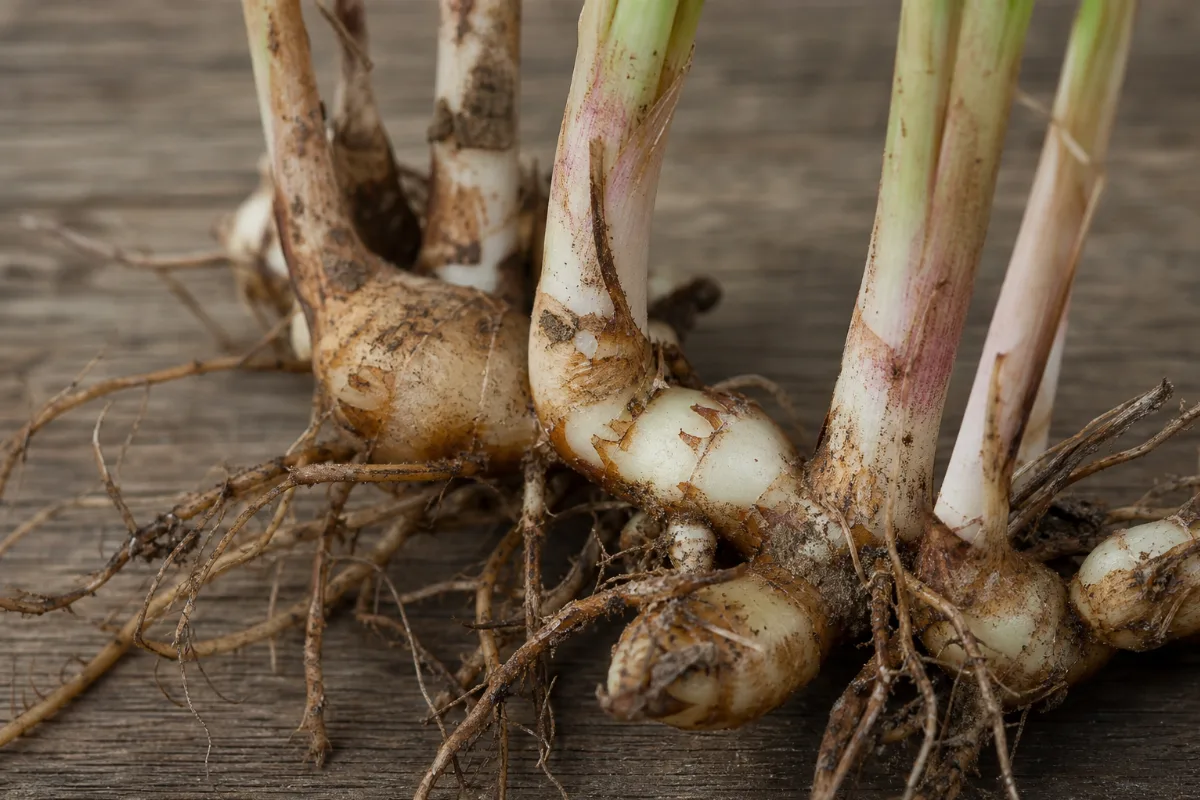
Herbs & Botanicals · Traditional diuretic and blood-cooling root
Imperata (bai mao gen)
Imperata cylindrica, rhizome · also called Bai mao gen, cogon grass rhizome, cogongrass root, white cogon, imperatae rhizoma, lalang
Imperata, or bai mao gen, is the creeping root-stem of cogon grass. Chinese medicine has used it for generations to increase urine and to help with blood in the urine or bleeding. Almost no human research exists: the one careful trial found no extra urine in healthy people, and the rest is lab and animal work. The key caution is its reported high potassium, which matters for kidney disease and some medicines.
General information, not medical advice. Last substantive update · Not medically reviewed. A named clinician has not signed off on this page. How this page is made
About Imperata (bai mao gen)
Imperata, or bai mao gen, is the root-stem of cogon grass, long used in Chinese medicine to increase urine and stop bleeding. The only human diuretic trial was negative, and everything else is lab or animal work. Reported high potassium, pollen allergy and the lack of safety data in people are the main cautions.
What it is
Imperata is the creeping root-stem (rhizome) of cogon grass, Imperata cylindrica. In Chinese medicine it is called bai mao gen (white grass root). It is dried and simmered as a tea, used fresh, or charred for bleeding. Some medicine texts use the name var. major, but plant databases list this as the same species.
The grass is also a very widespread invasive weed. This page is about the root as a herbal medicine only. It is not about the weed, and it is not about multi-herb formulas such as Bai Mao Gen Tang, which are different products.
What the research shows
The strongest finding is a negative one. In a double-blind crossover trial in healthy volunteers, a Vietnamese preparation of imperata did not change urine output or sodium excretion. The 2026 review says this should be read with care because the people were healthy and the preparation and time may not match real use. Rat studies are mixed: a review reports more urine with fresh, dried and freeze-dried root, while a Thai study found less.
Nothing else has been tested in people. Blood in the urine, bleeding, fever, pneumonia and liver disease are traditional uses or lab and animal findings, or reports of combination treatments with no detail. A three-herb product containing imperata reduced body fat more than placebo in one 12-week trial, but the result cannot be credited to imperata alone.
How it may work
Researchers have found 141 compounds, mainly flavonoids and triterpenoids such as cylindrin, arundoin and friedelin. In animals and cells these lowered inflammation, protected the liver and kidney and, in the charred form, changed clotting chemistry. A lignan, graminone B, relaxed isolated rabbit aorta. The root is also reported to be rich in potassium, which may add to any urine effect. These are lab ideas and none has been shown to help people.
At a glance
Traditional uses history, not proof
- Chinese medicine: cool the blood and stop bleeding (charred root for blood in the urine, nosebleeds, vomiting blood)
- Chinese and Vietnamese medicine: clear heat and increase urine for scanty or painful urination and swelling
- Folk use in other Asian and African traditions for colic, fever and sore throat
Studied for research
- Urine flow and swelling, against (one negative human trial)
- Blood in the urine and bleeding, insufficient
- Fever and inflammation, insufficient (lab and animal)
- Liver and kidney protection, insufficient (lab and animal)
- Blood pressure and blood sugar, insufficient
- Body fat in a three-herb product, very low
Main compounds
- Triterpenoids: cylindrin, arundoin, friedelin
- Flavonoids, phenolic acids and the lignan graminone B
- Polysaccharides (plant sugar chains) and a high potassium content (no values found)
Common forms
- Dried rhizome simmered as a decoction (tea)
- Fresh rhizome
- Charred rhizome (maogen tan), traditional for bleeding
- Lab extracts (water, methanol, ethanol); not the same as the tea
Research links: Imperata cylindrica: narrative review, Frontiers in Pharmacology (2026) · Diuretic trial of four Vietnamese herbal remedies, J Ethnopharmacol (1992) · Imperata cylindrica review, Molecules (2021) · Toxicity screening of a root extract in rats, BMC Complement Med Ther (2020) · Three-herb product and body fat, BMC Complement Altern Med (2017) · Grass pollen and skin tests in allergy patients, Acta Med Philipp (2024) · Research Library · Genes & Biomarkers Library
The plant and its history
- Accepted scientific name
- Imperata cylindrica (L.) Raeusch.
- Naming authority
- ACCEPTED in the GBIF backbone (species key 8424006, family Poaceae, order Poales, checked 2026-10-25). The Chinese-medicine variety name Imperata cylindrica var. major (Nees) C.E.Hubb. is listed in GBIF as a synonym (key 5679118) of this accepted species.
- Synonyms
- Imperata cylindrica (L.) P.Beauv.; Imperata cylindrica var. major (Nees) C.E.Hubb.; Imperata arundinacea Cirillo
- Common names
- Bai mao gen (Chinese (pinyin)); Imperatae Rhizoma (Latin pharmacopoeia name); Cogon grass / cogongrass (English); White cogon rhizome (English); Lalang (Malay / Indonesian); Dharbha / Darbha (Hindi (India))
- Botanical family
- Poaceae (grass family).
- Classification
- Plantae > Tracheophyta > Liliopsida > Poales > Poaceae > Imperata > Imperata cylindrica
- Native range
- The 2026 review describes a plant from Africa to southern Asia, widely introduced elsewhere. It lists distribution across North Africa, western and central Asia, the Mediterranean and northern China, and calls it one of the world's most harmful invasive plants.
- Habitat
- Tolerates poor soil, drought and partial shade, preferring loose, moist soil (2026 review). Often grows on disturbed land.
- What the plant looks like
- Roots: Stout, long creeping rhizome (the medicinal part).; Stems: Erect culms 30 to 80 cm tall (2026 review).; Leaves: Narrow grass leaves clustered at the base.; Flowers: White silky flower spikes in spring and early summer (April to June in the review).; Fruit: A small grain (caryopsis).; Note: Only the review's brief botanical description was read; no flora was consulted.
- Cultivation
- Not verified.
- Harvest and processing
- Used fresh, dried, or charred (maogen tan). The review says the harvest and processing standards are not yet linked to effect.
- Look-alikes and adulterants
- Name: Desmostachya bipinnata (L.) Stapf (Darbha); Note: A different grass used in Indian tradition under a similar name (Darbha); not verified in GBIF or any flora.; Name: Phragmites / Arundo rhizomes (reed rhizomes); Note: Other grass rhizomes used in Asian medicine (for example Phragmitis rhizoma); different plants. Not checked further.
Traditional use and history history, not clinical proof
| Tradition or era | Documented use | Source |
|---|---|---|
| China (Shennong's Classic of Materia Medica, Qin and Han dynasties) | First recorded as a middle-grade medicine, 'cold' and 'sweet', acting on the lung, stomach and bladder. Used to cool the blood and stop bleeding and to clear heat and increase urine. | p42523888 |
| China (Tang dynasty texts) | A handful was recorded for persistent vomiting of blood; the juice was recorded for alcohol toxicity; the Jin dynasty handbook for emergencies mentions jaundice and dysuria with oedema. | p42523888 |
| China (modern pharmacopoeia, 2025 edition) | Listed for vomiting blood and blood in the urine from blood-heat, thirst in fevers, jaundice and oedema with low urine. | p42523888 |
| Vietnam | Commonly used as a diuretic; the 1992 trial tested a Vietnamese traditional preparation. | p1434681 |
| Madagascar (Malagasy) | Rhizome decoction for colic, tonsillitis and laryngitis; aerial parts for pain and malaria. | p42523888 |
| EMA / HMPC | No herbal monograph is known to us; the agency search could not be opened. | s-ema-imperata |
Traditional use shows how a plant was used. It does not show that a supplement works or is safe today.
What is inside, and how it may work
What the plant contains and how those compounds act in cells and animals. Laboratory and animal mechanisms are not proven effects in people.
Main compounds
| Compound | Family | Where it is concentrated | Activity studied | Level of evidence |
|---|---|---|---|---|
| Cylindrin PubChem 189045 | Triterpenoid (arborane type) | Rhizome | A 2026 review reports it eased kidney scarring in a model by reducing a type of immune cell activity (M2 macrophage polarization). Lab and animal only. 9 | Animal research |
| Arundoin PubChem 12308619 | Triterpenoid methyl ether | Rhizome | Reported to slow prostate cancer cells and to have antimicrobial activity in cell studies (second-hand from the review). 9 | Laboratory research |
| Friedelin PubChem 91472 | Triterpenoid | Rhizome | With 6-methoxyflavone, reduced paracetamol-induced liver injury in animals and cells; also reported to calm complement over-activation in a glomerulonephritis model. 22 9 | Animal research |
| Graminone B | Lignan | Source plant material not stated in the abstract | Inhibited contraction of isolated rabbit aorta (vessel-relaxing effect in a tissue test). 10 | Laboratory research |
| Imperanene PubChem 10903632 | Phenylpropanoid | Rhizome | Listed with arundoin among compounds with antimicrobial activity in the 2026 review (second-hand). 9 | Laboratory research |
| 4-Hydroxybenzoic acid and protocatechuic (3,4-dihydroxybenzoic) acid PubChem 135 | Phenolic acids | Rhizome (var. major) | Identified among 36 main compounds in the rhizome; computer modelling suggested stomach-protective targets. 24 | In silico |
| Potassium (mineral) PubChem 5462222 | Mineral | Rhizome Described as high; no values found in the sources read. | Proposed (not tested) to contribute to any diuretic action; also the reason for the kidney and medicine caution. 9 | Pharmacological theory |
| Polysaccharides (including a dextran, ICPC-a) | Plant sugar chains | Rhizome | Antioxidant, immune-modulating and kidney-protecting effects in mice and cells. 23 20 | Animal research |
| Coixol PubChem 10772 | Benzoxazolinone | Not confirmed | Named in the request for this page, but no source read confirms coixol in Imperata cylindrica rhizome; the PubChem record is for the compound only. Treat as NOT verified for this plant. 11 | Not verified |
Mechanisms, receptors and pathways
| Target or pathway | Gene or receptor | What was found | Level |
|---|---|---|---|
| Urine volume and antidiuretic hormone | ADH | In a rat water-and-salt load model cited by the review, fresh, sun-dried and freeze-dried rhizome all raised urine output and lowered antidiuretic hormone. A Thai rat study found the opposite. In healthy people one trial found no diuretic effect. 9 17 4 | Animal research |
| Inflammation (NF-kB, iNOS, COX-2, TLR4) | Extracts and compounds lowered inflammatory signals in cells and animals. In pneumonia the review reports lower inflammatory markers with a decoction, second-hand. 9 7 | Laboratory research | |
| Clotting (thromboxane B2 and 6-keto-PGF1-alpha) | The tannin fraction of the charred rhizome raised thromboxane B2 and lowered 6-keto-PGF1-alpha in animals, matching its use for bleeding. 9 | Animal research | |
| Vessel relaxation | Graminone B inhibited contraction of rabbit aorta; a three-herb mix reduced aorta oxidative stress in hypertensive rats. 10 18 | Laboratory research | |
| Kidney fibrosis and macrophages (LXR-alpha and PI3K/AKT) | LXRA, PI3K/AKT | Cylindrin reduced M2 macrophage polarization and kidney scarring in a model, as reported in the review. 9 | Animal research |
| Liver cell death (AKT1, caspase-3/GSDME) | AKT1 | Friedelin and 6-methoxyflavone reduced paracetamol liver injury via AKT1 in animals and cells. 22 | Animal research |
Absorption, metabolism and elimination
- Absorption
- No human or animal pharmacokinetic study of the rhizome compounds was found. A 2024 paper on its polysaccharides studied absorption and gut fermentation in animals; it was seen only as a title and not read.
- Distribution
- Not found.
- Metabolism
- Not found.
- Elimination
- Not found.
- Bioavailability
- Unknown. Potassium is a mineral that is absorbed well when taken by mouth, which is the reason for the kidney caution; this is general knowledge, not a result of the studies read.
Isolated compounds versus whole extracts
Most lab studies use crude methanol or ethanol extracts, polysaccharide fractions or single compounds. The one human diuretic trial used a Vietnamese traditional preparation; the body-fat trial used a three-herb extract. Neither matches a purified compound, and the findings should not be swapped between forms.
Nutritional composition
The rhizome is eaten as a sweet-tasting health food in parts of Asia, and the review says it is used as a health food and livestock feed. The review calls it potassium-rich but gives no values, so no nutrient data are provided here.
1 very low certainty10 not enough evidence1 evidence against
What was looked at
The 12 benefits and uses checked for Imperata (bai mao gen), each with how strong the evidence is. Tap one to open it.
- Increasing urine flow (diuretic use)Evidence against
- Swelling (oedema) with scanty urineNot enough evidence
- Blood in the urine (hematuria) and kidney inflammationNot enough evidence
- Stopping bleeding (charred rhizome and flowers)Not enough evidence
- Fever, 'heat' and inflammationNot enough evidence
- Kidney protection and uric acid (lab work)Not enough evidence
- Added to usual care in pneumoniaNot enough evidence
- Liver protection and liver-disease add-onNot enough evidence
- Blood pressureNot enough evidence
- Blood sugarNot enough evidence
- Body fat (as part of a three-herb product)Very low certainty
- Stomach and gut protection (computer prediction)Not enough evidence
Lab markers tracked in the studies
Urine output (12 and 24 hours)Sodium in the urineClotting time (animals)Uric acid (mice)Body fat mass (three-herb product)Blood glucose after a sugar load (mice)CRP and other inflammation markers in pneumonia
What is Imperata (bai mao gen) good for?
The main traditional and studied uses and how strong the human evidence is. Almost all of it is tradition, lab or animal work, and it is said so each time. Results from multi-herb products are labelled as such.
Benefits, one by one
Each card is a research question, not a promise. Tap a goal to filter. Open a card to see the studies, doses and limits.
Increasing urine flow (diuretic use)
Evidence againstThis is the best-known traditional use. The one careful human trial found no effect on urine output. Animal results go both ways.
3 studiesNot covered. Amounts are not given here; they differ by preparation (…
Studies, doses and limits
What the trials found
One double-blind, placebo-controlled crossover trial in healthy volunteers (Vietnamese herbal remedies, including Imperata) found no change in 12- or 24-hour urine output or sodium excretion. A Thai rat study found the Imperata rhizome apparently reduced urination. The 2026 review reports positive rat studies (including better results with the fresh rhizome) and says the human result is inconclusive because of healthy volunteers, preparation and short duration.
Results
Human trial: no effect on urine output or sodium excretion. Rats: mixed (one study more urine, one apparently less).
Effect sizes as reported
No significant diuretic effect in the one human trial.
Why this rating
The only human controlled trial was negative. Animal findings conflict and the abstract-level detail is thin. The trial was in healthy volunteers and may not match how it is used in practice, but it gives no support for the claim.
Form and dose studied
Not covered. Amounts are not given here; they differ by preparation (fresh, dried, charred, decoction, extract) and no tested amount for people can be recommended from this research.
Who was studied
Healthy adult volunteers (human); rats (animal)
Limits
One small, old human trial known to us (details not in the abstract). Rat studies use different preparations and doses. A positive result in rats is not a result in people.
Why researchers looked
Bai mao gen is traditionally used to 'clear heat and increase urine' and for scanty or painful urination.
Traditional use
Traditional Chinese medicine and Vietnamese medicine use the rhizome as a diuretic. The Chinese pharmacopoeia lists it for oliguria (low urine) with swelling and painful urination, as summarised in a 2026 review.
Proposed mechanism Animal research
Possible routes in animals: lower antidiuretic hormone and a high potassium content (the 2026 review states the potassium is high but gives no values). In rats, fresh, sun-dried and freeze-dried preparations all raised urine output in one study cited by the review; another rat study found the opposite.
A proposed mechanism does not show that the effect happens in people.
If you notice swelling, passing little urine or blood in your urine, see a doctor; do not treat it yourself. Potassium content is a safety question for kidney disease and some medicines (see Safety tab).
Swelling (oedema) with scanty urine
Not enough evidenceTraditional teaching links the herb with swelling that comes with low urine. No trial has tested this in people with swelling.
2 studiesNot covered. Amounts are not given here; they differ by preparation (…
Studies, doses and limits
What the trials found
No trial in people with swelling was found. The only human diuretic trial used healthy volunteers and found no effect.
Results
No trial data.
Why this rating
Tradition only. Swelling can have serious causes (heart, kidney, liver, veins) and needs a diagnosis.
Form and dose studied
Not covered. Amounts are not given here; they differ by preparation (fresh, dried, charred, decoction, extract) and no tested amount for people can be recommended from this research.
Who was studied
Not studied in people with swelling
Limits
Nothing to judge; the 2026 review says controlled trials in target patients are needed.
Why researchers looked
Part of the classic use of the rhizome in Chinese medicine.
Traditional use
Listed in the Chinese pharmacopoeia (2025 edition) for oedema with oliguria and 'heat strangury', as reported in the 2026 review.
Proposed mechanism Traditional use
Not shown. The diuretic idea (potassium, antidiuretic hormone) is untested in people with swelling.
A proposed mechanism does not show that the effect happens in people.
Swelling with breathlessness, chest pain, or sudden weight gain needs urgent medical care.
Blood in the urine (hematuria) and kidney inflammation
Not enough evidenceTraditionally used when there is blood in the urine. Only animal and lab work exists, and blood in the urine always needs a medical check.
2 studiesNot covered. Amounts are not given here; they differ by preparation (…
Studies, doses and limits
What the trials found
No human trial of the single herb for blood in the urine was found. The evidence is traditional use plus animal and cell work.
Results
No human results.
Why this rating
No controlled human studies. Blood in the urine can come from stones, infection, kidney disease or cancer.
Form and dose studied
Not covered. Amounts are not given here; they differ by preparation (fresh, dried, charred, decoction, extract) and no tested amount for people can be recommended from this research.
Who was studied
Not studied in people
Limits
Animal model details not read. Formula studies cannot be assigned to the herb alone.
Why researchers looked
Bai mao gen is a classic 'blood-cooling' herb for blood in the urine and in vomit.
Traditional use
Old Chinese texts and formulas combine it with other herbs for hematuria. These formulas are separate products and are not the same as the single herb.
Proposed mechanism Animal research
The 2026 review says it reduced blood in the urine, protein in the urine and kidney injury in an IgA-nephropathy model, and describes lab effects of cylindrin and friedelin on kidney fibrosis and complement. The model details were not in the text we read.
A proposed mechanism does not show that the effect happens in people.
See a doctor for any blood in the urine. Do not use the herb to delay this.
Stopping bleeding (charred rhizome and flowers)
Not enough evidenceThe charred form is traditionally used to stop bleeding. In animals some clotting effects were seen. No human trial was found.
1 studiesNot covered. Amounts are not given here; they differ by preparation (…
Studies, doses and limits
What the trials found
No human trial of bleeding control was found. Because the effect may act on clotting, it is also a question for people taking blood-thinning medicines.
Results
Animal clotting measures only.
Why this rating
Based on a narrative review of animal and tradition. Original studies not opened.
Form and dose studied
Not covered. Amounts are not given here; they differ by preparation (fresh, dried, charred, decoction, extract) and no tested amount for people can be recommended from this research.
Who was studied
Rabbits and rats (animal)
Limits
Charred and uncharred preparations differ. Bleeding that does not stop needs emergency care.
Why researchers looked
Traditional use of 'maogen tan' (charred bai mao gen) for nosebleeds, coughing up blood and other bleeding.
Traditional use
The Chinese tradition prefers the charred form for bleeding. The flower spike is also used for nosebleeds.
Proposed mechanism Animal research
In animals the tannin fraction of the charred rhizome changed clotting-related chemicals (thromboxane B2 up, 6-keto-PGF1-alpha down) and shortened clotting time. The flower shortened clotting and bleeding time in rabbits (a 1960 study cited in the 2026 review).
A proposed mechanism does not show that the effect happens in people.
Heavy or unexplained bleeding needs a doctor. The herb is not a substitute for first aid.
Fever, 'heat' and inflammation
Not enough evidenceCalled a 'heat-clearing' herb. Lab and animal studies suggest anti-inflammatory activity. This has not been shown in people.
2 studiesNot covered. Amounts are not given here; they differ by preparation (…
Studies, doses and limits
What the trials found
No human trial for fever or inflammation was found. The 2021 and 2026 reviews both describe the anti-inflammatory findings as lab and animal findings.
Results
No human results.
Why this rating
Animal and cell evidence only. The 2026 review says active compounds are not fully characterised.
Form and dose studied
Not covered. Amounts are not given here; they differ by preparation (fresh, dried, charred, decoction, extract) and no tested amount for people can be recommended from this research.
Who was studied
Cells and animals
Limits
Many lab results use crude extracts or purified compounds that are not the same as a decoction.
Why researchers looked
Traditional use for fever, thirst, cough from lung heat and other 'heat' patterns.
Traditional use
Chinese medicine classes the rhizome as cold and sweet, acting on the lung, stomach and bladder.
Proposed mechanism Laboratory research
Cell and animal work links flavonoids, triterpenoids and polysaccharides with lowered inflammatory signals (for example iNOS, COX-2, NF-kB). A methanol extract also showed pain-relieving and fever-lowering effects in animals in a study cited by the 2026 review.
A proposed mechanism does not show that the effect happens in people.
A fever that lasts more than a few days, or comes with confusion, stiff neck or breathing trouble, needs a doctor.
Kidney protection and uric acid (lab work)
Not enough evidencePurified sugar-chain compounds from the rhizome protected the kidneys of mice with raised uric acid. This is early lab science only.
2 studiesNot covered. Amounts are not given here; they differ by preparation (…
Studies, doses and limits
What the trials found
No human data. The evidence is a purified compound in mice and a review of lab work.
Results
Lowered uric acid and kidney injury markers in mice.
Why this rating
Purified compound in mice; not the herb as taken.
Form and dose studied
Not covered. Amounts are not given here; they differ by preparation (fresh, dried, charred, decoction, extract) and no tested amount for people can be recommended from this research.
Who was studied
Mice and kidney cells
Limits
Does not show that tea or capsules protect kidneys; high potassium load may matter for damaged kidneys (see Safety tab).
Why researchers looked
A growing group of lab papers study the polysaccharides (plant sugar chains) of bai mao gen for uric-acid kidney injury.
Traditional use
No traditional use for this is documented in the sources we read.
Proposed mechanism Animal research
A purified dextran lowered uric acid and kidney injury and reduced oxidative stress and inflammatory signals in mice and kidney cells; a 2026 review collects this work.
A proposed mechanism does not show that the effect happens in people.
People with kidney disease should ask a kidney doctor before using this herb.
Added to usual care in pneumonia
Not enough evidenceOne reported study says a decoction added to usual care lowered inflammation blood markers. The text we read gives no patient numbers.
1 studiesNot covered. Amounts are not given here; they differ by preparation (…
Studies, doses and limits
What the trials found
The review describes a study in people with pneumonia (Li 2021) in which the herb was used alongside usual care. The original paper was not opened; patient numbers were not given in the text we read.
Results
Lower blood inflammation markers (as reported second-hand).
Effect sizes as reported
Not available.
Why this rating
Single study known only through a review; no numbers or design details.
Form and dose studied
Not covered. Amounts are not given here; they differ by preparation (fresh, dried, charred, decoction, extract) and no tested amount for people can be recommended from this research.
Who was studied
People with pneumonia (as reported)
Limits
Cannot tell whether it was randomised or what else was given. It does not replace antibiotics or medical care.
Why researchers looked
Bai mao gen is traditionally used for cough from 'lung heat'.
Traditional use
Chinese medicine uses it for lung heat and cough, usually in formulas.
Proposed mechanism Traditional use
The 2026 review links the effect to lower TLR4/NF-kB signalling and lower CRP, procalcitonin, IL-6, IL-8 and TNF-alpha.
A proposed mechanism does not show that the effect happens in people.
Pneumonia needs medical treatment. Do not use the herb in place of it.
Liver protection and liver-disease add-on
Not enough evidenceLiver-protective effects are seen in the lab and in animals. People with hepatitis were treated with it only as part of combination treatments.
4 studiesNot covered. Amounts are not given here; they differ by preparation (…
Studies, doses and limits
What the trials found
The 2026 review lists favourable reports in hepatitis B and in liver-disease ascites, but as one part of combined treatments with no trial detail. No controlled trial of the herb alone for the liver was found.
Results
No separate result for the herb.
Effect sizes as reported
Not available.
Why this rating
Combination treatments cannot show what the herb itself does.
Form and dose studied
Not covered. Amounts are not given here; they differ by preparation (fresh, dried, charred, decoction, extract) and no tested amount for people can be recommended from this research.
Who was studied
People with hepatitis or ascites (as reported, in combinations); mice and cells
Limits
Reports lack numbers; the original papers were not opened. A methanol extract at a high dose caused mild liver degeneration in rats (see Safety tab).
Why researchers looked
Used in Chinese medicine for jaundice and ascites, in formulas.
Traditional use
Older texts mention jaundice, hepatitis-like illness and alcohol toxicity.
Proposed mechanism Animal research
Lab and animal work: two purified compounds (friedelin and 6-methoxyflavone) reduced paracetamol (acetaminophen) liver injury and liver-cell death in animal and cell models in a 2026 study.
A proposed mechanism does not show that the effect happens in people.
People with liver disease should not stop prescribed treatment. Ask the liver specialist first.
Blood pressure
Not enough evidenceRat and tissue studies suggest blood-vessel relaxing effects. The reviews claim a mild benefit in people, but we found no trial to support it.
3 studiesNot covered. Amounts are not given here; they differ by preparation (…
Studies, doses and limits
What the trials found
No controlled human trial was found. The review's clinical statement could not be traced to a named trial in the text we read.
Results
No human data traced.
Effect sizes as reported
Not available.
Why this rating
Animal, tissue and mixture data. The rat study tested a three-herb mixture and its abstract does not report blood pressure.
Form and dose studied
Not covered. Amounts are not given here; they differ by preparation (fresh, dried, charred, decoction, extract) and no tested amount for people can be recommended from this research.
Who was studied
Rats and isolated tissue
Limits
Cannot separate Imperata from the other herbs in the mixture. Possible additive effect with blood pressure medicines is a theory (see Safety tab).
Why researchers looked
Used in some Asian herbal teas for blood pressure.
Traditional use
A 'hypotensive tea' containing the plant is mentioned in the 2026 review.
Proposed mechanism Animal research
Graminone B relaxed isolated rabbit aorta. A three-herb decoction (Centella, Justicia and Imperata) calmed oxidative stress and vessel wall thickening in hypertensive rats. The 2026 review says leaf extracts relaxed smooth muscle and that it has 'mild, sustained and safe' blood-pressure lowering effects in mild to moderate hypertension, without giving the human studies in the text we read.
A proposed mechanism does not show that the effect happens in people.
Do not replace blood pressure medicine with this herb.
Blood sugar
Not enough evidenceIn a mouse sugar-tolerance test the root did not lower blood sugar. Cell work on its sugar chains is early.
2 studiesNot covered. Amounts are not given here; they differ by preparation (…
Studies, doses and limits
What the trials found
No human data. A 2006 mouse test found no significant blood-glucose lowering with Imperata root.
Results
Mice: no significant lowering. Cells: more glucose use (second-hand).
Why this rating
Mouse test was negative; cell data are second-hand in a review.
Form and dose studied
Not covered. Amounts are not given here; they differ by preparation (fresh, dried, charred, decoction, extract) and no tested amount for people can be recommended from this research.
Who was studied
Mice and liver cells
Limits
A single acute mouse test.
Why researchers looked
Occasionally listed as an anti-diabetic folk plant.
Traditional use
Folk use only.
Proposed mechanism Laboratory research
The 2026 review describes a polysaccharide that increased glucose use in insulin-resistant liver cells.
A proposed mechanism does not show that the effect happens in people.
People using diabetes medicines should not change them because of this herb.
Body fat (as part of a three-herb product)
Very low certaintyOne 12-week trial of a three-herb product that contains Imperata found modest extra fat loss versus placebo. It cannot tell us what Imperata did alone.
1 studiesNot covered. Amounts are not given here; they differ by preparation (…
Studies, doses and limits
What the trials found
A double-blind randomised trial (registered, KCT0001225) in overweight Korean adults compared the product YY-312 (Imperata, Citrus unshiu and Evodia officinalis) with placebo for 12 weeks. Safety measures stayed normal and no serious adverse events were recorded.
Results
Body fat mass fell 1.6 kg vs 0.1 kg (P = 0.023); body fat 1.5% vs -0.2% (P = 0.018); weight 2.7 vs 1.0 kg (P = 0.014); waist 2.2 vs 0.8 cm (P = 0.049).
Effect sizes as reported
Group differences of about 1.5 kg of fat and 1.7 kg of weight over 12 weeks.
Why this rating
One trial of a three-herb mixture, number of participants and funding not in the abstract; only abstract read; a company link is possible.
Form and dose studied
Not covered. Amounts are not given here; they differ by preparation (fresh, dried, charred, decoction, extract) and no tested amount for people can be recommended from this research.
Who was studied
Overweight adults aged 19 to 60 (BMI 25 to 29.9), Korea
Limits
Cannot attribute the result to Imperata. No second trial found.
Why researchers looked
A Korean research team developed a three-herb powder.
Traditional use
No traditional use for body fat is documented in the sources we read.
Proposed mechanism Preliminary mechanism
Not established. The abstract does not describe a mechanism.
A proposed mechanism does not show that the effect happens in people.
No serious adverse events reported in that trial. Not a reason to take the herb for weight.
Stomach and gut protection (computer prediction)
Not enough evidenceA 2024 study used chemistry and computer modelling to suggest stomach-protective actions. No animal or human test was reported in the abstract.
1 studiesNot covered. Amounts are not given here; they differ by preparation (…
Studies, doses and limits
What the trials found
No human or animal result in the abstract.
Results
Predictions only.
Why this rating
In-silico prediction, not tested benefit.
Form and dose studied
Not covered. Amounts are not given here; they differ by preparation (fresh, dried, charred, decoction, extract) and no tested amount for people can be recommended from this research.
Limits
Software predictions often fail to hold up in real tests.
Why researchers looked
Used in some Asian health supplements and teas.
Traditional use
Folk use for stomach heat and retching is described in the 2026 review.
Proposed mechanism Preliminary mechanism
Computer docking suggested actions through PI3K/AKT signalling for 36 identified compounds.
A proposed mechanism does not show that the effect happens in people.
Stomach pain, black stools or vomiting blood need medical care.
Connections to the rest of health
How Imperata (bai mao gen) connects to the rest of our health knowledge graph. Every link says what kind of connection it is. A safety link (for example to the liver) is a warning, not a benefit. A study that merely mentions a topic never creates a benefit link.
Explore every connection: goals, body systems, organs, symptoms, genes
B. Body systems
| Connected to | Kind of connection | Evidence status | Context | Studies |
|---|---|---|---|---|
| Kidney and urinary system | Traditional use | Not enough evidence | Traditional diuretic; the one human trial found no effect. Preparation or compound: Rhizome decoction |
4 9 |
| Kidney Urinary | Biological association | Evidence against | Studied for: Increasing urine flow (diuretic use) Studied for: Swelling (oedema) with scanty urine | 4 17 9 7 23 20 |
| Urinary System | Biological association | Evidence against | Studied for: Increasing urine flow (diuretic use) Studied for: Blood in the urine (hematuria) and kidney inflammation | 4 17 9 7 |
| Blood Vessels | Biological association | Not enough evidence | Studied for: Stopping bleeding (charred rhizome and flowers) | 9 |
| Immune Support | Biological association | Not enough evidence | Studied for: Fever, 'heat' and inflammation | 9 7 |
| Respiratory Health | Biological association | Not enough evidence | Studied for: Added to usual care in pneumonia | 9 |
| Hepatic System | Biological association | Not enough evidence | Studied for: Liver protection and liver-disease add-on | 9 7 15 22 |
| Cardiovascular System | Biological association | Not enough evidence | Studied for: Blood pressure | 10 18 9 |
| Blood Sugar Support | Biological association | Not enough evidence | Studied for: Blood sugar | 19 9 |
| Metabolic Health | Biological association | Very low certainty | Studied for: Body fat (as part of a three-herb product) | 3 |
| Digestive System | Biological association | Not enough evidence | Studied for: Stomach and gut protection (computer prediction) | 24 |
C. Body parts and organs
I. Biomarkers
| Connected to | Kind of connection | Evidence status | Context | Studies |
|---|---|---|---|---|
| Urine output (12 and 24 hours) | Biological association | Evidence against | Measured in trials: mixed. A lab change is not the same as a health benefit. | 4 17 |
| Sodium in the urine | Biological association | Low certainty | Measured in trials: no-change. A lab change is not the same as a health benefit. | 4 |
| Clotting time (animals) | Biological association | Not enough evidence | Measured in trials: lowered. A lab change is not the same as a health benefit. | 9 |
| Uric acid (mice) | Biological association | Not enough evidence | Measured in trials: lowered. A lab change is not the same as a health benefit. | 23 |
| Body fat mass (three-herb product) | Biological association | Very low certainty | Measured in trials: lowered. A lab change is not the same as a health benefit. | 3 |
| Blood glucose after a sugar load (mice) | Biological association | Low certainty | Measured in trials: no-change. A lab change is not the same as a health benefit. | 19 |
| CRP and other inflammation markers in pneumonia | Biological association | Not enough evidence | Measured in trials: lowered. A lab change is not the same as a health benefit. | 9 |
K. Biological pathways
| Connected to | Kind of connection | Evidence status | Context | Studies |
|---|---|---|---|---|
| PI3K/AKT signalling | Preliminary mechanism | Animal | Proposed in computer modelling for the stomach and in animals for the liver and kidney; relevance in people unknown. | 24 22 9 |
| NF-kB inflammatory signalling | Preliminary mechanism | In vitro | Lowered in cell and animal work. | 9 |
L. Active compounds
| Connected to | Kind of connection | Evidence status | Context | Studies |
|---|---|---|---|---|
| Cylindrin | Biological association | Animal | A 2026 review reports it eased kidney scarring in a model by reducing a type of immune cell activity (M2 macrophage polarization). Lab and animal only. Preparation or compound: Rhizome |
9 |
| Arundoin | Biological association | In vitro | Reported to slow prostate cancer cells and to have antimicrobial activity in cell studies (second-hand from the review). Preparation or compound: Rhizome |
9 |
| Friedelin | Biological association | Animal | With 6-methoxyflavone, reduced paracetamol-induced liver injury in animals and cells; also reported to calm complement over-activation in a glomerulonephritis model. Preparation or compound: Rhizome |
22 9 |
| Graminone B | Biological association | In vitro | Inhibited contraction of isolated rabbit aorta (vessel-relaxing effect in a tissue test). Preparation or compound: Source plant material not stated in the abstract |
10 |
| Imperanene | Biological association | In vitro | Listed with arundoin among compounds with antimicrobial activity in the 2026 review (second-hand). Preparation or compound: Rhizome |
9 |
| 4-Hydroxybenzoic acid and protocatechuic (3,4-dihydroxybenzoic) acid | Biological association | In silico | Identified among 36 main compounds in the rhizome; computer modelling suggested stomach-protective targets. Preparation or compound: Rhizome (var. major) |
24 |
| Potassium (mineral) | Biological association | Pharmacological theory | Proposed (not tested) to contribute to any diuretic action; also the reason for the kidney and medicine caution. Preparation or compound: Rhizome |
9 |
| Polysaccharides (including a dextran, ICPC-a) | Biological association | Animal | Antioxidant, immune-modulating and kidney-protecting effects in mice and cells. Preparation or compound: Rhizome |
23 20 |
| Coixol | Biological association | Not verified | Named in the request for this page, but no source read confirms coixol in Imperata cylindrica rhizome; the PubChem record is for the compound only. Treat as NOT verified for this plant. Preparation or compound: Not confirmed |
11 |
Each connection is stored with the ingredient, the connected record, the kind of connection, the evidence status, the supporting studies, the preparation or compound involved, and a review date (last reviewed October 25, 2026).
Evidence at a glance: what changed in 7 lab markers
Tap a number to show only those markers. Counts are markers, not people.
The evidence
The research centre for Imperata (bai mao gen). Every record here was checked against PubMed or the publisher's page; we never list a study we have not verified.
Evidence by outcome
Bars show how many studies we found for each outcome, not how well it works. People are added up across trials only (reviews are not added, to avoid double counting).
How we rate evidence
High certainty
Several well-run trials or reviews agree; further research is unlikely to change the picture much.
Moderate certainty
Good trials point the same way, but some doubt remains.
Low certainty
Small, short or inconsistent trials. The finding could change with better research.
Very low certainty
Very little or very weak human data. Treat as a possibility only.
Mixed findings
Trials or reviews disagree with each other.
Not enough evidence
Not enough human research to say either way.
Evidence against
Good research found no benefit, or found harm.
We take the reviewers' own risk-of-bias and GRADE statements where they exist, and otherwise judge from study size, design, consistency, directness and whether a product matches what is sold. Many publications do not make evidence high. Method note: We read the 2026 Frontiers review in full and searched PubMed, reading each abstract directly. Plant names were checked through GBIF and compound IDs through PubChem. EMA search was blocked; NCCIH had no page; LiverTox and LactMed had no entry; WHO, FDA and Commission E were not checked. Original papers cited inside the review were not opened.
Study library: every study we checked 24
| Study | Design | People | Product, dose, length | Result |
|---|---|---|---|---|
| Bijli 2003 Effect of various stabilizing agents on Imperata cylindrica grass pollen allergen extract Clin Exp Allergy · PMID 12534551 · DOI |
Laboratory research mixed (lab and human skin test) |
Pollen allergen extract tested in the lab and by skin tests in allergy patients | Imperata cylindrica grass pollen extract pollen 3 to 12 months storage |
The extract is an allergen with IgE-binding proteins and an allergy skin test reaction in patients; a preservative (EACA) kept it as potent as a standard extract for a year. Methods, limits and fundingOutcomes: Protein stability, IgE binding, skin test potency Limitations: Abstract only. About making allergy-test extracts; shows that the pollen is allergenic. Funding and conflicts: Not stated in abstract. Research support noted. Read: abstract |
| Castor 2024 Skin Prick Tests and Enzyme-Linked Immunosorbent Assays among Allergic Patients Using Allergenic Local Pollen Extracts Acta Med Philipp · PMID 39399369 · DOI |
Observational |
165 165 Philippine patients with allergic rhinitis and/or asthma given skin prick tests |
Pollen extracts from 11 local plants including Imperata cylindrica (cogon) pollen |
129 of 165 patients had a positive skin test to at least one pollen extract; weeds were most sensitising (51.9% to 58.1%). Highest blood-test sensitisation was to coconut, pigweed, Johnson grass and rice. The abstract does not give a separate result for cogon. Methods, limits and fundingOutcomes: Skin-test and blood IgE sensitisation Limitations: Abstract only. No cogon-specific figure in the abstract. Shows pollen allergy exists in this setting, not the rhizome's allergenicity. Funding and conflicts: Not stated in abstract. Read: abstract |
| Cho 2017 Effect of a herbal extract powder (YY-312) from Imperata cylindrica Beauvois, Citrus unshiu Markovich, and Evodia officinalis Dode on body fat mass in overweight adults: a 12-week, randomized, double-blind, placebo-controlled, parallel-group clinical trial BMC Complement Altern Med · PMID 28754119 · DOI |
Controlled trial |
Overweight Korean adults aged 19-60, BMI 25.0-29.9 (number not in abstract) | YY-312, a three-herb extract powder (Imperata cylindrica, Citrus unshiu, Evodia officinalis); this is a mixture, not Imperata alone 2400 mg/day of the product (1800 mg extract plus 600 mg cyclodextrin) 12 weeks · vs Placebo |
Body fat mass fell 1.6 kg vs 0.1 kg (P = 0.023) and body fat 1.5% vs -0.2% (P = 0.018) with YY-312 vs placebo; weight fell 2.7 vs 1.0 kg (P = 0.014) and waist 2.2 vs 0.8 cm (P = 0.049). Safety measures normal; no serious adverse events in either group. Greater fat loss than placebo in a three-herb product Methods, limits and fundingOutcomes: Body fat mass and body fat percentage (primary); weight and waist (secondary) Limitations: Abstract only. Three-herb mixture, so Imperata's own effect cannot be separated. Participant numbers, funding and who made the product are not in the abstract. Funding and conflicts: Not stated in abstract. Possible product-company link not checked. Registration: KCT0001225 (cris.nih.go.kr) Read: abstract |
| Doan 1992 Studies on the individual and combined diuretic effects of four Vietnamese traditional herbal remedies (Zea mays, Imperata cylindrica, Plantago major and Orthosiphon stamineus) J Ethnopharmacol · PMID 1434681 · DOI |
Controlled trial |
Healthy volunteers (number not stated in abstract) | Vietnamese traditional preparation of Imperata cylindrica (plant part and preparation not stated in abstract) · vs Placebo (double-blind crossover) |
No influence on 12- or 24-hour urine output or on sodium excretion for any of the four remedies under standardised conditions. Authors say traditional recommendations need critical review. No effect on urine output or sodium excretion Methods, limits and fundingOutcomes: 12- and 24-hour urine output and sodium excretion Limitations: Abstract only. Healthy people, not people with swelling. Dose, preparation and number of participants are not in the abstract; the 2026 review notes dose, preparation and short duration as limits. Also called 'Dat et al., 1992' in the 2026 review; the first author on PubMed is Doan. Funding and conflicts: Not stated in abstract. Read: abstract |
| European Medicines Agency 2026 EMA / HMPC herbal monograph search for Imperata cylindrica rhizome ema.europa.eu · Source |
Authoritative guidance not applicable |
Page check | Imperata cylindrica rhizome rhizome Not given here Not given here |
The agency search page refused the request (HTTP 401). No monograph for imperata or Imperatae rhizoma is known to us, but this could not be confirmed. Checked 2026-10-25. Methods, limits and fundingOutcomes: Whether an EU herbal monograph exists Limitations: Access blocked; absence not confirmed. Read: blocked |
| GBIF Secretariat 2026 GBIF Backbone Taxonomy: Imperata cylindrica (L.) Raeusch. GBIF species match API (usageKey 8424006) · Source |
Database record not applicable |
Plant name record | Imperata cylindrica plant Not given here Not given here |
Accepted species in the backbone: Imperata cylindrica (L.) Raeusch., Poaceae, order Poales. Imperata cylindrica var. major (Nees) C.E.Hubb. matches as a synonym (key 5679118) of the accepted species. Checked 2026-10-25. Methods, limits and fundingOutcomes: Accepted name, family, synonyms (var. major listed as a synonym) Limitations: Names checked by API only. Read: api |
| Jung 2021 Imperata cylindrica: A Review of Phytochemistry, Pharmacology, and Industrial Applications Molecules · PMID 33800104 · DOI |
Narrative review review |
Review of studies up to 2019 | Imperata cylindrica (whole plant, rhizome emphasis) rhizome Not given here Not given here |
72 compounds isolated; saponins, flavonoids, phenols and glycosides are major. Immunomodulatory, antibacterial, antitumour, anti-inflammatory and liver-protection activities reported in vivo and in vitro. Methods, limits and fundingOutcomes: Chemistry and pharmacology Limitations: Abstract only read. Narrative review; activities are lab and animal findings. Read: abstract |
| Koh 1997 Allergic contact dermatitis from grasses Contact Dermatitis · PMID 9255483 · DOI |
Case series |
66 20 controls and 46 patients with a history of grass intolerance (Singapore) |
Solvent extracts of six grasses including Imperata cylindrica (lalang), used for skin patch tests grass (plant material for patch test) · vs 20 controls, all negative |
5 of 46 patients (11%) reacted to at least one of five grasses including Imperata cylindrica; reactions were to the non-polar fraction. Methods, limits and fundingOutcomes: Positive patch tests Limitations: Abstract only. Grass plant extracts on skin, not the rhizome taken by mouth. Not stated how many reacted to Imperata specifically. Funding and conflicts: Not stated in abstract. Read: abstract |
| Li 2026 Imperata cylindrica (L.) Raeusch.: a narrative review of phytochemistry, pharmacology, ethnopharmacology, botany, and comprehensive utilization Front Pharmacol · PMID 42523888 · DOI |
Narrative review review |
Narrative review of about 104 publications (1960 to Nov 2025) on the whole plant, with emphasis on the rhizome | Imperata cylindrica rhizome (Imperatae Rhizoma, bai mao gen), also flowers and aerial parts rhizome Not given here Not given here |
Traditional uses are to cool the blood and stop bleeding and to clear heat and increase urine. Main compounds are flavonoids and triterpenoids. Most evidence is in vitro or animal. The one placebo-controlled crossover trial in healthy people found no significant diuretic effect. Rich potassium content is said to contribute to the diuretic effect (no values given). Rat studies: water extract safe in a 90-day study, methanol extract at a high dose caused mild liver degeneration. Pollen is a clinically significant airborne allergen. The review says high-level clinical evidence is lacking and the herbal materials are not standardised. Methods, limits and fundingOutcomes: Traditional use, chemistry (141 compounds), lab and animal pharmacology, the one human diuretic trial, pneumonia and liver-disease combination reports, safety, quality, ecology Limitations: Narrative review with no stated quality grading. The potassium statement cites a 1995 paper that we did not open. The pneumonia and liver-disease reports are described without patient numbers. Funding and conflicts: Authors declare no commercial conflict (conflict statement read). Read: full-text |
| Matsunaga 1994 Graminone B, a novel lignan with vasodilative activity from Imperata cylindrica J Nat Prod · PMID 7714541 · DOI |
Laboratory research in-vitro |
Isolated rabbit aorta | Graminones A and B isolated from Imperata cylindrica |
Two new lignans (graminones A and B) were isolated and their structures worked out. Graminone B inhibited contraction of rabbit aorta. Methods, limits and fundingOutcomes: Contraction of isolated aorta Limitations: Abstract only. Isolated tissue; says nothing about people. Read: abstract |
| NCBI PubChem 2026 PubChem compound records (cylindrin, arundoin, friedelin, imperanene, 4-hydroxybenzoic acid, protocatechuic acid, isoeugenol, potassium) PubChem PUG REST · Source |
Database record not applicable |
Chemical identity records | Named compounds Not given here Not given here |
CIDs: cylindrin 189045 (C31H52O), arundoin 12308619 (C31H52O), friedelin 91472, imperanene 10903632, 4-hydroxybenzoic acid 135, protocatechuic acid 72, isoeugenol 853433, potassium 5462222. No PubChem record was found under the name 'graminone'. Checked 2026-10-25. Methods, limits and fundingOutcomes: Compound IDs and formulas Limitations: Identity only; whether each compound is in the commercial rhizome was taken from the reviews, not from PubChem. Read: api |
| NCCIH 2026 NCCIH herb page for Imperata nccih.nih.gov · Source |
Authoritative guidance not applicable |
Page check | Imperata cylindrica Not given here Not given here |
The address nccih.nih.gov/health/imperata returned 404 (not found). No NCCIH page for imperata or bai mao gen was found. Checked 2026-10-25. Methods, limits and fundingOutcomes: Whether an NCCIH page exists Limitations: One address tried; a search of the site was not possible. Read: search |
| NIH/NIDDK 2026 NIH LiverTox: search for an Imperata (cogon, bai mao gen) chapter NCBI Bookshelf search (LiverTox) · Source |
Authoritative guidance not applicable |
Search of the LiverTox book | Imperata cylindrica Not given here Not given here |
The Bookshelf search for imperata, cogon or imperatae within LiverTox returned five hits, all inside other chapters (Centella asiatica, alpha lipoic acid, marijuana, warfarin); no Imperata chapter turned up. LiverTox web pages were blocked by a browser check, so the absence is not fully confirmed. Checked 2026-10-25. Methods, limits and fundingOutcomes: Whether a LiverTox entry exists Limitations: Search of the index only; the hits themselves were not read. Read: search |
| NIH/NLM 2026 NIH LactMed: search for an Imperata entry NCBI Bookshelf search (LactMed) · Source |
Authoritative guidance not applicable |
Search of the LactMed book | Imperata cylindrica Not given here Not given here |
The Bookshelf search for imperata, cogon or imperatae within LactMed returned 0 results. Checked 2026-10-25. Methods, limits and fundingOutcomes: Whether a LactMed entry exists Limitations: Search of the index only. Read: search |
| Nayim 2020 A botanical from the antiproliferative Cameroonian spice, Imperata cylindrica is safe at lower doses, as demonstrated by oral acute and sub-chronic toxicity screenings BMC Complement Med Ther · PMID 32912178 · DOI |
Animal research animal |
Female rats (acute); male and female rats (30 days) | Methanol extract of Imperata cylindrica root (rhizome) root/rhizome 5000 mg/kg once (acute); 250, 500 and 1000 mg/kg daily (sub-chronic) 14 days (acute observation); 30 days · vs Untreated controls |
No deaths or abnormal behaviour at 5000 mg/kg. At 1000 mg/kg for 30 days heart and kidney relative weights changed, some blood values changed (lower AST, creatinine, LDL, triglycerides, cholesterol; in males lower granulocytes, higher lymphocytes), and the liver showed slight degeneration. The authors advise lower doses and caution with long-term use. Safe in one acute dose; changes at highest sub-chronic dose Methods, limits and fundingOutcomes: Behaviour, deaths, blood counts, blood chemistry, liver and kidney tissue Limitations: Abstract only. Methanol extract of a Cameroon root, not the usual water decoction. Rats, 30 days. Funding and conflicts: Not stated in abstract. Read: abstract |
| Paz-Alberto 2007 Phytoextraction of lead-contaminated soil using vetivergrass, cogongrass (Imperata cylindrica L.) and carabaograss Environ Sci Pollut Res Int · PMID 18062482 · DOI |
Plant experiment plant experiment |
Plants grown in soil with added lead | Imperata cylindrica whole plant (shoots and roots) whole plant 75 and 150 mg lead per kg soil |
Cogongrass took up lead (2.34 +/- 0.52 mg/kg in shoots plus roots, versus 10.16 for vetivergrass) and was tolerant of lead-contaminated soil. Methods, limits and fundingOutcomes: Lead taken up by the plants Limitations: Abstract only. Pot experiment; shows the plant can take up a metal from polluted soil, not what is in commercial rhizome. Funding and conflicts: Not stated in abstract. Read: abstract |
| Sripanidkulchai 2001 Diuretic effects of selected Thai indigenous medicinal plants in rats J Ethnopharmacol · PMID 11297849 · DOI |
Animal research animal |
Rats | Imperata cylindrica rhizome extract (among five Thai plants) rhizome · vs Hydrochlorothiazide and control |
Pineapple and papaya root extracts raised urine output. The Imperata rhizome 'apparently inhibited the urination of rats' (reduced urine). The authors say the findings for three plants, including Imperata, did not match local use for painful urination. Urine output apparently reduced Methods, limits and fundingOutcomes: Urine output Limitations: Abstract only. Rat study; the preparation and dose for Imperata are not in the abstract. Funding and conflicts: Research support noted; no conflict stated. Read: abstract |
| Sulistyowati 2020 Vasculoprotective effects of Centella asiatica, Justicia gendarussa and Imperata cylindrica decoction via the NOXs-ROS-NF-kB pathway in spontaneously hypertensive rats J Tradit Complement Med · PMID 32695655 · DOI |
Animal research animal |
Spontaneously hypertensive rats and normal rats | Three-herb decoction: Centella asiatica, Justicia gendarussa and Imperata cylindrica (a mixture, not Imperata alone) 5 weeks · vs Normal rats / untreated hypertensive rats |
Decoction reduced aortic wall thickening, collagen and elastic build-up, superoxide and hydrogen peroxide, and lowered several inflammation and oxidase proteins in hypertensive rats. Methods, limits and fundingOutcomes: Aorta wall structure and oxidative-stress markers Limitations: Abstract only. A three-herb mixture in rats; the abstract does not report blood pressure and cannot separate Imperata's share. Funding and conflicts: Not stated in abstract. Read: abstract |
| Villasenor 2006 Comparative anti-hyperglycemic potentials of medicinal plants J Ethnopharmacol · PMID 16253452 · DOI |
Animal research animal |
Mice, oral glucose tolerance test | Imperata cylindrica root (one of seven plant materials) root 5 mg per 20 g mouse (the dose given for the tested plants) Acute (glucose tolerance test) · vs Glucose alone |
Only Syzygium cumini bark, Vitex negundo leaves and Eucalyptus tereticornis leaves lowered blood glucose. There was no significant lowering for Imperata cylindrica. No glucose lowering Methods, limits and fundingOutcomes: Blood glucose after a glucose load Limitations: Abstract only. Single acute mouse test; says nothing about long-term use or people. Funding and conflicts: Not stated in abstract. Read: abstract |
| Wang 2026 Extraction techniques, structural features, structure-activity relationships and mechanisms of Imperata cylindrica polysaccharides against hyperuricemic nephropathy: A review Carbohydr Res · PMID 42365736 · DOI |
Narrative review review of mixed (mostly lab and animal) |
Review of lab and animal work on plant polysaccharides | Imperata cylindrica polysaccharides rhizome (source of polysaccharides) Not given here Not given here |
Polysaccharides show antioxidant, immune-modulating, metabolic and kidney-protecting activity in experimental work. The review calls for a theoretical basis for product development; it reports no human trial. Methods, limits and fundingOutcomes: Mechanisms in uric-acid-related kidney injury Limitations: Abstract only. Lab and animal science; no human data. Read: abstract |
| Widyastuti 2020 Deleterious effect of short-term gavage of an ethanol extract of cogon grass (Imperata cylindrica L.) roots on testis and epididymal sperm quality Vet World · PMID 32848305 · DOI |
Animal research animal |
21 Male mice (DDY strain), 21 animals |
Ethanol extract of Imperata cylindrica roots root 90 and 115 mg/kg by mouth 14 days · vs Untreated control group |
Root extract disrupted testis tissue, lowered sperm quality and serum testosterone in a dose-dependent pattern. The authors conclude it caused testicular damage. Dose-dependent decline in sperm quality and testosterone Methods, limits and fundingOutcomes: Testis tissue, sperm quality, testosterone Limitations: Abstract only. Small mouse study; ethanol extract, 14 days. The authors were exploring it as a possible male anti-fertility agent. Relevance to tea or decoction in people is unknown. Funding and conflicts: Not stated in abstract. Read: abstract |
| Wu 2026 Friedelin and 6-methoxyflavone from Imperata cylindrica ameliorate APAP-induced liver injury by activating AKT1 to suppress Caspase-3/GSDME-mediated pyroptosis Eur J Pharmacol · PMID 41997402 · DOI |
Animal research animal and cell |
Animal and cell models of paracetamol (acetaminophen) liver injury | Two purified compounds from Imperata cylindrica rhizome (friedelin and 6-methoxyflavone) rhizome (source of compounds) · vs Untreated injury models |
Both compounds reduced paracetamol-induced liver injury and liver cell death in vivo and in vitro, linked to AKT1/PI3K signalling. The authors call them promising leads. Methods, limits and fundingOutcomes: Liver injury and cell death markers Limitations: Abstract only. Purified compounds in animals and cells, not the herb as taken. Funding and conflicts: Not stated in abstract. Read: abstract |
| Yu 2023 Structural analysis and attenuates hyperuricemic nephropathy of dextran from the Imperata cylindrica Beauv. var. major (Nees) C. E. Hubb. Carbohydr Polym · PMID 37364951 · DOI |
Animal research animal |
Human kidney cells and mice with hyperuricemic nephropathy | A purified dextran (ICPC-a, 45 kDa) from Imperata cylindrica var. major rhizome (source plant material) · vs Untreated model animals |
The dextran reduced uric acid and kidney injury in mice and protected kidney cells from uric acid damage. Authors describe it as without toxicity. Methods, limits and fundingOutcomes: Uric acid and kidney injury markers Limitations: Abstract only. A purified compound in mice, not the herb as taken. Funding and conflicts: Not stated in abstract. Read: abstract |
| Zhou 2024 Elucidating the gastroprotective mechanisms of Imperata cylindrica Beauv.var. major (Nees) C.E.Hubb through UHPLC-MS/MS and systems network pharmacology Sci Rep · PMID 39537788 · DOI |
In silico in-silico |
Computer and chemistry analysis, no people or animals | Imperata cylindrica var. major rhizome (bai mao gen) rhizome |
36 main compounds identified (including 3,4-dihydroxybenzoic acid and p-hydroxybenzoic acid); computer docking suggested actions on PI3K/AKT signalling in relation to stomach protection. Methods, limits and fundingOutcomes: Identified compounds and predicted targets Limitations: Abstract only. Predictions from software, not tested benefit. Read: abstract |
What we do not know yet
- No controlled trial in people with swelling, low urine or blood in the urine.
- No measured potassium values or case reports on potassium.
- No human safety, pregnancy, breastfeeding or child data.
- No data on adulteration, heavy metals or residues in commercial root.
- Most evidence is lab or animal work with crude extracts.
How new research is added
New studies are found by a saved PubMed search and placed in a review queue. A person checks each one before it is added.
Lab markers
What changed in blood or saliva tests during trials. A changed number is not the same as feeling or being healthier, and we give no "normal ranges".
Other 7
Urine output (12 and 24 hours)
Mixed results in trials
How much urine is passed over 12 or 24 hours.
Evidence againstResults and what it means
Why it was measured
A diuretic should raise it.
Statistical vs. clinical meaning
No benefit in the one human trial; animal results conflict.
Safety implication
None found, but a true diuretic effect could change fluid and potassium balance.
Sodium in the urine
No clear change in trials
How much sodium leaves in the urine.
Low certaintyResults and what it means
Clotting time (animals)
Lowered in trials
How quickly blood clots.
Not enough evidenceResults and what it means
Why it was measured
Relevant to the bleeding use and to blood-thinning medicines.
Statistical vs. clinical meaning
Animal data reported second-hand in a review.
Safety implication
Unknown effect in people on anticoagulants or antiplatelet medicines.
| Study | Result | People | Product |
|---|---|---|---|
| 9 | Charred rhizome tannin fraction and flowers shortened clotting or bleeding time (animals, as reported by the review) | Rats and rabbits | Charred rhizome fraction; flower |
Uric acid (mice)
Lowered in trials
A waste product that can crystallise in joints and harm kidneys.
Not enough evidenceResults and what it means
Body fat mass (three-herb product)
Lowered in trials
Total fat measured by body scan or similar method.
Very low certaintyResults and what it means
Why it was measured
Primary outcome of the trial.
Statistical vs. clinical meaning
Statistically significant in one trial of a mixture; Imperata's share unknown.
Safety implication
No serious adverse events reported.
| Study | Result | People | Product |
|---|---|---|---|
| 3 | Body fat mass fell 1.6 kg with YY-312 vs 0.1 kg with placebo (P = 0.023); body fat percentage fell 1.5% vs -0.2% (P = 0.018) | Overweight Korean adults, 12 weeks | YY-312 (Imperata + Citrus unshiu + Evodia officinalis) |
Blood glucose after a sugar load (mice)
No clear change in trials
How high blood sugar rises after a glucose drink.
Low certaintyCRP and other inflammation markers in pneumonia
Lowered in trials
Blood markers that rise with infection and inflammation.
Not enough evidenceResults and what it means
Why it was measured
Used to follow pneumonia.
Statistical vs. clinical meaning
Cannot be judged without the original study.
Safety implication
Not a substitute for antibiotics.
| Study | Result | People | Product |
|---|---|---|---|
| 9 | Reported lower CRP, procalcitonin, IL-6, IL-8 and TNF-alpha in pneumonia with the herb added to usual care (second-hand; numbers not given) | People with pneumonia (as reported) | Decoction added to usual care |
Safety
What studies and official sources say about side effects, medicines and who should check first. Each point shows what kind of evidence it comes from.
Main points to know 4
- It is rich in potassium: ask first if you have kidney disease or take certain medicines. The 2026 review says the rhizome has a high potassium content and gives no measured values. Too much potassium can be dangerous when the kidneys do not clear it well, or with ACE inhibitors, angiotensin receptor blockers, potassium-sparing water pills (such as spironolactone) and potassium supplements or salt substitutes. This is a theory from the content, not a reported case: no case of high potassium from this herb was found. Pharmacological theory 9
- Very little is known about safety in people. No human safety study of the single herb was found. The one human trial was a short diuretic test in healthy volunteers. Most safety data are from rats, and a high dose of a methanol extract caused mild liver changes in rats. Long-term use in people has not been studied. Animal research 4 15 9
- Blood in the urine or bleeding needs a doctor, not a herb. Bai mao gen is traditionally used for blood in the urine and bleeding, but these can signal stones, infection, kidney disease or cancer. The herb has not been shown to treat them in people. Authoritative guidance 9
- Grass pollen and plant allergy. The plant's pollen is an airborne allergen and the grass caused skin reactions in a few patients in a patch-test study. Whether the rhizome itself causes allergy is not known. The flower spike, also used in tradition, carries pollen. Human case series 1 8 2 9
Side effects 5
| Effect | How often | Severity and recovery | Evidence |
|---|---|---|---|
| Allergic reaction to the plant or its pollen (hay fever, asthma, skin reaction) 5 of 46 grass-intolerant patients reacted on patch testing to five grasses including this one; the abstract does not say how many reacted to Imperata. Pollen is allergenic in lab and skin-test work. No report of allergy to the rhizome decoction was found. | Not established | mild to moderate expected to resolve | Case series 8 2 1 |
| Possible high blood potassium (hyperkalemia) in people with weak kidneys or on potassium-raising medicines Theory only. The review says the potassium content is high but gives no numbers. No case was found. | Not established | potentially serious unknown | Pharmacological theory 9 |
| Testis damage and lower testosterone and sperm quality in male mice (ethanol root extract, 14 days) A mouse study that explored the extract as a possible male anti-fertility agent. Unknown whether a tea or decoction does this in men. | Not established | unknown for people unknown | Animal research 21 |
| Changes in heart and kidney weights, blood counts and slight liver degeneration in rats at the highest dose of a methanol extract (30 days) Single acute doses up to 5000 mg/kg caused no deaths. The authors advise lower doses and caution with long-term use. | Not established | mild in rats unknown | Animal research 15 |
| No adverse events recorded in a three-herb product trial A 12-week trial of a mixture containing Imperata reported normal safety measures and no serious adverse events. This does not speak for the herb alone. | Not established | none reported not applicable | Controlled trial 3 |
Liver
No human liver injury case reports for this herb were found, and no LiverTox chapter was found (a search of the LiverTox book returned no Imperata chapter; its web pages were blocked by a browser check). In rats, a methanol root extract at 1000 mg/kg for 30 days caused slight liver degeneration; the review adds that a water extract was safe for 90 days at the doses tested. Lab studies also describe liver-protective compounds in the rhizome, and the herb has been used in combination treatments for hepatitis, but these are not safety studies. 15 9 22 13
How often. No frequency data; no case reports found.
Monitoring. No regulator advice found. People with liver disease or taking liver-affecting medicines should ask their clinician before using it.
This is a safety connection. It is not evidence that Imperata (bai mao gen) supports liver health.
Medicines and supplements 7
| With | Why it matters | Importance | Evidence | What to do |
|---|---|---|---|---|
| ACE inhibitors, angiotensin receptor blockers and potassium-sparing water pills (e.g. spironolactone, amiloride) prescription | The rhizome is described as rich in potassium; these medicines already raise potassium. | Possible high blood potassium with muscle weakness or heart rhythm problems. Theory only; no interaction report found. | Pharmacological theory Not enough evidence 9 | Ask your doctor or pharmacist before combining, and ask about a potassium blood test. |
| Potassium supplements and potassium-based salt substitutes supplement | Added potassium on top of a potassium-rich herb. | Possible excess potassium, especially with reduced kidney function. Theory only. | Pharmacological theory Not enough evidence 9 | Do not combine without medical advice. |
| Water pills (diuretics) such as furosemide or hydrochlorothiazide prescription | The herb is traditionally a diuretic, though the one human trial found no diuretic effect and rat results conflict. | If it works as a diuretic, extra fluid and salt loss and low blood pressure are possible. Not shown. | Pharmacological theory Not enough evidence 4 17 9 | Ask your doctor or pharmacist. |
| Blood pressure medicines prescription | Rabbit aorta relaxed with graminone B and a three-herb mixture helped vessel changes in hypertensive rats; the review claims a mild pressure-lowering effect. | Possible additive blood pressure lowering. Theory from lab and animal work. | Animal research Not enough evidence 10 18 9 | Do not change your medicines because of this herb; tell your doctor. |
| Diabetes medicines prescription | A cell study of its polysaccharides showed more glucose use; a mouse test showed no blood sugar lowering. | No clear effect expected; the evidence is mixed and thin. | Animal research Not enough evidence 19 9 | Keep checking blood sugar as usual and mention the herb to your care team. |
| Blood thinners and antiplatelet medicines (warfarin, apixaban, aspirin, clopidogrel) prescription | The charred rhizome and flower shortened clotting in animals (second-hand from a review). | Unknown in people. The effect could oppose blood-thinning medicines. Theory only. | Animal research Not enough evidence 9 | Ask your doctor or pharmacist; tell them before surgery. |
| Other herbs used as diuretics or rich in potassium (for example dandelion, corn silk) herb | Possible added effects. | Unknown. | Pharmacological theory Not enough evidence 9 | Avoid stacking several such herbs without advice. |
Who should check first 8
| Situation | Advice | Evidence |
|---|---|---|
| Kidney disease, kidney failure, or any condition with high potassium | Avoid unless a kidney doctor agrees. The high potassium content is a theoretical risk; no case was found. | Pharmacological theory 9 |
| Pregnancy | Avoid. No pregnancy data in people or animals were found. Tradition includes diuretic and blood-affecting uses, and one mouse study showed testis effects, so caution is advised. | Insufficient 9 21 |
| Breastfeeding | Avoid for lack of data. A search of LactMed found no entry for this herb. | Insufficient 14 |
| Children | No data found; do not use without a clinician. | Insufficient 9 |
| Men trying to have a child | Ask your doctor. Mice given an ethanol root extract had lower sperm quality and testosterone. Relevance to people is unknown. | Animal research 21 |
| Grass pollen allergy or hay fever, or asthma triggered by grass | Be cautious, especially with preparations that include flowers; the pollen is allergenic. | Case series 2 1 |
| Blood in urine, bleeding or black stools | See a doctor first. Do not use the herb to cover up a symptom that needs a diagnosis. | Authoritative guidance 9 |
| Before surgery or while taking blood thinners | Tell your doctor. Effects on clotting in people are unknown. | Pharmacological theory 9 |
Overdose, product quality and regulators
Summary. No human poisoning cases were found. Rats tolerated single high doses of a methanol root extract; at the highest 30-day dose there were mild organ changes.
Animal. A methanol root extract caused no deaths at 5000 mg/kg once. At 250, 500 and 1000 mg/kg for 30 days the animals looked normal; at 1000 mg/kg heart and kidney weights changed and the liver showed slight degeneration (rats). The review adds that a water extract was safe for 90 days at the doses tested. A mouse study of an ethanol root extract for 14 days found testis damage and lower testosterone and sperm quality.
Human doses studied. Not repeated here. The only human controlled data are a short diuretic test in healthy volunteers and a 12-week trial of a three-herb product.
High dose or long term signals. Animal signals only: liver degeneration with a high methanol extract dose; testis effects in mice.
Overdose response. No overdose data were found. Very high potassium intake is a theoretical concern.
Genotoxicity. Not found in the sources read.
Toxic plant parts. The rhizome is the medicinal part. The pollen and flower spike are allergenic. No toxic plant part is described in the sources read; the review calls the rhizome non-toxic in the Chinese pharmacopoeia (2025 edition).
No product test for contamination was found. The plant grows in poor, disturbed and polluted soils, and wild-harvested rhizome could carry soil metals. No source on adulteration or herbicide residues was found.
Metal uptake from polluted soil. A pot experiment showed cogongrass took up lead from soil (2.34 mg/kg in shoots plus roots) and tolerated it. The 2026 review also notes the plant is used to clean metal-contaminated mine land. This shows it can absorb metals; nothing was found on levels in commercial rhizome. 16 9
Wrong plant, weed material and mix-ups. No study on adulteration or substitutes was found. Because the plant is also a widespread weed, a wild-picked product may come from roadsides or sprayed land. The sources read do not describe quality testing. 9
Different forms act differently. Fresh, dried and charred rhizome are used for different things, and the review says standardisation of origin, harvest and processing is not yet tied to effect. Extracts made with methanol or ethanol are not the same as a water decoction. 9 15 21
| Body | Action | Date |
|---|
When to get medical help
- Hives, swelling of lips, face or throat, wheezing or fainting after taking it (possible allergy; seek urgent care).
- Muscle weakness, tingling, a very slow or irregular heartbeat or fainting, especially with kidney disease or potassium-raising medicines (possible high potassium; seek urgent care).
- Blood in the urine, black or bloody stools, vomiting blood, or bleeding that does not stop.
- Passing very little urine, new swelling of legs or face, or breathlessness.
- Yellow skin or eyes, dark urine or severe stomach pain (possible liver problem).
Stop the supplement and contact a clinician or emergency service. In the US, Poison Control is 1-800-222-1222.
General information only, not medical advice. Ask a clinician or pharmacist before use, especially with medicines, in pregnancy or with a health condition. See the Natural Remedy Safety guide.
Frequently asked questions
What is imperata (bai mao gen)?
Does it work as a diuretic?
Is it good for blood in the urine or bleeding?
It is used that way in tradition, but only animal and lab work exists. Blood in the urine or bleeding that does not stop needs a doctor, not a herb.
Is it high in potassium?
A 2026 review says so but gives no values. That matters for people with kidney disease or on medicines that raise potassium. This is a theoretical risk; no case was found.
Can it interact with my medicines?
Is it safe in pregnancy or breastfeeding?
Is it safe for the liver and kidneys?
Can it lower blood pressure or blood sugar?
Does it help with a lung infection, hepatitis or liver disease?
Reports describe it only as part of combined treatments with no detail. It is not a replacement for treatment.
Is it the same as the invasive weed or a formula such as Bai Mao Gen Tang?
Can wild-picked cogon root be contaminated?
Explore by health goal
Editorial transparency
- Written by
- AlternativeMed editorial team. Research compiled with AI assistance, then checked against the original sources.
- Medical review
- None. This page has not been reviewed by a physician or pharmacist.
- First published
- 2026-10-25
- Last substantive update
- 2026-10-25
- How we research
- We read the 2026 Frontiers review in full and searched PubMed, reading each abstract directly. Plant names were checked through GBIF and compound IDs through PubChem. EMA search was blocked; NCCIH had no page; LiverTox and LactMed had no entry; WHO, FDA and Commission E were not checked. Original papers cited inside the review were not opened.
- How we rate evidence
- See "How we rate evidence" in the Evidence tab.
- Independence
- No product is promoted on this page. No affiliate links are shown. The three-herb body-fat trial may be company-linked; its funding is not stated in the abstract.
Sources 24
Each source was opened and checked. Where we read only the abstract, it says so. The small numbers in the text point here.
- Bijli KM, Singh BP, Sridhara S, Gaur SN, Arora N. Effect of various stabilizing agents on Imperata cylindrica grass pollen allergen extract. Clin Exp Allergy. 2003. PMID 12534551. DOI 10.1046/j.1365-2222.2003.01554.x. (abstract)
- Castor MAR, Cruz MKDM, Hate KM, Balanag GAM, Reyes RDC, Agcaoili-De Jesus MS, Ocampo-Cervantes CC, Dalmacio LMM. Skin Prick Tests and Enzyme-Linked Immunosorbent Assays among Allergic Patients Using Allergenic Local Pollen Extracts. Acta Med Philipp. 2024. PMID 39399369. DOI 10.47895/amp.v58i16.7741. (abstract)
- Cho YG, Jung JH, Kang JH, Kwon JS, Yu SP, Baik TG. Effect of a herbal extract powder (YY-312) from Imperata cylindrica Beauvois, Citrus unshiu Markovich, and Evodia officinalis Dode on body fat mass in overweight adults: a 12-week, randomized, double-blind, placebo-controlled, parallel-group clinical trial. BMC Complement Altern Med. 2017. PMID 28754119. DOI 10.1186/s12906-017-1871-4. (abstract)
- Doan DD, Nguyen NH, Doan HK, Nguyen TL, Phan TS, van Dau N, Grabe M, Johansson R, Lindgren G, Stjernstrom NE. Studies on the individual and combined diuretic effects of four Vietnamese traditional herbal remedies (Zea mays, Imperata cylindrica, Plantago major and Orthosiphon stamineus). J Ethnopharmacol. 1992. PMID 1434681. DOI 10.1016/0378-8741(92)90048-v. (abstract)
- European Medicines Agency. EMA / HMPC herbal monograph search for Imperata cylindrica rhizome. ema.europa.eu. 2026. (blocked)
- GBIF Secretariat. GBIF Backbone Taxonomy: Imperata cylindrica (L.) Raeusch.. GBIF species match API (usageKey 8424006). 2026. (api)
- Jung YK, Shin D. Imperata cylindrica: A Review of Phytochemistry, Pharmacology, and Industrial Applications. Molecules. 2021. PMID 33800104. DOI 10.3390/molecules26051454. (abstract)
- Koh D, Goh CL, Tan HT, Ng SK, Wong WK. Allergic contact dermatitis from grasses. Contact Dermatitis. 1997. PMID 9255483. DOI 10.1111/j.1600-0536.1997.tb00371.x. (abstract)
- Li J, Wang C, Zhan H, Wang X, Guan W, Zhao Y, Xu Z. Imperata cylindrica (L.) Raeusch.: a narrative review of phytochemistry, pharmacology, ethnopharmacology, botany, and comprehensive utilization. Front Pharmacol. 2026. PMID 42523888. DOI 10.3389/fphar.2026.1875167. (full-text)
- Matsunaga K, Shibuya M, Ohizumi Y. Graminone B, a novel lignan with vasodilative activity from Imperata cylindrica. J Nat Prod. 1994. PMID 7714541. DOI 10.1021/np50114a020. (abstract)
- NCBI PubChem. PubChem compound records (cylindrin, arundoin, friedelin, imperanene, 4-hydroxybenzoic acid, protocatechuic acid, isoeugenol, potassium). PubChem PUG REST. 2026. (api)
- NCCIH. NCCIH herb page for Imperata. nccih.nih.gov. 2026. (search)
- NIH/NIDDK. NIH LiverTox: search for an Imperata (cogon, bai mao gen) chapter. NCBI Bookshelf search (LiverTox). 2026. (search)
- NIH/NLM. NIH LactMed: search for an Imperata entry. NCBI Bookshelf search (LactMed). 2026. (search)
- Nayim P, Mbaveng AT, Ntyam AM, Kuete V. A botanical from the antiproliferative Cameroonian spice, Imperata cylindrica is safe at lower doses, as demonstrated by oral acute and sub-chronic toxicity screenings. BMC Complement Med Ther. 2020. PMID 32912178. DOI 10.1186/s12906-020-03064-6. (abstract)
- Paz-Alberto AM, Sigua GC, Baui BG, Prudente JA. Phytoextraction of lead-contaminated soil using vetivergrass, cogongrass (Imperata cylindrica L.) and carabaograss. Environ Sci Pollut Res Int. 2007. PMID 18062482. DOI 10.1065/espr2007.05.415. (abstract)
- Sripanidkulchai B, Wongpanich V, Laupattarakasem P, Suwansaksri J, Jirakulsomchok D. Diuretic effects of selected Thai indigenous medicinal plants in rats. J Ethnopharmacol. 2001. PMID 11297849. DOI 10.1016/s0378-8741(01)00173-8. (abstract)
- Sulistyowati E, Jan RL, Liou SF, Chen YF, Wu BN, Hsu JH, Yeh JL. Vasculoprotective effects of Centella asiatica, Justicia gendarussa and Imperata cylindrica decoction via the NOXs-ROS-NF-kB pathway in spontaneously hypertensive rats. J Tradit Complement Med. 2020. PMID 32695655. DOI 10.1016/j.jtcme.2019.06.003. (abstract)
- Villasenor IM, Lamadrid MR. Comparative anti-hyperglycemic potentials of medicinal plants. J Ethnopharmacol. 2006. PMID 16253452. DOI 10.1016/j.jep.2005.08.067. (abstract)
- Wang X, Xiao Y, Wang J, Liu K, Yang T, Kuang H, Sun Y. Extraction techniques, structural features, structure-activity relationships and mechanisms of Imperata cylindrica polysaccharides against hyperuricemic nephropathy: A review. Carbohydr Res. 2026. PMID 42365736. DOI 10.1016/j.carres.2026.110020. (abstract)
- Widyastuti R, Prastowo S, Sumarsono SH, Lubis A, Hartady T, Syamsunarno MRAA, Sudiman J. Deleterious effect of short-term gavage of an ethanol extract of cogon grass (Imperata cylindrica L.) roots on testis and epididymal sperm quality. Vet World. 2020. PMID 32848305. DOI 10.14202/vetworld.2020.1311-1318. (abstract)
- Wu P, Chen W, Li J, Xing J, Wu H, Tong J, Chen P, Tong H, Chen Y, Pan C. Friedelin and 6-methoxyflavone from Imperata cylindrica ameliorate APAP-induced liver injury by activating AKT1 to suppress Caspase-3/GSDME-mediated pyroptosis. Eur J Pharmacol. 2026. PMID 41997402. DOI 10.1016/j.ejphar.2026.178875. (abstract)
- Yu W, Xiong Y, Liu M, Zeng D, Zhao H, Liu J, Lu W. Structural analysis and attenuates hyperuricemic nephropathy of dextran from the Imperata cylindrica Beauv. var. major (Nees) C. E. Hubb.. Carbohydr Polym. 2023. PMID 37364951. DOI 10.1016/j.carbpol.2023.121064. (abstract)
- Zhou J, Hu J, Liu J, Zhang W. Elucidating the gastroprotective mechanisms of Imperata cylindrica Beauv.var. major (Nees) C.E.Hubb through UHPLC-MS/MS and systems network pharmacology. Sci Rep. 2024. PMID 39537788. DOI 10.1038/s41598-024-79483-z. (abstract)
Where to buy
Check the label first. Whatever you buy, look for these:
- The plant part and the extract type or ratio on the label
- A standardized amount of the active compounds, where relevant
- A third-party testing mark (USP, NSF or ConsumerLab)
- Interactions: ask a pharmacist if you take medicines, are pregnant or have a medical condition
Talk to a pharmacist or doctor before you start any supplement, especially if you take medicines. See the Safety tab for interactions.
Support our free guides: as an Amazon Associate we earn from qualifying purchases. Full disclosure.


