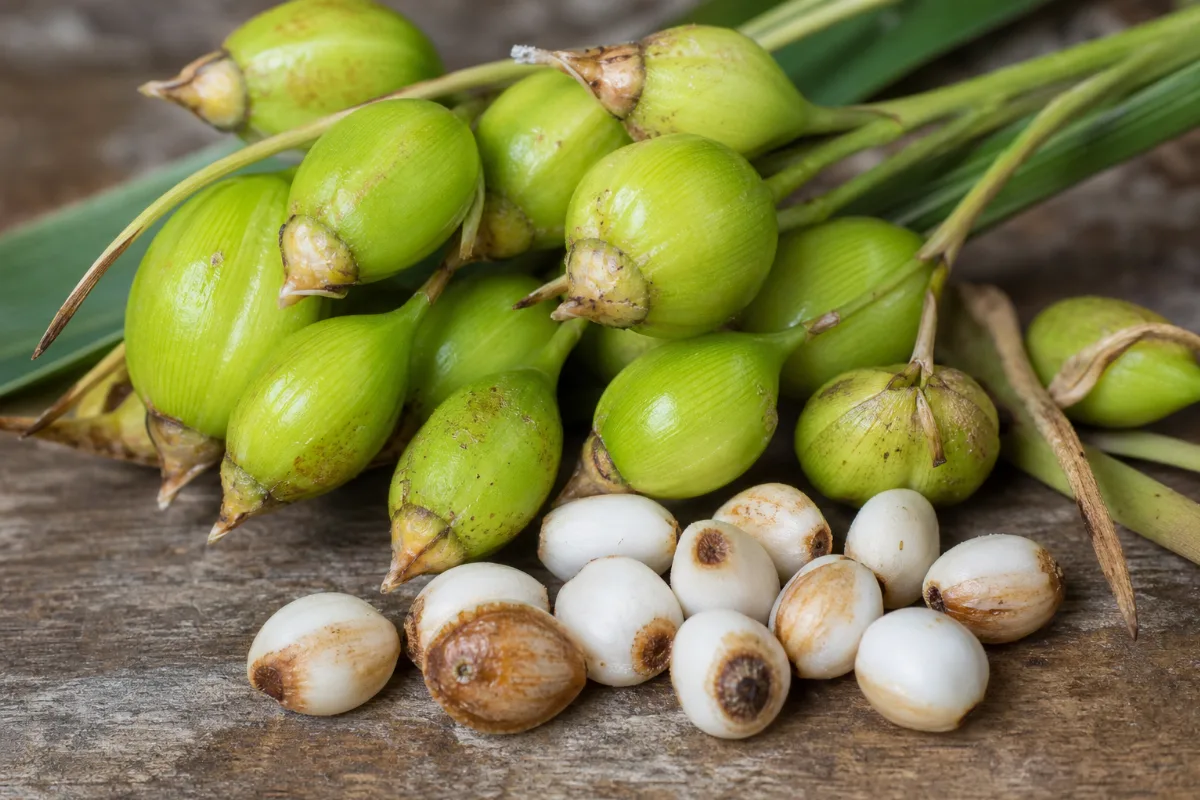
Herbs & Botanicals · Chinese grain-seed remedy
Job's tears
Coix lacryma-jobi · also called Coix seed, adlay, yi yi ren (Chinese), hatomugi (Japanese)
Job's tears, or coix seed, is the seed of a tall grass that is eaten as a grain in Asia and used in traditional Chinese medicine. People take it for digestion, warts and blood sugar, but good human trials are almost missing. A hospital injection called Kanglaite, made from its oil, has been tested as an add-on to cancer treatment, with low-quality evidence, and is not the same as the grain. Avoid medicinal amounts in pregnancy.
General information, not medical advice. Last substantive update · Not medically reviewed. A named clinician has not signed off on this page. How this page is made
About Job's tears
Job's tears (Coix lacryma-jobi) is a grass whose seed is both a food and a Chinese medicine called yi yi ren. The research falls into three separate groups: the plain grain, seed extracts, and Kanglaite, an injected seed oil. Kanglaite has the most studies, but they are small, mostly Chinese and rated low quality. Evidence for the plain seed is thin and safety data are limited.
What it is
Job's tears is a branched grass in the Poaceae family, the same family as wheat, rice and barley. The accepted species name was checked in GBIF and NCBI Taxonomy; the Chinese medicine form is the variety ma-yuen. The tear-shaped seeds are eaten and also used as a medicine.
Do not mix up three things. The cooked grain is a food. Seed extracts and capsules are concentrated and have little safety data. Kanglaite is an oil extract made into an injection for hospital use alongside cancer treatment. Its compounds include coixenolide, coixol and polysaccharides.
What the research shows
Kanglaite: meta-analyses pool small trials of the injection added to chemotherapy. They report better response, quality of life and pain scores and fewer chemotherapy side effects (27 lung cancer trials, 20 digestive cancer trials, 18 pain trials). But a 2022 check rated 10 of 13 such meta-analyses as critically low quality and a 2023 check of 20 lung reviews rated their methods critically low, so the findings are uncertain. Nothing here shows coix cures cancer.
Plain seed and extracts: no controlled trial for warts, one null blood sugar trial in 60 people, two very small studies of gut bacteria and immune cells, and one company-funded trial of a formula for period pain. Where evidence is missing we say so rather than guess.
What regulators say
We found no European Medicines Agency monograph, no NCCIH fact sheet and no LiverTox, LactMed or MedlinePlus entry. Not found does not prove none exists, since some search pages could not be read. We did not read a Chinese drug-approval document for Kanglaite.
Using this page
This page does not give advice on amounts or products. Ask a doctor or pharmacist about any medicine questions, and never replace cancer treatment with coix.
At a glance
Traditional uses history, not proof
- Seed (yi yi ren) used in Traditional Chinese Medicine for diarrhoea, swelling, rheumatism and warts (fact sheet).
- Ayurvedic, Siddha and Unani traditions use leaf and root teas for diabetes, rheumatism and menstrual problems (fact sheet).
- Eaten as a nutritious cereal-like grain in Asia (consumer reference).
- Used in Japan as coix seed tablets for common and flat warts (1992 abstract).
Studied for research
- Lung and digestive cancers: Kanglaite injection added to chemotherapy, low certainty
- Cancer pain: Kanglaite injection, low
- Period pain (a formula), low
- Warts and HPV, very low
- Blood sugar and cholesterol, very low
- Gut bacteria and immune cells, very low
Main compounds
- Coixenolide, a seed-oil ester
- Coixol, a lactam
- Polysaccharides
- Fatty acids, sterols, lignans and phenols
Common forms
- Whole grain or flour (food)
- Seed decoction (tea)
- Capsules or tablets of seed extract
- Branded adlay formulas
- Kanglaite injection (hospital drug)
- Seed oil
Research links: Kanglaite as adjunctive cancer therapy: evidence map of meta-analyses (Front Pharmacol 2022) · Kanglaite injection plus platinum chemotherapy for lung cancer: meta-analysis of 27 RCTs (Phytomedicine 2020) · Coix seed consumption affects gut microbiota and lymphocyte subsets (Nutrients 2021) · Job's tears: university herbal safety fact sheet · Research Library · Genes & Biomarkers Library
The plant and its history
- Accepted scientific name
- Coix lacryma-jobi
- Naming authority
- L.; the Chinese medicine variety is Coix lacryma-jobi var. ma-yuen (Rom.Caill.) Stapf (also written Coix lachryma-jobi; yi yi ren)
- Common names
- Job's tears (English); Coix seed (English); Adlay (English); Yi yi ren (Chinese (pinyin)); Hatomugi (Japanese (Yi Hato-mugi per RxList))
- Botanical family
- Poaceae (the grass family, which includes wheat, rice, barley and oats)
- Classification
- Plantae > Tracheophyta > Liliopsida > Poales > Poaceae > Coix > Coix lacryma-jobi
- Native range
- A consumer reference says native to China, India, Pakistan, Sri Lanka and Malaysia; UTEP says Southeast Asia. Not checked in a primary source.
- Habitat
- A broad-leaved branched grass (RxList). Habitat detail not checked.
- What the plant looks like
- Roots: Used in some traditions as a decoction (UTEP).; Stems: Branched grass; not described further.; Leaves: Broad leaves; tea from leaves is used in Ayurveda (UTEP).; Flowers: Not checked.; Fruit: The tear-shaped 'seeds' (really hard-coated grains) come in yellow, brown, white and purple (RxList).
- Cultivation
- Cultivated widely in China (review abstract).
- Harvest and processing
- The hulled, polished seed (Coicis semen) is the TCM drug; husk-bran mixtures have more mould toxin (2026 study). Kanglaite is an oil extracted from the seed (Kanglaite injection).
- Look-alikes and adulterants
- Name: Pearl barley; Note: RxList lists 'Chinese pearl barley' as a name for coix, but barley is a different grass; do not treat them as the same food. Not checked further.; Name: Wheat, barley, oat; Note: Other grass-family grains; some cross-reaction in wheat-allergic children (skin test) was reported for Job's tears.
- Sustainability and conservation
- Not checked.
Traditional use and history history, not clinical proof
| Tradition or era | Documented use | Source |
|---|---|---|
| Traditional Chinese Medicine | Seed (yi yi ren) used for diarrhoea, rheumatism, swelling and warts; the fact sheet also lists tuberculosis, parasites and cancers. | s-utep-coix |
| Ayurveda, Siddha and Unani | Leaves decocted for diabetes and rheumatism; root for dysentery, parasites and menstrual problems. | s-utep-coix |
| Japan | Coix seed tablets and the extract Yokuinin are used for common and flat warts (statement in a 1992 abstract; not independently verified). | p1419467 |
| Modern China | Seed oil made into Kanglaite injection for use alongside cancer treatment. | p36240975 |
Traditional use shows how a plant was used. It does not show that a supplement works or is safe today.
What is inside, and how it may work
What the plant contains and how those compounds act in cells and animals. Laboratory and animal mechanisms are not proven effects in people.
Main compounds
| Compound | Family | Where it is concentrated | Activity studied | Level of evidence |
|---|---|---|---|---|
| Coixenolide (a seed oil ester) PubChem 46173943 | triglyceride-type fatty ester | Seed | Proposed anti-tumour fat in the seed oil; lab and animal work. 24 9 | Laboratory research |
| Coixol (6-methoxybenzoxazolinone) PubChem 10772 | benzoxazolinone lactam | Seed (and root) | Reported anti-inflammatory and other lab effects. 24 9 | Laboratory research |
| Coix polysaccharides | complex carbohydrates | Seed and bran | Reported sugar-lowering and gut-bacteria effects in animals. 9 | Animal research |
| Fatty acids, sterols, lignans, phenols and tocopherols | mixed | Seed | Listed as constituents in a 2024 review. 9 | Laboratory research |
Mechanisms, receptors and pathways
| Target or pathway | Gene or receptor | What was found | Level |
|---|---|---|---|
| Immune cells | CD3, CD4, CD8, CD56 lymphocyte subsets | In 7 volunteers coix tablets raised cytotoxic-type cell percentages after 4 weeks; in 19 men cooked coix raised CD4+ and CD8+ T-cell percentages after one week. 5 7 | Human data |
| Gut microbiome | Faecalibacterium abundance | Faecalibacterium rose after one week of cooked coix in healthy men. 7 | Human data |
| Tumour cell growth (Kanglaite) | PI3K/Akt/mTOR pathway (mouse studies summarised by UTEP) | Reported to slow tumour growth in mice with liver and pancreatic cancer; animal only. 19 | Animal research |
| Prostaglandins and inflammation | PGE2, PGF2 alpha, hs-CRP | Lower in women taking an adlay-based formula in one trial. 2 | Human data |
Absorption, metabolism and elimination
- Absorption
- No human absorption data for coixenolide, coixol or the polysaccharides were found in what we read.
- Distribution
- Not found.
- Metabolism
- Not found.
- Elimination
- Not found.
- Bioavailability
- Not established in people. A review calls for pharmacokinetic studies.
Isolated compounds versus whole extracts
Three things are easily confused. The cooked grain (a food), seed extracts and capsules, and Kanglaite (an injected seed oil made for hospitals). The cancer add-on trials tested only the injection. Human studies of the grain tested blood and gut markers or blood sugar, not cancer. No study shows the grain or capsules treat cancer.
Nutritional composition
Coix is a cereal-like grain used as food in Asia. A consumer reference describes it as a nutritious health food and suggests its fibre may reduce fat and cholesterol absorption. We did not read nutrient tables for it, and its gluten status was not found.
4 low certainty4 very low certainty3 not enough evidence
What is Job's tears good for?
The uses people ask about and how strong the human evidence is for each. The cancer rows describe a hospital injection, not the grain or supplements, and none of them shows a cure.
Benefits, one by one
Each card is a research question, not a promise. Tap a goal to filter. Open a card to see the studies, doses and limits.
Lung cancer: added to chemotherapy (Kanglaite injection)
Low certaintyIn China, a seed-oil injection called Kanglaite is given in hospital alongside chemotherapy for advanced non-small cell lung cancer. Pooled trials report better tumour response, quality of life and fewer chemotherapy side effects, but the trials and the reviews are of low quality. It does not show that coix cures lung cancer.
4 studiesKanglaite injection (seed oil) given by vein with chemotherapy. Not a…
Studies, doses and limits
What the trials found
Huang 2020 meta-analysis of 27 randomised trials (2,243 people) found higher disease control (RR 1.20), response (RR 1.45), 1-year survival (RR 1.20) and quality of life (RR 1.32), and 59% fewer severe toxicities, rated moderate to low quality. A 2023 overview of 20 reviews found their methods critically low and risk of bias mostly high. A 2022 evidence map found 3 of 13 meta-analyses low and 10 critically low quality. A 2026 single-hospital study of 53 people had no comparison group.
Results
Better response and quality-of-life scores in pooled small Chinese trials; survival gains small and uncertain; reviews of the reviews warn the evidence is weak.
Effect sizes as reported
Disease control RR 1.20 (95% CI 1.15-1.26); response RR 1.45 (1.31-1.60); 1-year survival RR 1.20 (1.02-1.43); quality of life RR 1.32 (1.25-1.40); severe toxicity RR 0.41 (0.33-0.51).
Why this rating
Authors rated the trial evidence moderate to low; reviewers of the reviews found critically low method quality and high risk of bias; trials were mostly Chinese and blinding is not described in the abstract.
Form and dose studied
Kanglaite injection (seed oil) given by vein with chemotherapy. Not a supplement and not comparable to the grain.
Who was studied
Adults with stage III/IV non-small cell lung cancer in hospital.
Limits
Mostly small Chinese trials with blinding not described; overlapping reviews count the same trials; survival data limited; no trials in western settings found.
Why researchers looked
Coix seed oil was made into an injection in China and is widely used as an add-on to cancer treatment.
Traditional use
Coix seed (yi yi ren) is a long-used traditional Chinese remedy; the injection is a modern product made from its oil, not a traditional medicine.
Proposed mechanism Preliminary mechanism
Lab and animal studies suggest the oil can slow tumour cells and affect immune cells. These are not proof of benefit in people.
A proposed mechanism does not show that the effect happens in people.
Kanglaite is a hospital injection, not a supplement; it is not the same thing as eating the grain or taking seed capsules. It is used alongside, not instead of, cancer treatment, and nothing here shows it cures cancer. Reviews report leukopenia, nausea and vomiting as side effects.
Digestive-tract and pancreatic cancers: added to chemotherapy (Kanglaite injection)
Low certaintyMeta-analyses of small trials report that Kanglaite injection added to chemotherapy goes with better response, quality of life and fewer chemotherapy side effects in advanced stomach, bowel, liver and pancreatic cancers. Trial quality is low to moderate.
3 studiesKanglaite injection with chemotherapy or radiochemotherapy; not a sup…
Studies, doses and limits
What the trials found
Song 2020 meta-analysis of 20 trials (1,339 people) with fluorouracil chemotherapy: higher disease control (RR 1.18), response (RR 1.35) and quality of life (RR 1.58), and fewer side effects. Liu 2019 meta-analysis of 16 trials (960 people) in advanced pancreatic cancer with radiochemotherapy: higher 1-year survival (OR 2.58) and response (OR 2.16).
Results
Higher response and quality-of-life scores in pooled trials; reduced chemotherapy side effects reported.
Effect sizes as reported
Digestive cancers: response RR 1.35 (95% CI 1.18-1.54); quality of life RR 1.58 (1.35-1.85). Pancreatic: 1-year survival OR 2.58 (1.12-5.93).
Why this rating
Quality of included trials was low to moderate (authors); the 2022 evidence map rated most Kanglaite meta-analyses critically low in method quality.
Form and dose studied
Kanglaite injection with chemotherapy or radiochemotherapy; not a supplement.
Who was studied
Adults with advanced digestive-tract or pancreatic cancer in hospital.
Limits
Small trials; mostly Chinese; placebo injection use not described; survival benefit is uncertain beyond one year.
Why researchers looked
The injection is used in China as an add-on in several cancers, and digestive cancers have many small trials.
Traditional use
Traditional use of the seed for lung and intestinal cancers is listed in a university fact sheet; the injection is modern.
Proposed mechanism Animal research
Mouse studies reported slower growth of liver and pancreatic tumours with Kanglaite. This is animal work only.
A proposed mechanism does not show that the effect happens in people.
Kanglaite is a hospital injection, not a supplement; it is not the same thing as eating the grain or taking seed capsules. It is used alongside, not instead of, cancer treatment, and nothing here shows it cures cancer.
Cancer pain: added to chemotherapy (Kanglaite injection)
Low certaintyA 2025 meta-analysis of 18 trials reports lower pain scores when Kanglaite injection was added to chemotherapy, with moderate certainty by the authors' own rating. Pain is self-reported and the trials were not blinded.
1 studiesKanglaite injection with chemotherapy.
Studies, doses and limits
What the trials found
Feng 2025 meta-analysis of 18 randomised trials (1,197 people): pain score SMD -1.24 (95% CI -1.68 to -0.80), pain relief RR 1.72, performance score RR 1.64, fewer stomach reactions and less liver function damage.
Results
Lower pain scores than chemotherapy alone.
Effect sizes as reported
Pain score SMD -1.24 (-1.68 to -0.80); pain relief RR 1.72 (1.52-1.95).
Why this rating
Authors say moderate certainty for most outcomes, but pain is self-reported in Chinese trials and other Kanglaite reviews were rated critically low quality; we give low.
Form and dose studied
Kanglaite injection with chemotherapy.
Who was studied
Adults with cancer pain, mostly in China.
Limits
Pain scales are subjective; blinding is not described in the abstract; large effects like this can reflect bias.
Why researchers looked
Pain is a major problem in advanced cancer.
Traditional use
The seed is used in Chinese medicine for pain, swelling and rheumatism (fact sheet).
Proposed mechanism Unknown
The mechanism for pain relief is not described in the abstract.
A proposed mechanism does not show that the effect happens in people.
Kanglaite is a hospital injection, not a supplement; it is not the same thing as eating the grain or taking seed capsules. It is used alongside, not instead of, cancer treatment, and nothing here shows it cures cancer.
Lung cancer: Kanglaite with immunotherapy and chemotherapy
Not enough evidenceOne 2026 hospital record review of 53 people reported response and survival numbers and common liver-enzyme rises, but with no comparison group nothing can be concluded.
1 studiesKanglaite injection with toripalimab and chemotherapy.
Studies, doses and limits
What the trials found
Zhang 2026 (53 people): response rate 58.5% after four cycles; liver enzymes raised in 56.6% (grade 3 or above in 11.3%), anaemia 52.8%, neutropenia 24.5%.
Results
Response and survival figures reported without a control group; frequent liver-enzyme rises.
Effect sizes as reported
Response 58.5%; 1-year survival 75.9% (no comparison).
Why this rating
Single-arm retrospective study with no comparison; the combination also contains chemotherapy and an immune drug.
Form and dose studied
Kanglaite injection with toripalimab and chemotherapy.
Who was studied
53 adults with advanced non-small cell lung cancer in one hospital.
Limits
No control group; one hospital; cannot separate Kanglaite from the other drugs.
Why researchers looked
Doctors in China are trying Kanglaite with newer immune-based cancer drugs.
Traditional use
No traditional use of this combination.
Proposed mechanism Observational
The authors link falling blood VEGF levels with tumour response; this is a correlation in the same 53 people.
A proposed mechanism does not show that the effect happens in people.
Kanglaite is a hospital injection, not a supplement; it is not the same thing as eating the grain or taking seed capsules. It is used alongside, not instead of, cancer treatment, and nothing here shows it cures cancer. Raised liver enzymes were common but cannot be assigned to Kanglaite alone.
Warts and HPV-related skin or cervical changes
Very low certaintyCoix seed is used in Japan and in traditional medicine for warts. We found no controlled trial of plain coix seed for warts. The human evidence is one case report, one small retrospective Japanese study of a coix extract in women with abnormal cervical smears, and one small blood-cell study.
4 studiesCoix seed extract tablets or Yokuinin (Japanese product), often with …
Studies, doses and limits
What the trials found
No randomised trial for warts was found. Byun 2016 case report: one woman with flat warts for over 11 years saw them clear in 4 months on coix seed extract plus a herbal formula. Kiyoshima 2025 retrospective study (73 women, 34 treated with 1 g/day Yokuinin coix extract): normal cervical smears came sooner (median 3 vs 5 months) with no adverse effects reported. Hidaka 1992 (7 volunteers) saw two cell groups rise.
Results
Case report and a small retrospective study only; no controlled test on warts.
Effect sizes as reported
Median time to normal smear 3 vs 5 months (p=0.0011) in one non-randomised study.
Why this rating
A case report, a non-randomised retrospective study of cervical smears (not warts) and a seven-person blood study. No randomised trial for warts exists in what we found.
Form and dose studied
Coix seed extract tablets or Yokuinin (Japanese product), often with other herbs; amounts not compared.
Who was studied
One woman; 73 women in Japan; 7 healthy volunteers.
Limits
Warts often clear by themselves; the evidence cannot separate coix from chance or other treatments.
Why researchers looked
Coix has a long reputation for warts, and some papers ask if it boosts immune cells that fight viruses.
Traditional use
Warts are listed among traditional uses in Chinese and Ayurvedic medicine (UTEP fact sheet).
Proposed mechanism Human biomarker
A 1992 study of 7 volunteers found more cytotoxic and natural-killer type blood cells after 4 weeks of coix tablets. This is a blood-cell change, not an effect on warts.
A proposed mechanism does not show that the effect happens in people.
Do not replace medical care for genital warts, persistent warts or abnormal cervical smears with coix. HPV-related cervical changes need medical follow-up.
Type 2 diabetes: blood sugar
Very low certaintyOne 12-week trial of 60 people with type 2 diabetes found no change in glycated albumin (a blood sugar marker) or weight when Job's tears was added to probiotic yogurt. Overall evidence for blood sugar benefit is very weak. Animal and lab work suggests an effect.
3 studiesCooked grain in yogurt (food form).
Studies, doses and limits
What the trials found
Djaja 2022 (60 adults, 12 weeks, double-blind): no change in glycated albumin, weight or BMI with Job's tears in probiotic yogurt versus yogurt alone. A 2024 review of 29 ancient-grain trials in diabetes included Job's tears in only 2 and gave no separate result for it.
Results
No blood sugar improvement in the one trial.
Effect sizes as reported
No change in glycated albumin.
Why this rating
One small trial with a null result on blood sugar, tested in a food and probiotic combination; the rest is lab and animal work.
Form and dose studied
Cooked grain in yogurt (food form).
Who was studied
Adults with type 2 diabetes.
Limits
Baseline glycated albumin differed between groups; tested with probiotics.
Why researchers looked
Lab and animal studies report lower blood sugar with coix seed and its polysaccharides.
Traditional use
Used for diabetes in Ayurvedic and Chinese traditions (UTEP fact sheet).
Proposed mechanism Animal research
A review reports lower blood sugar in lab and animal studies; this has not been shown in people.
A proposed mechanism does not show that the effect happens in people.
A consumer reference lists a possible blood-sugar-lowering interaction with diabetes medicines (theory, not tested).
Cholesterol
Very low certaintyIn the 12-week yogurt trial, cholesterol and LDL fell and HDL rose in both groups, and the Job's tears group had higher HDL than yogurt alone, but the printed numbers look like a typo. A consumer reference mentions a 4-week study of eating Job's tears in place of rice, which we did not read.
2 studiesCooked grain in yogurt; grain in place of rice.
Studies, doses and limits
What the trials found
Djaja 2022: HDL higher with Job's tears than with yogurt alone (p=0.029); the abstract shows 0.9 vs 25 mg/dL which looks wrong. RxList mentions a 4-week substitution study with lower total and LDL cholesterol; the paper itself was not opened.
Results
Within-group changes with both yogurts; between-group HDL difference of unclear size.
Effect sizes as reported
HDL difference p=0.029 (size unclear).
Why this rating
One small trial with unclear figures plus a consumer-reference mention that was not verified.
Form and dose studied
Cooked grain in yogurt; grain in place of rice.
Who was studied
Adults with type 2 diabetes.
Limits
Combined with probiotic yogurt; unclear numbers.
Why researchers looked
The grain has fibre and is eaten like rice or barley.
Traditional use
Eaten as a nutritious grain in Asia.
Proposed mechanism Pharmacological theory
Fibre may lower fat and cholesterol absorption (consumer reference); not tested in the abstracts we read.
A proposed mechanism does not show that the effect happens in people.
None specific beyond general food-grain cautions.
Gut bacteria and immune cells (healthy adults)
Very low certaintyIn 19 healthy men, one week of eating 160 g of cooked coix a day raised Faecalibacterium bacteria and some T-cell groups. No health benefit was measured, and there was no placebo.
3 studiesCooked coix grain; coix tablets.
Studies, doses and limits
What the trials found
Jinnouchi 2021 (19 healthy men, 11 on coix 160 g/day for 7 days): higher Faecalibacterium and CD3+CD8+, CD4+, CD4+CD25+ cells. Hidaka 1992 (7 volunteers, 4 weeks of tablets): cytotoxic-type cells rose.
Results
Short-term changes in gut bacteria and blood cell percentages.
Effect sizes as reported
Numbers not given in the abstracts.
Why this rating
Two very small studies measuring lab markers, not symptoms or illness.
Form and dose studied
Cooked coix grain; coix tablets.
Who was studied
Healthy adult men, mostly.
Limits
Tiny samples, no placebo, no health outcome.
Why researchers looked
Researchers asked whether coix changes the gut microbes that talk to the immune system.
Traditional use
Coix is used in Chinese medicine to support the spleen and stomach (review).
Proposed mechanism Human biomarker
The authors suggest gut bacteria changes could explain blood immune-cell changes; not tested.
A proposed mechanism does not show that the effect happens in people.
Gut effects such as bloating from large amounts of grain were not reported in the abstracts.
Period pain (adlay-based formula)
Low certaintyOne 2024 trial of 69 women found lower period-pain scores with an adlay-based formula than with placebo. It tested a branded formula, not plain seed, and a company funded it.
1 studiesA multi-ingredient adlay-based formula.
Studies, doses and limits
What the trials found
Chiang 2024 randomised trial: 69 women (35 formula, 34 placebo); pain scores fell more with the formula; PGE2, PGF2 alpha and hs-CRP fell; IL-6 did not change. Adverse events were not reported in the abstract.
Results
Lower pain than placebo in one small trial.
Effect sizes as reported
VAS pain lower than placebo (numbers not in the abstract).
Why this rating
One small randomised trial of a formula, industry funded, not repeated.
Form and dose studied
A multi-ingredient adlay-based formula.
Who was studied
Women with primary dysmenorrhea.
Limits
Formula, not seed alone; no adverse-event data in the abstract.
Why researchers looked
Period pain is common and coix is traditionally used for menstrual complaints.
Traditional use
Menstrual problems are listed in the UTEP fact sheet.
Proposed mechanism Human biomarker
The trial reported lower PGE2, PGF2 alpha and hs-CRP; these are markers linked with period pain.
A proposed mechanism does not show that the effect happens in people.
Coix is advised against in pregnancy by a consumer reference; do not use a coix product when trying to conceive or when pregnant without medical advice.
Digestion, diarrhoea, swelling and rheumatism (traditional use)
Not enough evidenceChinese and Ayurvedic traditions use coix for diarrhoea, swelling, rheumatism and weak digestion. We found no controlled human trial for any of these. The gut bacteria study above is the closest human data.
2 studiesSeed decoction, grain, powder.
Studies, doses and limits
What the trials found
None for diarrhoea, swelling or rheumatism. The only related human data are the small gut bacteria study.
Results
No human results.
Effect sizes as reported
None.
Why this rating
Traditional use and lab-level work only.
Form and dose studied
Seed decoction, grain, powder.
Who was studied
Not applicable.
Limits
No trials.
Why researchers looked
Long traditional use.
Traditional use
In Traditional Chinese Medicine yi yi ren is used to drain 'dampness' and support the spleen; Ayurveda also uses leaf and root. Details were read only in a fact sheet and a review abstract.
Proposed mechanism Animal research
A review lists anti-inflammatory and spleen-supporting effects from lab and animal work.
A proposed mechanism does not show that the effect happens in people.
See safety tab; pregnancy caution applies to medicinal amounts.
Laboratory and animal findings (anti-tumour, anti-inflammatory, sugar-lowering)
Not enough evidenceMany lab and animal studies report anti-cancer, anti-inflammatory and sugar-lowering effects of coix oil and polysaccharides. These are lab and animal findings only and do not show benefit in people.
2 studiesExtracts, oil, isolated compounds.
Studies, doses and limits
What the trials found
None.
Results
Not applicable to people.
Effect sizes as reported
None.
Why this rating
Lab and animal work only.
Form and dose studied
Extracts, oil, isolated compounds.
Who was studied
Cells and animals.
Limits
Doses used in the lab are not what people take.
Why researchers looked
Coix contains oils (coixenolide), lactams (coixol) and polysaccharides that act on cells in dishes and animals.
Traditional use
None.
Proposed mechanism Animal research
Cell and mouse studies report slower tumour growth and changed immune signalling.
A proposed mechanism does not show that the effect happens in people.
Lab results do not show safety or benefit.
Connections to the rest of health
How Job's tears connects to the rest of our health knowledge graph. Every link says what kind of connection it is. A safety link (for example to the liver) is a warning, not a benefit. A study that merely mentions a topic never creates a benefit link.
Explore every connection: goals, body systems, organs, symptoms, genes
A. Wellness goals
| Connected to | Kind of connection | Evidence status | Context | Studies |
|---|---|---|---|---|
| Healthy Skin | Traditional use | Very low certainty | Warts and HPV-related skin or cervical changes: Coix seed is used in Japan and in traditional medicine for warts. We found no controlled trial of plain coix seed for warts. The human evidence is one case report, one small retrospective Japanese study of a coix extract in women with abnormal cervical smears, and one small blood-cell study. | 1 8 5 19 |
| Immune Support | Traditional use | Very low certainty | Warts and HPV-related skin or cervical changes: Coix seed is used in Japan and in traditional medicine for warts. We found no controlled trial of plain coix seed for warts. The human evidence is one case report, one small retrospective Japanese study of a coix extract in women with abnormal cervical smears, and one small blood-cell study. | 1 8 5 19 |
| Blood Sugar Balance | Potential benefit | Very low certainty | Type 2 diabetes: blood sugar: One 12-week trial of 60 people with type 2 diabetes found no change in glycated albumin (a blood sugar marker) or weight when Job's tears was added to probiotic yogurt. Overall evidence for blood sugar benefit is very weak. Animal and lab work suggests an effect. | 3 14 9 |
| Cholesterol Balance | Potential benefit | Very low certainty | Cholesterol: In the 12-week yogurt trial, cholesterol and LDL fell and HDL rose in both groups, and the Job's tears group had higher HDL than yogurt alone, but the printed numbers look like a typo. A consumer reference mentions a 4-week study of eating Job's tears in place of rice, which we did not read. | 3 20 |
| Gut Health | Preliminary mechanism | Very low certainty | Gut bacteria and immune cells (healthy adults): In 19 healthy men, one week of eating 160 g of cooked coix a day raised Faecalibacterium bacteria and some T-cell groups. No health benefit was measured, and there was no placebo. | 7 5 9 |
| Immune Support | Preliminary mechanism | Very low certainty | Gut bacteria and immune cells (healthy adults): In 19 healthy men, one week of eating 160 g of cooked coix a day raised Faecalibacterium bacteria and some T-cell groups. No health benefit was measured, and there was no placebo. | 7 5 9 |
| Womens Wellness | Potential benefit | Low certainty | Period pain (adlay-based formula): One 2024 trial of 69 women found lower period-pain scores with an adlay-based formula than with placebo. It tested a branded formula, not plain seed, and a company funded it. | 2 |
| Digestive Support | Traditional use | Not enough evidence | Digestion, diarrhoea, swelling and rheumatism (traditional use): Chinese and Ayurvedic traditions use coix for diarrhoea, swelling, rheumatism and weak digestion. We found no controlled human trial for any of these. The gut bacteria study above is the closest human data. | 19 9 |
B. Body systems
| Connected to | Kind of connection | Evidence status | Context | Studies |
|---|---|---|---|---|
| Reproductive health (pregnancy) | Contraindication | Very low certainty | Animal and consumer-reference caution; no human data. Preparation or compound: Seed extracts and teas |
20 19 |
| Digestive system | Potential benefit | Not enough evidence | Traditional use only; gut bacteria changes in a seven-day study of 19 men. Preparation or compound: Seed (traditional) |
19 7 |
| Immune system | Biological association | Very low certainty | Blood T-cell and cytotoxic-cell percentages rose in two tiny studies. Studied for: Warts and HPV-related skin or cervical changes Preparation or compound: Coix seed |
7 5 1 8 19 9 |
| Respiratory System | Biological association | Low certainty | Studied for: Lung cancer: added to chemotherapy (Kanglaite injection) Studied for: Lung cancer: Kanglaite with immunotherapy and chemotherapy | 6 12 11 18 |
| Digestive System | Biological association | Low certainty | Studied for: Digestive-tract and pancreatic cancers: added to chemotherapy (Kanglaite injection) Studied for: Gut bacteria and immune cells (healthy adults) | 15 10 11 7 5 9 19 |
| Nervous System | Biological association | Low certainty | Studied for: Cancer pain: added to chemotherapy (Kanglaite injection) | 4 |
| Integumentary System | Biological association | Very low certainty | Studied for: Warts and HPV-related skin or cervical changes | 1 8 5 19 |
| Endocrine System | Biological association | Very low certainty | Studied for: Type 2 diabetes: blood sugar | 3 14 9 |
| Cardiovascular System | Biological association | Very low certainty | Studied for: Cholesterol | 3 20 |
| Reproductive Health | Biological association | Low certainty | Studied for: Period pain (adlay-based formula) | 2 |
C. Body parts and organs
| Connected to | Kind of connection | Evidence status | Context | Studies |
|---|---|---|---|---|
| Liver | Adverse effect or risk | Very low certainty | Raised liver enzymes in 56.6% in an uncontrolled study; meta-analyses report less chemotherapy liver damage. Raised liver enzymes in an uncontrolled study; meta-analyses report less chemotherapy liver damage. Preparation or compound: Kanglaite injection with other cancer drugs |
18 4 |
| Lungs | Potential benefit | Low certainty | Pooled response and quality-of-life gains in low-quality trials; not a cure. Preparation or compound: Kanglaite injection added to chemotherapy |
6 12 |
G. Root causes and contributing factors
| Connected to | Kind of connection | Evidence status | Context | Studies |
|---|---|---|---|---|
| Medication interactions | Drug or supplement interaction | Very low certainty | Theory and reference listings only. Preparation or compound: Coix with diabetes and cancer medicines |
20 |
I. Biomarkers
| Connected to | Kind of connection | Evidence status | Context | Studies |
|---|---|---|---|---|
| Blood glucose | Drug or supplement interaction | Very low certainty | Theory from a consumer reference; a 12-week trial found no change in glycated albumin. Theory; one 12-week trial found no change in glycated albumin. Preparation or compound: Job's tears with diabetes medicines |
20 3 |
| Tumour response and disease control rate (cancer scans) | Biological association | Low certainty | Measured in trials: raised. A lab change is not the same as a health benefit. | 6 15 18 |
| 1-year survival | Biological association | Low certainty | Measured in trials: raised. A lab change is not the same as a health benefit. | 6 10 |
| Quality of life (cancer treatment) | Biological association | Low certainty | Measured in trials: raised. A lab change is not the same as a health benefit. | 6 15 12 |
| Cancer pain score | Biological association | Low certainty | Measured in trials: lowered. A lab change is not the same as a health benefit. | 4 |
| HDL cholesterol | Biological association | Very low certainty | Measured in trials: raised. A lab change is not the same as a health benefit. | 3 |
| Glycated albumin | Biological association | Very low certainty | Measured in trials: unchanged. A lab change is not the same as a health benefit. | 3 |
| Period pain score (VAS) and inflammation markers | Biological association | Low certainty | Measured in trials: lowered. A lab change is not the same as a health benefit. | 2 |
| Cytotoxic and natural-killer type blood cells | Biological association | Very low certainty | Measured in trials: raised. A lab change is not the same as a health benefit. | 5 7 |
K. Biological pathways
| Connected to | Kind of connection | Evidence status | Context | Studies |
|---|---|---|---|---|
| PI3K/Akt/mTOR signalling | Preliminary mechanism | Animal | Kanglaite lowered phospho-Akt and phospho-mTOR in mouse pancreatic cancer grafts (UTEP summary). | 19 |
| CD3, CD4, CD8, CD56 lymphocytes | Preliminary mechanism | Human | Higher percentages in small human studies of coix. | 5 7 |
L. Active compounds
| Connected to | Kind of connection | Evidence status | Context | Studies |
|---|---|---|---|---|
| Coixenolide (a seed oil ester) | Biological association | In vitro | Proposed anti-tumour fat in the seed oil; lab and animal work. Preparation or compound: Seed |
24 9 |
| Coixol (6-methoxybenzoxazolinone) | Biological association | In vitro | Reported anti-inflammatory and other lab effects. Preparation or compound: Seed (and root) |
24 9 |
| Coix polysaccharides | Biological association | Animal | Reported sugar-lowering and gut-bacteria effects in animals. Preparation or compound: Seed and bran |
9 |
| Fatty acids, sterols, lignans, phenols and tocopherols | Biological association | In vitro | Listed as constituents in a 2024 review. Preparation or compound: Seed |
9 |
Each connection is stored with the ingredient, the connected record, the kind of connection, the evidence status, the supporting studies, the preparation or compound involved, and a review date (last reviewed October 25, 2026).
The evidence
The research centre for Job's tears. Every record here was checked against PubMed or the publisher's page; we never list a study we have not verified.
Evidence by outcome
Bars show how many studies we found for each outcome, not how well it works. People are added up across trials only (reviews are not added, to avoid double counting).
How we rate evidence
High certainty
Several well-run trials or reviews agree; further research is unlikely to change the picture much.
Moderate certainty
Good trials point the same way, but some doubt remains.
Low certainty
Small, short or inconsistent trials. The finding could change with better research.
Very low certainty
Very little or very weak human data. Treat as a possibility only.
Mixed findings
Trials or reviews disagree with each other.
Not enough evidence
Not enough human research to say either way.
Evidence against
Good research found no benefit, or found harm.
We take the reviewers' own risk-of-bias and GRADE statements where they exist, and otherwise judge from study size, design, consistency, directness and whether a product matches what is sold. Many publications do not make evidence high. Method note: We read abstracts of 18 PubMed papers, read the RxList and University of Texas at El Paso fact sheets, checked the plant name in GBIF and NCBI Taxonomy and compound IDs in PubChem. EMA, NCCIH, LiverTox, LactMed and MedlinePlus entries were not found.
Study library: every study we checked 26
| Study | Design | People | Product, dose, length | Result |
|---|---|---|---|---|
| Byun 2016 Administration of Herbal Complexes, Dangguijakyak-san (TJ-23) and Coix Seeds, for Treating Verruca Planae: A Case Report. Explore (NY) · PMID 26701790 · DOI |
Case report |
1 One 29-year-old woman with flat warts for over 11 years that had not cleared with usual treatment |
Coix seed extract tablets with a Japanese herbal formula (Dangguijakyak-san) seed extract 500 mg coix seed extract (as stated); formula amount not in the abstract 4 months · vs None |
The warts were gone at four months and had not returned by September 2014 (the date given). Two herbal products were used together, and warts can clear by themselves. One patient: warts cleared Methods, limits and fundingOutcomes: Whether the warts disappeared Limitations: One case, two products together, no control; cannot show the coix did it. Funding and conflicts: None stated. Read: abstract |
| Chiang 2024 Impact of Adlay-Based Formula on Pain and Discomfort in Women with Dysmenorrhea: A Randomized Controlled Trial. Nutrients · PMID 39683420 · DOI |
Controlled trial |
69 Women with primary period pain (35 formula, 34 placebo) |
Adlay-based formula (a multi-ingredient product; contents not given in the abstract) seed (adlay) plus other ingredients Not stated in the abstract Not stated in the abstract · vs Placebo |
Pain scores fell more on the formula than on placebo, and PGE2, PGF2 alpha and hs-CRP fell; IL-6 did not change significantly. Adverse events were not reported in the abstract. Lower VAS vs placebo (numbers not given in the abstract) Methods, limits and fundingOutcomes: Pain scale (VAS), menstrual distress questionnaire, PGE2, PGF2 alpha, IL-6, hs-CRP Limitations: A formula, not plain seed; one small trial; industry funding. Funding and conflicts: Funded by Translab International, Ltd (a company); authors say the funder was not involved in design, analysis or the decision to publish. Read: abstract |
| Djaja 2022 The Effect of Adding Job's Tears to Yogurt on Plasma Glycated Albumin, Weight, and Lipid Profile in Patients with Type 2 Diabetes Mellitus: A Randomized Controlled Trial. Journal of Nutrition and Metabolism · PMID 35942243 · DOI |
Controlled trial |
60 Adults with type 2 diabetes (30 per group) |
Job's tears added to probiotic yogurt (food form) seed (grain) 200 ml yogurt daily; amount of grain not given in the abstract 12 weeks · vs Same probiotic yogurt without Job's tears |
No change in weight, BMI or glycated albumin. Both yogurts lowered cholesterol and LDL and raised HDL within groups; HDL was higher with Job's tears (p=0.029), but the figure printed in the abstract ("0.9 vs 25 mg/dL") looks like a typo. HDL higher with Job's tears than yogurt alone (p=0.029); no change in glycated albumin Methods, limits and fundingOutcomes: Glycated albumin (a blood sugar marker), weight, BMI, cholesterol, LDL, HDL Limitations: Baseline glycated albumin differed between groups; the HDL numbers in the abstract are unclear; Job's tears was tested together with probiotics; single author. Funding and conflicts: No conflict of interest declared. Read: abstract |
| Feng 2025 Meta-analysis of the efficacy and safety of Kanglaite Injection in conjunction with chemotherapy for cancer pain. Frontiers in Oncology · PMID 41551142 · DOI |
Meta-analysis |
1197 Adults with cancer pain in 18 randomised trials |
Kanglaite injection (oil extracted from coix seed, given by vein in hospital) seed oil extract (injection) Various Various · vs Chemotherapy alone |
Pain scores were lower and pain relief higher with Kanglaite added to chemotherapy. The authors graded certainty moderate for most outcomes. Pain score SMD -1.24; pain relief RR 1.72; performance score RR 1.64 (Pain score -1.68 to -0.80; relief 1.52-1.95) Methods, limits and fundingOutcomes: Pain score, pain relief rate, Karnofsky performance score, side effects Limitations: Pain is self-reported; blinding is not described in the abstract; only the abstract was read. Funding and conflicts: Not stated in the abstract. Read: abstract |
| Hidaka 1992 Chinese medicine, Coix seeds increase peripheral cytotoxic T and NK cells. Biotherapy · PMID 1419467 · DOI |
Uncontrolled trial |
7 Seven healthy volunteers |
Coix seed tablets (Japanese product) seed 6 tablets three times a day 4 weeks · vs None (before and after) |
Total white cell and lymphocyte percentages did not change, but the percentages of CD3+CD56+ and CD16+CD57- cells (cytotoxic and natural-killer type cells) rose. The abstract says coix seeds "have been used" in Japan for common warts and flat warts; it does not test warts. Increases in two cell groups (numbers not given in the abstract) Methods, limits and fundingOutcomes: Blood lymphocyte subsets Limitations: Seven people, no control group, 1992; shows a blood-cell change, not any effect on infection or warts. Funding and conflicts: None stated. Read: abstract |
| Huang 2020 Kanglaite injection plus platinum-based chemotherapy for stage III/IV non-small cell lung cancer: A meta-analysis of 27 RCTs. Phytomedicine · PMID 31926475 · DOI |
Meta-analysis |
2243 Adults with stage III/IV non-small cell lung cancer in 27 randomised trials (mostly Chinese) |
Kanglaite injection (oil extracted from coix seed, given by vein in hospital) seed oil extract (injection) Various Various · vs Platinum-based chemotherapy alone |
With Kanglaite added, disease control, response rate, 1-year survival, quality of life and CD4+ T cells were higher, and severe toxicity was 59% lower. The authors rated the evidence moderate to low. Disease control RR 1.20; response RR 1.45; 1-year survival RR 1.20; quality of life RR 1.32; severe toxicity RR 0.41 (Disease control 1.15-1.26; response 1.31-1.60; 1-year survival 1.02-1.43; severe toxicity 0.33-0.51) Methods, limits and fundingOutcomes: Disease control rate (primary), response rate, 1-year survival, quality of life, T-cell counts, toxicity Limitations: Trials mostly Chinese; blinding not described in the abstract; evidence quality moderate to low (authors). Only the abstract was read. Funding and conflicts: Not stated in the abstract. Read: abstract |
| Jinnouchi 2021 Coix Seed Consumption Affects the Gut Microbiota and the Peripheral Lymphocyte Subset Profiles of Healthy Male Adults. Nutrients · PMID 34836336 · DOI |
Controlled trial |
19 Healthy adult men (11 ate coix, 8 did not) |
Cooked coix seed (whole food) seed (grain) 160 g a day 7 days · vs No intervention |
After one week, Faecalibacterium bacteria and several T-cell groups (CD3+CD8+, CD4+, CD4+CD25+) were higher in the coix group. Whether this has any health effect was not tested. Higher Faecalibacterium and some T-cell percentages (numbers not given in the abstract) Methods, limits and fundingOutcomes: Gut bacteria and blood lymphocyte subsets Limitations: Only 19 men, one week, a no-treatment comparison group of 8 and no placebo; no health outcome was measured. Funding and conflicts: No conflict of interest declared. Read: abstract |
| Kiyoshima 2025 Effectiveness of the Traditional Japanese Herbal Medicine, Yokuinin (Kampo), in the Treatment of Cervical Precancerous Lesions. Cureus · PMID 39925535 · DOI |
Cohort study |
73 Women with skin warts and mildly abnormal cervical smears (34 treated, 39 not treated) |
Yokuinin (Kampo coix seed extract) seed extract 1.0 g a day in three doses Not stated in the abstract · vs No Yokuinin |
Treated women were more likely to have a normal smear later (p=0.0441) and got there sooner (median 3 vs 5 months, p=0.0011). No adverse effects were reported. Median time to normal smear 3 vs 5 months (p=0.0011) Methods, limits and fundingOutcomes: Return to normal cervical cytology and time to normal Limitations: Retrospective, not randomised, one hospital; women were not assigned by chance, so other differences may explain this. This is a cervical lesion study, not a wart trial. Funding and conflicts: No funding or conflicts declared. Read: abstract |
| Li 2024 Research on Coix seed as a food and medicinal resource, it's chemical components and their pharmacological activities: A review. Journal of Ethnopharmacology · PMID 37858750 · DOI |
Narrative review mixed |
Narrative review of lab, animal and some human literature on coix seed (Coix lacryma-jobi var. ma-yuen) | Coix seed and its constituents seed n/a n/a · vs n/a |
Lists fatty acids, polysaccharides, sterols, lactams, lignans, phenols and other constituents, and reports effects on blood sugar, liver function, gut bacteria, inflammation and tumours, mostly from lab and animal work. The authors call for clinical trials, toxicology and pharmacokinetic studies. Methods, limits and fundingOutcomes: Chemical constituents and reported pharmacological effects Limitations: Narrative review with no stated quality grading; mostly non-human evidence; only the abstract was read. Funding and conflicts: No competing interests declared. Read: abstract |
| Liu 2019 Efficacy and safety of Kanglaite injection combined with radiochemotherapy in the treatment of advanced pancreatic cancer: A PRISMA-compliant meta-analysis. Medicine (Baltimore) · PMID 31393364 · DOI |
Meta-analysis |
960 Adults with advanced pancreatic cancer in 16 trials |
Kanglaite injection (oil extracted from coix seed, given by vein in hospital) seed oil extract (injection) Various Various · vs Radiochemotherapy alone |
Kanglaite plus radiochemotherapy gave higher 1-year survival, response and disease control, and better quality of life and fewer chemotherapy side effects than radiochemotherapy alone. 1-year survival OR 2.58; response OR 2.16; disease control OR 2.50 (1-year survival 1.12-5.93; response 1.58-2.94) Methods, limits and fundingOutcomes: 1-year survival, response and disease control, quality of life, side effects Limitations: Small trials; no quality grading given in the abstract; only the abstract was read. Funding and conflicts: Not stated in the abstract. Read: abstract |
| Lu 2022 Kanglaite (Coix Seed Extract) as Adjunctive Therapy in Cancer: Evidence Mapping Overview Based on Systematic Reviews With Meta-Analyses. Frontiers in Pharmacology · PMID 36034785 · DOI |
Overview of reviews |
13 English-language meta-analyses of Kanglaite in cancer (488 to 2,964 patients each) | Kanglaite injection (oil extracted from coix seed, given by vein in hospital) seed oil extract (injection) Various Various · vs Treatment without Kanglaite |
Almost all 13 meta-analyses reported better response rates, quality of life and immune indicators, and fewer side effects such as nausea and low white cells. By AMSTAR 2, 3 were low quality and 10 were critically low. The authors still concluded it was effective and safe as an add-on but asked for better trials. Quality: 3 low, 10 critically low (AMSTAR 2) Methods, limits and fundingOutcomes: Methodological quality (AMSTAR 2) and efficacy and safety findings Limitations: Quality ratings show the meta-analyses themselves are weak; the review authors call the conclusion tentative; only the abstract was read. Funding and conflicts: Not stated in the abstract. Read: abstract |
| Lu 2023 Chinese patent medicine Kanglaite injection for non-small-cell lung cancer: An overview of systematic reviews. Journal of Ethnopharmacology · PMID 36240975 · DOI |
Overview of reviews |
20 systematic reviews (13 Chinese, 7 English) on Kanglaite injection added to lung cancer treatment | Kanglaite injection (oil extracted from coix seed, given by vein in hospital) seed oil extract (injection) Various Various · vs Treatment without Kanglaite |
Method quality of all 20 reviews was critically low and risk of bias mostly high. Reviewers pooled "moderate" evidence of 9.7-16.4% higher response rate and 20.1-28.6% higher quality of life with chemotherapy plus Kanglaite, and fewer stomach symptoms and low white blood cells. The reviewers say clinical use remains unelucidated and higher-quality trials are needed. Response rate +9.7 to +16.4 percentage points; quality of life +20.1 to +28.6 (ranges across reviews, moderate GRADE) Methods, limits and fundingOutcomes: Reporting quality, methodological quality, risk of bias and GRADE certainty of the reviews Limitations: Reviews of reviews: the same small trials are counted repeatedly; all first authors Chinese; only the abstract was read. Funding and conflicts: Not stated in the abstract. Read: abstract |
| Ma 2026 Methylmercury accumulation patterns in Coix lacryma-jobi L. and its associated human exposure risks. Ecotoxicology and Environmental Safety · PMID 42892291 · DOI |
Product analysis n/a |
Coix plants and soils from cultivation areas in southwest China | Coix grain grain n/a n/a · vs n/a |
About 55% of grain samples had methylmercury concentration factors above 1; grain methylmercury (0.281 micrograms/kg average) was lower than rice from heavily polluted sites. Calculated hazard quotients were below the safety threshold, but children faced greater risk. Hazard quotients below 1 for residents; higher risk for children Methods, limits and fundingOutcomes: Mercury in plant parts and estimated dietary exposure Limitations: Calculation from regional samples; says nothing about a specific product; only the abstract was read. Funding and conflicts: No competing interests declared. Read: abstract |
| Magi 2024 Use of ancient grains for the management of diabetes mellitus: A systematic review and meta-analysis. Nutrition, Metabolism and Cardiovascular Diseases · PMID 38553358 · DOI |
Systematic review |
Adults with diabetes (mostly type 2) in 29 randomised trials of ancient grains | Ancient grains; Job's tears was used in 2 of the 29 trials seed (grain) Various 1 day to 24 weeks · vs Various |
Job's tears appeared in only 2 of 29 trials and was not among the grains pooled in the meta-analysis; only oats were reported to improve cholesterol. No pooled result for Job's tears Methods, limits and fundingOutcomes: Blood sugar and cholesterol outcomes Limitations: The review gives no separate Job's tears result in the abstract. Funding and conflicts: No conflict of interest declared. Registration: PROSPERO CRD42023422386 Read: abstract |
| Song 2020 Kanglaite injection plus fluorouracil-based chemotherapy on the reduction of adverse effects and improvement of clinical effectiveness in patients with advanced malignant tumors of the digestive tract: A meta-analysis of 20 RCTs following the PRISMA guidelines. Medicine (Baltimore) · PMID 32332600 · DOI |
Meta-analysis |
1339 Adults with advanced digestive-tract cancers in 20 randomised trials |
Kanglaite injection (oil extracted from coix seed, given by vein in hospital) seed oil extract (injection) Various Various · vs Fluorouracil-based chemotherapy alone |
Added to fluorouracil chemotherapy, Kanglaite injection was linked with higher disease control, response rate and quality of life, and fewer side effects such as low blood counts, nausea and diarrhoea. The authors say trial quality was low to moderate. Response RR 1.35; disease control RR 1.18; quality of life RR 1.58; myelosuppression RR 0.33 (Response 1.18-1.54; disease control 1.11-1.25; quality of life 1.35-1.85) Methods, limits and fundingOutcomes: Response rate (primary), disease control, quality of life, side effects Limitations: Trial quality low to moderate (authors); no survival result in the abstract; only the abstract was read. Funding and conflicts: Not stated in the abstract. Read: abstract |
| Srisuwatchari 2020 Clinical and in vitro cross-reactivity of cereal grains in children with IgE-mediated wheat allergy. Allergologia et Immunopathologia · PMID 32327208 · DOI |
Observational |
10 Ten children aged 5-15 with IgE-mediated wheat allergy (nine with a history of wheat anaphylaxis) |
Skin-prick test to Job's tears (and barley, oat); food challenge when safe grain n/a n/a · vs n/a |
The reported cross-reactivity rate was 60% for barley, 33.3% for oat and 20% for Job's tears. The authors conclude it was low enough that avoiding all cereals may be unnecessary in severe wheat allergy. Job's tears cross-reactivity 20% Methods, limits and fundingOutcomes: Cross-reaction between wheat allergy and other grains Limitations: Only 10 children; skin test for Job's tears only; shows possible cross-reaction in wheat allergy, not rates in the general public. Funding and conflicts: None stated. Read: abstract |
| Xu 2026 Longitudinal profiling of toxigenic fungi and mycotoxin risks in Coix lacryma-jobi L. Journal of Hazardous Materials · PMID 41734557 · DOI |
Product analysis n/a |
Field and market samples of coix in China (121 in 2021, 306 in 2024) | Coix seed, husk-bran mixture and polished seed seed n/a n/a · vs n/a |
Zearalenone was found in 100% of samples in 2021 and 2024, higher in husk-bran mixes than polished seed. Aflatoxin was found in polished seed. 29 of 37 mould toxins screened were found, often together. The authors report potential health risk from zearalenone and aflatoxins for people eating edible coix. Zearalenone in 100% of samples Methods, limits and fundingOutcomes: Mould toxins and exposure risk Limitations: Chinese samples only; shows contamination, not illness; only the abstract was read. Funding and conflicts: No competing interests declared. Read: abstract |
| Zhang 2026 Safety and Clinical Outcomes of Kanglaite Injection in Combination with Toripalimab and Chemotherapy for Advanced Non-Small Cell Lung Cancer: A Real-World Retrospective Analysis. Cancer Management and Research · PMID 42205895 · DOI |
Case series |
53 Adults with advanced non-small cell lung cancer treated in one Chinese hospital (2022-2024) |
Kanglaite injection (oil extracted from coix seed, given by vein in hospital) with toripalimab and chemotherapy seed oil extract (injection) Not stated in the abstract 4 cycles reported · vs None (no control group) |
After four cycles the response rate was 58.5%. Common mild side effects were raised liver enzymes (56.6%), anaemia (52.8%) and low neutrophils (24.5%); raised liver enzymes were also the main serious (grade 3 or above) side effect (11.3%). There was no control group, so benefit and side effects cannot be assigned to Kanglaite. Response 58.5%; liver enzymes raised 56.6% Methods, limits and fundingOutcomes: Response, survival, blood markers, treatment-related side effects Limitations: Single hospital, retrospective, no comparison group; the abstract itself says results must be read with caution. Funding and conflicts: No conflicts or other funding declared. Read: abstract |
| n/a 2026 University of Texas at El Paso Herbal Safety Program: Job's tears fact sheet (page read 2026-10-25) University of Texas at El Paso · Source |
Consumer reference n/a |
n/a | n/a n/a n/a n/a · vs n/a |
Plant: Coix lachryma-jobi, family Poaceae; seed (and leaf and root) decocted as tea. Lists traditional uses in Chinese and Ayurvedic medicine including diabetes, rheumatism, diarrhoea, warts, intestinal parasites and cancer. Reports that Kanglaite slowed tumour growth in mice. Safety: avoid tea from leaves or roots in pregnancy; safety during breastfeeding has not been established. Methods, limits and fundingOutcomes: Plant: Coix lachryma-jobi, family Poaceae; seed (and leaf and root) decocted as tea. Lists traditional uses in Chinese and Ayurvedic medicine including diabetes, rheumatism, diarrhoea, warts, intestinal parasites and cancer. Reports that Kanglaite slowed tumour growth in mice. Safety: avoid tea from leaves or roots in pregnancy; safety during breastfeeding has not been established. Limitations: A university fact sheet compiled from books and papers, not a regulator; undated. Read: full-text |
| n/a 2026 RxList consumer reference: Job's Tears (page read 2026-10-25) RxList · Source |
Consumer reference n/a |
n/a | n/a n/a n/a n/a · vs n/a |
Says Job's tears seems safe in food amounts and there is not enough information on pills; says it might be unsafe in pregnancy (animal research suggests it can poison a developing embryo and it can make the uterus contract); breastfeeding unknown; might lower blood sugar, so stop at least 2 weeks before surgery; lists a moderate interaction with diabetes medicines. Says developing research suggests eating it in place of rice for 4 weeks lowered total and LDL cholesterol; rates warts, cancer and other uses as insufficient evidence. Methods, limits and fundingOutcomes: Says Job's tears seems safe in food amounts and there is not enough information on pills; says it might be unsafe in pregnancy (animal research suggests it can poison a developing embryo and it can make the uterus contract); breastfeeding unknown; might lower blood sugar, so stop at least 2 weeks before surgery; lists a moderate interaction with diabetes medicines. Says developing research suggests eating it in place of rice for 4 weeks lowered total and LDL cholesterol; rates warts, cancer and other uses as insufficient evidence. Limitations: A consumer drug reference with no author or date shown; the underlying animal and human references were not opened. It lists no blood-pressure-medicine interaction. Read: full-text |
| n/a 2026 NIH LiverTox / MedlinePlus / LactMed: search for coix, Job's tears, Kanglaite (not found) NIH · Source |
Authoritative guidance n/a |
n/a | n/a n/a n/a n/a · vs n/a |
An NCBI Bookshelf query for livertox with coix returned zero records; the Bookshelf web page was behind a bot check; a MedlinePlus supplements search URL returned a 404. No LiverTox, LactMed or MedlinePlus entry was found. Methods, limits and fundingOutcomes: An NCBI Bookshelf query for livertox with coix returned zero records; the Bookshelf web page was behind a bot check; a MedlinePlus supplements search URL returned a 404. No LiverTox, LactMed or MedlinePlus entry was found. Limitations: Search could not be fully run, so not found is not proof of absence. Read: not-found |
| n/a 2026 EMA / HMPC: search for coix, Coicis semen (not found) EMA · Source |
Authoritative guidance n/a |
n/a | n/a n/a n/a n/a · vs n/a |
A guessed EMA herbal page for Coicis semen returned "Page or document not found" (404); the EMA site search was blocked by a security check, so no monograph could be searched for. Methods, limits and fundingOutcomes: A guessed EMA herbal page for Coicis semen returned "Page or document not found" (404); the EMA site search was blocked by a security check, so no monograph could be searched for. Limitations: Not found does not prove none exists; the EMA search could not be run. Read: not-found |
| n/a 2026 NIH NCCIH: search for coix / Job's tears (not found) NCCIH · Source |
Authoritative guidance n/a |
n/a | n/a n/a n/a n/a · vs n/a |
The NCCIH site search page loaded but our fetch returned no result list, and NCCIH's Herbs at a Glance list has no known entry for coix. No NCCIH fact sheet was found. Methods, limits and fundingOutcomes: The NCCIH site search page loaded but our fetch returned no result list, and NCCIH's Herbs at a Glance list has no known entry for coix. No NCCIH fact sheet was found. Limitations: The search is script-driven so our fetch could not see results; not found is not proof of absence. Read: not-found |
| n/a 2026 PubChem: coixol (CID 10772, C8H7NO3) and coixenolide (CID 46173943, C38H70O4), retrieved 2026-10-25 PubChem · Source |
Database record n/a |
n/a | n/a n/a n/a n/a · vs n/a |
PubChem name look-ups returned coixol (also called 6-methoxybenzoxazolinone), CID 10772, formula C8H7NO3, and coixenolide, CID 46173943, formula C38H70O4. Methods, limits and fundingOutcomes: PubChem name look-ups returned coixol (also called 6-methoxybenzoxazolinone), CID 10772, formula C8H7NO3, and coixenolide, CID 46173943, formula C38H70O4. Limitations: Identity check only; PubChem says nothing about effects. Coix polysaccharides are mixtures and have no single CID. Read: full-text |
| n/a 2026 GBIF Backbone: Coix lacryma-jobi L. (usageKey 2706301) and var. ma-yuen (Rom.Caill.) Stapf (usageKey 4116219), retrieved 2026-10-25 GBIF · Source |
Database record n/a |
n/a | n/a n/a n/a n/a · vs n/a |
GBIF API: Coix lacryma-jobi L., status ACCEPTED, exact match, family Poaceae, order Poales. The variety Coix lacryma-jobi var. ma-yuen (Rom.Caill.) Stapf is also listed as ACCEPTED (key 4116219). Methods, limits and fundingOutcomes: GBIF API: Coix lacryma-jobi L., status ACCEPTED, exact match, family Poaceae, order Poales. The variety Coix lacryma-jobi var. ma-yuen (Rom.Caill.) Stapf is also listed as ACCEPTED (key 4116219). Limitations: Synonyms were not retrieved. Read: full-text |
| n/a 2026 NCBI Taxonomy: Coix lacryma-jobi (taxid 4505), common name Job's tears NCBI · Source |
Database record n/a |
n/a | n/a n/a n/a n/a · vs n/a |
NCBI Taxonomy id 4505, rank species, division monocots, common name Job's tears. Methods, limits and fundingOutcomes: NCBI Taxonomy id 4505, rank species, division monocots, common name Job's tears. Limitations: The variety ma-yuen was not checked separately. Read: full-text |
What we do not know yet
- No placebo-controlled trial of plain coix seed for warts, blood sugar, digestion or cancer was found.
- Kanglaite trials are mostly small, Chinese and rated low quality; blinding is not described in the abstracts.
- No human safety, pregnancy or breastfeeding studies of extracts or capsules; the pregnancy caution rests on animal research cited by a consumer reference and an unverified TCM tradition.
- Allergy and infusion reactions to Kanglaite are not described in the abstracts read.
- No EMA, NCCIH, LiverTox, LactMed or MedlinePlus entry was found.
- The HDL figures in the yogurt trial abstract look like a typo and the full text was not opened.
How new research is added
New studies are found by a saved PubMed search and are placed in a review queue. A person reads each one before it changes any evidence rating.
Lab markers
What changed in blood or saliva tests during trials. A changed number is not the same as feeling or being healthier, and we give no "normal ranges".
Metabolic 1
HDL cholesterol
Raised in trials
The so-called good cholesterol carried in the blood.
Very low certaintyResults and what it means
Why it was measured
A secondary outcome in the diabetes yogurt trial.
Statistical vs. clinical meaning
Statistically significant, but the size is unclear and no heart outcomes were measured.
Safety implication
None specific.
| Study | Result | People | Product |
|---|---|---|---|
| 3 | HDL higher with Job's tears yogurt than yogurt alone, p=0.029; the printed figures (0.9 vs 25 mg/dL) look wrong. | 60 adults with type 2 diabetes, 12 weeks | Job's tears in probiotic yogurt |
Other 7
Tumour response and disease control rate (cancer scans)
Raised in trials
The share of people whose tumours shrink (response) or stop growing (disease control) on scans.
Low certaintyResults and what it means
Why it was measured
The main outcome in Kanglaite trials.
Statistical vs. clinical meaning
Higher scan response is not the same as longer life or better health; the pooled trials are small.
Safety implication
Raised liver enzymes and low blood counts are reported with Kanglaite plus chemotherapy.
| Study | Result | People | Product |
|---|---|---|---|
| 6 | Response RR 1.45 (1.31-1.60); disease control RR 1.20 (1.15-1.26) with Kanglaite plus platinum chemotherapy. | Stage III/IV non-small cell lung cancer, 27 trials, 2,243 people | Kanglaite injection (oil extracted from coix seed, given by vein in hospital) |
| 15 | Response RR 1.35 (1.18-1.54); disease control RR 1.18 (1.11-1.25). | Advanced digestive-tract cancers, 20 trials, 1,339 people | Kanglaite injection (oil extracted from coix seed, given by vein in hospital) |
| 18 | Response 58.5% after four cycles with no comparison group. | 53 adults with advanced lung cancer | Kanglaite injection (oil extracted from coix seed, given by vein in hospital) with toripalimab and chemotherapy |
1-year survival
Raised in trials
The share of people still alive one year after starting treatment.
Low certaintyResults and what it means
Why it was measured
A direct measure of benefit in cancer trials.
Statistical vs. clinical meaning
The confidence intervals are wide and close to 1 at the low end, so a small or no benefit is still possible.
Safety implication
None specific.
| Study | Result | People | Product |
|---|---|---|---|
| 6 | 1-year survival RR 1.20 (1.02-1.43). | Stage III/IV non-small cell lung cancer | Kanglaite injection (oil extracted from coix seed, given by vein in hospital) |
| 10 | 1-year survival OR 2.58 (1.12-5.93). | Advanced pancreatic cancer, 16 trials, 960 people | Kanglaite injection (oil extracted from coix seed, given by vein in hospital) |
Quality of life (cancer treatment)
Raised in trials
Scores of how well people feel and function during cancer treatment.
Low certaintyResults and what it means
Why it was measured
Chemotherapy side effects reduce quality of life.
Statistical vs. clinical meaning
Subjective scores in trials that may not be blinded can overstate benefit.
Safety implication
None specific.
| Study | Result | People | Product |
|---|---|---|---|
| 6 | Quality of life RR 1.32 (1.25-1.40). | Stage III/IV non-small cell lung cancer | Kanglaite injection (oil extracted from coix seed, given by vein in hospital) |
| 15 | Quality of life RR 1.58 (1.35-1.85). | Advanced digestive-tract cancers | Kanglaite injection (oil extracted from coix seed, given by vein in hospital) |
| 12 | Reviewers pooled 20.1-28.6% higher quality-of-life rates with chemotherapy plus Kanglaite (moderate GRADE across reviews). | 20 reviews in non-small cell lung cancer | Kanglaite injection (oil extracted from coix seed, given by vein in hospital) |
Cancer pain score
Lowered in trials
A self-rated pain scale; lower scores mean less pain.
Low certaintyResults and what it means
Why it was measured
The main outcome of the cancer pain meta-analysis.
Statistical vs. clinical meaning
Large statistical effect, but pain is subjective and the abstract does not say the trials were blinded.
Safety implication
None specific.
| Study | Result | People | Product |
|---|---|---|---|
| 4 | Standardised mean difference -1.24 (-1.68 to -0.80); pain relief RR 1.72. | Cancer pain, 18 trials, 1,197 people | Kanglaite injection (oil extracted from coix seed, given by vein in hospital) |
Glycated albumin
Unchanged in trials
A blood marker of average sugar over about 2 to 3 weeks.
Very low certaintyResults and what it means
Period pain score (VAS) and inflammation markers
Lowered in trials
A 0-10 pain rating plus blood levels of prostaglandins and CRP.
Low certaintyResults and what it means
Why it was measured
Primary outcomes of the dysmenorrhea trial.
Statistical vs. clinical meaning
One small industry-funded trial of a formula.
Safety implication
Adverse events not reported in the abstract.
| Study | Result | People | Product |
|---|---|---|---|
| 2 | VAS pain and PGE2, PGF2 alpha and hs-CRP lower than placebo; IL-6 unchanged. | 69 women with primary dysmenorrhea | Adlay-based formula |
Cytotoxic and natural-killer type blood cells
Raised in trials
White blood cell groups (CD3+CD56+, CD16+CD57-, CD8+) involved in fighting viruses and abnormal cells.
Very low certaintyResults and what it means
Why it was measured
Used to ask whether coix affects immune activity.
Statistical vs. clinical meaning
A change in lab counts, with no evidence of better health or fewer infections.
Safety implication
None reported.
Safety
What studies and official sources say about side effects, medicines and who should check first. Each point shows what kind of evidence it comes from.
Main points to know 5
- Three very different products: grain, seed extract and Kanglaite injection. The cooked grain is a food in Asia. Seed extracts or capsules are concentrated and one consumer reference says there is not enough information to judge their safety. Kanglaite is a hospital-given injection of seed oil used alongside cancer treatment. Do not assume safety information for one applies to the others. Other 20 12
- Avoid medicinal amounts in pregnancy. A consumer reference says Job's tears might be unsafe in pregnancy: animal research suggests a developing embryo can be poisoned, and the plant can make the uterus contract. A university fact sheet advises avoiding leaf or root tea in pregnancy. We found no human pregnancy study. Traditional Chinese medicine texts are often said to advise caution in pregnancy, but we did not read a primary source for that, so it is not verified here. Eating small food amounts of grain was not studied separately. Animal research 20 19
- Kanglaite injection: serious cancer care only under a doctor. Reviews of Kanglaite add-on trials report side effects including low white blood cells, nausea and vomiting, and a 2026 hospital record review of 53 people reported raised liver enzymes in 56.6% (grade 3 or higher in 11.3%) with chemotherapy and an immune drug also given. No source we read describes allergic or infusion reactions in detail, but any injected product can cause them. Systematic review 12 18 11
- Possible low blood sugar with diabetes medicines (theory). One consumer reference lists a moderate interaction with diabetes medicines, based on a possible blood-sugar-lowering effect, and advises stopping Job's tears 2 weeks before surgery. A 12-week trial found no change in blood sugar marker, so this is theory. Other 20 3
- Grass-family allergy. Coix is a grass (Poaceae), like wheat, barley and oat. In 10 children with wheat allergy, 20% reacted on a skin test to Job's tears, versus 60% for barley and 33% for oat. If you have a wheat or grain allergy, ask an allergy doctor before trying it. Whether the grain is safe for coeliac disease or gluten-free diets was not found. Observational 16 19
Side effects 5
| Effect | How often | Severity and recovery | Evidence |
|---|---|---|---|
| Low white blood cell count, nausea and vomiting (Kanglaite injection with chemotherapy) Other reviews report fewer chemotherapy side effects when Kanglaite is added; chemotherapy itself causes these effects, so the cause cannot be separated. | The 2023 overview lists leukopenia, nausea and vomiting as adverse reactions of Kanglaite combined treatment; no rates given in the abstract. | moderate Not described in the abstract | Systematic review 12 |
| Raised liver enzymes (Kanglaite injection with immunotherapy and chemotherapy) No control group; the other drugs given could cause the same. | 56.6% mild (grade 1-2); 11.3% grade 3 or higher, in 53 people | moderate Not described in the abstract | Case series 18 |
| Anaemia and low neutrophils (same study) Same caveat as above. | Anaemia 52.8%; neutropenia 24.5% | moderate Not described in the abstract | Case series 18 |
| Reactions to the injection (allergy, infusion reactions) No detail was found in the abstracts read; this is not proof none occur. | Not established | unknown Unknown | Other 11 |
| Stomach or bowel effects from seed or grain No side effects were described in the small human studies of the grain or extracts we read (the 73-woman study reported none); no systematic safety data exist. | Not established | mild Unknown | Other 20 |
Liver
No LiverTox entry for coix, Job's tears or Kanglaite was found. In a 2026 hospital record review of 53 people given Kanglaite injection with immunotherapy and chemotherapy, liver enzymes rose in 56.6% (11.3% grade 3 or higher), but other cancer drugs can cause this too. By contrast, meta-analyses report less liver damage when Kanglaite is added to chemotherapy (for example the cancer pain meta-analysis, RR 0.45). We found no case reports of liver injury from the grain or capsules. 18 4 21
How often. No frequency for the grain or capsules. Injection figures are from one uncontrolled study.
Monitoring. Doctors monitor liver tests during cancer treatment as usual; no agency advice specific to coix was found.
This is a safety connection. It is not evidence that Job's tears supports liver health.
Medicines and supplements 5
| With | Why it matters | Importance | Evidence | What to do |
|---|---|---|---|---|
| Diabetes medicines (insulin, glimepiride, glipizide, metformin and others) prescription | Theory: Job's tears might lower blood sugar (consumer reference). | A 12-week trial of Job's tears in yogurt found no change in glycated albumin, and metformin users were spread equally between the groups. No hypoglycaemia case was found. | Other Very low certainty 20 3 | If you take diabetes medicines, talk to your doctor or pharmacist before adding coix products and check your sugar as advised. |
| Blood pressure medicines prescription | Some fact sheets list hypertension among traditional uses, so an additive effect is conceivable. | No source we read lists a blood pressure interaction and no human blood pressure data were found. This is a theoretical question, not a finding. | Other Not enough evidence 19 20 | Ask your pharmacist if you take blood pressure medicines and want to use coix capsules. |
| Chemotherapy, radiotherapy and immune-based cancer drugs (Kanglaite injection) prescription | Given together by design in hospital. | Trials test the combination for benefit; no formal interaction study with specific chemotherapy drugs was found. | Controlled trial Low certainty 6 15 18 | Kanglaite and any coix supplement should only be added with your cancer team's agreement. |
| Surgery and anaesthesia procedure | Theory: possible effect on blood sugar control. | A consumer reference advises stopping Job's tears at least 2 weeks before scheduled surgery; no trial supports a specific time. | Other Very low certainty 20 | Tell the surgical team about any coix product. |
| Other herbs or supplements supplement | No studies. | Several trials tested coix together with other herbs (a Japanese formula, a branded adlay formula) so the part played by coix is unclear. | Other Not enough evidence 1 2 | Tell your pharmacist about all products you take. |
Who should check first 5
| Situation | Advice | Evidence |
|---|---|---|
| Pregnancy | Avoid medicinal amounts and leaf or root teas. Animal research and the uterine-contraction concern come from a consumer reference; traditional Chinese medicine texts are commonly said to list pregnancy as a caution, but that was not verified. | Animal research 20 19 |
| Breastfeeding | Safety is unknown; the consumer reference and the university sheet both say it is not established. Stay on the safe side. | Other 20 19 |
| Wheat or other grain allergy | Possible cross-reaction in some people; see an allergy specialist. | Observational 16 |
| Planned surgery | A consumer reference suggests stopping 2 weeks before surgery as a precaution. | Other 20 |
| Children | No safety studies of seed extracts or injection were found. Estimated mercury exposure from coix grain was higher in children than adults in a 2026 calculation, though below the threshold. | Product analysis 13 |
Overdose, product quality and regulators
Summary. Eaten as a grain, coix seems safe in food amounts according to a consumer reference. No overdose or poisoning cases from the seed were found. Safety of pills and extracts is not established.
Animal. A consumer reference cites animal research that a developing embryo can be poisoned by Job's tears (details not read). Kanglaite slowed tumour growth in mice in studies summarised by a fact sheet.
Human doses studied. 160 g of cooked seed daily for 7 days in healthy men (no harm reported in the abstract); coix tablets for 4 weeks in 7 volunteers; 1 g a day of an extract in a Japanese study that reported no adverse effects.
High dose or long term signals. None identified; long-term supplement data do not exist.
Overdose response. Not found.
Genotoxicity. Not found in the sources read.
Toxic plant parts. The fact sheet advises avoiding leaf or root tea in pregnancy; no toxic constituent was identified.
Chinese testing found mould toxins in coix samples and some mercury uptake. These are quality problems of the crop, not properties of the plant.
Mould toxins. Zearalenone in 100% of 2021 and 2024 samples, higher in husk-bran mixtures than polished seed; aflatoxin in polished seed; 29 of 37 toxins found, often together. 17
Methylmercury. About 55% of grain samples concentrated methylmercury above soil level; estimated intake stayed below the safety threshold but was higher for children. 13
| Body | Action | Date |
|---|
When to get medical help
- Hives, swelling of the lips or face, wheezing or trouble breathing after eating coix or receiving an injection: get emergency help.
- Yellow skin or eyes, dark urine or severe upper-belly pain during cancer treatment: tell your cancer team the same day.
- Shaking, sweating or confusion that could be low blood sugar if you take diabetes medicines: treat as directed and call your doctor.
- Vaginal bleeding or cramping in pregnancy after taking a coix product: seek care.
Stop the supplement and contact a clinician or emergency service. In the US, Poison Control is 1-800-222-1222.
General information only, not medical advice. Ask a clinician or pharmacist before use, especially with medicines, in pregnancy or with a health condition. See the Natural Remedy Safety guide.
Frequently asked questions
What is Job's tears (coix seed)?
Is the grain, a capsule and Kanglaite the same thing?
Does Job's tears treat or cure cancer?
What do the Kanglaite studies show?
Does Job's tears help with warts or HPV?
Not proven. We found no controlled trial of plain coix for warts. There is one case report of flat warts clearing and a small non-randomised Japanese study of a coix extract in women with abnormal cervical smears. Coix has a traditional reputation for warts. See a doctor for warts or abnormal cervical results.
Does it lower blood sugar?
Is it safe in pregnancy or breastfeeding?
What are the side effects?
For the grain and capsules, no reliable safety data exist. For Kanglaite injection, reviews list low white blood cells, nausea and vomiting, and one 53-person study reported raised liver enzymes in 56.6% while other cancer drugs were also given. Reactions to the injection itself are not described in the abstracts we read.
Does it interact with medicines?
Can people with grain or wheat allergy eat it?
Not necessarily. Coix is a grass like wheat. In 10 wheat-allergic children, 20% reacted on a skin test to Job's tears. Ask an allergy doctor first. We did not find whether it is gluten-free.
Can the seed contain mould toxins or metals?
Explore by health goal
Immune SupportHealthy SkinBlood Sugar BalanceCholesterol BalanceGut HealthWomens WellnessDigestive Support
Editorial transparency
- Written by
- AlternativeMed editorial team. Research compiled with AI assistance, then checked against PubMed records.
- Medical review
- None. This page has not been reviewed by a physician or pharmacist.
- First published
- 2026-10-25
- Last substantive update
- 2026-10-25
- How we research
- We read abstracts of 18 PubMed papers, read the RxList and University of Texas at El Paso fact sheets, checked the plant name in GBIF and NCBI Taxonomy and compound IDs in PubChem. EMA, NCCIH, LiverTox, LactMed and MedlinePlus entries were not found.
- How we rate evidence
- See "How we rate evidence" in the Evidence tab.
- Independence
- No product is promoted on this page. No affiliate links are shown.
Sources 26
Each source was opened and checked. Where we read only the abstract, it says so. The small numbers in the text point here.
- Byun AR, Kwon S, Kim S. Administration of Herbal Complexes, Dangguijakyak-san (TJ-23) and Coix Seeds, for Treating Verruca Planae: A Case Report.. Explore (NY). 2016. PMID 26701790. DOI 10.1016/j.explore.2015.10.003. (abstract)
- Chiang YF, Huang KC, Ali M, Hsia SM. Impact of Adlay-Based Formula on Pain and Discomfort in Women with Dysmenorrhea: A Randomized Controlled Trial.. Nutrients. 2024. PMID 39683420. DOI 10.3390/nu16234026. (abstract)
- Djaja N. The Effect of Adding Job's Tears to Yogurt on Plasma Glycated Albumin, Weight, and Lipid Profile in Patients with Type 2 Diabetes Mellitus: A Randomized Controlled Trial.. Journal of Nutrition and Metabolism. 2022. PMID 35942243. DOI 10.1155/2022/1876731. (abstract)
- Feng G, Yi S, et al. Meta-analysis of the efficacy and safety of Kanglaite Injection in conjunction with chemotherapy for cancer pain.. Frontiers in Oncology. 2025. PMID 41551142. DOI 10.3389/fonc.2025.1630971. (abstract)
- Hidaka Y, Kaneda T, Amino N, Miyai K. Chinese medicine, Coix seeds increase peripheral cytotoxic T and NK cells.. Biotherapy. 1992. PMID 1419467. DOI 10.1007/BF02171052. (abstract)
- Huang X, Wang J, Lin W, et al. Kanglaite injection plus platinum-based chemotherapy for stage III/IV non-small cell lung cancer: A meta-analysis of 27 RCTs.. Phytomedicine. 2020. PMID 31926475. DOI 10.1016/j.phymed.2019.153154. (abstract)
- Jinnouchi M, Miyahara T, Suzuki Y. Coix Seed Consumption Affects the Gut Microbiota and the Peripheral Lymphocyte Subset Profiles of Healthy Male Adults.. Nutrients. 2021. PMID 34836336. DOI 10.3390/nu13114079. (abstract)
- Kiyoshima C, Kimura I, Ishida K, et al. Effectiveness of the Traditional Japanese Herbal Medicine, Yokuinin (Kampo), in the Treatment of Cervical Precancerous Lesions.. Cureus. 2025. PMID 39925535. DOI 10.7759/cureus.77114. (abstract)
- Li H, Peng L, Yin F, et al. Research on Coix seed as a food and medicinal resource, it's chemical components and their pharmacological activities: A review.. Journal of Ethnopharmacology. 2024. PMID 37858750. DOI 10.1016/j.jep.2023.117309. (abstract)
- Liu J, Yu L, et al. Efficacy and safety of Kanglaite injection combined with radiochemotherapy in the treatment of advanced pancreatic cancer: A PRISMA-compliant meta-analysis.. Medicine (Baltimore). 2019. PMID 31393364. DOI 10.1097/MD.0000000000016656. (abstract)
- Lu C, Wu S, et al. Kanglaite (Coix Seed Extract) as Adjunctive Therapy in Cancer: Evidence Mapping Overview Based on Systematic Reviews With Meta-Analyses.. Frontiers in Pharmacology. 2022. PMID 36034785. DOI 10.3389/fphar.2022.901875. (abstract)
- Lu T, Yu J, et al. Chinese patent medicine Kanglaite injection for non-small-cell lung cancer: An overview of systematic reviews.. Journal of Ethnopharmacology. 2023. PMID 36240975. DOI 10.1016/j.jep.2022.115814. (abstract)
- Ma M, Xu X, Yang X, et al. Methylmercury accumulation patterns in Coix lacryma-jobi L. and its associated human exposure risks.. Ecotoxicology and Environmental Safety. 2026. PMID 42892291. DOI 10.1016/j.ecoenv.2026.120931. (abstract)
- Magi CE, Rasero L, Mannucci E, et al. Use of ancient grains for the management of diabetes mellitus: A systematic review and meta-analysis.. Nutrition, Metabolism and Cardiovascular Diseases. 2024. PMID 38553358. DOI 10.1016/j.numecd.2024.03.005. (abstract)
- Song Q, Zhang J, et al. Kanglaite injection plus fluorouracil-based chemotherapy on the reduction of adverse effects and improvement of clinical effectiveness in patients with advanced malignant tumors of the digestive tract: A meta-analysis of 20 RCTs following the PRISMA guidelines.. Medicine (Baltimore). 2020. PMID 32332600. DOI 10.1097/MD.0000000000019480. (abstract)
- Srisuwatchari W, Piboonpocanun S, Wangthan U, et al. Clinical and in vitro cross-reactivity of cereal grains in children with IgE-mediated wheat allergy.. Allergologia et Immunopathologia. 2020. PMID 32327208. DOI 10.1016/j.aller.2019.11.008. (abstract)
- Xu A, Xu Y, Yang Y, et al. Longitudinal profiling of toxigenic fungi and mycotoxin risks in Coix lacryma-jobi L.. Journal of Hazardous Materials. 2026. PMID 41734557. DOI 10.1016/j.jhazmat.2026.141573. (abstract)
- Zhang R, Feng Z, Pan X, et al. Safety and Clinical Outcomes of Kanglaite Injection in Combination with Toripalimab and Chemotherapy for Advanced Non-Small Cell Lung Cancer: A Real-World Retrospective Analysis.. Cancer Management and Research. 2026. PMID 42205895. DOI 10.2147/CMAR.S600939. (abstract)
- n/a. University of Texas at El Paso Herbal Safety Program: Job's tears fact sheet (page read 2026-10-25). University of Texas at El Paso. 2026. (full-text)
- n/a. RxList consumer reference: Job's Tears (page read 2026-10-25). RxList. 2026. (full-text)
- n/a. NIH LiverTox / MedlinePlus / LactMed: search for coix, Job's tears, Kanglaite (not found). NIH. 2026. (not-found)
- n/a. EMA / HMPC: search for coix, Coicis semen (not found). EMA. 2026. (not-found)
- n/a. NIH NCCIH: search for coix / Job's tears (not found). NCCIH. 2026. (not-found)
- n/a. PubChem: coixol (CID 10772, C8H7NO3) and coixenolide (CID 46173943, C38H70O4), retrieved 2026-10-25. PubChem. 2026. (full-text)
- n/a. GBIF Backbone: Coix lacryma-jobi L. (usageKey 2706301) and var. ma-yuen (Rom.Caill.) Stapf (usageKey 4116219), retrieved 2026-10-25. GBIF. 2026. (full-text)
- n/a. NCBI Taxonomy: Coix lacryma-jobi (taxid 4505), common name Job's tears. NCBI. 2026. (full-text)