Juice Cleansing
Explore the benefits, traditional uses, and safety of juice cleansing as part of a natural detox regimen.
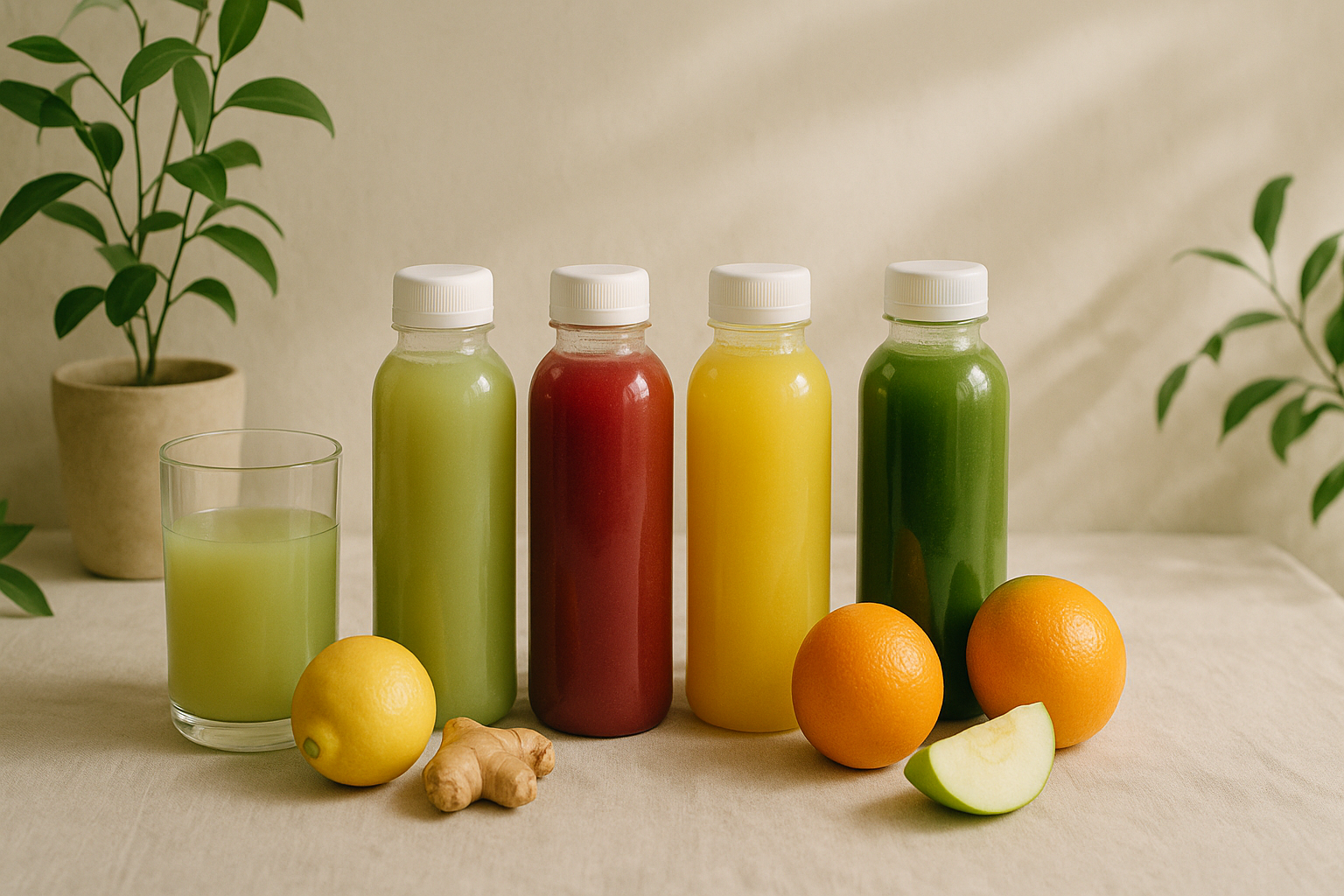
Juice cleansing is a popular detoxification method that involves consuming fresh fruit and vegetable juices to cleanse the body, improve health, and promote overall well-being. This guide explores the definition, active compounds, historical uses, modern research, functional actions, supported body systems, common forms, safety considerations, and pairing options for juice cleansing.
What It Is
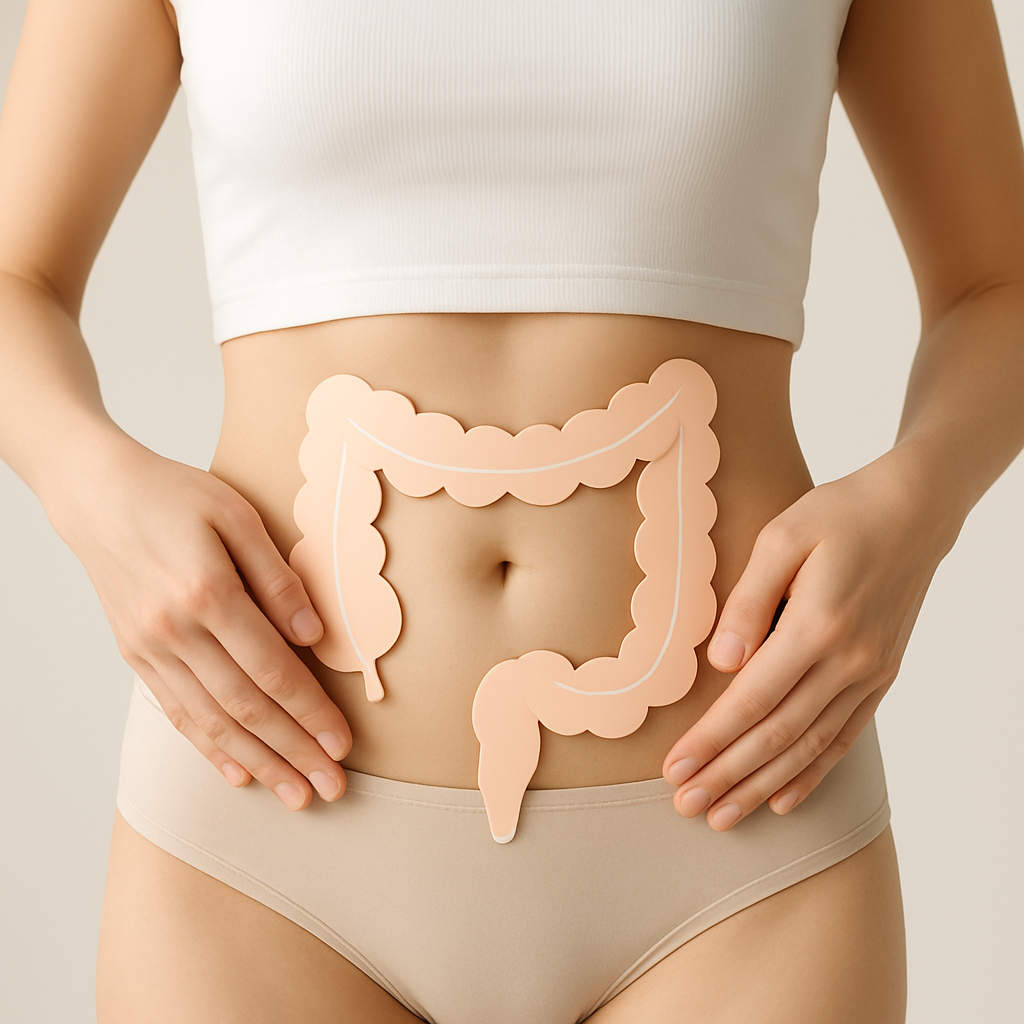
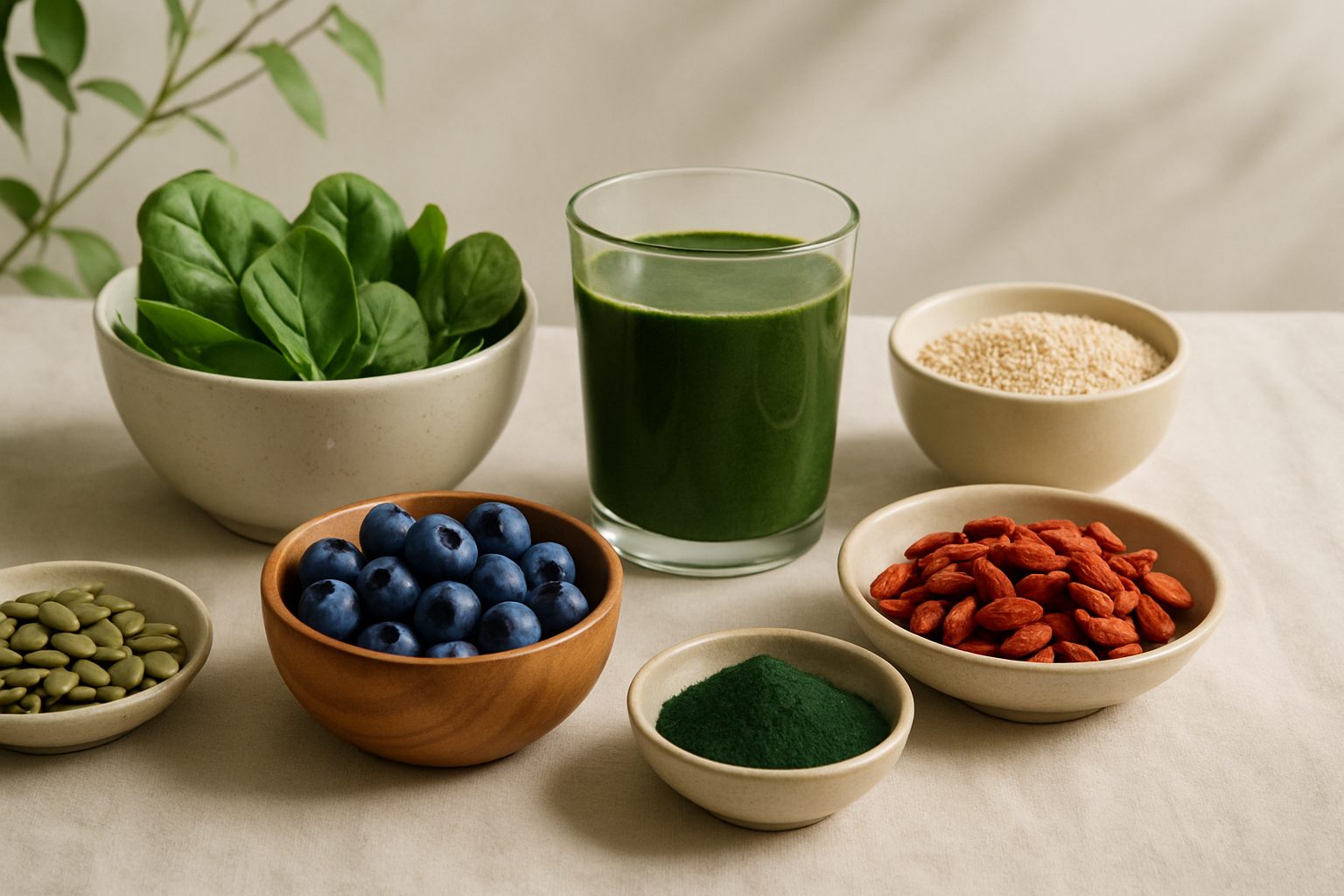
Juice cleansing refers to the practice of consuming only fresh juices extracted from fruits and vegetables for a specific period, typically ranging from a few days to several weeks. The primary goal of juice cleansing is to detoxify the body, allowing it to may help with toxins and improve overall health. This method often emphasizes organic produce to maximize nutrient intake. Common ingredients include vegetables like kale (Brassica oleracea var. sabellica), spinach (Spinacia oleracea), and fruits such as apples (Malus domestica) and beets (Beta vulgaris).
Key Active Compounds & Mechanisms
Juice cleansing incorporates a variety of fruits and vegetables, each contributing unique active compounds:
- Vitamins: Juices are typically rich in vitamins A, C, and K, which support immune function and skin health.
- Minerals: Key minerals like potassium and magnesium help maintain electrolyte balance and support muscle function.
- Antioxidants: Compounds such as flavonoids and carotenoids help combat oxidative stress in the body.
- Fiber: While juice cleansing involves limited fiber intake, some juices retain small amounts that aid digestion.
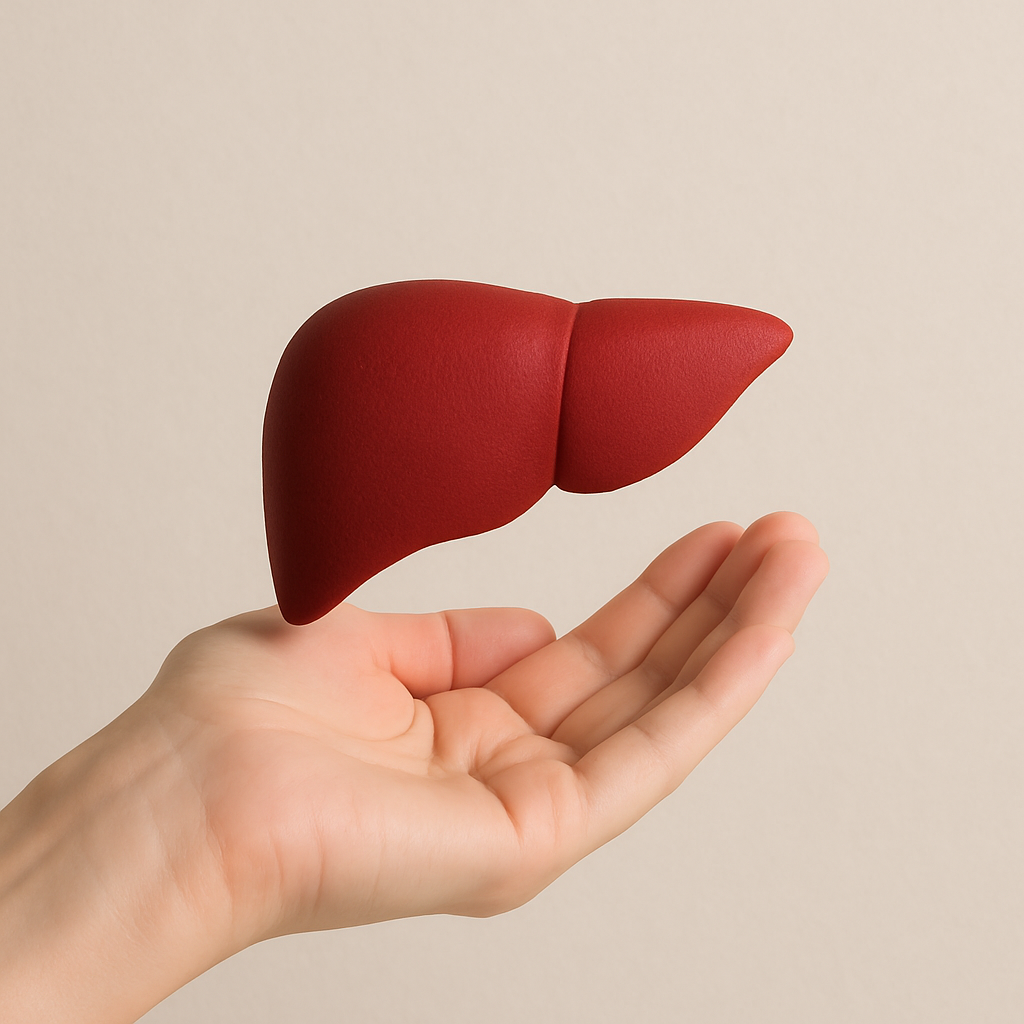
The combination of these compounds may promote detoxification through enhanced liver function and improved digestive health.
Traditional Uses
Historically, juice cleansing can be traced back to various cultures that recognized the health benefits of fresh fruits and vegetables. In ancient Egypt, for example, juices were used to promote vitality and longevity. Indigenous tribes in North America utilized the healing properties of native plants, often consuming them in liquid form. Ayurvedic practices in India also emphasize the importance of fresh juices in detoxifying the body and restoring balance.
What Modern Research Suggests
Modern research on juice cleansing is still in its early stages, with many studies focusing on the effects of individual fruits and vegetables rather than juice cleanses as a whole. Preliminary evidence suggests that consuming a diet rich in fruits and vegetables can lead to improved health outcomes, including weight loss, better digestion, and reduced inflammation. However, it is essential to approach juice cleansing with caution, as prolonged juice-only diets may lead to nutrient deficiencies and other health issues.
Functional Actions
The functional actions of juice cleansing can be summarized as follows:
- Detoxification: Promotes the elimination of toxins from the body.
- Hydration: Provides a significant amount of water, which is crucial for bodily functions.
- Weight Management: May assist in weight loss due to reduced calorie intake.
- Increased Nutrient Intake: Supplies a concentrated source of vitamins and minerals.
Body Systems Supported
Juice cleansing may support several body systems, including:
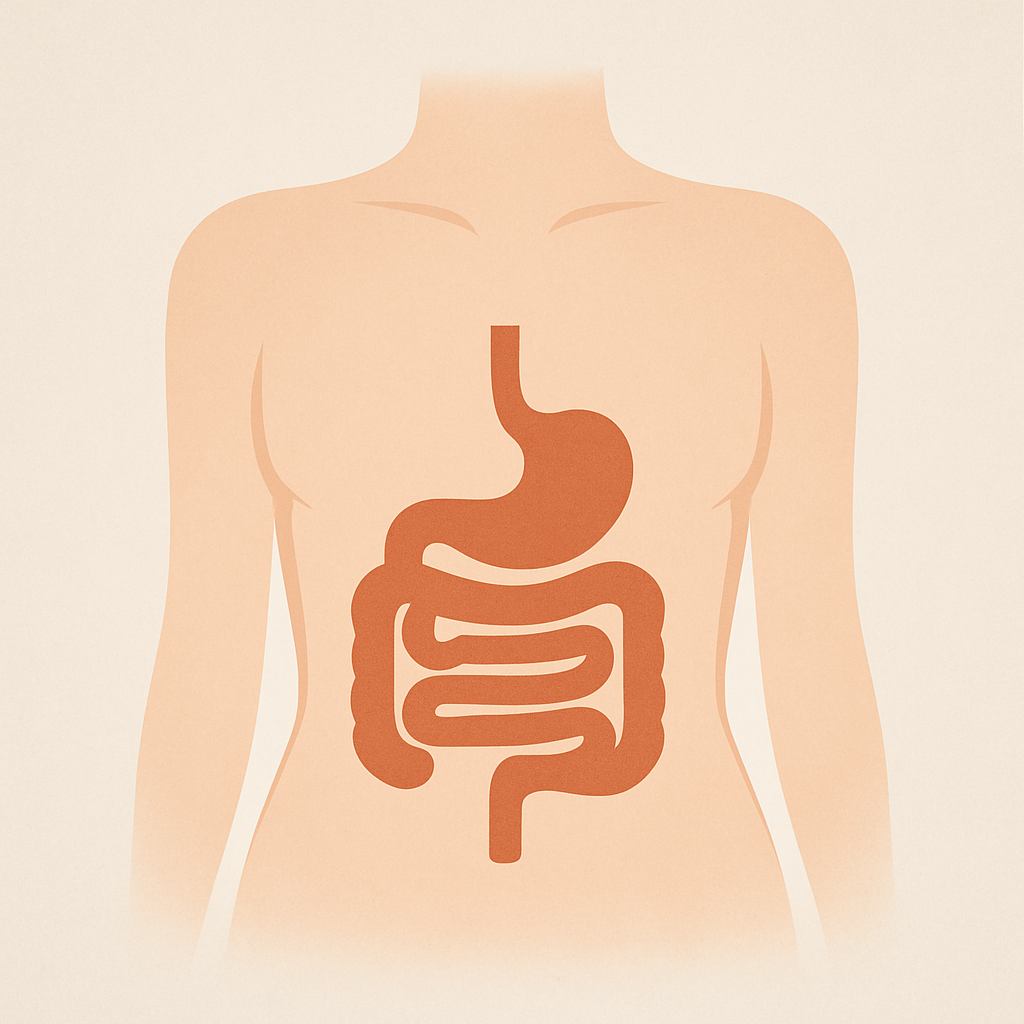
- Digestive System: Juices can improve digestive health by providing essential nutrients and hydration.
- Immune System: The high vitamin content in juices may bolster immune function.
- Liver Function: Certain compounds in juices aid the liver in detoxification processes.
- Cardiovascular Health: Antioxidants in juices may help reduce inflammation and promote heart health.
Common Forms & Educational Dosing Ranges
Juice cleansing typically involves the following forms:
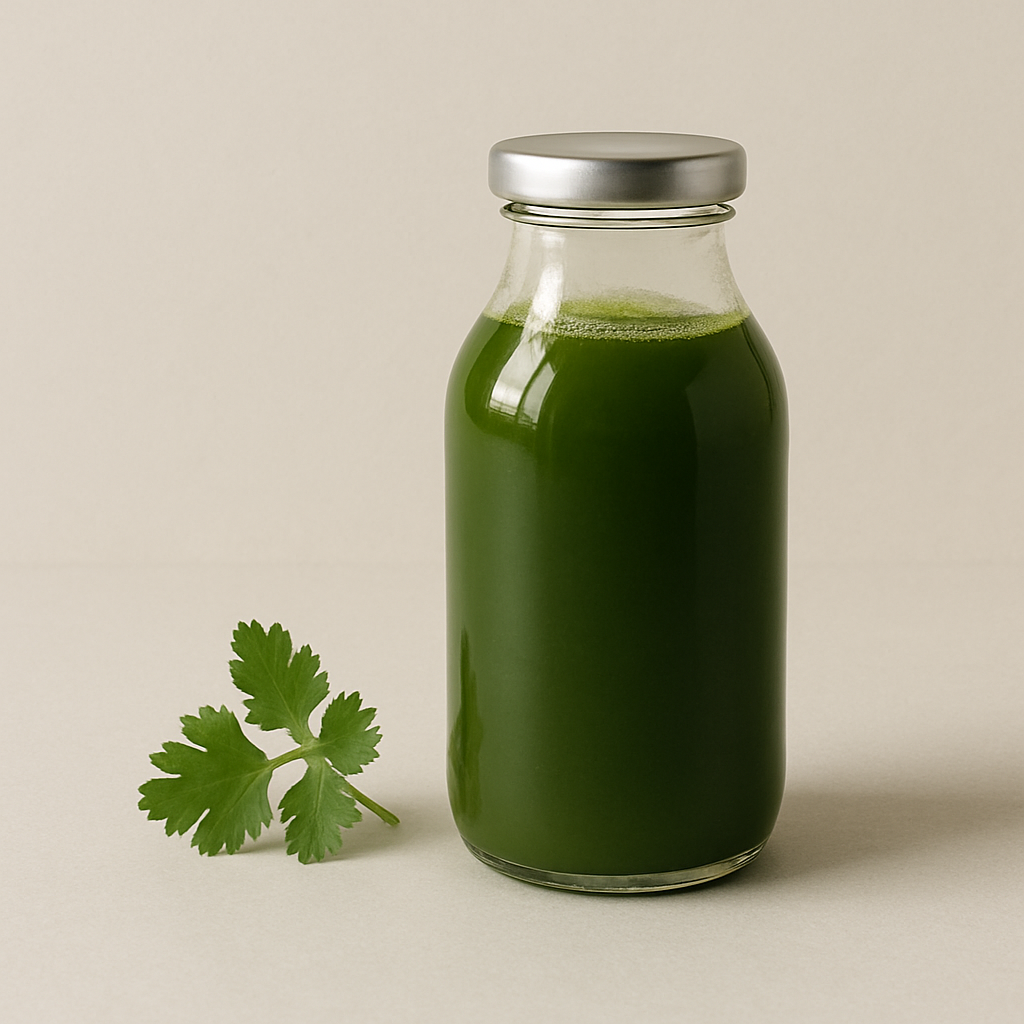
- Fresh Juices: Made from whole fruits and vegetables, consumed daily.
- Pre-Packaged Juices: Available in stores, but should be checked for added sugars and preservatives.
- Juice Shots: Concentrated doses of specific juices, often used for quick detox benefits.
Educational dosing ranges can vary, but a common recommendation is to consume 16-32 ounces of juice daily during a cleanse, ensuring a variety of ingredients for nutrient diversity.
Safety, Contraindications & Interactions
While juice cleansing can provide health benefits, it may not be suitable for everyone. Consider the following safety guidelines:
- Individuals with diabetes should monitor their blood sugar levels, as fruit juices can be high in sugar.
- Those with gastrointestinal disorders should consult a healthcare professional before starting a cleanse.
- Juice cleansing may interact with certain medications, especially blood thinners, due to high vitamin K content in some greens.
- Pregnant or breastfeeding women should avoid prolonged juice cleanses without medical advice.
Pairs Well With
To enhance the benefits of juice cleansing, consider pairing it with:
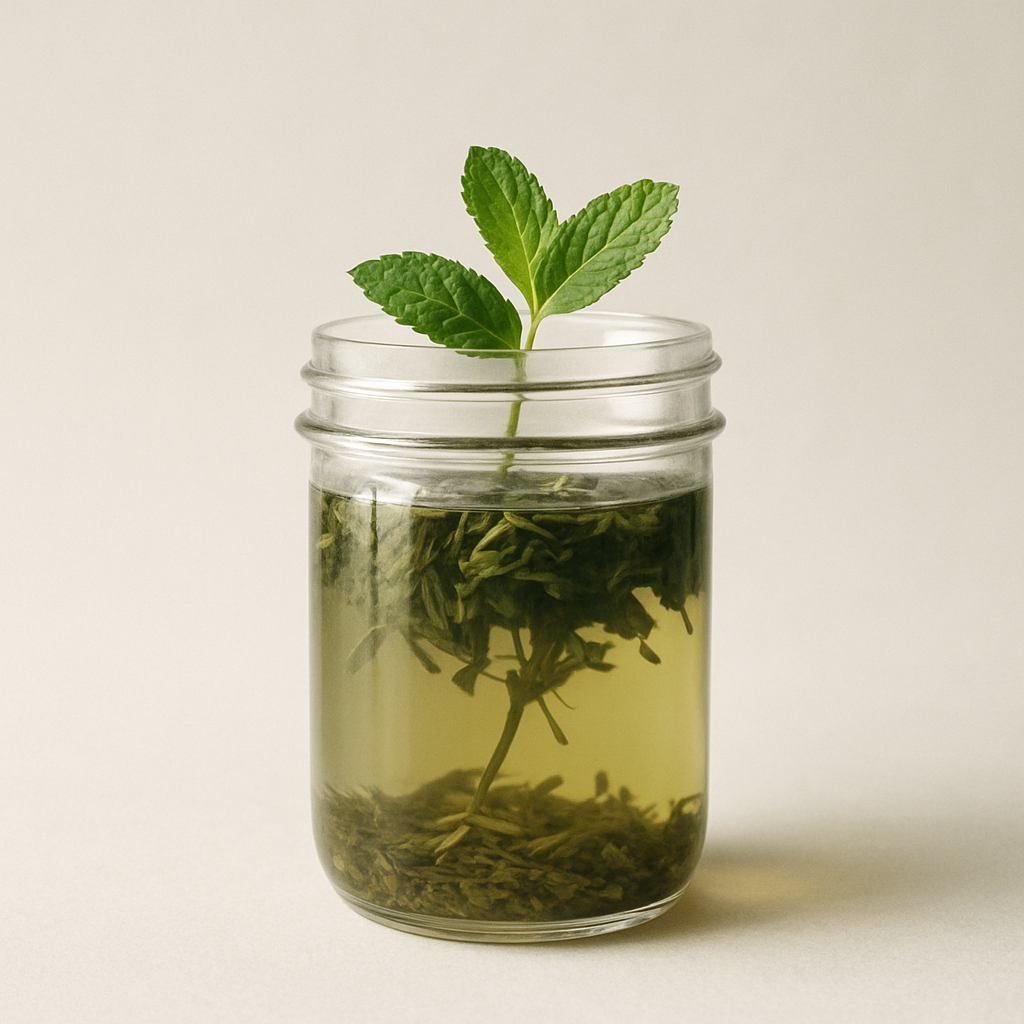
- Herbal Teas: Detoxifying herbal blends can complement juice cleanses.
- Light Meals: Incorporating salads or whole foods can provide necessary nutrients.
- Mindfulness Practices: Yoga and meditation may support emotional and physical well-being during a cleanse.
FAQs (5)
- Is juice cleansing safe for everyone? No, people with certain health conditions or those on specific medications should consult a healthcare professional before starting.
- How long should a juice cleanse last? A typical juice cleanse can last from 1 to 7 days, depending on individual health goals.
- Can I exercise while on a juice cleanse? Light to moderate exercise may be acceptable, but high-intensity workouts are generally not recommended.
- Will I lose weight on a juice cleanse? Many people experience weight loss during a juice cleanse, but it may be temporary and should be approached with caution.
- What should I do after a juice cleanse? Gradually reintroducing whole foods is recommended to avoid digestive discomfort.
Frequently asked
Is juice cleansing safe for everyone?
No, people with certain health conditions or those on specific medications should consult a healthcare professional before starting.
How long should a juice cleanse last?
A typical juice cleanse can last from 1 to 7 days, depending on individual health goals.
Can I exercise while on a juice cleanse?
Light to moderate exercise may be acceptable, but high-intensity workouts are generally not recommended.
Will I lose weight on a juice cleanse?
Many people experience weight loss during a juice cleanse, but it may be temporary and should be approached with caution.
What should I do after a juice cleanse?
Gradually reintroducing whole foods is recommended to avoid digestive discomfort.