Massage Therapy
Discover the role of massage therapy in Roman medicine, including its historical roots, practice methods, and traditional uses.
Explore the ancient practice of massage therapy as it was understood in Roman medicine. This guide covers its historical context, methods, and potential benefits, while emphasizing safety and modern research.
What It Is
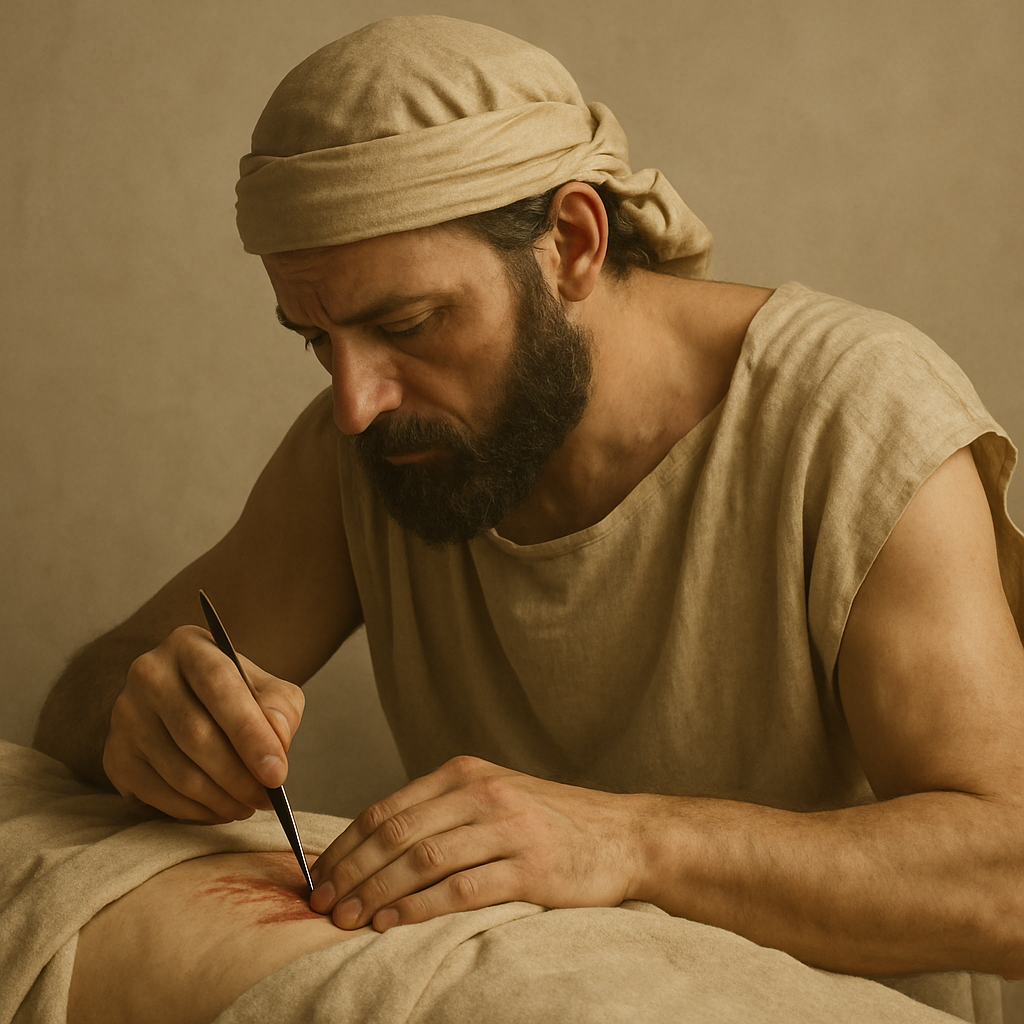
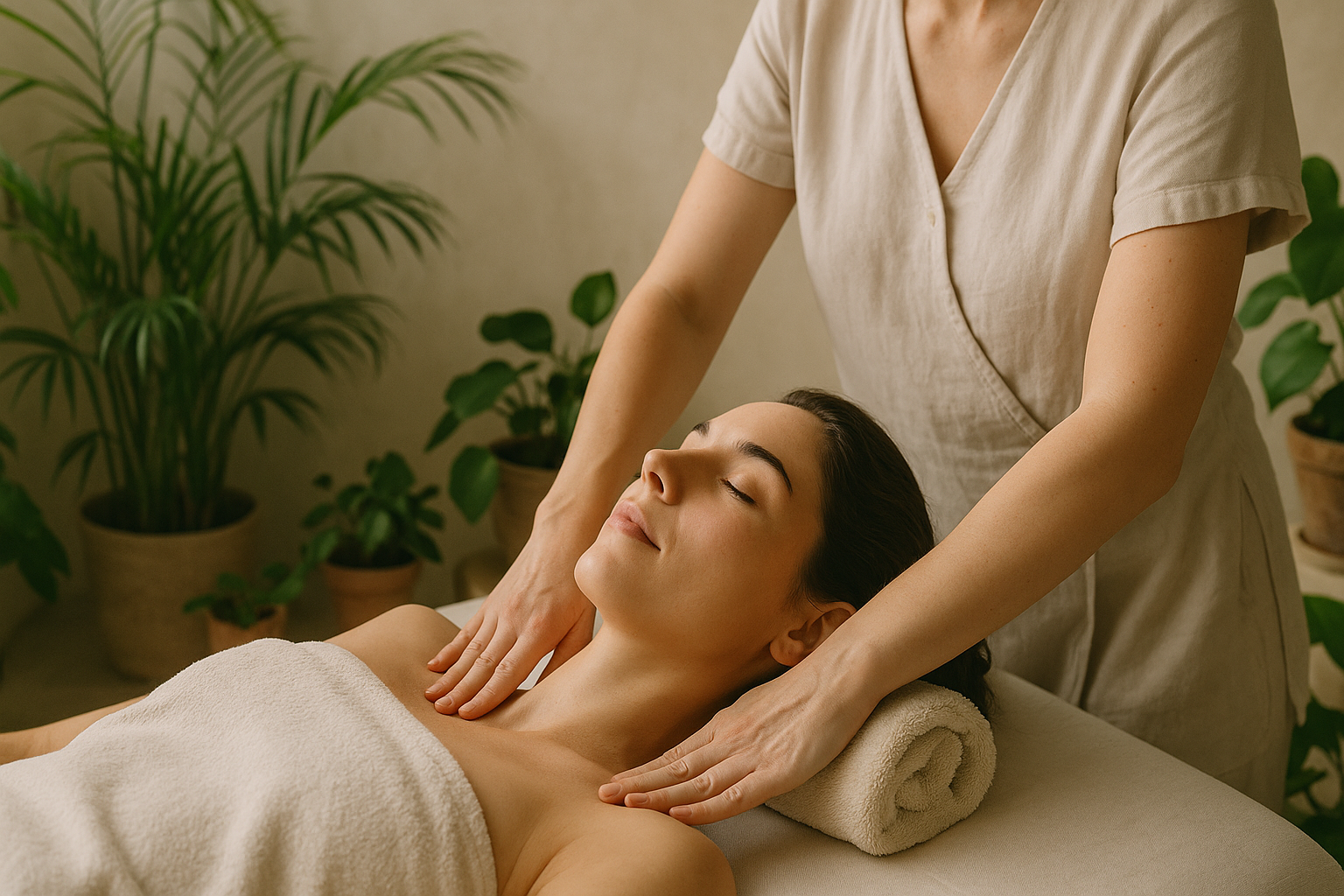
Massage therapy is a hands-on practice that involves the manipulation of soft tissues in the body, including muscles, connective tissues, tendons, and ligaments. In the context of Roman medicine, massage was viewed not only as a method for relaxation but also as a crucial component for maintaining overall health and wellness. It was believed that through the application of pressure, friction, and movement, the body could be restored to its natural balance.
Roman practitioners emphasized the holistic nature of massage therapy, often integrating it with other therapeutic modalities. This approach underscored the belief that physical health was interconnected with mental and emotional well-being, making massage a vital element in the pursuit of a healthy lifestyle.
Historical Context Within Roman Medicine
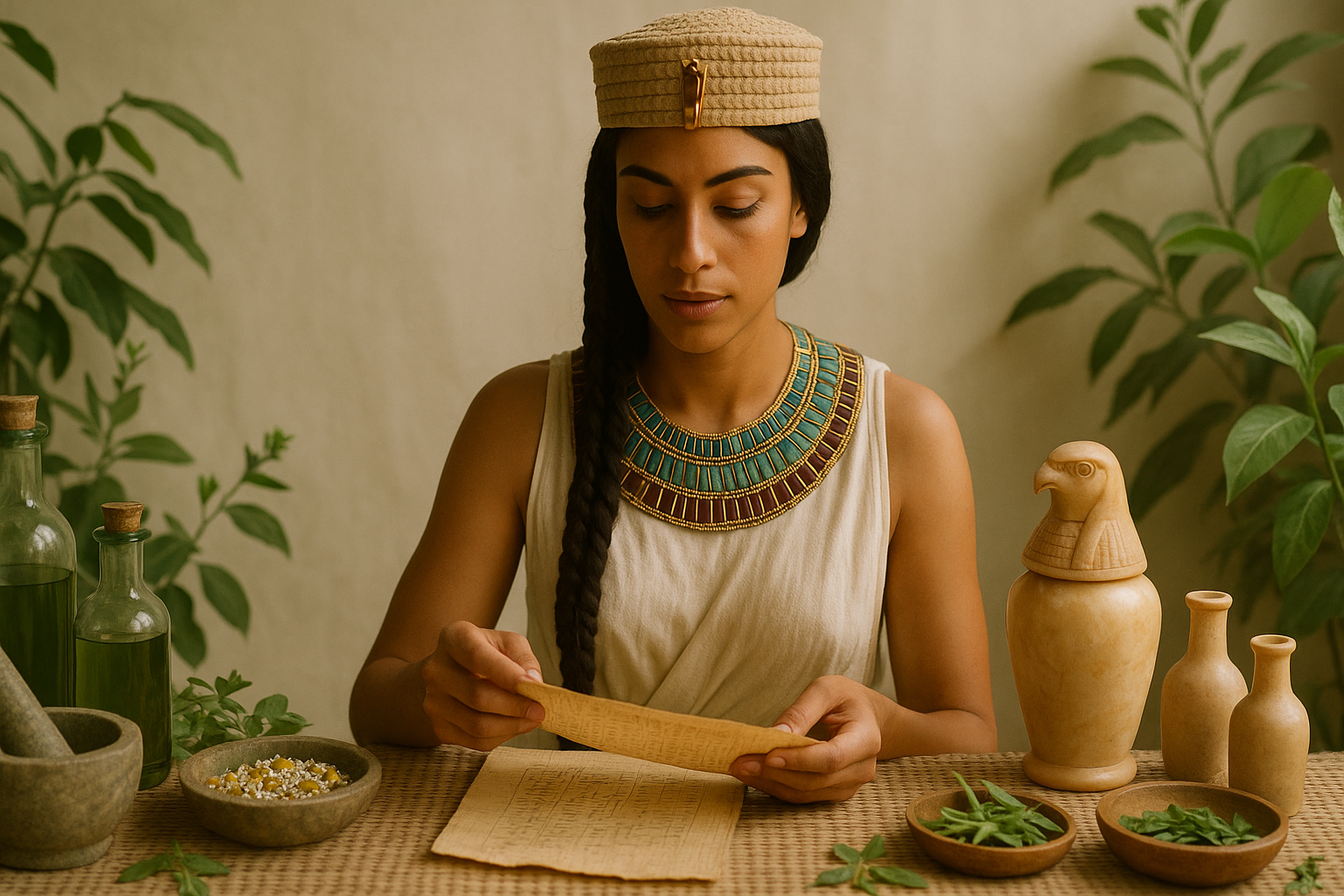
The practice of massage therapy in Roman medicine emerged from a rich tradition of healing practices adopted from ancient Greeks and other cultures. Renowned physicians such as Galen contributed significantly to the understanding and application of massage techniques. Galen, in particular, emphasized the importance of physical therapies, including massage, for treating injuries and promoting health.
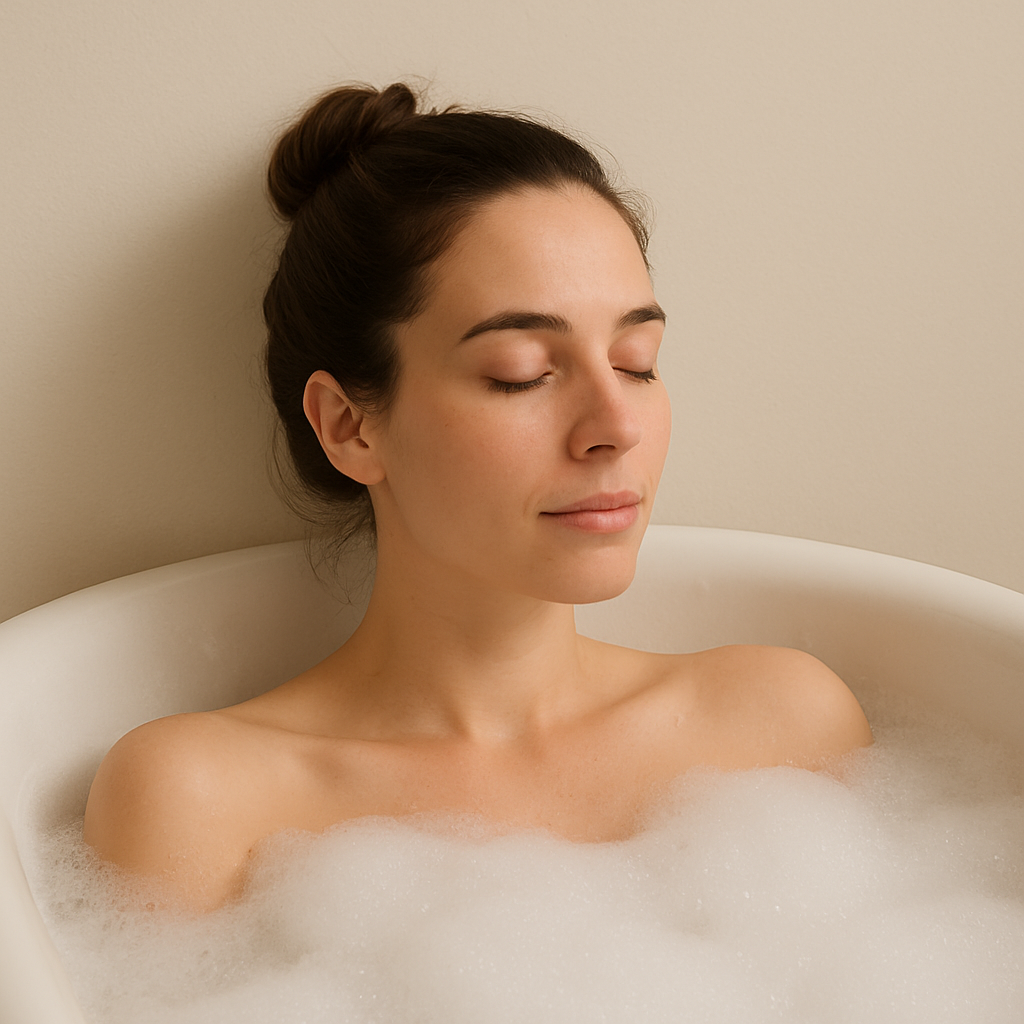
During the Roman Empire, massage therapy became increasingly popular among both the elite and common citizens. It was often used in conjunction with baths, which were central to Roman social and wellness culture. The blending of these practices showcased the Romans' advanced understanding of the body and their commitment to health and hygiene.
How It's Practiced
Massage therapy in Roman medicine involved several techniques aimed at promoting relaxation and healing. Here is a straightforward guide to how it was typically practiced:
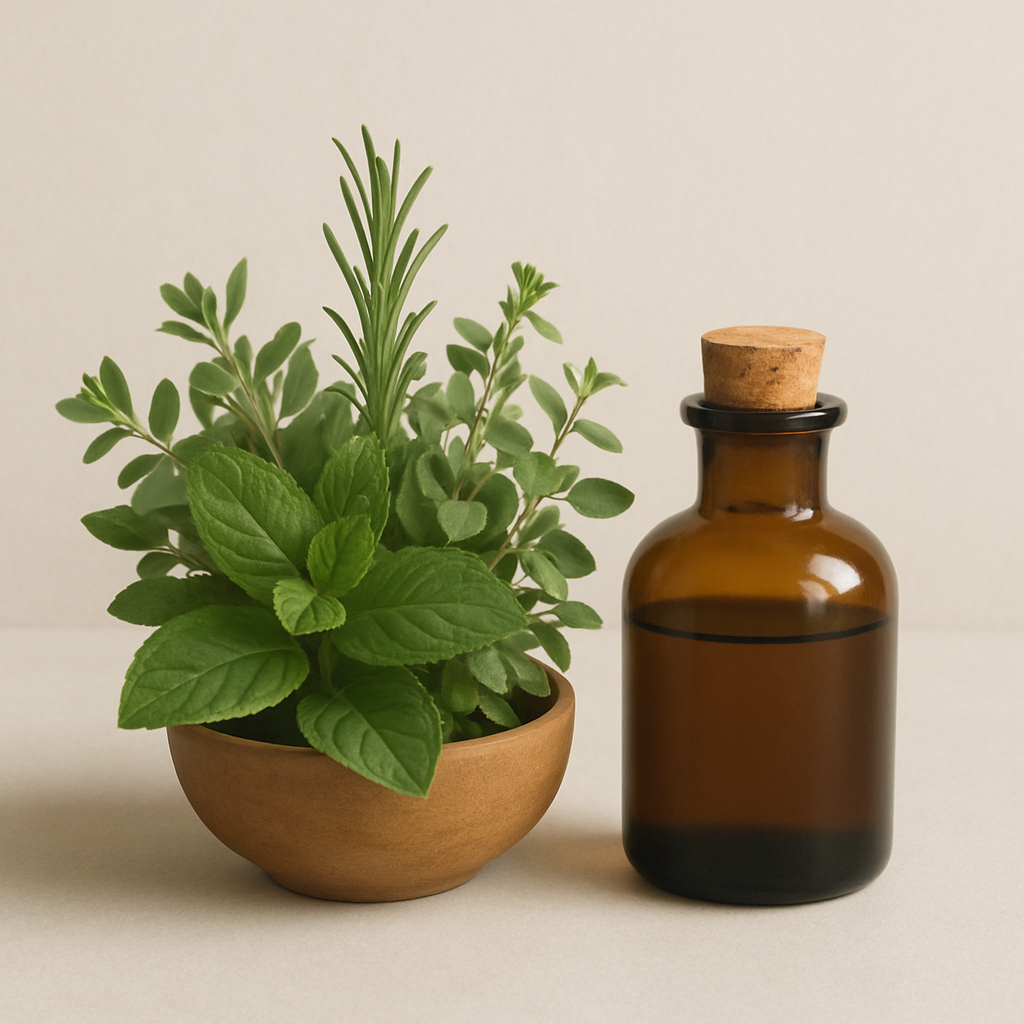
- Preparation: The practitioner would prepare the space, often using oils and scented herbs to enhance the experience.
- Assessment: The client’s needs were assessed to determine the best approach for their individual condition.
- Techniques Applied: Various techniques such as kneading, tapping, and stroking were employed, focusing on specific areas of tension or pain.
- Integration with Other Therapies: The massage was often combined with other treatments, such as bathing or herbal remedies, to maximize benefits.
- Aftercare: Recommendations for post-massage care, such as hydration and rest, were provided to ensure optimal recovery.
What It Is Traditionally Explored For
Massage therapy has traditionally been used for a variety of purposes within Roman medicine. Practitioners believed that it could aid in:
- Relieving muscle tension and pain
- Improving circulation
- Enhancing flexibility and range of motion
- Promoting relaxation and reducing stress
- Supporting recovery from injuries
While these uses were common in ancient times, they reflect a holistic understanding of health that is still valued today.
What Modern Research Suggests
Modern studies on massage therapy have begun to uncover its potential benefits, aligning with some of the traditional uses recognized in Roman medicine. Research has indicated that massage can help alleviate chronic pain, improve circulation, and reduce anxiety levels. For instance, a clinical trial may show that patients receiving regular massage therapy report lower pain levels and improved emotional well-being.
However, it is essential to note that while preliminary findings are promising, more extensive and rigorous studies are needed to establish definitive conclusions about the efficacy of massage therapy. As with any treatment, individuals should approach massage therapy with a balanced perspective, considering both ancient wisdom and contemporary scientific findings.
Safety, Contraindications & Who Should Skip
While massage therapy is generally considered safe for most individuals, there are certain contraindications to keep in mind. Individuals should avoid massage therapy if they have:
- Severe fractures or injuries
- Skin infections or open wounds
- Severe osteoporosis
- Serious health conditions such as cancer or heart disease (without prior consultation with a healthcare provider)
- Recent surgeries or deep vein thrombosis
It is always advisable to consult with a qualified healthcare professional before starting any new therapy, especially if there are underlying health concerns.
Pairs Well With (within Roman Medicine and across pillars)
Massage therapy complements various other modalities in Roman medicine and beyond. Some practices that pair well include:
- Herbal remedies for enhanced relaxation
- Bathing therapies using essential oils
- Dietary approaches focusing on whole foods
- Physical exercises such as yoga or stretching
- Aromatherapy to boost the therapeutic effects
How to Find a Qualified Practitioner
Finding a qualified massage therapist who aligns with the principles of Roman medicine involves several steps:
- Research local practitioners and their specialties.
- Look for certifications or qualifications in massage therapy.
- Read reviews or testimonials from previous clients.
- Consider scheduling a consultation to discuss your needs and the practitioner's approach.
- Ask about their experience with traditional methods if that is of interest.
FAQs
What types of massage are commonly used in Roman medicine?
Common types include therapeutic massage, sports massage, and relaxation techniques, all aimed at improving well-being.
How often should one receive massage therapy?
Frequency can vary based on individual needs, but many benefit from regular sessions, such as weekly or bi-weekly.
Is massage therapy suitable for everyone?
While many can benefit, individuals with certain health conditions should consult a healthcare professional before starting.
Can massage therapy help with stress management?
Yes, massage therapy is traditionally used to promote relaxation and reduce stress levels.
What should I expect during a massage session?
Expect a calming environment, a discussion about your needs, and various techniques tailored to your comfort and goals.
Frequently asked
What types of massage are commonly used in Roman medicine?
Common types include therapeutic massage, sports massage, and relaxation techniques, all aimed at improving well-being.
How often should one receive massage therapy?
Frequency can vary based on individual needs, but many benefit from regular sessions, such as weekly or bi-weekly.
Is massage therapy suitable for everyone?
While many can benefit, individuals with certain health conditions should consult a healthcare professional before starting.
Can massage therapy help with stress management?
Yes, massage therapy is traditionally used to promote relaxation and reduce stress levels.
What should I expect during a massage session?
Expect a calming environment, a discussion about your needs, and various techniques tailored to your comfort and goals.