Mushrooms · Culinary and medicinal mushroom
Coral Tooth
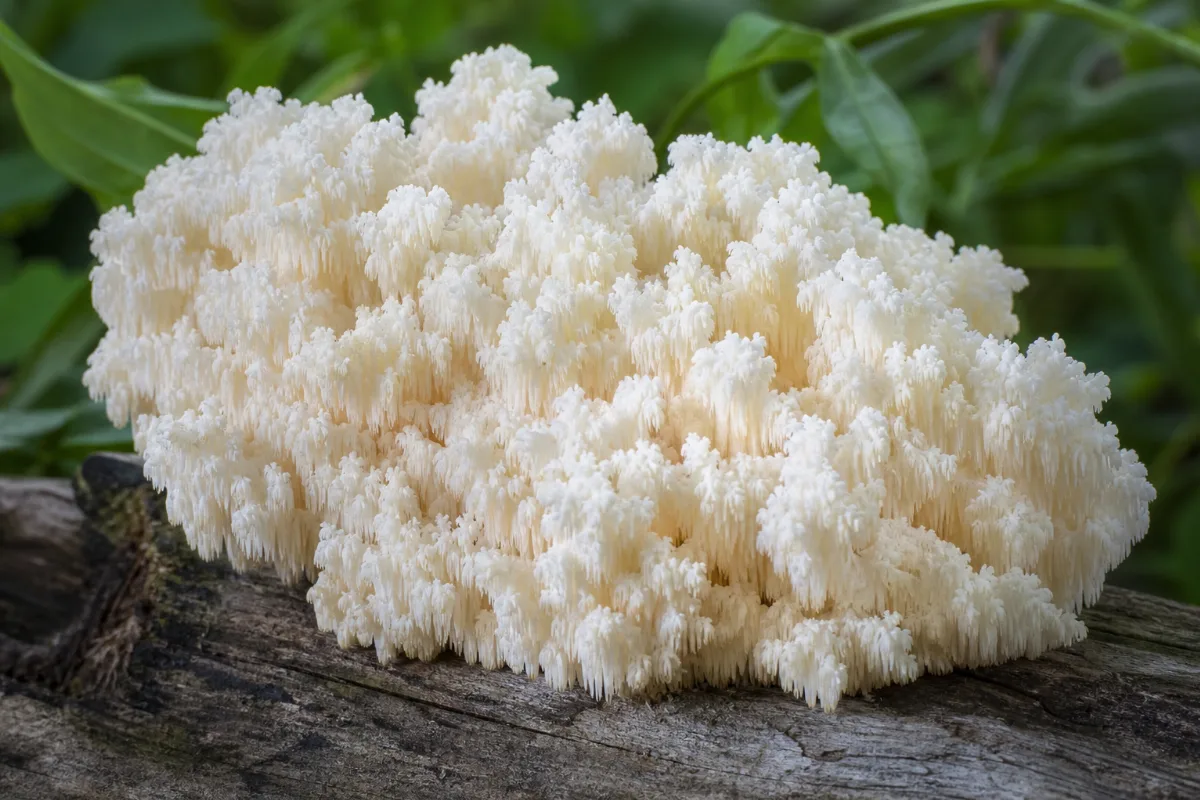
Hericium coralloides, Hericium americanum · also called Coral tooth fungus, bear's head tooth (H. americanum)
Coral tooth is a branching, white tooth-fungus related to lion's mane. It is eaten as a culinary mushroom and appears in some supplements. Research on it is limited to lab, cell and mouse studies, and we found no trial in people. The human trials in this mushroom family used lion's mane, a different species. Never eat a wild mushroom unless an expert has identified it.
General information, not medical advice. Last substantive update · Not medically reviewed. A named clinician has not signed off on this page. How this page is made
About Coral Tooth
Coral tooth (Hericium coralloides) and bear's head (H. americanum) are branching tooth fungi related to lion's mane. Studies so far are about composition, cell dishes, test tubes and mice. We found no trial in people and no safety study. The lion's mane trials do not show that coral tooth works the same way. Eat only mushrooms you or a trusted local expert have identified, and ask a doctor or pharmacist before using supplements.
What it is
Coral tooth is the English name of Hericium coralloides, a fungus with branched, white fruiting bodies and spines. Bear's head tooth is the name GBIF gives to Hericium americanum, which grows in eastern North America. A 2025 DNA study treats them as separate species, and the 2024 review says H. americanum was first identified as H. coralloides.
The family also includes lion's mane (Hericium erinaceus), covered on its own page. A 2025 DNA study separates at least nine named Hericium species, and a pink-coloured variant of H. americanum was reported in 2026, so colour and shape alone are not safe for identification.
Uses and history
Recent papers call coral tooth an edible and medicinal mushroom. We did not find a traditional medicinal record specific to coral tooth in the sources we read, so claims that it is an old remedy are not supported here. Its best-documented use is as a food.
The research history is short: corallocins were described in 2016, a Tibetan Plateau strain was cultivated and analysed in 2025, and mouse studies were published in 2023 and 2026.
What the research shows
Everything is lab, cell or mouse work. Corallocins raised nerve growth signals in cultured cells. A mouse model of Alzheimer-type changes and another of depression-like behaviour improved with coral tooth preparations. Extracts neutralised free radicals in test tubes and slowed some cancer cell lines at high concentrations. In cells from older adults, an extract changed immune signals in both directions.
The only human trials in this mushroom family are of lion's mane. A 2025 review of them reported a small average rise in a memory score, but that species has a different set of studied compounds. As a food, one cultivated strain had about 15 g protein and 35 g fibre per 100 g dry weight.
Fruiting body, mycelium and extracts are different
A 2026 review says most coral tooth supplements contain mycelium or its extract. The 2024 review quotes lovastatin as higher in mycelium and ergothioneine as higher in fruiting bodies, so findings for one form do not carry to another. We did not test products and recommend none.
Legal and regulatory status
NCI says dietary supplements do not need FDA premarket approval unless disease claims are made. That statement is general and does not mention coral tooth. We did not read EMA, LiverTox, LactMed or WHO statements on coral tooth, so none is stated here. Rules differ by country and change.
At a glance
Traditional uses history, not proof
- No traditional medicinal use of coral tooth was found in the sources we read.
- Described in recent papers as an edible and medicinal mushroom (Li 2025; Guan 2023).
Studied for research
- Memory and thinking in people, insufficient (no human trial)
- Nerve growth signals in cultured cells (corallocins), insufficient
- Alzheimer-type changes in mice, insufficient
- Depression-like behaviour in mice, insufficient
- Food value (protein and fibre), low
- Antioxidant, cancer-cell and immune-cell tests in a dish, insufficient or mixed
- Liver fat and blood fats, insufficient
Main compounds
- Polysaccharides (fibre-like compounds)
- Corallocins A-C, reported from the fruiting body
- Ergothioneine (fruiting body) and lovastatin (mycelium), as quoted by a 2024 review
Common forms
- Fresh or cooked fruiting body (the culinary mushroom)
- Dried fruiting body or powder
- Hot-water extracts (laboratory preparations)
- Mycelium on grain, capsules, tinctures
Research links: A 2024 review of Hericium chemistry (Kostanda) · Corallocins from coral tooth (abstract) · Cultivation and nutrition of Hericium coralloides (abstract) · Hericium family tree by DNA (abstract) · Memorial Sloan Kettering: Lion's mane (relative species) · Lion's mane allergy case report (abstract) · Research Library · Genes & Biomarkers Library
What it is and its history
- Accepted scientific name
- Hericium coralloides (Scop.) Pers. (coral tooth) and Hericium americanum Ginns (bear's head tooth)
- Naming authority
- GBIF usage keys 5248532 and 5248551
- Synonyms
- Hericium ramosum (Bull.) Letell. (GBIF synonym of H. coralloides); Hericium caput-ursi (Fr.) Corner (GBIF synonym of H. coralloides); Hericium abietinum (Schrad.) Schleich. (GBIF synonym of H. coralloides); Hericium flagellum (named as a synonym of H. coralloides by Koga 2025; the 2024 review treats it as its own species)
- Common names
- Coral tooth (English); Coral tooth fungus (English); Bear's head tooth (H. americanum) (English); Hydne corail (French); Ästiger Stachelbart (German)
- Family or group
- Hericiaceae (a fungus family), not a plant
- Classification
- Fungi > Basidiomycota > Agaricomycetes > Russulales > Hericiaceae > Hericium > Hericium coralloides / Hericium americanum
- Native range
- Koga 2025: H. coralloides in Europe and North America; H. americanum in eastern North America.
- Habitat
- Not checked in the sources read. MSK describes the related lion's mane as growing on dead hardwood trees; this is not stated for coral tooth in a source we read.
- What it looks like
- Fruiting body: Not described in detail in the sources we read. A rose-pink variant of H. americanum exists (Baroni 2026), so colour alone does not identify the species.
- Cultivation
- Domestication has been reported: a wild strain from the Tibetan Plateau was cultivated in the laboratory (Li 2025), and H. americanum has been grown on sawdust-based substrates (Atila 2017). The 2026 review calls coral tooth rare in nature and says biomass should be grown in vitro for industrial use.
- Harvest and processing
- Not checked in the sources read.
- Look-alikes and adulterants
- Name: Other Hericium species; Note: Koga 2025 separates at least nine named Hericium species by DNA, and Baroni 2026 shows a pink H. americanum variant, so appearance alone can mislead. Lion's mane (H. erinaceus) is a different, unbranched species covered on its own page. No source we read lists poisonous look-alikes for coral tooth; identification must come from a local expert.
- Sustainability and conservation
- Not verified. Chekushkina 2026 says the species is rare in nature; we did not find a Red List entry in a source we could open.
Traditional use and history history, not clinical proof
| Tradition or era | Documented use | Source |
|---|---|---|
| Recent research | The earliest compound work we found on coral tooth is the 2016 description of corallocins A-C (Wittstein). A wild strain from the Tibetan Plateau was cultivated and analysed in 2025 (Li). No traditional medicinal use of coral tooth was found in the sources we read. | p27588730 |
Traditional use shows how it was used. It does not show that it works or is safe today.
What is inside, and how it may work
What it contains and how those compounds act in cells and animals. Laboratory and animal mechanisms are not proven effects in people.
Main compounds
| Compound | Family | Where it is concentrated | Activity studied | Level of evidence |
|---|---|---|---|---|
| Corallocins A-C | benzofuranone and isoindolinone compounds | Fruiting body (as isolated) | Raised NGF and/or BDNF expression in cultured human astrocytes; corallocin B slowed some cell lines. 13 6 | Laboratory research |
| Polysaccharides | polysaccharide | Fruiting body The 2024 review, quoting Guan et al., says cultivated H. coralloides fruiting bodies hold about 33% polysaccharides (original not opened). | Radical scavenging in test tubes; cell-line effects; mouse studies of mood and blood fats. 7 11 6 | Laboratory research |
| Ergothioneine PubChem 5351619 | sulfur-containing amino acid derivative | Fruiting body 155-177 mg per 100 g dry weight in H. coralloides; 376 mg in H. americanum (as quoted by the 2024 review from Kala et al.; original not opened). | Described in the review as an antioxidant taken up through a specific transporter. 6 3 | Review |
| Lovastatin PubChem 53232 | statin | Mycelium 21.6 mg per 100 g dry weight in H. coralloides mycelium; 2.64 mg in H. americanum mycelium (as quoted by the 2024 review from Kala et al.; original not opened). | A cholesterol-lowering medicine compound; whether the amount in a mushroom product does anything in people is unknown. 6 3 | Review |
Mechanisms, receptors and pathways
| Target or pathway | Gene or receptor | What was found | Level |
|---|---|---|---|
| Nerve growth signalling | NGF, BDNF | Corallocins induced NGF and/or BDNF expression in human 1321N1 astrocytes. 13 | Laboratory research |
| Antioxidant defence in mouse brain | Nrf2 | H. coralloides activated Nrf2 signalling and raised antioxidant enzymes in APP/PS1 mice, according to the authors. 4 | Animal research |
| BDNF/TrkB/mTORC1 signalling and 2-HG | BDNF, TrkB, mTORC1 | A coral tooth polysaccharide lowered 2-HG and activated this pathway in stressed mice, according to the authors. 11 | Animal research |
| Cytokine release by white blood cells | interferons, IL-1beta, IL-6, IL-8, IL-5, IL-13 | Extract changed cytokines in both directions in cells from older adults. 12 | Laboratory research |
Absorption, metabolism and elimination
- Absorption
- Not found in the sources read.
- Distribution
- Not found.
- Metabolism
- Not found.
- Elimination
- Not found.
- Bioavailability
- Not established for any coral tooth compound.
Isolated compounds versus whole extracts
Coral tooth studies tested whole fruiting bodies, hot-water polysaccharide extracts, mycelium and purified compounds. Compound levels differ between parts (lovastatin higher in mycelium, ergothioneine higher in fruiting bodies), so results for one form do not carry to another.
Nutritional composition
As a food, one cultivated H. coralloides strain held 15.4 g protein, 34.7 g dietary fibre and 3.5 g fat per 100 g dry weight (Li 2025). H. americanum protein ranged from 8.5 to 23.7% of dry weight depending on the growing medium (Atila 2017). These are dry-weight laboratory values, not what a fresh serving gives.
1 mixed findings1 low certainty7 not enough evidence
What was looked at
The 9 benefits and uses checked for Coral Tooth, each with how strong the evidence is. Tap one to open it.
- Memory and thinking in peopleNot enough evidence
- Nerve growth factor in cultured cells (corallocins)Not enough evidence
- Alzheimer-type changes in miceNot enough evidence
- Depression-like behaviour in miceNot enough evidence
- Food value (protein and fibre)Low certainty
- Antioxidant activity in test tubesNot enough evidence
- Cancer cell linesNot enough evidence
- Immune cells in a dish (older adults)Mixed findings
- Liver fat and blood fatsNot enough evidence
Lab markers tracked in the studies
Nerve growth factor (NGF) and BDNF expression in cultured cellsp-tau and amyloid-beta in mouse brain2-hydroxyglutarate (2-HG) in miceProtein, fibre and fat content (dry weight)IC50 against cancer cell linesIL-5 and IL-13 released by immune cells
What is Coral Tooth good for?
The uses people ask about and how strong the evidence is for each. For coral tooth there is no human trial, so every row rests on lab or animal work. Read this together with the Safety tab.
Benefits, one by one
Each card is a research question, not a promise. Tap a goal to filter. Open a card to see the studies, doses and limits.
Memory and thinking in people
Not enough evidenceWe found no trial of coral tooth in people. The human trials of this mushroom family used lion's mane (Hericium erinaceus), a different species, and their results cannot be assumed for coral tooth.
2 studiesNot applicable.
Studies, doses and limits
Results
Lion's mane review: combined weighted mean increase of 1.17 points on the Mini-Mental State Examination in the intervention groups of one trial and one pilot. Nothing for coral tooth.
Why this rating
No human trial of Hericium coralloides or H. americanum was found. Lion's mane evidence is for another species and is itself small. See the lion's mane page for that evidence.
Limits
The lion's mane trials do not show that coral tooth, which has a different chemistry, has the same effects. Kostanda 2024 says lion's mane has been the main target of study in the genus; corallocins are the compounds reported from coral tooth fruiting bodies.
Why researchers looked
Coral tooth is a close relative of lion's mane, which has been tested for memory and mood, so people ask whether coral tooth works the same way.
Traditional use
No traditional-use record for coral tooth as a medicine was found in the sources we read.
Proposed mechanism Insufficient
Not applicable: no human study. Compounds called corallocins raised nerve growth factor in cultured cells (see the next item).
A proposed mechanism does not show that the effect happens in people.
No safety trial of coral tooth in people was found. Do not treat coral tooth as a substitute for medical care of memory problems.
Nerve growth factor in cultured cells (corallocins)
Not enough evidenceThree compounds called corallocins, taken out of coral tooth, raised nerve growth signals in human cells grown in a dish. That is a lab finding, not a result in people.
2 studiesPurified compounds in cell culture, not a mushroom product.
Studies, doses and limits
Results
Wittstein 2016: corallocins A-C induced NGF and/or BDNF expression in human 1321N1 astrocytes; corallocin B also slowed HUVEC, MCF-7 and KB-3-1 cells.
Effect sizes as reported
Not given in the abstract
Why this rating
Cell-dish work with purified compounds. No animal feeding study of corallocins and no human study was found.
Form and dose studied
Purified compounds in cell culture, not a mushroom product.
Who was studied
Cultured human cells
Limits
Cells in a dish respond to concentrations and forms that the body may never reach from eating the mushroom. Whether corallocins are absorbed or reach the brain is unknown.
Why researchers looked
Lion's mane is known for compounds that act on nerve growth signals, so researchers looked for similar compounds in coral tooth.
Proposed mechanism Laboratory research
All three corallocins induced nerve growth factor (NGF) and/or brain-derived neurotrophic factor (BDNF) expression in human 1321N1 astrocyte cells. The 2024 review also lists corallocin A and C as causing nerve-cell outgrowth in PC12 cells.
A proposed mechanism does not show that the effect happens in people.
Corallocin B slowed some cell lines in the same study, which shows these are active compounds whose effects in the body have not been studied.
Alzheimer-type changes in mice
Not enough evidenceIn mice bred to develop Alzheimer-type brain changes, a coral tooth preparation improved behaviour tests and lowered some brain markers. This is animal research only.
1 studiesA Hericium coralloides preparation; the form is not stated in the abs…
Studies, doses and limits
Results
Guan 2023 (APP/PS1 mice): improved cognitive behaviour, lower p-tau and amyloid-beta in the brain, more short-chain-fatty-acid-producing gut bacteria, lower oxidative stress markers. No numbers were given in the abstract.
Effect sizes as reported
Not given in the abstract
Why this rating
One mouse study of an unspecified preparation. Mouse results often fail to carry over to people.
Form and dose studied
A Hericium coralloides preparation; the form is not stated in the abstract.
Who was studied
APP/PS1 mice
Limits
We read the abstract only. The authors call the study a justification for further development, not proof of benefit. The preparation (fruiting body, extract or mycelium) is not stated in the abstract.
Why researchers looked
Authors wanted to test whether the antioxidant properties of the mushroom protect nerve cells.
Proposed mechanism Animal research
The authors report that H. coralloides activated the Nrf2 antioxidant pathway, changed the mix of gut bacteria and lowered oxidative stress markers in the mice.
A proposed mechanism does not show that the effect happens in people.
No human safety information.
Depression-like behaviour in mice
Not enough evidenceA 2026 mouse study found that a polysaccharide taken from coral tooth reduced depression-like behaviour in stressed mice fed a high-fat diet. It tells us nothing yet about people.
1 studiesPolysaccharide extract (HCP).
Studies, doses and limits
Results
Wang 2026 (mice on a high-fat diet plus chronic mild stress): the polysaccharide lowered blood fats and 2-HG and improved depression-like behaviour and synapse function. No numbers in the abstract.
Effect sizes as reported
Not given in the abstract
Why this rating
A single mouse model, abstract only, from a polysaccharide extract rather than the mushroom as eaten.
Form and dose studied
Polysaccharide extract (HCP).
Who was studied
Mice
Limits
Depression-like behaviour in mice is not depression in people. Do not use coral tooth to replace treatment for low mood.
Why researchers looked
Researchers tested a coral tooth polysaccharide in mice that had both high blood fats and stress-induced low mood behaviour.
Proposed mechanism Animal research
The authors link the effect to lower 2-hydroxyglutarate (2-HG), changes in gut bacteria and activation of the BDNF/TrkB/mTORC1 pathway in the brain.
A proposed mechanism does not show that the effect happens in people.
If you have low mood or anxiety that affects daily life, talk to a doctor.
Food value (protein and fibre)
Low certaintyAs a food, coral tooth is a fibre-rich, low-fat mushroom with some protein. Measured amounts change with strain and how it is grown.
3 studiesCultivated fruiting bodies, measured dry.
Studies, doses and limits
What the trials found
No study of eating coral tooth in people was found.
Results
One cultivated H. coralloides strain: 15.4 g protein, 34.7 g dietary fibre and 3.5 g fat per 100 g dry weight (Li 2025). Cultivated H. americanum: 8.5-23.7% protein on a dry basis depending on the growing medium (Atila 2017).
Effect sizes as reported
Composition values only
Why this rating
Single-laboratory measurements of cultivated mushrooms; ranges depend on the growing medium and strain.
Form and dose studied
Cultivated fruiting bodies, measured dry.
Who was studied
Laboratory samples
Limits
Dry-weight figures overstate what a fresh serving gives, because fresh mushrooms are mostly water. No health outcome was tested.
Why researchers looked
Coral tooth is eaten as a culinary mushroom and researchers measure its nutrition.
Traditional use
Described as an edible mushroom in the papers we read; no cooking tradition source was read.
Proposed mechanism Lab analysis
Nutritional content is a measured composition, not a drug-like mechanism.
A proposed mechanism does not show that the effect happens in people.
Only cultivated or confidently identified mushrooms should be eaten. See the Safety tab.
Antioxidant activity in test tubes
Not enough evidenceA polysaccharide extract from coral tooth neutralised free radicals in test-tube assays, but this does not show a benefit in the body.
2 studiesHot-water polysaccharide extract.
Studies, doses and limits
Results
Li 2025: ABTS clearance 96.95% at 0.25-5.00 mg/mL, comparable to vitamin C; at 5 mg/mL DPPH 83.77%, hydroxyl radical 67.31%, FRAP 4.43 mmol/L. Nodeh 2026: antioxidant levels were similar to oyster mushroom and summer truffle.
Effect sizes as reported
Strong in test tubes; unknown in people
Why this rating
Chemical assays predict little about what happens in the body. No animal feeding study of this outcome was found beyond the mouse papers on the Benefits tab.
Form and dose studied
Hot-water polysaccharide extract.
Who was studied
Test tube
Limits
Concentrations are in mg per mL. Antioxidant assays do not show disease prevention.
Why researchers looked
Many mushrooms contain compounds that neutralise free radicals in the laboratory.
Proposed mechanism Laboratory research
The extracted polysaccharides scavenged ABTS, DPPH and hydroxyl radicals and reduced iron ions in chemical assays.
A proposed mechanism does not show that the effect happens in people.
None specific.
Cancer cell lines
Not enough evidenceCoral tooth compounds and extracts slowed some cancer cell lines in a dish. This is not evidence that it treats or prevents cancer.
2 studiesExtracts and purified compounds in cell culture.
Studies, doses and limits
Results
Li 2025: IC50 3.896 mg/mL (HepG2) and 2.561 mg/mL (MDA-MB-468). Wittstein 2016: corallocin B showed antiproliferative activity against HUVEC, MCF-7 and KB-3-1 cells.
Effect sizes as reported
Cell-dish IC50 values only
Why this rating
Cell lines only; no animal or human study of anti-cancer effects was found for coral tooth.
Form and dose studied
Extracts and purified compounds in cell culture.
Who was studied
Cell lines
Limits
IC50 values of several mg per mL are high concentrations. Killing cells in a dish is common to many substances and does not make a cancer treatment.
Why researchers looked
Mushroom extracts are often screened against cancer cells.
Proposed mechanism Laboratory research
A polysaccharide extract inhibited HepG2 liver and MDA-MB-468 breast cancer cell lines; corallocin B slowed MCF-7, KB-3-1 and HUVEC cells.
A proposed mechanism does not show that the effect happens in people.
Do not use coral tooth in place of cancer care. Tell your cancer team about any supplement.
Immune cells in a dish (older adults)
Mixed findingsIn white blood cells from older adults, a coral tooth extract changed some immune signals up and others down. The result was mixed and the extracts came from the study funder.
1 studiesCommercial extracts at several concentrations.
Studies, doses and limits
Results
Williams 2023: with virus, interferons fell and IL-1beta, IL-6 and IL-8 rose; with house dust mite, IL-5 and/or IL-13 fell; with lipopolysaccharide, only turkey tail lowered IL-1beta.
Effect sizes as reported
Mixed
Why this rating
Cells from older adults treated in a dish; some signals worsened, others fell; the funder makes the extracts.
Form and dose studied
Commercial extracts at several concentrations.
Who was studied
Immune cells from older adults
Limits
No test in living people, no infection or allergy outcome. The authors suggest the lower type 2 cytokines might matter for allergy, which was not tested.
Why researchers looked
Immune function changes with age, and mushroom extracts are sold for immune support.
Proposed mechanism Laboratory research
Extract-treated cells released different amounts of cytokines after stimulation with virus, house dust mite or bacterial toxin.
A proposed mechanism does not show that the effect happens in people.
People with immune conditions or on immune-modifying medicines should ask a clinician before taking mushroom supplements.
Liver fat and blood fats
Not enough evidenceA 2026 review says two compounds found in coral tooth, lovastatin and ergothioneine, show activity against fatty liver in lab and animal studies. No trial of coral tooth in people with fatty liver was found.
3 studiesMycelium and fruiting body analyses.
Studies, doses and limits
Results
Chekushkina 2026 review: activity of lovastatin and ergothioneine against NAFLD confirmed by studies in vitro and in vivo (of the compounds). Kostanda 2024, quoting Kala et al. (not opened): H. coralloides mycelium 21.6 mg lovastatin per 100 g dry weight; fruiting bodies 155-177 mg ergothioneine per 100 g dry weight.
Effect sizes as reported
Compound levels only
Why this rating
Evidence is about isolated compounds in lab and animals, not coral tooth eaten or taken as a supplement.
Form and dose studied
Mycelium and fruiting body analyses.
Who was studied
Laboratory and animals
Limits
Amounts of lovastatin in a mushroom serving are not known to be enough to act like the medicine, and we found no source saying they are.
Why researchers looked
Coral tooth mycelium contains lovastatin, a compound that is also a statin medicine, and fruiting bodies contain ergothioneine.
Proposed mechanism Animal research
Lovastatin blocks an enzyme in cholesterol production; ergothioneine is an antioxidant (as described in the Kostanda 2024 review). A 2026 mouse paper found a coral tooth polysaccharide lowered blood fats in mice (see Benefits tab).
A proposed mechanism does not show that the effect happens in people.
Lovastatin is also a medicine, so people on statins should ask a pharmacist before taking coral tooth mycelium products. See interactions on the Safety tab.
Connections to the rest of health
How Coral Tooth connects to the rest of our health knowledge graph. Every link says what kind of connection it is. A safety link (for example to the liver) is a warning, not a benefit. A study that merely mentions a topic never creates a benefit link.
Explore every connection: goals, body systems, organs, symptoms, genes
A. Wellness goals
| Connected to | Kind of connection | Evidence status | Context | Studies |
|---|---|---|---|---|
| Brain Health | Not enough evidence | Memory and thinking in people: We found no trial of coral tooth in people. The human trials of this mushroom family used lion's mane (Hericium erinaceus), a different species, and their results cannot be assumed for coral tooth. | 8 6 | |
| Brain Health | Preliminary mechanism | Not enough evidence | Nerve growth factor in cultured cells (corallocins): Three compounds called corallocins, taken out of coral tooth, raised nerve growth signals in human cells grown in a dish. That is a lab finding, not a result in people. Alzheimer-type changes in mice: In mice bred to develop Alzheimer-type brain changes, a coral tooth preparation improved behaviour tests and lowered some brain markers. This is animal research only. | 13 6 4 |
| Stress Reduction | Preliminary mechanism | Not enough evidence | Depression-like behaviour in mice: A 2026 mouse study found that a polysaccharide taken from coral tooth reduced depression-like behaviour in stressed mice fed a high-fat diet. It tells us nothing yet about people. | 11 |
| Immune Support | Preliminary mechanism | Mixed findings | Immune cells in a dish (older adults): In white blood cells from older adults, a coral tooth extract changed some immune signals up and others down. The result was mixed and the extracts came from the study funder. | 12 |
B. Body systems
| Connected to | Kind of connection | Evidence status | Context | Studies |
|---|---|---|---|---|
| Nervous System | Biological association | Not enough evidence | Studied for: Memory and thinking in people Studied for: Nerve growth factor in cultured cells (corallocins) | 8 6 13 4 11 |
| Digestive System | Biological association | Low certainty | Studied for: Food value (protein and fibre) | 7 1 10 |
| Immune System | Biological association | Mixed findings | Studied for: Immune cells in a dish (older adults) | 12 |
| Hepatic System | Biological association | Not enough evidence | Studied for: Liver fat and blood fats | 3 6 11 |
C. Body parts and organs
| Connected to | Kind of connection | Evidence status | Context | Studies |
|---|---|---|---|---|
| Lungs | Adverse effect or risk | Very low certainty | One case of acute respiratory distress syndrome after lion's mane extract; not reported for coral tooth. Preparation or compound: Lion's mane extract (relative species) |
9 |
| Immune system | Drug or supplement interaction | Not enough evidence | Mixed cytokine changes in a dish; no human data. Preparation or compound: Coral tooth extract in cells |
12 |
I. Biomarkers
| Connected to | Kind of connection | Evidence status | Context | Studies |
|---|---|---|---|---|
| Nerve growth factor (NGF) and BDNF expression in cultured cells | Biological association | Not enough evidence | Measured in trials: raised. A lab change is not the same as a health benefit. | 13 |
| p-tau and amyloid-beta in mouse brain | Biological association | Not enough evidence | Measured in trials: lowered. A lab change is not the same as a health benefit. | 4 |
| 2-hydroxyglutarate (2-HG) in mice | Biological association | Not enough evidence | Measured in trials: lowered. A lab change is not the same as a health benefit. | 11 |
| Protein, fibre and fat content (dry weight) | Biological association | Low certainty | Measured in trials: measured. A lab change is not the same as a health benefit. | 7 1 |
| IC50 against cancer cell lines | Biological association | Not enough evidence | Measured in trials: measured. A lab change is not the same as a health benefit. | 7 |
| IL-5 and IL-13 released by immune cells | Biological association | Mixed findings | Measured in trials: lowered (house dust mite exposure). A lab change is not the same as a health benefit. | 12 |
K. Biological pathways
| Connected to | Kind of connection | Evidence status | Context | Studies |
|---|---|---|---|---|
| Nerve growth factor (NGF) | Preliminary mechanism | In vitro | Raised in cultured astrocytes by corallocins. | 13 |
| BDNF | Preliminary mechanism | In vitro | Raised in cultured astrocytes by corallocins; pathway reported in a mouse paper. | 13 11 |
| Nrf2 | Preliminary mechanism | Animal | Activated in an Alzheimer-type mouse model. | 4 |
L. Active compounds
| Connected to | Kind of connection | Evidence status | Context | Studies |
|---|---|---|---|---|
| Corallocins A-C | Biological association | In vitro | Raised NGF and/or BDNF expression in cultured human astrocytes; corallocin B slowed some cell lines. Preparation or compound: Fruiting body (as isolated) |
13 6 |
| Polysaccharides | Biological association | In vitro | Radical scavenging in test tubes; cell-line effects; mouse studies of mood and blood fats. Preparation or compound: Fruiting body |
7 11 6 |
| Ergothioneine | Biological association | Review | Described in the review as an antioxidant taken up through a specific transporter. Preparation or compound: Fruiting body |
6 3 |
| Lovastatin | Biological association | Review | A cholesterol-lowering medicine compound; whether the amount in a mushroom product does anything in people is unknown. Preparation or compound: Mycelium |
6 3 |
Each connection is stored with the ingredient, the connected record, the kind of connection, the evidence status, the supporting studies, the preparation or compound involved, and a review date (last reviewed October 25, 2026).
Evidence at a glance: what changed in 3 lab markers
Tap a number to show only those markers. Counts are markers, not people.
The evidence
The research centre for Coral Tooth. Every record here was checked against PubMed or the publisher's page; we never list a study we have not verified.
Evidence by outcome
Bars show how many studies we found for each outcome, not how well it works. People are added up across trials only (reviews are not added, to avoid double counting).
How we rate evidence
High certainty
Several well-run trials or reviews agree; further research is unlikely to change the picture much.
Moderate certainty
Good trials point the same way, but some doubt remains.
Low certainty
Small, short or inconsistent trials. The finding could change with better research.
Very low certainty
Very little or very weak human data. Treat as a possibility only.
Mixed findings
Trials or reviews disagree with each other.
Not enough evidence
Not enough human research to say either way.
Evidence against
Good research found no benefit, or found harm.
We take the reviewers' own risk-of-bias and GRADE statements where they exist, and otherwise judge from study size, design, consistency, directness and whether a product matches what is sold. Many publications do not make evidence high. Method note: We read PubMed records and abstracts for 13 papers (one systematic review, two narrative reviews with one read in full, one case report, laboratory, cell and mouse studies, and two DNA-based naming studies), the Memorial Sloan Kettering and National Cancer Institute pages in full text, and checked species names in GBIF and two compounds in PubChem. Only abstracts were read for most papers, so numbers come from abstracts. Certainty ratings are the compiler's own reading.
Study library: every study we checked 16
| Study | Design | People | Product, dose, length | Result |
|---|---|---|---|---|
| Atila 2017 Effect of different lignocellulosic wastes on Hericium americanum yield and nutritional characteristics. Journal of the Science of Food and Agriculture · PMID 27100377 · DOI |
Laboratory study fungus |
Cultivated H. americanum grown on mixed oak sawdust, wheat bran, cottonseed hull and olive press cake substrates | Hericium americanum fruiting bodies Cultivated fruiting body Not shown here · vs Control substrate (oak sawdust and wheat bran) |
On a dry-weight basis H. americanum had 8.5-23.7% protein, with potassium 26.6-35.8 g/kg, iron 49.5-72.2 mg/kg and zinc 32.8-82.8 mg/kg across the different growing substrates. The authors say the nutritional value was greatly affected by the growing medium. Wide ranges in protein and minerals depending on the substrate Methods, limits and fundingOutcomes: Mushroom yield and nutrient content under different growing substrates Limitations: A farming study, not a health study. It shows composition depends on how the mushroom is grown, so a single figure does not describe all products. Funding and conflicts: Funding not stated in the abstract Read: abstract |
| Baroni 2026 Hericium americanum var. roseum-a new North American taxon. Mycologia · PMID 41564339 · DOI |
Taxonomy study fungus |
Rose-pink tooth fungi found by field naturalists in the northeastern United States and eastern Canada since 2018; five were collected and analysed | Shape and DNA analysis Fruiting body collections Not shown here |
The rose-pink tooth fungus was confirmed as a variant of Hericium americanum and proposed as a new variety. A colour variant of H. americanum exists Methods, limits and fundingOutcomes: Identity of a rose-pink Hericium Limitations: Taxonomy only. It shows that colour alone does not separate Hericium species, so photos are not enough to identify one. Funding and conflicts: Funding not stated in the abstract Read: abstract |
| Chekushkina 2026 Dietary Use of Hericium coralloides for NAFLD Prevention. Nutrients · PMID 41683239 · DOI |
Narrative review n/a |
Review of articles from the last 42 years in eLIBRARY.RU, NCBI and Scopus | Hericium coralloides; mainly two compounds in it (lovastatin, ergothioneine) Fruiting body and mycelium Not shown here |
The review says H. coralloides is valued for protein, fat and mineral content and that lovastatin and ergothioneine are its most studied metabolites. It says the activity of these two compounds against NAFLD was confirmed by studies in vitro and in vivo, that most dietary supplements contain mycelium or its extract, and that the species is rare in nature so its biomass should be grown in vitro. It concludes that further work in vivo and in clinical studies is needed. n/a Methods, limits and fundingOutcomes: Nutrient content, bioactive compounds, supplement market, relation to non-alcoholic fatty liver disease (NAFLD) Limitations: A narrative review; the liver evidence is for the isolated compounds, not for coral tooth eaten as food or taken as a supplement. No human trial of coral tooth is described in the abstract. Funding and conflicts: Authors declare no conflict of interest Read: abstract |
| Guan 2023 Hericium coralloides Ameliorates Alzheimer's Disease Pathologies and Cognitive Disorders by Activating Nrf2 Signaling and Regulating Gut Microbiota. Nutrients · PMID 37686830 · DOI |
Animal research mouse |
APP/PS1 mice (a mouse model of Alzheimer-type changes) | Hericium coralloides (HC) preparation; exact form not stated in the abstract Not shown here · vs Control mice (not detailed in the abstract) |
HC improved cognitive dysfunction in the mice, reduced p-tau and amyloid-beta deposits in the brain, changed gut bacteria, lowered oxidative stress markers and activated the Nrf2 pathway. Improved mouse behaviour and brain markers; no numbers in the abstract Methods, limits and fundingOutcomes: Behaviour tests, p-tau and amyloid-beta in brain, gut bacteria, oxidative stress markers, Nrf2 signalling Limitations: Mouse study. Mouse results often do not carry over to people. The authors call it a theoretical justification, not clinical proof. No human data. Funding and conflicts: Declares no conflict of interest Read: abstract |
| Koga 2025 A multilocus phylogeny of Hericium (Hericiaceae, Russulales). Persoonia · PMID 41536592 · DOI |
Taxonomy study fungus |
Hericium species from North America and key taxa from Europe, compared by DNA sequences | Gene sequence analysis (nuclear ITS and LSU, TEF-1 alpha, RPB2) Fungus collections Not shown here |
Species resolved as separate groups: H. coralloides (the type species; synonyms H. flagellum and H. ramosum; Europe and North America), H. alpestre, H. americanum (eastern North America), H. abietis (western North America), H. cirrhatum, H. erinaceus (Europe), H. asiaticum, H. carolinense and a new species H. oregonense. Species set out in the paper Methods, limits and fundingOutcomes: Species boundaries within Hericium Limitations: A naming and DNA study; says nothing about health effects. Names may be revised. Funding and conflicts: Authors declare no conflict of interest Read: abstract |
| Kostanda 2024 Unveiling the Chemical Composition and Biofunctionality of Hericium spp. Fungi: A Comprehensive Overview. International Journal of Molecular Sciences · PMID 38892137 · DOI |
Narrative review n/a |
Review of laboratory and animal studies of Hericium species | Hericium species (mostly lion's mane, H. erinaceus; also coral tooth, H. coralloides and H. americanum) Fruiting bodies and mycelium Not shown here |
Open-access full text read (about 90,000 characters). Lists corallocins A-C from H. coralloides fruiting bodies as raising NGF/BDNF in cell lines, says H. erinaceus has been the main target of study, and says H. americanum was first identified as H. coralloides and later defined as a separate species. Its toxicology section describes animal and cell safety studies of H. erinaceus only. n/a Methods, limits and fundingOutcomes: Chemistry and reported bioactivity of Hericium species, including a toxicology section Limitations: Narrative review, not a systematic one. Its safety section covers lion's mane (H. erinaceus), not coral tooth. Figures it quotes from other papers (for example Kala et al.) were not opened by us. Funding and conflicts: Authors declare no conflicts of interest Read: full text |
| Li 2025 Domestication Cultivation and Nutritional Analysis of Hericium coralloides. Journal of Fungi · PMID 41295165 · DOI |
Laboratory study cells |
One wild H. coralloides strain (SH001) from the Tibetan Plateau, grown in the laboratory; polysaccharides tested on cell lines and in test-tube antioxidant assays | Hericium coralloides strain SH001: fruiting body (composition) and its extracted polysaccharides (antioxidant and cancer-cell tests) Cultivated fruiting body Not shown here · vs Vitamin C in the antioxidant assay |
Fruiting bodies held 15.4 g protein, 34.7 g dietary fibre and 3.5 g fat per 100 g dry weight. The polysaccharides scavenged ABTS radicals about as well as vitamin C (96.95% clearance at 0.25-5.00 mg/mL) and reached 83.77% (DPPH) and 67.31% (hydroxyl radical) at 5 mg/mL. They slowed HepG2 liver cancer and MDA-MB-468 breast cancer cells with IC50 values of 3.896 and 2.561 mg/mL. Nutrient figures for one cultivated strain; test-tube and cell-line activity only Methods, limits and fundingOutcomes: Growth conditions, nutrient content, antioxidant assays, effect on HepG2 and MDA-MB-468 cancer cell lines Limitations: One strain, one laboratory, grown on a laboratory substrate; values change with strain and growing medium. The cancer-cell concentrations are in mg per mL, far higher than levels that eating the mushroom could be shown to give. The authors' text has an unclear collection-site detail and an ambiguous moisture row that we did not use. Funding and conflicts: Authors declare no conflict of interest Read: abstract |
| Menon 2025 Benefits, side effects, and uses of Hericium erinaceus as a supplement: a systematic review. Frontiers in Nutrition · PMID 40959699 · DOI |
Systematic review |
Studies of Hericium erinaceus (lion's mane): 5 randomized trials, 3 pilot clinical trials, 15 laboratory studies, 1 cohort study, 1 case report and 1 computer analysis | Hericium erinaceus (lion's mane) supplements; NOT coral tooth Fruiting bodies and mycelia Not shown here Varied · vs Varied |
The human trials in this review all used lion's mane (Hericium erinaceus). Mini-Mental State Examination scores from one trial and one pilot showed a combined weighted mean increase of 1.17 in the intervention group. Possible side effects, though commonly unreported, were stomach discomfort, headache and allergic reactions. MMSE combined weighted mean increase 1.17 (lion's mane trials) Methods, limits and fundingOutcomes: Cognition, mood, gut bacteria, side effects Limitations: Review of a different species. Few and small trials; the review searched only PubMed. Its optimistic wording ("effective") goes further than the small trials allow. Its trials do not show that coral tooth acts the same way. Funding and conflicts: Authors declare no commercial conflicts; one author is an editorial board member of the journal Registration: PROSPERO CRD42024571250 Read: abstract |
| Nakatsugawa 2003 Hericium erinaceum (yamabushitake) extract-induced acute respiratory distress syndrome monitored by serum surfactant proteins. Internal Medicine · PMID 14714963 · DOI |
Case report |
1 One 63-year-old man in Japan with severe acute respiratory failure |
Hericium erinaceum (lion's mane) extract sold as a diet food; NOT coral tooth Extract; part not stated Not shown in the abstract Taken until four months before onset |
The authors report this as the first case suggesting a causal link between ARDS and lion's mane extract. Lung fluid had a high percentage of lymphocytes and a lymphocyte stimulation test showed strong reactivity to the extract. He recovered with steroid pulse therapy under mechanical ventilation. One case Methods, limits and fundingOutcomes: Cause of acute respiratory distress syndrome (ARDS) Limitations: A single case in a different species (lion's mane). It shows that Hericium products can cause a serious immune reaction in rare cases; it does not show how common this is or that coral tooth does the same. Funding and conflicts: Funding not stated in the abstract Read: abstract |
| Nodeh 2026 A comparative profiling of bioactive compounds and elemental composition in three globally distributed edible mushrooms: Pleurotus ostreatus, Hericium coralloides, and Tuber aestivum. Natural Product Research · PMID 42500958 · DOI |
Laboratory study fungus |
Samples of three edible mushrooms analysed in a laboratory in Iran | Hericium coralloides compared with oyster mushroom and summer truffle Fruiting body Not shown here · vs Other two mushroom species |
Antioxidant, polysaccharide, triterpenoid and ascorbic acid levels were similar across the three species. H. coralloides had the highest flavonoid and astaxanthin contents. No lead or mercury was detected. Composition comparison only Methods, limits and fundingOutcomes: Antioxidants, polysaccharides, triterpenoids, flavonoids, minerals and metals Limitations: We read the abstract only. It does not say how many samples were tested, where they came from, or give cadmium results for H. coralloides. One set of samples cannot show that all products are free of metals. Funding and conflicts: Funding not stated in the abstract Read: abstract |
| Wang 2026 Targeting 2-hydroxyglutarate mediates the antidepressant effects of Hericium coralloides polysaccharide in hyperlipidemia-associated depression. International Journal of Biological Macromolecules · PMID 42235777 · DOI |
Animal research mouse |
Mice fed a high-fat diet and put under chronic mild stress | Hericium coralloides polysaccharide (HCP), an extracted fibre-like compound Not shown here · vs Untreated stressed mice |
HCP lowered blood fats and 2-HG and improved depression-like behaviour and synapse function in the stressed mice, and the authors link this to the BDNF/TrkB/mTORC1 pathway. Improved mouse measures; no numbers in the abstract Methods, limits and fundingOutcomes: Blood fats, depression-like behaviour, 2-HG levels, brain synapse markers, gut bacteria Limitations: Mouse model of depression-like behaviour, which is not depression in people. Polysaccharide extract, not the whole mushroom. No human data. Funding and conflicts: Declares no competing interests Read: abstract |
| Williams 2023 Medicinal Mushroom Extracts from Hericium coralloides and Trametes versicolor Exert Differential Immunomodulatory Effects on Immune Cells from Older Adults In Vitro. Nutrients · PMID 37432355 · DOI |
Laboratory research cells |
White blood cells (PBMCs) taken from older adults and treated in a dish | Extracts of Hericium coralloides and Trametes versicolor (turkey tail), supplied by the study funder Extract; part not stated in the abstract Several concentrations (not shown here) 48 hours of stimulation · vs Untreated cells |
With virus present, interferon release fell with at least one concentration of all extracts, and the pro-inflammatory cytokines IL-1beta, IL-6 and IL-8 rose. With house dust mite, IL-5 and/or IL-13 fell. With lipopolysaccharide, only the turkey tail extract lowered IL-1beta. Mixed: some signals up, some down; no clinical outcome Methods, limits and fundingOutcomes: Cytokine release after exposure to rhinovirus, influenza, lipopolysaccharide or house dust mite Limitations: Cells in a dish, not people. The antiviral interferon signal went down in the presence of virus, which is the opposite of what a "boost" claim would predict. The authors say more work in living subjects is needed. Funding and conflicts: Industry-funded: the extracts are made by the study funder, Rembiotics Pty Ltd, which the authors say had no role in design, analysis or publication Read: abstract |
| Wittstein 2016 Corallocins A-C, Nerve Growth and Brain-Derived Neurotrophic Factor Inducing Metabolites from the Mushroom Hericium coralloides. Journal of Natural Products · PMID 27588730 · DOI |
Laboratory study cells |
Human 1321N1 astrocyte cells and human cancer cell lines (MCF-7, KB-3-1) and HUVEC cells in a dish | Corallocins A-C, three compounds isolated from the mushroom Hericium coralloides (mushroom; part not stated in the abstract) Not shown here |
All three corallocins induced NGF and/or BDNF expression in human 1321N1 astrocytes. Corallocin B also slowed the growth of HUVEC cells and of the MCF-7 and KB-3-1 cancer cell lines. Higher NGF/BDNF expression in cultured cells; no number in the abstract Methods, limits and fundingOutcomes: Nerve growth factor (NGF) and brain-derived neurotrophic factor (BDNF) expression in cultured cells; cell growth Limitations: Cell-dish work with purified compounds. Says nothing about what happens after eating the mushroom or taking a supplement. No animal or human outcome. Funding and conflicts: Funding not stated in the abstract Read: abstract |
| n/a 2024 Memorial Sloan Kettering Cancer Center: Lion's Mane Mushroom (About Herbs; page last updated 5 June 2024) n/a · Source |
Authoritative guidance n/a |
n/a | n/a (page is about lion's mane, Hericium erinaceus, not coral tooth) Not shown here |
Page text read on 2026-10-25. Does not mention coral tooth, H. coralloides or H. americanum. Methods, limits and fundingOutcomes: Says lion's mane is generally safe in food and tea, to talk with healthcare providers before supplements, which can interact with some medicines; lists abdominal discomfort, nausea and skin rash as possible side effects Limitations: Information page for a different species; secondary source for the studies it cites. Funding and conflicts: Independent hospital information source Read: full text |
| n/a 2024 National Cancer Institute (NCI): Medicinal Mushrooms (PDQ), Health Professional Version (latest update 11/06/2024) n/a · Source |
Authoritative guidance n/a |
n/a | n/a (covers turkey tail and reishi; does not mention Hericium) Not shown here |
Page text read on 2026-10-25. Says that unlike drugs, dietary supplements do not require premarket evaluation and approval by the FDA unless specific disease prevention or treatment claims are made. It does not mention Hericium or coral tooth. Methods, limits and fundingOutcomes: General statement on how dietary supplements are regulated in the United States Limitations: Used only for the general supplement-regulation statement. Funding and conflicts: Independent public information source Read: full text |
| n/a 2026 GBIF Backbone Taxonomy species match: Hericium coralloides and Hericium americanum (API checked 2026-10-25) n/a · Source |
Database record n/a |
n/a | n/a Not shown here |
Hericium coralloides (Scop.) Pers., GBIF usage key 5248532, ACCEPTED; family Hericiaceae, order Russulales, class Agaricomycetes, phylum Basidiomycota. Hericium americanum Ginns, key 5248551, ACCEPTED, same family. GBIF lists among synonyms of H. coralloides Hericium ramosum, Hericium caput-ursi and Hericium abietinum. English names listed by GBIF: Coral Tooth, Coral Tooth Fungus (H. coralloides); Bear's Head Tooth (H. americanum). n/a Methods, limits and fundingOutcomes: Accepted names and classification Limitations: A database record; accepted names can change. Funding and conflicts: Public database Read: full text |
What we do not know yet
- No human trial of coral tooth or bear's head for any outcome.
- No safety, allergy or interaction study of coral tooth in people.
- No source on look-alikes or foraging safety was read.
- Product species, parts and contaminants were not tested.
- LiverTox, LactMed, EMA/HMPC and WHO were not read; conservation status is unverified.
How new research is added
New studies are found by a saved PubMed search and placed in a review queue. A person reads each one before it changes any evidence rating or safety wording. New publications never change ratings automatically.
Lab markers
What changed in blood or saliva tests during trials. A changed number is not the same as feeling or being healthier, and we give no "normal ranges".
Other 6
Nerve growth factor (NGF) and BDNF expression in cultured cells
Raised in trials
NGF and BDNF are proteins that support nerve cells. In these studies, scientists measured how much of them human cells made after treatment with a compound.
Not enough evidenceResults and what it means
Why it was measured
Used in cell studies as a hint that a compound might support nerve cells; it is not a measure of memory or health.
Statistical vs. clinical meaning
Cell-dish result only; it does not show that eating coral tooth raises these proteins in people.
Safety implication
None established.
| Study | Result | People | Product |
|---|---|---|---|
| 13 | All three corallocins (A-C) induced NGF and/or BDNF expression in human 1321N1 astrocytes (no figures in the abstract). | Cultured human astrocyte cell line | Purified corallocins A-C from Hericium coralloides |
p-tau and amyloid-beta in mouse brain
Lowered in trials
Protein changes seen in the brains of Alzheimer disease models and patients.
Not enough evidenceResults and what it means
Why it was measured
Standard markers in mouse Alzheimer models.
Statistical vs. clinical meaning
Mouse markers only.
Safety implication
None established.
| Study | Result | People | Product |
|---|---|---|---|
| 4 | H. coralloides reduced p-tau and amyloid-beta deposition in the brain of APP/PS1 mice (no figures in the abstract). | APP/PS1 mice | Hericium coralloides preparation, form not stated |
2-hydroxyglutarate (2-HG) in mice
Lowered in trials
A small molecule that the 2026 paper links to both blood-fat problems and depression-like behaviour in its mouse model.
Not enough evidenceResults and what it means
Why it was measured
Proposed by the authors as a link between metabolism and brain changes in their mouse model; not a routine clinical test.
Statistical vs. clinical meaning
A new idea from one mouse paper.
Safety implication
None established.
| Study | Result | People | Product |
|---|---|---|---|
| 11 | The polysaccharide lowered 2-HG and blood fats and improved depression-like behaviour in mice (no figures in the abstract). | Mice on a high-fat diet with chronic mild stress | Hericium coralloides polysaccharide |
Protein, fibre and fat content (dry weight)
Measured in trials
How much of the dried mushroom is protein, dietary fibre and fat.
Low certaintyResults and what it means
Why it was measured
A basic nutrition measure.
Statistical vs. clinical meaning
Describes food composition; not a health outcome.
Safety implication
None.
IC50 against cancer cell lines
Measured in trials
The concentration of a substance that slows cell growth by half in a dish.
Not enough evidenceResults and what it means
Why it was measured
A screening measure in cell studies; lower means more potent in the dish.
Statistical vs. clinical meaning
Dish result at mg/mL concentrations.
Safety implication
Not a treatment signal.
| Study | Result | People | Product |
|---|---|---|---|
| 7 | IC50 3.896 mg/mL (HepG2) and 2.561 mg/mL (MDA-MB-468) for the polysaccharide extract. | Cancer cell lines | Polysaccharide extract from strain SH001 |
IL-5 and IL-13 released by immune cells
Lowered (house dust mite exposure) in trials
Signalling proteins linked to allergic (type 2) inflammation.
Mixed findingsResults and what it means
Why it was measured
Used as stand-ins for allergic-type immune activity in cell studies.
Statistical vs. clinical meaning
Mixed direction; not an allergy outcome.
Safety implication
The rise in some inflammatory signals in the virus condition is a reason for caution against claims of a straightforward immune "boost".
| Study | Result | People | Product |
|---|---|---|---|
| 12 | IL-5 and/or IL-13 fell with at least one dose of each extract after house dust mite exposure; with virus, interferons fell and IL-1beta, IL-6 and IL-8 rose. | Cells from older adults | H. coralloides extract in a dish |
Safety
What studies and official sources say about side effects, medicines and who should check first. Each point shows what kind of evidence it comes from.
Main points to know 5
- Wild picking: only eat a mushroom a local expert has identified. We found no source on poisonous look-alikes or foraging safety for coral tooth, so this page cannot tell you how to tell it apart from other mushrooms. Never eat a wild mushroom unless an experienced local identifier has confirmed it. Coral tooth is also described as rare in nature (Chekushkina 2026), so leave wild specimens where they are unless local rules and an expert say otherwise. Insufficient 3
- No safety study of coral tooth in people was found. No trial, case report or regulator statement about coral tooth (Hericium coralloides) or bear's head (H. americanum) in people was found. Safety information below comes from its relative, lion's mane (H. erinaceus), and may not apply. Insufficient 8 14
- Allergic reactions are possible with Hericium products, one was serious. A 63-year-old man in Japan developed acute respiratory distress syndrome after a lion's mane extract, and a blood-cell test reacted strongly to the extract. He recovered with steroids on a ventilator. This is one case in a relative species, but anyone with mushroom allergy or who gets hives, wheeze or breathing trouble after a Hericium product should stop and seek help. Case report 9
- Food is not the same as supplements. MSK says it is generally safe to use lion's mane in food and tea but to talk with healthcare providers before supplements, which are stronger than cooking amounts and can interact with some medicines. That page is about lion's mane, not coral tooth. Authoritative guidance 14
- Pregnancy, breastfeeding and children: no information. We found no source that tested coral tooth in pregnancy, breastfeeding or children. Until more is known, ask a doctor or pharmacist before using any coral tooth supplement. Insufficient
Side effects 4
| Effect | How often | Severity and recovery | Evidence |
|---|---|---|---|
| Allergic reaction (hives, wheeze, breathing trouble) Relative species; not shown for coral tooth. | Unknown for coral tooth; one serious case reported for lion's mane extract | can be serious The reported lion's mane case recovered with steroids and ventilation | Case report 9 |
| Abdominal discomfort and nausea MSK lists these for lion's mane. A 2025 systematic review lists stomach discomfort, headache and allergic reactions as possible but commonly unreported. | Not established | mild Not described as lasting | Authoritative guidance 14 |
| Skin rash MSK lists it for lion's mane. | Not established | mild Not described as lasting | Authoritative guidance 14 |
| Headache Listed as a possible effect in a systematic review of lion's mane. | Not established | mild Not described | Systematic review 8 |
Liver
No liver injury linked to coral tooth was found in the sources we read. We did not read the LiverTox entry for lion's mane in this round, and no entry for coral tooth was looked up.
How often. No data.
Monitoring. No advice from a regulator was read. Anyone with liver disease should ask a doctor before taking any mushroom supplement.
This is a safety connection. It is not evidence that Coral Tooth supports liver health.
Medicines and supplements 5
| With | Why it matters | Importance | Evidence | What to do |
|---|---|---|---|---|
| Medicines in general unspecified | Not studied for coral tooth. | MSK says lion's mane supplements can interact with some medicines and affect how they work, without naming them. | Authoritative guidance Not enough evidence 14 | Tell your doctor or pharmacist about any mushroom supplement you take. |
| Statin or cholesterol medicines prescription | Lovastatin, which is a statin medicine, has been measured in coral tooth mycelium (21.6 mg per 100 g dry weight, as quoted by a 2024 review from another paper that we did not open). | No source says whether this amount affects people on statins. | Pharmacological theory Not enough evidence 6 | Ask a pharmacist before using coral tooth mycelium products if you take a statin. |
| Blood thinners and antiplatelet medicines prescription | No mechanism or case found. | Not studied. | Insufficient Not enough evidence | Ask a doctor or pharmacist if you take blood thinners. |
| Diabetes medicines prescription | A 2026 paper on a coral tooth polysaccharide and blood sugar exists, but we read only its title. | Unknown. | Insufficient Not enough evidence | Ask a doctor or pharmacist if you take diabetes medicines. |
| Medicines that calm or suppress the immune system prescription | An extract changed immune signals in white blood cells from older adults in a dish, in both directions. | Not tested in people. | Laboratory research Not enough evidence 12 | Ask your care team before using a mushroom extract if you take immune-suppressing medicines. |
Who should check first 5
| Situation | Advice | Evidence |
|---|---|---|
| Allergy to mushrooms, or a reaction after a Hericium product | Avoid coral tooth and other Hericium products and ask a doctor. | Case report 9 |
| Pregnancy and breastfeeding | No safety data were found. Ask a doctor or pharmacist before using supplements. Eating a cooked, correctly identified culinary mushroom is a different matter, but no source we read addresses this for coral tooth. | Insufficient |
| Children | No safety data were found for coral tooth supplements in children. | Insufficient |
| Taking medicines (especially statins, blood thinners, diabetes or immune medicines) | Ask a doctor or pharmacist before using supplements. | Authoritative guidance 14 |
| Picking wild mushrooms to eat without expert identification | Do not eat them. | Insufficient |
Overdose, product quality and regulators
Summary. No poisoning from coral tooth was described in the sources we read. Animal safety data in the review we read cover lion's mane only.
Animal. The 2024 review describes a subchronic rat study of a lion's mane (H. erinaceus) beta-glucan extract with no treatment-related toxic effects, and a 90-day rat study of a lion's mane fruiting-body extract with no mortality or adverse effects on behaviour or body weight. We did not open the original papers. No animal safety study of coral tooth was read.
Human doses studied. No human study of coral tooth. This page does not give amounts.
High dose or long term signals. Unknown.
Overdose response. No overdose description was found. Seek medical help for any severe reaction.
Genotoxicity. The review describes a genotoxicity test of lion's mane mycelium; not read for coral tooth.
Toxic or hazardous parts. Fungus. No toxic part is described for coral tooth in the sources read.
Mushroom supplements are not checked like medicines in the United States unless they make disease claims, and the sources we read show the contents can differ from what people expect.
Which species is in the product. Koga 2025 treats Hericium coralloides and Hericium americanum as separate species (H. americanum from eastern North America) and H. erinaceus (lion's mane) as another. The 2024 review says H. americanum was first identified as H. coralloides and later defined as separate. Product labels may use "coral tooth" or "bear's head" loosely; we did not test products. 5 6
Fruiting body or mycelium. A 2026 review says most dietary supplements on the market contain fungal mycelium or its extract. Compound levels differ between parts: lovastatin was higher in mycelium and ergothioneine higher in fruiting bodies (quoted by the 2024 review). 3 6
Heavy metals. One 2026 laboratory comparison found no lead or mercury in the mushrooms it tested, including H. coralloides. We read the abstract only; it does not give sample numbers. This does not show every product is free of metals. 10
Pesticides, mould, label accuracy. Not covered in the sources we read.
| Body | Action | Date |
|---|---|---|
| US National Cancer Institute (PDQ, medicinal mushrooms) (United States) | Says dietary supplements do not need FDA premarket approval unless disease prevention or treatment claims are made. The page does not mention Hericium or coral tooth. source | 2024-11-06 |
| Memorial Sloan Kettering Cancer Center (About Herbs, lion's mane) (United States) | Says lion's mane is generally safe in food and tea; talk with healthcare providers before supplements. Page is about lion's mane only. source | 2024-06-05 |
When to get medical help
- Trouble breathing, wheezing, swelling of the lips, face or throat, or hives soon after eating coral tooth or a Hericium product: seek emergency help.
- Severe or repeated vomiting, severe diarrhoea or belly pain after eating any wild mushroom: seek medical help and contact a poison centre; bring a sample if safe to do so.
- Fever, cough and breathlessness developing over weeks after starting a mushroom extract: see a doctor.
If someone may be poisoned or in a crisis, contact a clinician or emergency service straight away. In the US, Poison Control is 1-800-222-1222.
General information only, not medical advice. Ask a clinician or pharmacist before use, especially with medicines, in pregnancy or with a health condition. See the Natural Remedy Safety guide.
Frequently asked questions
What is coral tooth?
Is coral tooth the same as bear's head?
Is coral tooth the same as lion's mane?
Does coral tooth improve memory?
What are corallocins?
Is coral tooth safe to eat?
No safety study in people was found. It is described as an edible mushroom in recent papers, but you should only eat mushrooms that have been identified as coral tooth by an expert or bought from a trusted grower, and stop if you react. Allergy to Hericium products has been reported with lion's mane.
Can I pick coral tooth in the wild?
Can coral tooth cause allergic reactions?
Does coral tooth interact with medicines?
Is coral tooth safe in pregnancy, breastfeeding or for children?
No information was found for any of these. Ask a doctor or pharmacist before using supplements.
Does coral tooth fight cancer?
Explore by health goal
Editorial transparency
- Written by
- AlternativeMed editorial team. Research compiled with AI assistance, then checked against PubMed records.
- Medical review
- None. This page has not been reviewed by a physician or pharmacist.
- First published
- 2026-10-25
- Last substantive update
- 2026-10-25
- How we research
- We read PubMed records and abstracts for 13 papers (one systematic review, two narrative reviews with one read in full, one case report, laboratory, cell and mouse studies, and two DNA-based naming studies), the Memorial Sloan Kettering and National Cancer Institute pages in full text, and checked species names in GBIF and two compounds in PubChem. Only abstracts were read for most papers, so numbers come from abstracts. Certainty ratings are the compiler's own reading.
- How we rate evidence
- See "How we rate evidence" in the Evidence tab.
- Independence
- No product is promoted on this page. No affiliate links are shown. This page is information, not a recommendation to eat or take coral tooth.
Sources 16
Each source was opened and checked. Where we read only the abstract, it says so. The small numbers in the text point here.
- Atila F, Tüzel Y, Faz Cano A, et al. Effect of different lignocellulosic wastes on Hericium americanum yield and nutritional characteristics.. Journal of the Science of Food and Agriculture. 2017. PMID 27100377. DOI 10.1002/jsfa.7772. (abstract)
- Baroni TJ, Osmundson TW. Hericium americanum var. roseum-a new North American taxon.. Mycologia. 2026. PMID 41564339. DOI 10.1080/00275514.2025.2588831. (abstract)
- Chekushkina D, Kozlova O, Vechtomova E, et al. Dietary Use of Hericium coralloides for NAFLD Prevention.. Nutrients. 2026. PMID 41683239. DOI 10.3390/nu18030418. (abstract)
- Guan Y, Shi D, Wang S, et al. Hericium coralloides Ameliorates Alzheimer's Disease Pathologies and Cognitive Disorders by Activating Nrf2 Signaling and Regulating Gut Microbiota.. Nutrients. 2023. PMID 37686830. DOI 10.3390/nu15173799. (abstract)
- Koga J, Thorn RG, Langer E. A multilocus phylogeny of Hericium (Hericiaceae, Russulales).. Persoonia. 2025. PMID 41536592. DOI 10.3114/persoonia.2025.55.04. (abstract)
- Kostanda E, Musa S, Pereman I. Unveiling the Chemical Composition and Biofunctionality of Hericium spp. Fungi: A Comprehensive Overview.. International Journal of Molecular Sciences. 2024. PMID 38892137. DOI 10.3390/ijms25115949. (full text)
- Li Y, Cai J, Li X, et al. Domestication Cultivation and Nutritional Analysis of Hericium coralloides.. Journal of Fungi. 2025. PMID 41295165. DOI 10.3390/jof11110785. (abstract)
- Menon A, Jalal A, Arshad Z, et al. Benefits, side effects, and uses of Hericium erinaceus as a supplement: a systematic review.. Frontiers in Nutrition. 2025. PMID 40959699. DOI 10.3389/fnut.2025.1641246. (abstract)
- Nakatsugawa M, Takahashi H, Takezawa C, et al. Hericium erinaceum (yamabushitake) extract-induced acute respiratory distress syndrome monitored by serum surfactant proteins.. Internal Medicine. 2003. PMID 14714963. DOI 10.2169/internalmedicine.42.1219. (abstract)
- Nodeh M, Payamnoor V, Kavosi MR, et al. A comparative profiling of bioactive compounds and elemental composition in three globally distributed edible mushrooms: Pleurotus ostreatus, Hericium coralloides, and Tuber aestivum.. Natural Product Research. 2026. PMID 42500958. DOI 10.1080/14786419.2026.2706061. (abstract)
- Wang S, Liu S, Zhao J, et al. Targeting 2-hydroxyglutarate mediates the antidepressant effects of Hericium coralloides polysaccharide in hyperlipidemia-associated depression.. International Journal of Biological Macromolecules. 2026. PMID 42235777. DOI 10.1016/j.ijbiomac.2026.152837. (abstract)
- Williams LM, Berthon BS, Stoodley IL, et al. Medicinal Mushroom Extracts from Hericium coralloides and Trametes versicolor Exert Differential Immunomodulatory Effects on Immune Cells from Older Adults In Vitro.. Nutrients. 2023. PMID 37432355. DOI 10.3390/nu15092227. (abstract)
- Wittstein K, Rascher M, Rupcic Z, et al. Corallocins A-C, Nerve Growth and Brain-Derived Neurotrophic Factor Inducing Metabolites from the Mushroom Hericium coralloides.. Journal of Natural Products. 2016. PMID 27588730. DOI 10.1021/acs.jnatprod.6b00371. (abstract)
- n/a. Memorial Sloan Kettering Cancer Center: Lion's Mane Mushroom (About Herbs; page last updated 5 June 2024). n/a. 2024. (full text)
- n/a. National Cancer Institute (NCI): Medicinal Mushrooms (PDQ), Health Professional Version (latest update 11/06/2024). n/a. 2024. (full text)
- n/a. GBIF Backbone Taxonomy species match: Hericium coralloides and Hericium americanum (API checked 2026-10-25). n/a. 2026. (full text)
Where to buy
Check the label first. Whatever you buy, look for these:
- Fruiting body versus mycelium on grain: the label should say which
- The extract type and the beta-glucan amount, if stated
- A third-party testing mark
- Interactions: ask a pharmacist if you take medicines or blood thinners
Talk to a pharmacist or doctor before you start any supplement, especially if you take medicines. See the Safety tab for interactions.
Support our free guides: as an Amazon Associate we earn from qualifying purchases. Full disclosure.


