Energy & Vitality
Stay Hydrated for Daily Wellbeing
Drinking enough through the day is one of the simplest ways to look after how you feel, because even mild fluid loss can bring tiredness, headache and a flatter mood. This page covers fluids and everyday energy; overall daily energy habits, nutrition, caffeine and lasting fatigue have their own pages.
General information, not medical advice. Last updated October 31, 2026. Written by the AlternativeMed editorial team. Not medically reviewed.
Start here
- Drink regularly through the day and use your urine as a guide: the NHS says most people should aim to drink enough that their pee is a clear pale yellow.
- Count all your fluids: water, lower-fat milk, tea, coffee and lower-sugar drinks all count, and foods such as soup and fruit add some too.
- Drink more when it is hot, when you are active for long periods, when you are pregnant or breastfeeding, and when you are ill.
Be careful with
- More is not always better. Forcing down large amounts of water, especially during long exercise, can dilute the body's salts (exercise-associated hyponatremia is a recognised problem). Drink to thirst and pale urine, not to a target.
- If a doctor has told you to limit fluids (for example for kidney, heart or liver conditions), follow that advice and ask them what is right for you.
- Being tired all the time is rarely just a water problem. Do not assume extra water will fix it, and do not self-treat lasting tiredness.
Get help when
- Signs of serious dehydration, which the NHS lists as feeling unusually tired or drowsy, dizziness on standing that does not go away, dark yellow pee or peeing much less than normal, fast breathing or a fast heart rate: ask for an urgent GP appointment or call NHS 111 (or local urgent care).
- Confusion, being very sleepy or hard to wake, cold or pale, blotchy skin, or difficulty breathing alongside signs of dehydration: call 999 or your local emergency number. The NHS says these can be signs of shock.
- Babies, young children and older adults are at higher risk of dehydration and can become unwell quickly; get advice early if they are not drinking, or have vomiting or diarrhoea.
- Being constantly thirsty, peeing very often, or tiredness that continues even when you drink well: see a doctor. The NHS lists diabetes among the causes of dehydration, and lasting tiredness has many causes (see the persistent tiredness page).
About Stay Hydrated for Daily Wellbeing
What this goal means
Hydration means having enough water in your body for it to work well. Water carries nutrients, helps control body temperature and keeps blood volume steady. You lose water all day through urine, sweat and breath, so it has to be replaced from drinks and from food.
This page is about everyday fluid habits and how they relate to energy, mood and alertness. It is not about sports performance or treating illness.
1,2What low fluid intake can feel like
The NHS lists the common signs of dehydration as thirst, headache, light-headedness, dark yellow and strong-smelling pee, peeing less often, dizziness, tiredness and a dry mouth, lips and tongue.
In controlled studies where researchers caused mild dehydration of about 1.4 to 1.6 percent of body weight in healthy young adults, women reported lower vigour, more fatigue, more headache and poorer concentration, and men showed more fatigue and tension and slightly weaker vigilance and working memory. These were small, short studies in young people, made to happen by exercise (and in some trials a diuretic), so they show what is possible, not what everyday life looks like.
3,4,5What affects how much you need
The NHS says you may need more fluid if you are pregnant or breastfeeding, in a hot environment, physically active for long periods, or ill or recovering. It lists diabetes, being sick or having diarrhoea, heat, too much alcohol, heavy sweating, a high temperature and medicines that make you pee (diuretics) as things that make dehydration more likely, and relying on other people for drinks as a risk.
There is no single number that suits everyone, which is why urine colour and thirst are the practical guides.
1,3How hydration and energy are linked, and how far the link goes
Fatigue and low concentration are well documented effects of moderate fluid loss in experiments. A meta-analysis of 33 studies found that dehydration slightly reduced cognitive performance (a small effect), mostly for attention, executive function and motor coordination, and more so when body-weight loss was over 2 percent.
Outside the lab, the evidence is weaker. In a survey of 120 young women, people with a lower habitual total water intake reported more mood disturbance than those with a higher intake, but this kind of study cannot show that water caused the difference. A narrative review concluded that the evidence on hydration and health in the general population is largely associative, with few randomized trials, and that small variations in hydration are poorly understood. A physiology review judged the potential for dehydration to impair thinking to be small. Hydration is one part of energy, not the whole story.
6,7,2,8Realistic expectations
If you are mildly under-hydrated, drinking enough can help you feel clearer and less headachy within hours. If you are already drinking well, extra water is unlikely to give you a lift. Other causes of low energy, such as poor sleep, low iron or B12, thyroid problems, low mood, medicines and long-term conditions, will not be solved by fluids.
2,3Who this applies to
Healthy adults who want a steady daily habit. Older adults, babies and young children, pregnant or breastfeeding women, people who work or exercise in heat, and people with diabetes, kidney, heart or other long-term conditions have extra considerations (see the precautions below). For loose stools and diarrhoea, see the diarrhoea page.
1,3Related conditions and symptoms
Diarrhea: causes, dehydration and when to get help → Anemia and iron deficiency → Vitamin B12 deficiency → ME/CFS and post-exertional malaise → Constipation →
A manageable starting plan
An educational starting point, not a personal prescription. Adjust it to your own situation and any advice from your clinician.
Your first actions
- Have a drink with each meal and each break, and keep a bottle where you can see it.
- Check your pee colour a few times a day and adjust: pale yellow is the aim.
- Drink a little more on hot, active or sick days, and drink to thirst during long exercise.
- Swap sugary drinks for water, milk or unsweetened tea.
Optional additions
- Add lemon, lime, mint or cucumber if plain water is dull.
- Add soup, fruit and salad to meals.
- Keep a short 1 to 2 week note of drinks, urine colour and midday energy.
What to track
- Pee colour through the day.
- Headache, dry mouth and tiredness, and whether they ease after a drink.
- Caffeine, alcohol, medicines and any days of heat, exercise or illness.
When to reassess
Give it 1 to 2 weeks of steady habits. If you are drinking enough and are still tired, thirsty, or peeing often, speak to a doctor rather than drinking more; persistent tiredness has many treatable causes.
When to seek professional support
- Seek urgent help for the warning signs under 'When to get help'.
- Ask a pharmacist about oral rehydration solutions when ill.
- Talk to a doctor if you have been told to limit fluids, or if tiredness or thirst continues.
What helps
Ordered by how well the research supports each step. Evidence strength is shown on every card; precautions sit next to the advice.
Start here
Drink regularly through the day
Moderate certaintyAddresses: Keeps fluids topped up before tiredness and headache set in
Why it may help: The NHS advises drinking regularly throughout the day and says most people should aim for pee that is a clear pale yellow. It also gives the Eatwell Guide figure of 6 to 8 cups or glasses of fluid a day as a guide, not a rule. Experiments that cause mild dehydration show more fatigue and poorer mood, which is the reason to avoid getting behind.
How to apply it: Keep a glass or bottle in sight and sip often; add a drink to things you already do, such as waking up, each meal and each break.
Who it may suit: Most healthy adults.
Precautions: Follow your doctor's advice if you have been told to limit fluids. Do not force drinks beyond thirst.
1,4,5Check your pee colour
Moderate certaintyAddresses: A simple, free way to see whether you need more or less
Why it may help: The NHS recommends drinking enough that your pee is a clear pale yellow, and lists dark yellow, strong-smelling pee as a sign of dehydration.
How to apply it: Glance at the colour when you go to the toilet. Dark yellow means drink a little more over the next hour or two; very clear and frequent may mean you can ease off.
Who it may suit: Healthy adults.
Precautions: Some vitamins, foods and medicines change urine colour. In older adults a Cochrane review found that no single sign or test reliably detects dehydration, so older people and their carers should not rely on one sign alone.
1,3,9Drink more when conditions change
Moderate certaintyAddresses: Matches fluids to heat, activity, illness and pregnancy
Why it may help: The NHS lists pregnancy, breastfeeding, hot environments, long periods of activity and illness as times you may need more, and advises extra fluids after sweating or when unwell. Water is the best way to replace lost fluids in most cases.
How to apply it: Keep a bottle with you in hot weather or on active days, and drink a little more often rather than a lot at once.
Who it may suit: Anyone in heat, active, ill, pregnant or breastfeeding.
Precautions: During long, hard exercise, drinking far more than thirst asks for can lower blood sodium; drink to thirst. If you are vomiting or have diarrhoea, see the oral rehydration item and the diarrhoea page.
1,10Choose drinks you will actually enjoy
Low certaintyAddresses: Makes a daily habit easy to keep
Why it may help: The NHS says water is a healthy, cheap choice but that lower-fat milk, and tea and coffee in moderation, count too. For people who dislike plain water it suggests sparkling water, no-added-sugar squash, or a slice of lemon or lime.
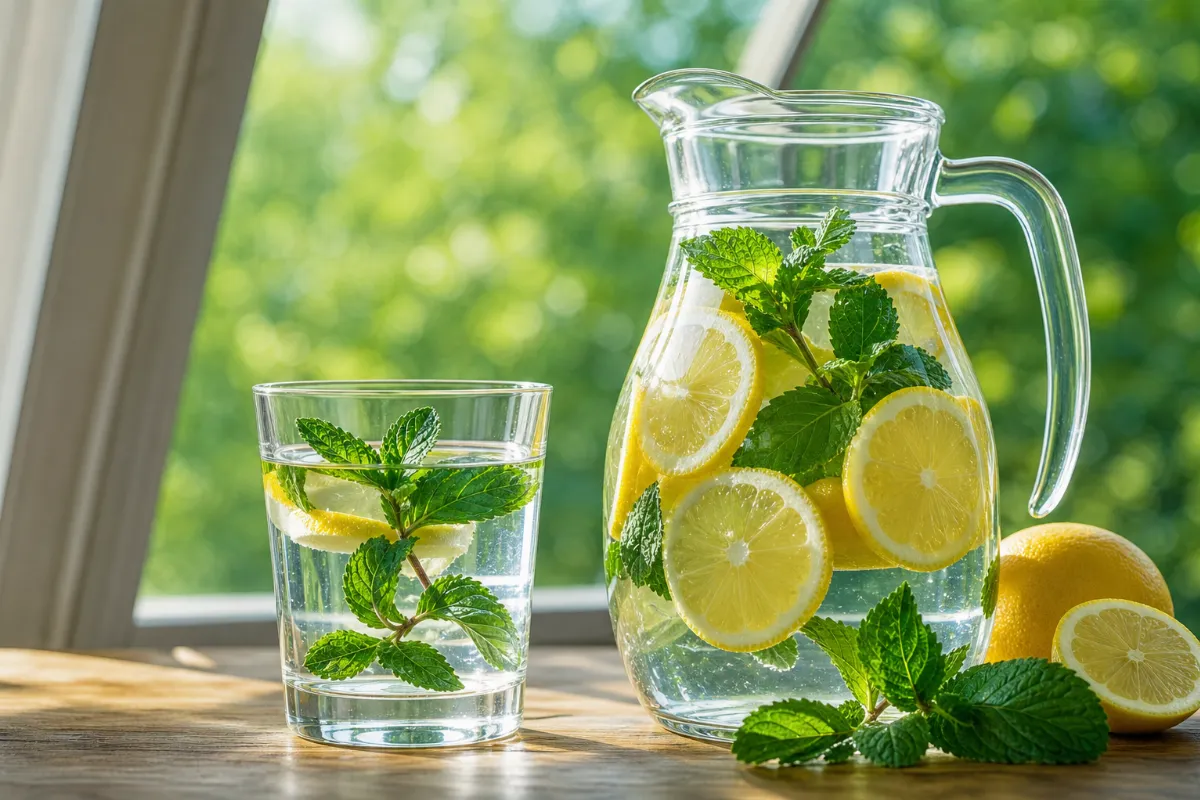
How to apply it: Keep a jug of water with lemon, lime or mint on the table, or drink herbal tea (caffeine-free) at set times.
Who it may suit: People who forget or dislike plain water.
Precautions: Limit sugary drinks and juice; the NHS suggests no more than one small glass (150 ml) of juice or smoothie a day, with a meal.
1Additional options
Eat water-rich foods
Low certaintyAddresses: Adds fluid without extra drinking
Why it may help: The NHS notes we get some fluids from food, and for helping people who struggle to drink it suggests soup, jelly, ice cream and fruits such as melon.
How to apply it: Add soup, fruit, salad and vegetables to meals, especially in hot weather or if you find it hard to drink much.
Who it may suit: Anyone, especially people who find drinking a lot hard.
Precautions: Foods do not replace drinks if you are ill or losing fluid; keep sipping.
3,1Drink with meals and breaks
Not enough evidenceAddresses: Builds a habit that spreads fluid across the day
Why it may help: The NHS tip for carers is to make sure people drink at mealtimes and to make drinking social. This is a practical habit idea rather than a tested treatment.
How to apply it: Pair a glass of water or a hot drink with each meal and with your mid-morning and mid-afternoon breaks.
Who it may suit: Busy people, older adults, and carers.
Precautions: No trial tests this habit for energy. Do not wake yourself to drink at night.
3Notice how you feel after drinking
Low certaintyAddresses: Helps you learn whether fluids matter for you
Why it may help: In experiments, mild dehydration reduced vigour and increased fatigue and headache within hours. A short personal test can show whether a low-fluid day is part of your pattern. Habitual low water intake was also associated with a poorer mood in one survey, though not proven as a cause.
How to apply it: For one or two weeks, note how many drinks you have, your pee colour and your energy at midday and late afternoon.
Who it may suit: Anyone curious about their own pattern.
Precautions: If tiredness continues even when you drink well, look for other causes and see the persistent tiredness page.
4,5,7Still being studied
Milk and oral rehydration solutions for longer fluid retention
Low certaintyAddresses: May keep fluid in the body for longer than plain water
Why it may help: In a randomized trial of 72 healthy, fasted men, full-fat milk, skimmed milk and an oral rehydration solution left less urine than still water over 4 hours, and had a higher beverage hydration index. Cola, tea, coffee, orange juice, sparkling water and a sports drink did not differ from water.
How to apply it: Milk as a drink or with meals is easy; oral rehydration solutions are for illness and should be chosen with a pharmacist.
Who it may suit: Mainly relevant when fluid loss is likely, such as illness or heat.
Precautions: The trial studied only men, for 4 hours, in a rested state. It tells us nothing about energy levels. Milk adds energy (calories); oral rehydration solutions are not an everyday drink.
11,3Drinking extra water on top of normal intake to boost energy
Not enough evidenceAddresses: Little reliable evidence it gives energy to someone already well hydrated
Why it may help: A narrative review found evidence on hydration and cognition, mood and headache to be largely associative with limited randomized trials, and noted gaps for small changes in hydration. The authors have industry links, and this was not a systematic review.
How to apply it: There is no tested extra amount to recommend.
Who it may suit: Healthy people already drinking enough.
Precautions: Extra water that you do not need can dilute the body's salts.
2,10A drink of water to lift metabolism
Low certaintyAddresses: A small, short rise in calories burned after drinking
Why it may help: In 14 healthy adults, drinking 500 ml of water raised metabolic rate for about 30 to 40 minutes. The authors calculated that about 40 percent of the effect came from the body warming water from 22 to 37 degrees C. The total effect was around 100 kilojoules (about 24 calories).
How to apply it: Not a reason to drink beyond thirst.
Who it may suit: Researchers and the curious.
Precautions: A small lab study. Do not treat this as an energy booster or weight-loss method.
12Food & nutrition
Drinks that count
The NHS says water, lower-fat milk and lower-sugar drinks, including tea and coffee, all count towards your fluid intake. It suggests limiting fruit juice and smoothies to one small glass (150 ml) a day, with a meal, because of the sugar.
In the 72-man trial, drinks such as tea, coffee, cola, orange juice and sparkling water produced about as much urine as still water over four hours, so most ordinary drinks hydrate similarly; milk and an oral rehydration solution were retained longer.
- Water, still or sparkling
- Lower-fat milk and unsweetened plant-based drinks
- Tea and coffee in moderation
- Herbal teas (check for caffeine)
- Diluted squash with no added sugar
Water-rich foods
Food provides a share of daily fluid. The NHS suggests foods with high water content, such as soup, jelly, ice cream and fruit like melon, to help people who find it hard to drink. Fruits, vegetables, salads and soups are also good choices for general health.
- Soup and broth
- Melon and other juicy fruit
- Cucumber, tomato and salad vegetables
- Yoghurt
Meals and steady energy
Regular meals matter for energy as well as fluids; see the nutrition page for iron, B12 and meal patterns. If you eat very salty food or sweat heavily, you may feel thirstier, which is normal; let thirst guide you.
1Remedies & supplements
Traditional use, laboratory findings and human trials are kept apart. "Natural" does not mean safe.
Coffee and tea
Moderate certaintyStudied form and route: Hot or iced drinks
Intended outcome: Fluid intake and alertness
Human evidence: In a crossover study, 50 men who usually drank 3 to 6 cups of coffee a day had similar hydration markers after four daily cups of coffee (4 mg/kg caffeine) as after water over three days. In the beverage trial, hot tea, iced tea and coffee produced urine volumes like water.
Traditional use: Daily drinks across many cultures.
Laboratory findings: No lab findings relevant to this goal were reviewed.
Limits: Studies were in men, and coffee habits were stable. Results may differ in people who rarely drink caffeine, in pregnancy, or with high doses. One of the coffee study's authors is employed by PepsiCo.
Interactions and precautions: The NHS advises keeping caffeine moderate and no more than 200 mg a day in pregnancy. Caffeine can affect sleep and anxiety.
13,11,1Herbal teas (caffeine-free)
Not enough evidenceStudied form and route: Hot or cold infusion
Intended outcome: Pleasant extra fluid
Human evidence: No trial in this page's sources tests herbal teas for hydration or energy; as a drink they add fluid like any other water-based drink.
Traditional use: Chamomile, peppermint, ginger and hibiscus are widely used as everyday drinks.
Laboratory findings: No lab findings relevant to this goal were reviewed.
Limits: They count as fluid but do not boost energy by themselves.
Interactions and precautions: Some herbs interact with medicines or are not advised in pregnancy; check the herb's own page and ask a pharmacist.
1Chamomile tea → Peppermint tea → Ginger tea → Hibiscus tea →
Oral rehydration solutions
High certaintyStudied form and route: Pharmacy powders mixed with water
Intended outcome: Replacing water, sugar and salts lost in vomiting or diarrhoea
Human evidence: The NHS advises them when you are being sick or have diarrhoea and are losing too much fluid. In the beverage trial, an oral rehydration solution gave a higher beverage hydration index (about 1.5) than water in rested, healthy men.
Traditional use: Not used this way.
Laboratory findings: Designed around sodium and glucose absorption.
Limits: For illness and heat, not an everyday drink. Not a treatment for ordinary tiredness.
Interactions and precautions: Ask a pharmacist which one suits you or your child, and follow the label. Seek urgent help for the warning signs on this page.
3,11Therapies & care
Established care for dehydration is mainly drinking fluids and, when you are losing fluid through illness, using oral rehydration solutions on a pharmacist's advice; serious dehydration needs urgent medical treatment. Lasting tiredness, excessive thirst or frequent urination need a doctor's assessment. This page does not recommend medicines, and you should not stop a prescribed medicine on your own.
Pharmacist advice on fluids and rehydration
High certaintyProfessional advice A pharmacist can recommend oral rehydration solutions for sickness or diarrhoea and advise whether a medicine you take affects fluids.
Who it may suit: Anyone who is unwell, caring for a child or older person, or taking a medicine that makes them pee more.
Precautions: Tell them about pregnancy, kidney, heart or other conditions.
3A doctor's check for lasting tiredness or excessive thirst
Moderate certaintyMedical assessment If you are thirsty a lot, peeing very often, or still tired when well hydrated, a doctor can look for causes such as diabetes, anaemia, thyroid problems, medicines or low mood. Cochrane reviewers found that no single sign reliably detects dehydration in older people, which is another reason to get a professional assessment for ongoing symptoms.
Who it may suit: Anyone with persistent tiredness, thirst or changes in urination.
Precautions: Do not wait if you have the urgent signs listed above.
3,9Fatigue: when to get help → Anemia and iron deficiency → Vitamin B12 deficiency →
What to avoid
Habits, products and claims that can get in the way. Never stop a prescribed medicine without talking to the professional who prescribed it.
Risks that apply to most people
Ignoring dark urine, dry mouth and headache for hours
Moderate certaintyWhy: These are the NHS's listed early signs of dehydration, and in experiments mild dehydration worsened fatigue, concentration and mood.
Who it applies to: Anyone, especially during heat, activity or busy days.
Try instead: Take a few sips now and a full glass with your next meal, then check your pee colour again.
3,4,5Forcing down large amounts of water
Moderate certaintyWhy: Drinking much more than your body needs, especially over long exercise, can dilute the blood's sodium (hyponatremia). It is uncommon but serious.
Who it applies to: Endurance exercisers and anyone following a strict water target.
Try instead: Let thirst and pale urine guide you; for long exercise, drink to thirst.
10Treating tiredness as only a water problem
Moderate certaintyWhy: Cochrane reviewers found expressing fatigue to be one of the few signs with any link to dehydration in older people, but it was not accurate on its own, and fatigue has many causes.
Who it applies to: Anyone who is tired most days.
Try instead: Drink well, then look at sleep, food, activity and, if it lasts, see a doctor.
9,3Personal triggers to check
Heat, long exercise and sweating
Moderate certaintyWhy: The NHS lists hot environments, heavy sweating after exercise and a high temperature as causes of dehydration.
Who it applies to: Outdoor workers, athletes, people in hot weather.
Try instead: Drink a little more often, and replace lost fluid with water.
3,1Vomiting, diarrhoea and illness
High certaintyWhy: These lose fluid and salts quickly. The NHS says you may need oral rehydration solutions from a pharmacist, and that babies, children and older adults are at higher risk.
Who it applies to: Anyone unwell, especially infants and older adults.
Try instead: Take small, frequent sips and ask a pharmacist; seek urgent help if the warning signs on this page appear.
3Alcohol, diabetes and water tablets
Moderate certaintyWhy: The NHS lists too much alcohol, diabetes and medicines that make you pee (diuretics) as things that make dehydration more likely.
Who it applies to: People who drink alcohol, have diabetes, or take such medicines.
Try instead: Drink water alongside alcohol. Never stop a prescribed medicine without asking your doctor or pharmacist.
3Products that need caution
Sugary drinks and energy drinks as your main fluid
Moderate certaintyWhy: The NHS advises swapping sugary drinks for sugar-free or no-added-sugar ones and to check labels for caffeine. Sugar adds calories and affects teeth, and a sugar-and-caffeine lift can fade.
Who it applies to: Anyone who drinks them every day.
Try instead: Use water, milk or unsweetened tea as the base and keep energy drinks occasional.
1Sports drinks and electrolyte powders for ordinary days
Low certaintyWhy: In a trial of resting men, a sports drink did not hydrate differently from water over 4 hours. They are not needed for everyday sitting around, and many contain sugar.
Who it applies to: Non-athletes and desk workers.
Try instead: Plain water and meals are enough for most days; ask a pharmacist about oral rehydration if you are ill.
11,1Unsupported claims
"Fatigue always means you are dehydrated"
Moderate certaintyWhy: Dehydration can cause tiredness, but a Cochrane review concluded no single sign or test reliably identifies dehydration in older people, and tiredness has many other causes.
Who it applies to: Anyone.
Try instead: Check urine colour and fluids, then check sleep, food, medicines, mood and health.
9,3"Water boosts your metabolism enough to matter"
Low certaintyWhy: A small lab study found a short rise after 500 ml of water, about 100 kilojoules in total. Part of it came from warming the water.
Who it applies to: Anyone using water for weight or energy.
Try instead: Drink water for hydration, not as an energy or weight-loss method.
12Common mistakes
Saving all your drinking for the evening
Not enough evidenceWhy: It leaves you under-hydrated in the daytime when you want energy, and can disturb sleep if you wake to pass urine. This is practical, not a trial result.
Who it applies to: Busy people.
Try instead: Spread drinks across the day and ease off in the last hour or two before bed. If you wake often to pee, see a doctor.
1Waiting until you feel very thirsty or drained
Moderate certaintyWhy: By then you may already have had a headache, a dull mood and poor focus; experiments show symptoms from about 1 to 2 percent fluid loss.
Who it applies to: Anyone absorbed in work or activity.
Try instead: Set simple cues, such as a drink with each meal and break.
4,5Replacing all fluids with coffee or tea
Moderate certaintyWhy: In moderate amounts they count, but the NHS also says to keep caffeine in moderation, and above 200 mg a day in pregnancy is advised against.
Who it applies to: Heavy coffee drinkers and pregnant people.
Try instead: Keep water or herbal tea between caffeinated drinks.
1,13Evidence & safety
What the research shows
Drinking enough to keep your pee pale is a well-founded, low-risk habit. Controlled experiments show that mild dehydration of around 1 to 2 percent of body weight increases fatigue and headache and worsens mood and attention, but these studies were short and small, mostly in young healthy adults, and the effects on thinking are small. Evidence that extra water gives energy to someone already well hydrated is lacking, and a large share of the research is observational or has industry links.
Limits of the evidence
- Most dehydration experiments used young, healthy volunteers and induced fluid loss with exercise or a diuretic, so the results may not apply to older people or everyday life.
- Habitual water intake and mood have been studied in observational surveys, which cannot show that water caused the difference.
- Some of the reviews and trials cited have authors employed by drinks companies.
- The single hydration trial of beverages studied only men, for four hours.
- No trial identified here shows that drinking more water improves daily energy in people who are already well hydrated.
- Official fluid guidance such as 6 to 8 glasses is a general guide; individual needs vary widely.
Precautions and interactions
- Pregnancy and breastfeeding: the NHS says you may need more fluid and advises limiting caffeine to 200 mg a day in pregnancy.
- Older adults: dehydration is harder to detect and the risk is higher; encourage drinks at mealtimes and offer water-rich foods.
- Children and babies: dehydration can develop quickly; use water and milk as main drinks, and seek urgent help if a baby shows warning signs.
- Medicines and conditions: diuretics, diabetes, and kidney, heart or liver conditions can change fluid needs; follow your doctor's advice.
- Exercise: drinking far more than thirst can cause hyponatremia.
Life-stage considerations
- Pregnancy and breastfeeding: you may need more fluids; talk to a midwife or doctor about any supplement or herbal drink.
- Children and teenagers: the NHS advises water and milk as the best drinks; avoid sugary fizzy drinks and juice drinks.
- Older adults: thirst can be less reliable and a Cochrane review found no single test detects dehydration well, so offer drinks regularly and watch for confusion or drowsiness.
Warning signs
- Unusual tiredness or drowsiness, dizziness on standing that does not settle, dark yellow pee or much less pee than normal, a fast heart rate or fast breathing.
- Confusion, hard to wake, cold or pale blotchy skin, or trouble breathing with signs of dehydration (call emergency services).
- Babies with a sunken soft spot, sunken eyes, few or no tears or fewer wet nappies.
- Constant thirst and very frequent urination.
Claim checks
You must drink 8 glasses of water a day
Moderate certaintyThe NHS gives 6 to 8 cups or glasses of fluid as a guide, not a rule, and says needs vary. Tea, coffee, milk and other drinks count, and food adds fluid. Pale yellow urine is the practical measure.
1Coffee and tea dehydrate you
Moderate certaintyIn a three-day crossover trial in 50 men who were regular coffee drinkers, moderate coffee gave hydration markers similar to water. Tea and coffee also matched water in the beverage trial. Moderation and individual sensitivity still matter, and results may differ for people who rarely have caffeine.
13,11,1Being thirsty means you are already badly dehydrated
Low certaintyThirst is a normal cue, and a small loss can bring mild symptoms. Experiments show effects at about 1 to 2 percent loss, not at serious levels. In older people thirst and signs are less reliable.
4,5,9Drinking more water will fix tiredness
Not enough evidenceIt can help if you are under-hydrated, but tiredness has many other causes. Evidence that extra water boosts energy in people who are already hydrated is lacking.
2,9Dehydration makes your brain work badly
Moderate certaintyA meta-analysis found a small impairment in attention, executive function and motor coordination, larger above 2 percent weight loss. A physiology review judged the effect small.
6,8Drinking water gives a metabolic boost that burns off calories
Low certaintyA small lab study found a short rise after 500 ml of water, of about 100 kilojoules in total, partly from warming the water. It is not a meaningful energy or weight tool.
12Questions people ask
How much water should I drink a day?
There is no single amount. The NHS suggests 6 to 8 cups or glasses of fluid a day as a guide and says to aim for pee that is clear pale yellow. You may need more in hot weather, when active for long periods, when pregnant or breastfeeding, or when ill.
Does tea or coffee count towards my fluids?
Yes. The NHS counts tea and coffee, and trials found moderate coffee and tea hydrate about as well as water in the people studied. Keep caffeine moderate and limited to 200 mg a day in pregnancy.
Can being dehydrated make me tired?
Yes. The NHS lists tiredness among its signs, and in experiments mild dehydration increased fatigue and headache and lowered mood in healthy young adults. But if you drink well and are still tired, look for other causes.
Will drinking more water give me more energy?
If you are under-hydrated, it can help you feel clearer. If you already drink enough, extra water is unlikely to add energy, and no solid trial shows that it does.
What colour should my pee be?
The NHS says a clear pale yellow is the aim. Dark yellow and strong-smelling pee suggest you need more fluid. Some vitamins, foods and medicines change the colour.
Can you drink too much water?
Yes, though it is uncommon. Drinking far more than you need, particularly during long exercise, can dilute the blood's sodium (hyponatremia). Let thirst and pale urine guide you.
Do I need electrolyte drinks?
Not on ordinary days. A sports drink did not differ from water in a hydration trial in resting men. If you are sick with vomiting or diarrhoea, ask a pharmacist about oral rehydration solutions.
Are older adults at higher risk?
Yes. The NHS says older adults and young children are at higher risk. A Cochrane review found no single sign reliably shows dehydration in older people, so regular drinks at mealtimes and attention to tiredness or confusion are important.
How do I remember to drink?
Tie drinks to routines: one with each meal, one at each break, and a bottle where you can see it. Flavour water with lemon or lime or choose herbal tea if plain water is dull.
When should I see a doctor?
See a doctor if you are always thirsty, peeing very often, or still tired when you drink well. Seek urgent help for dizziness that will not settle, drowsiness, very dark or little pee, or confusion.
References
- NHS. Water, drinks and hydration. Page last reviewed 17 May 2023. Read 2026-10-31. source
- Liska D, Mah E, Brisbois T, Barrios PL, Baker LB, Spriet LL. Narrative review of hydration and selected health outcomes in the general population. Nutrients. 2019;11(1):70. PMID 30609670. (Several authors are employed by PepsiCo.) source
- NHS. Dehydration. Page last reviewed 1 May 2026. Read 2026-10-31. source
- Armstrong LE, Ganio MS, Casa DJ, et al. Mild dehydration affects mood in healthy young women. J Nutr. 2012;142(2):382-8. PMID 22190027. source
- Ganio MS, Armstrong LE, Casa DJ, et al. Mild dehydration impairs cognitive performance and mood of men. Br J Nutr. 2011;106(10):1535-43. PMID 21736786. source
- Wittbrodt MT, Millard-Stafford M. Dehydration impairs cognitive performance: a meta-analysis. Med Sci Sports Exerc. 2018;50(11):2360-2368. PMID 29933347. source
- Munoz CX, Johnson EC, McKenzie AL, et al. Habitual total water intake and dimensions of mood in healthy young women. Appetite. 2015;92:81-6. PMID 25963107. source
- Cheuvront SN, Kenefick RW. Dehydration: physiology, assessment, and performance effects. Compr Physiol. 2014;4(1):257-85. PMID 24692140. source
- Hooper L, Abdelhamid A, Attreed NJ, et al. Clinical symptoms, signs and tests for identification of impending and current water-loss dehydration in older people. Cochrane Database Syst Rev. 2015;(4):CD009647. PMID 25924806. source
- Hew-Butler T, Rosner MH, Fowkes-Godek S, et al. Statement of the Third International Exercise-Associated Hyponatremia Consensus Development Conference, Carlsbad, California, 2015. Clin J Sport Med. 2015;25(4):303-20. PMID 26102445. (Title and citation verified; abstract text not available in PubMed.) source
- Maughan RJ, Watson P, Cordery PA, et al. A randomized trial to assess the potential of different beverages to affect hydration status: development of a beverage hydration index. Am J Clin Nutr. 2016;103(3):717-23. PMID 26702122. source
- Boschmann M, Steiniger J, Hille U, et al. Water-induced thermogenesis. J Clin Endocrinol Metab. 2003;88(12):6015-9. PMID 14671205. source
- Killer SC, Blannin AK, Jeukendrup AE. No evidence of dehydration with moderate daily coffee intake: a counterbalanced cross-over study in a free-living population. PLoS One. 2014;9(1):e84154. PMID 24416202. (One author is employed by PepsiCo.) source
Related on AlternativeMed
Related goals
Have More Energy Throughout the Day → Feel More Energetic in the Morning → Manage Afternoon Energy Slumps → Understand & Address Persistent Tiredness → Improve Your Everyday Stamina → Reduce Mental Fatigue → Support Energy Through Nutrition → Balance Activity & Rest → Manage Energy Without Relying on Stimulants →
Ingredients, foods and supplements
Chamomile tea → Peppermint tea → Ginger tea → Hibiscus tea → Green tea →
Research, safety and claim-check resources
Everyday habits for energy → Fatigue: when to get help → Energy supplements compared → Caffeine and energy drinks → Caffeine, alcohol and sleep → Energy research and evidence → Medicine interactions → Urinary symptoms and enlarged prostate →