Holistic Wellness
Explore Holistic Wellness in Ancient Egyptian Medicine, its practices, benefits, and how to find a qualified practitioner.
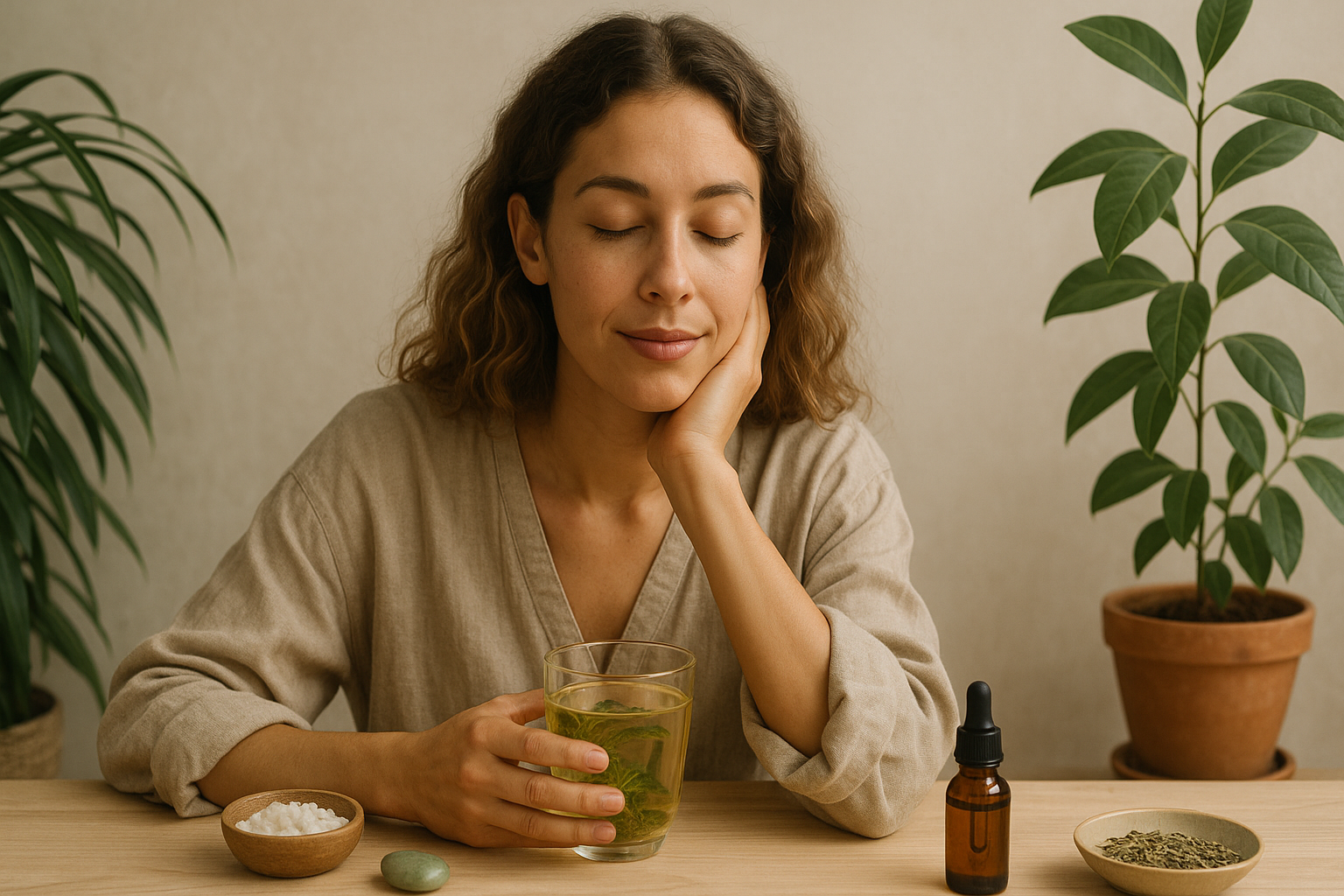
This page delves into Holistic Wellness within Ancient Egyptian Medicine, exploring its definition, historical context, practices, traditional uses, modern research, safety considerations, related modalities, and guidance on finding practitioners.
What It Is
Holistic Wellness is an integrative approach to health that emphasizes the interconnectedness of the body, mind, and spirit. In the context of Ancient Egyptian Medicine, it reflects the belief that optimal health is achieved through balance and harmony among these elements. Practitioners of Holistic Wellness in ancient Egypt sought to is traditionally explored for not just the symptoms of illnesses but the underlying causes by considering the patient’s emotional and spiritual well-being alongside their physical health.
This approach was not merely about the absence of disease. It involved a comprehensive view of health that included lifestyle factors, diet, and the environment. Holistic Wellness in Ancient Egypt incorporated various practices, such as herbal remedies, dietary recommendations, and spiritual rituals aimed at fostering overall well-being.
Historical Context Within Ancient Egyptian Medicine
The roots of Holistic Wellness in Ancient Egyptian Medicine can be traced back to the early dynastic periods, around 3000 BCE. Ancient Egyptians were among the first to document medical practices, and their understanding of health was profoundly influenced by their spiritual beliefs and the natural world. They believed that physical ailments were often manifestations of spiritual or emotional imbalances.
Key figures in the development of this approach included priests and healers, who were well-versed in both medical knowledge and spiritual practices. They used a combination of rituals, prayers, and natural remedies to promote healing. This holistic approach was embedded in their culture, where health was seen as a gift from the gods, and maintaining balance was essential for living a fulfilling life.
How It's Practiced
Practicing Holistic Wellness in the context of Ancient Egyptian Medicine typically involved several steps, which may include:
- Consultation: The practitioner would begin with a thorough assessment of the patient’s physical, emotional, and spiritual health.
- Diagnosis: This may involve interpreting symptoms in relation to the individual’s lifestyle and spiritual beliefs.
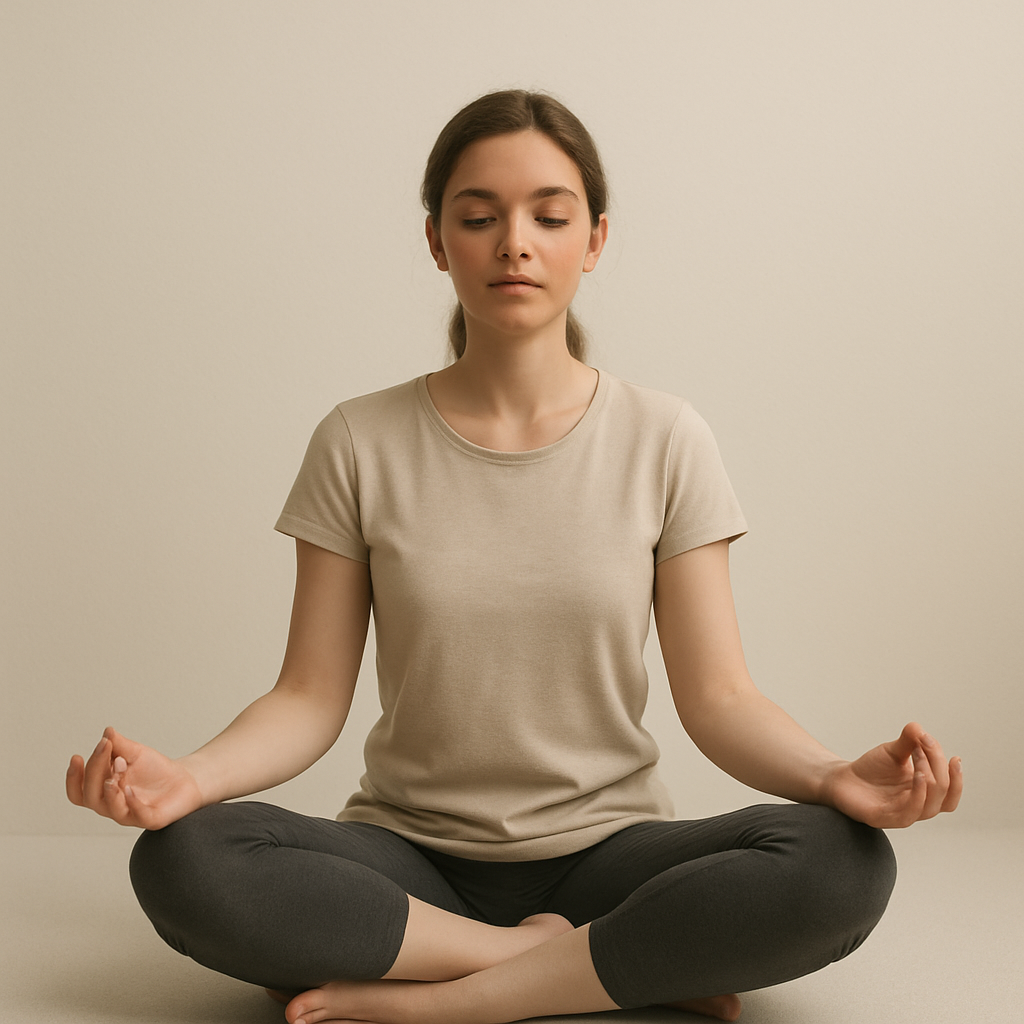
- Personalized Treatment: Recommendations could include herbal remedies, dietary changes, and spiritual practices such as meditation or prayer.
- Monitoring Progress: Regular follow-ups to assess the effectiveness of the treatment and make necessary adjustments.
This comprehensive approach ensures that all aspects of a person's well-being are addressed, promoting healing and balance.
What It Is Traditionally Explored For
Holistic Wellness practices in Ancient Egyptian Medicine were traditionally used for a variety of health concerns, including:
- Stress and anxiety
- Digestive issues
- Chronic pain
- Emotional imbalances
- Preventive health and wellness
While these practices were aimed at alleviating symptoms, they also focused on promoting overall well-being and preventing future health issues by fostering balance in all areas of life.
What Modern Research Suggests
Modern research into holistic approaches to health has started to recognize the importance of integrating mind, body, and spirit in healing. Preliminary studies suggest that holistic practices, including those similar to Ancient Egyptian methods, can positively influence mental health and overall well-being. For example, research has shown that combining physical therapies with psychological support can enhance recovery outcomes in various health conditions.
However, it is essential to approach these findings with caution. While there is growing interest in holistic practices, more rigorous clinical studies are needed to substantiate their effectiveness fully. The integration of holistic wellness into modern healthcare systems is still in its infancy, and ongoing research will help clarify its role in contemporary medicine.
Safety, Contraindications & Who Should Skip
While Holistic Wellness practices are generally safe, they may not be suitable for everyone. Individuals with specific health conditions, such as severe mental health disorders, acute infections, or those undergoing significant medical treatments, should consult healthcare professionals before engaging in holistic practices. Furthermore, it is crucial to ensure that any herbal remedies or treatments do not interfere with prescribed medications.
Pairs Well With (within Ancient Egyptian Medicine and across pillars)
Holistic Wellness can be complemented by various modalities and approaches, including:
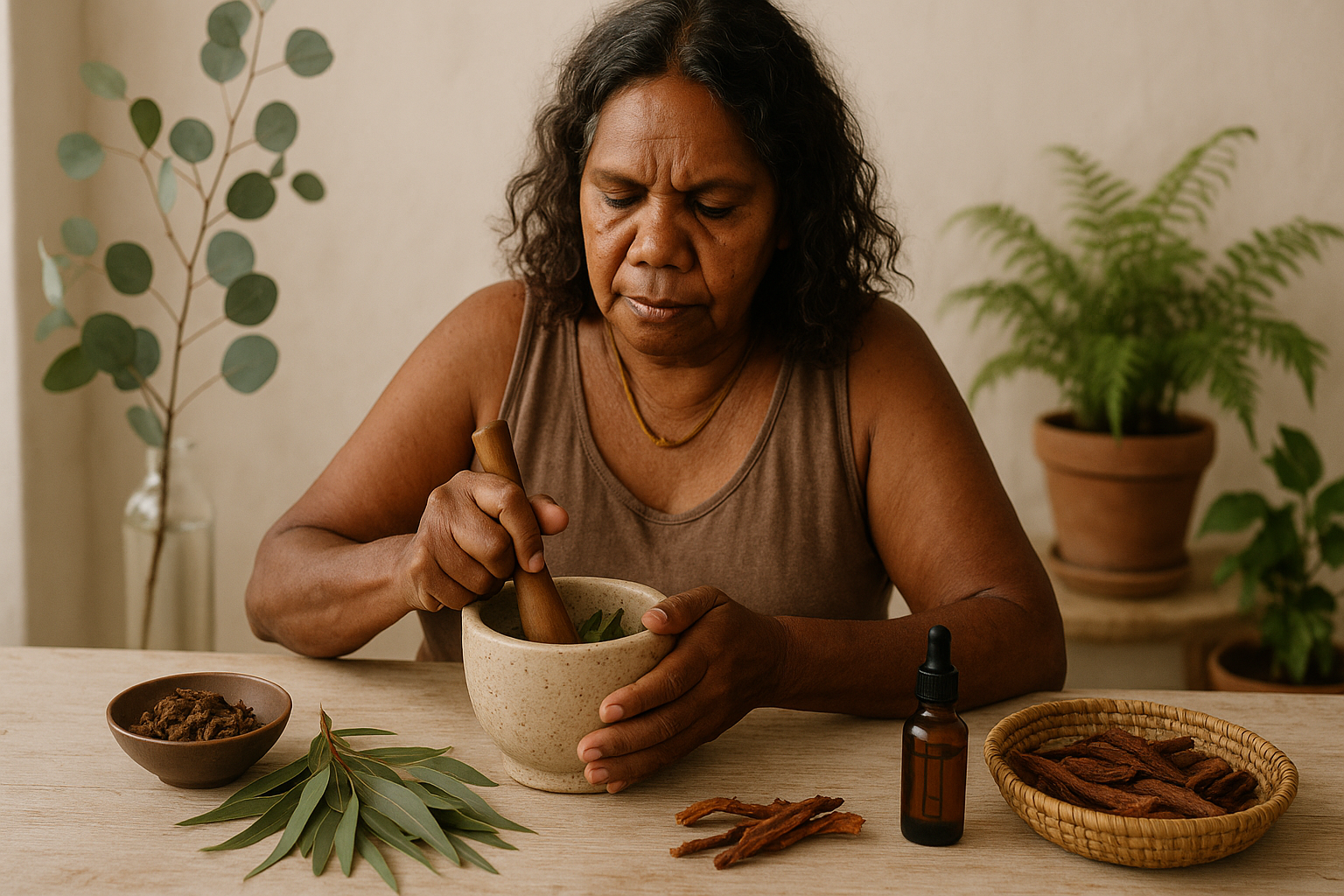
- Herbal Medicine: Utilizing natural plants and herbs for their healing properties.
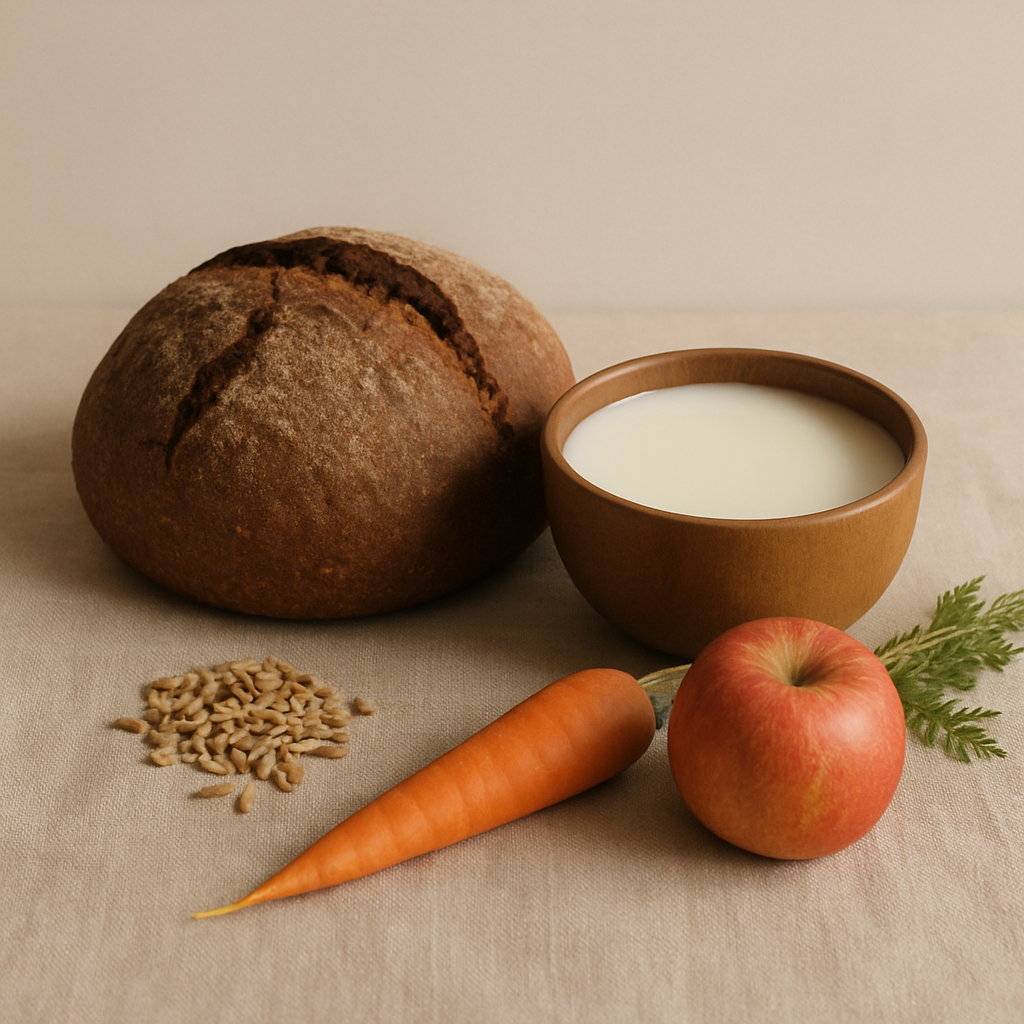
- Dietary Therapy: Focusing on nutrition and food as medicine.
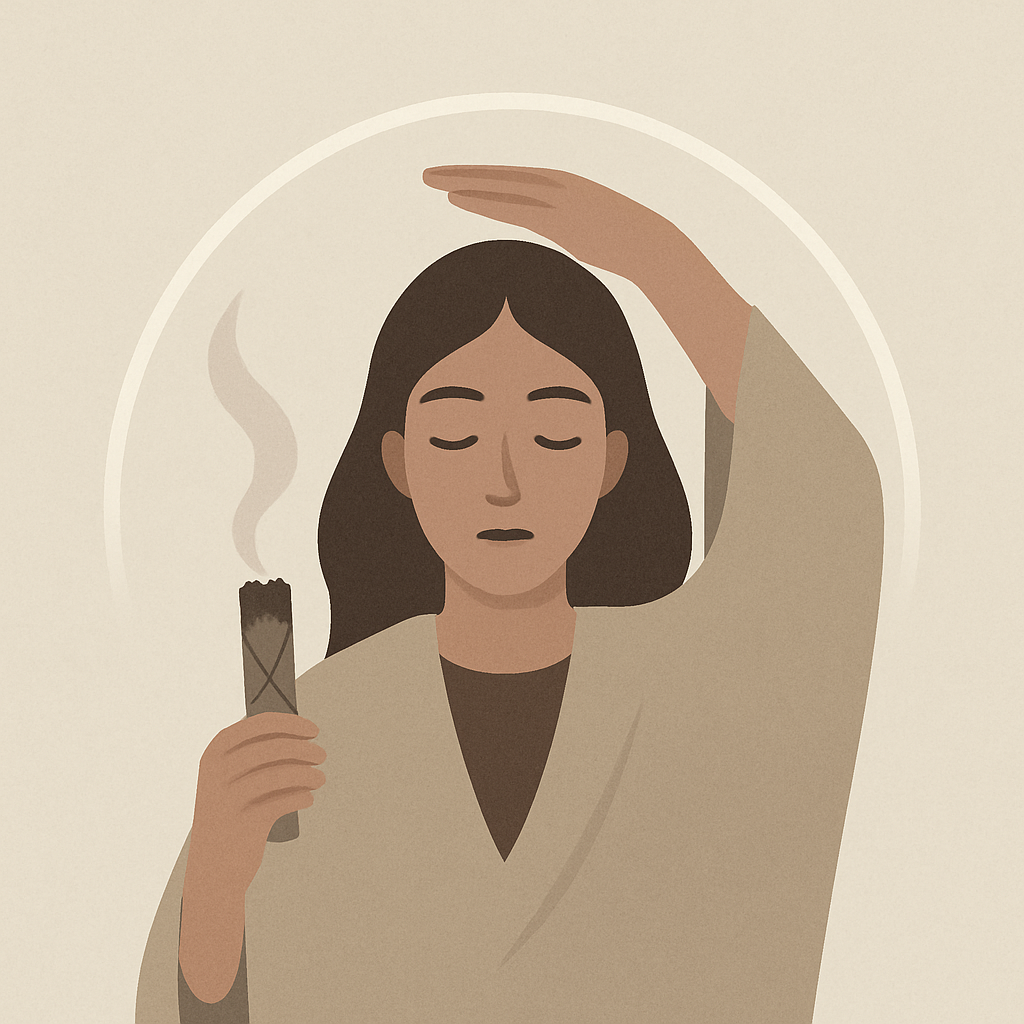
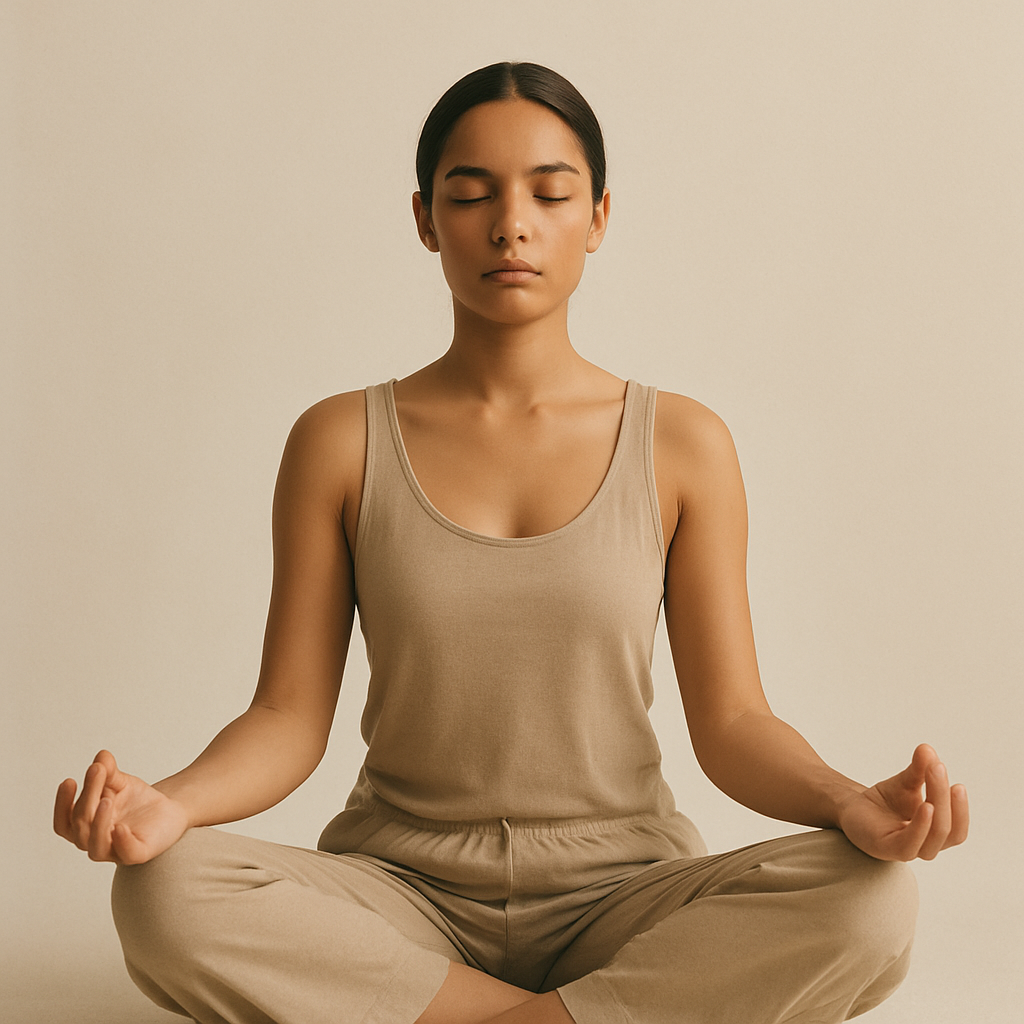
- Spiritual Practices: Incorporating meditation, prayer, and rituals.
- Massage and Bodywork: Physical manipulation to enhance health.
- Mindfulness and Meditation: Techniques to foster mental clarity and emotional stability.
How to Find a Qualified Practitioner
To find a qualified practitioner of Holistic Wellness, consider the following steps:
- Research local practitioners who specialize in ancient or holistic methods.
- Check for certifications or credentials in herbal medicine or holistic practices.
- Seek recommendations from trusted sources or wellness communities.
- Schedule initial consultations to discuss their approach and treatment philosophy.
It is essential to ensure that the practitioner’s methods align with your health goals and that they communicate openly about their practices.
FAQs (5)
- What can I expect during my first visit to a Holistic Wellness practitioner?
During your first visit, expect a comprehensive assessment of your physical and emotional health, along with a discussion of your lifestyle and wellness goals. - Are there any side effects to Holistic Wellness treatments?
While generally safe, some herbal remedies may cause interactions with medications or side effects in sensitive individuals. Always consult a healthcare provider before starting new treatments. - Can Holistic Wellness replace conventional medicine?
Holistic Wellness is intended to complement, not replace, conventional medicine. It is essential to maintain communication with all healthcare providers. - How long does it take to see results from Holistic Wellness practices?
Results can vary widely depending on the individual and the specific practices used. Some may notice improvements quickly, while others may require more time to achieve balance. - Is Holistic Wellness suitable for children?
Holistic Wellness can be adapted for children, but it is crucial to seek a practitioner experienced in working with younger populations.
Frequently asked
What can I expect during my first visit to a Holistic Wellness practitioner?
During your first visit, expect a comprehensive assessment of your physical and emotional health, along with a discussion of your lifestyle and wellness goals.
Are there any side effects to Holistic Wellness treatments?
While generally safe, some herbal remedies may cause interactions with medications or side effects in sensitive individuals. Always consult a healthcare provider before starting new treatments.
Can Holistic Wellness replace conventional medicine?
Holistic Wellness is intended to complement, not replace, conventional medicine. It is essential to maintain communication with all healthcare providers.
How long does it take to see results from Holistic Wellness practices?
Results can vary widely depending on the individual and the specific practices used. Some may notice improvements quickly, while others may require more time to achieve balance.
Is Holistic Wellness suitable for children?
Holistic Wellness can be adapted for children, but it is crucial to seek a practitioner experienced in working with younger populations.