Traditional Nutrition
Delve into Traditional Nutrition, a vital aspect of Ancient Egyptian Medicine, exploring its historical roots, practices, and modern interpretations.
Explore the ancient wisdom of Traditional Nutrition within Ancient Egyptian Medicine, examining its definition, historical context, practices, and more.
What It Is
Traditional Nutrition, within the context of Ancient Egyptian Medicine, refers to the dietary practices and food-based therapies utilized by the ancient Egyptians to promote health and well-being. This approach is grounded in the belief that food is not just sustenance but also a means of healing and maintaining balance in the body. It encompasses various principles, including the selection of specific foods based on their inherent qualities and energetic properties.
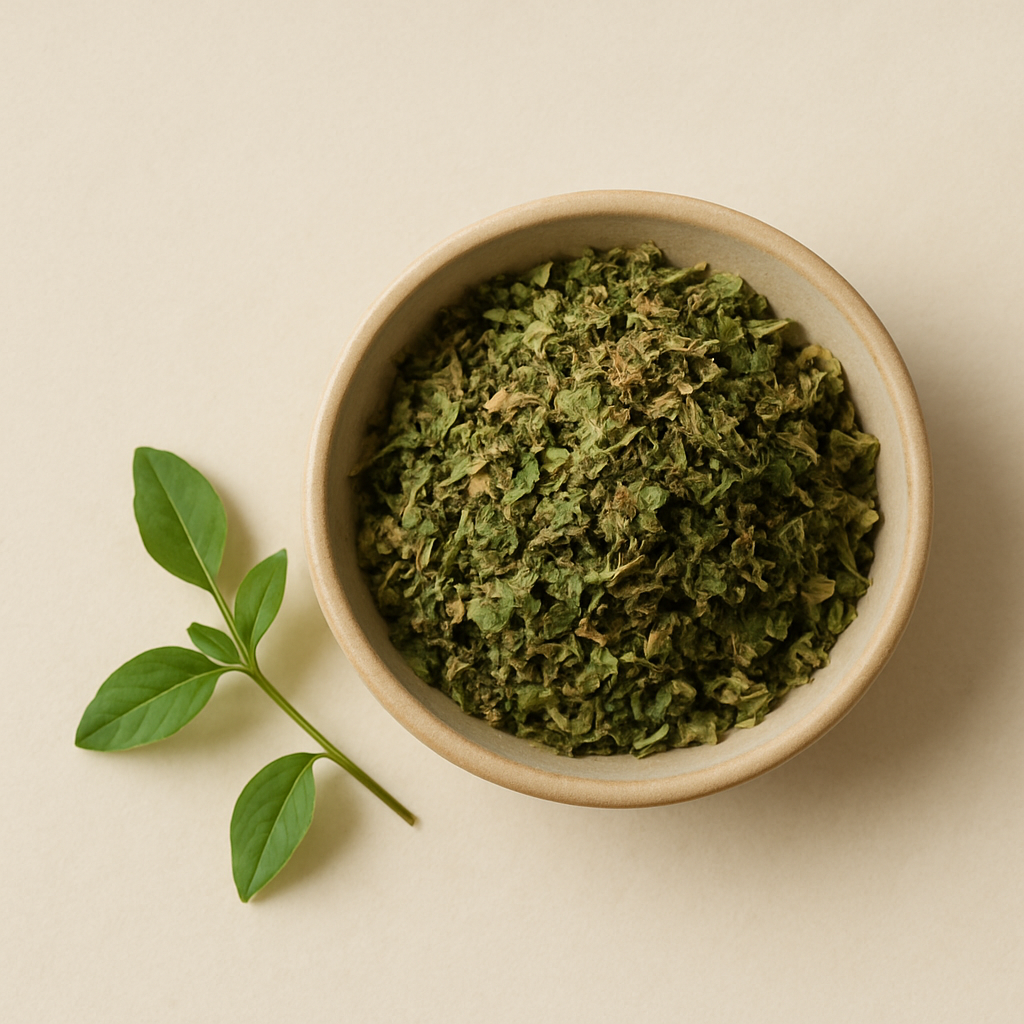
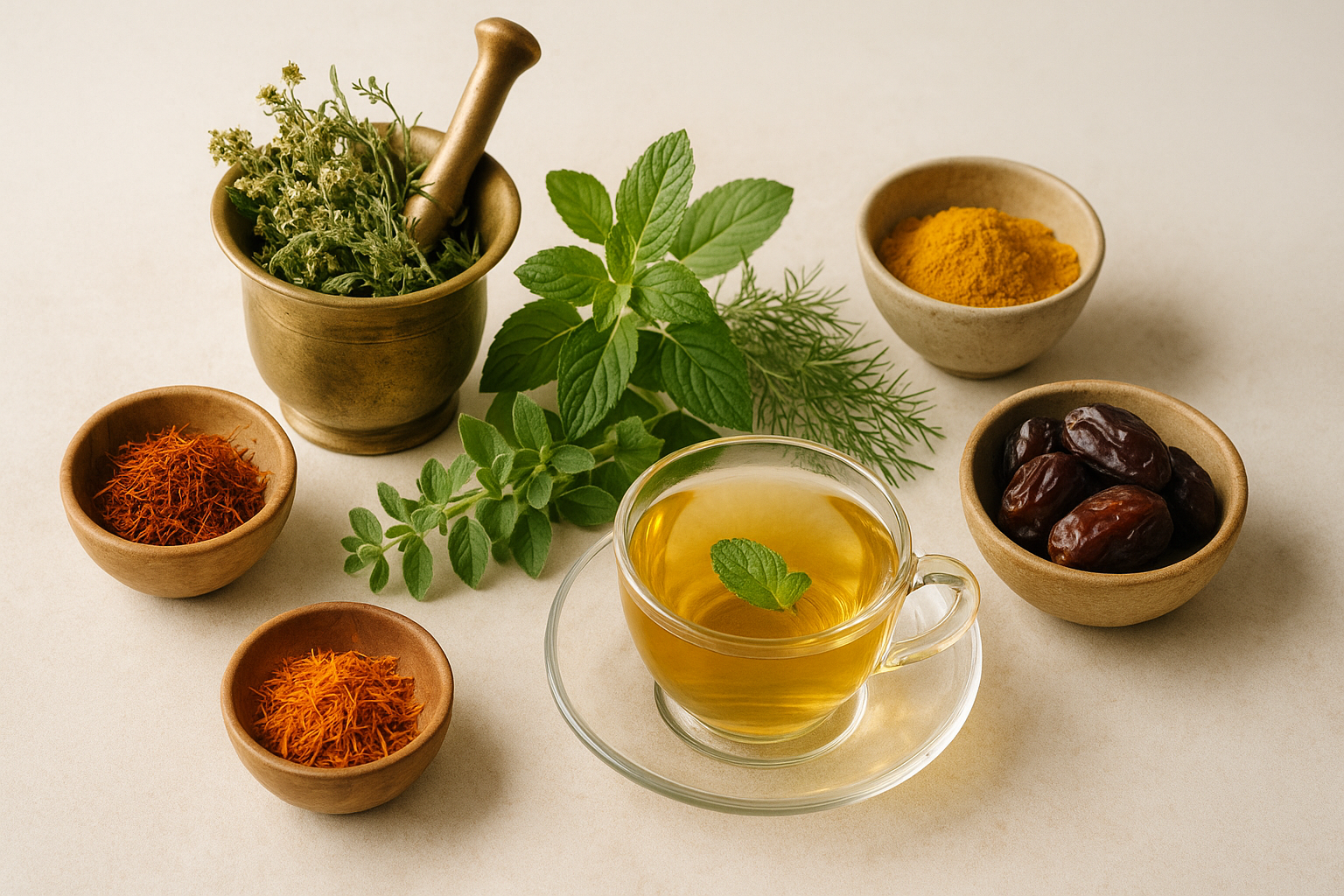
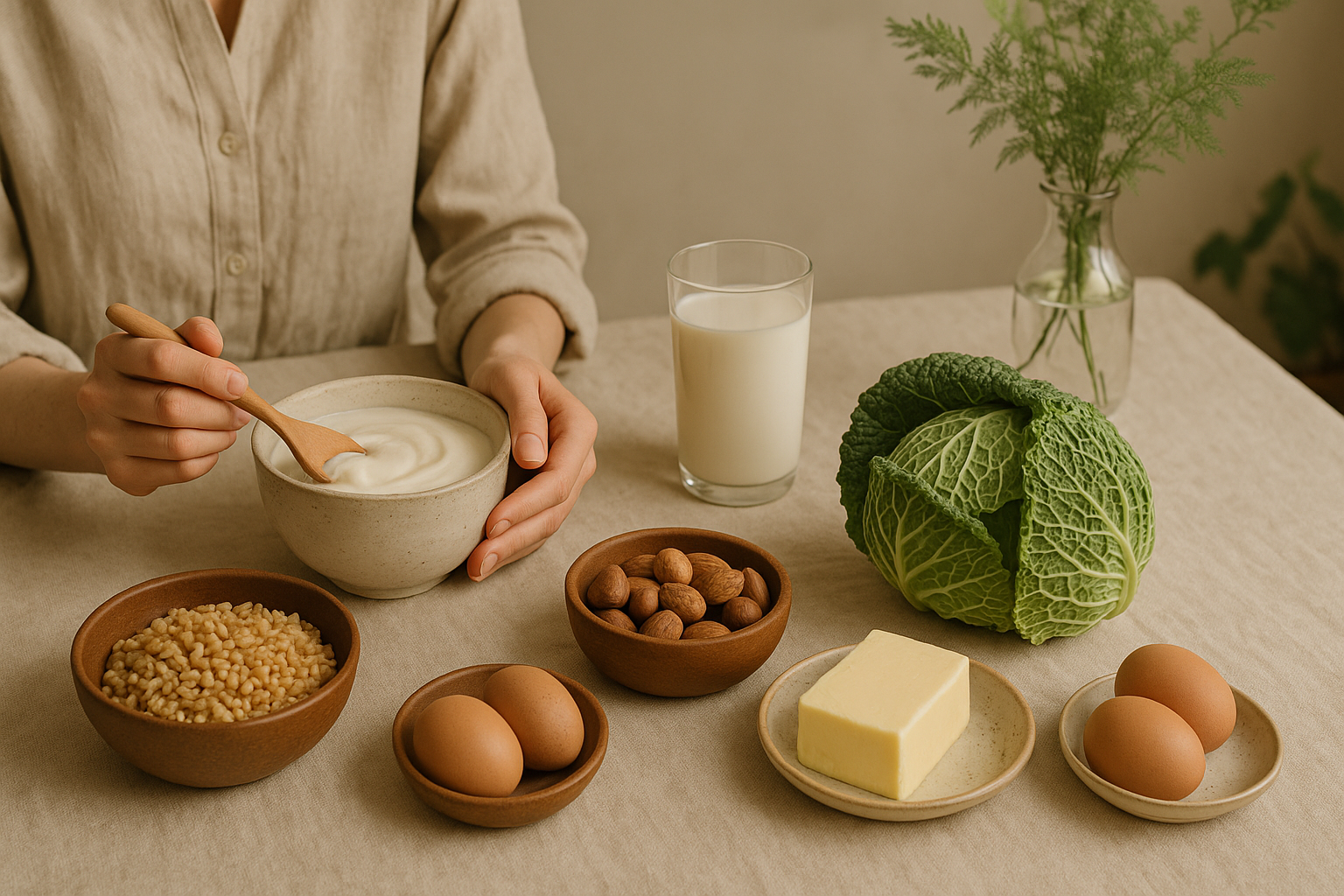
The ancient Egyptians emphasized the consumption of whole foods, herbs, and natural ingredients, understanding the importance of nutrition in both physical and spiritual health. They believed that certain foods could influence the body’s energy, mood, and overall health, thus playing a crucial role in daily life and medical practices.
Historical Context Within Ancient Egyptian Medicine
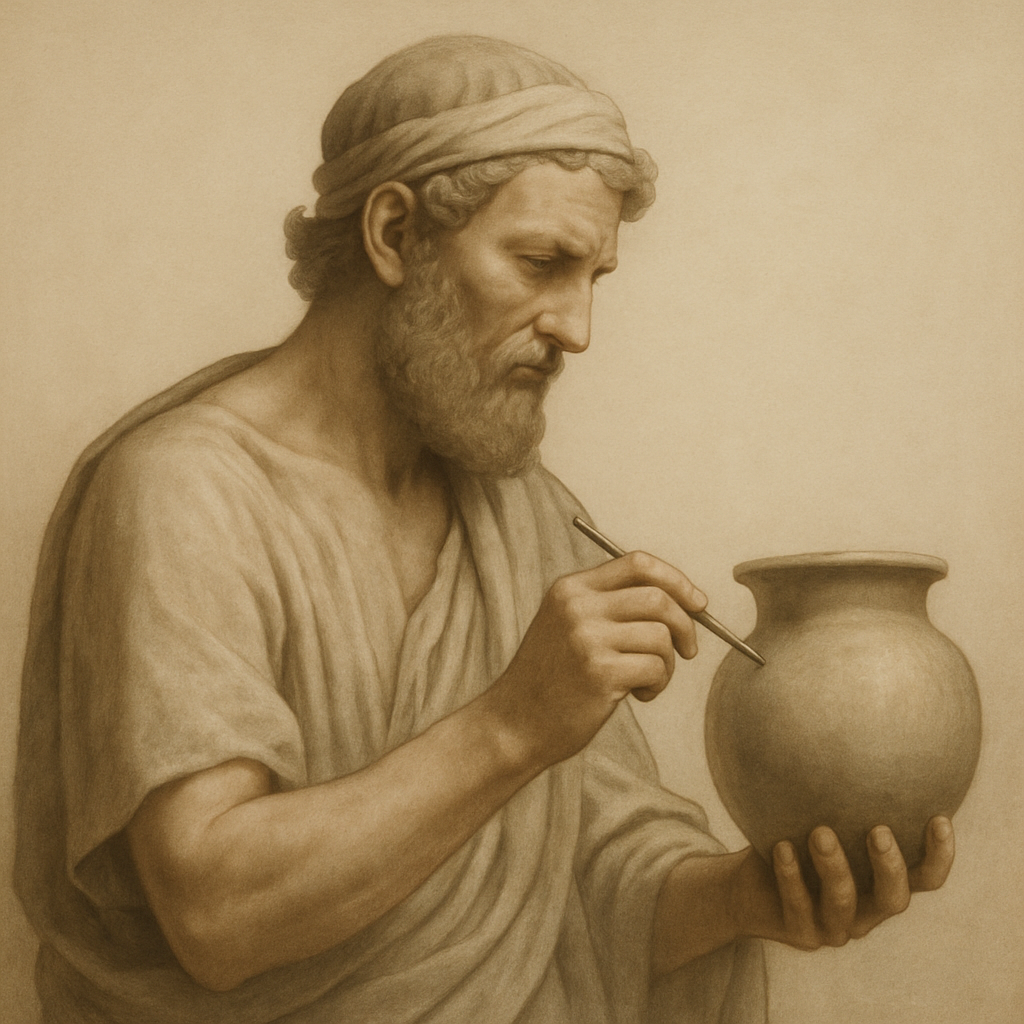
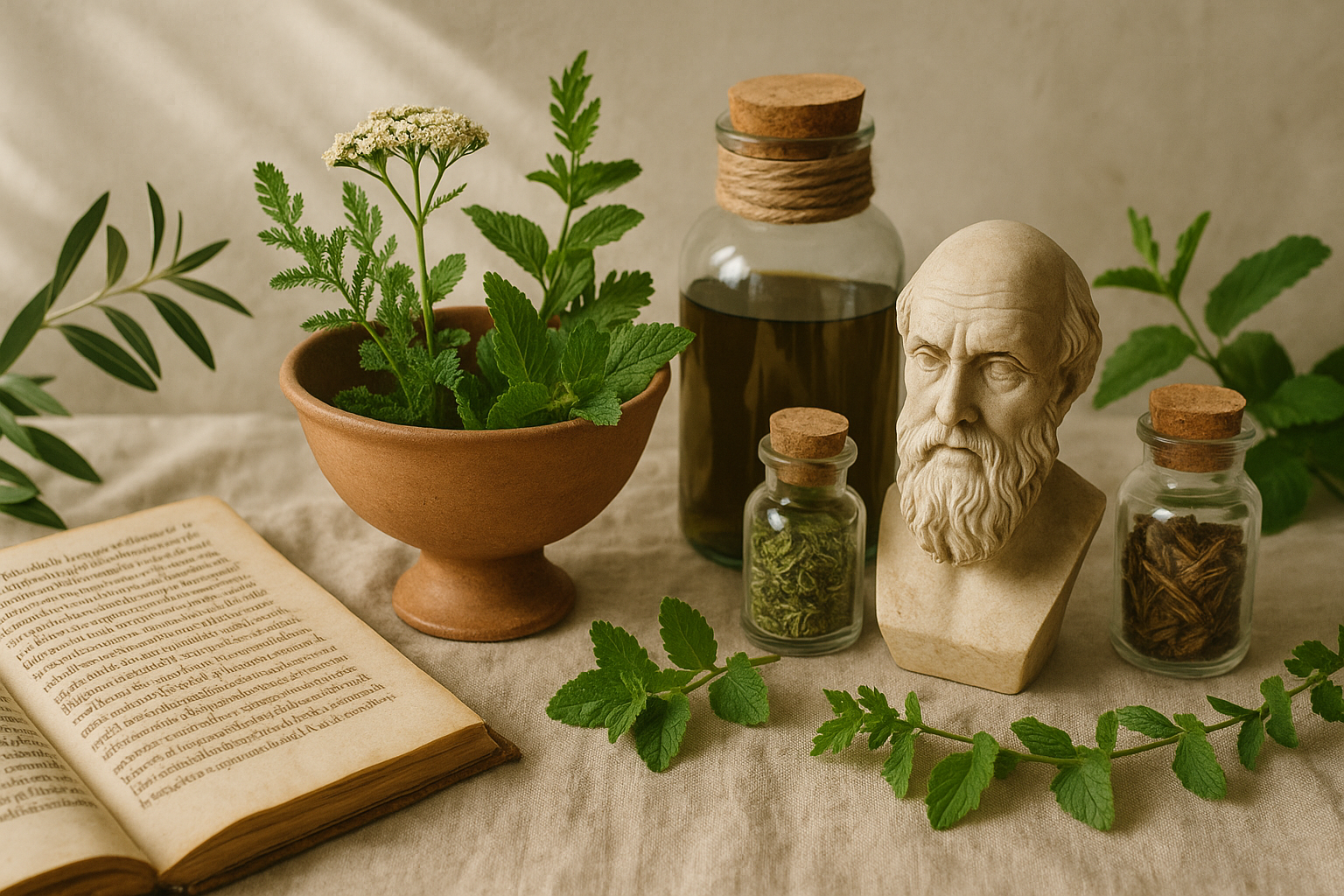
The practice of Traditional Nutrition emerged alongside other medical practices in Ancient Egypt, dating back to around 3000 BCE. It was developed by ancient healers and physicians who observed the effects of various foods on health and disease. Ancient texts, such as the Ebers Papyrus, provide evidence of dietary recommendations and the use of food as medicine, showcasing a sophisticated understanding of nutrition.
As a part of a holistic approach to health, Traditional Nutrition was intertwined with spiritual beliefs and rituals. The ancient Egyptians viewed food as a gift from the gods, and its preparation often involved sacred practices. Nutrition was seen as a pathway to achieving harmony within the body and with the universe.
How It's Practiced
Practicing Traditional Nutrition in the context of Ancient Egyptian Medicine involves a few key steps. Here is a simplified walk-through:
- Assessment: Understanding individual health needs and conditions based on ancient principles, often observing physical and energetic signs.
- Dietary Consultation: Recommending foods that align with the individual's health goals, taking into account seasonal availability and local ingredients.
- Preparation: Emphasizing traditional methods of food preparation, such as fermentation, soaking, and cooking, which enhance the health benefits of the foods.
- Integration: Incorporating food into daily routines, combining it with herbal remedies and other practices to optimize health.
What It Is Traditionally Explored For
Traditional Nutrition has been historically explored for various purposes, including:
- Promoting overall well-being and vitality
- Supporting digestion and gut health
- Enhancing energy levels and stamina
- Balancing bodily humors and energies
- Assisting in recovery from illnesses and ailments
It is important to note that these uses are based on ancient practices and beliefs, rather than modern scientific validation.
What Modern Research Suggests
Modern research into Traditional Nutrition, particularly as it relates to the principles observed in Ancient Egyptian Medicine, is still in its early stages. However, preliminary studies indicate that certain dietary practices, such as the consumption of whole foods and herbs, may have beneficial effects on health. For example, the use of specific herbs for digestive health has been supported by contemporary research, aligning with traditional recommendations.
While some findings affirm the potential health benefits of traditional foods, it is essential to approach these studies with caution. The context of ancient dietary practices may not always directly correlate with modern understandings of nutrition and health, necessitating further investigation to validate these ancient wisdoms.
Safety, Contraindications & Who Should Skip
While Traditional Nutrition is generally considered safe, individuals with specific health conditions or dietary restrictions should approach it thoughtfully. For example:
- People with allergies to certain foods should avoid those ingredients.
- Individuals with chronic illnesses should consult healthcare professionals before making significant dietary changes.
- Pregnant or nursing women should be cautious about certain herbs and foods traditionally used.
As with any dietary practice, it is advisable to seek guidance from qualified practitioners when incorporating Traditional Nutrition into one’s lifestyle.
Pairs Well With (within Ancient Egyptian Medicine and across pillars)
Traditional Nutrition can be effectively paired with various other modalities within Ancient Egyptian Medicine, including:
- Herbal Medicine
- Physical Therapies
- Spiritual Practices
Additionally, it complements modern holistic approaches, such as:
- Mindfulness and Meditation
- Yoga and Movement Therapies
- Contemporary Nutritional Science
How to Find a Qualified Practitioner
To find a qualified practitioner of Traditional Nutrition, consider the following steps:
- Seek recommendations from holistic health communities or wellness centers.
- Look for practitioners with training or certifications in ancient dietary practices or holistic nutrition.
- Verify their experience in applying Traditional Nutrition specifically within the context of Ancient Egyptian Medicine.
FAQs (5)
- What types of foods are emphasized in Traditional Nutrition? Traditional Nutrition emphasizes whole foods, herbs, fruits, vegetables, grains, and natural ingredients that are locally sourced and in season.
- How does Traditional Nutrition differ from modern nutrition? Traditional Nutrition focuses on holistic principles and the energetic properties of foods, while modern nutrition often emphasizes scientific analysis and macronutrient balances.
- Can Traditional Nutrition help with specific health issues? Traditionally, it has been used for various health goals, though results may vary and it should not replace medical advice.
- Is there scientific evidence supporting Traditional Nutrition? Some modern studies suggest benefits of specific traditional foods, but comprehensive research is needed to validate all aspects of Traditional Nutrition.
- How can I incorporate Traditional Nutrition into my diet? Start by exploring whole foods, seasonal ingredients, and incorporating herbs, while considering guidance from qualified practitioners.
Frequently asked
What types of foods are emphasized in Traditional Nutrition?
Traditional Nutrition emphasizes whole foods, herbs, fruits, vegetables, grains, and natural ingredients that are locally sourced and in season.
How does Traditional Nutrition differ from modern nutrition?
Traditional Nutrition focuses on holistic principles and the energetic properties of foods, while modern nutrition often emphasizes scientific analysis and macronutrient balances.
Can Traditional Nutrition help with specific health issues?
Traditionally, it has been used for various health goals, though results may vary and it should not replace medical advice.
Is there scientific evidence supporting Traditional Nutrition?
Some modern studies suggest benefits of specific traditional foods, but comprehensive research is needed to validate all aspects of Traditional Nutrition.
How can I incorporate Traditional Nutrition into my diet?
Start by exploring whole foods, seasonal ingredients, and incorporating herbs, while considering guidance from qualified practitioners.