Muscle Recovery
Discover effective natural remedies for muscle recovery, focusing on massage and bodywork techniques, key active compounds, and modern research insights.
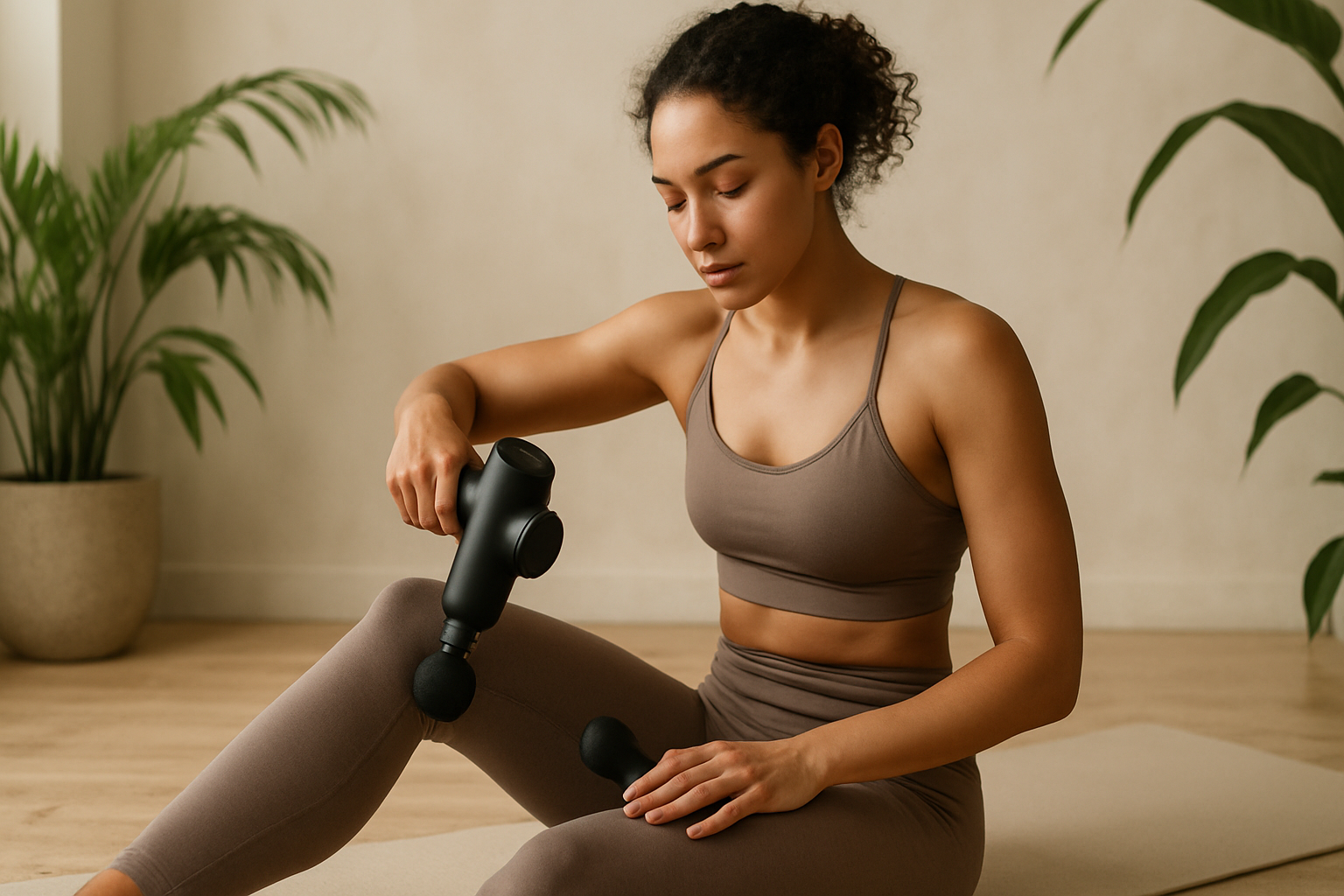
Explore natural remedies for muscle recovery through massage and bodywork techniques. Learn about key compounds, traditional uses, and modern research insights to enhance your recovery process.
What It Is
Muscle recovery refers to the physiological process by which the body repairs and rebuilds muscle tissues following physical activity or injury. This process is crucial for athletes and active individuals to regain strength, flexibility, and overall performance. Various natural remedies, particularly massage and bodywork techniques, can facilitate and enhance muscle recovery.
Key Active Compounds & Mechanisms
Several natural compounds and techniques play a significant role in muscle recovery:
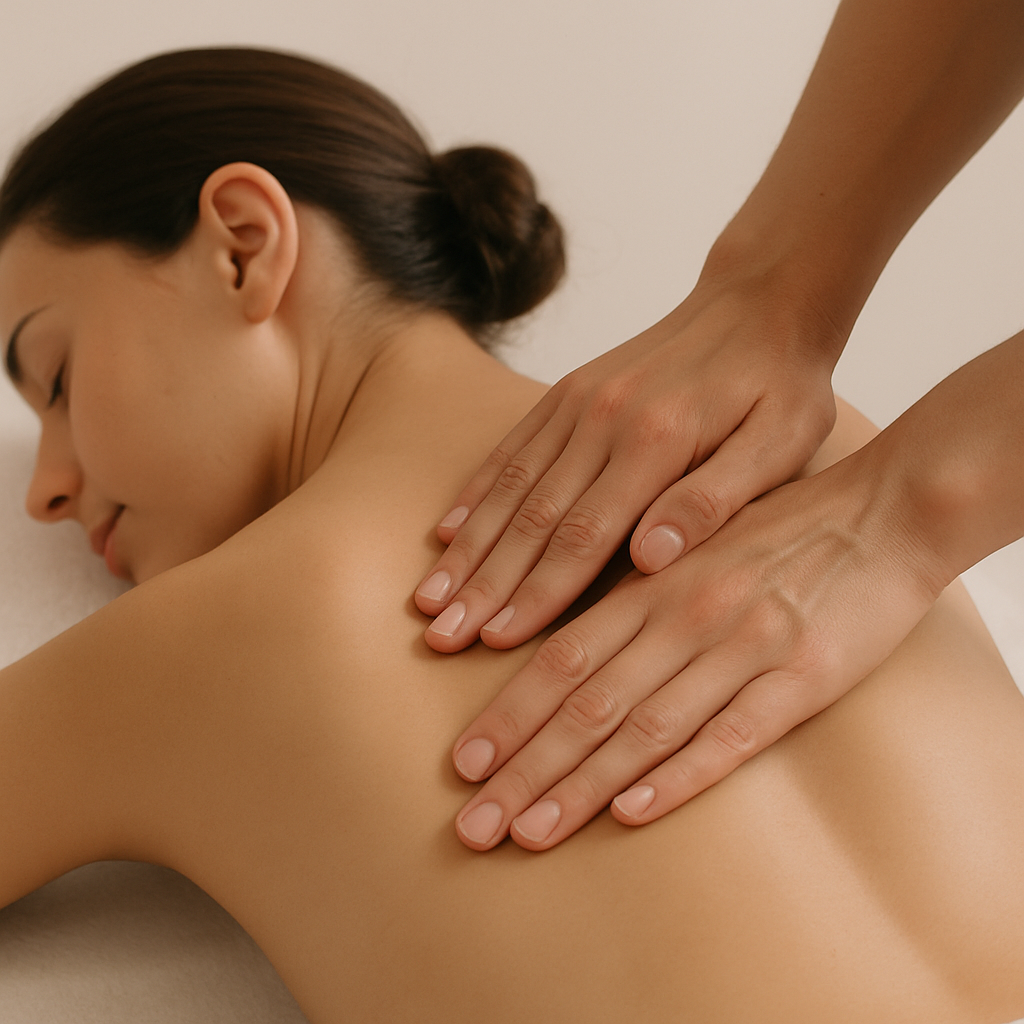
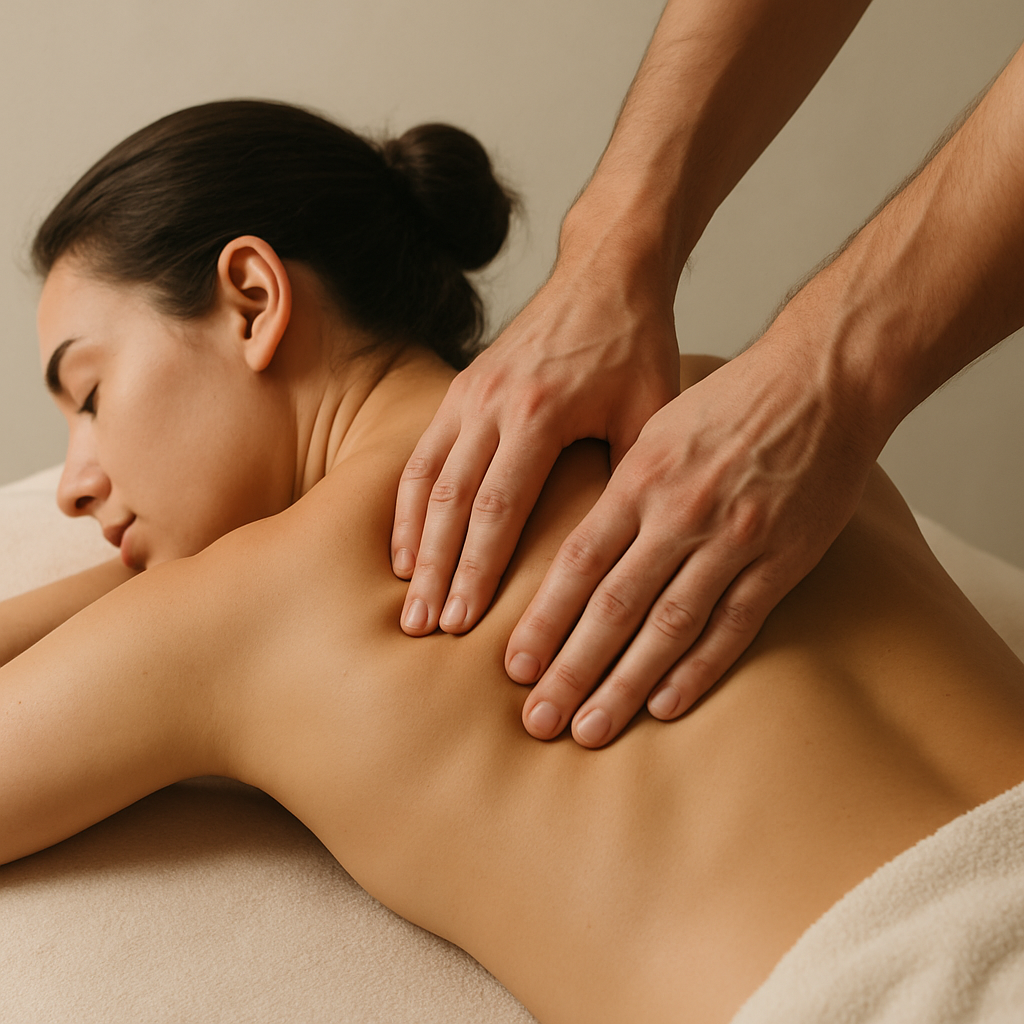
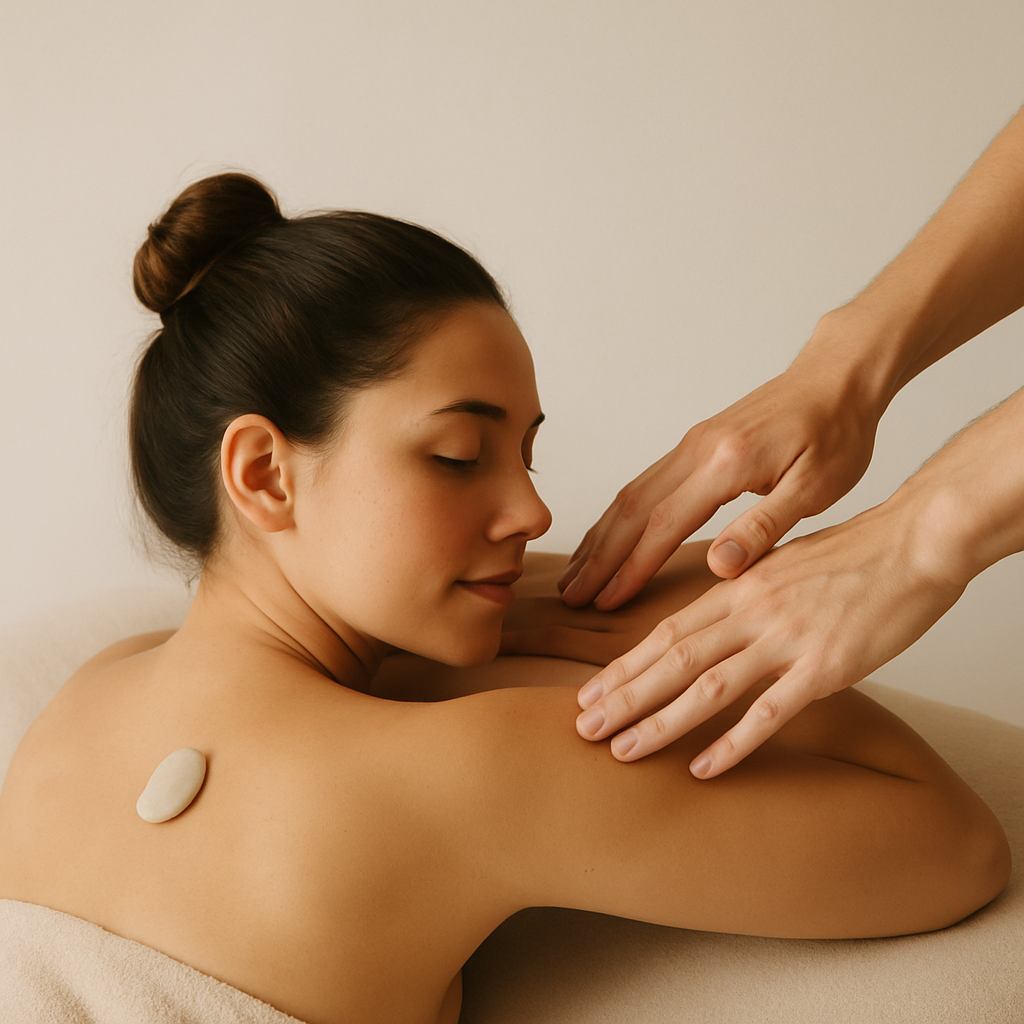
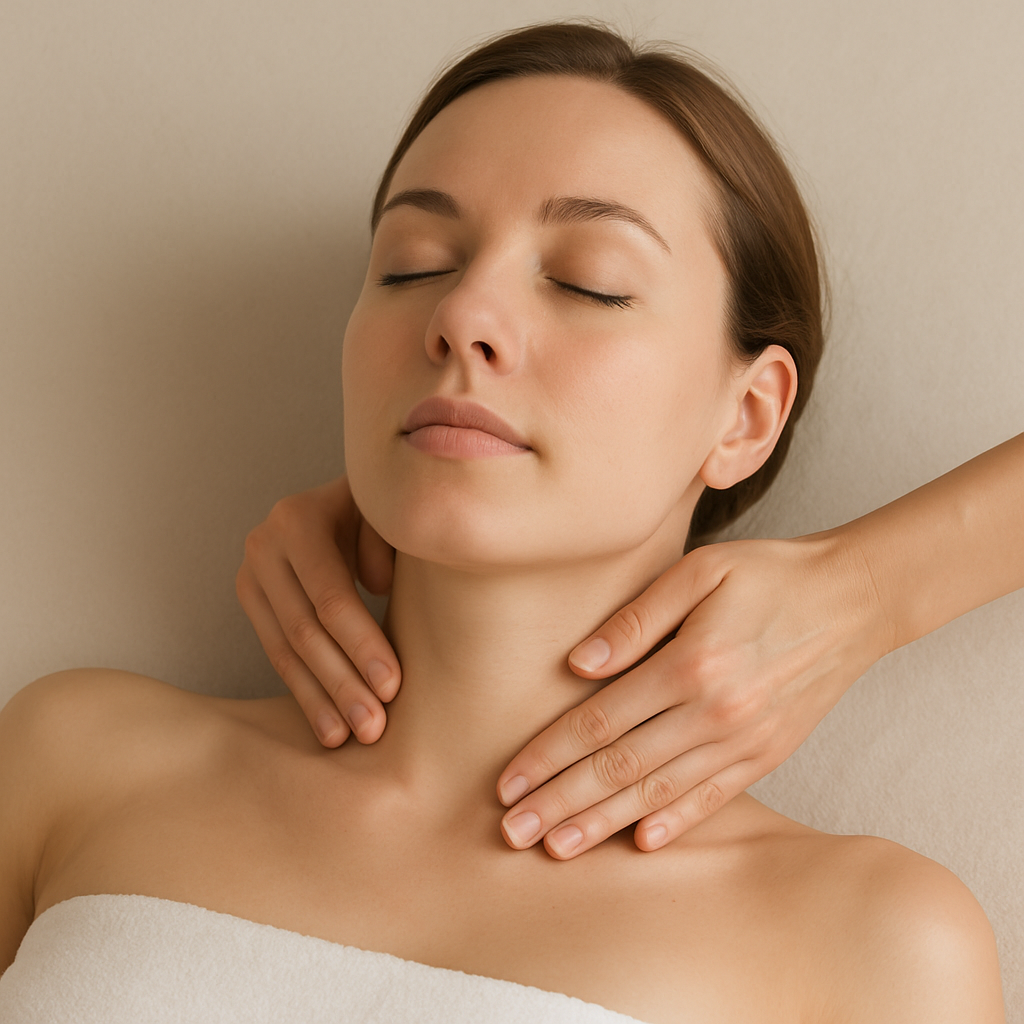
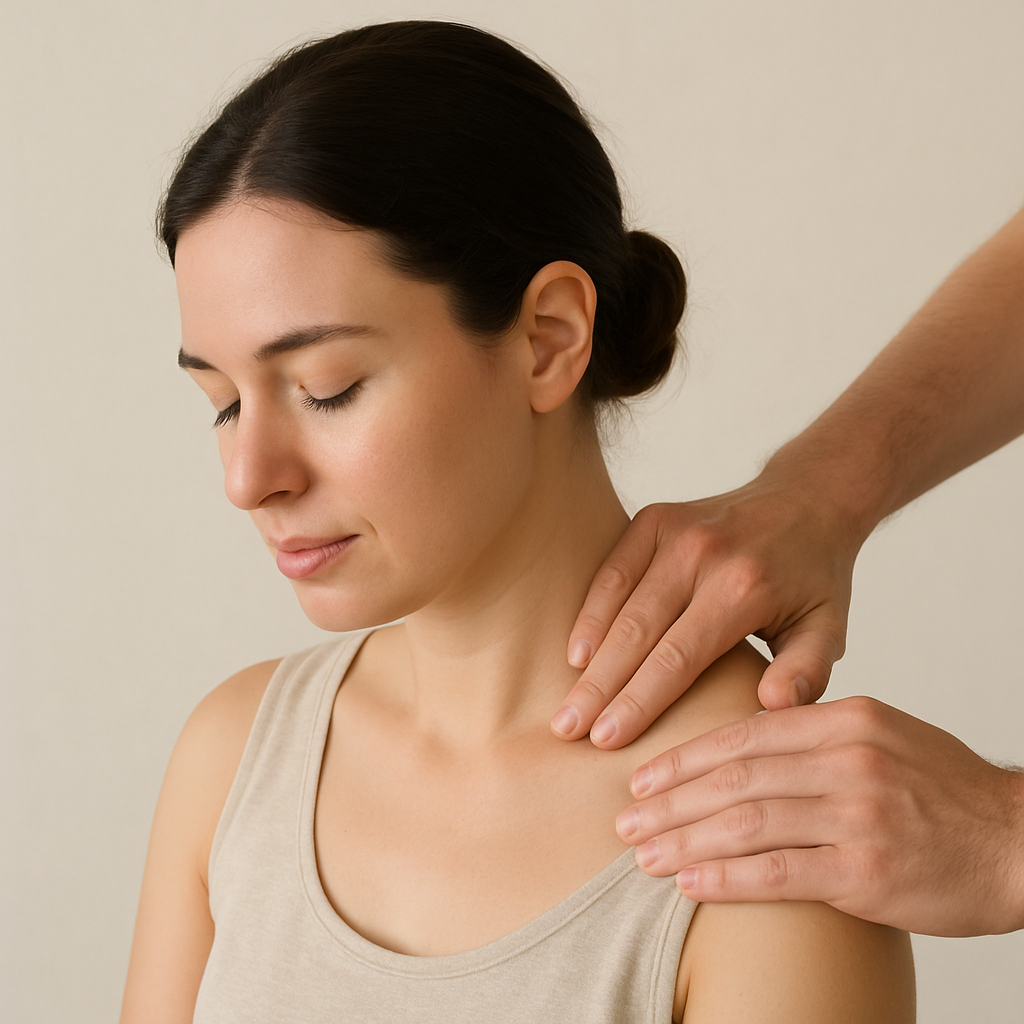
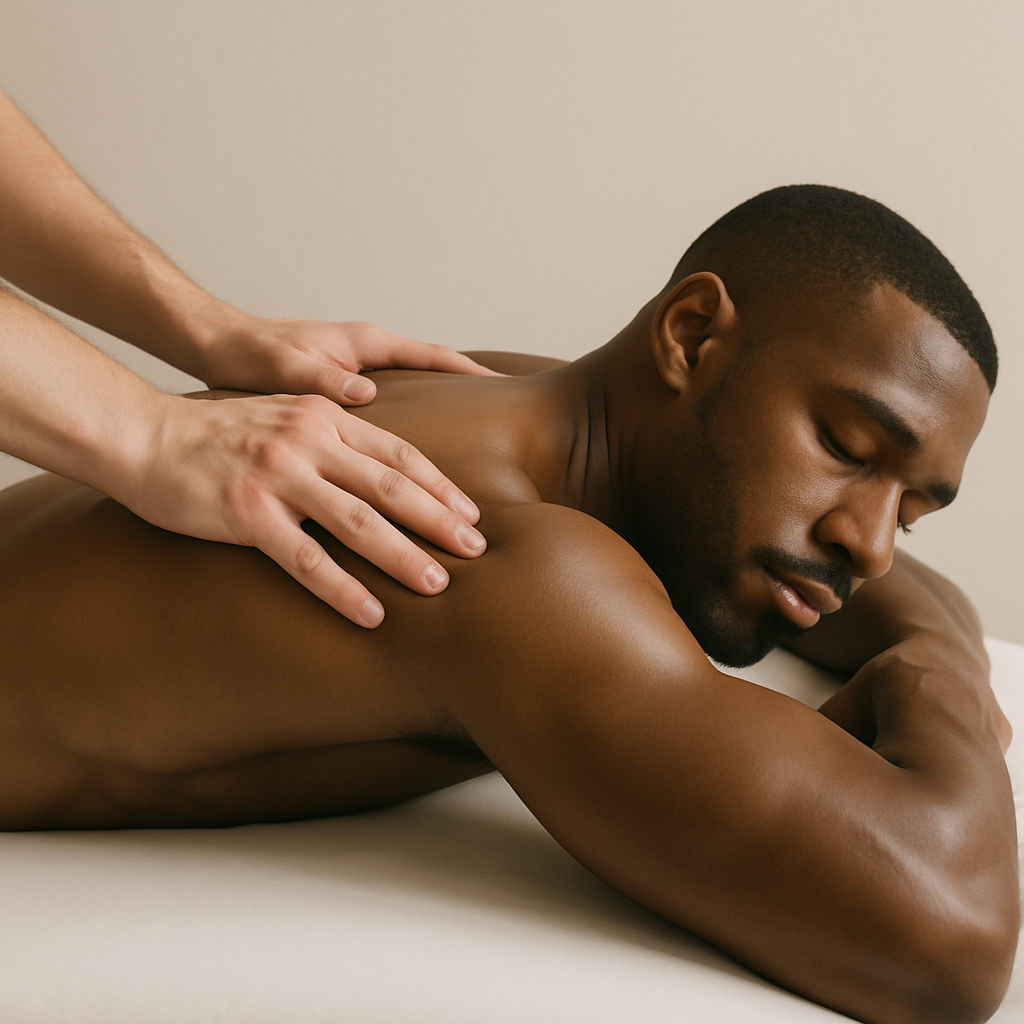
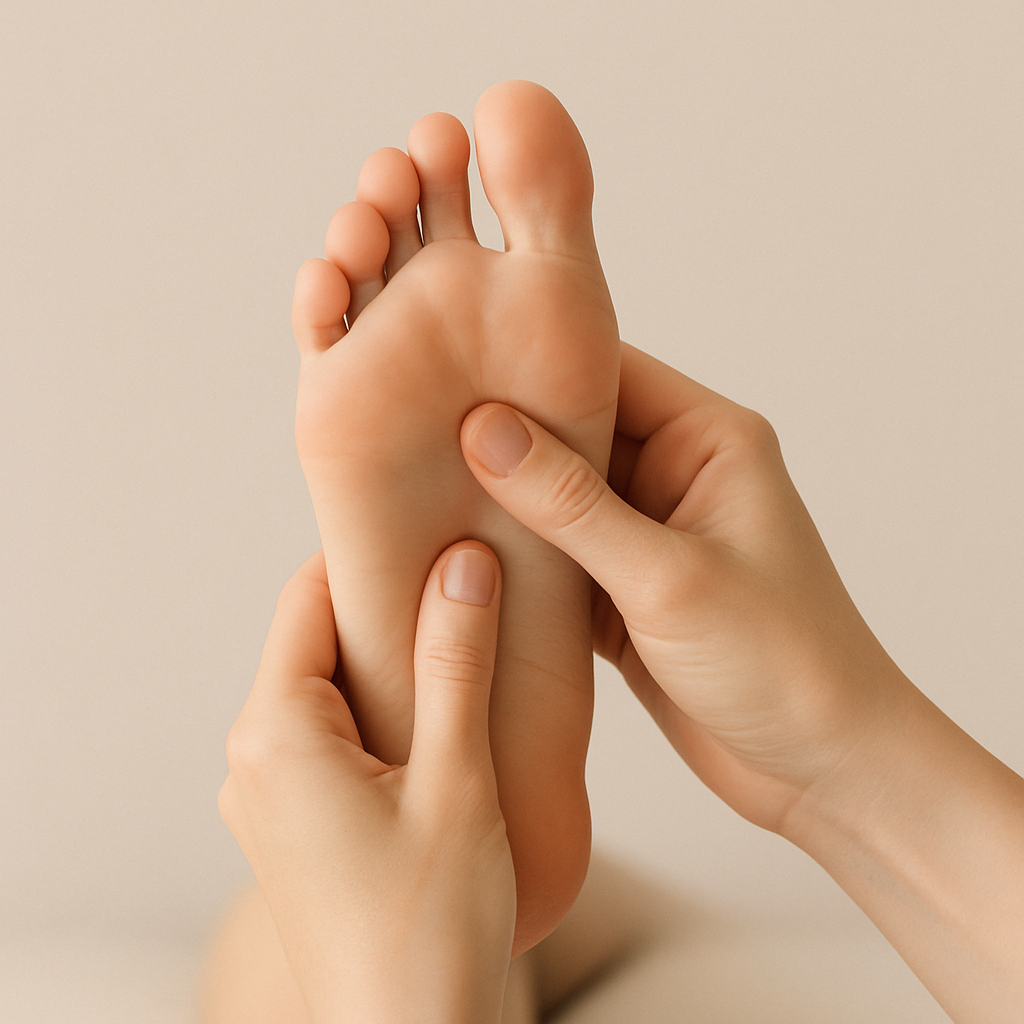
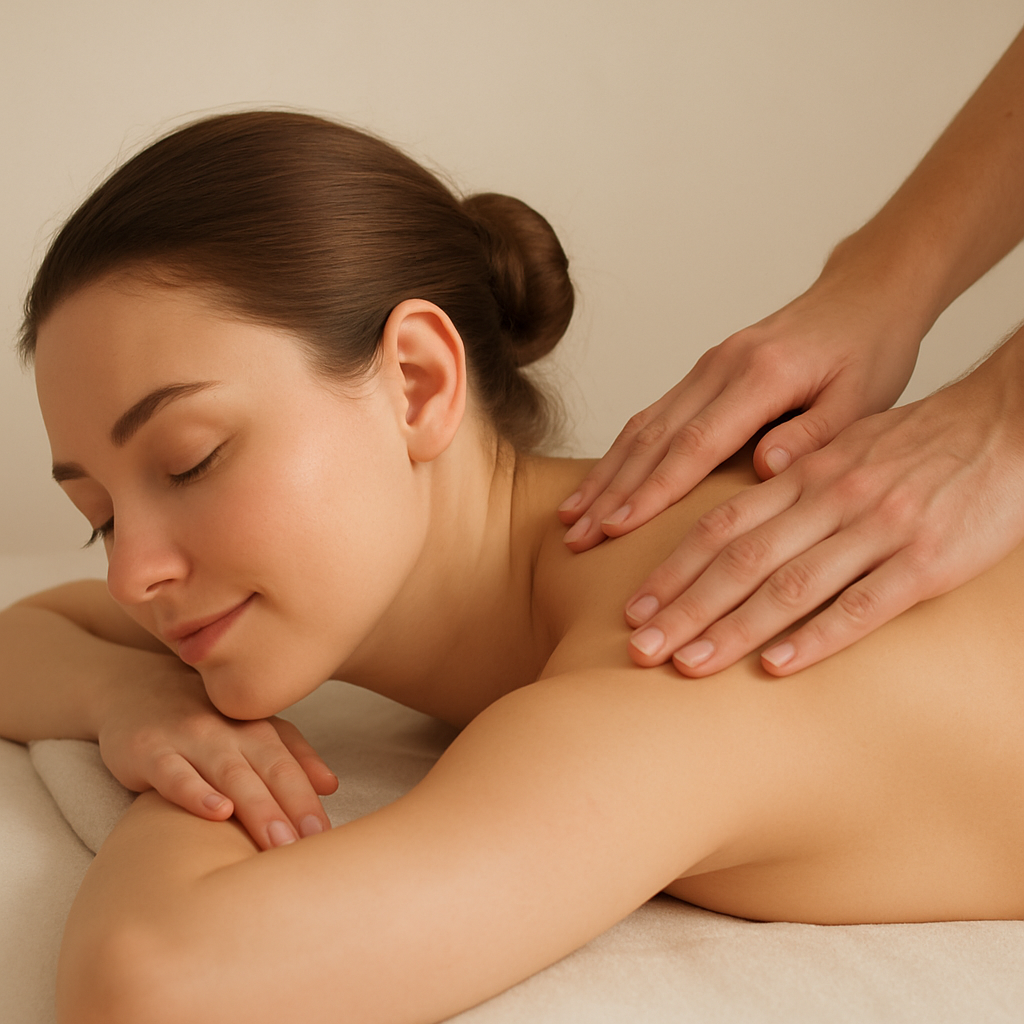
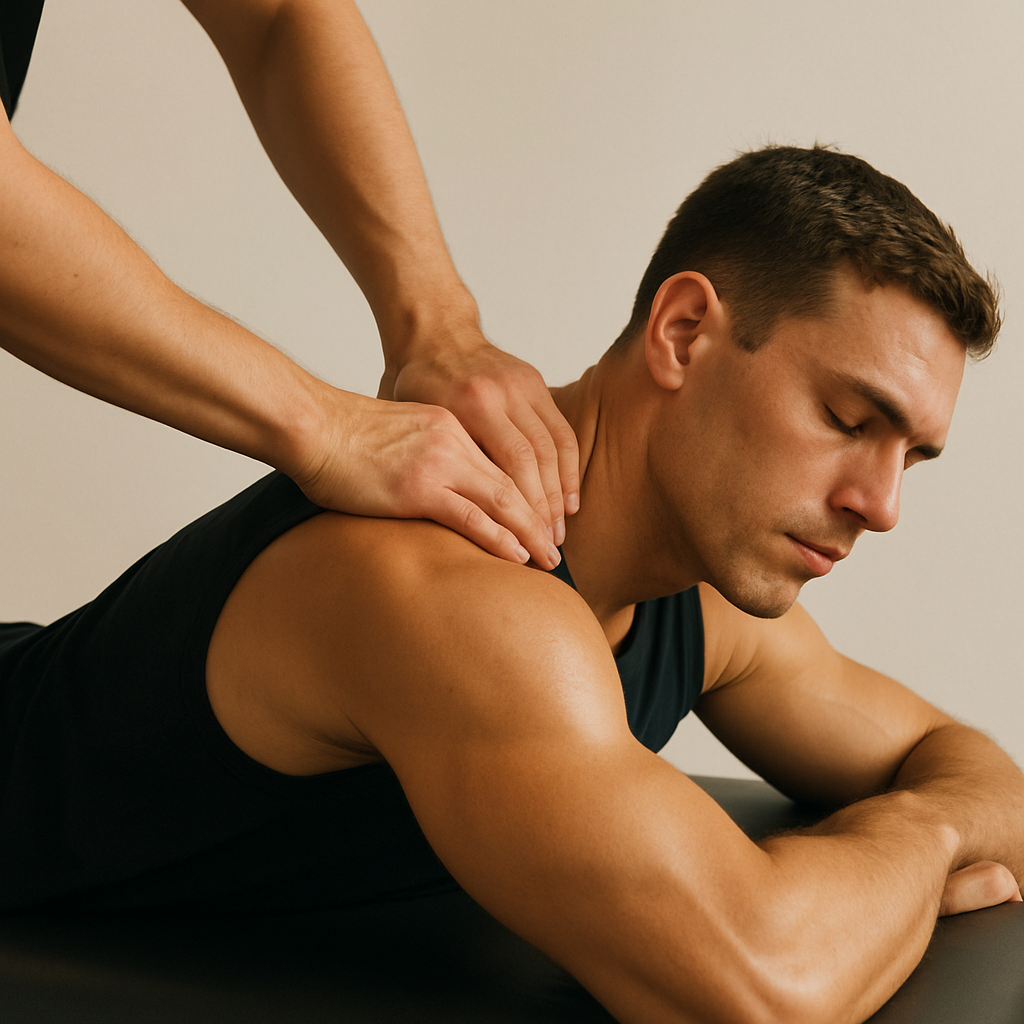
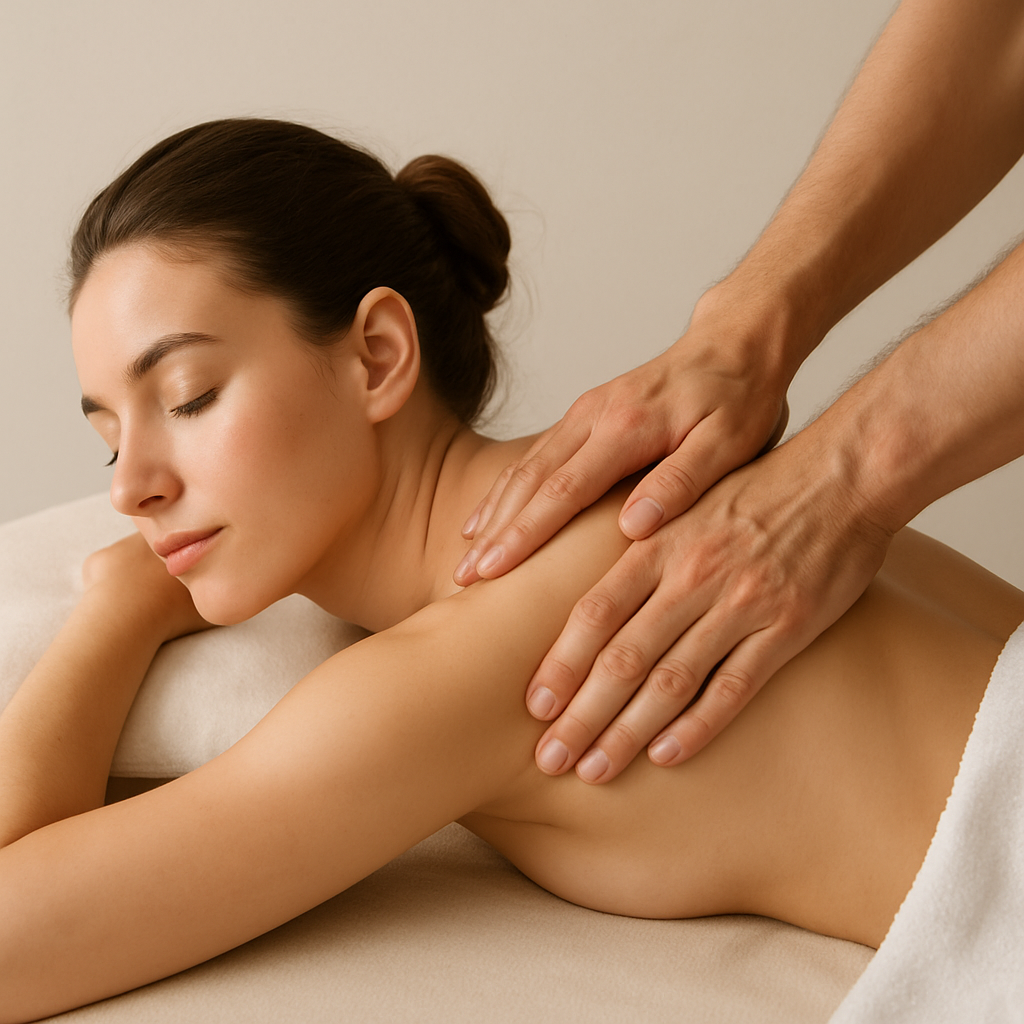
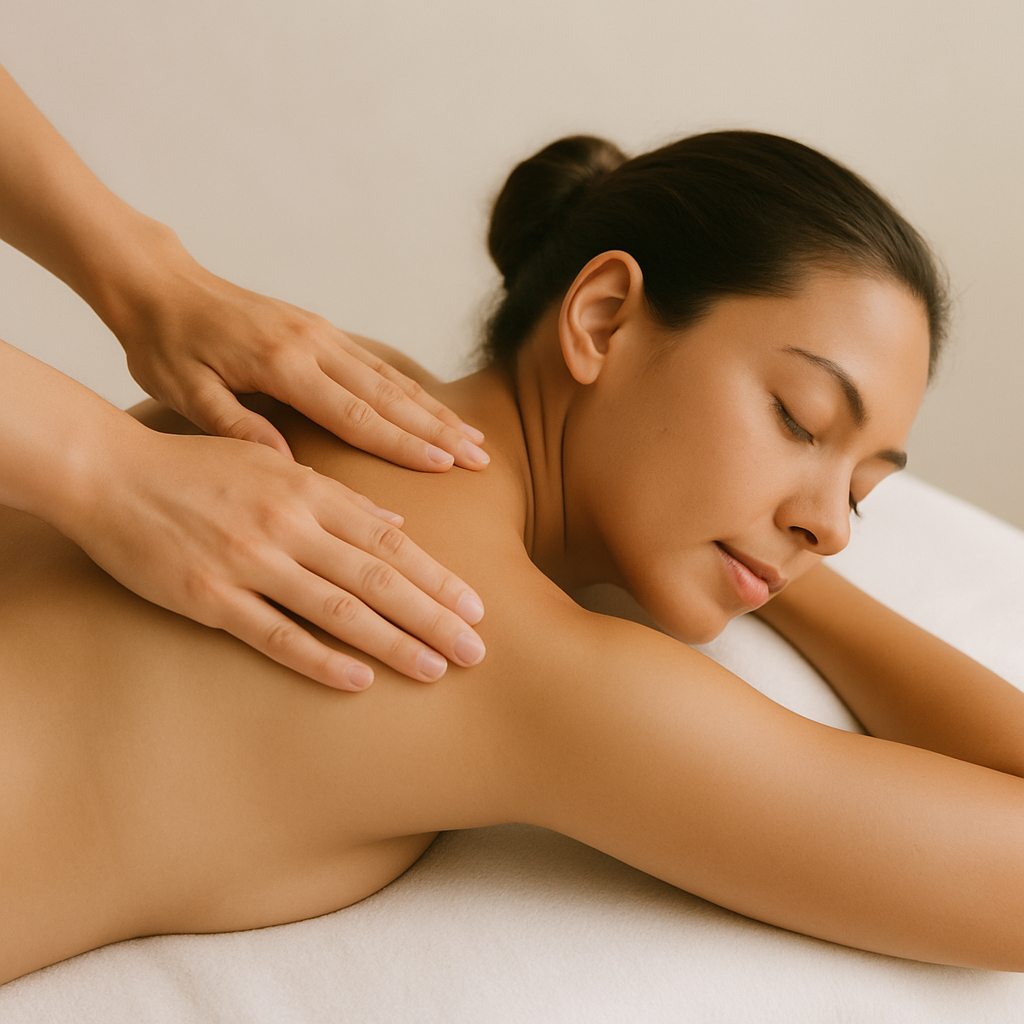
- Massage Therapy: Involves manipulating muscles and connective tissues to improve circulation and reduce tension.
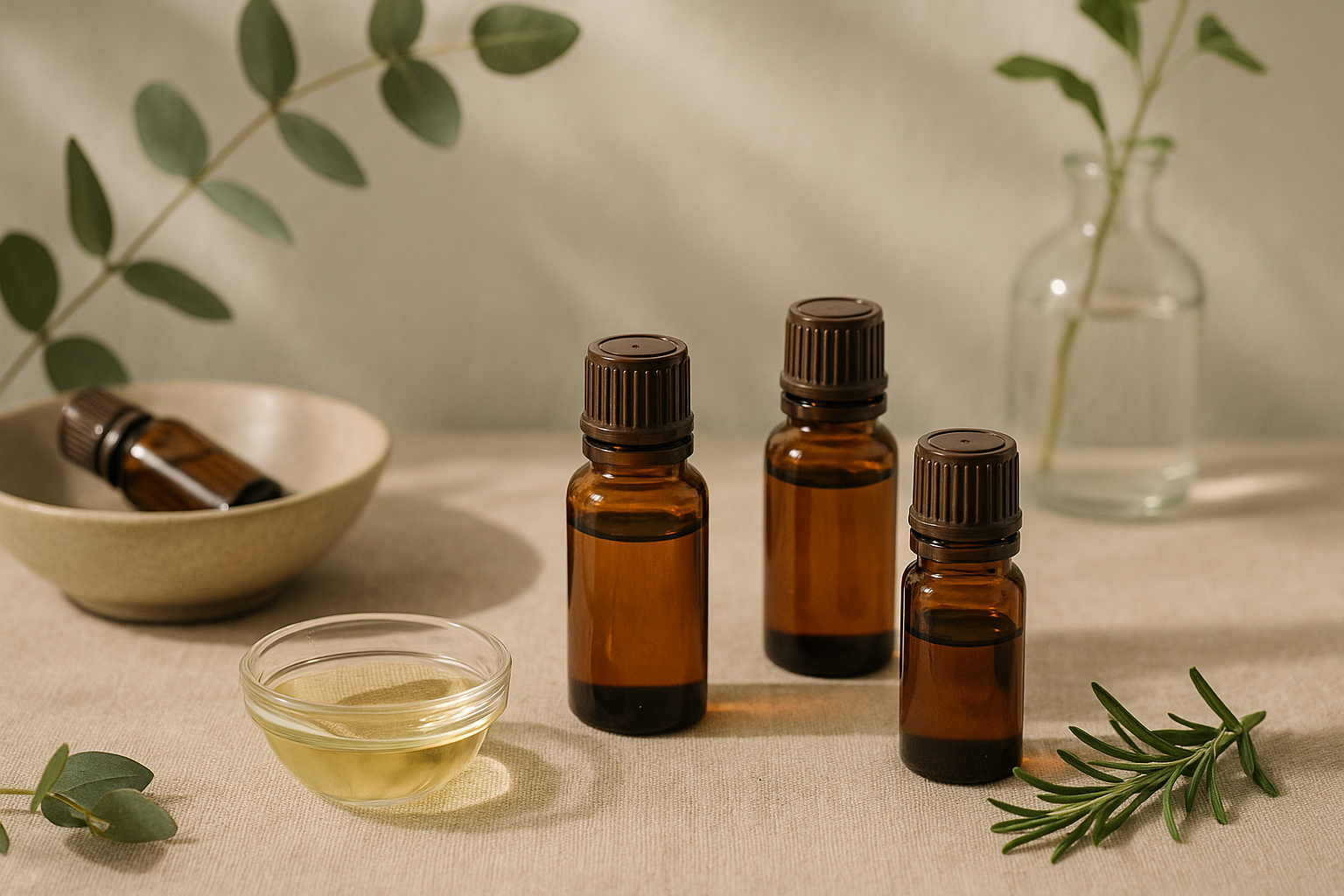
- Essential Oils: Oils like lavender (Lavandula angustifolia) and peppermint (Mentha piperita) are known for their anti-inflammatory and analgesic properties.
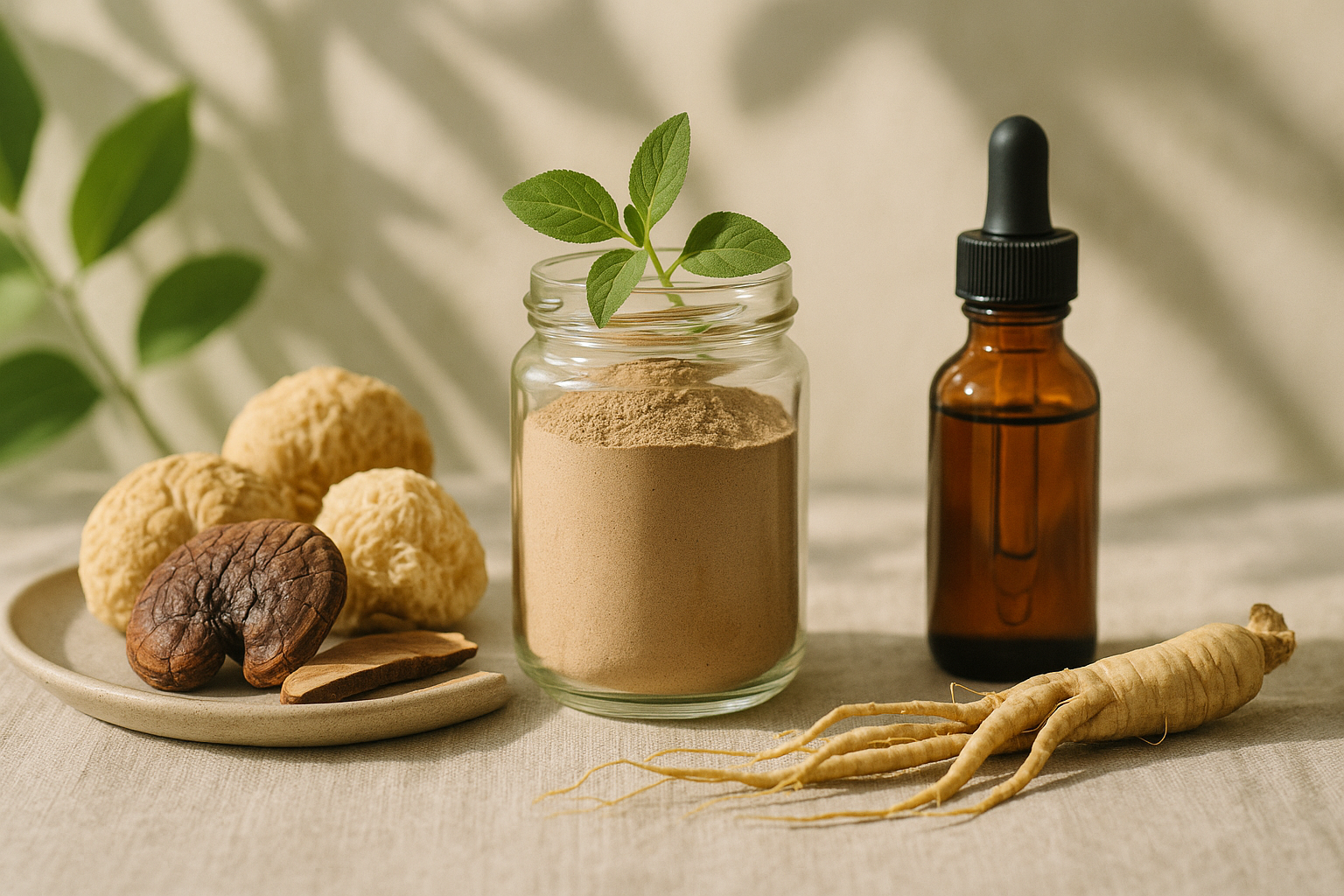
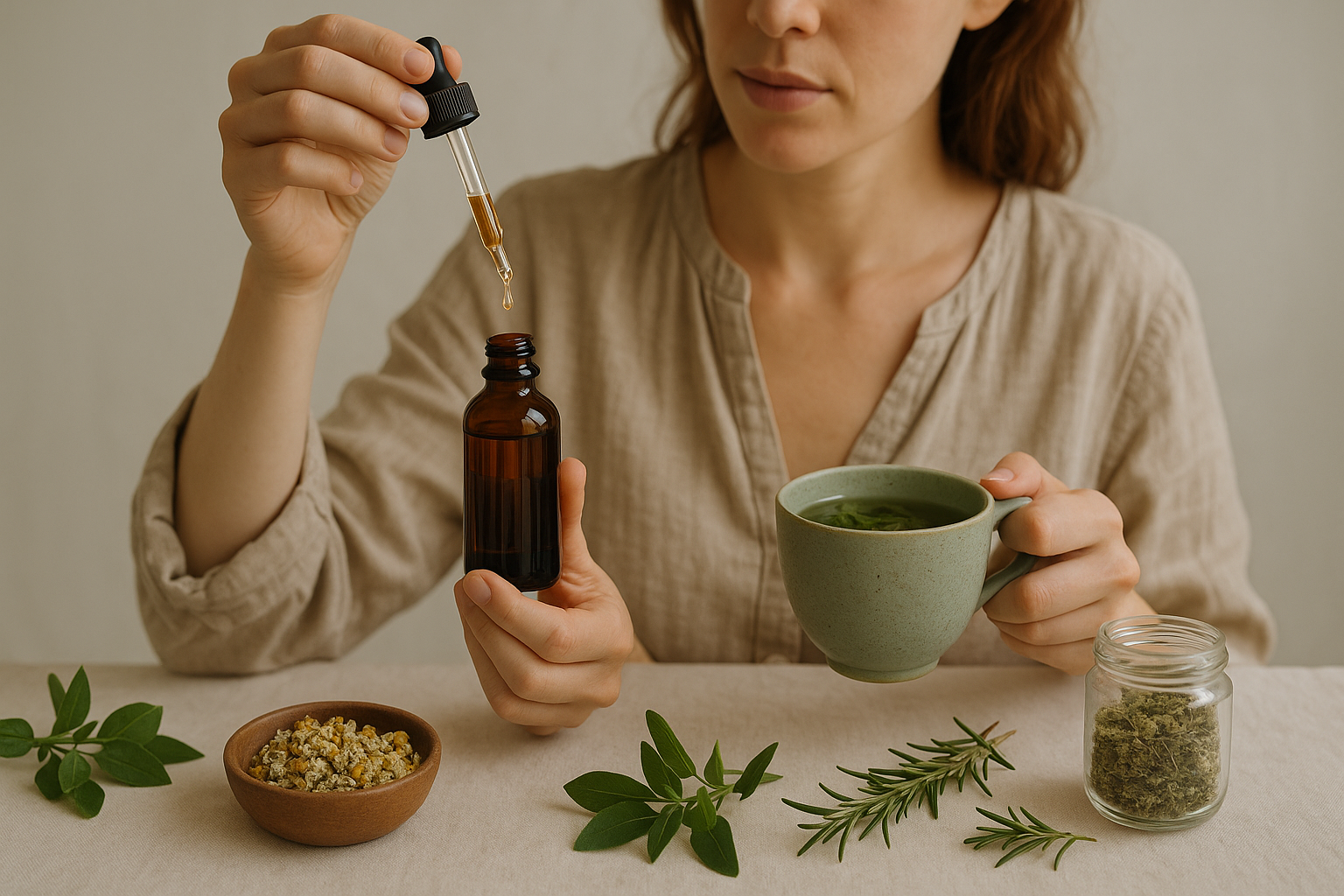
- Herbal Remedies: Turmeric (Curcuma longa) contains curcumin, which has been studied for its potential to reduce muscle soreness and inflammation.
- Magnesium: An essential mineral that plays a vital role in muscle function and recovery.
Traditional Uses
Historically, various cultures have employed massage and bodywork techniques for muscle recovery:
- In Ancient Greece, athletes used massage to prepare for and recover from competitions.
- Traditional Chinese Medicine (TCM) incorporates acupressure and tui na (Chinese therapeutic massage) to relieve muscle tension and promote healing.
- Ayurvedic practices from India utilize various forms of bodywork and herbal remedies to support muscle recovery and overall wellness.
What Modern Research Suggests
Recent studies have begun to validate many traditional practices regarding muscle recovery:
- Research indicates that massage therapy can lead to reduced muscle soreness and improved recovery times after intense physical activity.
- Studies on essential oils like lavender and peppermint suggest they may effectively alleviate muscle pain and enhance relaxation.
- Curcumin, found in turmeric, has been shown to possess anti-inflammatory properties that can aid in muscle recovery.
Functional Actions
The functional actions of massage and bodywork in muscle recovery include:
- Reducing Muscle Tension: Helps alleviate tightness and discomfort in muscles.
- Improving Circulation: Boosts blood flow, facilitating nutrient delivery and waste removal from muscle tissues.
- Enhancing Flexibility: Promotes greater range of motion and prevents injuries.
Body Systems Supported
Massage and bodywork support multiple body systems, including:
- Musculoskeletal System: Directly addresses muscle tension and pain.
- Circulatory System: Enhances blood flow and lymphatic drainage.
- Nervous System: Promotes relaxation and reduces stress levels, which can indirectly benefit muscle recovery.
Common Forms & Educational Dosing Ranges
Various forms of massage and bodywork techniques can aid in muscle recovery:
- Swedish Massage: A gentle form that promotes relaxation and circulation.
- Deep Tissue Massage: Targets deeper muscle layers and is beneficial for chronic muscle tension.
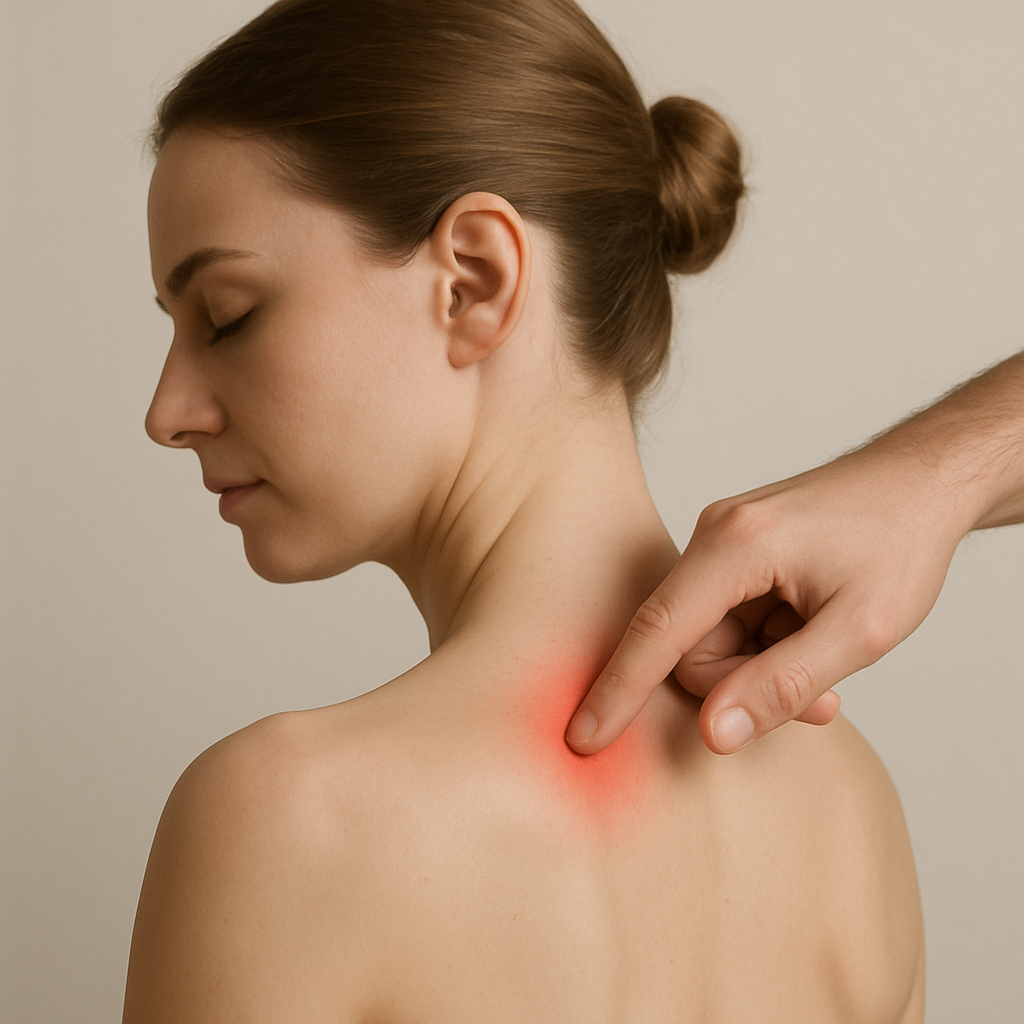
- Trigger Point Therapy: Focuses on specific tight areas within muscles to relieve pain.
- Foam Rolling: A self-myofascial release technique that helps in muscle recovery.
For essential oils, common dosing ranges include:
- Lavender oil: 3-5 drops in a carrier oil for topical application.
- Peppermint oil: 2-3 drops mixed with a carrier oil for muscle discomfort.
- Turmeric extract: 400-600 mg of curcumin daily as a supplement.
Safety, Contraindications & Interactions
While generally safe, specific precautions should be considered:
- Massage therapy may not be suitable for individuals with certain medical conditions, such as fractures, severe osteoporosis, or skin infections.
- Essential oils can cause allergic reactions in some individuals. Always perform a patch test before using topically.
- Turmeric may interact with blood thinners, such as warfarin, and increase bleeding risk.
Pairs Well With
To enhance muscle recovery, consider pairing massage and bodywork with:
- Hydration: Drinking plenty of water aids in recovery.
- Nutrition: Consuming protein-rich foods supports muscle repair.
- Rest: Sufficient sleep is essential for overall recovery.
FAQs (5)
- How often should I get a massage for muscle recovery? It depends on your activity level; generally, 1-2 times a week is beneficial for active individuals.
- Can I use essential oils for muscle soreness? Yes, oils like lavender and peppermint can be diluted and applied topically to alleviate soreness.
- Is foam rolling effective for muscle recovery? Yes, foam rolling can help release muscle tension and improve flexibility.
- What is the best time to get a massage for recovery? Post-exercise massages can be particularly effective for muscle recovery.
- Are there any risks associated with massage therapy? While generally safe, individuals with certain medical conditions should consult a healthcare provider before receiving massage therapy.
Frequently asked
How often should I get a massage for muscle recovery?
It depends on your activity level; generally, 1-2 times a week is beneficial for active individuals.
Can I use essential oils for muscle soreness?
Yes, oils like lavender and peppermint can be diluted and applied topically to alleviate soreness.
Is foam rolling effective for muscle recovery?
Yes, foam rolling can help release muscle tension and improve flexibility.
What is the best time to get a massage for recovery?
Post-exercise massages can be particularly effective for muscle recovery.
Are there any risks associated with massage therapy?
While generally safe, individuals with certain medical conditions should consult a healthcare provider before receiving massage therapy.