Therapeutic Massage
Discover the world of therapeutic massage, its historical roots, modern implications, and practical applications for enhancing well-being.
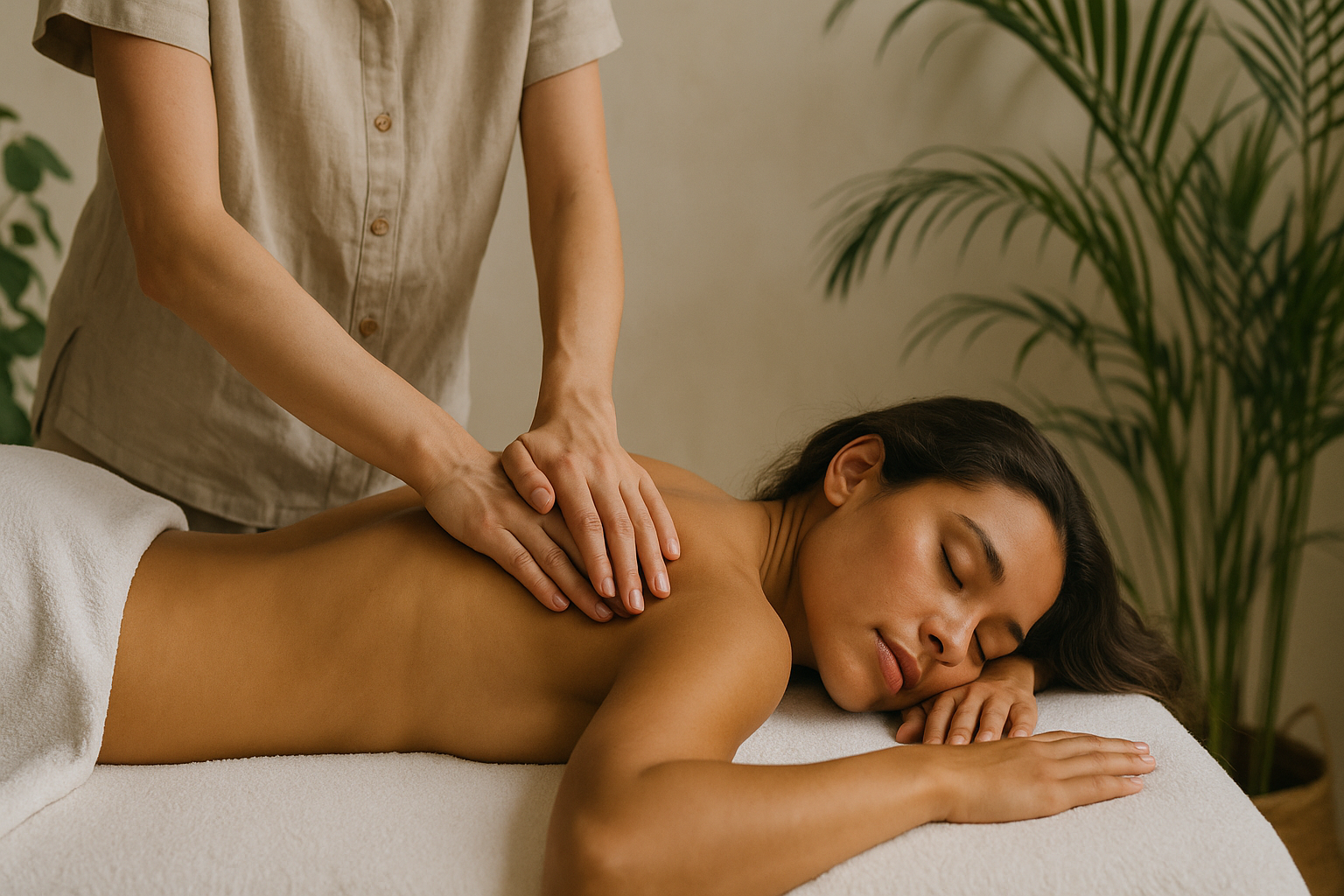
Explore the benefits and practices of therapeutic massage as a natural remedy to promote wellness and relaxation. Learn about its historical significance, modern research findings, and practical considerations for incorporating it into your health routine.
What It Is
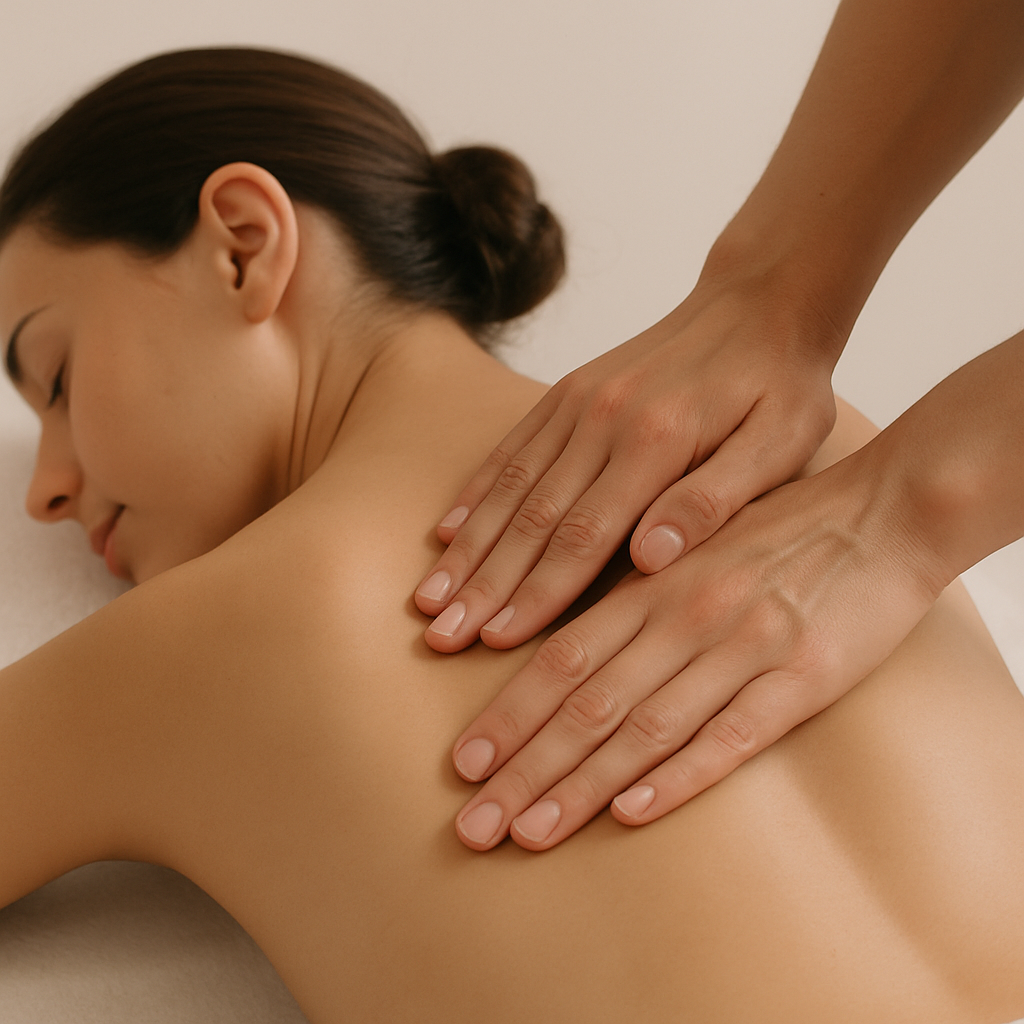
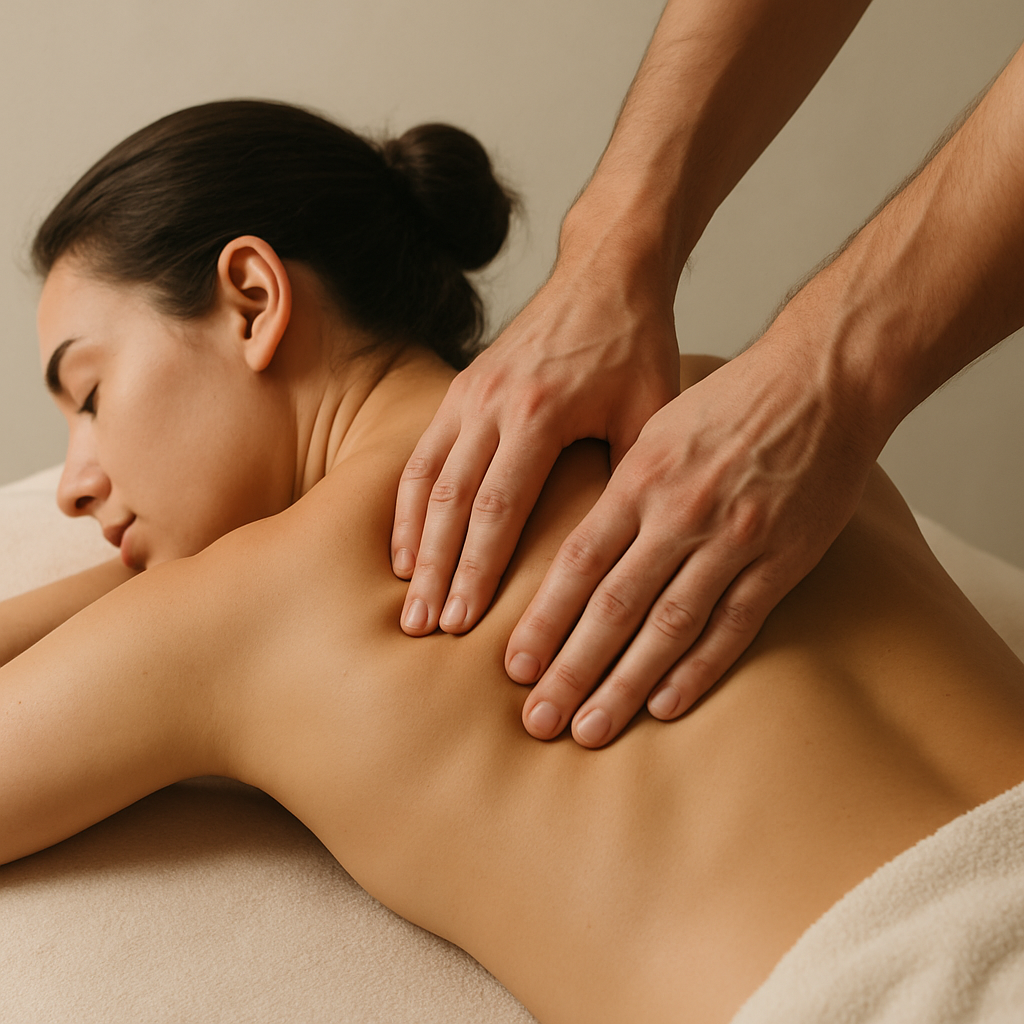
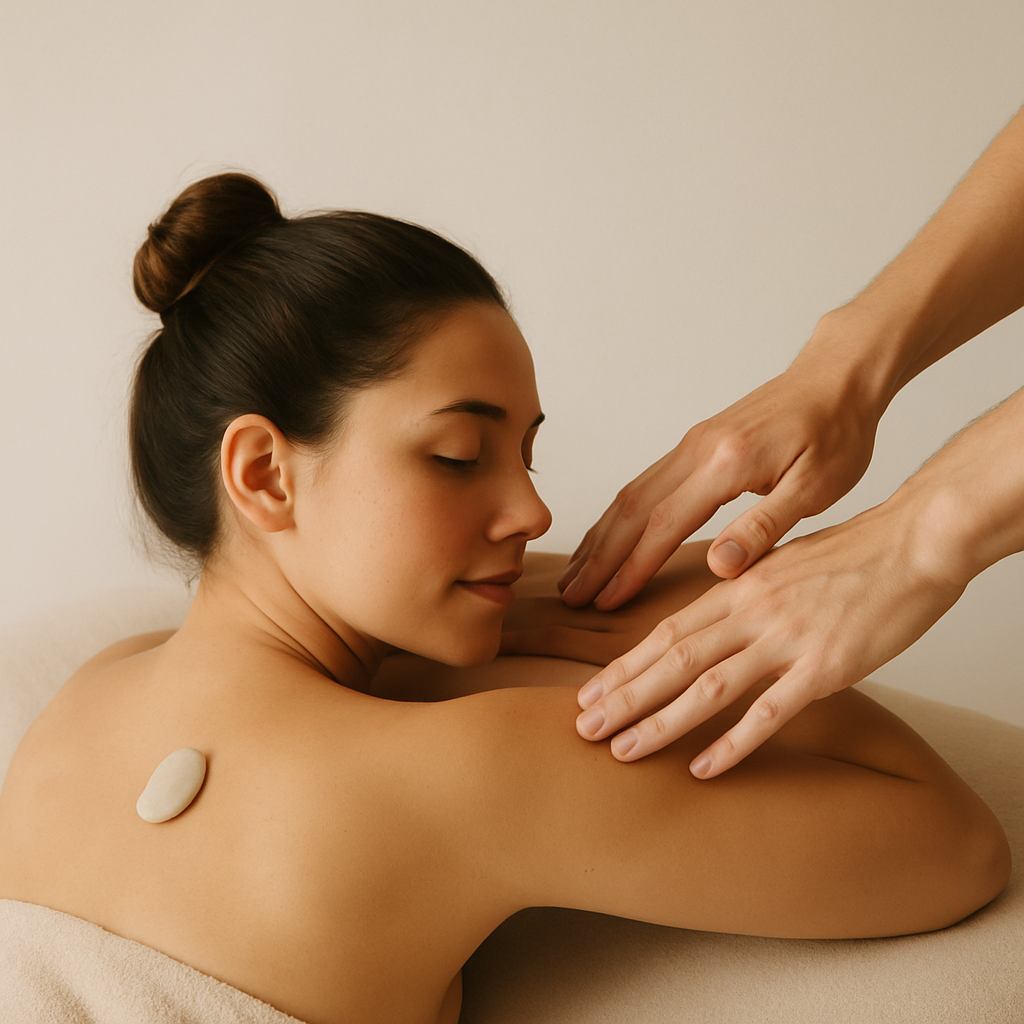
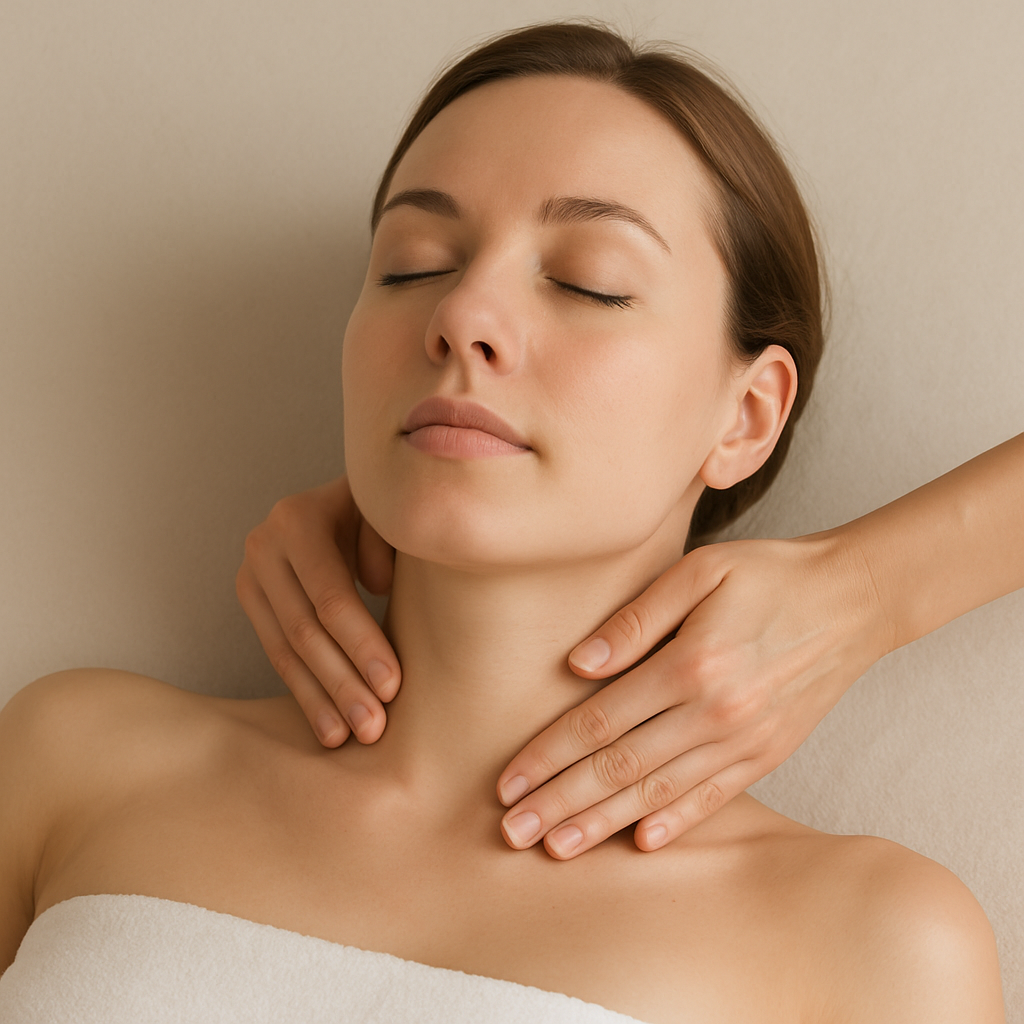
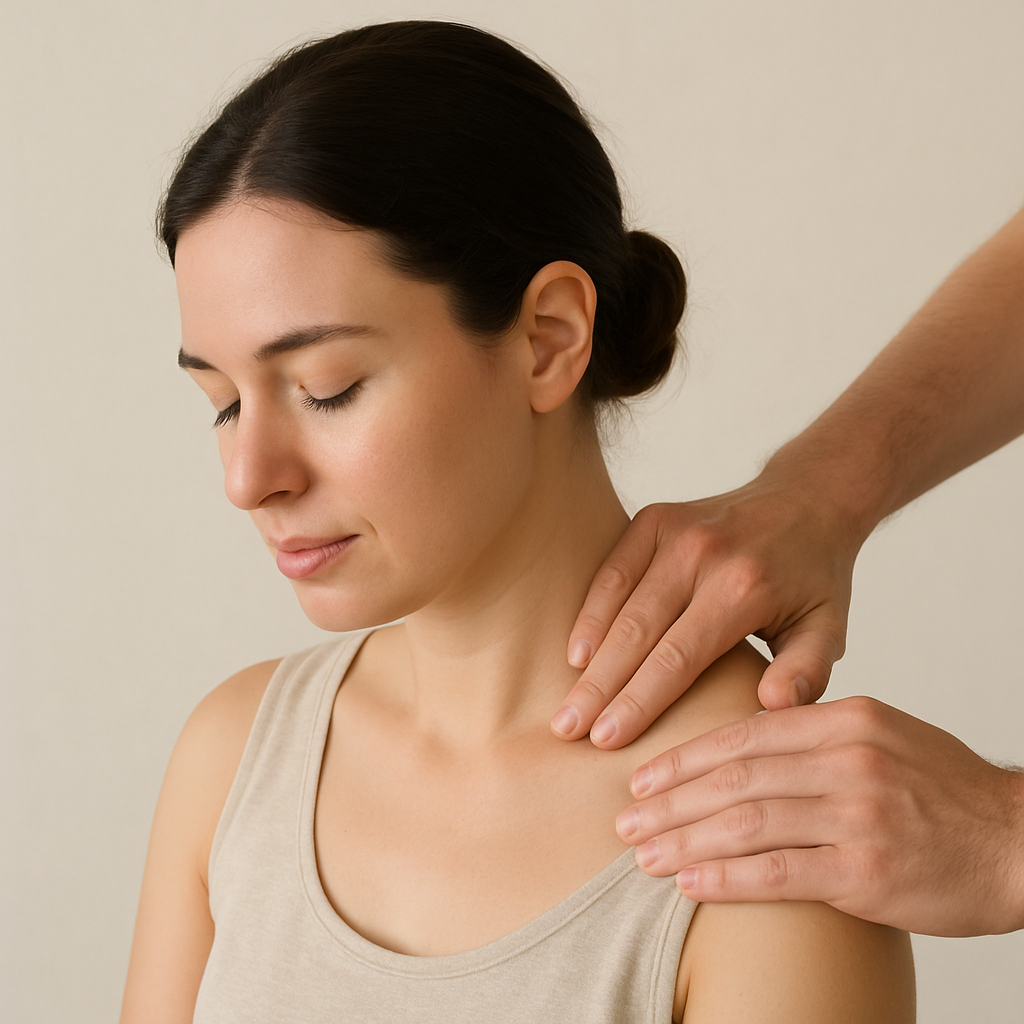
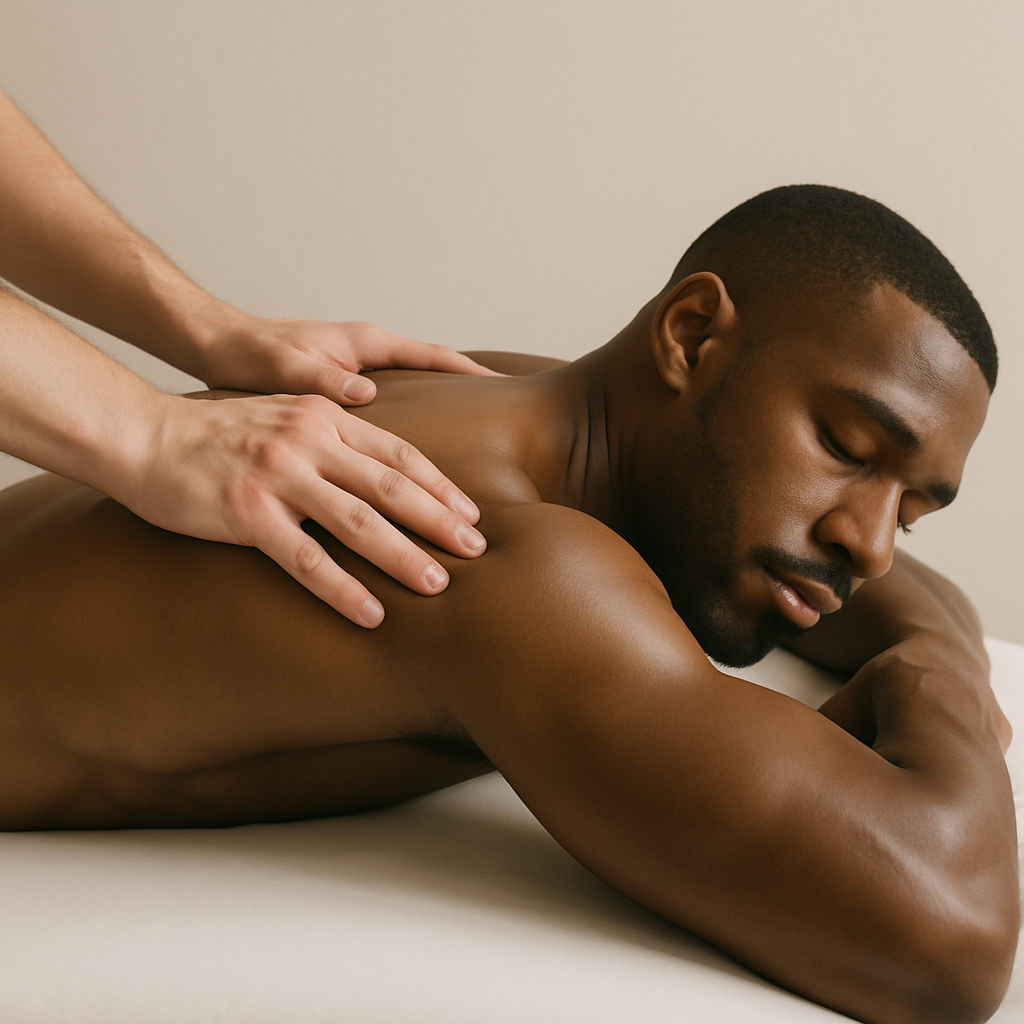
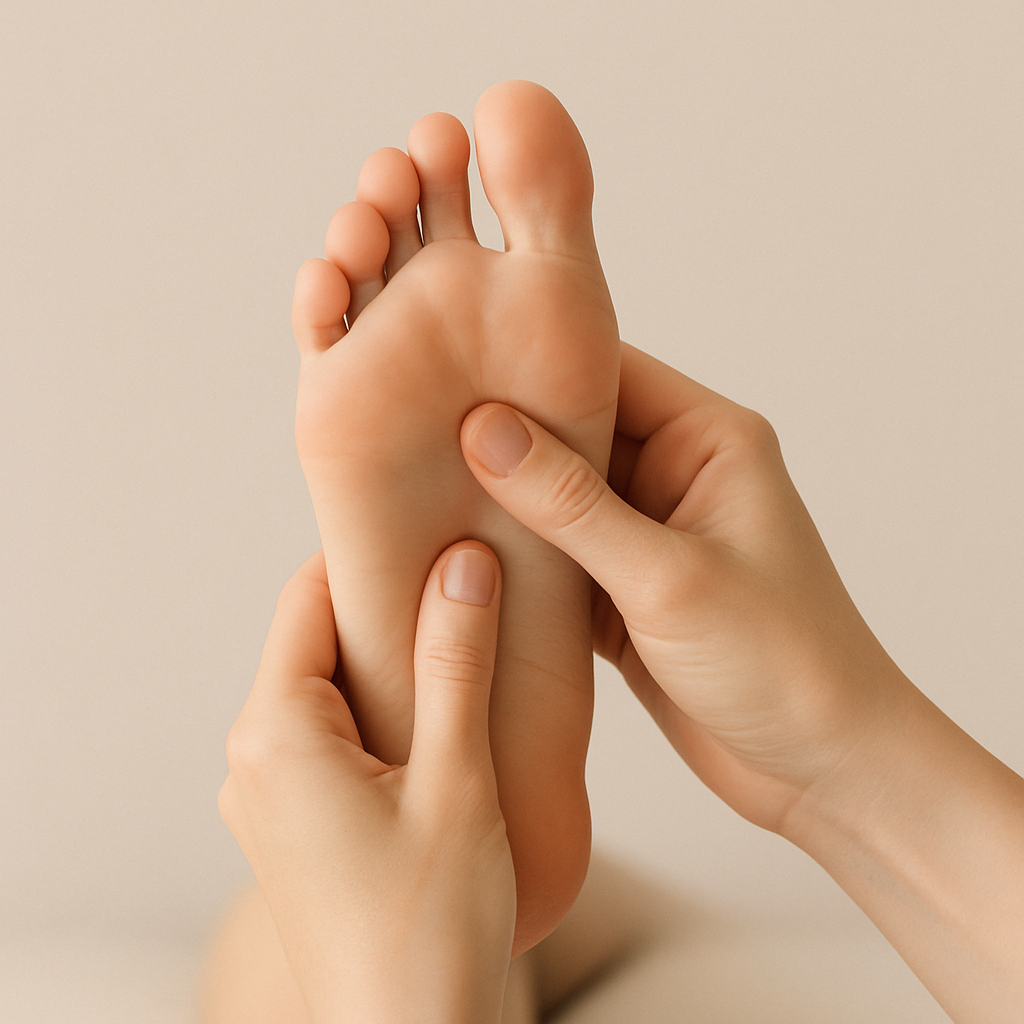
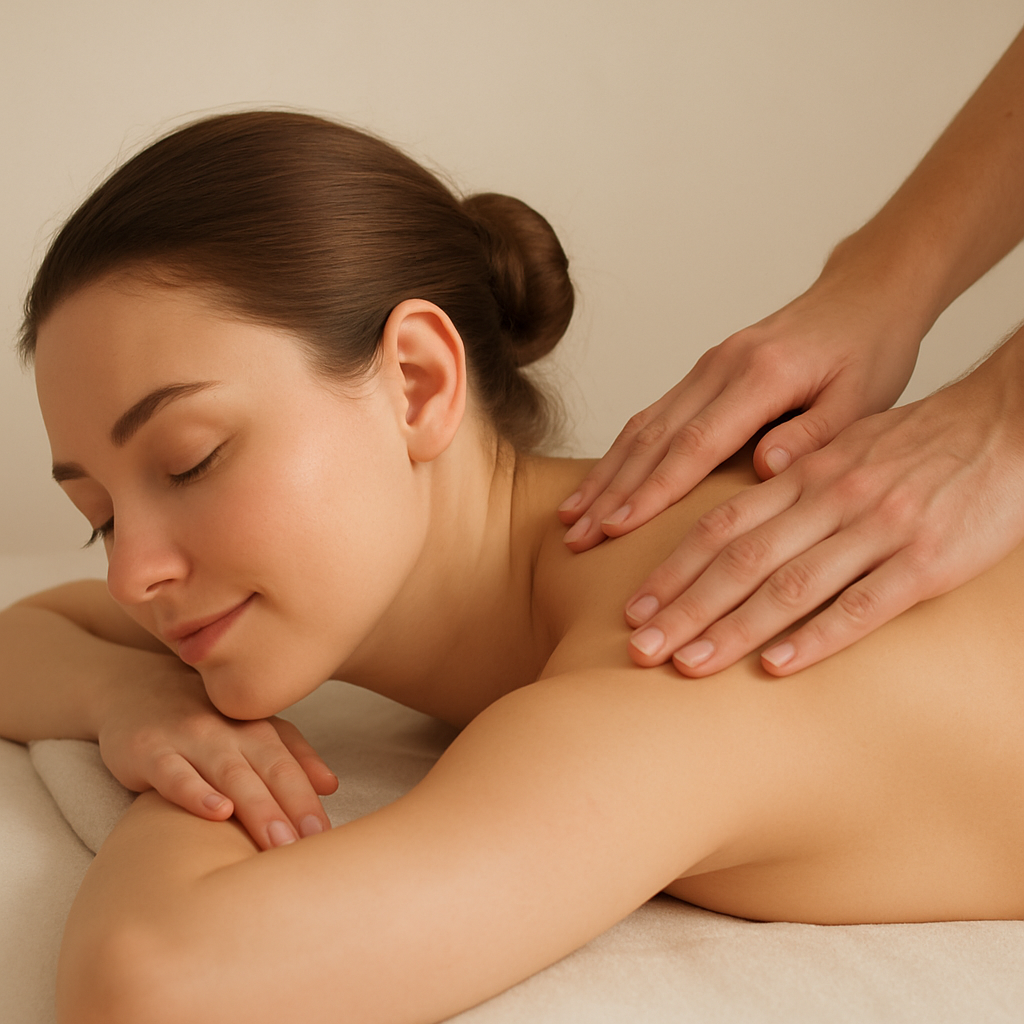
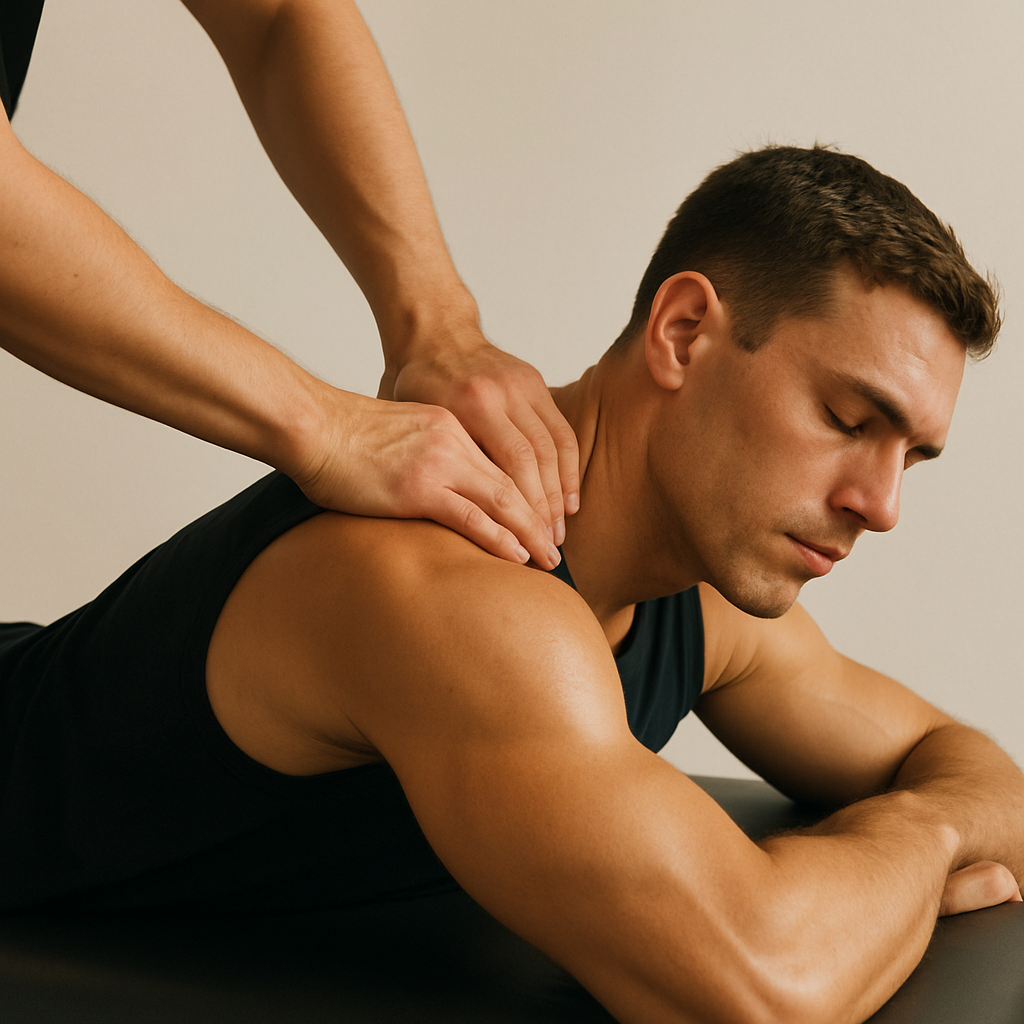
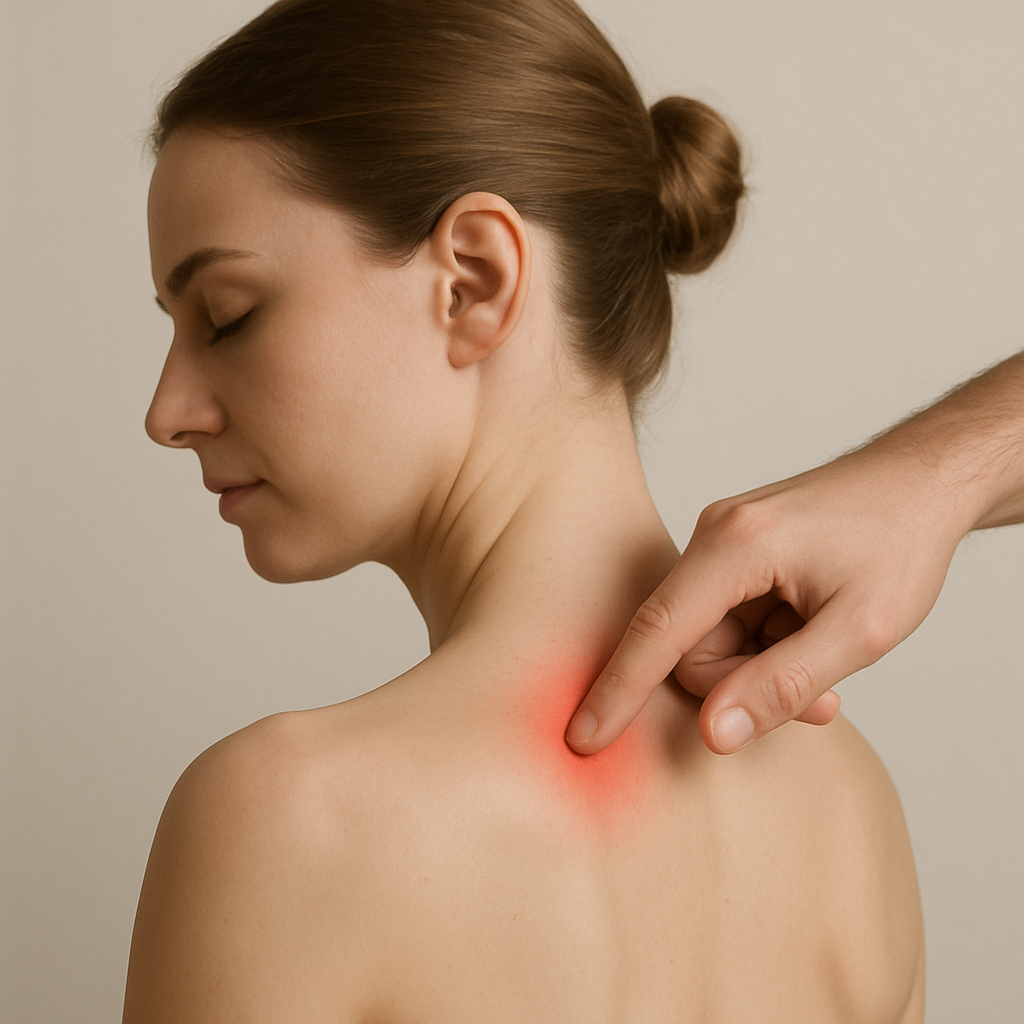
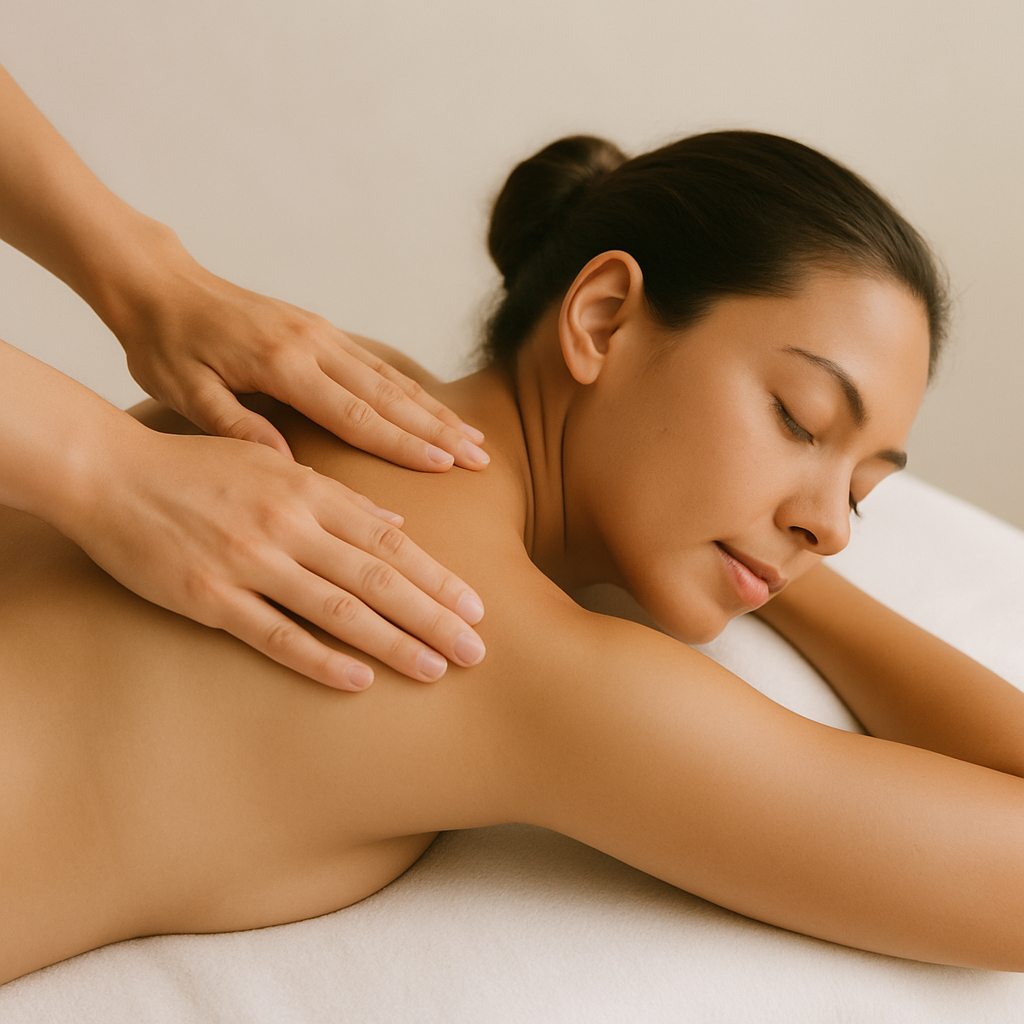
Therapeutic massage refers to the application of various techniques to manipulate the soft tissues of the body, including muscles, tendons, ligaments, and fascia. This practice aims to enhance physical function and promote relaxation, alleviating tension and discomfort. Techniques can range from gentle strokes to deeper pressure methods, tailored to the individual’s needs.
Key Active Compounds & Mechanisms
While therapeutic massage itself does not contain "active compounds" in the way herbal remedies do, its effectiveness relies on physiological mechanisms. Massage promotes blood circulation, reduces muscle tension, enhances lymphatic drainage, and stimulates the release of endorphins, which are natural pain relievers. Additionally, it can help decrease levels of the stress hormone cortisol, leading to an overall sense of well-being.
Traditional Uses
Historically, various cultures have utilized massage as a healing practice. Ancient civilizations, including the Egyptians, Greeks, and Chinese, recognized the benefits of touch and manipulation of the body. In Traditional Chinese Medicine, for example, massage (known as Tui Na) has been practiced for thousands of years to balance energy (Qi) and promote health. Similarly, Ayurvedic traditions from India incorporate massage as part of holistic health practices aimed at harmonizing the body, mind, and spirit.
What Modern Research Suggests
Modern studies suggest that therapeutic massage can be beneficial for a range of conditions. Preliminary evidence indicates it may help reduce chronic pain, alleviate anxiety and depression, and improve sleep quality. Clinical trials have shown positive outcomes for individuals with fibromyalgia, arthritis, and muscle soreness. However, while encouraging, these findings necessitate further research to fully understand the extent of its benefits.
Functional Actions
The functional actions of therapeutic massage include:
- Pain Relief: Reduces muscle tension and alleviates discomfort.
- Improved Circulation: Enhances blood flow and oxygen delivery to tissues.
- Relaxation: Induces a state of calmness and reduces stress levels.
- Enhanced Flexibility: Increases range of motion in joints and muscles.
- Support for Rehabilitation: Assists in recovery from injuries and surgeries.
Body Systems Supported
Therapeutic massage supports multiple body systems, including:
- Musculoskeletal System: Helps relieve tension and improves mobility.
- Nervous System: Promotes relaxation and reduces stress response.
- Circulatory System: Enhances blood flow and lymphatic drainage.
- Endocrine System: Influences hormone release, particularly stress hormones.
Common Forms & Educational Dosing Ranges
Therapeutic massage can be delivered in various forms, including:
- Swedish Massage: Long, gentle strokes for relaxation.
- Deep Tissue Massage: Focuses on deeper layers of muscle and connective tissue.
- Sports Massage: Targeted techniques to enhance athletic performance and recovery.
- Aromatherapy Massage: Combines essential oils with massage techniques for added benefits.
Educational dosing ranges for therapeutic massage may vary based on individual needs, but generally, sessions can last from 30 minutes to 90 minutes, with frequency ranging from once a week to once a month, depending on personal goals and health conditions.
Safety, Contraindications & Interactions
Therapeutic massage is generally safe for most individuals; however, certain contraindications exist. It is advisable to avoid massage if you have:
- Severe osteoporosis
- Blood clot disorders
- Skin infections or open wounds
- Severe burns or injuries
- Certain cancers
Additionally, individuals on anticoagulant medications, such as warfarin or heparin, should consult with a healthcare provider before receiving massage therapy, as it may increase the risk of bruising or bleeding.
Pairs Well With
Therapeutic massage can be effectively paired with other natural remedies and practices, including:
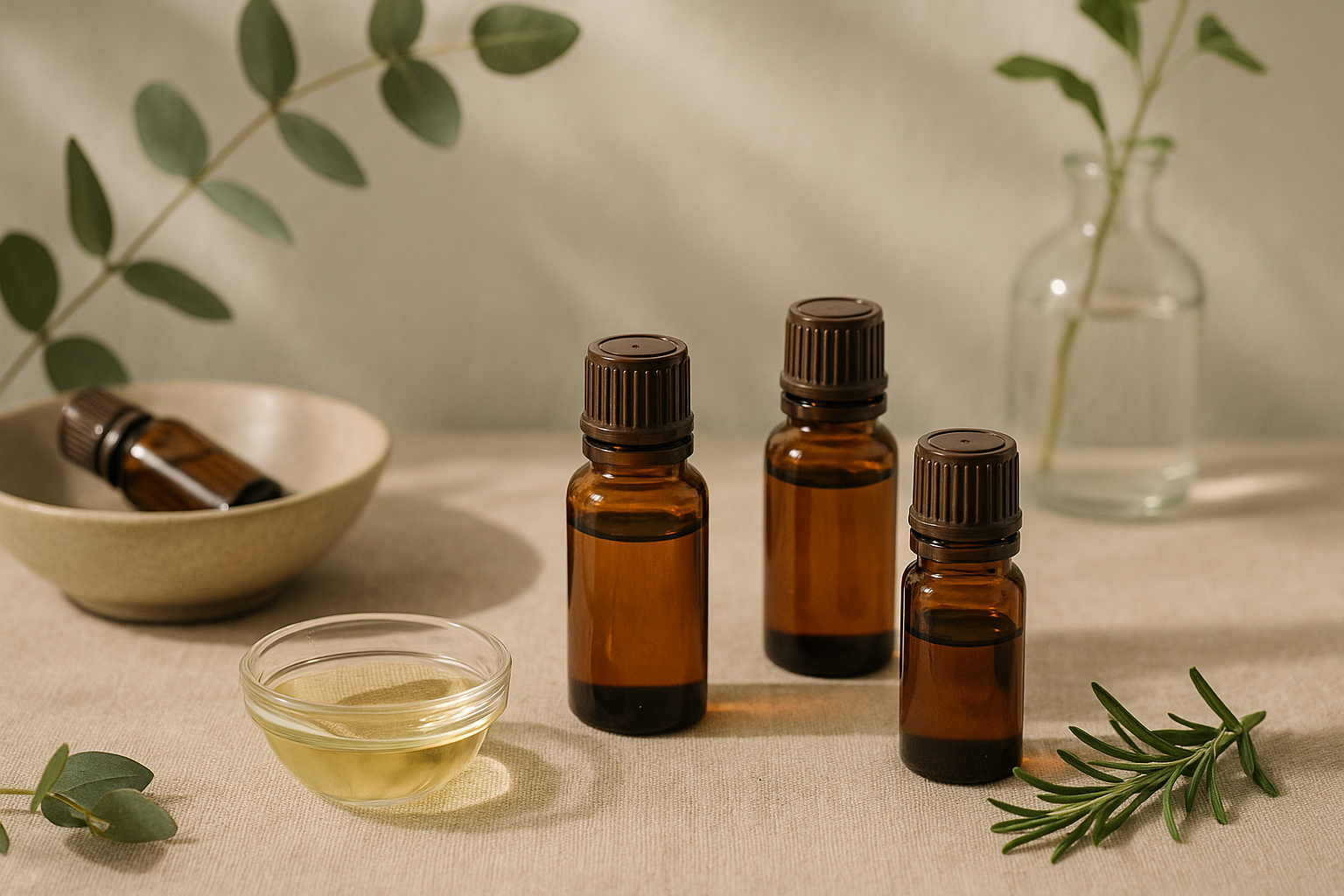
- Essential Oils: Enhance the experience and benefits of massage.
- Yoga: Improves flexibility and promotes relaxation.
- Meditation: Amplifies mental calmness and stress reduction.
- Herbal Supplements: Such as turmeric or ginger, which may support inflammation reduction.
FAQs (5)
- Is therapeutic massage painful? While some discomfort may occur, especially in deep tissue techniques, it should not be excessively painful. Communication with the therapist is crucial.
- How often should I get a massage? Frequency depends on personal needs; however, many find benefit in receiving a massage once a month or more frequently for specific conditions.
- Can massage help with stress and anxiety? Yes, therapeutic massage is known to promote relaxation and reduce stress levels, making it beneficial for anxiety management.
- Are there any side effects of massage? Some individuals may experience temporary soreness or bruising, but serious side effects are rare when performed by a qualified therapist.
- Can I receive a massage while pregnant? Prenatal massage is often safe and beneficial, but it is essential to consult with a healthcare provider and work with a therapist experienced in prenatal techniques.
Frequently asked
Is therapeutic massage painful?
While some discomfort may occur, especially in deep tissue techniques, it should not be excessively painful. Communication with the therapist is crucial.
How often should I get a massage?
Frequency depends on personal needs; however, many find benefit in receiving a massage once a month or more frequently for specific conditions.
Can massage help with stress and anxiety?
Yes, therapeutic massage is known to promote relaxation and reduce stress levels, making it beneficial for anxiety management.
Are there any side effects of massage?
Some individuals may experience temporary soreness or bruising, but serious side effects are rare when performed by a qualified therapist.
Can I receive a massage while pregnant?
Prenatal massage is often safe and beneficial, but it is essential to consult with a healthcare provider and work with a therapist experienced in prenatal techniques.