Meditation Practices
Discover Native American meditation practices, their historical significance, practical applications, and safety considerations.
Explore the rich tradition of meditation practices within Native American Medicine, uncovering its historical roots, practical applications, and modern relevance.
What It Is
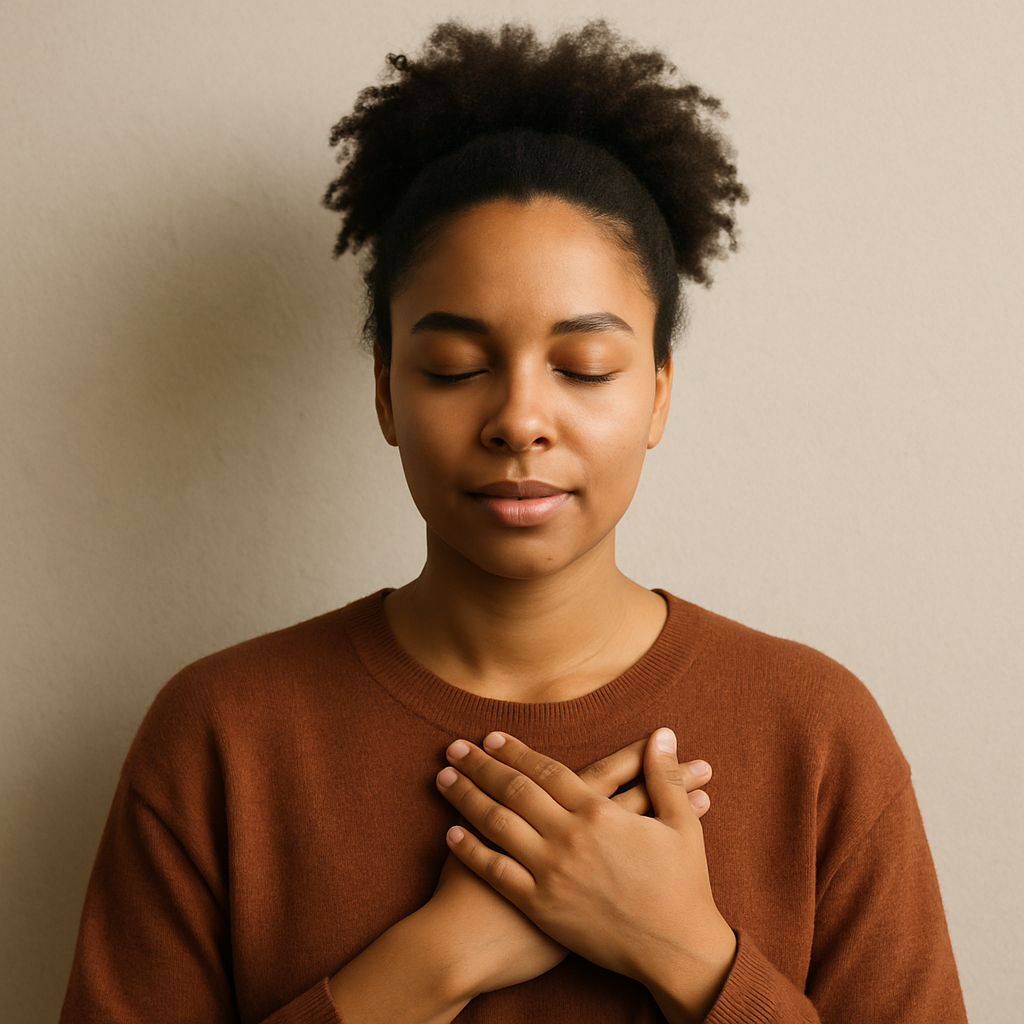
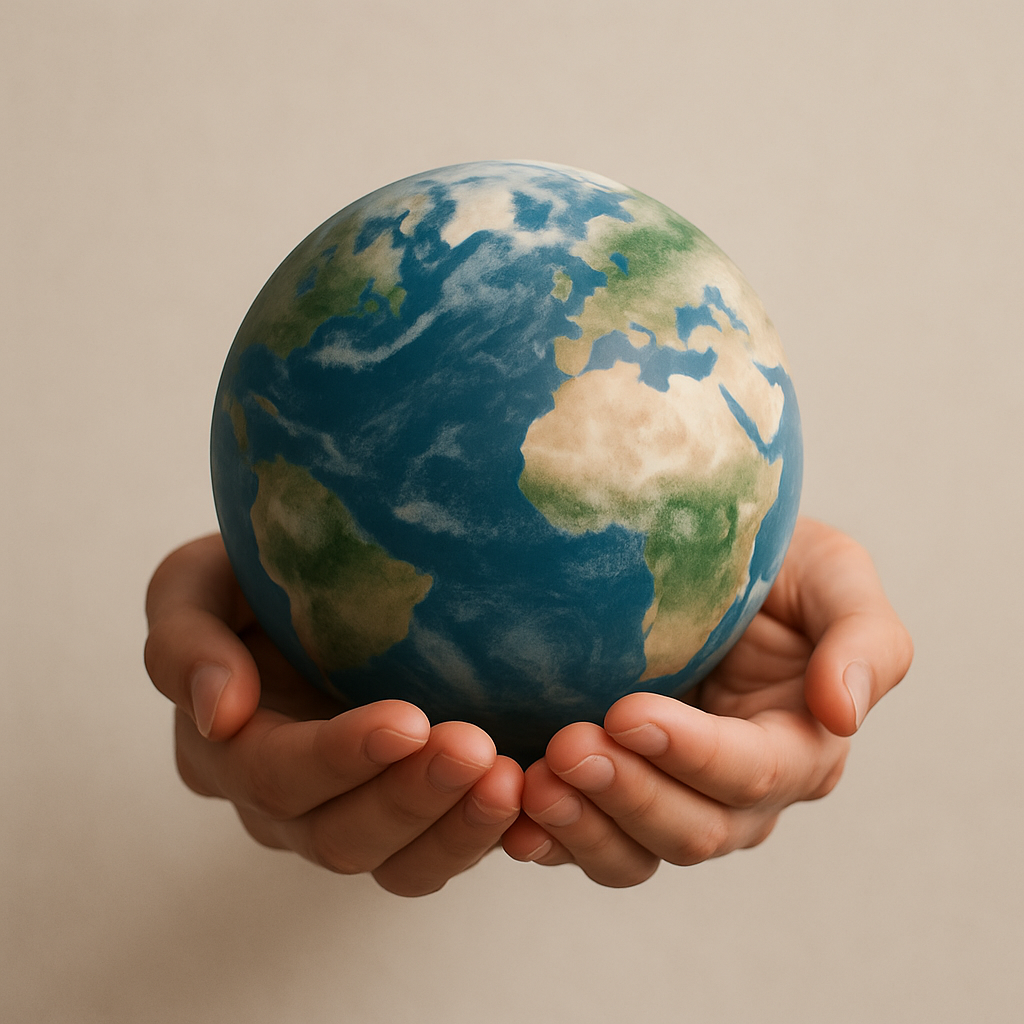
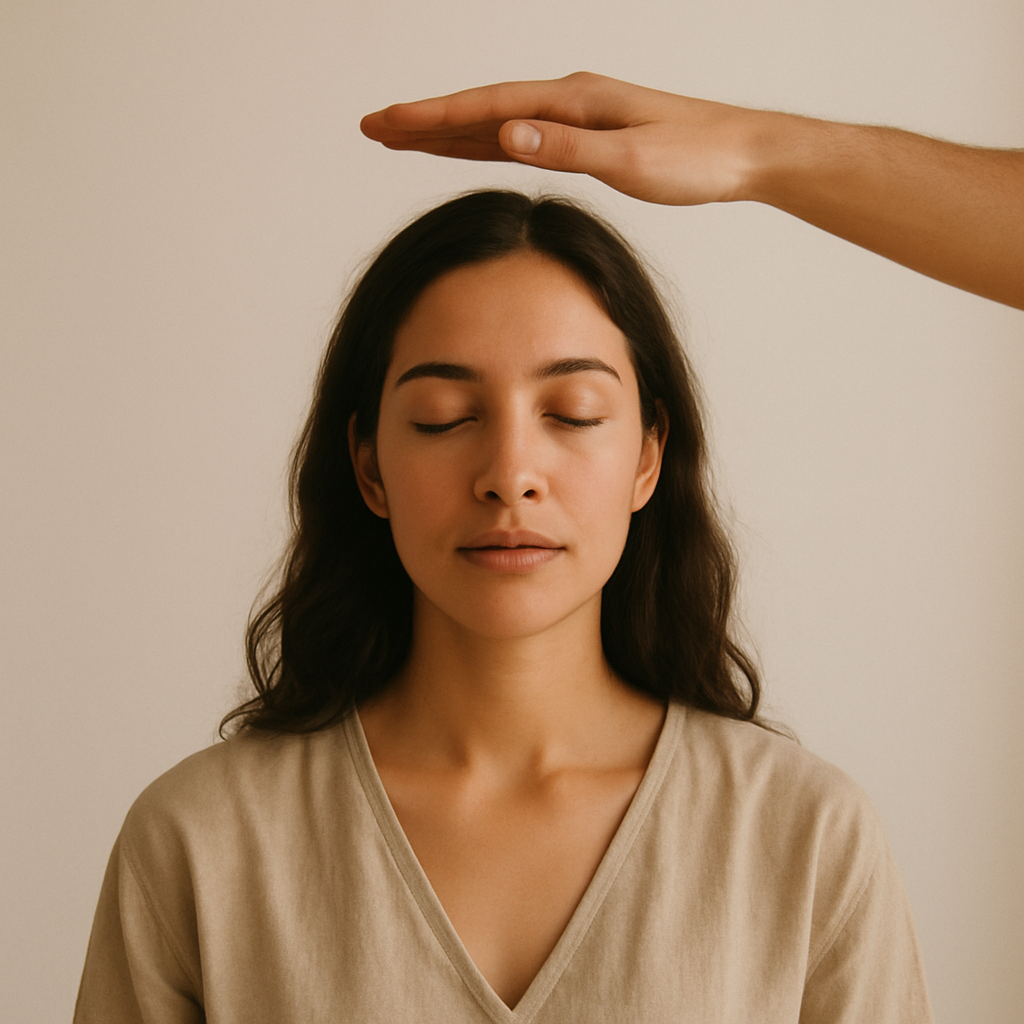
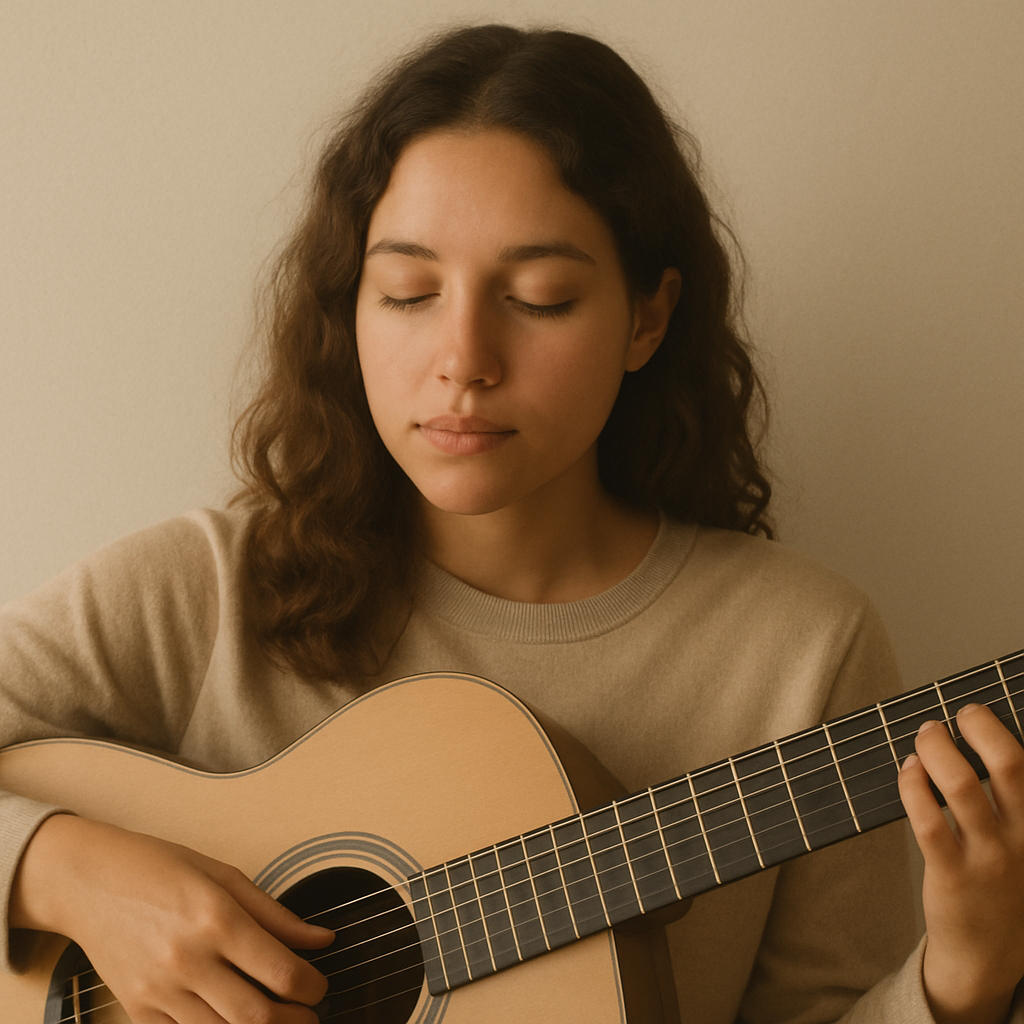
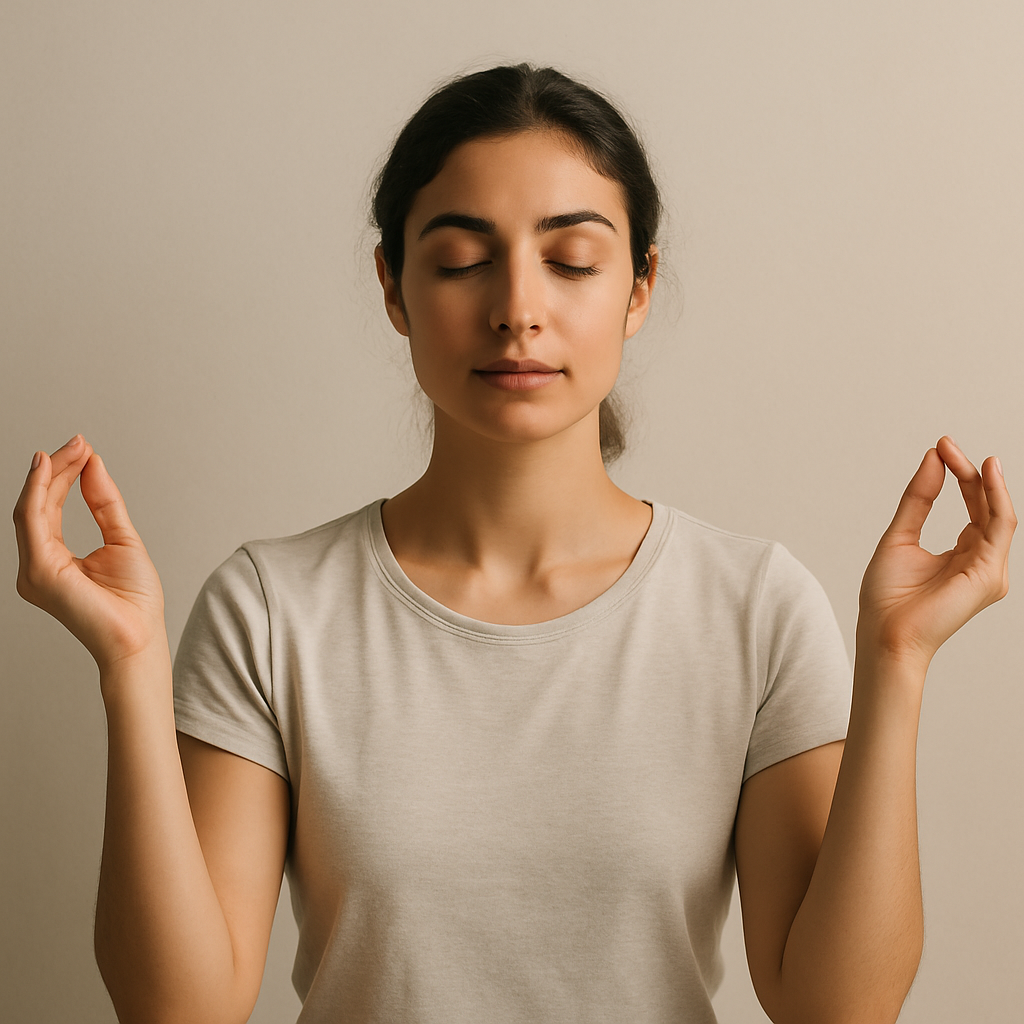
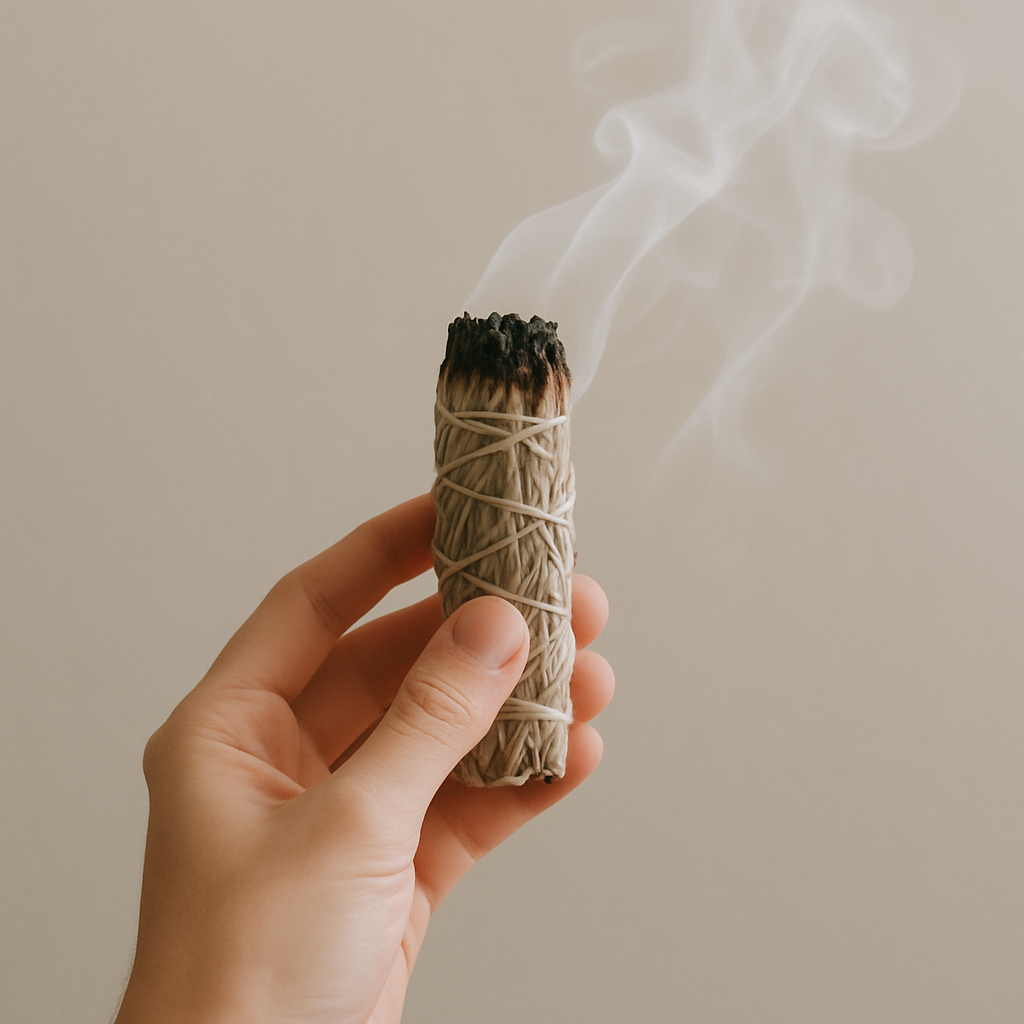
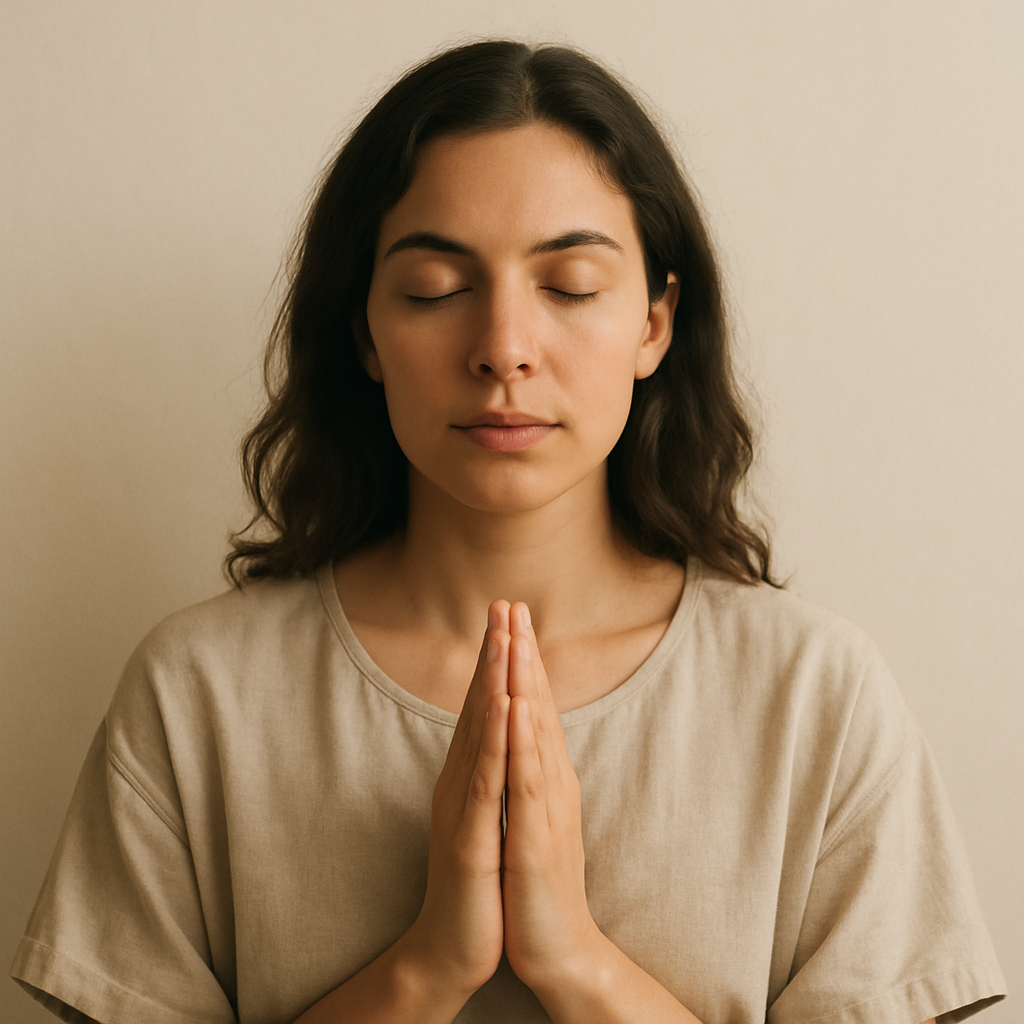
Meditation practices within Native American Medicine are profound techniques aimed at fostering a deep connection between individuals and the natural world. These practices emphasize mindfulness, awareness, and the importance of spiritual balance, often incorporating elements of nature and community. They serve as tools for personal growth, healing, and reconnecting with the earth and one’s own spirit.
At the heart of these practices is the understanding that meditation is not merely a solitary activity but a communal experience deeply embedded in the cultural narratives of Native American tribes. It often involves rituals, songs, and the use of natural elements, creating a holistic experience that nurtures both the body and spirit.
Historical Context Within Native American Medicine
Meditation practices in Native American Medicine date back thousands of years, rooted in the spiritual traditions of the continent's Indigenous peoples. These practices were developed by various tribes such as the Navajo, Lakota, and Hopi, who integrated them into their daily lives, ceremonies, and healing practices.
The emergence of meditation in these cultures is linked to their deep reverence for nature and the belief in the interconnectedness of all living things. Elders and spiritual leaders played a crucial role in passing down these practices, which were often taught through oral traditions and community rituals.
How It's Practiced
The practice of meditation in Native American Medicine can vary widely among tribes, but common elements include:
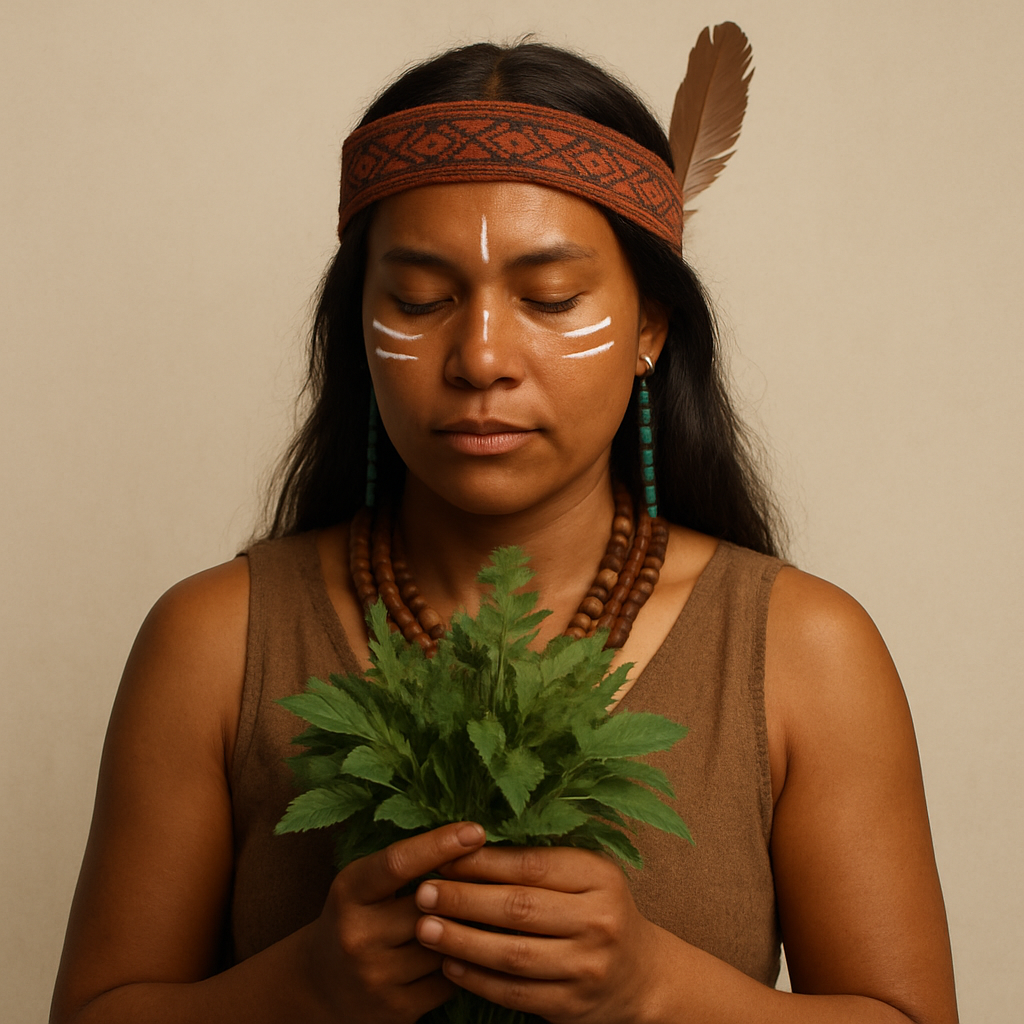
- Preparation: Participants may begin by creating a sacred space, often outdoors, surrounded by natural elements.
- Grounding Techniques: Practitioners often start with grounding exercises, such as deep breathing or connecting with the earth.
- Guided Imagery: Some meditations involve visualizations that draw on the imagery of nature, animals, or ancestors.
- Community Involvement: Group meditations may include sharing stories, songs, or drumming to enhance the experience.
- Closing Rituals: Sessions often conclude with gratitude expressions or prayers, reinforcing the connection to the earth and community.
What It Is Traditionally Explored For
Meditation practices in Native American Medicine are traditionally explored for various purposes, including:
- Enhancing spiritual connection and awareness.
- Fostering emotional healing and resilience.
- Promoting physical well-being and balance.
- Facilitating deeper understanding of personal and communal identity.
- Encouraging mindfulness and presence in daily life.
What Modern Research Suggests
Contemporary research into meditation practices, including those within Native American traditions, has shown promising results. Studies suggest that meditation can lead to reduced stress, improved emotional regulation, and enhanced overall well-being. Specific to Native American contexts, research has indicated that engaging in culturally relevant meditation practices can foster a sense of belonging and cultural identity, which is vital for mental health.
While more rigorous scientific studies are needed to fully understand the benefits and mechanisms of these practices, preliminary findings support the notion that traditional meditation can play a significant role in holistic health and wellness, particularly for Indigenous populations.
Safety, Contraindications & Who Should Skip
Meditation practices are generally considered safe for most individuals. However, those with certain mental health conditions or who experience severe anxiety might find some meditation techniques challenging. It is advisable for individuals in these situations to consult with a qualified practitioner or mental health professional before engaging deeply in meditation practices.
Pairs Well With (within Native American Medicine and across pillars)
Meditation practices can complement various other modalities and ingredients within Native American Medicine, including:
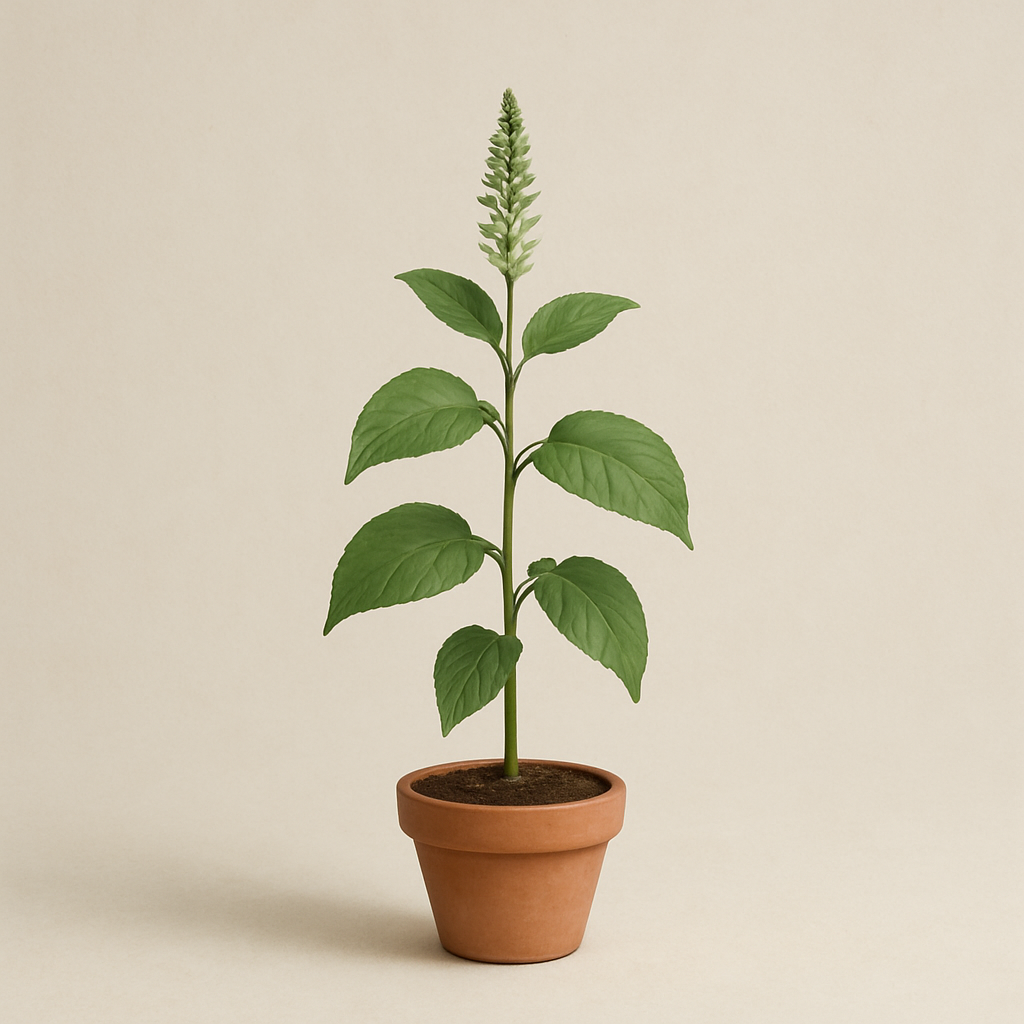
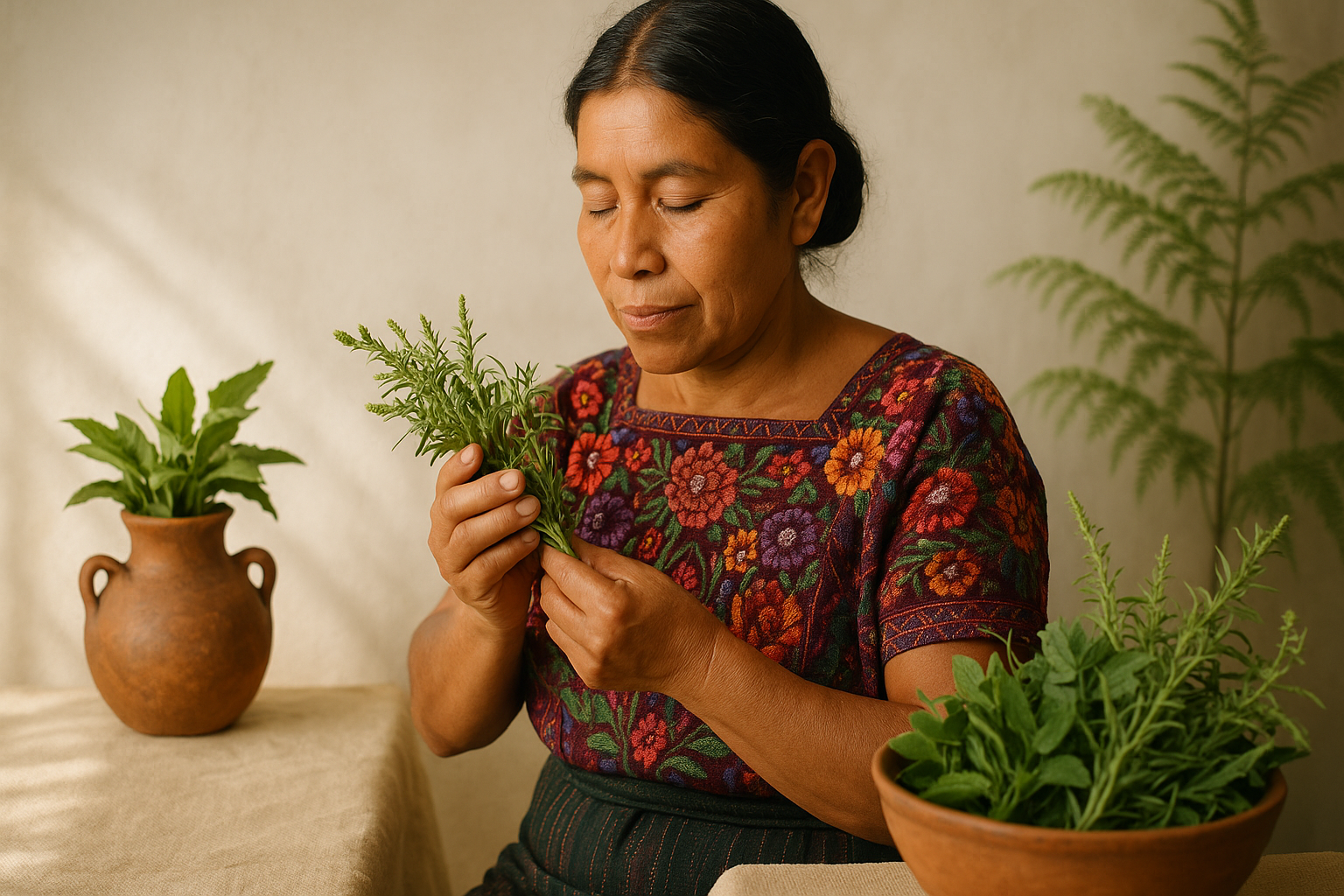
- Herbal remedies for enhancing relaxation and wellness.
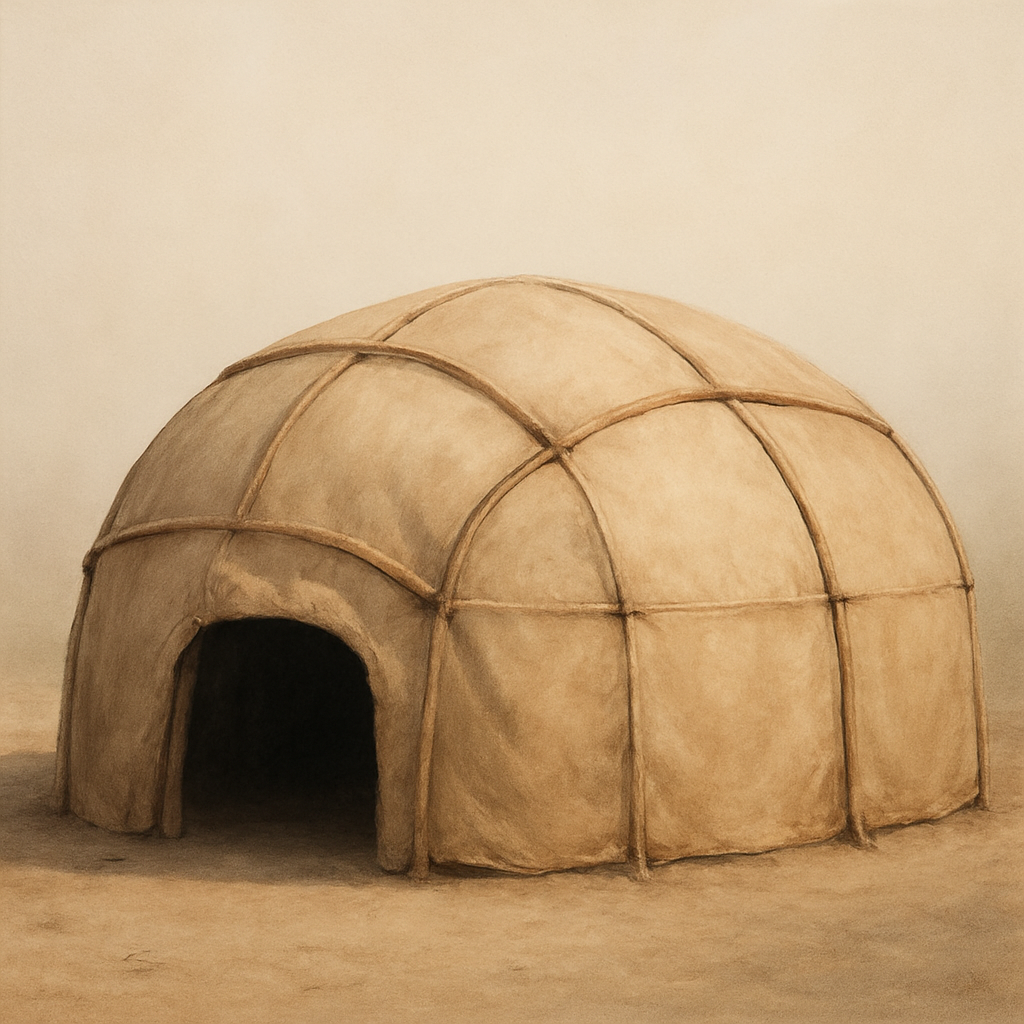
- Traditional healing ceremonies such as sweat lodges.
- Drumming and singing as communal healing practices.
- Vision quests for personal insight and clarity.
- Counseling and storytelling for emotional healing.
How to Find a Qualified Practitioner
To find a qualified practitioner in Native American meditation practices, consider the following steps:
- Seek recommendations from local Indigenous communities or cultural centers.
- Look for practitioners who have been trained in traditional methods and have a deep understanding of their cultural significance.
- Attend community events or workshops to connect with experienced meditation leaders.
- Research online directories that focus on Indigenous health and wellness practices.
FAQs
What is the purpose of meditation in Native American Medicine?
The purpose is to foster a connection to nature, promote spiritual awareness, and encourage emotional and physical healing.
Can anyone practice meditation from Native American traditions?
Yes, but it is essential to approach these practices with respect and understanding of their cultural significance.
How long should a meditation session last?
Sessions can vary, but many practitioners suggest starting with 15-30 minutes.
Do I need to have prior experience to meditate?
No prior experience is necessary; beginners are welcome and guided through the process.
Is meditation a solitary or communal practice?
It can be both; many traditions emphasize communal experiences, while others may include solitary reflection.
Frequently asked
What is the purpose of meditation in Native American Medicine?
The purpose is to foster a connection to nature, promote spiritual awareness, and encourage emotional and physical healing.
Can anyone practice meditation from Native American traditions?
Yes, but it is essential to approach these practices with respect and understanding of their cultural significance.
How long should a meditation session last?
Sessions can vary, but many practitioners suggest starting with 15-30 minutes.
Do I need to have prior experience to meditate?
No prior experience is necessary; beginners are welcome and guided through the process.
Is meditation a solitary or communal practice?
It can be both; many traditions emphasize communal experiences, while others may include solitary reflection.