Spiritual Healing
Discover the ancient art of Spiritual Healing in Native American Medicine, including its historical roots, practices, and modern implications.
Explore the practice of Spiritual Healing within Native American Medicine, a profound tradition that intertwines spirituality and health, offering holistic approaches to well-being.
What It Is
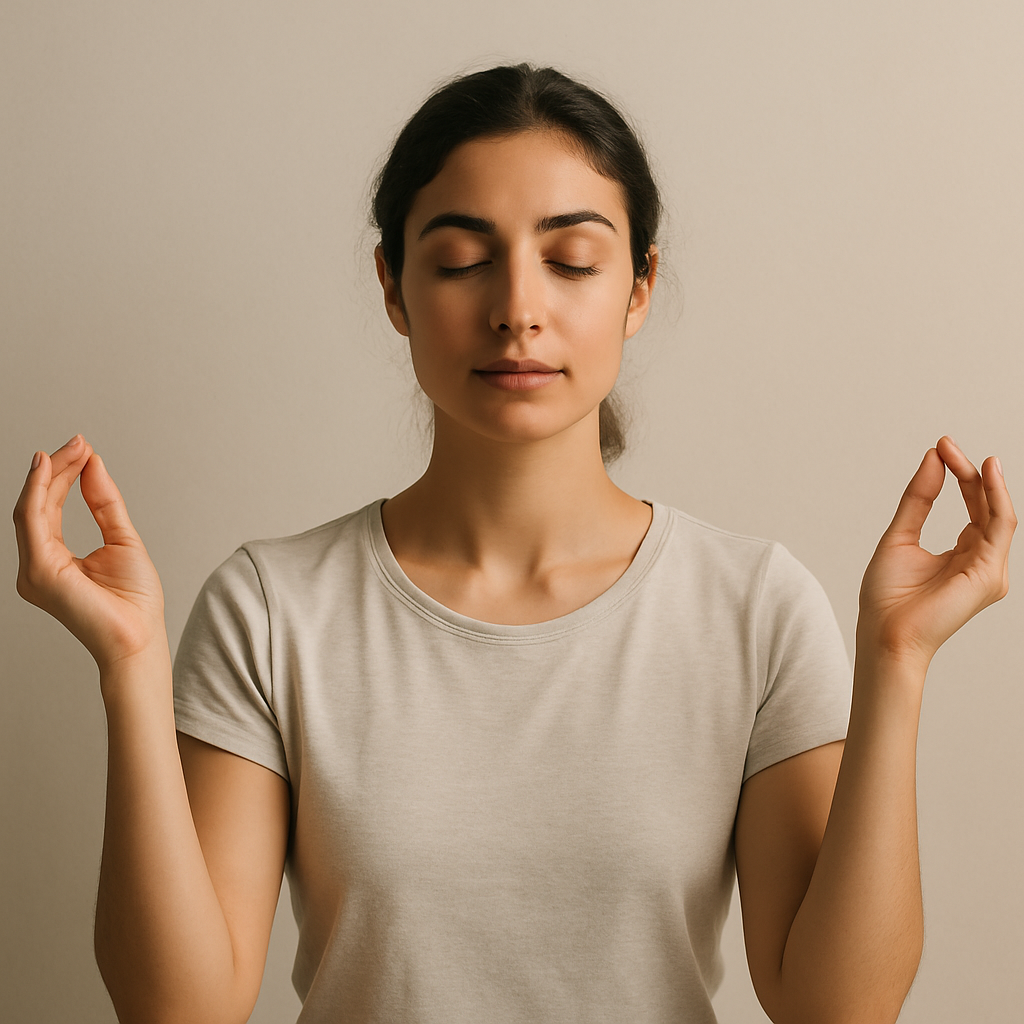
Spiritual Healing is a holistic approach rooted in the belief that the mind, body, and spirit are interconnected. In the context of Native American Medicine, it emphasizes the importance of spiritual well-being as integral to physical health. This practice often involves rituals, ceremonies, and the use of natural elements, aiming to restore balance and harmony within the individual.
Practitioners of Spiritual Healing engage with the spiritual dimensions of a person's experience, often invoking the assistance of ancestors, spirits, and nature. The healing process is considered a journey toward reconnecting with one's true self and the greater universe, allowing individuals to find peace, clarity, and purpose.
Historical Context Within Native American Medicine
Spiritual Healing has deep historical roots within Native American cultures, dating back thousands of years. It emerged as a response to the holistic understanding of health that characterized Native American Medicine, where spiritual, emotional, and physical aspects of life are seen as interdependent. Various tribes developed their unique practices, influenced by their environments, traditions, and spiritual beliefs.
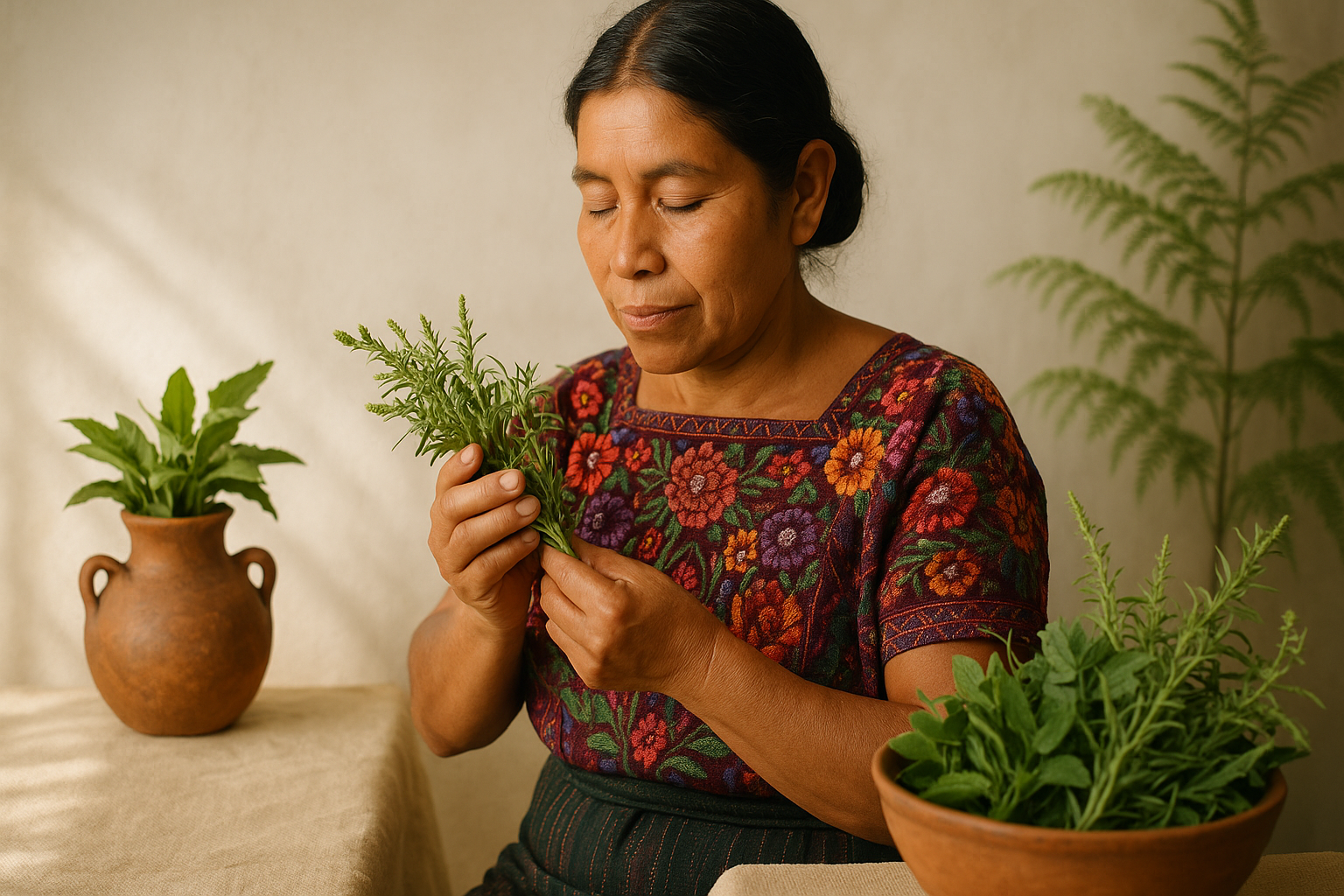
Traditionally, medicine men and women, often referred to as shamans or healers, were the keepers of this knowledge. They passed down teachings from one generation to the next, utilizing rituals, songs, and ceremonies to facilitate healing. This practice was not only about treating ailments but also about maintaining the balance of the community and honoring the connection to the earth.
How It's Practiced
The practice of Spiritual Healing can vary significantly among different Native American tribes, but it generally involves the following steps:
- Consultation: The practitioner engages in a dialogue with the individual seeking healing, understanding their concerns and spiritual needs.
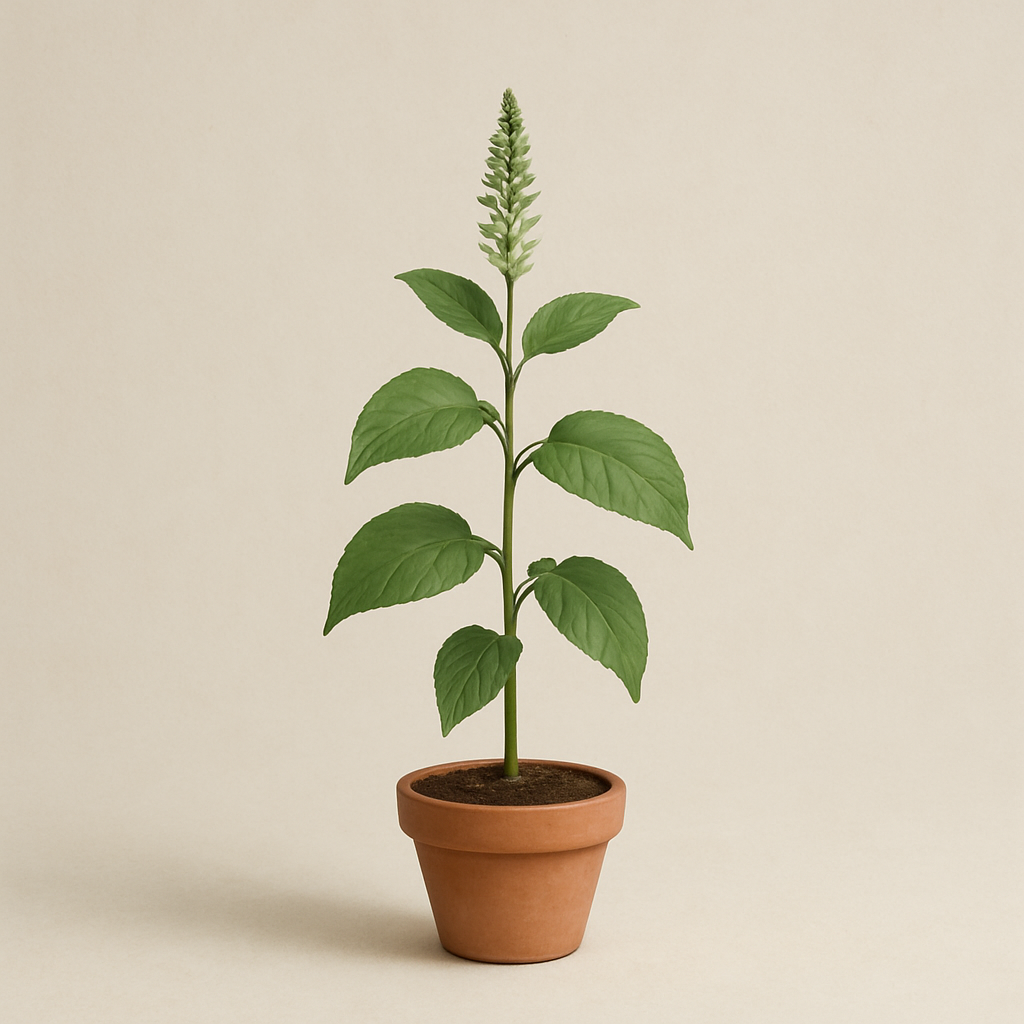
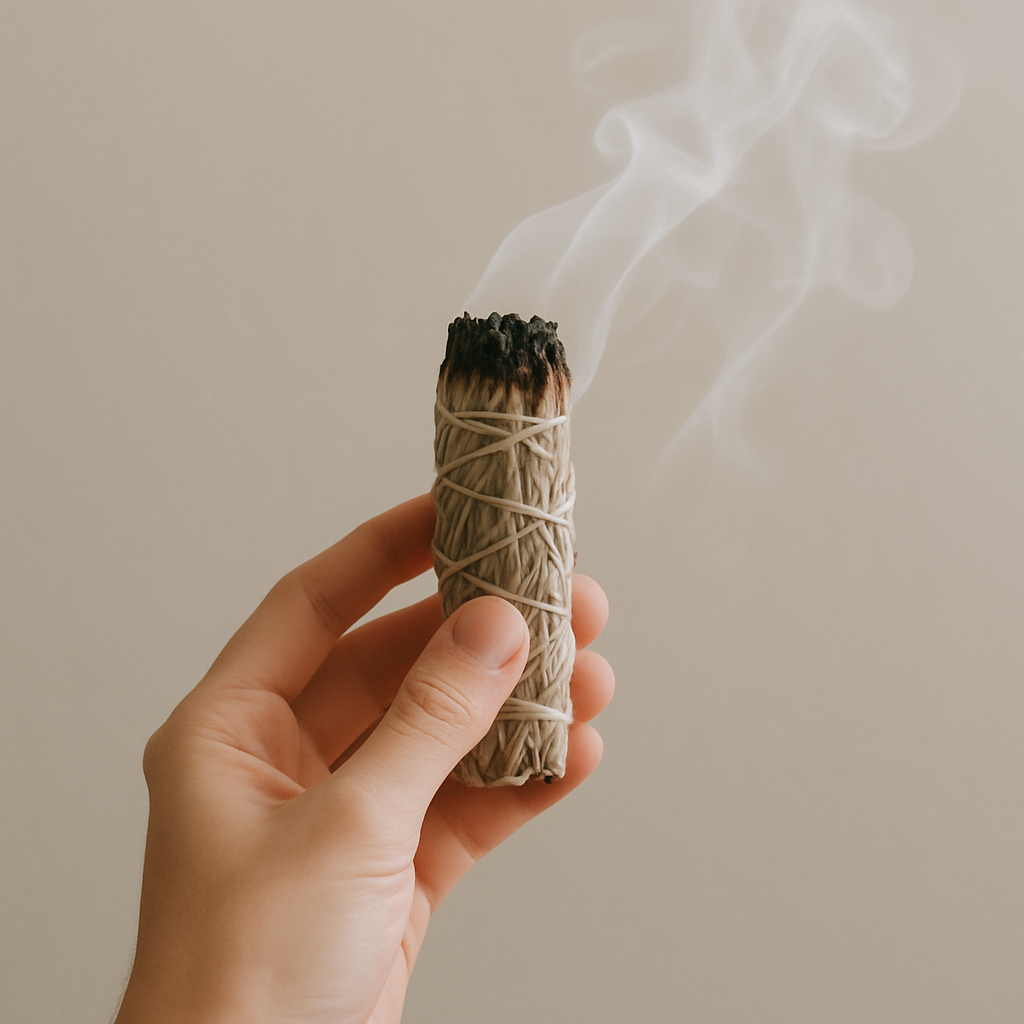
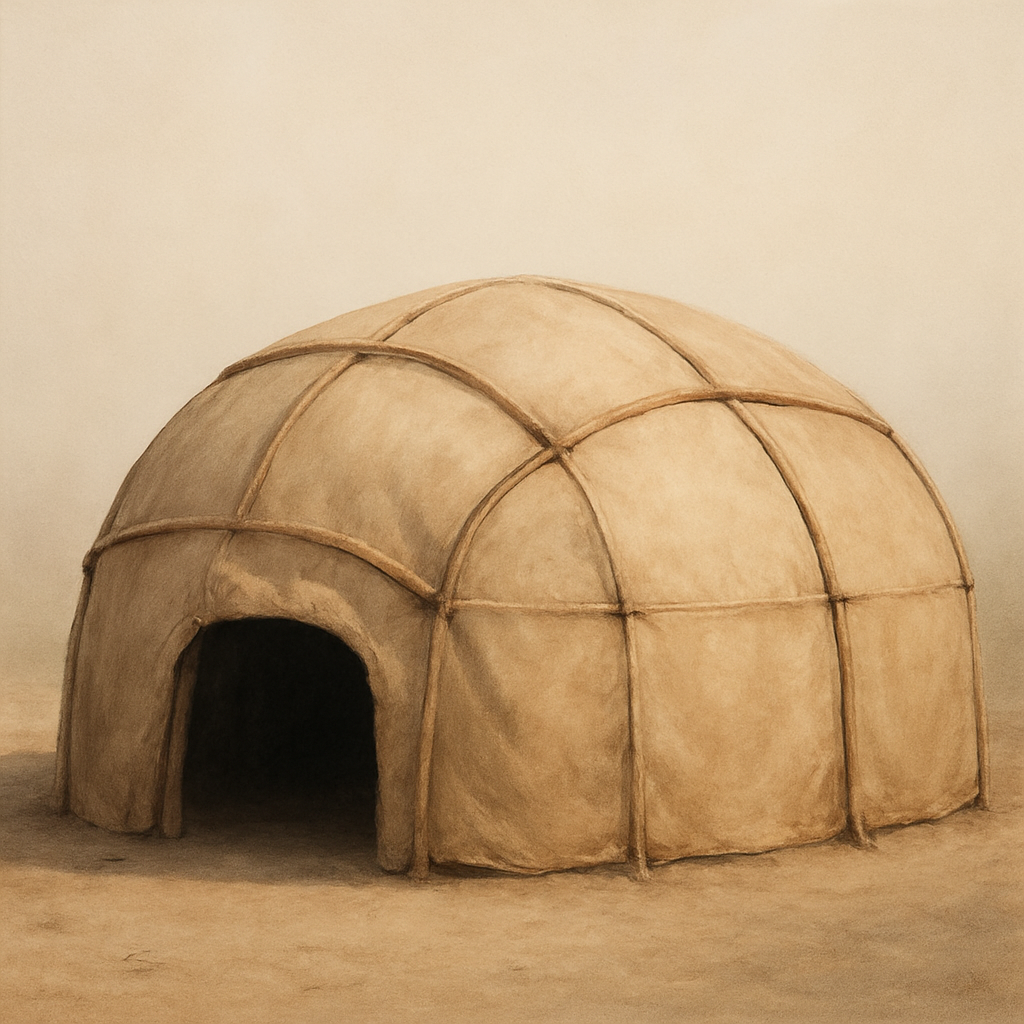
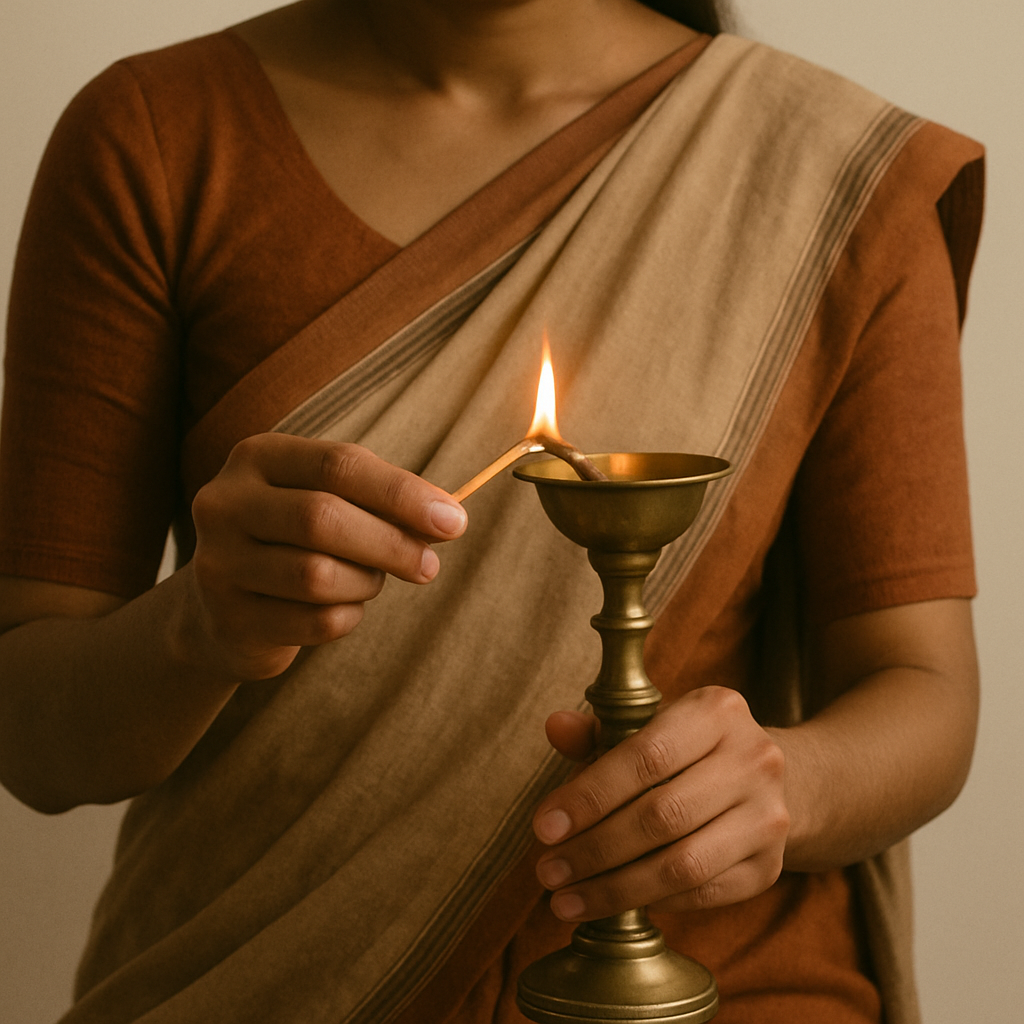
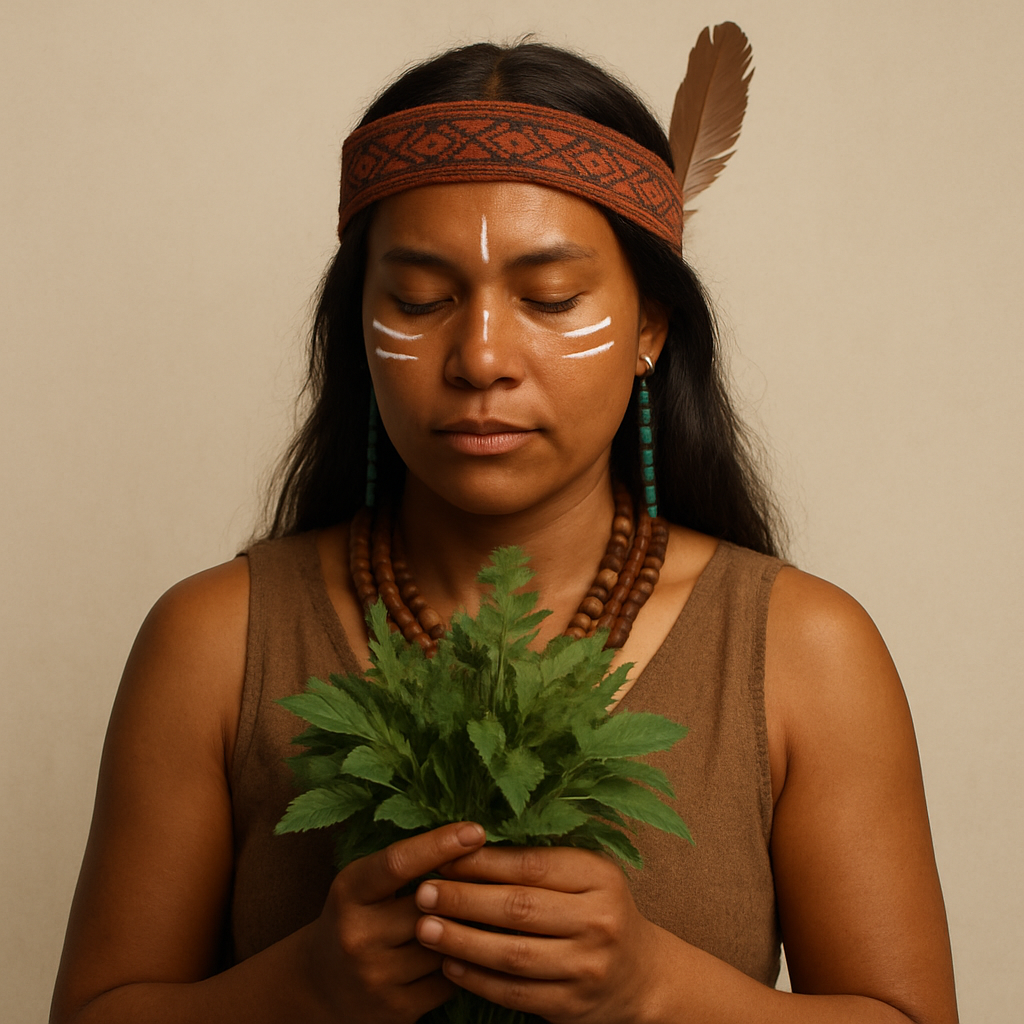
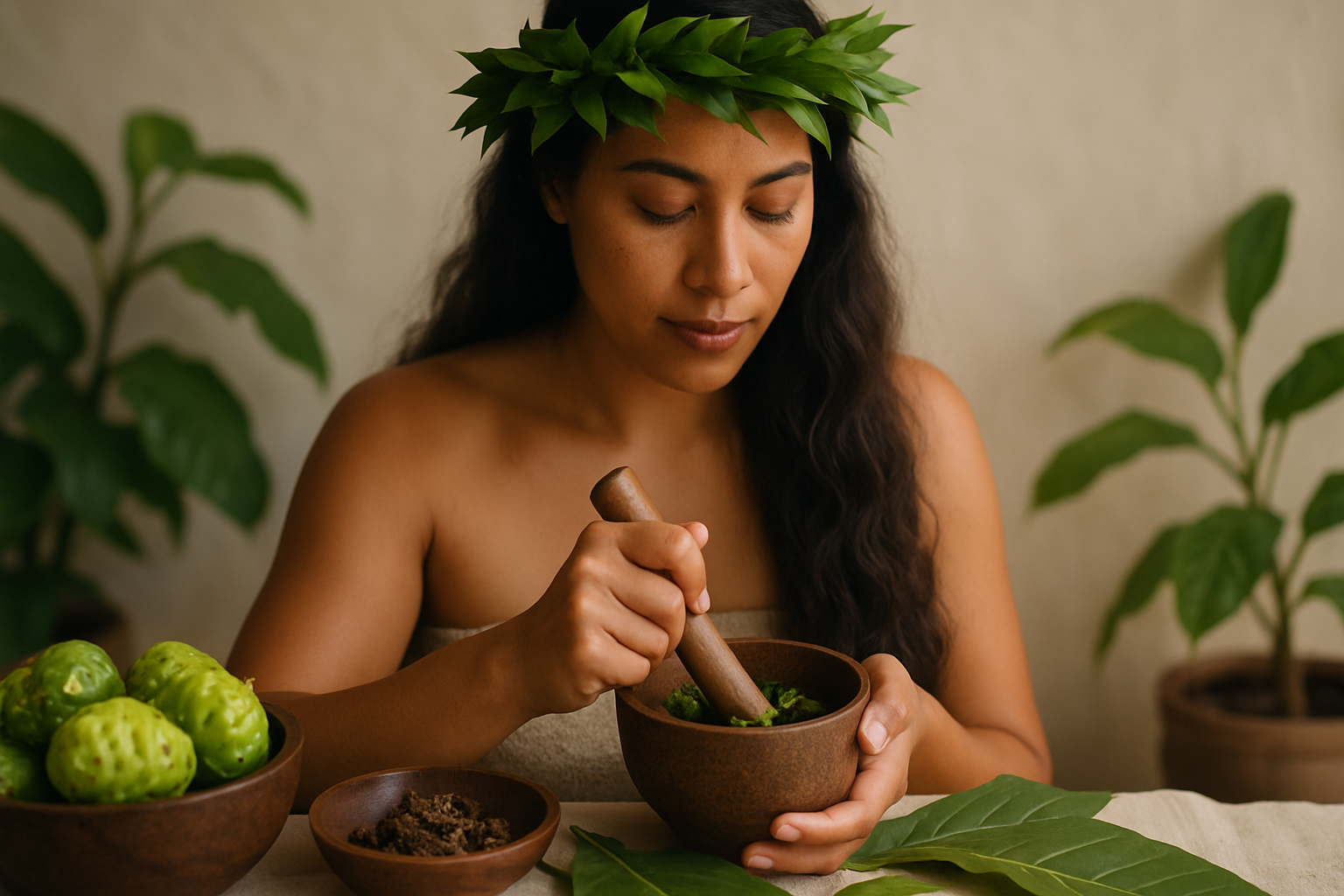
- Ritual Preparation: The healer may prepare sacred spaces, often incorporating natural elements like herbs, stones, and water.
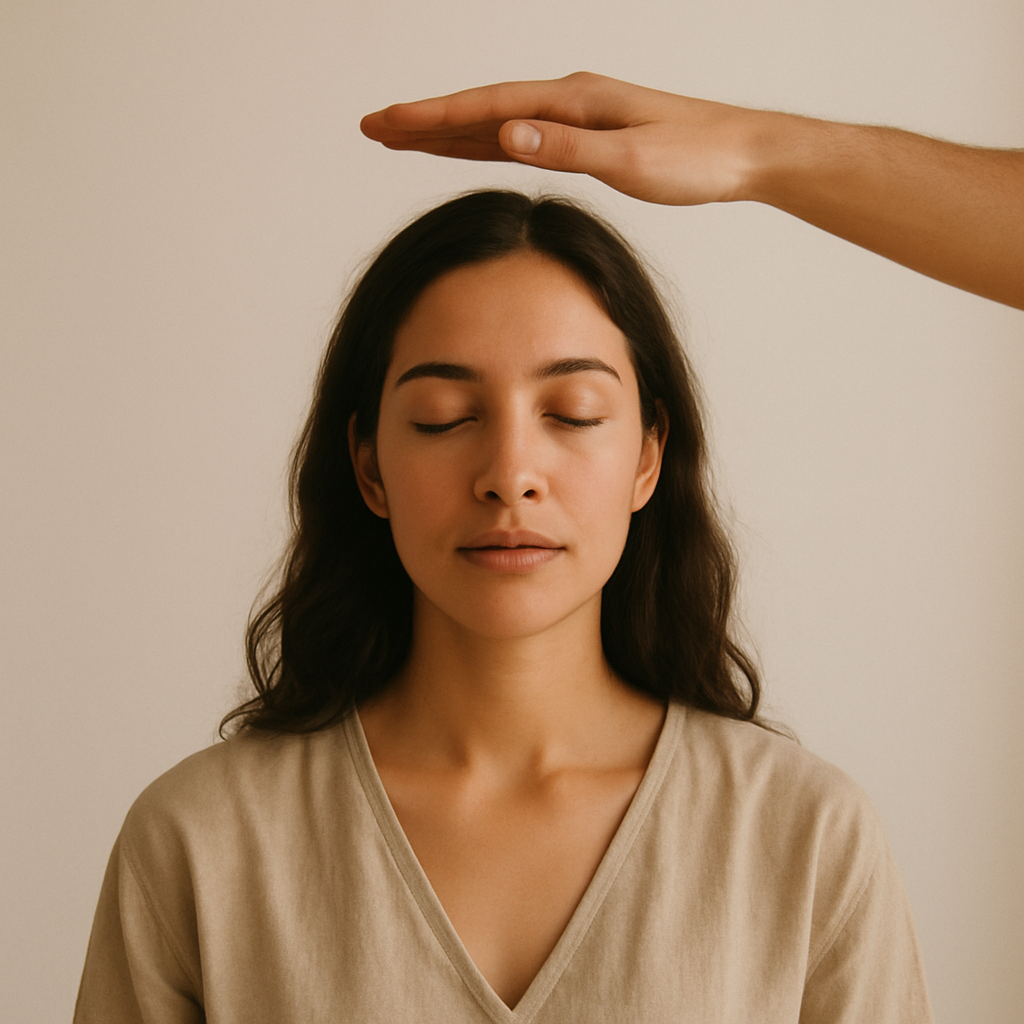
- Ceremony: Various ceremonies may be performed, including prayers, singing, drumming, or the use of sacred objects to invoke healing energies.
- Integration: After the healing session, the practitioner may provide guidance on integrating the experience into daily life, emphasizing continued personal and spiritual growth.
What It Is Traditionally Explored For
Spiritual Healing is traditionally explored for a variety of issues, including:
- Emotional Distress: Helping individuals cope with grief, anxiety, and depression.
- Physical Ailments: Supporting the healing of chronic illnesses or injuries by addressing spiritual blockages.
- Life Transitions: Assisting individuals through significant life changes, such as loss, illness, or personal transformation.
- Community Harmony: Restoring balance within families or communities that may be experiencing conflict or discord.
What Modern Research Suggests
While traditional Spiritual Healing practices may not always be supported by conventional scientific research, there is a growing interest in understanding the benefits of these approaches. Some studies suggest that spiritual practices, including those rooted in Native American traditions, can positively impact mental health and overall well-being. For example, research has indicated that engaging in spiritual and community practices can reduce stress and enhance emotional resilience.
Additionally, preliminary studies exploring the efficacy of spiritual healing in conjunction with conventional medical treatments have shown promise. However, more rigorous research is needed to validate these findings and understand the mechanisms behind such healing practices fully. It is essential to approach these studies with caution, recognizing the cultural significance and individual variability in responses to spiritual healing.
Safety, Contraindications & Who Should Skip
While Spiritual Healing can be beneficial, it is essential to consider the following:
- Individual Sensitivity: Some individuals may find certain rituals or practices overwhelming or emotionally triggering.
- Medical Conditions: Those with severe mental health issues or medical conditions should consult with a healthcare professional before engaging in spiritual healing.
- Personal Beliefs: If an individual does not resonate with spiritual practices, they may not find the experience beneficial.
Pairs Well With (within Native American Medicine and across pillars)
Spiritual Healing can complement various other modalities, enhancing its effectiveness:
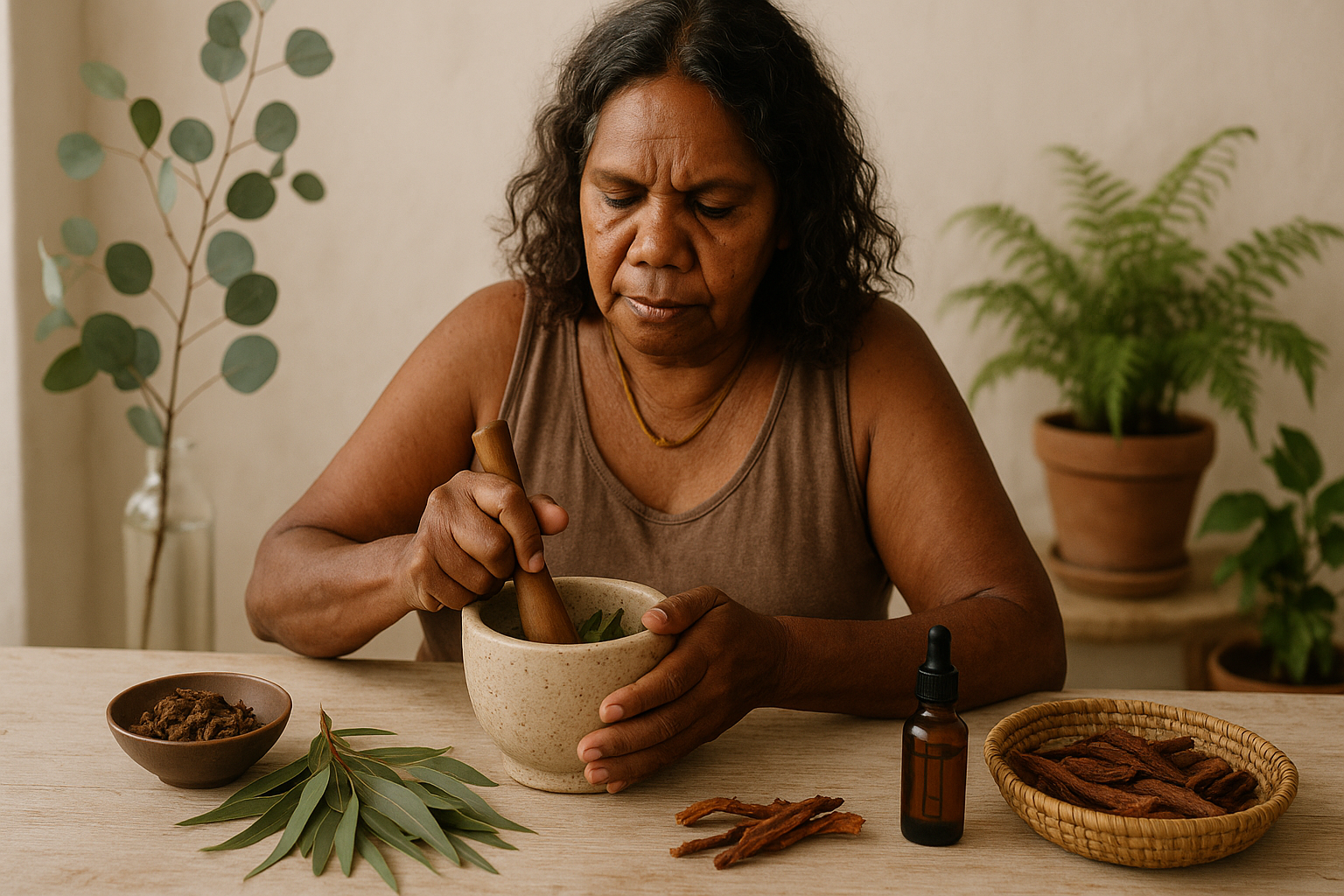
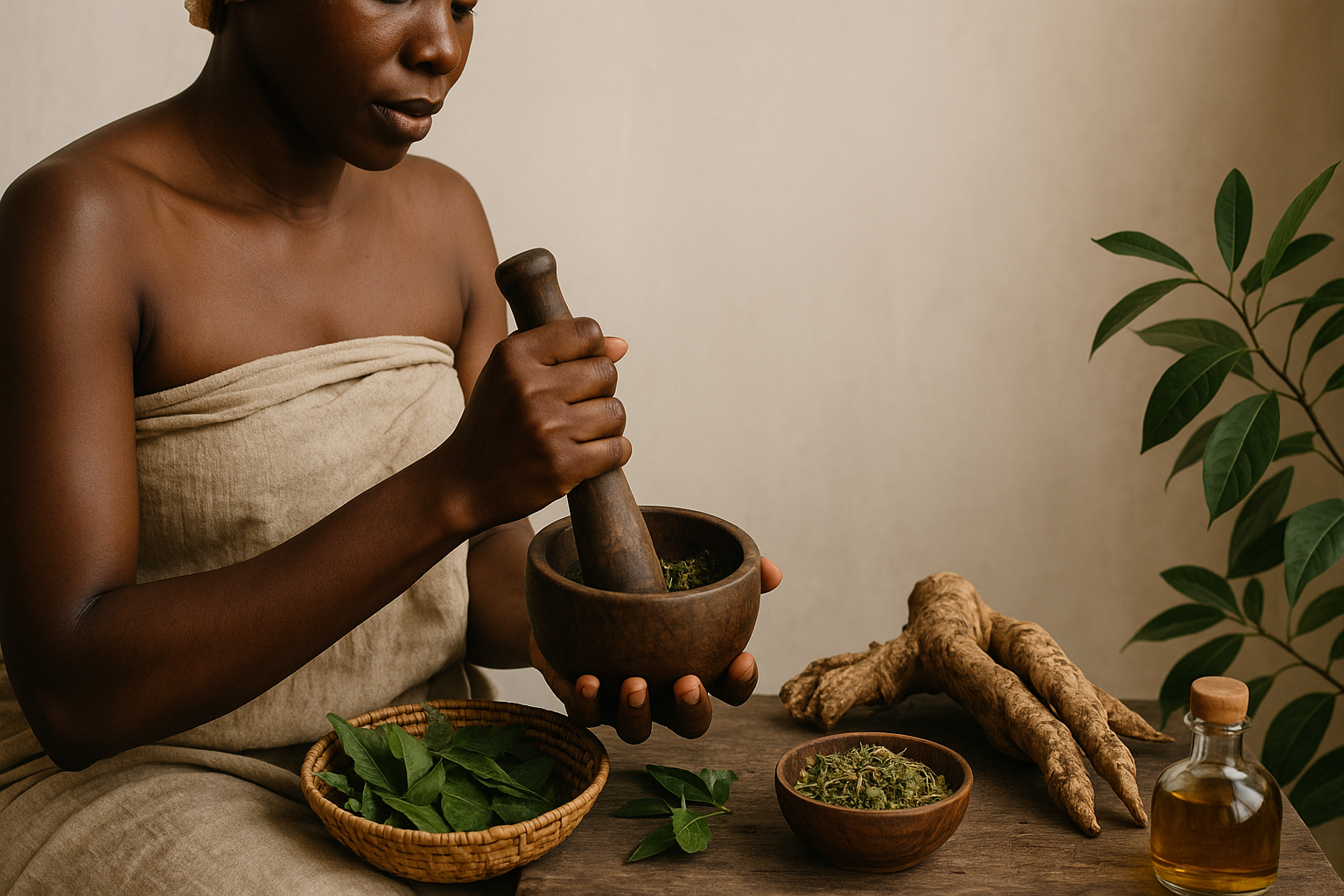
- Herbal Medicine: Utilizing natural remedies to support physical healing.
- Sound Therapy: Incorporating drumming or singing to promote relaxation and emotional release.
- Dreamwork: Exploring dreams as a path to understanding spiritual messages.
- Rituals and Ceremonies: Engaging in communal practices to foster connection and support.
How to Find a Qualified Practitioner
Finding a qualified practitioner of Spiritual Healing involves several steps:
- Research: Look for practitioners who have been trained in traditional Native American healing methods.
- Community Recommendations: Seek referrals from community members or local Native American organizations.
- Interviews: Speak with potential practitioners to understand their approach, background, and philosophy.
- Trust Your Instincts: Choose someone you feel comfortable with and who respects your beliefs and needs.
FAQs (5)
- What is Spiritual Healing? Spiritual Healing is a holistic practice that focuses on restoring balance and harmony within the mind, body, and spirit.
- Is Spiritual Healing effective? While individual experiences may vary, many find that spiritual practices contribute positively to their emotional and physical well-being.
- Can anyone participate in Spiritual Healing? Yes, but individuals with severe mental health conditions should consult with a healthcare professional first.
- How do I choose a practitioner? Look for trained practitioners with community recommendations and ensure you feel comfortable with their approach.
- What should I expect during a session? A session may include consultation, rituals, and guidance for integrating the experience into daily life.
Frequently asked
What is Spiritual Healing?
Spiritual Healing is a holistic practice that focuses on restoring balance and harmony within the mind, body, and spirit.
Is Spiritual Healing effective?
While individual experiences may vary, many find that spiritual practices contribute positively to their emotional and physical well-being.
Can anyone participate in Spiritual Healing?
Yes, but individuals with severe mental health conditions should consult with a healthcare professional first.
How do I choose a practitioner?
Look for trained practitioners with community recommendations and ensure you feel comfortable with their approach.
What should I expect during a session?
A session may include consultation, rituals, and guidance for integrating the experience into daily life.