Breathwork
Discover Breathwork in Aboriginal Medicine, its history, practices, and modern relevance.
Explore the ancient practice of Breathwork within Aboriginal Medicine, its historical context, practical applications, and modern research findings. This page provides insights into its traditional uses, safety considerations, and how to find qualified practitioners.
What It Is
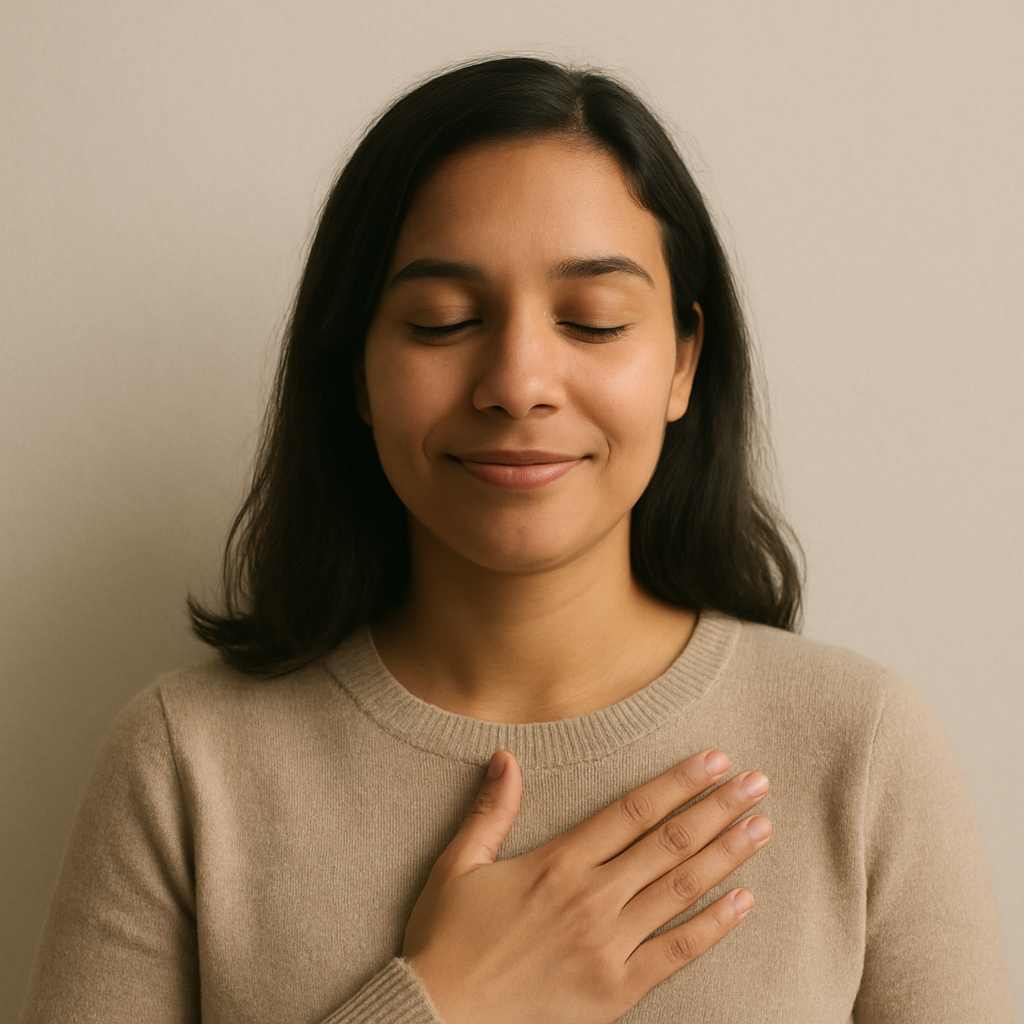
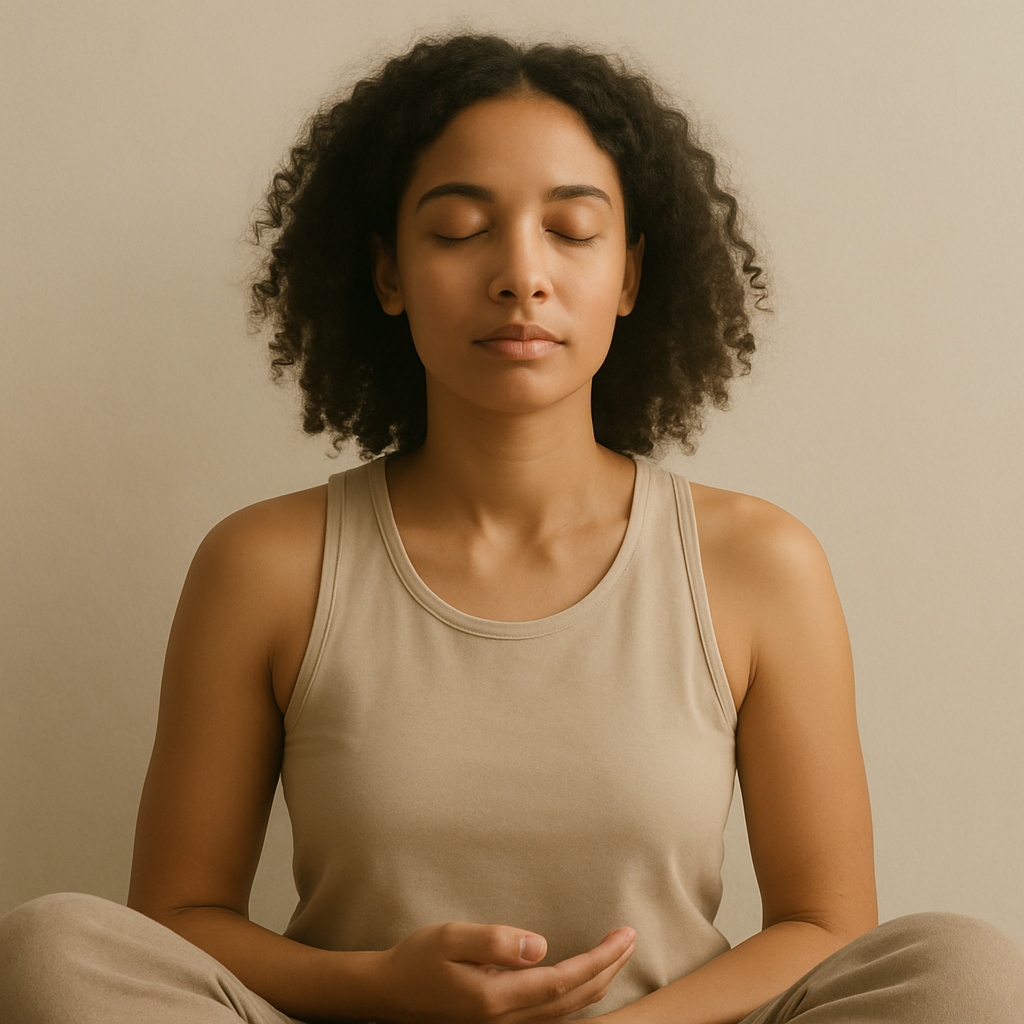
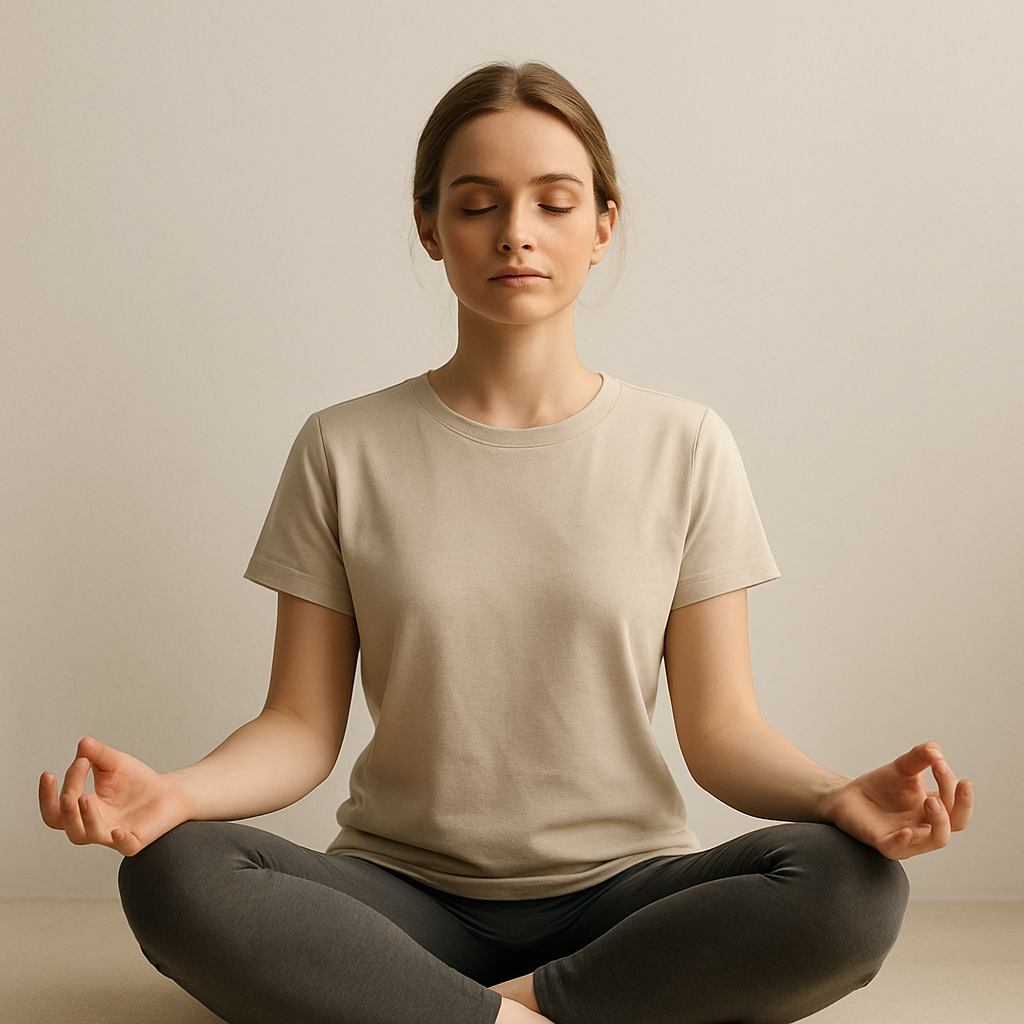
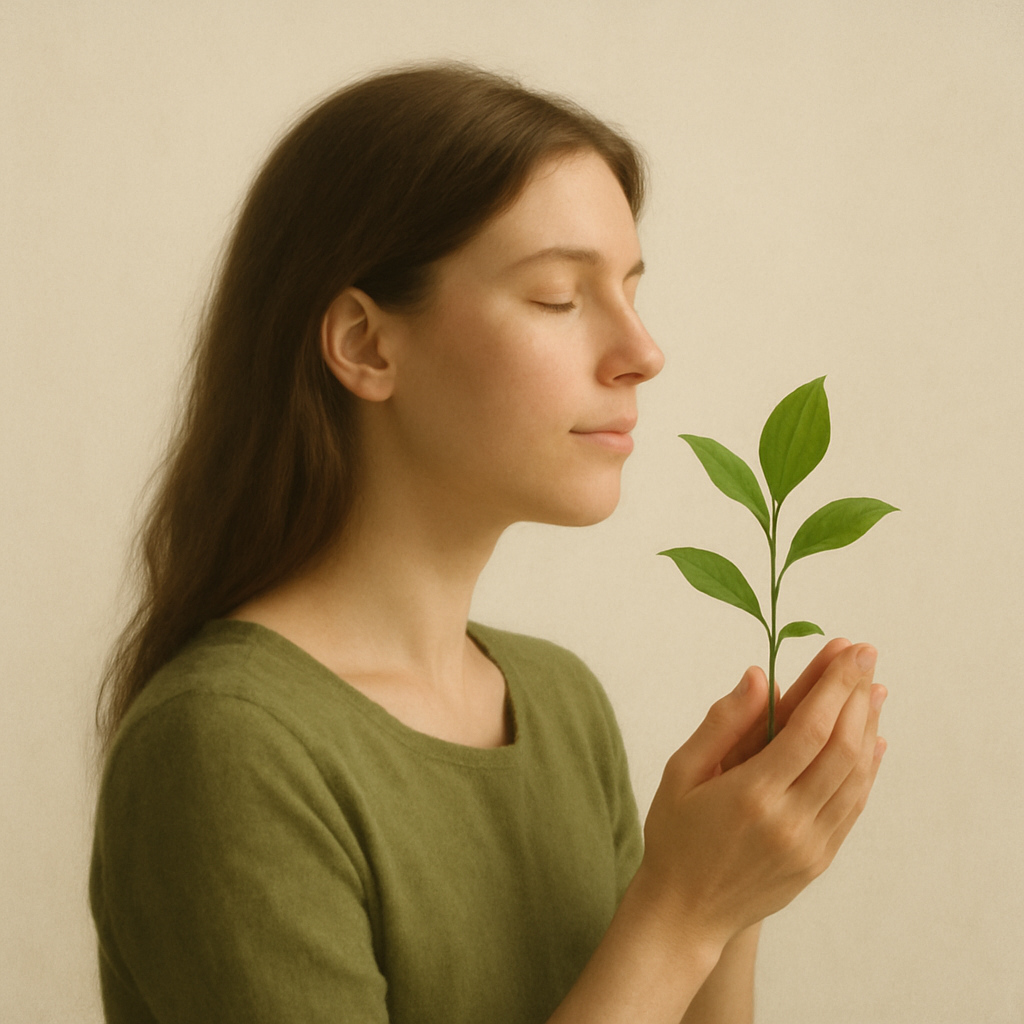
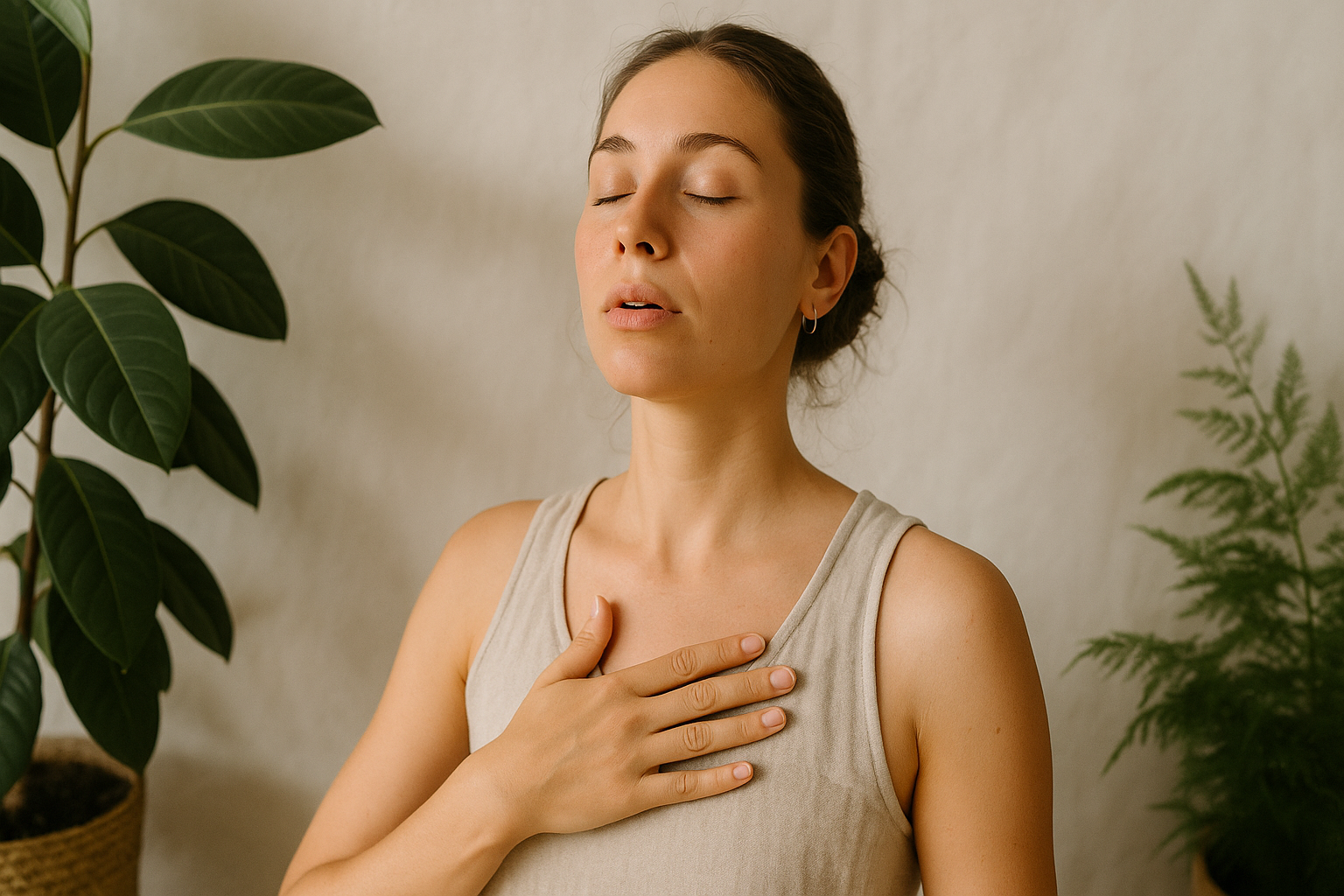
Breathwork refers to various breathing techniques utilized to promote physical, mental, and emotional well-being. In the context of Aboriginal Medicine, Breathwork is deeply rooted in the understanding of the interconnection between breath, spirit, and the natural world. It is believed that conscious breathing can facilitate healing, enhance self-awareness, and promote a sense of harmony with oneself and the environment.
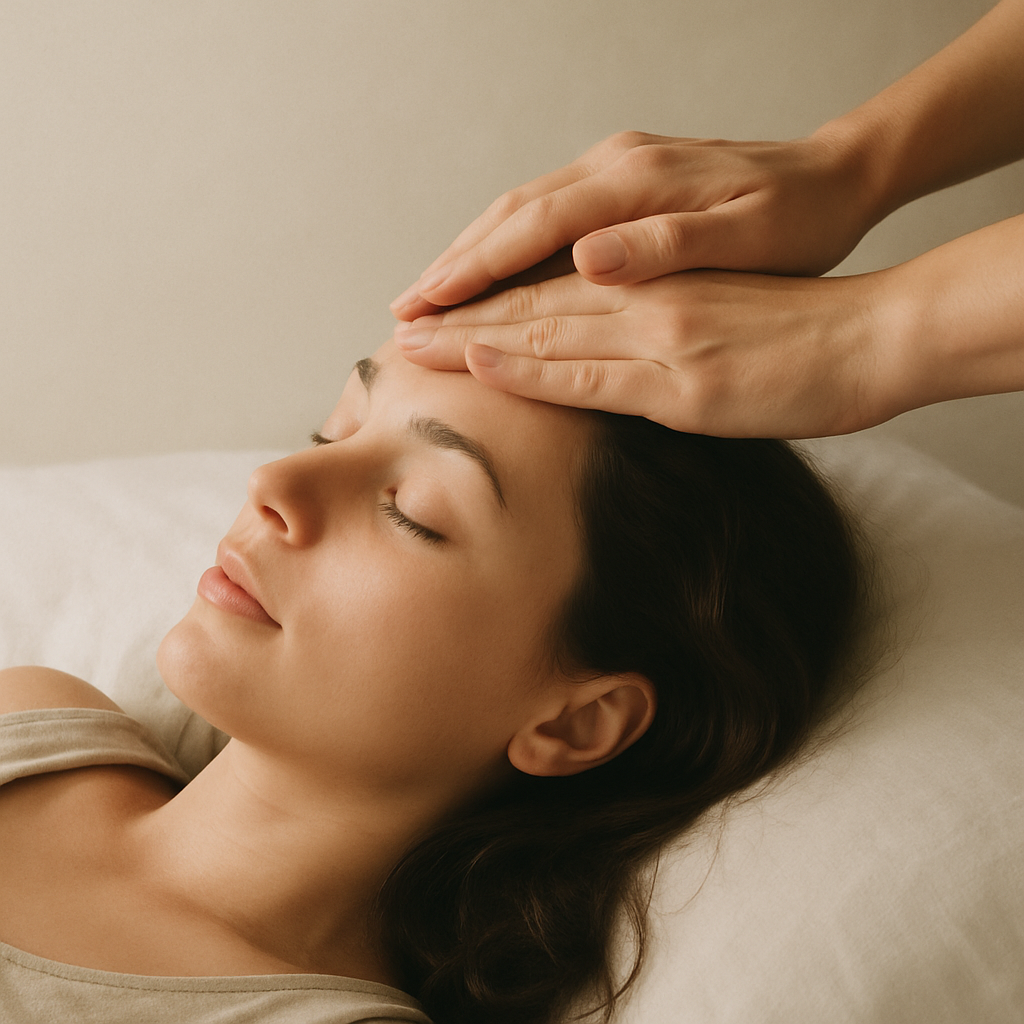
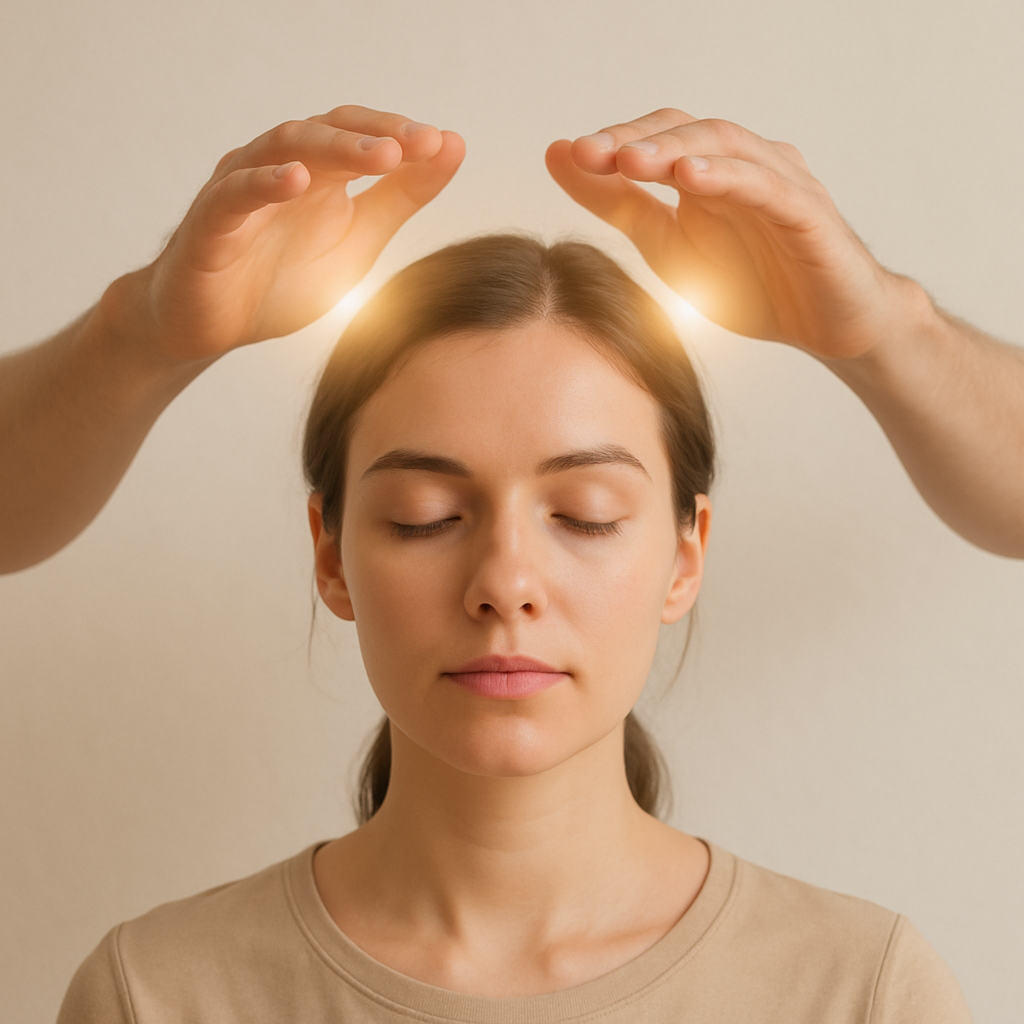
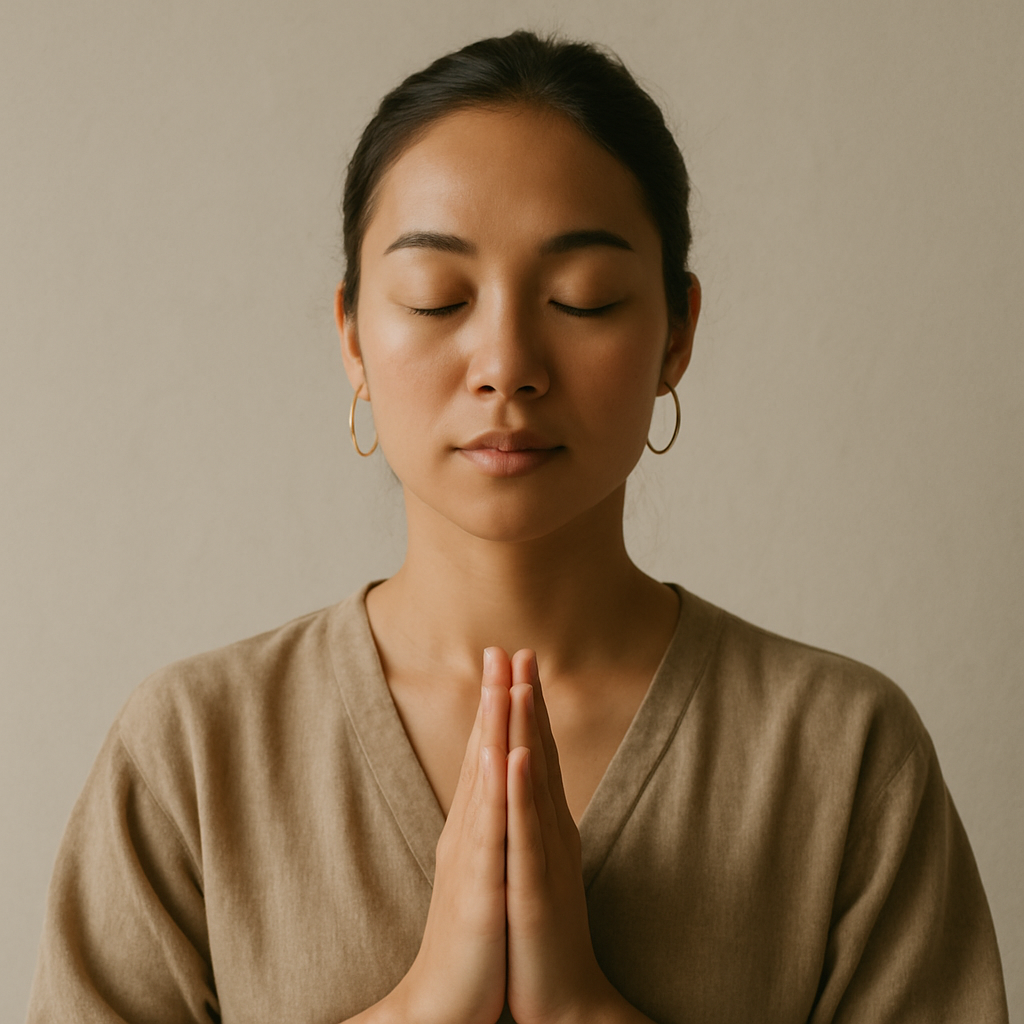
Practitioners guide individuals through specific breathing exercises that may involve rhythmic inhalation and exhalation, often accompanied by visualization or meditation. This practice is not merely a physical exercise but a spiritual journey that aligns with the philosophies and traditions of Aboriginal culture, emphasizing respect for nature and the interconnectedness of life.
Historical Context Within Aboriginal Medicine
The use of Breathwork within Aboriginal Medicine dates back thousands of years, emerging as a fundamental aspect of spiritual and healing practices among Indigenous peoples. Elders and healers developed these techniques as part of a holistic approach to health, integrating the physical, emotional, and spiritual dimensions of life.
Traditionally, Breathwork was taught orally from generation to generation, emphasizing the importance of connection to land, ancestors, and community. Its development is attributed to various Aboriginal tribes, each contributing unique practices and beliefs that resonate with their cultural narratives and environmental contexts.
How It's Practiced
Breathwork sessions typically involve the following steps:
- Setting an intention: Participants are encouraged to reflect on what they wish to achieve through the session.
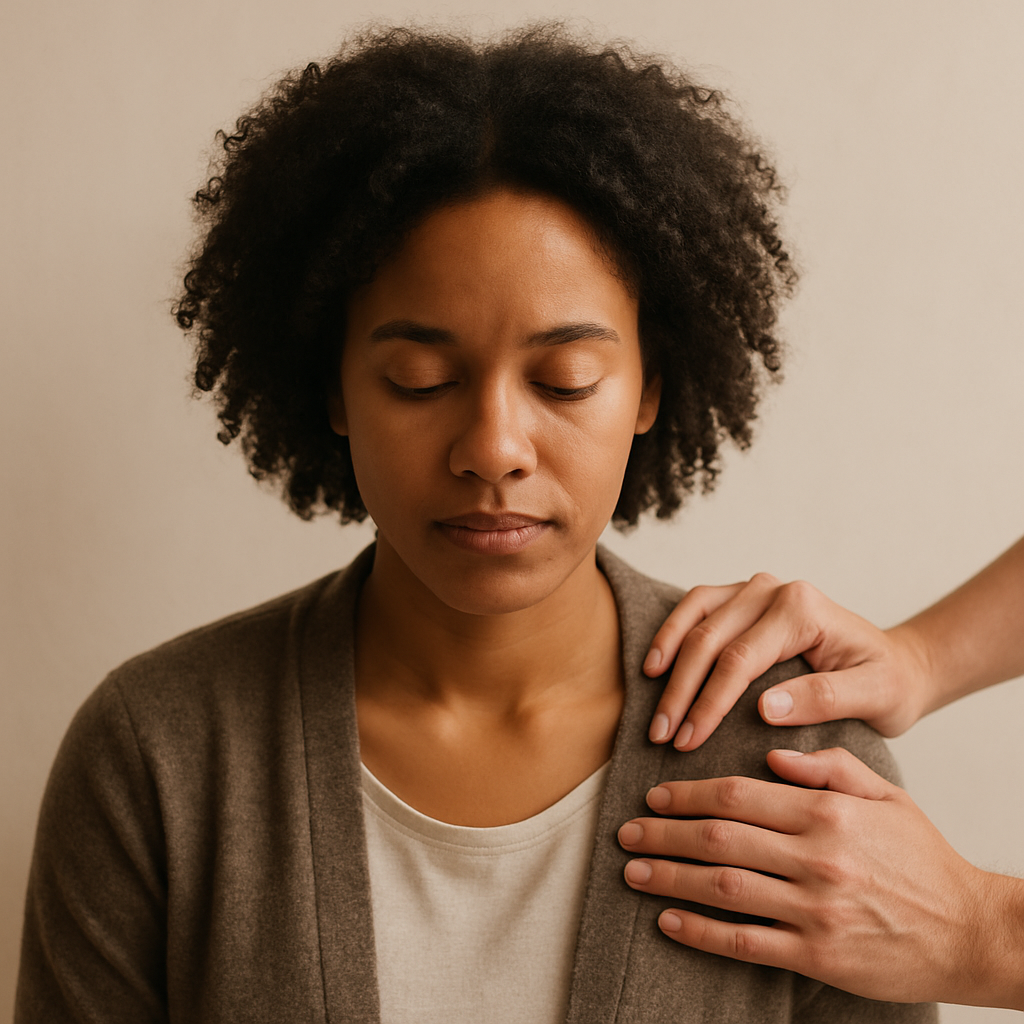
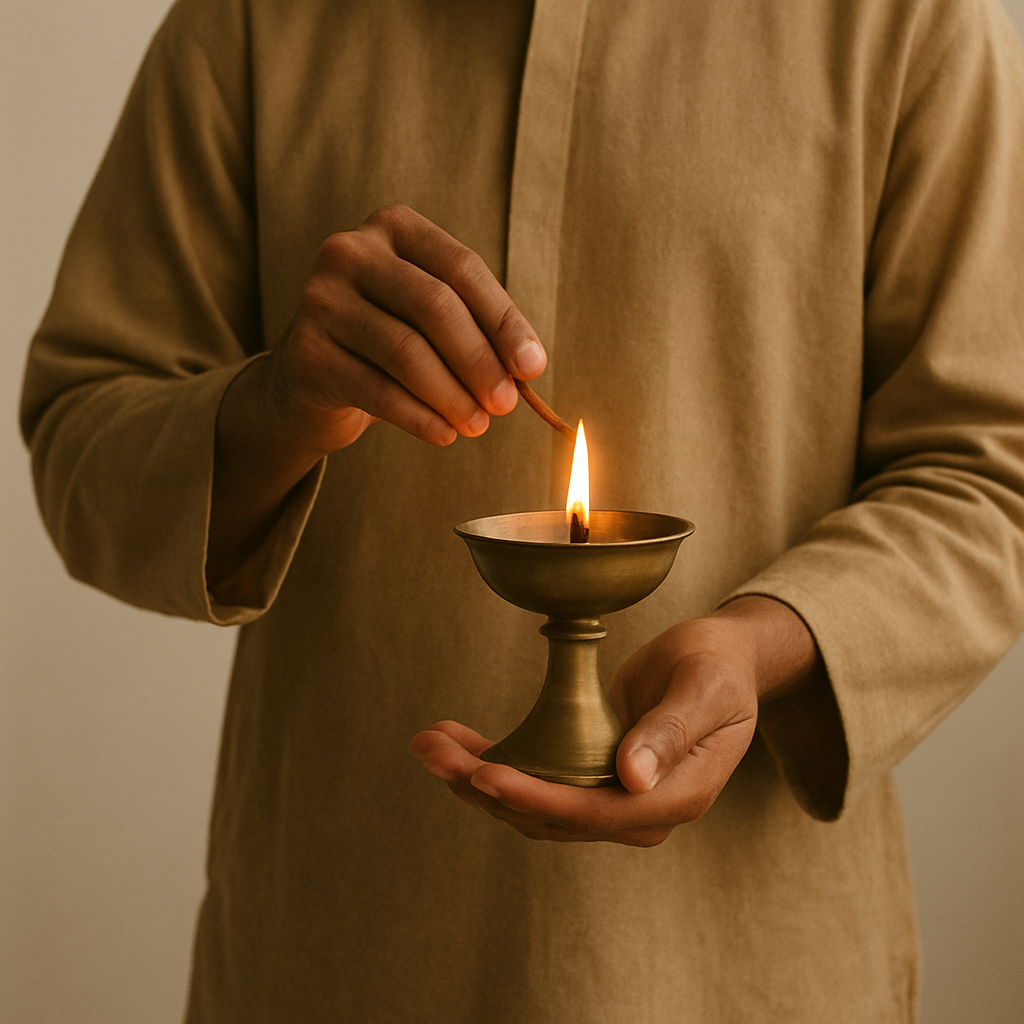
- Creating a safe space: Practitioners often prepare an environment that feels safe and inviting, using natural elements or ceremonial objects.
- Guided breathing exercises: The practitioner leads participants through specific breathing patterns, often synchronized with music or nature sounds.
- Integration: Following the breathing exercises, individuals are encouraged to share their experiences and insights, fostering a sense of community and support.
What It Is Traditionally Explored For
Breathwork is traditionally explored for various purposes, including:
- Emotional healing: Facilitating the release of pent-up emotions and fostering emotional resilience.
- Stress reduction: Helping individuals manage stress and anxiety through calming breathing techniques.
- Spiritual connection: Enhancing one’s connection to self, spirit, and the natural world.
- Physical well-being: Supporting overall health by improving oxygenation and promoting relaxation.
What Modern Research Suggests
Modern research into Breathwork has begun to uncover its potential benefits, with preliminary studies suggesting that specific breathing techniques can reduce stress, anxiety, and depression. For instance, controlled breathing exercises have shown promise in regulating emotional responses and enhancing overall mental health.
While more extensive clinical trials are needed to establish definitive conclusions, initial findings indicate that Breathwork may improve lung function, increase mindfulness, and promote relaxation. These studies are helping bridge the gap between ancient practices and contemporary wellness approaches, highlighting the relevance of Breathwork in today’s society.
Safety, Contraindications & Who Should Skip
While Breathwork is generally considered safe, certain individuals may need to approach it with caution. Those with the following conditions are advised to consult a healthcare professional before engaging in Breathwork:
- Severe respiratory issues (such as asthma or COPD)
- Cardiovascular problems
- Severe anxiety or panic disorders
- Pregnancy (without professional guidance)
It is essential to listen to one's body and refrain from practices that induce discomfort or distress.
Pairs Well With (within Aboriginal Medicine and across pillars)
Breathwork complements various other modalities and practices, including:
- Herbal medicine: Utilizing plant-based remedies to enhance the effects of Breathwork.
- Traditional storytelling: Engaging in oral traditions that foster connection and understanding.
- Sound healing: Incorporating music or natural sounds to deepen the experience.
- Meditation: Enhancing mindfulness and presence during Breathwork sessions.
How to Find a Qualified Practitioner
To find a qualified Breathwork practitioner within the context of Aboriginal Medicine, consider the following steps:
- Research local Indigenous communities or organizations that offer Breathwork sessions.
- Seek referrals from healthcare providers who understand alternative medicine.
- Look for practitioners with certifications in Breathwork and a background in Aboriginal traditions.
- Attend workshops or community events to connect with experienced practitioners.
FAQs (5)
- What is Breathwork? Breathwork is a practice involving conscious breathing techniques aimed at improving emotional, physical, and spiritual well-being.
- Is Breathwork safe for everyone? While generally safe, individuals with certain health conditions should consult a healthcare professional before practicing.
- How long does a Breathwork session last? Sessions can vary in length but typically last between 30 minutes to an hour.
- Can Breathwork help with anxiety? Many practitioners report that Breathwork can assist in managing anxiety and stress levels.
- How can I find a Breathwork practitioner? Look for local Indigenous organizations, community events, or seek referrals from holistic health professionals.
Frequently asked
What is Breathwork?
Breathwork is a practice involving conscious breathing techniques aimed at improving emotional, physical, and spiritual well-being.
Is Breathwork safe for everyone?
While generally safe, individuals with certain health conditions should consult a healthcare professional before practicing.
How long does a Breathwork session last?
Sessions can vary in length but typically last between 30 minutes to an hour.
Can Breathwork help with anxiety?
Many practitioners report that Breathwork can assist in managing anxiety and stress levels.
How can I find a Breathwork practitioner?
Look for local Indigenous organizations, community events, or seek referrals from holistic health professionals.