Bush Medicine
Discover the ancient practice of Bush Medicine, its historical roots, applications, and modern-day relevance within Aboriginal Medicine.
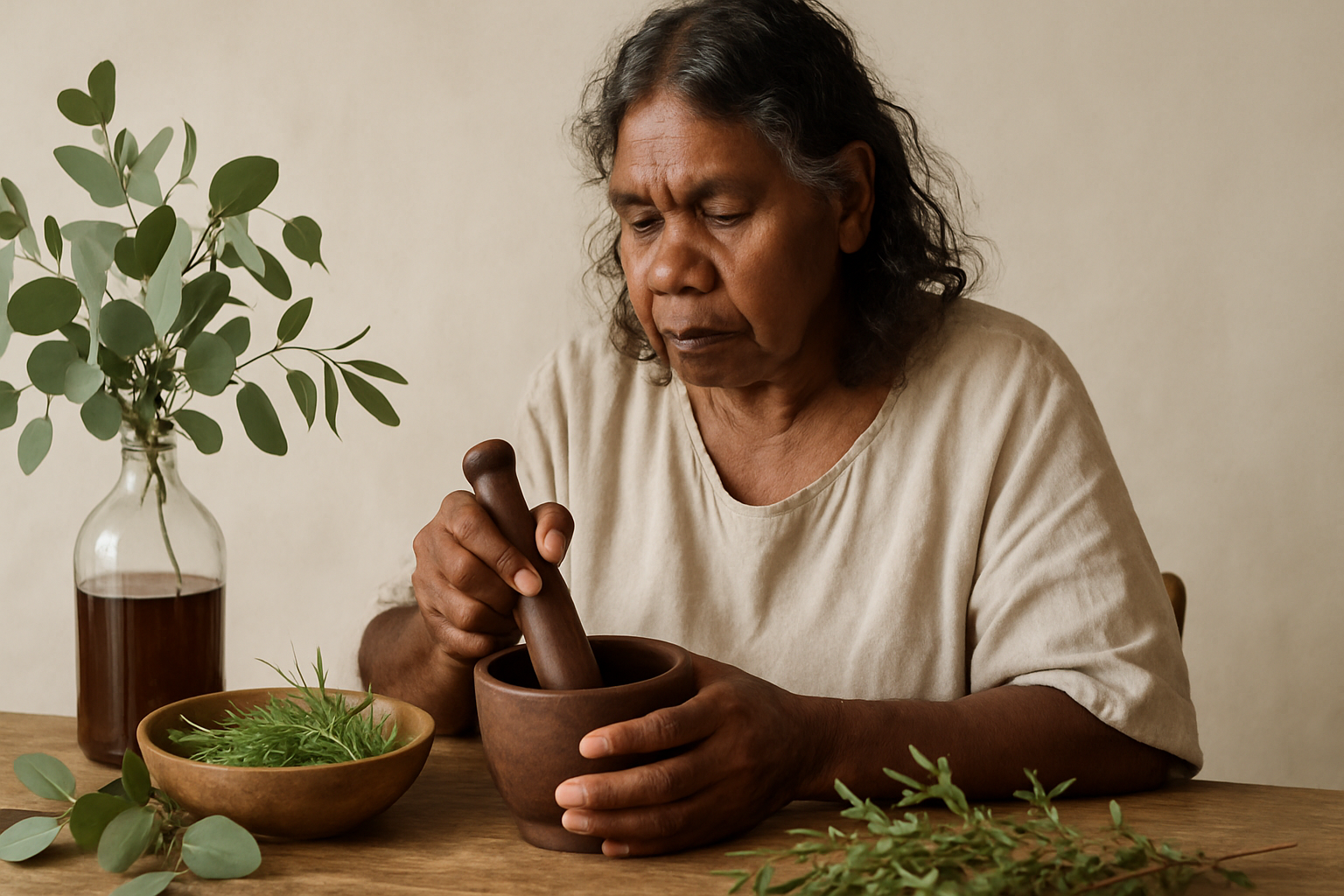
Explore the practice of Bush Medicine, a vital aspect of Aboriginal Medicine, which draws on the knowledge of Indigenous peoples in Australia. This subcategory page delves into its definition, historical context, and traditional applications, as well as modern research insights and safety considerations.
What It Is
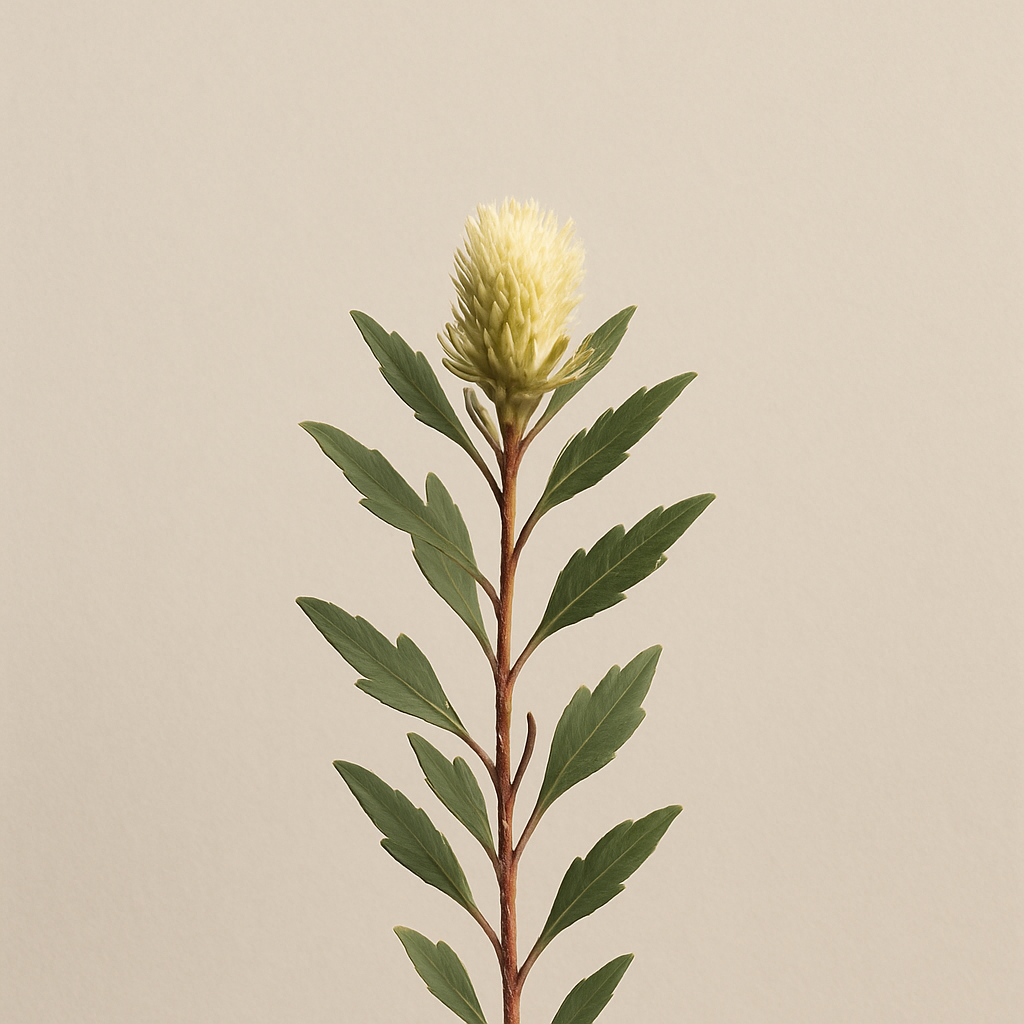
Bush Medicine refers to the traditional healing practices of Aboriginal Australians, utilizing local flora and fauna for medicinal purposes. This practice encompasses a vast array of knowledge passed down through generations, relying on the understanding of native plants, animal products, and natural elements to promote health and well-being.
The foundation of Bush Medicine lies in the deep connection between Aboriginal people and their environment. Healers, often referred to as 'Ngangkari' or 'bush doctors,' possess extensive knowledge of the therapeutic properties of various plants and other natural resources, using them to address physical, emotional, and spiritual ailments.
Historical Context Within Aboriginal Medicine
The origins of Bush Medicine can be traced back tens of thousands of years, as Aboriginal cultures developed intricate systems of knowledge about their natural surroundings. This healing practice emerged as a crucial component of Aboriginal Medicine, reflecting the holistic worldview of Indigenous Australians, which integrates the physical, emotional, and spiritual dimensions of health.
Developed by various Aboriginal tribes across Australia, Bush Medicine practices are diverse and region-specific. Each group has its unique understanding of local plants and their uses, shaped by the land and climate of their respective territories. This tradition has been preserved through oral history, rituals, and community practices, ensuring the continuity of knowledge through generations.
How It's Practiced
Practitioners of Bush Medicine typically follow a holistic approach, emphasizing a deep connection with nature and community. Here is an overview of how a practitioner might engage in this practice:
- Assessment: The practitioner begins by assessing the individual's needs, often considering their physical, emotional, and spiritual well-being.
- Plant Collection: Using their knowledge, the practitioner identifies and gathers specific plants or natural materials from the bush that are traditionally used for the individual's condition.
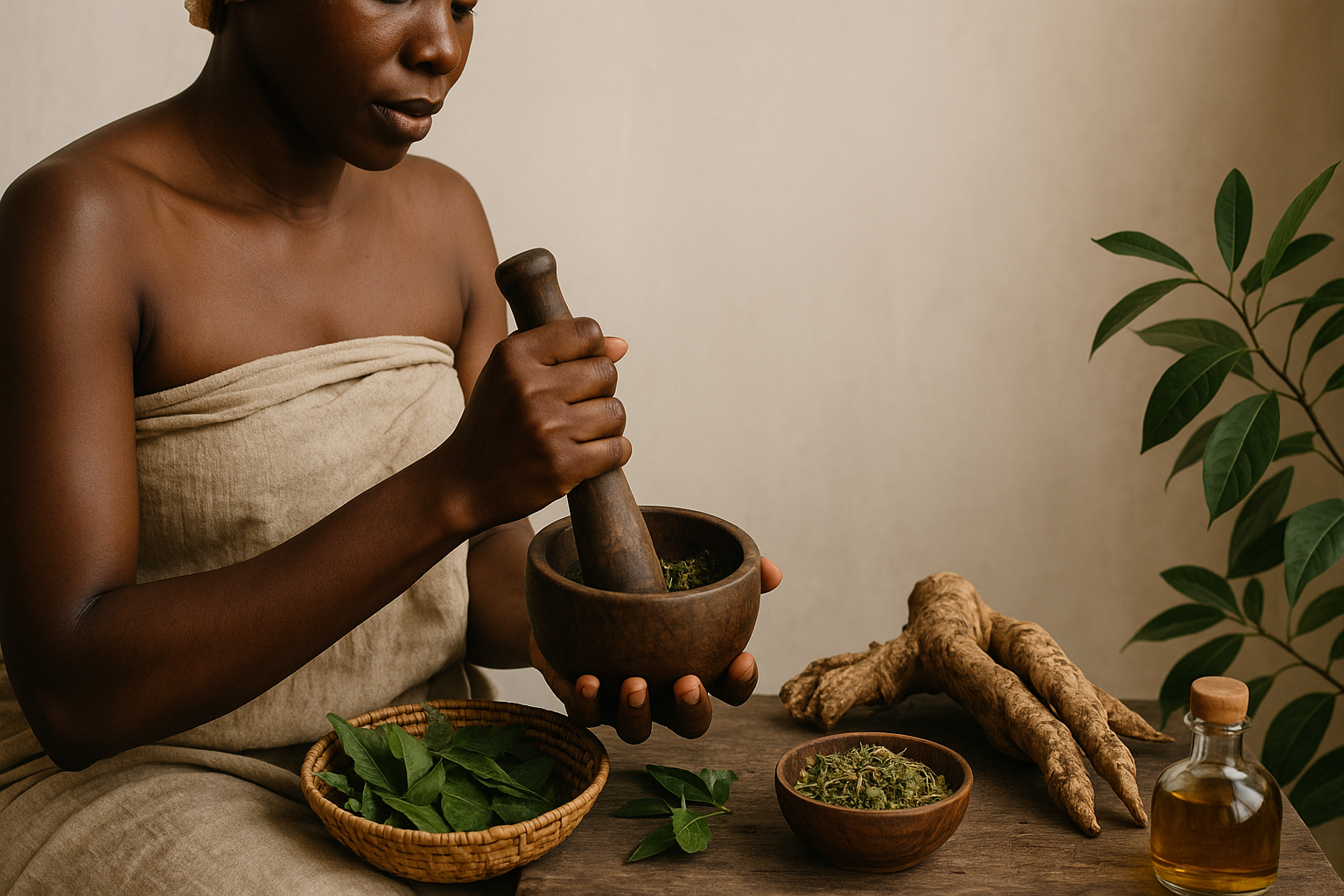
- Preparation: The collected materials may be prepared in various forms, such as teas, poultices, or infusions, depending on the intended use.
- Application: The practitioner administers the remedy, which may involve direct application to the body, ingestion, or other methods aligned with traditional practices.
- Follow-up: Practitioners often engage in follow-up consultations to monitor the individual's progress and make any necessary adjustments to the treatment plan.
What It Is Traditionally Explored For
Bush Medicine has been traditionally used for a variety of health-related issues, although it is essential to note that these practices are rooted in cultural beliefs and traditional knowledge. Common goals include:
- Relief from physical ailments such as wounds, infections, and digestive issues.
- Support for emotional and psychological well-being, helping to address stress and anxiety.
- Spiritual healing, often involving rituals and connections to the individual's heritage and community.
- Promotion of overall health and vitality through preventative measures and wellness practices.
What Modern Research Suggests
While modern research is still in the early stages, the interest in the medicinal potential of Aboriginal plants has sparked collaborations between traditional healers and scientists. These partnerships aim to validate traditional knowledge and uncover new therapeutic applications, potentially leading to the development of natural medicines that honor Indigenous practices.
Safety, Contraindications & Who Should Skip
While many aspects of Bush Medicine are considered safe when practiced by knowledgeable individuals, there are important safety considerations. It is crucial to be aware that:
- Some plants can cause allergic reactions or adverse effects, especially if they are misidentified or improperly prepared.
- Individuals with specific health conditions or those taking certain medications should consult healthcare professionals before engaging in Bush Medicine practices.
- Pregnant or breastfeeding individuals should exercise caution and seek guidance from qualified practitioners.
Pairs Well With (within Aboriginal Medicine and across pillars)
Bush Medicine complements various other modalities within Aboriginal Medicine and beyond. Some related practices include:
- Traditional Aboriginal rituals and spiritual practices.
- Massage and bodywork techniques used for healing.
- Nutrition based on native foods and dietary practices.
- Mindfulness and nature-based therapies that enhance well-being.
How to Find a Qualified Practitioner
Finding a qualified practitioner in Bush Medicine may involve several steps:
- Seek recommendations from local Aboriginal community organizations or health services.
- Look for practitioners who have undergone formal training or apprenticeships with experienced healers.
- Ensure the practitioner respects cultural practices and maintains ethical standards.
- Consider attending community workshops or events that feature traditional healing practices.
FAQs (5)
- What is the difference between Bush Medicine and conventional medicine? Bush Medicine primarily utilizes natural remedies and traditional healing practices, while conventional medicine often relies on pharmaceuticals and surgical interventions.
- Can anyone practice Bush Medicine? While anyone can learn about Bush Medicine, it is essential to respect the cultural significance and seek guidance from qualified Aboriginal practitioners.
- Are Bush Medicine remedies safe for everyone? Not all remedies are safe for everyone. Individuals should consult with a knowledgeable practitioner, especially if they have existing health conditions.
- How can I learn more about Bush Medicine? Engaging with Aboriginal community events, workshops, and literature can provide valuable insights into Bush Medicine and its practices.
- Is Bush Medicine recognized in modern healthcare? There is a growing interest in integrating traditional knowledge into modern healthcare, but recognition varies by region and healthcare system.
Frequently asked
What is the difference between Bush Medicine and conventional medicine?
Bush Medicine primarily utilizes natural remedies and traditional healing practices, while conventional medicine often relies on pharmaceuticals and surgical interventions.
Can anyone practice Bush Medicine?
While anyone can learn about Bush Medicine, it is essential to respect the cultural significance and seek guidance from qualified Aboriginal practitioners.
Are Bush Medicine remedies safe for everyone?
Not all remedies are safe for everyone. Individuals should consult with a knowledgeable practitioner, especially if they have existing health conditions.
How can I learn more about Bush Medicine?
Engaging with Aboriginal community events, workshops, and literature can provide valuable insights into Bush Medicine and its practices.
Is Bush Medicine recognized in modern healthcare?
There is a growing interest in integrating traditional knowledge into modern healthcare, but recognition varies by region and healthcare system.