Community Healing
Discover Community Healing, its traditions, practices, and how it integrates with modern understandings in Aboriginal Medicine.
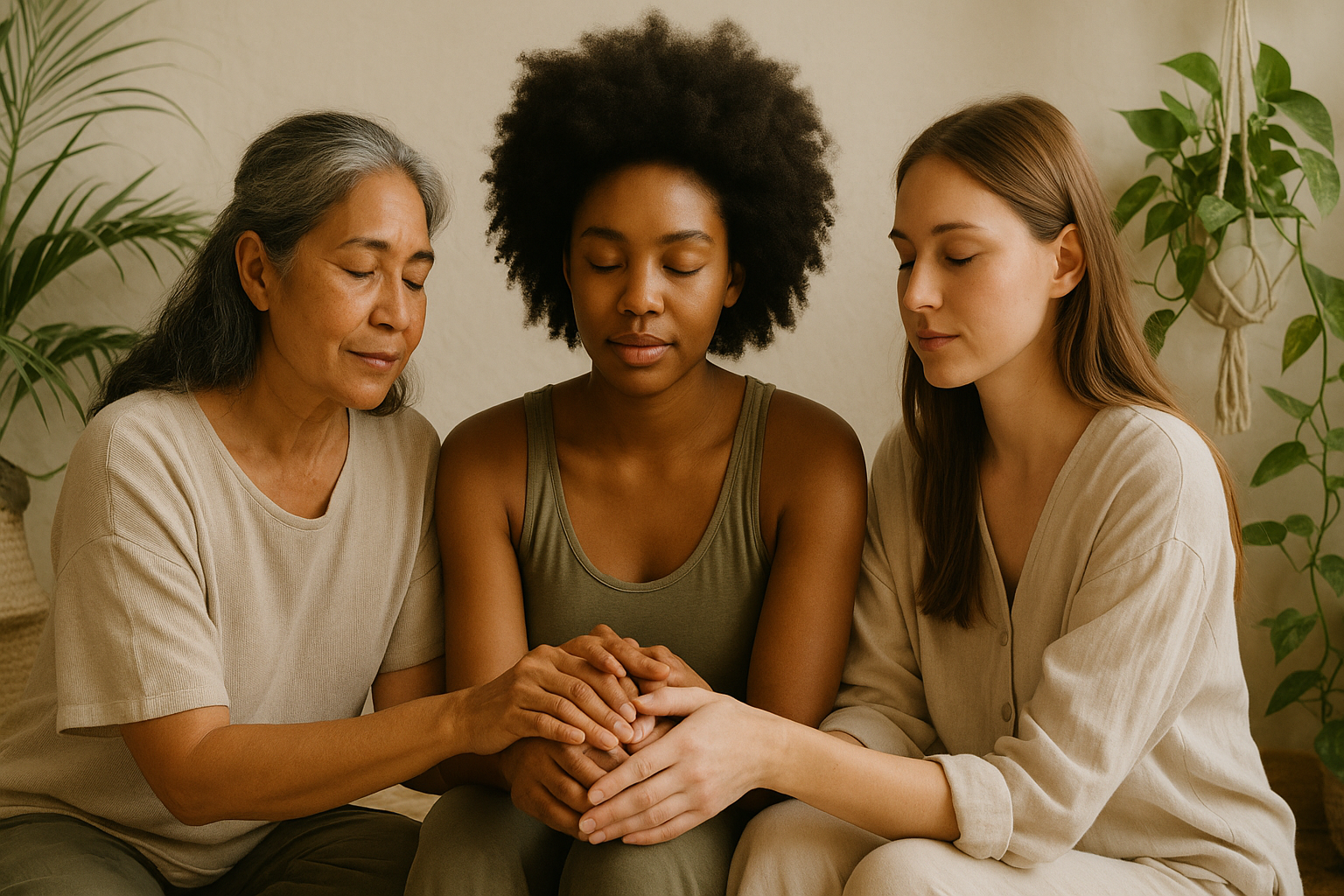
Explore the ancient practice of Community Healing within Aboriginal Medicine, its historical context, methods, and relevance today.
What It Is
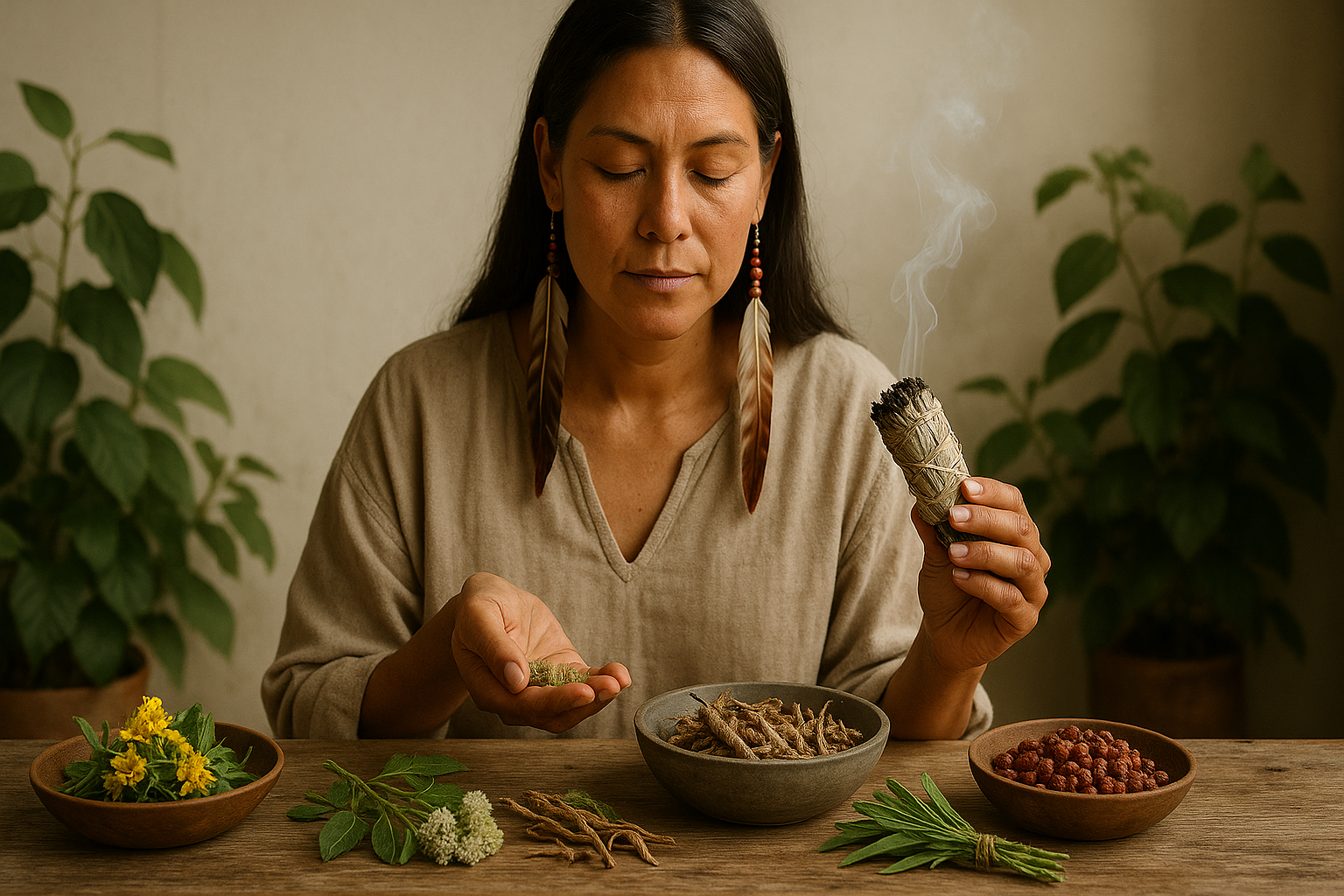
Community Healing is a holistic practice rooted in Aboriginal Medicine, emphasizing the interconnectedness of individuals within their community and environment. It recognizes that healing is not solely an individual experience but a collective journey that involves the whole community. This approach integrates traditional knowledge, cultural practices, and spiritual beliefs, fostering a supportive atmosphere where healing can flourish.
At its core, Community Healing involves various methods that promote physical, emotional, and spiritual well-being. Practitioners often engage in ceremonies, storytelling, and communal gatherings, which serve to strengthen bonds among community members. Through these practices, individuals can find a sense of belonging and support, which is crucial for both personal and collective healing.
Historical Context Within Aboriginal Medicine
Community Healing has deep roots in the traditions of Aboriginal peoples, emerging from a long history of utilizing natural resources and spiritual practices for health and wellness. This modality developed as a response to the needs of the community, emphasizing collective well-being over individualistic approaches. Elders and healers within the community have historically guided these practices, passing down knowledge through generations.
The emergence of Community Healing can be traced back to the time when Aboriginal societies were primarily focused on communal living and shared responsibilities. As a result, healing practices were often communal events, where the entire community participated in rituals and support systems designed to promote recovery and resilience.
How It's Practiced
Practitioners of Community Healing often follow a structured, yet flexible approach to engage with individuals and the community. The following steps outline how this practice is typically conducted:
- Assessment: Understanding the needs of the community and individuals through discussions and observations.
- Gathering: Bringing community members together for healing circles, storytelling sessions, or communal ceremonies.
- Rituals: Engaging in traditional healing rituals that may include drumming, singing, and dance, which help in creating a supportive environment.
- Support: Encouraging open dialogue where individuals can share their experiences, fostering a sense of belonging and understanding.
- Follow-up: Maintaining connections with participants to ensure continued support and healing.
What It Is Traditionally Explored For
Community Healing is traditionally explored for various issues, including but not limited to:
- Emotional distress such as grief and loss
- Physical ailments that affect the community
- Spiritual disconnection or crises
- Social issues like conflict resolution and strengthening community ties
- Promoting overall well-being and resilience among community members
This approach aims to create a supportive network that aids in overcoming challenges and enhances the overall health of the community.
What Modern Research Suggests
Recent studies on community-based healing practices have begun to shed light on their efficacy. Preliminary research suggests that community involvement in healing processes can lead to improved mental health outcomes and a stronger sense of belonging among participants. Some studies indicate that communal support may reduce feelings of isolation and enhance emotional resilience.
However, it is important to note that research in this area is still developing, and while initial findings are promising, further rigorous studies are needed to fully understand the benefits and mechanisms of Community Healing within Aboriginal Medicine.
Safety, Contraindications & Who Should Skip
While Community Healing is generally considered safe, it is crucial for individuals with specific medical conditions or mental health issues to consult with a healthcare provider before participating. Those who may find communal settings overwhelming or triggering, such as individuals with severe anxiety or trauma, may need to approach this practice with caution. Additionally, individuals seeking purely biomedical treatment should consider whether Community Healing aligns with their health goals.
Pairs Well With (within Aboriginal Medicine and across pillars)
Community Healing pairs well with various other modalities in Aboriginal Medicine, including:
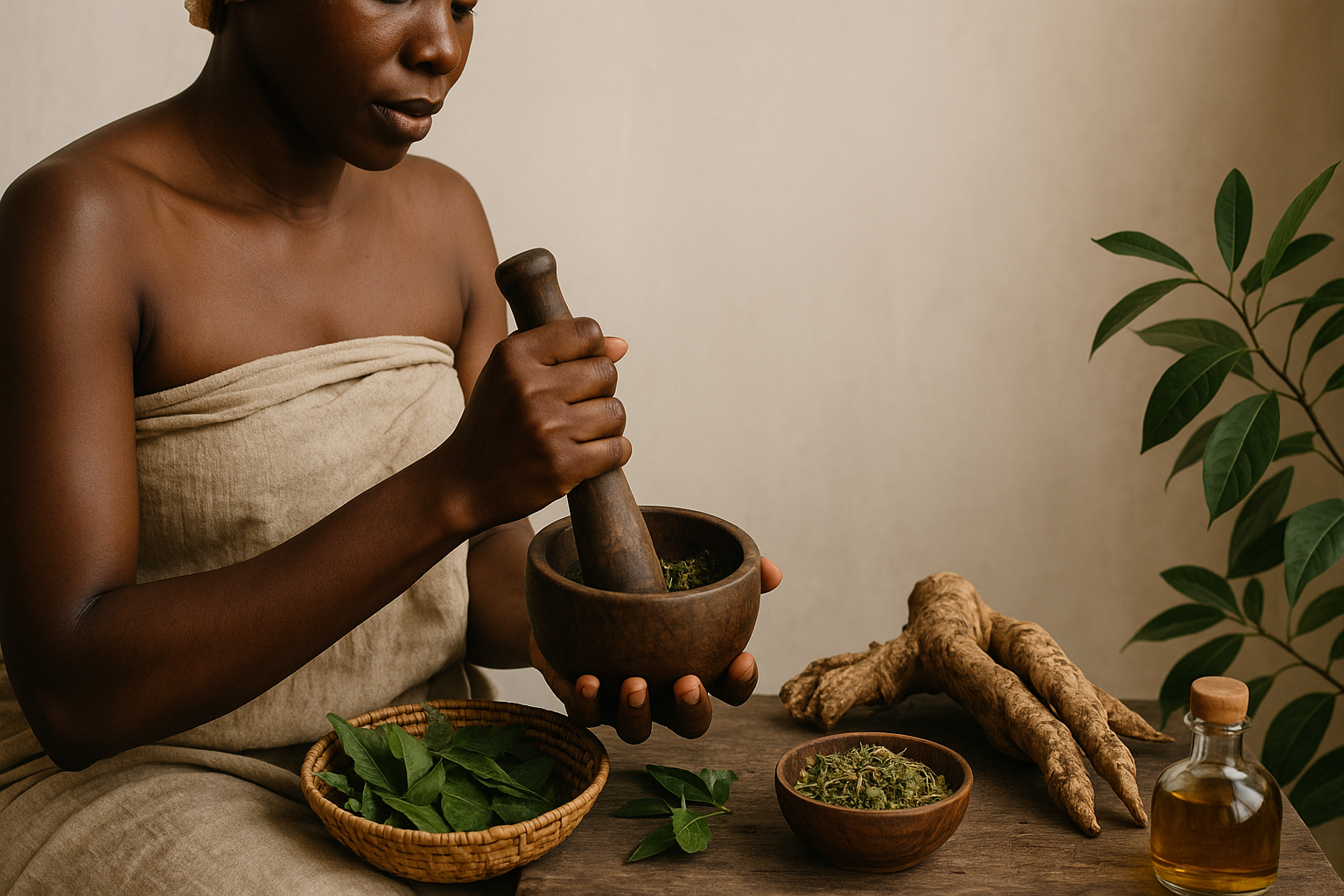
- Herbal Medicine for physical ailments
- Spiritual Counseling to address deeper emotional issues
- Traditional Storytelling to enhance cultural connection
- Art Therapy for creative expression and healing
Across other health pillars, it can complement practices such as mindfulness meditation and yoga, which also emphasize community and collective well-being.
How to Find a Qualified Practitioner
Finding a qualified practitioner in Community Healing involves several steps:
- Research local Aboriginal organizations or cultural centers that offer healing services.
- Seek recommendations from community members who have engaged in these practices.
- Look for practitioners with a strong background in Aboriginal traditions and a recognized history of community work.
- Ask about their approach to Community Healing and ensure it aligns with your needs and beliefs.
FAQs (5)
1. What is the main goal of Community Healing?
The main goal of Community Healing is to promote the collective well-being of individuals within a community, fostering a supportive environment for healing and resilience.
2. How does Community Healing differ from individual therapy?
Community Healing focuses on the collective experience and community involvement, while individual therapy typically centers on personal experiences and one-on-one interactions.
3. Can anyone participate in Community Healing practices?
Yes, Community Healing practices are generally open to all community members, although those with specific conditions should consult a healthcare provider first.
4. What types of rituals are involved in Community Healing?
Rituals may include drumming, singing, dance, and storytelling, which are designed to strengthen community bonds and promote healing.
5. Is there scientific evidence supporting Community Healing?
Preliminary studies suggest positive outcomes from community-based healing practices, but further research is needed to confirm these findings.
Frequently asked
What is the main goal of Community Healing?
The main goal of Community Healing is to promote the collective well-being of individuals within a community, fostering a supportive environment for healing and resilience.
How does Community Healing differ from individual therapy?
Community Healing focuses on the collective experience and community involvement, while individual therapy typically centers on personal experiences and one-on-one interactions.
Can anyone participate in Community Healing practices?
Yes, Community Healing practices are generally open to all community members, although those with specific conditions should consult a healthcare provider first.
What types of rituals are involved in Community Healing?
Rituals may include drumming, singing, dance, and storytelling, which are designed to strengthen community bonds and promote healing.
Is there scientific evidence supporting Community Healing?
Preliminary studies suggest positive outcomes from community-based healing practices, but further research is needed to confirm these findings.