Wellness Fitness
Discover the intersection of wellness and fitness, focusing on holistic approaches to optimize health and well-being through physical activity.

Explore the realm of Wellness Fitness within the Fitness Optimization pillar of Modern Wellness. This subcategory focuses on enhancing your overall well-being through physical fitness, integrating holistic approaches with evidence-based practices to create a balanced fitness regimen.
What It Is
Wellness Fitness refers to a holistic approach to physical fitness that emphasizes overall well-being rather than just the physical aspects of fitness. It integrates various components including emotional, mental, and social health along with physical fitness to create a balanced lifestyle. The goal of Wellness Fitness is to promote a sustainable and enjoyable fitness routine that enhances quality of life, reduces stress, and improves overall health.
This approach acknowledges that fitness extends beyond traditional exercise. It incorporates mindfulness, nutrition, sleep, and social connections as key elements that contribute to a person’s well-being. By focusing on these interconnected areas, individuals can develop a more comprehensive fitness strategy that aligns with their personal health goals.
Mechanism / How It Works
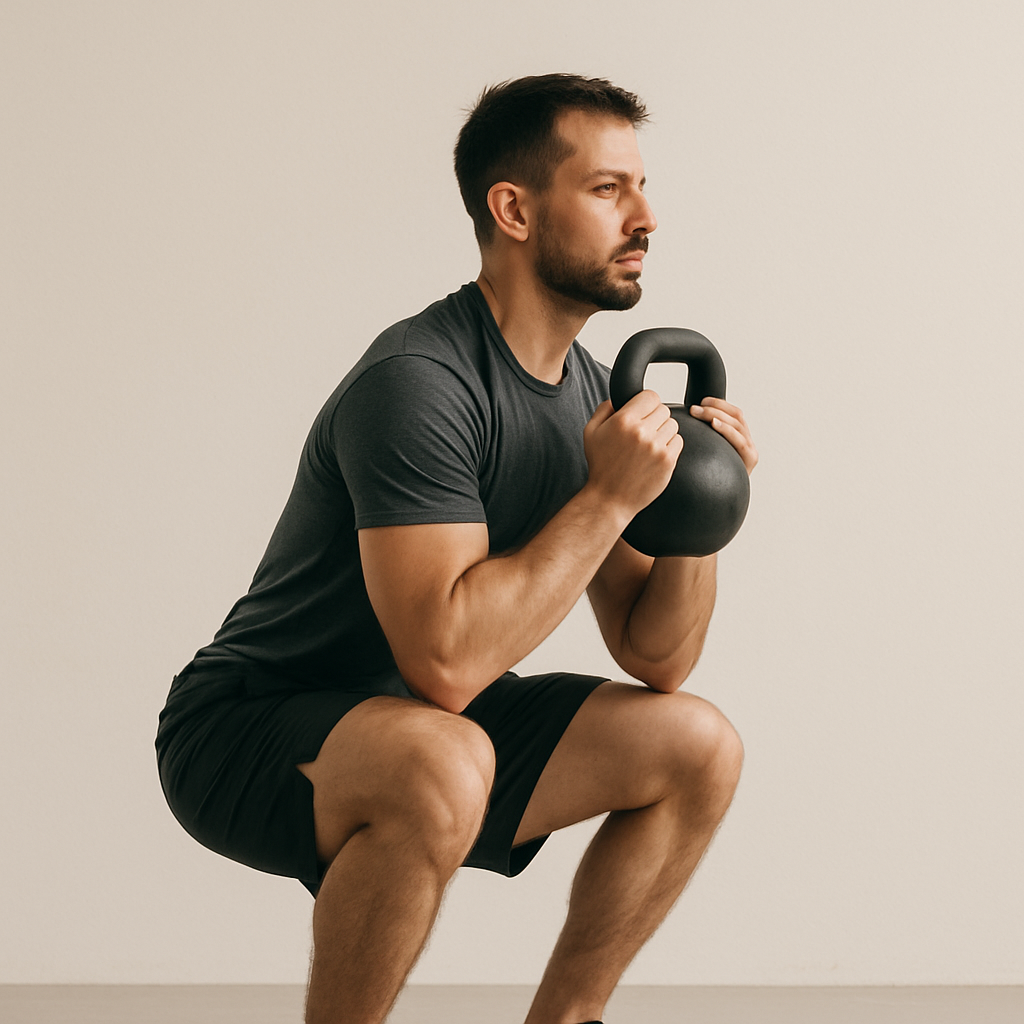
Wellness Fitness works by integrating various components of health and fitness into a cohesive strategy. This may include aerobic exercises, strength training, flexibility exercises, and mindfulness practices such as yoga or meditation. The combination of these elements promotes cardiovascular health, muscle strength, flexibility, and mental clarity.
Additionally, Wellness Fitness emphasizes the importance of nutrition and lifestyle choices. Proper nutrition fuels the body for physical activity while also supporting mental health. Sleep hygiene and stress management techniques are also considered vital, as they significantly impact recovery and overall health.
Evidence Summary
Research surrounding Wellness Fitness is evolving, with preliminary studies suggesting a positive correlation between holistic fitness approaches and improved health outcomes. Clinical studies have shown that incorporating mindfulness and stress reduction techniques into fitness regimens can lead to better mental health and lower levels of anxiety and depression.
However, evidence can be conflicting concerning the optimal combinations of physical activity types and their effects on different populations. While some studies indicate that high-intensity workouts might be beneficial for some, others suggest that moderate, consistent activity combined with mindfulness may be more effective for long-term health and wellness. As such, more research is needed to draw definitive conclusions.
Practical Application
To incorporate Wellness Fitness into daily life, individuals can start by creating a balanced routine that includes various types of physical activities. Here are some practical guidelines:
- Develop a routine: Aim for at least 150 minutes of moderate aerobic activity weekly, combined with strength training exercises on two or more days.
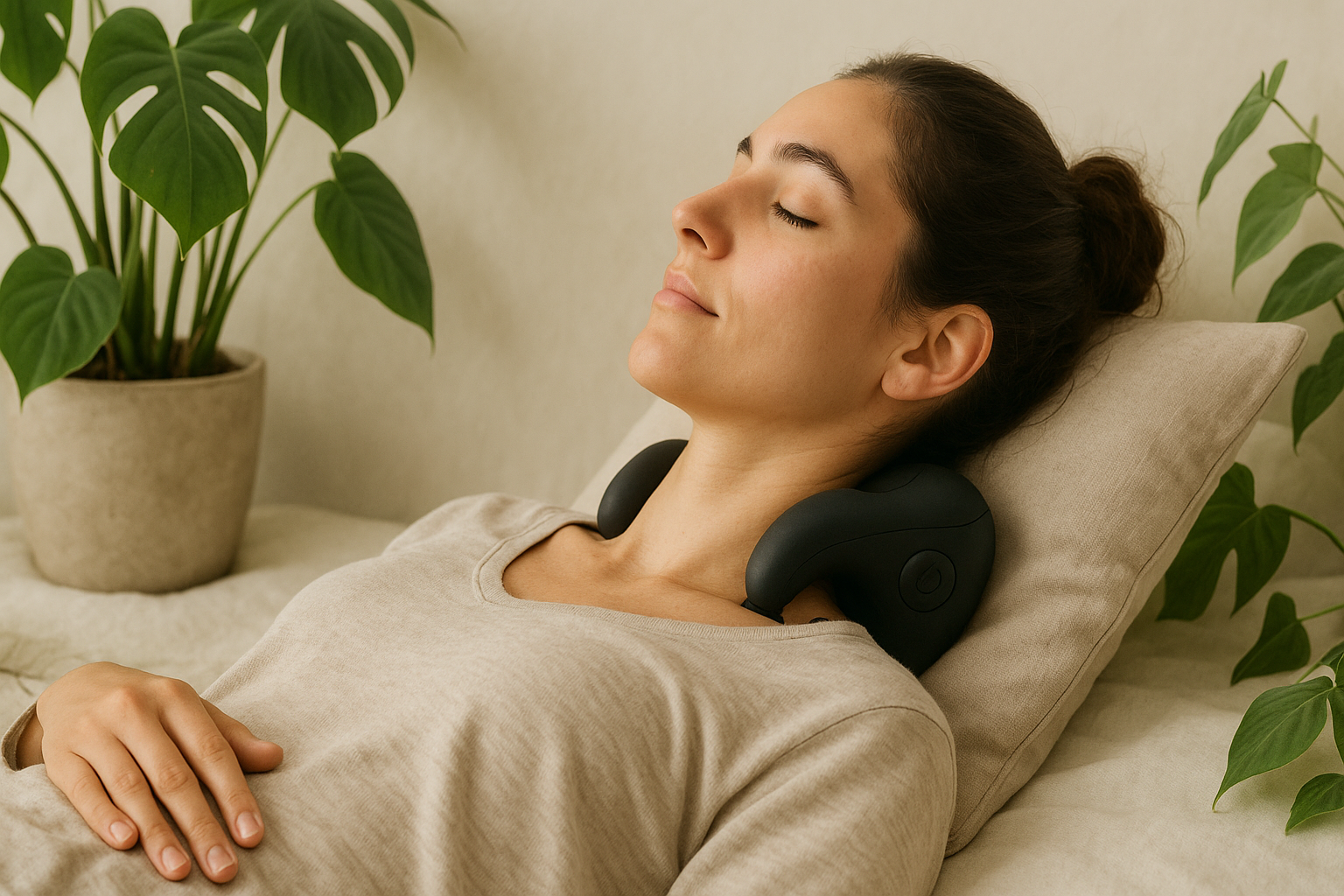
- Include mindfulness practices: Integrate yoga, meditation, or breathing exercises into your weekly schedule to improve mental clarity and reduce stress.
- Focus on nutrition: Prioritize whole foods, balanced meals, and hydration alongside your fitness routine.
- Listen to your body: Pay attention to your body’s signals and adjust your activities accordingly to prevent injury and promote recovery.
Common pitfalls include setting unrealistic goals, neglecting mental health components, and failing to adapt routines to personal needs and preferences. It’s essential to maintain flexibility and enjoyment in your fitness plan.
Relevant Biomarkers & Tracking
To effectively monitor progress in Wellness Fitness, consider tracking the following biomarkers:
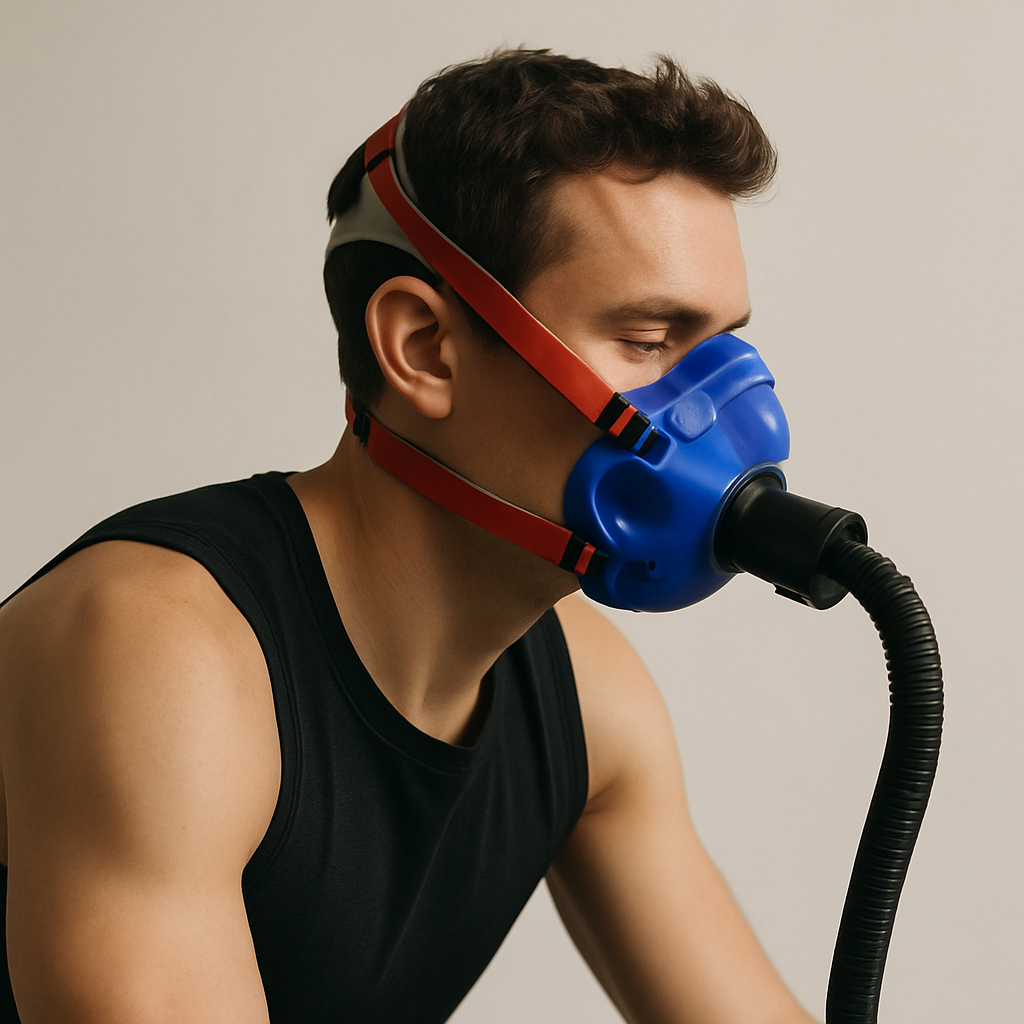
- Heart Rate: Monitoring resting and active heart rate can provide insights into cardiovascular health and fitness levels.
- Body Composition: Assessing body fat percentage and muscle mass can help gauge improvements in physical fitness.
- Stress Levels: Utilize tools like heart rate variability (HRV) to track stress responses and recovery.
- Sleep Quality: Implement tracking methods to assess sleep patterns and quality, as they are crucial for recovery and overall wellness.
Body Systems Supported
Wellness Fitness supports multiple body systems, including:
- Cardiovascular System: Regular physical activity strengthens the heart, improves circulation, and lowers blood pressure.
- Musculoskeletal System: Strength training enhances muscle strength and bone density, reducing the risk of injuries.
- Nervous System: Mindfulness practices can improve mental health and cognitive function, positively impacting emotional well-being.
- Endocrine System: Exercise and nutrition can help regulate hormones, influencing mood and energy levels.
Common Goals
Individuals engaging in Wellness Fitness typically aim to achieve several common goals, such as:
- Improved Physical Health: Enhancing cardiovascular fitness, strength, and flexibility.
- Mental Clarity: Reducing stress and anxiety through mindfulness and physical activity.
- Weight Management: Achieving and maintaining a healthy weight through balanced nutrition and exercise.
- Enhanced Quality of Life: Fostering a sense of well-being and happiness through a holistic approach to fitness.
Safety, Contraindications & Edge Cases
While Wellness Fitness is generally safe for most individuals, certain populations should approach it with caution:
- Those with chronic health conditions should consult a healthcare provider before starting a new fitness regimen.
- Individuals recovering from surgery or injury may need tailored programs to avoid exacerbating their condition.
- Older adults should consider their physical limitations and focus on low-impact activities that promote mobility and flexibility.
It is vital to listen to your body and adjust the intensity and type of workouts to suit your individual needs.
Pairs Well With
Wellness Fitness complements various ancient and natural counterparts, including:
- Yoga: Enhances flexibility, strength, and mindfulness, making it a perfect addition to a Wellness Fitness routine.
- Aromatherapy: Can enhance relaxation and recovery after workouts through the use of essential oils.
- Nutrition from Whole Foods: Supports physical activity and overall wellness by providing essential nutrients.
- Meditation and Mindfulness Practices: These techniques help in stress reduction and improve mental resilience.
FAQs (5)
- What is the difference between traditional fitness and Wellness Fitness? Traditional fitness often focuses solely on physical health, while Wellness Fitness emphasizes a holistic approach that includes mental and emotional well-being.
- How can I start incorporating Wellness Fitness into my routine? Begin by adding a mix of aerobic, strength, and flexibility exercises, along with mindfulness practices like yoga or meditation.
- Is there a specific diet I should follow for Wellness Fitness? Focus on whole foods, balanced meals, and proper hydration to support your fitness regimen.
- Can Wellness Fitness help with mental health? Yes, integrating mindfulness and physical activity has been shown to improve mental health outcomes.
- Are there any risks associated with Wellness Fitness? While generally safe, individuals with chronic conditions or injuries should consult a healthcare professional before starting a new fitness program.
Frequently asked
What is the difference between traditional fitness and Wellness Fitness?
Traditional fitness often focuses solely on physical health, while Wellness Fitness emphasizes a holistic approach that includes mental and emotional well-being.
How can I start incorporating Wellness Fitness into my routine?
Begin by adding a mix of aerobic, strength, and flexibility exercises, along with mindfulness practices like yoga or meditation.
Is there a specific diet I should follow for Wellness Fitness?
Focus on whole foods, balanced meals, and proper hydration to support your fitness regimen.
Can Wellness Fitness help with mental health?
Yes, integrating mindfulness and physical activity has been shown to improve mental health outcomes.
Are there any risks associated with Wellness Fitness?
While generally safe, individuals with chronic conditions or injuries should consult a healthcare professional before starting a new fitness program.