Sports Wellness
Dive into Sports Wellness, a key aspect of Fitness Optimization focused on enhancing athletic performance and overall well-being through evidence-based practices.

Explore the intersection of sports and wellness within the realm of fitness optimization. This comprehensive guide covers definitions, mechanisms, evidence, practical applications, and more related to sports wellness.
What It Is
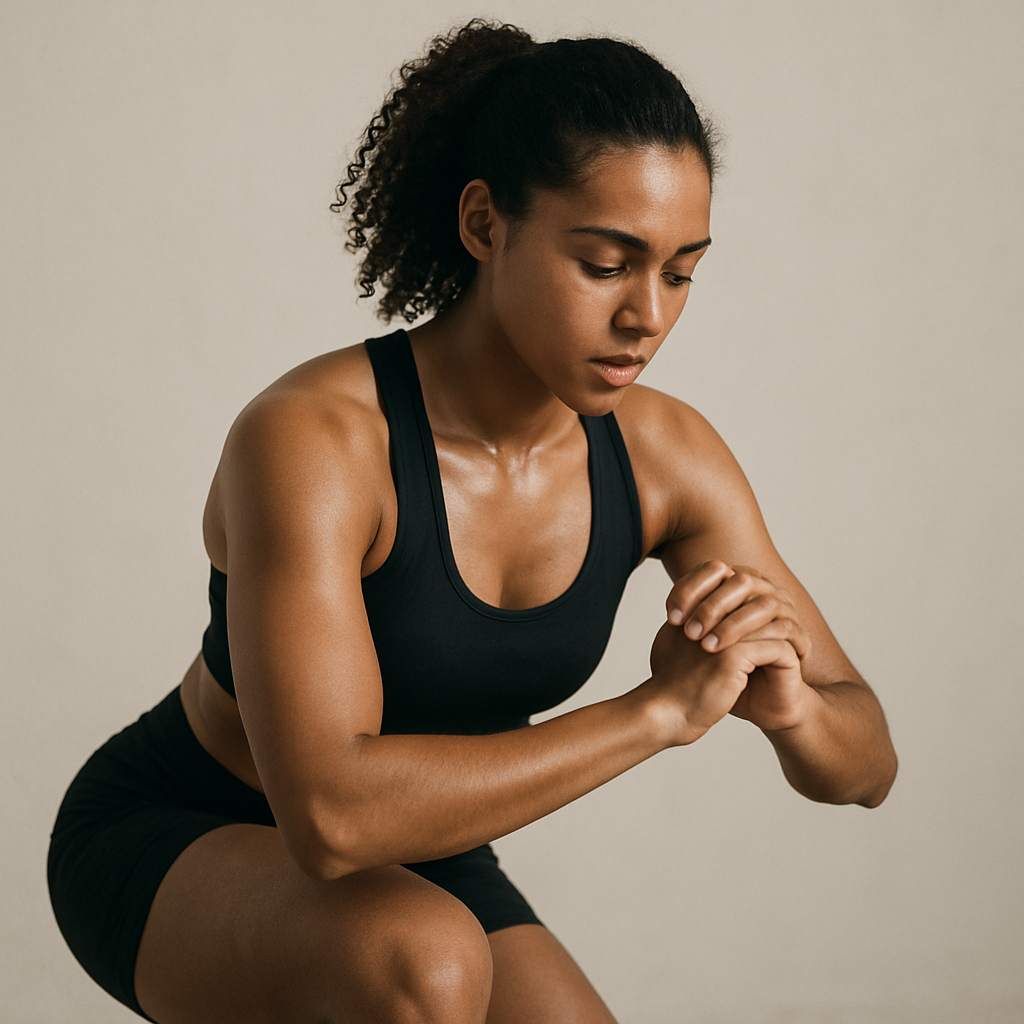
Sports wellness is a holistic approach to enhancing physical performance, recovery, and overall health for athletes and fitness enthusiasts. It integrates various aspects of physical fitness, nutrition, mental health, and lifestyle adjustments to optimize athletic capabilities and promote long-term well-being. By focusing on both performance and recovery, sports wellness aims to create a balanced regimen that supports athletes in reaching their full potential.
This field acknowledges that optimal performance is not solely about rigorous training but also involves understanding the body’s needs for rest, nutrition, and mental clarity. It encourages individuals to adopt practices that not only enhance their physical abilities but also contribute to their mental and emotional health.
Mechanism / How It Works
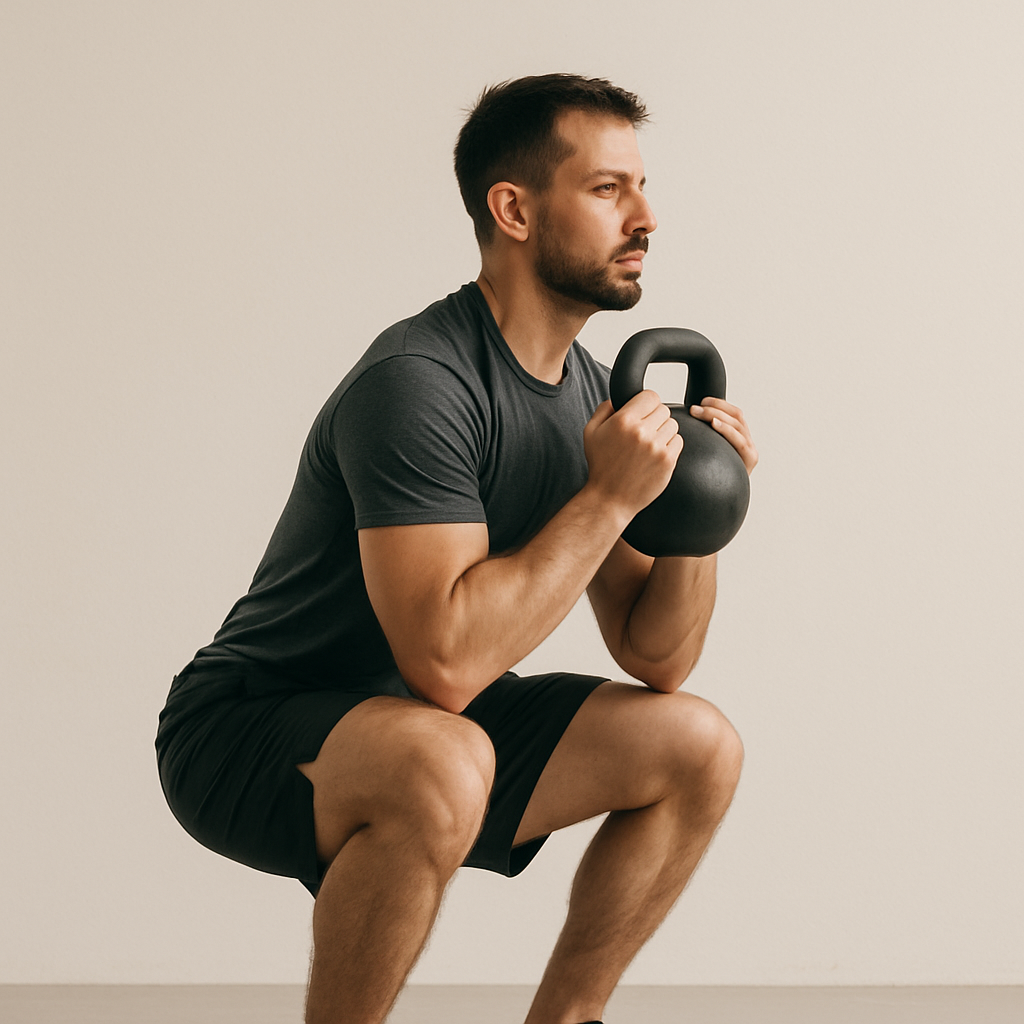
The mechanisms behind sports wellness involve a combination of physiological, psychological, and nutritional strategies. Physiologically, sports wellness emphasizes training regimens that are tailored to an individual's goals and body types. This includes periodization of workouts, which strategically alternates training intensity and volume to maximize performance while minimizing injury risk.
Nutritionally, sports wellness advocates for a diet rich in macronutrients and micronutrients that support energy levels, muscle recovery, and overall health. This may involve personalized meal planning based on an athlete's specific needs, activity levels, and metabolic responses.
Psychological aspects play a crucial role as well; mental resilience, motivation, and stress management techniques are essential for maintaining focus and drive during training and competitions. Techniques such as visualization, mindfulness, and breathing exercises can enhance mental clarity and reduce performance anxiety.
Evidence Summary
The evidence surrounding sports wellness is diverse and evolving. Preliminary studies suggest that tailored nutrition and recovery protocols can enhance athletic performance and reduce injury rates. For instance, research indicates that adequate protein intake is vital for muscle repair and growth, while hydration strategies are critical for maintaining performance levels during prolonged activities.
Clinical studies have shown that athletes who engage in structured recovery practices, such as active rest, cryotherapy, and massage, report improved recovery times and reduced muscle soreness. However, conflicting evidence exists regarding the most effective recovery methods, as individual responses can vary significantly. More extensive, large-scale studies are needed to draw definitive conclusions about the efficacy of specific practices.
Practical Application
Implementing sports wellness into daily routines can be approached through several protocols:
- Personalized Training Plans: Develop a training schedule that aligns with individual goals, ensuring a balance of strength, endurance, flexibility, and recovery.
- Nutrition and Hydration: Create a meal plan that includes adequate carbohydrates, proteins, and healthy fats, tailored to the athlete's energy expenditure. Hydration should be monitored and adjusted based on activity levels.
- Recovery Strategies: Incorporate rest days, active recovery sessions, and techniques such as foam rolling or stretching to aid muscle recovery.
- Mental Training: Practice mindfulness, visualization, and other techniques that enhance mental focus and resilience, particularly before competitions.
Common pitfalls include neglecting recovery, following overly restrictive diets, and failing to listen to one's body signals. Athletes should prioritize recovery and be flexible in adjusting their plans based on their physical and mental states.
Relevant Biomarkers & Tracking
Monitoring specific biomarkers can help athletes assess their wellness and performance. Relevant indicators include:
- Heart Rate Variability (HRV): A measure of autonomic nervous system function that indicates recovery status and overall stress levels.
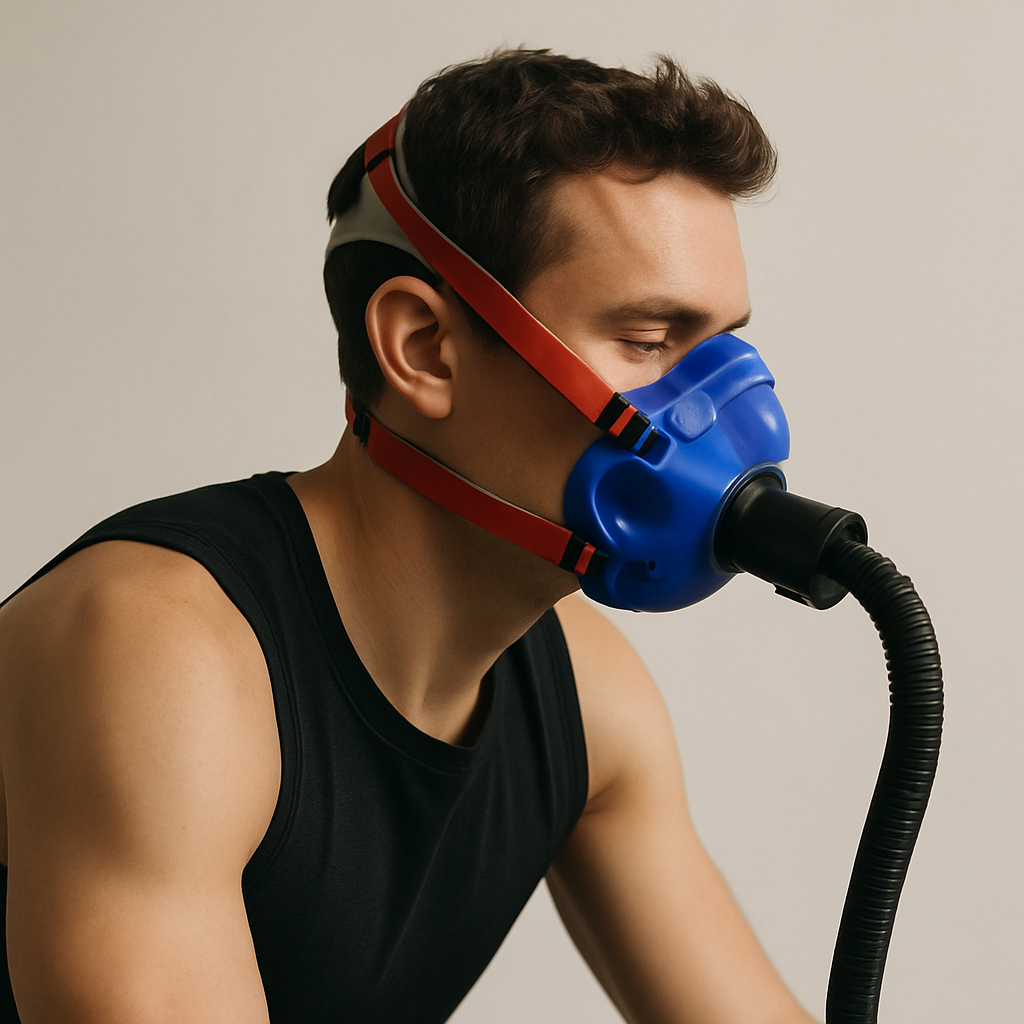
- Blood Lactate Levels: Monitoring lactate can provide insight into an athlete's endurance and recovery capabilities.
- Nutrition Tracking: Keeping a detailed log of food intake to ensure proper macronutrient balance and hydration levels.
- Sleep Quality: Tracking sleep patterns can help assess recovery and readiness for training.
Body Systems Supported
Sports wellness primarily supports the following body systems:
- Muscular System: Enhanced muscle performance and recovery through targeted training and nutrition.
- Cardiovascular System: Improved heart health and endurance through aerobic conditioning and recovery strategies.
- Nervous System: Enhanced mental clarity and resilience through psychological training.
- Endocrine System: Balanced hormonal responses through proper nutrition and recovery practices.
Common Goals
Individuals pursuing sports wellness typically aim to achieve the following goals:
- Maximize athletic performance in training and competitions.
- Reduce the risk of injury through proper conditioning and recovery.
- Enhance recovery processes to maintain training intensity.
- Improve mental resilience and focus during performance.
Safety, Contraindications & Edge Cases
While sports wellness is generally safe, certain considerations must be acknowledged:
- Individual Variability: Responses to training and nutrition can differ significantly among individuals. What works for one athlete may not be suitable for another.
- Pre-existing Conditions: Athletes with chronic conditions should consult healthcare professionals before implementing new wellness practices.
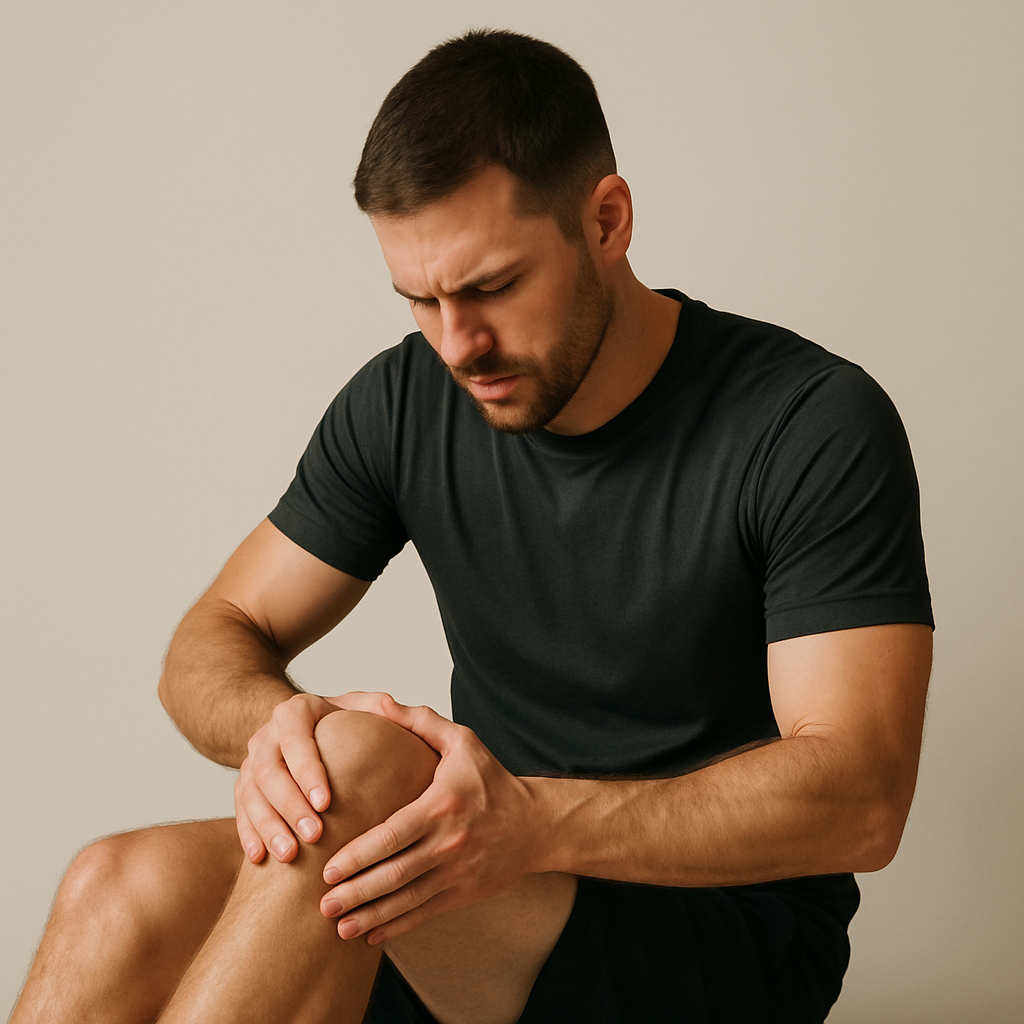
- Overtraining: Excessive training without adequate recovery can lead to burnout and injury. It is crucial to recognize signs of overtraining and adjust plans accordingly.
Pairs Well With
Sports wellness can be complemented by various ancient and natural practices:
- Ayurvedic Nutrition: Tailoring diets based on individual body types and energy needs.
- Traditional Chinese Medicine: Incorporating acupuncture and herbal remedies for recovery and balance.
- Yoga and Meditation: Enhancing flexibility, mental clarity, and stress management.
FAQs (5)
- What is the role of nutrition in sports wellness? Nutrition provides the necessary fuel for performance and recovery. A balanced diet can enhance energy levels and support muscle recovery.
- How can I prevent injuries while training? Implementing proper warm-up routines, listening to your body, and allowing for adequate recovery are essential strategies to prevent injuries.
- What are effective recovery techniques? Techniques such as active recovery, stretching, massage, and proper hydration can significantly enhance recovery.
- How does mental training impact performance? Mental training techniques can improve focus, reduce anxiety, and enhance overall performance during competitions.
- Is sports wellness suitable for non-athletes? Yes, principles of sports wellness can benefit anyone looking to improve their fitness, health, and well-being, regardless of athletic status.
Frequently asked
What is the role of nutrition in sports wellness?
Nutrition provides the necessary fuel for performance and recovery. A balanced diet can enhance energy levels and support muscle recovery.
How can I prevent injuries while training?
Implementing proper warm-up routines, listening to your body, and allowing for adequate recovery are essential strategies to prevent injuries.
What are effective recovery techniques?
Techniques such as active recovery, stretching, massage, and proper hydration can significantly enhance recovery.
How does mental training impact performance?
Mental training techniques can improve focus, reduce anxiety, and enhance overall performance during competitions.
Is sports wellness suitable for non-athletes?
Yes, principles of sports wellness can benefit anyone looking to improve their fitness, health, and well-being, regardless of athletic status.