Preventive Health
Discover how preventive health integrates with functional medicine to promote wellness and prevent disease.

Explore the role of preventive health within functional medicine, emphasizing its principles, mechanisms, and practical applications for overall wellness.
What It Is
Preventive health is an integral aspect of functional medicine that emphasizes a proactive approach to health management. Rather than merely addressing symptoms after they arise, preventive health focuses on identifying risk factors and implementing strategies to avert the onset of diseases. This paradigm shift encourages individuals to take an active role in their health, recognizing that lifestyle choices, nutrition, and environmental factors significantly influence overall well-being.
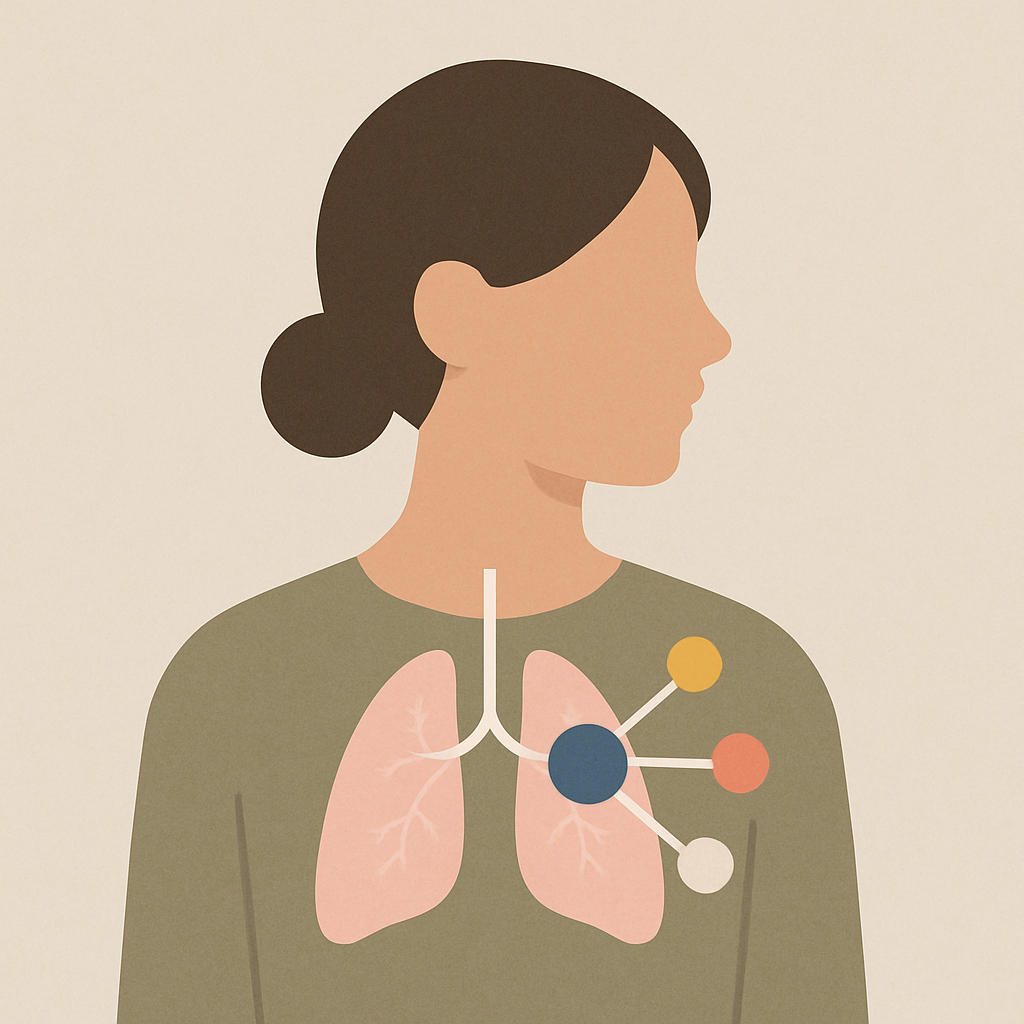
In functional medicine, preventive health is rooted in a holistic understanding of how various body systems interact. It seeks to promote optimal functioning across these systems by addressing the underlying causes of health issues. This approach empowers individuals to make informed choices that sustain long-term health and vitality, ultimately fostering a healthier society.
Mechanism / How It Works
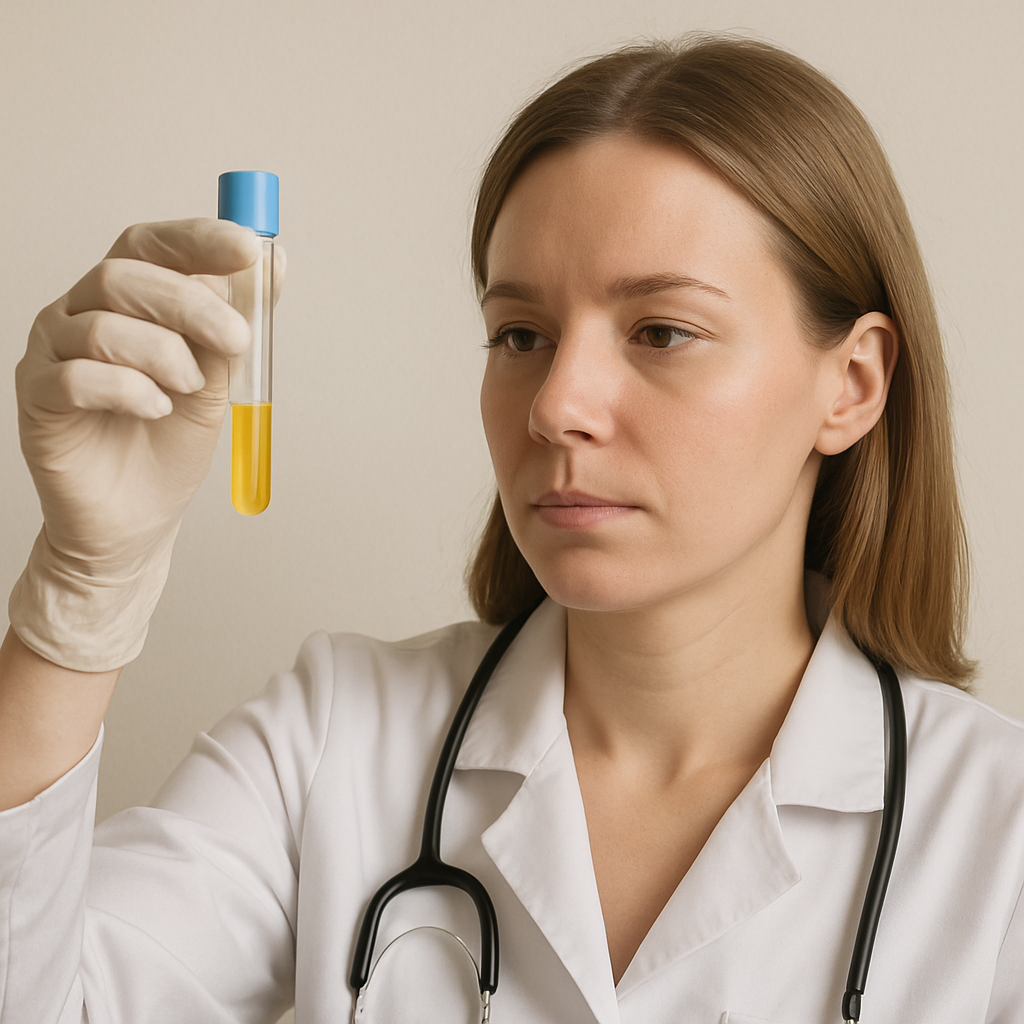
The mechanisms of preventive health in functional medicine involve a comprehensive assessment of an individual's health status. This includes evaluating lifestyle habits, genetic predispositions, and environmental influences that may contribute to health risks. By integrating various diagnostic tools and methodologies, practitioners can develop tailored strategies that address each patient's unique needs.
Preventive health strategies often include:
- Personalized nutrition plans that focus on nutrient-dense foods.
- Regular physical activity tailored to individual capabilities and preferences.
- Stress management techniques such as mindfulness and meditation.
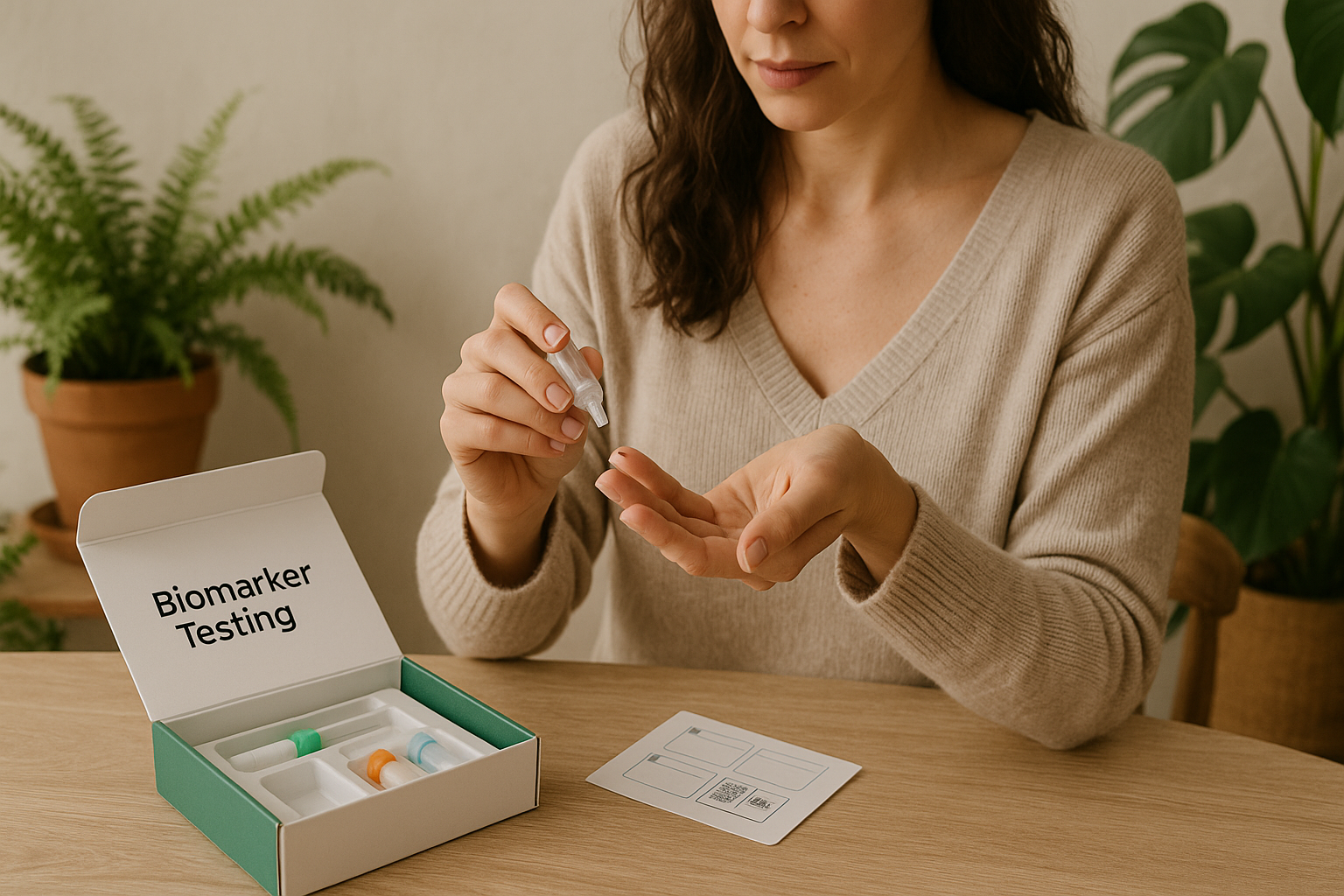
- Regular screenings and health assessments to monitor biomarker changes.
Evidence Summary
The body of evidence surrounding preventive health within functional medicine is continually evolving. Preliminary studies suggest that lifestyle interventions can significantly reduce the risk of chronic diseases such as diabetes, heart disease, and certain cancers. Clinical trials have demonstrated the effectiveness of dietary modifications, exercise, and stress management in improving health outcomes.
However, conflicting evidence exists regarding the efficacy of some preventive strategies. For instance, while certain supplements and interventions show promise, their long-term benefits and safety profiles require further investigation. It is essential to approach preventive health with a critical eye, recognizing that individual responses to interventions can vary widely.
Practical Application
- Start by assessing your current health and lifestyle habits, possibly with the help of a functional medicine practitioner.
- Incorporate whole foods into your diet, focusing on fruits, vegetables, whole grains, and healthy fats.
- Establish a regular exercise routine, aiming for at least 150 minutes of moderate aerobic activity each week.
- Practice stress management techniques, such as yoga or deep-breathing exercises, to support mental health.
Common pitfalls include lack of consistency, underestimating the impact of small lifestyle changes, and neglecting mental health as part of overall wellness.
Relevant Biomarkers & Tracking
Monitoring specific biomarkers can provide valuable insights into an individual's health status and the effectiveness of preventive strategies. Some relevant biomarkers include:
- Blood glucose levels to assess metabolic health.
- Lipid profiles to evaluate cardiovascular risk.
- Inflammatory markers such as C-reactive protein (CRP) to gauge systemic inflammation.
- Vitamin D levels for bone and immune health.
Regular tracking of these biomarkers can help individuals and practitioners adjust health plans as needed.
Body Systems Supported
Preventive health strategies in functional medicine support multiple body systems, including:
- The cardiovascular system, through improved nutrition and physical activity.
- The endocrine system, by balancing hormones through lifestyle choices.
- The digestive system, via a focus on gut health and nutrient absorption.
- The immune system, through dietary interventions and stress reduction.
Common Goals
The overarching goals of preventive health within functional medicine include:
- Reducing the risk of chronic diseases.
- Enhancing overall well-being and vitality.
- Promoting healthy aging.
- Empowering individuals to take charge of their health.
Safety, Contraindications & Edge Cases
While preventive health strategies are generally safe for most individuals, certain precautions should be considered:
- Consult a healthcare provider before starting new dietary supplements or exercise programs, especially for individuals with pre-existing conditions.
- Be cautious of extreme diets that may lead to nutrient deficiencies.
- Monitor for any adverse reactions to new health interventions and adjust accordingly.
Pairs Well With
Preventive health in functional medicine aligns well with various natural and ancient health practices, including:
- Ayurveda, which emphasizes individualized health based on body constitution.
- Traditional Chinese Medicine, focusing on balance and harmony within the body.
- Herbal medicine, which offers natural remedies to support health.
FAQs (5)
- What is preventive health in functional medicine? Preventive health in functional medicine focuses on proactive strategies to prevent diseases by addressing the root causes of health issues.
- How can I implement preventive health strategies in my life? Start by assessing your health, improving your diet, incorporating exercise, and managing stress.
- What are some common biomarkers I should track? Relevant biomarkers include blood glucose levels, lipid profiles, inflammatory markers, and vitamin D levels.
- Are there any risks associated with preventive health strategies? Potential risks include adverse reactions to new interventions or extreme dietary changes; consult a healthcare provider before starting.
- How does preventive health relate to overall wellness? Preventive health is a cornerstone of overall wellness, aiming to enhance quality of life and reduce the risk of chronic diseases.
Frequently asked
What is preventive health in functional medicine?
Preventive health in functional medicine focuses on proactive strategies to prevent diseases by addressing the root causes of health issues.
How can I implement preventive health strategies in my life?
Start by assessing your health, improving your diet, incorporating exercise, and managing stress.
What are some common biomarkers I should track?
Relevant biomarkers include blood glucose levels, lipid profiles, inflammatory markers, and vitamin D levels.
Are there any risks associated with preventive health strategies?
Potential risks include adverse reactions to new interventions or extreme dietary changes; consult a healthcare provider before starting.
How does preventive health relate to overall wellness?
Preventive health is a cornerstone of overall wellness, aiming to enhance quality of life and reduce the risk of chronic diseases.