Herbs & Botanicals · Herbs · Leaf of the olive tree, studied for blood pressure with low-certainty evidence, and not the same as olive oil
Olive Leaf
Olea europaea L. (leaf and leaf extracts) · also called Olive leaf, olive leaf extract, European olive, olivier (French), Olivenblatt (German), hoja de olivo (Spanish), folha de oliveira (Portuguese), oleuropein extract; sold under names such as EFLA 943 or Benolea
Olive leaf is the leaf of the olive tree, used as a tea, powder or concentrated extract. It is not olive oil and not the olive fruit, and research on those foods does not apply to the leaf. The best-studied use is high blood pressure. In one trial an olive leaf extract lowered blood pressure about as much as a low dose of the drug captopril, and a large 2025 trial also saw a fall. Pooled reviews agree on a small fall, but nothing about olive leaf is rated above low certainty. Evidence for blood sugar, cholesterol, joints and memory is mixed or very thin. No human trial tested it for colds or flu. Olive leaf can lower blood pressure and may lower blood sugar, so ask a doctor or pharmacist first if you take medicine for either. The EU approves it only for mild water retention.
General information, not medical advice. Last substantive update · Not medically reviewed. A named clinician has not signed off on this page. How this page is made
About Olive Leaf
Olive leaf is the leaf of the olive tree, used as a tea, powder or standardised extract. It is a different product from olive oil and olive fruit. The best-studied use is high blood pressure, where one trial matched a low dose of captopril and a large 2025 trial saw a fall, but certainty is low. It may also lower blood sugar. Safety points: it can add to blood pressure and diabetes medicines, and it is not recommended in pregnancy, breastfeeding or children. The EU approves only a traditional use for mild water retention.
What it is
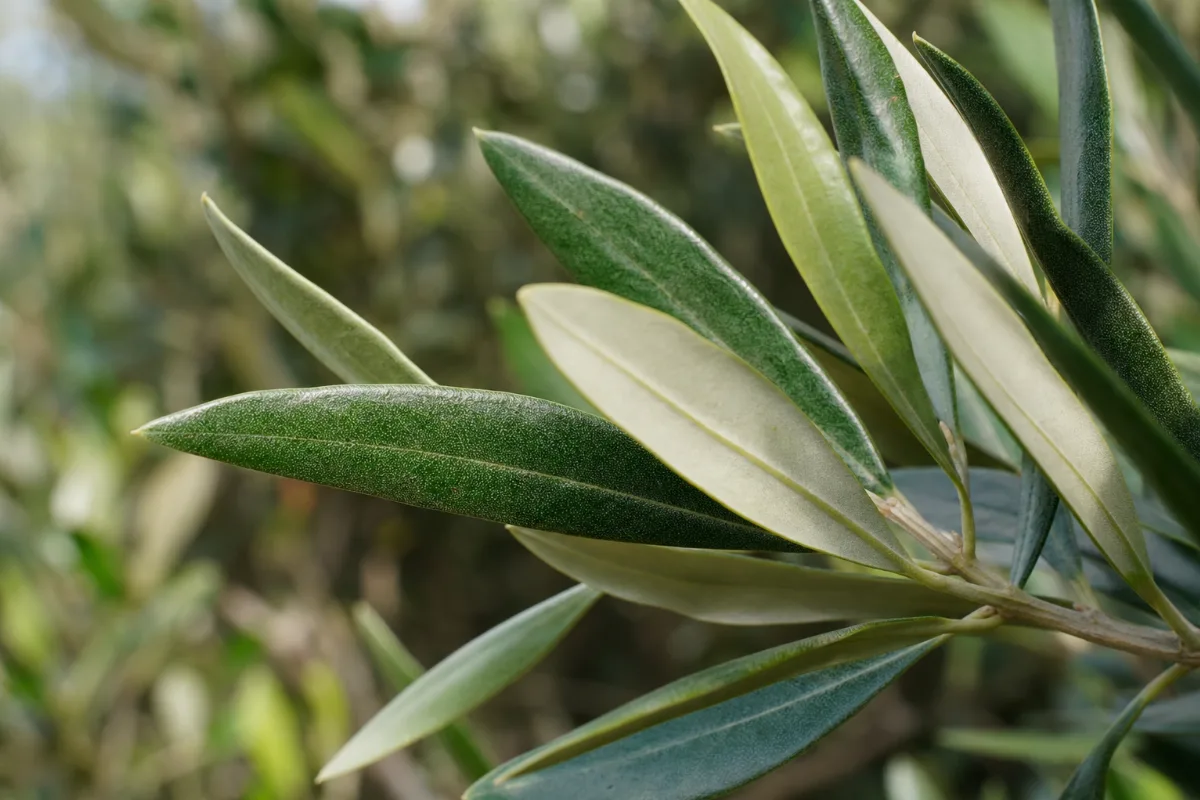
Olive leaf comes from Olea europaea, the olive tree, a Mediterranean evergreen in the olive family (Oleaceae). The EU describes the dried leaf as thick, grey-green and bitter, with at least 5% of a compound called oleuropein.
This profile is about the leaf and its extracts only. Olive oil and table olives are foods with their own research, and findings about them are not used here.
What makes it distinctive
The leaf is rich in oleuropein, which breaks down to hydroxytyrosol. In people, hydroxytyrosol from the leaf shows up in the blood mainly as sulfate and glucuronide forms, and levels differ widely between people.
In the lab, olive leaf extract relaxed rabbit and rat heart tissue by blocking calcium channels. Rats made hypertensive were protected by one extract. Lab effects like these do not prove the same happens in people.
Historical and current uses
The EU assessment report records olive leaf teas for high blood pressure in Spain, Greece, Italy and Bulgaria, for diabetes in several countries, and a leaf tincture for fevers and malaria in the 19th century.
Today the EU recognises one traditional use: to promote the kidneys' elimination of water in mild water retention, in adults, after a doctor has excluded serious causes. The EU did not accept blood pressure as a self-treatment use, and the report records a negative German Commission E monograph.
What the research shows
For high blood pressure, a double-blind trial found the extract EFLA 943 and low-dose captopril lowered pressure by similar amounts. A large 2025 trial found a bigger fall in 24-hour systolic pressure than on placebo. Pooled reviews give falls of roughly 4 to 11 mmHg systolic but disagree on size and are based on few, small trials, several linked to extract makers.
For blood sugar, cholesterol, weight and inflammation the results are mixed, and the newest reviews found no clear effect. For knee pain, memory, menopause and cold sores there are only one or two small trials, some without a placebo.
No human trial tested olive leaf for colds or flu. Claims about colds come from lab studies and tradition.
At a glance
Traditional uses history, not proof
- Mediterranean folk medicine: teas of the leaf for high blood pressure (Spain, Greece, Italy, Bulgaria) and for diabetes (Spain, Canary Islands, Mexico, Serbia, Tunisia), as recorded in the EU assessment report
- 19th-century Europe: leaf tincture and leaves used for fevers and malaria, according to the same report
- EU traditional use: to promote the kidneys' elimination of water in mild water retention, in adults, after a doctor has excluded serious causes
- Germany: used for decades against high blood pressure and hardening of the arteries, although the German Commission E published a negative monograph and the EU did not accept this as a self-treatment use
Studied for research
- High blood pressure, low certainty (one trial matched low-dose captopril; a large 2025 trial and pooled reviews show falls of roughly 4 to 11 mmHg)
- Borderline blood pressure and cholesterol, low certainty (small trials; some positive, some not)
- Blood sugar and insulin sensitivity, low certainty (one trial in type 2 diabetes and one in overweight men positive; prediabetes trials and the newest reviews negative)
- Weight, inflammation markers, knee pain, memory in mild Alzheimer's, menopause symptoms, skin, cold sores: very low certainty (one or two small trials, several with no placebo)
- Colds, flu and stomach infections: no human trial found; lab studies only
Main compounds
- Oleuropein, the bitter main compound of the leaf, which breaks down to hydroxytyrosol
- Hydroxytyrosol and tyrosol, simple phenols; hydroxytyrosol is the main form found in human blood after dosing
- Flavonoids such as luteolin and apigenin glycosides, rutin, and triterpene acids such as oleanolic and maslinic acid
Common forms
- Standardised dry leaf extracts used in trials (for example EFLA 943, also sold as Benolea, and other branded extracts)
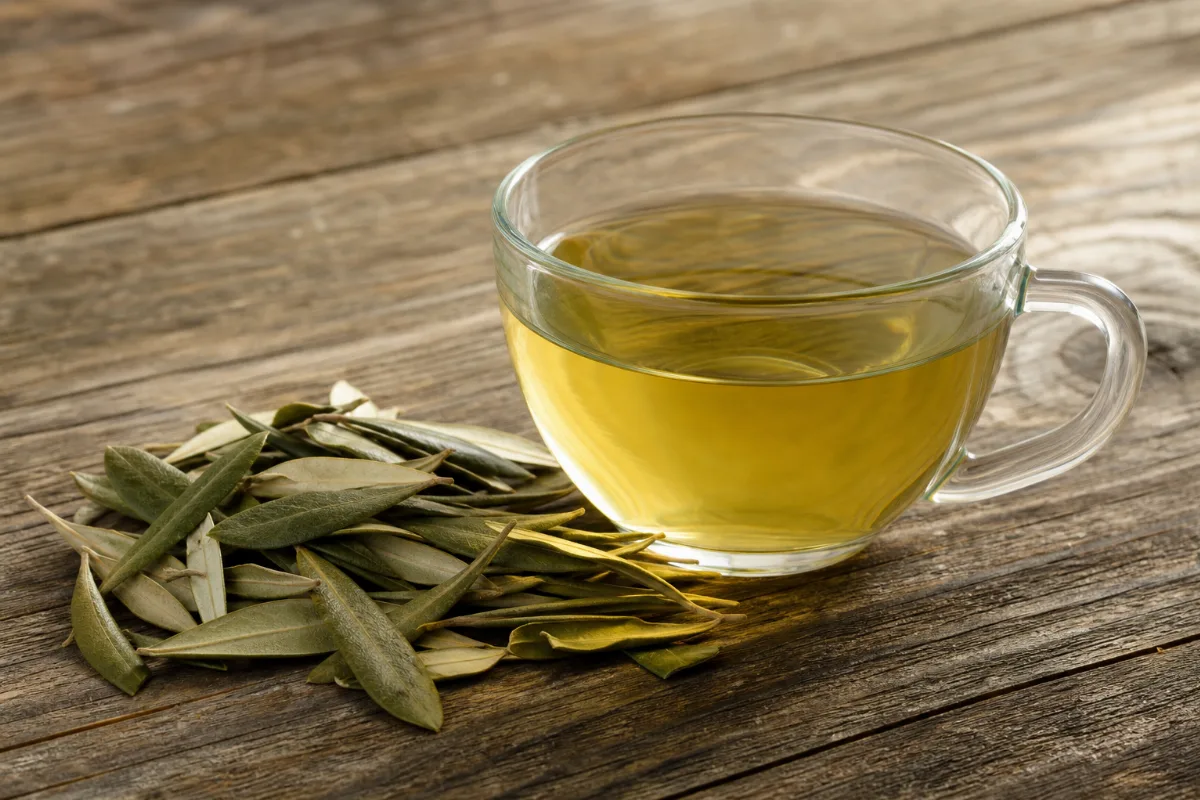
- Olive leaf tea or infusion, a traditional form that is far less studied
- Powdered or dried leaf
- Creams made with leaf extract, tested in one cold-sore trial
- Combination products with olive fruit extract or potassium; their results cannot be credited to olive leaf alone
Research links: EU herbal medicine page: Olive leaf (Oleae folium), European Medicines Agency · EU assessment report on Olea europaea leaf (EMA/HMPC/359236/2016) · PubMed: olive leaf extract and blood pressure, Susalit 2011 (captopril comparison) · PubMed: olive leaf extract in hypertension, Lamti 2025 · Research Library · Genes & Biomarkers Library
The plant and its history
- Accepted scientific name
- Olea europaea L. (olive tree). The medicinal part here is the leaf (Olea europaea folium, 'Oleae folium'), not the fruit or oil.
- Naming authority
- Olea europaea L., published in Sp. Pl.: 8 (1753) (GBIF; NCBI gives 'Olea europaea L., 1753').
- Synonyms
- GBIF synonyms returned by the API include Olea europaea Thunb., Olea pallida Salisb., Olea sativa Hoffmanns. & Link and Olea verrucosa var. brachybotrya A.DC. (partial list).; NCBI lists Olea sativa as a synonym and 'common olive' as the common name.
- Common names
- Olive leaf (English); European olive (English); Olivier / feuille d'olivier (French); Olivenbaum / Olivenblatt (German); Olivo / ulivo (Italian); Acebuche (wild olive); hoja de olivo (Spanish); Oliveira / folha de oliveira (Portuguese); 油橄欖 (Chinese); الزيتون (Arabic)
- Botanical family
- Oleaceae (olive family, order Lamiales), the same family as ash, jasmine, lilac and privet.
- Classification
- Plantae > Tracheophyta > Magnoliopsida > Lamiales > Oleaceae > Olea > Olea europaea
- Native range
- The EU assessment report (a secondary source) says the olive tree is native to southern European countries and the Mediterranean region as far as Iran and beyond the Caucasus, and is also cultivated in similar climates in the Americas. Not checked against a botanical database.
- Habitat
- An evergreen tree about 6-9 m tall (EU report); more than 300 cultivars are recognised (EU report citing Blaschek 2006).
- What the plant looks like
- Roots: Not part of the medicinal use.; Stems: Not described in sources read.; Leaves: Per the European Pharmacopoeia description in the EU report: simple, thick and leathery, lanceolate to obovate, 30-50 mm long and 10-15 mm wide, upper surface grey-green and shiny, lower surface paler with fine hairs. Dried leaf must contain at least 5% oleuropein; the leaf tastes bitter.; Flowers: Not part of the use studied.; Fruit: The olive fruit and its oil are separate products and are not covered in this profile.
- Cultivation
- Leaves are harvested throughout the year from cultivated trees and dried in the shade (EU assessment report).
- Harvest and processing
- Dried leaf, comminuted leaf for tea, powdered leaf and liquid or dry extracts are described in the EU report. Trial extracts named in the papers include EFLA 943 (also sold as Benolea, a dry extract with 18-26% oleuropein and DER 3-7:1 per the EU report's description of the Susalit trial extract), a Comvita extract, Bonolive and olive leaf tea.
- Look-alikes and adulterants
- Name: Olive oil and olive fruit; Note: The most important thing to keep separate. Olive oil and table olives are foods with their own research. Studies on olive oil or olives say little about the leaf extract and are not used in this profile.; Name: African wild olive (Olea europaea subsp. cuspidata / africana); Note: A different subspecies. One lab study of its leaf extract is cited and labelled; its oleuropein content varied from undetectable to 59.4 mg/g.; Name: Other plants called 'olive'; Note: Names such as Russian olive or tea olive belong to other plant families. Products should name Olea europaea. This note comes from general botanical knowledge, not a source read for this file.; Name: Olive pomace and olive leaf extracts mixed with fruit; Note: Pomace is the waste from pressing olives. A 2026 review analysed olive leaf and pomace separately and found different results.
- Sustainability and conservation
- Not verified. No IUCN assessment was retrieved.
The plant and the parts used
Traditional use and history history, not clinical proof
| Tradition or era | Documented use | Source |
|---|---|---|
| Europe, 19th century (Spain, France, England) | The EU assessment report says the first formal medical mention of olive leaf was an 1854 account of a tincture for severe fevers and malaria. Spanish physicians prescribed the leaves as a fever remedy early in the 19th century. | s-ema-ar-olive-leaf |
| Mediterranean folk use | Teas or extracts were taken for high blood pressure in Spain, Greece, Italy, Bulgaria, Madeira and the Canary Islands, for diabetes in Spain, Canary Islands, Mexico, Serbia and Tunisia, and as a diuretic in France and Brazil (EU report). | s-ema-ar-olive-leaf |
| France | Leaf is regarded as an herbal substance with efficacy and safety shown by literature and long use, for mild urinary and digestive function and promoting kidney water elimination (EU report). | s-ema-ar-olive-leaf |
| Germany | Used at least since 1976 for preventing atherosclerosis and against high blood pressure (EU report). The EU report says the German Commission E published a negative monograph for olive leaf. | s-ema-ar-olive-leaf |
| Science, 1960s | An Italian researcher reported in 1962 that oleuropein lowered blood pressure in animals, which started modern interest (EU report). | s-ema-ar-olive-leaf |
| Modern EU regulation | The EU herbal monograph (traditional use only) covers mild water retention, with a first version published 2018 and a periodic review under way. | s-ema-hmpc-olive-leaf |
| Wikipedia-only claims | Popular accounts of olive leaf as an ancient Egyptian or biblical remedy were NOT verified from a source read for this profile. | not-verified |
Traditional use shows how a plant was used. It does not show that a supplement works or is safe today.
What is inside, and how it may work
What the plant contains and how those compounds act in cells and animals. Laboratory and animal mechanisms are not proven effects in people.
Main compounds
| Compound | Family | Where it is concentrated | Activity studied | Level of evidence |
|---|---|---|---|---|
| Oleuropein PubChem 5281544 | secoiridoid glycoside | Leaf (also fruit and other parts) 5-9% of leaf per the EU report's constituents list; 60-90 mg/g dry weight in a cited analysis; European Pharmacopoeia minimum 5% in dried leaf. African wild olive varied from below detection to 59.4 mg/g. | The bitter main compound. Switched on liver P450 genes in mice; inactivated a CYP3A marker in human liver microsomes. Very low blood levels after dosing in people. 39 22 33 38 25 | Laboratory research |
| Hydroxytyrosol PubChem 82755 | phenolic alcohol (breakdown product of oleuropein) | Leaf extracts Present in leaf extracts; the human blood form is mainly sulfate and glucuronide conjugates. | The main form found in human blood and urine after olive leaf extract. 38 8 39 | Human data |
| Tyrosol PubChem 10393 | phenolic alcohol | Leaf and fruit Listed among phenolic compounds in the EU report. | Not studied separately here. 39 | Laboratory research |
| Ligstroside PubChem 14136859 | secoiridoid glycoside | Leaf Listed with oleuropein in the EU report. | Not studied separately here. 39 | Laboratory research |
| Elenolic acid PubChem 169607 | secoiridoid breakdown product | Leaf; formed when oleuropein breaks down Present as a hydrolysis product of oleuropein (EU report). | An elenolic-acid-rich extract blocked influenza neuraminidase in cells. 39 29 | Laboratory research |
| Oleacein PubChem 18684078 | secoiridoid | Olive tree; stronger in fruit and oil Not quantified in leaf in the sources read. | Not studied here. 44 | Laboratory research |
| Luteolin and luteolin 7-O-glucoside PubChem 5280445 | flavone | Leaf Luteolin derivatives listed in the EU report's constituents. | Not studied separately here. 39 44 | Laboratory research |
| Apigenin 7-O-glucoside PubChem 5280704 | flavone glycoside | Leaf Apigenin derivatives listed in the EU report. | Not studied separately here. 39 44 | Laboratory research |
| Rutin PubChem 5280805 | flavonol glycoside | Leaf Quercetin-type flavonoids are common; not quantified in the sources read. | Not studied here. 44 | Laboratory research |
| Verbascoside PubChem 5281800 | phenylethanoid glycoside | Leaf Not quantified in the sources read. | Not studied here. 44 | Laboratory research |
| Oleanolic acid and maslinic acid PubChem 10494 | pentacyclic triterpenes | Leaf Listed in the EU report's constituents. | Not studied separately here. 39 44 | Laboratory research |
Mechanisms, receptors and pathways
| Target or pathway | Gene or receptor | What was found | Level |
|---|---|---|---|
| L-type calcium channels (heart and vessel relaxation) | L-type Ca2+ channel (Cav1.2) | A commercial olive leaf extract lowered left ventricular pressure and heart rate, increased coronary flow in isolated rabbit hearts and reversibly reduced the L-type calcium current in rat heart cells. 30 | Animal research |
| Blood pressure in L-NAME hypertensive rats | Nitric-oxide pathway (rat model) | EFLA 943 prevented and reversed high blood pressure in rats given L-NAME, with 100 mg/kg the best dose. 15 | Animal research |
| Starch digestion and absorption | Intestinal starch handling (rat sac model) | Olive leaf extract reduced starch digestion and absorption in normal and diabetic rat intestine; the effect was not significant in sand rats. 36 1 | Animal research |
| Drug-metabolising enzymes | PPAR-alpha; CYP1A1, 1A2, 1B1, 3A, 2C, 2D, 2E1 (mouse genes) | Pure oleuropein for 6 weeks switched on several P450 genes in normal mouse liver but not in PPAR-alpha-deficient mice. 22 | Animal research |
| CYP3A and CYP1A2 enzyme activity | CYP3A4 marker (androstenedione 6-beta-hydroxylation), CYP1A2 | Oleuropein inactivated the CYP3A marker activity in a time- and NADPH-dependent way (Ki 22.2 micromolar) and weakly inhibited CYP1A2 in human liver microsomes. 33 | Laboratory research |
| Immune cell signalling | Interferon-gamma, CD8+ and NK cells, nitric oxide | Two olive leaf extracts raised CD8+ and natural killer cell numbers, interferon-gamma and nitric oxide release in cultured blood cells from 25 healthy donors. 21 | Laboratory research |
| Influenza virus neuraminidase | Viral neuraminidase | An elenolic-acid-rich extract (Isenolic) inhibited neuraminidase in a dose-dependent way and kept infected dog kidney cells alive; funded by the product's maker. 29 | Laboratory research |
| Helicobacter pylori inflammation | IL-8; reactive oxygen species | Two extracts lowered IL-8 and ROS in infected human stomach cells and had antibacterial activity against H. pylori strains. 31 | Laboratory research |
| Human blood levels after dosing | Conjugation of hydroxytyrosol (sulfate and glucuronide) | After olive leaf extract in people, hydroxytyrosol conjugates were the main forms in blood and urine. 38 8 | Human data |
Absorption, metabolism and elimination
- Absorption
- In nine healthy volunteers, oleuropein and hydroxytyrosol from olive leaf extract reached the blood mainly as conjugated hydroxytyrosol; peak plasma oleuropein was 2.74 ng/mL after liquid versus 0.47 ng/mL after capsules (p=0.004).
- Distribution
- No human tissue distribution data found.
- Metabolism
- Oleuropein breaks down to hydroxytyrosol and elenolic acid (EU report), and hydroxytyrosol is then conjugated into sulfate and glucuronide forms.
- Elimination
- All conjugated hydroxytyrosol metabolites were recovered in the urine within 8 hours (de Bock 2013).
- Bioavailability
- Not formally measured against an intravenous dose. There was wide variation between people. Men had a higher plasma exposure to conjugated hydroxytyrosol than women in the small study (p=0.048). In a 16-woman study, postmenopausal women had higher plasma levels of several metabolites than premenopausal women after 250 mg of a 40% oleuropein extract.
Isolated compounds versus whole extracts
Most clinical trials use whole leaf extracts that contain many compounds. Oleuropein and hydroxytyrosol are measured and often used to standardise the extract, but no trial separated their effects from the rest of the leaf, so it is unknown whether one compound explains the results. The lab drug-enzyme work used pure oleuropein, not whole leaf.
Nutritional composition
Olive leaf is not a nutritional food. Tea or extracts supply polyphenols (such as oleuropein and hydroxytyrosol) rather than vitamins or minerals in meaningful amounts, so a nutrient table is not applicable. Olive oil and table olives are foods with their own nutrient profile and are not covered here.
4 low certainty8 very low certainty
What was looked at
The 12 benefits and uses checked for Olive Leaf, each with how strong the evidence is. Tap one to open it.
- High blood pressure (hypertension)Low certainty
- Borderline or raised-normal blood pressureLow certainty
- Cholesterol, LDL and triglyceridesLow certainty
- Oxidised LDL (an artery-health marker)Very low certainty
- Blood pressure: olive leaf combined with other ingredientsVery low certainty
- Blood sugar, HbA1c and insulin sensitivityLow certainty
- Body weight and body fatVery low certainty
- Inflammation blood markers (CRP, IL-6, TNF-alpha)Very low certainty
- Knee pain and osteoarthritisVery low certainty
- Thinking and memory in mild Alzheimer's diseaseVery low certainty
- Menopause symptoms and skin ageing markersVery low certainty
- Colds, flu, cold sores and stomach infectionVery low certainty
Lab markers tracked in the studies
Systolic blood pressure (top number)Diastolic blood pressure (bottom number)LDL cholesterol ('bad' cholesterol)Total cholesterolTriglyceridesOxidised LDLFasting blood glucoseHbA1c (3-month average blood sugar)Insulin sensitivityBody weight and BMIC-reactive protein (CRP)Interleukin-6 (IL-6)TNF-alphaKnee pain (visual analogue scale / KOOS)Mini-Mental State Examination (MMSE)Menopause quality-of-life score (MENQoL)
What is Olive Leaf good for?
The main proposed uses and how strong the human evidence is for each. "Low" is the best rating any olive leaf use reached here. "Very low" means one or two small trials, some without a placebo. None of these is a proven treatment for you. Olive leaf is the leaf of the tree; research on olive oil and olives does not apply. Ask a doctor or pharmacist if you take medicine for blood pressure or diabetes.
Benefits, one by one
Each card is a research question, not a promise. Tap a goal to filter. Open a card to see the studies, doses and limits.
High blood pressure (hypertension)
Low certaintyThe best-studied use of olive leaf extract. In one trial of people with stage-1 hypertension, the extract EFLA 943 lowered blood pressure about as much as the drug captopril at a low dose. A large 2025 trial in people treated for hypertension also saw a fall in 24-hour systolic pressure. Pooled reviews agree on a small fall, but the trials are few, differ in product and were often funded or helped by makers, so confidence is low to moderate at best.
10 studiesTrials used the standardised extract EFLA 943 (500 mg twice daily) an…
Studies, doses and limits
What the trials found
Susalit 2011: double-blind trial of EFLA 943, 500 mg twice daily for 8 weeks, against captopril 12.5-25 mg twice daily in stage-1 hypertension (systolic about 149 mmHg at the start). Both groups improved and did not differ. Lamti 2025: 621 people treated for hypertension, 12 weeks, 24-hour systolic fell 6.4 mmHg on the extract and 1.5 mmHg on placebo (each against its own baseline). Pooled reviews: Lachovicz 2025 (3 trials, 248 people) found systolic -6.03 mmHg overall and -11.45 mmHg in the 1000 mg a day sub-analysis; Razmpoosh 2022 (12 trials, 819 people) found systolic -3.86 mmHg overall and -4.81 mmHg in people with hypertension; Ismail 2021 (5 trials, 325 people) found a systolic fall of 5.78 mmHg for 500 mg a day against placebo or no treatment but no diastolic change and said the conclusion was not robust; Alvares 2024 (12 trials, 703 people) linked olive leaf to better blood pressure in 2 trials but its abstract gives no pooled numbers; Mansouri 2026 (30 trials, olive leaf and pomace analysed separately) reported lower systolic and diastolic pressure with olive leaf, with certainty rated very low to high depending on the outcome. Javadi 2019 found no change in glucose or liver and kidney tests in 60 hypertensive patients.
Results
Consistent direction of a modest fall in blood pressure across trials and reviews. Size ranges from about 4 to 11 mmHg systolic depending on dose, population and review. One head-to-head trial matched a low dose of captopril.
Effect sizes as reported
Captopril comparison: systolic -11.5 +/- 8.5 vs -13.7 +/- 7.6 mmHg; diastolic -4.8 +/- 5.5 vs -6.4 +/- 5.2 mmHg (Susalit). Lamti 2025: 24-h systolic -6.4 mmHg (95% CI -10 to -2.1) vs -1.5 mmHg placebo (-3.9 to 0.51). Pooled: -6.03 mmHg (-11.60 to -0.46; I2 82%) and -11.45 mmHg (-13.99 to -8.91) at 1000 mg a day (Lachovicz); -3.86 mmHg (-6.44 to -1.28) (Razmpoosh); -5.78 mmHg (-10.27 to -1.30) at 500 mg a day (Ismail).
Why this rating
The trials are few and small apart from one large 2025 trial of which only the abstract was read. Products, doses and comparison groups differ, so reviews disagree on size. The captopril trial had no placebo. Some of the best-known trials involve extract makers. No trial measured heart attacks, strokes or deaths.
Form and dose studied
Trials used the standardised extract EFLA 943 (500 mg twice daily) and other olive leaf extracts, 500 to 1000 mg a day, for 8 to 12 weeks. The product and amount in the 2025 trial are not stated in the abstract.
Who was studied
Adults with stage-1 or treated hypertension, or borderline high pressure, in Indonesia, Tunisia, Iran, Switzerland, the UK and elsewhere.
Limits
Mostly short trials (8 to 12 weeks). Different extracts and doses. Reviews used pre-versus-post changes in some analyses. Only abstracts were read.
Why researchers looked
Olive leaf is an old folk remedy for high blood pressure around the Mediterranean, and lab work on its main compound oleuropein goes back to the 1960s.
Traditional use
Olive leaf teas and extracts have been drunk in Mediterranean and other countries for high blood pressure and diabetes. The EU assessment report lists such uses in Spain, Greece, Italy, Bulgaria, Tunisia and Latin America. The EU's own traditional-use approval, however, is only for mild water retention, not for blood pressure.
Proposed mechanism Preliminary mechanism
Lab and animal work suggests olive leaf extract may relax blood vessels and the heart by blocking L-type calcium channels (rabbit heart and rat heart cells), and an extract protected rats from L-NAME-induced high blood pressure. Whether this explains the human results is not known.
A proposed mechanism does not show that the effect happens in people.
Olive leaf can lower blood pressure, so people on blood pressure medicine could see pressure drop too far. Talk to a doctor first. See the safety section.
Borderline or raised-normal blood pressure
Low certaintyIn people whose pressure is only a little above normal, two small trials saw modest falls, but a third trial found nothing on blood pressure. The effect is smaller and less sure than in people with diagnosed hypertension.
3 studiesLockyer: extract with 136 mg oleuropein; twins: EFLA 943 at 500 or 10…
Studies, doses and limits
What the trials found
Lockyer 2017: 60 men with pre-hypertension in a crossover trial of an extract giving 136 mg oleuropein and 6 mg hydroxytyrosol a day for 6 weeks; 24-hour systolic fell 3.33 mmHg and diastolic 2.42 mmHg relative to control. Perrinjaquet-Moccetti 2008: 40 borderline-hypertensive twins in an open (unblinded) study; 1000 mg a day of EFLA 943 for 8 weeks lowered pressure from 137/80 to 126/76 mmHg, while 500 mg and lifestyle advice did not. Stevens 2021: 77 overweight adults with mildly raised cholesterol, 500 mg a day for 8 weeks, no change in blood pressure versus placebo.
Results
Mixed: two trials with small falls, one trial with none.
Effect sizes as reported
Lockyer: 24-h systolic -3.33 mmHg (p=0.045), diastolic -2.42 mmHg (p=0.039). Twins study: 1000 mg group 137/80 to 126/76 mmHg. Stevens: no significant difference (p>0.05).
Why this rating
Three small trials, one open-label, one men only, one not about blood pressure as the main aim. Two had makers' involvement.
Form and dose studied
Lockyer: extract with 136 mg oleuropein; twins: EFLA 943 at 500 or 1000 mg a day; Stevens: 500 mg a day.
Who was studied
Men with pre-hypertension (UK); borderline-hypertensive twins (Switzerland); overweight adults (Netherlands).
Limits
Small, short, different products. Open-label twins study had no placebo.
Why researchers looked
Researchers wanted to know whether olive leaf could help before blood pressure becomes high enough for medicine.
Traditional use
Olive leaf teas and extracts have been drunk in Mediterranean and other countries for high blood pressure and diabetes. The EU assessment report lists such uses in Spain, Greece, Italy, Bulgaria, Tunisia and Latin America. The EU's own traditional-use approval, however, is only for mild water retention, not for blood pressure.
Proposed mechanism Preliminary mechanism
Same proposed lab mechanisms as for hypertension (calcium channel blockade, vessel relaxation); not proven in people.
A proposed mechanism does not show that the effect happens in people.
No serious events reported in the abstracts.
Cholesterol, LDL and triglycerides
Low certaintySome trials and reviews find slightly lower triglycerides, total cholesterol and LDL ('bad') cholesterol with olive leaf extract, especially in people with high blood pressure. Other well-run trials, and a 2026 review of trials taking glucose and fats together, found no clear effect. The picture is mixed.
10 studiesOlive leaf extract 250 to 1000 mg a day, or olive leaf tea, for 6 to …
Studies, doses and limits
What the trials found
Razmpoosh 2022 (12 trials, 819 people): triglycerides fell 9.51 mg/dL overall; in people with hypertension triglycerides fell 14.42, total cholesterol 9.14 and LDL 4.6 mg/dL. Mansouri 2026 (30 trials) reported lower total cholesterol, triglycerides, LDL, ApoB and oxidised LDL with olive leaf. Menezes 2026 (11 trials, continuous-intake parallel trials) found no significant effect on lipids. Trials: Lockyer 2017 (total cholesterol -0.32, LDL -0.19, triglycerides -0.18 mmol/L); Araki 2019 (olive leaf tea in prediabetes, triglycerides and LDL fell); Stevens 2021 (77 overweight adults with mildly raised cholesterol, 500 mg a day, 8 weeks: no change); de Bock 2013 (no change in lipids); Florentin 2019 (three-ingredient product, no change); Susalit 2011 (triglycerides fell on the extract but not on captopril).
Results
Mixed. Pooled analyses lean toward small improvements; the newest review of continuous-intake trials and the trial built around cholesterol found none.
Effect sizes as reported
Triglycerides -9.51 mg/dL (95% CI -17.83 to -1.18) pooled (Razmpoosh); hypertension subgroup: LDL -4.6, total cholesterol -9.14, triglycerides -14.42 mg/dL. Lockyer LDL -0.19 mmol/L.
Why this rating
Reviews and trials disagree. Some pooled estimates are small. Many trials were not designed around cholesterol. The 2026 GRADE-rated review gave certainty from very low to high depending on the marker, but the abstract does not say which.
Form and dose studied
Olive leaf extract 250 to 1000 mg a day, or olive leaf tea, for 6 to 12 weeks in these trials.
Who was studied
Adults with high blood pressure, overweight, prediabetes or mildly high cholesterol.
Limits
Small changes. No trial followed heart events. Only abstracts read.
Why researchers looked
Olive leaf polyphenols lower blood fats in animals, so the same was tested in people alongside blood pressure.
Traditional use
Olive leaf is not traditionally used for cholesterol in the EU record; the EU report notes the German use 'to prevent atherosclerosis', but the EU did not accept this as a self-treatment indication.
Proposed mechanism Preliminary mechanism
Animal work reports lower blood fats; how olive leaf would do this in people is not established.
A proposed mechanism does not show that the effect happens in people.
No lipid-specific safety signal found.
Oxidised LDL (an artery-health marker)
Very low certaintyOxidised LDL is a lab marker linked to artery damage. One combination product with potassium lowered it by about 23%, and a 2026 review reports a fall, but a trial of olive leaf alone saw no change. This is a lab marker, not proof of fewer heart problems.
3 studiesOlive leaf extract 1000 mg with potassium 300 mg a day (Fladerer); 50…
Studies, doses and limits
What the trials found
Fladerer 2026 (70 adults, olive leaf extract plus potassium, 12 weeks): oxidised LDL fell about 23%. Stevens 2021 (olive leaf extract alone, 500 mg a day, 8 weeks): no change. Mansouri 2026 lists oxidised LDL among markers improved by olive leaf.
Results
Mixed and mostly from a combination product.
Effect sizes as reported
About -23% (combination with potassium); no significant difference (olive leaf alone).
Why this rating
One combination trial funded by its maker, one null trial, and a review whose numbers were not read.
Form and dose studied
Olive leaf extract 1000 mg with potassium 300 mg a day (Fladerer); 500 mg a day alone (Stevens).
Who was studied
Adults with mildly raised blood pressure; overweight adults with mildly raised cholesterol.
Limits
A lab marker. The positive result cannot be credited to olive leaf alone.
Why researchers looked
Olive polyphenols are antioxidants, so researchers looked at whether LDL becomes less oxidised.
Traditional use
No traditional use for this marker.
Proposed mechanism Preliminary mechanism
Antioxidant action of olive polyphenols in test-tube and animal work; unproven in people.
A proposed mechanism does not show that the effect happens in people.
None specific.
Blood pressure: olive leaf combined with other ingredients
Very low certaintyTwo combination products show falls in blood pressure, but both contain more than olive leaf and one had no comparison group. These results do not show what olive leaf alone does.
2 studiesTensiofytol (Belgium) two capsules a day; Dr. Boehm Blutdruckformel (…
Studies, doses and limits
What the trials found
Hermans 2020: open, uncontrolled study of 663 people with pre-hypertension or hypertension taking a product with olive leaf and fruit extracts for 2 months; blood pressure fell 13/7.1 mmHg and minor side effects were reported in 3.2%. Fladerer 2026: 70 adults, olive leaf extract 1000 mg with potassium 300 mg, 12 weeks, morning home systolic pressure fell 5.4 mmHg more than placebo; office blood pressure fell in both groups.
Results
Falls in blood pressure with both products; one without a control group.
Effect sizes as reported
Hermans: -13/-7.1 mmHg (before versus after). Fladerer: -5.4 mmHg morning home systolic versus placebo.
Why this rating
Combination products, one uncontrolled study, makers involved in both.
Form and dose studied
Tensiofytol (Belgium) two capsules a day; Dr. Boehm Blutdruckformel (Austria) with 1000 mg olive leaf extract and 300 mg potassium.
Who was studied
People with pre-hypertension or hypertension in Belgium; untreated mild-to-moderate hypertension in Austria and Germany.
Limits
Combination products; open design in one; one trial was funded by the maker and another author took speaker fees from the other maker.
Why researchers looked
Makers combine olive leaf with potassium or olive fruit extract for blood pressure products.
Traditional use
Not a traditional combination in the sources read.
Proposed mechanism Pharmacological theory
Potassium can lower blood pressure by itself, so the potassium combination cannot separate the two ingredients.
A proposed mechanism does not show that the effect happens in people.
Potassium supplements are not suitable for everyone, for example people with kidney disease or on certain blood pressure drugs; this is general medical knowledge not drawn from the studies here, so ask a doctor.
Blood sugar, HbA1c and insulin sensitivity
Low certaintyResults are mixed. One trial in type 2 diabetes saw lower HbA1c with olive leaf extract, and one trial in overweight men saw better insulin sensitivity. But trials in prediabetes, a trial of tea after a meal, and the newest reviews found no clear benefit on blood sugar. Do not use it in place of diabetes treatment.
11 studiesExtract 500 mg a day (Wainstein); extract giving 51.1 mg oleuropein a…
Studies, doses and limits
What the trials found
Wainstein 2012: 79 adults with type 2 diabetes, 500 mg of olive leaf extract once daily for 14 weeks, HbA1c and fasting insulin were significantly lower than placebo (the abstract gives no figures). de Bock 2013: 46 overweight men, an extract giving 51.1 mg oleuropein and 9.7 mg hydroxytyrosol a day, 12 weeks, insulin sensitivity 15% better and beta-cell responsiveness 28% better than on placebo. Araki 2019: olive leaf tea in prediabetes, fasting glucose lower than in a weaker-tea group; insulin unchanged. Florentin 2019: 100 people with prediabetes, a product combining fenugreek, bergamot and olive leaf, 6 months, no change in HbA1c or glucose. Meireles 2023: 13 healthy adults, olive leaf tea with a high-carbohydrate meal, peak delayed but glucose area under the curve was higher than with placebo tea. Javadi 2019: no change in glucose measures in 60 hypertensive patients. Reviews: Menezes 2026 (11 trials) found no significant effect on glucose or lipids in continuous-intake trials; Razmpoosh 2022 found no meaningful change in glucose measures (quality low to very low); Alvares 2024 reported fasting glucose in low-dose studies favouring control; Mansouri 2026 found no effect on glycaemic markers.
Results
Two trials with positive blood sugar signals, several with none. Reviews that pool trials mostly find no effect.
Effect sizes as reported
Insulin sensitivity +15% (p=0.024) and beta-cell responsiveness +28% (p=0.013) in de Bock; HbA1c and fasting insulin 'significantly lower' in Wainstein (no numbers in abstract); no change in HbA1c in Florentin.
Why this rating
Trials are small, short and use different products. The newest pooled reviews, including a 2026 review that used GRADE, found no clear blood sugar effect. One positive trial's abstract gives no numbers.
Form and dose studied
Extract 500 mg a day (Wainstein); extract giving 51.1 mg oleuropein a day (de Bock); olive leaf tea 330 mL three times a day (Araki); combination capsule (Florentin).
Who was studied
Adults with type 2 diabetes, prediabetes, overweight men, healthy adults.
Limits
Mostly small trials of 12 to 26 weeks. Different measures. Only abstracts were read.
Why researchers looked
Olive leaf tea has been drunk for diabetes in Mediterranean countries for a long time, and lab work suggests it slows starch digestion.
Traditional use
The EU assessment report lists olive leaf teas and extracts taken for diabetes in Spain, the Canary Islands, Mexico, Serbia, Tunisia and Reunion Island. The EU's own traditional-use approval is only for mild water retention.
Proposed mechanism Animal research
In rats, an olive leaf extract slowed starch digestion and absorption. A review of eight rat trials found lower glucose in diabetic rats. These are animal findings.
A proposed mechanism does not show that the effect happens in people.
Anyone using diabetes medicines should speak to a doctor first, because a glucose-lowering effect, even if small, could add to the medicine. No low blood sugar episodes were described in the abstracts read.
Body weight and body fat
Very low certaintyA small trial in obese women on a calorie-restricted diet saw a bigger fall in weight and fat with olive leaf extract than with diet plus placebo. A large trial in people with hypertension also reported lower body weight. Other trials found no change in weight. Evidence is limited.
5 studiesOlive leaf extract with a hypocaloric diet for 8 weeks (Haidari); dos…
Studies, doses and limits
What the trials found
Haidari 2021: 70 obese women on a diet 500 kcal below needs, olive leaf extract versus placebo for 8 weeks; BMI, fat mass and weight fell more with the extract, and fasting glucose, insulin, HOMA-IR, LDL, leptin fell and adiponectin rose. Lamti 2025 (621 people with hypertension) reported lower body weight. Araki 2019 and de Bock 2013 found no change in weight or body composition. Mansouri 2026 reported lower weight and BMI across olive leaf trials.
Results
Positive in two trials and a review, null in two others.
Effect sizes as reported
Haidari: significant (p<0.05) differences in BMI, fat mass, weight; numbers not in the abstract.
Why this rating
Small trials, short, from different settings; the largest relevant trial reported weight only as a secondary result.
Form and dose studied
Olive leaf extract with a hypocaloric diet for 8 weeks (Haidari); dose not stated in the abstract.
Who was studied
Obese women (Iran); hypertensive adults (Tunisia); prediabetes (Japan); overweight men (New Zealand).
Limits
Weight is a secondary result in most trials. Abstract-level reading.
Why researchers looked
Researchers tested olive leaf extract alongside weight-loss diets to see if it adds anything.
Traditional use
Not a traditional use in the sources read.
Proposed mechanism Preliminary mechanism
No mechanism confirmed in people.
A proposed mechanism does not show that the effect happens in people.
None specific.
Inflammation blood markers (CRP, IL-6, TNF-alpha)
Very low certaintyTrials give mixed answers. In people with hypertension, two trials found lower IL-6, IL-8 and TNF-alpha or lower CRP, while another trial found IL-6 went up and a pooled review of inflammation data was scarce and low certainty. These are lab markers, not symptoms.
8 studiesExtracts 250 to 1000 mg a day, 6 to 12 weeks.
Studies, doses and limits
What the trials found
Javadi 2019 (60 people with hypertension, 12 weeks): IL-6, IL-8 and TNF-alpha lower than placebo. Lamti 2025: CRP lower in hypertensive patients. Ismail 2021: lower IL-6, IL-8 and TNF-alpha in the 500 mg a day comparison. Lockyer 2017: IL-8 lower, other inflammatory markers unchanged. de Bock 2013: no effect on IL-8, TNF-alpha or hs-CRP, and fasting IL-6 rose. Fladerer 2026: hs-CRP unchanged. Menezes 2026: inflammation evidence scarce and low certainty. Mansouri 2026: TNF-alpha lowered.
Results
Mixed; some markers lower in some trials, none in others, IL-6 higher in one.
Effect sizes as reported
Ismail 2021: IL-6 MD -6.83 ng/L (95% CI -13.15 to -0.51); IL-8 -8.24 ng/L (-16.00 to -0.48); TNF-alpha -7.40 ng/L (-13.23 to -1.57).
Why this rating
Inconsistent direction, small trials, review authors rate the evidence low certainty.
Form and dose studied
Extracts 250 to 1000 mg a day, 6 to 12 weeks.
Who was studied
Mostly people with hypertension or overweight.
Limits
Lab markers vary day to day. No trial linked marker change to symptoms.
Why researchers looked
Chronic low-grade inflammation is linked to heart disease, and olive leaf polyphenols have anti-inflammatory action in the lab.
Traditional use
Not a traditional use in the sources read.
Proposed mechanism Laboratory research
Lab studies show olive leaf extracts lower inflammatory signals in cells; this has not been shown to cause health benefit in people.
A proposed mechanism does not show that the effect happens in people.
None specific.
Knee pain and osteoarthritis
Very low certaintyTwo trials suggest olive leaf might help knee pain, but one missed its main goals and found a benefit only in a subgroup looked at afterward, and the other had no placebo. Early evidence only.
3 studiesBonolive 125 mg capsule twice a day, 6 months; hydroalcoholic extract…
Studies, doses and limits
What the trials found
Horcajada 2022: 124 people with knee pain or poor mobility, Bonolive olive leaf extract (125 mg capsule, 50 mg oleuropein) twice a day for 6 months versus placebo; the main knee score (KOOS) and cartilage marker did not differ from placebo. A post hoc analysis of people with high walking pain at the start showed a benefit (p=0.03 global KOOS; p=0.02 walking pain). Roshani 2025: 100 older people with knee osteoarthritis, oral capsules, topical ointment or both, three times daily for 8 weeks added to routine treatment, versus routine treatment alone; pain was lower in all olive leaf groups (p<0.05) and largest with both. Frumuzachi 2024 (systematic review of 12 trials of oleuropein or hydroxytyrosol) reported some improvement in bone and joint outcomes with mixed forms.
Results
Primary outcome null in the better-designed trial; positive but unblinded in the other.
Effect sizes as reported
Horcajada: primary endpoints not met; subgroup p=0.03 and p=0.02. Roshani: pain reduction greater than controls (p<0.05).
Why this rating
Two trials only: one missed its main aim, one had no placebo. Both involve different forms (capsule versus ointment).
Form and dose studied
Bonolive 125 mg capsule twice a day, 6 months; hydroalcoholic extract capsules and ointment three times a day, 8 weeks.
Who was studied
Older adults with knee pain or knee osteoarthritis in Europe and Iran.
Limits
Subgroup finding is post hoc; no placebo in the second trial; makers' staff authored the first.
Why researchers looked
Knee osteoarthritis is common, and olive polyphenols are anti-inflammatory in the lab, so joints were a natural test.
Traditional use
Not a traditional use in the sources read.
Proposed mechanism Preliminary mechanism
No mechanism confirmed in people. The first trial measured a cartilage-breakdown marker and an inflammation panel and found no difference from placebo.
A proposed mechanism does not show that the effect happens in people.
Horcajada: well tolerated.
Thinking and memory in mild Alzheimer's disease
Very low certaintyOne small trial of 55 people with mild Alzheimer's found people drinking an olive leaf beverage kept their memory test score steady, while a diet-only group fell about 4 points. There was no placebo, and other scales did not differ significantly. This is an early signal only.
2 studiesOlive leaves for a daily beverage; amount not given in the abstract.
Studies, doses and limits
What the trials found
Loukou 2024 (GOLDEN study): 55 people with mild Alzheimer's disease on usual treatment received olive leaves for a daily beverage plus Mediterranean-diet advice, or diet advice only, for 6 months. MMSE scores differed (p=0.0135): about 0 change versus -4.1. Other scales (FRSSD, FUCAS, ADAS-Cog, CDR, GDS, NPI) were better in the olive leaf group but not significantly. Frumuzachi 2024 reports cognitive improvement in some trials of oleuropein or hydroxytyrosol.
Results
One positive small unblinded trial.
Effect sizes as reported
MMSE difference p=0.0135; mean change near 0 versus -4.1.
Why this rating
One small trial, no placebo, one significant scale among many.
Form and dose studied
Olive leaves for a daily beverage; amount not given in the abstract.
Who was studied
Adults with mild Alzheimer's disease, Greece.
Limits
Not blinded; control received no drink; only abstract read.
Why researchers looked
The trial authors state that olive leaves are a rich source of biophenols thought to benefit thinking, and tested this for the first time in people.
Traditional use
Not a traditional use in the sources read.
Proposed mechanism Preliminary mechanism
Not established. The trial did not measure a brain mechanism.
A proposed mechanism does not show that the effect happens in people.
None reported in the abstract.
Menopause symptoms and skin ageing markers
Very low certaintyTwo small trials in postmenopausal women with an olive leaf extract (250 mg a day) found slightly better overall menopause quality-of-life scores and lower triglycerides, and a possible skin pore effect in a subgroup. Most blood markers of tissue ageing did not change after correction. Small and early.
3 studies250 mg a day of olive leaf extract for 12 weeks.
Studies, doses and limits
What the trials found
Imperatrice 2024: 60 postmenopausal women, 250 mg a day for 12 weeks, overall MENQoL score improved versus placebo (p=0.027), right-arm bone density rose, triglycerides and triglyceride-to-HDL ratio fell. Lasfar 2025: 65 women, 250 mg a day for 12 weeks; blood markers of tissue ageing did not differ after correction for multiple testing; exploratory skin analysis in 26 women showed fewer pores at week 12 (p=0.034). Garcia-Villalba 2014: single dose in 16 women, metabolite levels higher in postmenopausal women.
Results
Small positive quality-of-life and skin findings; main markers negative.
Effect sizes as reported
MENQoL difference -0.2 (p=0.027); triglycerides -0.1 (p=0.010); pores -7.86 versus placebo at week 12 (p=0.034).
Why this rating
Two small trials by authors linked to extract makers; the skin finding is exploratory.
Form and dose studied
250 mg a day of olive leaf extract for 12 weeks.
Who was studied
Healthy postmenopausal women, Netherlands.
Limits
Both trials involve company employees; the MENQoL interval in the abstract spans zero as printed.
Why researchers looked
Menopause raises cardiovascular risk and connective-tissue ageing, and olive polyphenols are antioxidant.
Traditional use
Not a traditional use in the sources read.
Proposed mechanism Preliminary mechanism
A small pharmacokinetic study found higher blood levels of olive leaf metabolites in postmenopausal than premenopausal women, so absorption may differ.
A proposed mechanism does not show that the effect happens in people.
None reported in the abstracts.
Colds, flu, cold sores and stomach infection
Very low certaintyNo trial in people tested olive leaf extract for colds or flu, so the common claim that it fights colds is not supported by human research found here. In the lab, extracts slowed influenza virus and H. pylori bacteria and changed immune cell signals. One trial found a 2% olive leaf cream helped cold sores heal about as well as, or better than, acyclovir cream.
4 studies2% olive leaf cream five times a day for 6 days (cold sores); lab ext…
Studies, doses and limits
What the trials found
Toulabi 2022: 66 people with herpes simplex type 1 cold sores, 2% olive leaf cream versus 5% acyclovir cream five times a day for 6 days; both helped, the olive leaf group had less itching, pain, bleeding and irritation at some points and a shorter course (P=0.001); it was not compared with placebo. No human trial on colds, flu or H. pylori was found. Lab: Salamanca 2021 (influenza, funded by the product maker), Silvan 2021 (H. pylori), Magrone 2018 (immune cells).
Results
One topical cold-sore trial against a drug; lab findings only for flu and stomach bacteria.
Effect sizes as reported
Cold sore course shorter than acyclovir (P=0.001); no human numbers for colds or flu.
Why this rating
Human evidence is one small topical trial without placebo; the rest is lab work.
Form and dose studied
2% olive leaf cream five times a day for 6 days (cold sores); lab extracts (flu, H. pylori, immune cells).
Who was studied
People with HSV-1 cold sores in Iran; cell cultures.
Limits
Cold sore cream is not a supplement; lab results do not predict benefit in people.
Why researchers looked
Olive leaf has been used against fever and malaria in 19th-century Europe and in some countries for infections, and lab work shows antimicrobial action.
Traditional use
The EU report records 19th-century use of olive leaf tincture for fevers and malaria, and uses in Argentina for diarrhoea and respiratory infections. These are historical reports, not tests.
Proposed mechanism Laboratory research
Cells in a dish: an elenolic-acid-rich extract blocked influenza neuraminidase and protected cells; two extracts lowered IL-8 and slowed H. pylori in stomach cells; extracts raised natural killer cells and interferon-gamma in cultured blood cells.
A proposed mechanism does not show that the effect happens in people.
Do not rely on olive leaf for flu or serious infection; use medical care.
Connections to the rest of health
How Olive Leaf connects to the rest of our health knowledge graph. Every link says what kind of connection it is. A safety link (for example to the liver) is a warning, not a benefit. A study that merely mentions a topic never creates a benefit link.
Explore every connection: goals, body systems, organs, symptoms, genes
A. Wellness goals
| Connected to | Kind of connection | Evidence status | Context | Studies |
|---|---|---|---|---|
| Blood pressure support | Demonstrated clinical effect | Mixed findings | Modest evidence in hypertension; weaker in borderline pressure. Best-studied use, low certainty. Preparation or compound: Olive leaf extract |
34 16 27 17 13 23 14 30 15 46 |
| Cholesterol balance | Potential benefit | Low certainty | Mixed; small changes in triglycerides and LDL in some pooled analyses. Cholesterol, LDL and triglycerides: Some trials and reviews find slightly lower triglycerides, total cholesterol and LDL ('bad') cholesterol with olive leaf extract, especially in people with high blood pressure. Other well-run trials, and a 2026 review of trials taking glucose and fats together, found no clear effect. The picture is mixed. Preparation or compound: Olive leaf extract |
27 4 23 19 3 32 37 6 34 1 |
| Blood sugar balance | Potential benefit | Low certainty | Mixed; one positive diabetes trial, several null. Blood sugar, HbA1c and insulin sensitivity: Results are mixed. One trial in type 2 diabetes saw lower HbA1c with olive leaf extract, and one trial in overweight men saw better insulin sensitivity. But trials in prediabetes, a trial of tea after a meal, and the newest reviews found no clear benefit on blood sugar. Do not use it in place of diabetes treatment. Preparation or compound: Olive leaf extract |
36 37 4 3 6 24 27 46 23 14 1 |
| Joint support | Potential benefit | Very low certainty | Placebo-controlled trial missed its main goal. Knee pain and osteoarthritis: Two trials suggest olive leaf might help knee pain, but one missed its main goals and found a benefit only in a subgroup looked at afterward, and the other had no placebo. Early evidence only. Preparation or compound: Olive leaf extract |
11 28 7 |
| Memory support | Potential benefit | Very low certainty | One small unblinded Alzheimer's trial. Thinking and memory in mild Alzheimer's disease: One small trial of 55 people with mild Alzheimer's found people drinking an olive leaf beverage kept their memory test score steady, while a diet-only group fell about 4 points. There was no placebo, and other scales did not differ significantly. This is an early signal only. Preparation or compound: Olive leaf drink |
20 7 |
| Heart Health | Demonstrated clinical effect | Low certainty | High blood pressure (hypertension): The best-studied use of olive leaf extract. In one trial of people with stage-1 hypertension, the extract EFLA 943 lowered blood pressure about as much as the drug captopril at a low dose. A large 2025 trial in people treated for hypertension also saw a fall in 24-hour systolic pressure. Pooled reviews agree on a small fall, but the trials are few, differ in product and were often funded or helped by makers, so confidence is low to moderate at best. | 34 17 16 27 13 23 14 30 15 46 |
| Blood Pressure Support | Potential benefit | Low certainty | Borderline or raised-normal blood pressure: In people whose pressure is only a little above normal, two small trials saw modest falls, but a third trial found nothing on blood pressure. The effect is smaller and less sure than in people with diagnosed hypertension. Blood pressure: olive leaf combined with other ingredients: Two combination products show falls in blood pressure, but both contain more than olive leaf and one had no comparison group. These results do not show what olive leaf alone does. | 19 26 32 10 5 |
| Heart Health | Potential benefit | Low certainty | Borderline or raised-normal blood pressure: In people whose pressure is only a little above normal, two small trials saw modest falls, but a third trial found nothing on blood pressure. The effect is smaller and less sure than in people with diagnosed hypertension. Cholesterol, LDL and triglycerides: Some trials and reviews find slightly lower triglycerides, total cholesterol and LDL ('bad') cholesterol with olive leaf extract, especially in people with high blood pressure. Other well-run trials, and a 2026 review of trials taking glucose and fats together, found no clear effect. The picture is mixed. | 19 26 32 27 23 4 3 37 6 34 1 10 5 |
| Heart Health | Preliminary mechanism | Very low certainty | Oxidised LDL (an artery-health marker): Oxidised LDL is a lab marker linked to artery damage. One combination product with potassium lowered it by about 23%, and a 2026 review reports a fall, but a trial of olive leaf alone saw no change. This is a lab marker, not proof of fewer heart problems. | 5 32 23 |
| Cholesterol Balance | Preliminary mechanism | Very low certainty | Oxidised LDL (an artery-health marker): Oxidised LDL is a lab marker linked to artery damage. One combination product with potassium lowered it by about 23%, and a 2026 review reports a fall, but a trial of olive leaf alone saw no change. This is a lab marker, not proof of fewer heart problems. | 5 32 23 |
| Metabolic Health | Potential benefit | Low certainty | Blood sugar, HbA1c and insulin sensitivity: Results are mixed. One trial in type 2 diabetes saw lower HbA1c with olive leaf extract, and one trial in overweight men saw better insulin sensitivity. But trials in prediabetes, a trial of tea after a meal, and the newest reviews found no clear benefit on blood sugar. Do not use it in place of diabetes treatment. Body weight and body fat: A small trial in obese women on a calorie-restricted diet saw a bigger fall in weight and fat with olive leaf extract than with diet plus placebo. A large trial in people with hypertension also reported lower body weight. Other trials found no change in weight. Evidence is limited. | 36 37 3 6 24 4 27 46 23 14 1 9 17 |
| Weight Management | Potential benefit | Very low certainty | Body weight and body fat: A small trial in obese women on a calorie-restricted diet saw a bigger fall in weight and fat with olive leaf extract than with diet plus placebo. A large trial in people with hypertension also reported lower body weight. Other trials found no change in weight. Evidence is limited. | 9 17 3 37 23 |
| Inflammation Balance | Potential benefit | Very low certainty | Inflammation blood markers (CRP, IL-6, TNF-alpha): Trials give mixed answers. In people with hypertension, two trials found lower IL-6, IL-8 and TNF-alpha or lower CRP, while another trial found IL-6 went up and a pooled review of inflammation data was scarce and low certainty. These are lab markers, not symptoms. Knee pain and osteoarthritis: Two trials suggest olive leaf might help knee pain, but one missed its main goals and found a benefit only in a subgroup looked at afterward, and the other had no placebo. Early evidence only. | 14 17 13 19 37 5 4 23 11 28 7 |
| Brain Health | Potential benefit | Very low certainty | Thinking and memory in mild Alzheimer's disease: One small trial of 55 people with mild Alzheimer's found people drinking an olive leaf beverage kept their memory test score steady, while a diet-only group fell about 4 points. There was no placebo, and other scales did not differ significantly. This is an early signal only. | 20 7 |
| Menopause Support | Potential benefit | Very low certainty | Menopause symptoms and skin ageing markers: Two small trials in postmenopausal women with an olive leaf extract (250 mg a day) found slightly better overall menopause quality-of-life scores and lower triglycerides, and a possible skin pore effect in a subgroup. Most blood markers of tissue ageing did not change after correction. Small and early. | 12 18 8 |
| Healthy Skin | Potential benefit | Very low certainty | Menopause symptoms and skin ageing markers: Two small trials in postmenopausal women with an olive leaf extract (250 mg a day) found slightly better overall menopause quality-of-life scores and lower triglycerides, and a possible skin pore effect in a subgroup. Most blood markers of tissue ageing did not change after correction. Small and early. | 12 18 8 |
| Healthy Aging | Potential benefit | Very low certainty | Menopause symptoms and skin ageing markers: Two small trials in postmenopausal women with an olive leaf extract (250 mg a day) found slightly better overall menopause quality-of-life scores and lower triglycerides, and a possible skin pore effect in a subgroup. Most blood markers of tissue ageing did not change after correction. Small and early. | 12 18 8 |
| Immune Support | Preliminary mechanism | Very low certainty | Colds, flu, cold sores and stomach infection: No trial in people tested olive leaf extract for colds or flu, so the common claim that it fights colds is not supported by human research found here. In the lab, extracts slowed influenza virus and H. pylori bacteria and changed immune cell signals. One trial found a 2% olive leaf cream helped cold sores heal about as well as, or better than, acyclovir cream. | 35 29 31 21 |
| Digestive Support | Preliminary mechanism | Very low certainty | Colds, flu, cold sores and stomach infection: No trial in people tested olive leaf extract for colds or flu, so the common claim that it fights colds is not supported by human research found here. In the lab, extracts slowed influenza virus and H. pylori bacteria and changed immune cell signals. One trial found a 2% olive leaf cream helped cold sores heal about as well as, or better than, acyclovir cream. | 35 29 31 21 |
B. Body systems
| Connected to | Kind of connection | Evidence status | Context | Studies |
|---|---|---|---|---|
| Cardiovascular system | Demonstrated clinical effect | Mixed findings | Blood pressure falls of about 4 to 11 mmHg systolic in trials; effect size differs by review. Modest blood pressure falls in trials; may add to blood pressure medicines. Preparation or compound: Olive leaf extract (EFLA 943 and others) |
34 17 27 39 |
| Cardiovascular system | Drug or supplement interaction | Preliminary | May add to blood pressure medicines; no combined trial. Preparation or compound: Olive leaf extract |
34 39 |
| Endocrine system | Drug or supplement interaction | Preliminary | May lower blood sugar; use with diabetes medicines needs medical advice. May add to diabetes medicines (theory). Preparation or compound: Olive leaf extract |
36 37 |
| Reproductive system | Contraindication | Authoritative | Not recommended in pregnancy and breastfeeding (no data). Preparation or compound: Olive leaf medicines |
39 |
| Urinary system | Traditional use | Authoritative | EU traditional use: mild water retention; avoid where fluid must be limited. Preparation or compound: Olive leaf tea or powder |
39 40 |
| Cardiovascular System | Biological association | Low certainty | Studied for: High blood pressure (hypertension) Studied for: Borderline or raised-normal blood pressure | 34 17 16 27 13 23 14 30 15 46 19 26 32 4 3 37 6 1 5 10 |
| Metabolism Weight | Biological association | Low certainty | Studied for: Cholesterol, LDL and triglycerides Studied for: Blood sugar, HbA1c and insulin sensitivity | 27 23 4 19 3 32 37 6 34 1 36 24 46 14 9 17 |
| Endocrine System | Biological association | Low certainty | Studied for: Blood sugar, HbA1c and insulin sensitivity | 36 37 3 6 24 4 27 46 23 14 1 |
| Immune System | Biological association | Very low certainty | Studied for: Inflammation blood markers (CRP, IL-6, TNF-alpha) Studied for: Colds, flu, cold sores and stomach infection | 14 17 13 19 37 5 4 23 35 29 31 21 |
| Musculoskeletal System | Biological association | Very low certainty | Studied for: Knee pain and osteoarthritis | 11 28 7 |
| Nervous System | Biological association | Very low certainty | Studied for: Thinking and memory in mild Alzheimer's disease | 20 7 |
| Reproductive System | Biological association | Very low certainty | Studied for: Menopause symptoms and skin ageing markers | 12 18 8 |
| Integumentary System | Biological association | Very low certainty | Studied for: Menopause symptoms and skin ageing markers Studied for: Colds, flu, cold sores and stomach infection | 12 18 8 35 29 31 21 |
| Digestive System | Biological association | Very low certainty | Studied for: Colds, flu, cold sores and stomach infection | 35 29 31 21 |
C. Body parts and organs
| Connected to | Kind of connection | Evidence status | Context | Studies |
|---|---|---|---|---|
| Liver | Biological association | Not enough evidence | Mouse liver P450 genes switched on; human microsomes enzyme blocked; no clinical liver injury found. Lab drug-enzyme effects of oleuropein; no human liver injury found. Preparation or compound: Oleuropein (pure compound) |
22 33 |
| Blood vessels | Preliminary mechanism | Lab | Blocks L-type calcium channels in animal heart and heart cells. Calcium-channel blocking in animal heart tissue. Preparation or compound: Olive leaf extract |
30 |
I. Biomarkers
| Connected to | Kind of connection | Evidence status | Context | Studies |
|---|---|---|---|---|
| Systolic blood pressure (top number) | Biological association | Low certainty | Measured in trials: lowered. A lab change is not the same as a health benefit. | 34 17 19 27 16 32 |
| Diastolic blood pressure (bottom number) | Biological association | Low certainty | Measured in trials: mixed. A lab change is not the same as a health benefit. | 34 19 16 13 |
| LDL cholesterol ('bad' cholesterol) | Biological association | Low certainty | Measured in trials: mixed. A lab change is not the same as a health benefit. | 19 27 3 32 4 |
| Total cholesterol | Biological association | Low certainty | Measured in trials: mixed. A lab change is not the same as a health benefit. | 19 27 32 5 |
| Triglycerides | Biological association | Low certainty | Measured in trials: lowered. A lab change is not the same as a health benefit. | 27 34 19 5 4 |
| Oxidised LDL | Biological association | Very low certainty | Measured in trials: mixed. A lab change is not the same as a health benefit. | 5 32 |
| Fasting blood glucose | Biological association | Low certainty | Measured in trials: mixed. A lab change is not the same as a health benefit. | 9 3 6 27 14 |
| HbA1c (3-month average blood sugar) | Biological association | Low certainty | Measured in trials: mixed. A lab change is not the same as a health benefit. | 36 6 |
| Insulin sensitivity | Biological association | Low certainty | Measured in trials: mixed. A lab change is not the same as a health benefit. | 37 5 3 32 |
| Body weight and BMI | Biological association | Very low certainty | Measured in trials: mixed. A lab change is not the same as a health benefit. | 9 17 3 37 |
| C-reactive protein (CRP) | Biological association | Very low certainty | Measured in trials: mixed. A lab change is not the same as a health benefit. | 17 5 37 |
| Interleukin-6 (IL-6) | Biological association | Very low certainty | Measured in trials: mixed. A lab change is not the same as a health benefit. | 14 13 37 |
| TNF-alpha | Biological association | Very low certainty | Measured in trials: lowered. A lab change is not the same as a health benefit. | 14 13 37 |
| Knee pain (visual analogue scale / KOOS) | Biological association | Very low certainty | Measured in trials: mixed. A lab change is not the same as a health benefit. | 11 28 |
| Mini-Mental State Examination (MMSE) | Biological association | Very low certainty | Measured in trials: raised. A lab change is not the same as a health benefit. | 20 |
| Menopause quality-of-life score (MENQoL) | Biological association | Very low certainty | Measured in trials: lowered. A lab change is not the same as a health benefit. | 12 |
J. Genes, receptors and enzymes
| Connected to | Kind of connection | Evidence status | Context | Studies |
|---|---|---|---|---|
| PPARA (PPAR-alpha) | Preliminary mechanism | Animal | Mouse P450 gene induction by pure oleuropein required PPAR-alpha. | 22 |
| CYP3A4 / CYP3A (human liver enzyme) | Preliminary mechanism | In vitro | Oleuropein inactivated a CYP3A marker activity in human liver microsomes. | 33 |
| CYP1A2 | Preliminary mechanism | In vitro | Weakly inhibited by oleuropein in human liver microsomes (24% at 100 micromolar). | 33 |
K. Biological pathways
| Connected to | Kind of connection | Evidence status | Context | Studies |
|---|---|---|---|---|
| Calcium signalling (L-type channel) | Preliminary mechanism | Animal | Olive leaf extract reduced L-type calcium current in rat heart cells. | 30 |
| Interferon-gamma / Th1 response | Preliminary mechanism | In vitro | Raised in cultured human blood cells exposed to olive leaf extracts. | 21 |
| Inflammatory cytokines (IL-6, IL-8, TNF-alpha) | Preliminary mechanism | Human | Lowered in some human trials and in H. pylori-infected cells; IL-6 rose in one trial. | 14 31 37 |
| Viral neuraminidase (influenza) | Preliminary mechanism | In vitro | Inhibited by an olive leaf extract in cells. | 29 |
L. Active compounds
| Connected to | Kind of connection | Evidence status | Context | Studies |
|---|---|---|---|---|
| Oleuropein | Biological association | In vitro | The bitter main compound. Switched on liver P450 genes in mice; inactivated a CYP3A marker in human liver microsomes. Very low blood levels after dosing in people. Preparation or compound: Leaf (also fruit and other parts) |
39 22 33 38 25 |
| Hydroxytyrosol | Biological association | Human | The main form found in human blood and urine after olive leaf extract. Preparation or compound: Leaf extracts |
38 8 39 |
| Tyrosol | Biological association | In vitro | Not studied separately here. Preparation or compound: Leaf and fruit |
39 |
| Ligstroside | Biological association | In vitro | Not studied separately here. Preparation or compound: Leaf |
39 |
| Elenolic acid | Biological association | In vitro | An elenolic-acid-rich extract blocked influenza neuraminidase in cells. Preparation or compound: Leaf; formed when oleuropein breaks down |
39 29 |
| Oleacein | Biological association | In vitro | Not studied here. Preparation or compound: Olive tree; stronger in fruit and oil |
44 |
| Luteolin and luteolin 7-O-glucoside | Biological association | In vitro | Not studied separately here. Preparation or compound: Leaf |
39 44 |
| Apigenin 7-O-glucoside | Biological association | In vitro | Not studied separately here. Preparation or compound: Leaf |
39 44 |
| Rutin | Biological association | In vitro | Not studied here. Preparation or compound: Leaf |
44 |
| Verbascoside | Biological association | In vitro | Not studied here. Preparation or compound: Leaf |
44 |
| Oleanolic acid and maslinic acid | Biological association | In vitro | Not studied separately here. Preparation or compound: Leaf |
39 44 |
Each connection is stored with the ingredient, the connected record, the kind of connection, the evidence status, the supporting studies, the preparation or compound involved, and a review date (last reviewed October 25, 2026).
Evidence at a glance: what changed in 16 lab markers
Tap a number to show only those markers. Counts are markers, not people.
The evidence
The research centre for Olive Leaf. Every record here was checked against PubMed or the publisher's page; we never list a study we have not verified.
Evidence by outcome
Bars show how many studies we found for each outcome, not how well it works. People are added up across trials only (reviews are not added, to avoid double counting).
How we rate evidence
High certainty
Several well-run trials or reviews agree; further research is unlikely to change the picture much.
Moderate certainty
Good trials point the same way, but some doubt remains.
Low certainty
Small, short or inconsistent trials. The finding could change with better research.
Very low certainty
Very little or very weak human data. Treat as a possibility only.
Mixed findings
Trials or reviews disagree with each other.
Not enough evidence
Not enough human research to say either way.
Evidence against
Good research found no benefit, or found harm.
We take the reviewers' own risk-of-bias and GRADE statements where they exist, and otherwise judge from study size, design, consistency, directness and whether a product matches what is sold. Many publications do not make evidence high. Method note: We searched PubMed and read the EU herbal assessment report on olive leaf (EMA/HMPC/359236/2016) and the EMA product page, and recorded each study's design, people, product and result as reported. Only abstracts were read for most studies. Sources we could not open (NCCIH, LiverTox, LactMed, the FDA, the German Commission E text and the EU monograph PDF itself) are marked not verified. Certainty ratings are the compiler's own reading unless a review gave its own. No study is cited that we could not verify.
Study library: every study we checked 46
| Study | Design | People | Product, dose, length | Result |
|---|---|---|---|---|
| Abunab 2017 Effect of olive leaf extract on glucose levels in diabetes-induced rats: A systematic review and meta-analysis. J Diabetes · PMID 27860303 · DOI |
Meta-analysis animal |
162 Eight trials in diabetic rats (162 rats) |
Olive leaf extract leaf Various Various · vs Placebo |
In diabetic rats the extract lowered glucose and cholesterol and raised insulin. Glucose SMD -4.21 (95% CI -5.75 to -2.67); insulin SMD 4.83 (2.13 to 7.54) (Glucose -5.75 to -2.67) Methods, limits and fundingOutcomes: Blood glucose, insulin, cholesterol, triglycerides Limitations: Rats, not people. Funding and conflicts: No conflict statement in the abstract. Read: abstract |
| Acar-Tek 2020 Olive Leaf (Olea europaea L. folium): Potential Effects on Glycemia and Lipidemia. Ann Nutr Metab · PMID 31901903 · DOI |
Narrative review n/a |
Review of olive leaf research on blood sugar and fats | Olive leaf and extracts leaf Various Various |
The review says most evidence is from cells and animals and that more human trials and toxicity studies are needed; it states that toxicity studies suggest olive leaf is generally safe even at high doses. n/a Methods, limits and fundingOutcomes: Glycaemia and lipid effects Limitations: Narrative review; the safety statement is the authors' summary of animal data. Funding and conflicts: No conflict statement in the abstract. Read: abstract |
| Araki 2019 Olive leaf tea is beneficial for lipid metabolism in adults with prediabetes: an exploratory randomized controlled trial. Nutr Res · PMID 31158739 · DOI |
Controlled trial |
57 Adults aged 40-70 with prediabetes and BMI 23-29.9, Japan |
Olive leaf tea, two strengths (regular and low-concentration) leaf 330 mL three times a day with meals 12 weeks · vs Low-concentration olive leaf tea (no placebo) |
Triglycerides and LDL fell in the regular-strength tea group, and the falls were larger than in the weaker-tea group. Fasting glucose was lower than the weaker-tea group. Weight, waist and insulin did not change. LDL: P<0.01 within regular tea group; triglycerides P<0.05; fasting glucose lower than low-concentration group (P<0.05) Methods, limits and fundingOutcomes: Triglycerides, LDL cholesterol, glucose, weight, waist, insulin Limitations: Exploratory; the comparison was a weaker olive leaf tea, not a plain placebo. 28 and 29 per group. Funding and conflicts: No conflict statement in the abstract. Read: abstract |
| Câmara Rocha Menezes 2026 Metabolic and inflammatory effects of oleuropein and olive leaf extract: a systematic review and meta-analysis. Food Funct · PMID 41848522 · DOI |
Meta-analysis |
Adults in 11 randomised trials of olive leaf extract or oleuropein (4 short-term, 7 continuous-intake) | Olive leaf extract or oleuropein leaf Various Single meals to continuous intake · vs Placebo or control |
In continuous-intake parallel trials, pooled results showed no statistically or clinically significant effect on glucose or lipids. Short-term crossover studies were mixed. Evidence on inflammation was scarce and low certainty. The authors say the evidence does not support clinical recommendations. No pooled effect on glycaemic or lipid outcomes Methods, limits and fundingOutcomes: Glucose metabolism, lipid profile, inflammatory markers Limitations: Only the abstract was read; participant total not given there. Search ran to January 2026. Funding and conflicts: No conflict statement in the abstract. Registration: PROSPERO CRD42022375615 Read: abstract |
| Fladerer-Grollitsch 2026 Effects of a combination of olive leaf extract and potassium on blood pressure in participants with mild to moderate hypertension: A double blind, randomized, placebo-controlled trial. Phytomedicine · PMID 41935461 · DOI |
Controlled trial |
70 Adults with untreated mildly to moderately raised blood pressure, Austria/Germany |
Combination of olive leaf extract (1000 mg, at least 160 mg oleuropein) with 300 mg potassium (Dr. Boehm Blutdruckformel) leaf 1000 mg olive leaf extract plus 300 mg potassium a day 12 weeks · vs Placebo |
Office blood pressure fell in both groups. Home morning systolic pressure fell 5.4 mmHg more on the combination. Total cholesterol, LDL and triglycerides were lower at week 6. Fasting glucose and HbA1c were unchanged, fasting insulin and HOMA fell, oxidised LDL fell about 23%, hs-CRP did not change. Morning home systolic -5.4 mmHg versus placebo; total cholesterol -11.1 mg/dL; LDL -6.9 mg/dL; triglycerides about -22 mg/dL; oxidised LDL about -23% Methods, limits and fundingOutcomes: Home and office blood pressure; lipids, insulin, oxidised LDL Limitations: Combination with potassium, so olive leaf alone cannot be credited. Small. Only the abstract was read. Funding and conflicts: Funded by Apomedica, which makes the product; two authors are employees of Apomedica. Trial run by an independent research organisation. Read: abstract |
| Florentin 2019 No effect of fenugreek, bergamot and olive leaf extract on glucose homeostasis in patients with prediabetes: a randomized double-blind placebo-controlled study. Arch Med Sci Atheroscler Dis · PMID 31448348 · DOI |
Controlled trial |
100 Adults with prediabetes (87 completed), Greece |
Combination of fenugreek, bergamot and olive leaf polyphenols leaf+other herbs 6 months · vs Placebo |
No significant change in HbA1c, glucose, insulin, HOMA-IR or lipids in either group. No significant changes Methods, limits and fundingOutcomes: HbA1c (primary), fasting glucose, insulin, HOMA-IR, lipids Limitations: A three-ingredient product, so a null result cannot be assigned to olive leaf alone. Funding and conflicts: Authors report no conflict of interest. Read: abstract |
| Frumuzachi 2024 Systemic Health Effects of Oleuropein and Hydroxytyrosol Supplementation: A Systematic Review of Randomized Controlled Trials. Antioxidants (Basel) · PMID 39334699 · DOI |
Systematic review |
683 12 randomised trials (683 people) of oleuropein or hydroxytyrosol supplements, pure compounds or enriched foods |
Oleuropein or hydroxytyrosol, mixed forms including olive leaf infusion and extract leaf+other olive sources 5 mg/day hydroxytyrosol to 990 mL/day olive leaf infusion Various · vs Placebo or control |
Results were contrasting but encouraging, with some changes in weight, lipids and glucose and in bone, joint and cognitive function. No pooled numbers Methods, limits and fundingOutcomes: Cardiovascular risk factors, liver, bone, joint and cognitive outcomes Limitations: Mixed forms and sources; not only olive leaf. Only the abstract was read. Funding and conflicts: Authors declare no conflicts. Read: abstract |
| García-Villalba 2014 Bioavailability of phenolics from an oleuropein-rich olive (Olea europaea) leaf extract and its acute effect on plasma antioxidant status: comparison between pre- and postmenopausal women. Eur J Nutr · PMID 24158653 · DOI |
Pharmacokinetic study |
16 Premenopausal (8) and postmenopausal (8) women, Spain |
Olive leaf extract 40% oleuropein leaf 250 mg single dose 24 hours · vs Pre- versus postmenopausal groups |
Hydroxytyrosol glucuronide and sulfate and oleuropein aglycone metabolites were higher in postmenopausal women; plasma MDA was 32% lower in postmenopausal women. MDA -32% in postmenopausal women Methods, limits and fundingOutcomes: Plasma and urine metabolites; antioxidant markers Limitations: Sixteen women, single dose. Funding and conflicts: No conflict statement in the abstract. Read: abstract |
| Haidari 2021 Olive Leaf Extract Supplementation Combined with Calorie-Restricted Diet on Reducing Body Weight and Fat Mass in Obese Women: Result of a Randomized Control Trial. Clin Nutr Res · PMID 34796136 · DOI |
Controlled trial |
70 Obese women on a reduced-calorie diet, Iran |
Olive leaf extract plus calorie-restricted diet (500 kcal below needs) leaf 8 weeks · vs Placebo plus the same diet |
BMI, fat mass and weight fell more with the extract. Fasting glucose, insulin, HOMA-IR, LDL, total cholesterol, leptin and free fatty acids fell and HDL and adiponectin rose in the extract group. Significant differences (p<0.05) in BMI, fat mass, weight; numbers not in abstract Methods, limits and fundingOutcomes: Body measures, glucose, insulin, lipids, leptin, adiponectin, free fatty acids Limitations: Only the abstract was read; dose not stated there. 35 per group, 8 weeks. Funding and conflicts: Authors declare no competing interests. Registration: IRCT20190129042552N2 Read: abstract |
| Hermans 2020 Supplementation Effect of a Combination of Olive (Olea europea L.) Leaf and Fruit Extracts in the Clinical Management of Hypertension and Metabolic Syndrome. Antioxidants (Basel) · PMID 32942738 · DOI |
Case series |
663 663 people with pre-hypertension or hypertension enrolled by family doctors, Belgium |
Tensiofytol, a combination of olive leaf and olive fruit extracts leaf+fruit Two capsules a day (100 mg oleuropein and 20 mg hydroxytyrosol) 2 months |
Blood pressure fell by 13/7.1 mmHg. Triglycerides, waist and fasting glucose fell and HDL rose. Minor side effects were reported in 3.2%. SBP/DBP -13 +/- 10 / -7.1 +/- 6.6 mmHg; triglycerides -11%; fasting glucose -4.8%; HDL +5.3% Methods, limits and fundingOutcomes: Blood pressure and metabolic syndrome markers Limitations: Open, uncontrolled, not randomised, so changes cannot be pinned on the product. A combination of leaf and fruit extracts, not olive leaf alone. Funding and conflicts: One author received speaker fees from the product's maker, Tilman SA. Read: abstract |
| Horcajada 2022 An oleuropein-based dietary supplement may improve joint functional capacity in older people with high knee joint pain: findings from a multicentre-RCT and post hoc analysis. Ther Adv Musculoskelet Dis · PMID 35069812 · DOI |
Controlled trial |
124 Adults with knee pain or mobility problems, Europe |
Olive leaf extract Bonolive (125 mg capsule containing 50 mg oleuropein) leaf One capsule twice a day 6 months · vs Placebo |
The extract did not beat placebo on the main knee score or markers. A post hoc look at people with high walking pain at the start showed a benefit. Primary endpoints not met; post hoc high-pain subgroup p=0.03 (global KOOS) and p=0.02 (walking pain) Methods, limits and fundingOutcomes: KOOS knee score and the cartilage marker Coll2-1NO2 (co-primary); knee pain, performance tests, bone/cartilage and inflammation markers Limitations: Primary result null. The positive finding is a post hoc subgroup and needs confirming. Funding and conflicts: Several authors are employees of Nestle or Artialis; one is a founder of a biomarker company. Read: abstract |
| Imperatrice 2024 Olive Leaf Extract Supplementation Improves Postmenopausal Symptoms: A Randomized, Double-Blind, Placebo-Controlled Parallel Study on Postmenopausal Women. Nutrients · PMID 39599665 · DOI |
Controlled trial |
60 Healthy postmenopausal women aged 47-70, Netherlands |
Olive leaf extract leaf 250 mg a day 12 weeks · vs Placebo |
The overall MENQoL score improved slightly more than placebo. Bone density in the right arm was slightly higher; triglycerides and the triglyceride-to-HDL ratio fell. Other body composition measures did not change. MENQoL difference -0.2 (p=0.027); triglycerides -0.1 (p=0.010) (MENQoL difference -0.4 to 0.2 as printed in the abstract) Methods, limits and fundingOutcomes: Menopause quality-of-life (MENQoL), hot flash interference, body composition, bone density, lipids Limitations: The printed MENQoL confidence interval spans zero in the abstract, so check the paper. Small. Funding and conflicts: Two authors are employees of BioActor BV, with a patent application. Read: abstract |
| Ismail 2021 Olive leaf extract effect on cardiometabolic profile among adults with prehypertension and hypertension: a systematic review and meta-analysis. PeerJ · PMID 33868820 · DOI |
Meta-analysis |
325 Adults with pre-hypertension or hypertension; 5 randomised trials (325 people) |
Olive leaf extract, one combined formula and three single-extract comparisons leaf 500 mg a day; 1000 mg a day At least 8 weeks for the 500 mg comparison · vs Placebo, no treatment or captopril |
500 mg a day lowered systolic pressure versus placebo or no treatment but not diastolic. The 1000 mg comparison showed no significant difference from its comparator. Authors say the conclusions are not robust because trials were small. 500 mg a day: systolic MD -5.78 mmHg; LDL MD -6.00 mg/dL in one comparison; IL-6, IL-8 and TNF-alpha lower in the 500 mg comparison (Systolic -10.27 to -1.30; LDL -11.5 to -0.50; IL-6 -13.15 to -0.51; TNF-alpha -13.23 to -1.57) Methods, limits and fundingOutcomes: Systolic and diastolic blood pressure; lipids, glucose, inflammatory markers, liver and kidney safety Limitations: Few small trials. In the abstract the third comparison is labelled olive leaf versus placebo but its numbers (-11.5 and -13.7 mmHg) match the olive-versus-captopril trial, so the labels look mixed up; read the full paper before quoting it. Funding and conflicts: Authors declare no competing interests. Registration: PROSPERO CRD42020181212 Read: abstract |
| Javadi 2019 Effects of Olive Leaf Extract on Metabolic Response, Liver and Kidney Functions and Inflammatory Biomarkers in Hypertensive Patients. Pak J Biol Sci · PMID 31930845 · DOI |
Controlled trial |
60 60 adults aged 30-60 with hypertension, Iran |
Olive leaf extract tablets (product not given in abstract) leaf 12 weeks · vs Placebo |
Glucose measures, liver enzymes, protein, albumin, urea and creatinine did not change. IL-6, IL-8 and TNF-alpha were lower than with placebo. Interleukin-6, interleukin-8 and TNF-alpha lower than placebo (p<0.05); no numbers in abstract Methods, limits and fundingOutcomes: Glucose metabolism, liver and kidney tests, inflammatory markers Limitations: Only the abstract was read; no numbers or dose in it. Small. Funding and conflicts: No conflict statement in the abstract. Read: abstract |
| Khayyal 2002 Blood pressure lowering effect of an olive leaf extract (Olea europaea) in L-NAME induced hypertension in rats. Arzneimittelforschung · PMID 12489249 · DOI |
Animal research animal |
Rats made hypertensive with L-NAME | Olive leaf extract EFLA 943 leaf 100 mg/kg was the best dose Up to 8 weeks · vs Untreated hypertensive rats |
The extract prevented a rise in blood pressure and normalised pressure in rats already hypertensive. Dose-dependent protection against L-NAME hypertension Methods, limits and fundingOutcomes: Blood pressure Limitations: Rats only. Funding and conflicts: Funding not stated in the abstract. Read: abstract |
| Lachovicz 2025 Efficacy of Olive Leaf Extract in Improving Blood Pressure in Pre-Hypertensive and Hypertensive Individuals: A Systematic Review and Meta-Analysis. Phytother Res · PMID 40325976 · DOI |
Meta-analysis |
248 Adults with pre-hypertension or hypertension; only 3 of 211 records qualified (248 people) |
Olive leaf extract (multi-preparation interventions excluded) leaf Various; sub-analysis at 1000 mg/day Various · vs Pre/post and control |
Pre-versus-post analysis showed a systolic fall of 6.03 mmHg overall. In the 1000 mg a day sub-analysis systolic fell 11.45 and diastolic 4.65 mmHg. Overall systolic -6.03 mmHg (I2 82%); diastolic -2.38 mmHg (not significant, p=0.07); 1000 mg/day: systolic -11.45, diastolic -4.65 mmHg (Overall systolic -11.60 to -0.46; diastolic -4.96 to 0.20; 1000 mg/day systolic -13.99 to -8.91, diastolic -6.56 to -2.74) Methods, limits and fundingOutcomes: Systolic and diastolic blood pressure Limitations: Only 3 trials, mixed quality, English-only. The headline numbers are pre-versus-post changes, which are not a pure comparison with placebo. The high-dose group appears to rest on very few people. Funding and conflicts: No conflict statement in the abstract. Read: abstract |
| Lamti 2025 Efficacy of olive leaf extracts in controlling blood pressure in hypertensive patients: a double-blind randomized clinical trial. J Hypertens · PMID 40990594 · DOI |
Controlled trial |
621 Adults treated for hypertension, multicentre trial (Tunisia) |
Olive leaf extract (product and amount not given in the abstract) leaf 12 weeks · vs Placebo |
24-hour systolic pressure fell 6.4 mmHg from baseline on extract and 1.5 mmHg on placebo. The abstract reports improvements in lipids, blood glucose, triglycerides, CRP and body weight and no significant adverse events. 24-h SBP change from baseline: -6.4 mmHg (extract) vs -1.5 mmHg (placebo); systolic BP load 53.9% to 42.2% on extract (Extract -6.4 mmHg (95% CI -10 to -2.1); placebo -1.5 mmHg (95% CI -3.9 to 0.51)) Methods, limits and fundingOutcomes: 24-hour systolic and diastolic blood pressure (primary); blood pressure load and variability, metabolic markers, CRP, body weight Limitations: Only the abstract was read: the product, dose, usual medicines taken, and the size of the extract-versus-placebo difference are not stated there. The abstract compares each group with its own baseline. Funding and conflicts: Funding not stated in the abstract. One author lists a pharmaceutical laboratory (Belpharma, Sfax) as an affiliation. Read: abstract |
| Lasfar 2025 Effects of olive leaf extract supplementation on systemic markers of tissue aging and remodeling in postmenopausal women: a randomized controlled trial with exploratory skin outcomes. Front Nutr · PMID 41340653 · DOI |
Controlled trial |
65 Healthy postmenopausal women aged 45-70, Netherlands |
Olive leaf extract leaf 250 mg a day 12 weeks · vs Placebo |
No clear effect on the blood markers once multiple testing was accounted for. Skin pore number was lower at week 12 in an exploratory subgroup. Pore number -7.86 vs placebo at week 12 (p=0.034); elastin and pentosidine differences not significant after correction (adjusted p 0.0825 and 0.088) (Pore number difference 0.64 to 15.07) Methods, limits and fundingOutcomes: Blood markers of tissue ageing and remodelling (elastin, collagen, MMP-2, pentosidine); exploratory skin outcomes in 26 women Limitations: Skin analysis was exploratory in 26 women. Main markers were negative after correction. Funding and conflicts: Several authors are employees of Solabia BV, which has a patent application. Registration: NCT05744453 Read: abstract |
| Lockyer 2017 Impact of phenolic-rich olive leaf extract on blood pressure, plasma lipids and inflammatory markers: a randomised controlled trial. Eur J Nutr · PMID 26951205 · DOI |
Controlled trial |
60 Men aged about 45 with pre-hypertension (systolic 121-140, diastolic 81-90 mmHg), UK |
Phenolic-rich olive leaf extract (136 mg oleuropein, 6 mg hydroxytyrosol a day) leaf 136 mg oleuropein and 6 mg hydroxytyrosol daily 6 weeks per arm, 4-week washout, crossover · vs Polyphenol-free control |
Daytime and 24-hour blood pressure were a few points lower on the extract than on control. Total cholesterol, LDL cholesterol, triglycerides and interleukin-8 were also lower. Other inflammation, vascular and glucose markers did not change. 24-h SBP -3.33 mmHg (p=0.045); 24-h DBP -2.42 mmHg (p=0.039); total cholesterol -0.32 mmol/L; LDL -0.19 mmol/L; triglycerides -0.18 mmol/L; IL-8 -0.63 pg/mL (Values given as mean (SD) differences; no confidence intervals in the abstract) Methods, limits and fundingOutcomes: Ambulatory blood pressure, plasma lipids, inflammatory and vascular markers Limitations: Men only, small trial, short. Many outcomes were tested. Funding and conflicts: Half the funding came from Comvita Limited, the extract maker; the company reportedly had no part in design, running or analysis. Read: abstract |
| Loukou 2024 The Role of Greek Olive Leaf Extract in Patients with Mild Alzheimer's Disease (the GOLDEN Study): A Randomized Controlled Clinical Trial. Neurol Int · PMID 39585054 · DOI |
Controlled trial |
55 People with mild Alzheimer's disease on usual treatment, Greece |
Olive leaves for a daily beverage plus Mediterranean-diet instructions leaf 6 months · vs Mediterranean-diet instructions only (no placebo) |
MMSE was about unchanged in the olive leaf group and fell 4.1 points in the control group (p=0.0135). Other scales leaned the same way but were not significantly different. MMSE difference p=0.0135; mean MMSE change near 0 (olive leaf) vs -4.1 (control) Methods, limits and fundingOutcomes: Mini-Mental State Examination (MMSE) and other cognitive and function scales Limitations: Not blinded and no placebo drink, 55 people. Other scales were not significant. Funding and conflicts: Authors declare no conflicts. Read: abstract |
| Magrone 2018 Olive Leaf Extracts Act as Modulators of the Human Immune Response. Endocr Metab Immune Disord Drug Targets · PMID 29149822 · DOI |
Laboratory research in-vitro |
25 Blood cells from 25 healthy donors in the lab |
Two olive leaf extracts (water and 70% ethanol) leaf 3 micrograms in cell culture Cell culture · vs Untreated cells |
Extracts raised CD8+ and natural killer cell numbers, interferon-gamma and nitric oxide in cultured cells. Increases in cell counts and cytokines; numbers not in abstract Methods, limits and fundingOutcomes: Immune cell counts, interferon-gamma, nitric oxide Limitations: Cells in a dish, not people. Does not show protection from colds. Funding and conflicts: No conflict statement in the abstract. Read: abstract |
| Malliou 2021 Oleuropein-Induced Acceleration of Cytochrome P450-Catalyzed Drug Metabolism: Central Role for Nuclear Receptor Peroxisome Proliferator-Activated Receptor α. Drug Metab Dispos · PMID 34162688 · DOI |
Animal research animal |
Mice (normal and Ppar-alpha-deficient), liver | Oleuropein (pure compound) leaf Not in abstract 6 weeks · vs Untreated mice |
Oleuropein switched on several P450 genes in normal mouse liver but not in mice lacking PPAR-alpha. The authors suggest it could speed up the breakdown of some drugs. Increased messenger RNA of Cyp1a1, 1a2, 1b1, 3a14, 3a25, 2c29, 2c44, 2d22, 2e1 Methods, limits and fundingOutcomes: Liver drug-metabolising enzyme (cytochrome P450) gene activity Limitations: Mouse study; not shown in people. Pure oleuropein, not whole leaf. Funding and conflicts: No conflict statement in the abstract. Read: abstract |
| Mansouri 2026 A GRADE-assessed systematic review and meta-analysis of randomized controlled trials evaluating the effects of olive leaf or olive pomace supplementation on cardiometabolic and anthropometric health markers. Nutr Metab Cardiovasc Dis · PMID 42303499 · DOI |
Meta-analysis |
1726 Adults in 30 randomised trials of olive leaf or olive pomace (1726 people) |
Olive leaf (separately from olive pomace) leaf Various Various · vs Placebo or control |
Olive leaf improved total cholesterol, triglycerides, LDL, ApoB and oxidised LDL, raised ApoA1, and lowered TNF-alpha, systolic and diastolic blood pressure, weight and BMI. No effect on glucose markers. Certainty ranged from very low to high depending on the outcome. Direction of effect only in the abstract; no pooled numbers Methods, limits and fundingOutcomes: 21 markers: lipids, blood pressure, glucose, insulin, inflammation, body measures Limitations: Only the abstract was read, so the numbers and which outcomes were rated high certainty are unknown. Olive leaf and olive pomace results are reported separately; pomace is not olive leaf. Funding and conflicts: Authors declare no competing interests. Read: abstract |
| Meireles 2023 Olive Leaf Tea Impact on Postprandial Glycemia: A Randomized Cross-Over Trial. Foods · PMID 36766057 · DOI |
Controlled trial |
18 Healthy adults (13 analysed), Portugal |
Olive leaf tea with a high-carbohydrate meal leaf 250 mL once Single meal · vs Placebo tea |
The tea delayed the glucose peak (48.5 vs 35.7 min) but the glucose area under the curve was higher with olive leaf tea, so there was no sign of lower after-meal glucose. Peak time 48.5 +/- 4.2 vs 35.7 +/- 4.0 min (p=0.03); glucose AUC 14,502.7 vs 13,633.3 mg/dL x min (p=0.03) Methods, limits and fundingOutcomes: Blood glucose over 2 hours after the meal Limitations: Very small, single meal, healthy people. Funding and conflicts: Authors declare no conflict of interest. Read: abstract |
| Mmopele 2018 Potential Herb-Drug Pharmacokinetic Interactions between African Wild Olive Leaf Extract and Selected Antihypertensive Drugs. Planta Med · PMID 29554707 · DOI |
Laboratory research in-vitro |
Caco-2 gut cell model in the lab | African wild olive (Olea europaea subsp. africana) leaf extract leaf Lab Lab · vs Without extract |
Extract increased net movement of both drugs in the absorbing direction by blocking efflux; the authors say it must be checked in living subjects. Papp propranolol 8.93e-6 cm/s absorptive; diltiazem 7.33e-6 cm/s absorptive Methods, limits and fundingOutcomes: Passage of propranolol and diltiazem across gut cell layers Limitations: A different subspecies from the usual olive leaf extracts. Lab only. Funding and conflicts: Authors declare no conflict of interest. Read: abstract |
| Perrinjaquet-Moccetti 2008 Food supplementation with an olive (Olea europaea L.) leaf extract reduces blood pressure in borderline hypertensive monozygotic twins. Phytother Res · PMID 18729245 · DOI |
Controlled trial open |
40 40 borderline-hypertensive identical twins (20 pairs), Switzerland |
Olive leaf extract EFLA943 leaf 500 or 1000 mg a day 8 weeks · vs Lifestyle advice only (open study, no placebo) |
Blood pressure did not change in the lifestyle-advice or 500 mg groups but fell in the 1000 mg group (137/80 to 126/76 mmHg). LDL cholesterol fell with dose. 1000 mg group: 137 +/- 10 / 80 +/- 10 to 126 +/- 9 / 76 +/- 6 mmHg; within-pair systolic differences up to 13 mmHg (1000 vs 500 mg) Methods, limits and fundingOutcomes: Blood pressure, heart rate, weight, glucose, lipids Limitations: Open study (not blinded, no placebo), small, twin design. The extract maker's employee is first author. Funding and conflicts: First author is at Frutarom Switzerland Ltd, a maker of the extract; funding not stated in the abstract. Read: abstract |
| Razmpoosh 2022 The effects of olive leaf extract on cardiovascular risk factors in the general adult population: a systematic review and meta-analysis of randomized controlled trials. Diabetol Metab Syndr · PMID 36271405 · DOI |
Meta-analysis |
819 Adults in 12 controlled trials (819 people), including people with hypertension |
Olive leaf extract supplements leaf Various Various · vs Placebo or control |
Pooled triglycerides and systolic blood pressure were lower. In people with hypertension systolic, diastolic, triglycerides, total cholesterol and LDL were lower. Glucose, liver, kidney and inflammatory markers did not change meaningfully; the authors rated evidence for those as low to very low. Triglycerides WMD -9.51 mg/dL; systolic BP WMD -3.86 mmHg; hypertension subgroup: systolic -4.81, diastolic -2.45 mmHg, triglycerides -14.42, total cholesterol -9.14, LDL -4.6 mg/dL (Triglycerides -17.83 to -1.18; systolic -6.44 to -1.28) Methods, limits and fundingOutcomes: Lipids, glucose, inflammatory, liver and kidney markers, blood pressure Limitations: Only the abstract was read. Trials differ in extract and dose. Heterogeneity was moderate for triglycerides (I2 68.7%). Funding and conflicts: Authors declare no competing interests. Registration: PROSPERO CRD42022302395 Read: abstract |
| Roshani 2025 Impact of olive leaf extract on pain management and functional improvement in elderly patients with knee osteoarthritis: A randomized controlled trial. Explore (NY) · PMID 39955806 · DOI |
Controlled trial |
100 Elderly people with knee osteoarthritis, Iran |
Hydroalcoholic olive leaf extract, oral capsules, topical ointment, or both, plus routine treatment leaf Three times daily 8 weeks · vs Routine treatment only (no placebo) |
All olive leaf groups had larger pain falls than controls, with the capsule-plus-ointment group largest. Function improved in all groups over time. Pain reduction greater than controls (p<0.05); WOMAC function fall 1.19 per time step (ointment) and 0.89 (capsule) Methods, limits and fundingOutcomes: Knee pain (visual analogue scale), daily function and stiffness (WOMAC) Limitations: No placebo, so patients knew whether they got the extract. 100 people, 8 weeks. Funding and conflicts: No conflict statement in the abstract. Read: abstract |
| Salamanca 2021 Anti-influenza virus activity of the elenolic acid rich olive leaf (Olea europaea L.) extract Isenolic(®). Antivir Chem Chemother · PMID 34839747 · DOI |
Laboratory research in-vitro |
Dog kidney cells infected with influenza in the lab | Isenolic, an elenolic-acid-rich olive leaf extract (4% and 8% formulations) leaf Lab concentrations Cell experiments · vs Oseltamivir and untreated cells |
The 8% extract inhibited neuraminidase in a dose-dependent way and protected cells from infection. Dose-dependent neuraminidase inhibition Methods, limits and fundingOutcomes: Neuraminidase inhibition and cell survival after influenza infection Limitations: Lab study only, no animals or people. Funding and conflicts: Funded by Pharmactive Biotech Products, the product maker. Read: abstract |
| Scheffler 2008 Olea europaea leaf extract exerts L-type Ca(2+) channel antagonistic effects. J Ethnopharmacol · PMID 18790040 · DOI |
Laboratory research animal |
Isolated rabbit hearts and cultured rat heart cells | Commercial olive leaf extract leaf Lab concentrations Acute · vs Untreated |
The extract lowered left-ventricular pressure and heart rate, raised coronary flow and reversibly reduced the L-type calcium current. Concentration-dependent effects Methods, limits and fundingOutcomes: Heart pressure, heart rate, coronary flow, L-type calcium current Limitations: Animal tissue and cells only. Funding and conflicts: No conflict statement in the abstract. Read: abstract |
| Silvan 2021 Olive-Leaf Extracts Modulate Inflammation and Oxidative Stress Associated with Human H. pylori Infection. Antioxidants (Basel) · PMID 34943133 · DOI |
Laboratory research in-vitro |
Human stomach cells infected with H. pylori in the lab | Two olive leaf extracts, one hydroxytyrosol-rich and one oleuropein-rich leaf Lab concentrations Cell experiments · vs Untreated infected cells |
Both extracts lowered IL-8 and reactive oxygen species and slowed several H. pylori strains in the lab. Lower IL-8 and ROS; numbers not in abstract Methods, limits and fundingOutcomes: IL-8 release, reactive oxygen species, antibacterial activity Limitations: Lab only. Funding and conflicts: Authors declare no conflict of interest. Read: abstract |
| Stevens 2021 The effect of olive leaf extract on cardiovascular health markers: a randomized placebo-controlled clinical trial. Eur J Nutr · PMID 33034707 · DOI |
Controlled trial |
77 Overweight or obese adults (mean age 56) with mildly raised total cholesterol, Netherlands |
Olive leaf extract leaf 500 mg a day 8 weeks · vs Placebo |
No significant differences from placebo for any outcome. No significant effect on lipids, oxLDL, blood pressure, glucose, insulin or liver tests (all p>0.05) Methods, limits and fundingOutcomes: Blood lipids (primary), oxidised LDL, blood pressure, glucose, insulin, liver tests Limitations: 74 of 77 completed. Registered as NCT02990637. Funding and conflicts: First author is employed by BioActor BV. Registration: NCT02990637 Read: abstract |
| Stupans 2001 Inactivation of cytochrome P450 by the food-derived complex phenol oleuropein. Food Chem Toxicol · PMID 11527571 · DOI |
Laboratory research in-vitro |
Human liver microsomes in the lab | Oleuropein (pure compound) leaf 100 micromolar Lab incubation · vs Without NADPH |
Oleuropein inactivated a CYP3A marker activity in a time-dependent way and weakly inhibited CYP1A2 (24% at 100 micromolar); no effect on CYP2E1. Ki 22.2 micromolar for CYP3A marker inactivation Methods, limits and fundingOutcomes: CYP3A and CYP1A2 enzyme activity Limitations: Test-tube study; levels reached in people are much lower (see PK studies). Funding and conflicts: No conflict statement in the abstract. Read: abstract |
| Susalit 2011 Olive (Olea europaea) leaf extract effective in patients with stage-1 hypertension: comparison with Captopril. Phytomedicine · PMID 21036583 · DOI |
Controlled trial |
Adults with stage-1 hypertension, Indonesia (232 enrolled per the EU assessment report; the abstract gives no total) | Olive leaf extract EFLA 943 leaf 500 mg twice daily 8 weeks after a 4-week run-in · vs Captopril 12.5 mg twice daily, raised to 25 mg twice daily if needed |
Both groups had a significant fall in blood pressure and the falls did not differ between groups. Triglycerides fell on the olive leaf extract but not on captopril. Systolic -11.5 +/- 8.5 mmHg (olive) vs -13.7 +/- 7.6 mmHg (captopril); diastolic -4.8 +/- 5.5 vs -6.4 +/- 5.2 mmHg Methods, limits and fundingOutcomes: Systolic blood pressure change to week 8 (primary); diastolic pressure, lipids Limitations: No placebo group, so this shows the extract and captopril did similarly, not that the extract beats no treatment. Captopril was at a low starting dose. The EU assessment report notes many people did not reach the per-protocol analysis (about 64% evaluable). Funding and conflicts: Funding and conflicts are not stated in the abstract. Co-author Perrinjaquet-Moccetti also wrote the 2008 EFLA943 twins study from Frutarom Switzerland, a maker of the extract. Read: abstract |
| Toulabi 2022 The efficacy of olive leaf extract on healing herpes simplex virus labialis: A randomized double-blind study. Explore (NY) · PMID 33541815 · DOI |
Controlled trial |
66 People with herpes simplex type 1 (cold sore) infection, Iran |
2% olive leaf extract cream applied topically leaf Five times a day 6 days · vs 5% acyclovir cream |
Both creams reduced symptoms. The olive leaf group had less itching, pain, bleeding and irritation at some points and a shorter course. Less pain on day 3 (P=0.001); shorter course (P=0.001) Methods, limits and fundingOutcomes: Symptoms (bleeding, itching, pain, irritation, colour change) and healing time Limitations: Topical cream, not a supplement. Comparison was with acyclovir cream, not placebo. Only the abstract was read. Funding and conflicts: Authors declare no conflict of interest. Read: abstract |
| Wainstein 2012 Olive leaf extract as a hypoglycemic agent in both human diabetic subjects and in rats. J Med Food · PMID 22512698 · DOI |
Controlled trial |
79 Adults with type 2 diabetes, Israel (plus rat experiments) |
Olive leaf extract tablet leaf 500 mg once daily 14 weeks · vs Matching placebo |
HbA1c and fasting plasma insulin were significantly lower with the extract than with placebo; after-meal insulin did not differ. Rat experiments suggested slower starch digestion. HbA1c and fasting insulin significantly lower (numbers not in abstract) Methods, limits and fundingOutcomes: HbA1c and plasma insulin Limitations: Only the abstract was read; the size of the HbA1c change is not given there. Listed in PubMed as a controlled clinical trial; the text says patients were randomised. Funding and conflicts: No conflict statement in the abstract. Read: abstract |
| de Bock 2013 Olive (Olea europaea L.) leaf polyphenols improve insulin sensitivity in middle-aged overweight men: a randomized, placebo-controlled, crossover trial. PLoS One · PMID 23516412 · DOI |
Controlled trial |
46 Overweight men aged about 46 (BMI about 28), New Zealand |
Olive leaf extract (51.1 mg oleuropein, 9.7 mg hydroxytyrosol a day) leaf 51.1 mg oleuropein and 9.7 mg hydroxytyrosol daily 12 weeks per arm, 6-week washout, crossover · vs Placebo |
Insulin sensitivity was 15% better and beta-cell responsiveness 28% better than on placebo. No effect on lipids, blood pressure, body composition, hs-CRP, IL-8 or TNF-alpha. Fasting IL-6, IGFBP-1 and IGFBP-2 rose. Insulin sensitivity +15% (p=0.024); beta-cell responsiveness +28% (p=0.013) Methods, limits and fundingOutcomes: Insulin sensitivity (Matsuda method, primary); glucose and insulin profile, cytokines, lipids, blood pressure Limitations: Men only, small, one trial. Fasting IL-6 went up, not down. Funding and conflicts: The extract maker (Comvita) co-funded the project and supplied the extract and placebo. Read: abstract |
| de Bock 2013 Human absorption and metabolism of oleuropein and hydroxytyrosol ingested as olive (Olea europaea L.) leaf extract. Mol Nutr Food Res · PMID 23766098 · DOI |
Controlled trial |
9 Nine healthy volunteers, New Zealand |
Olive leaf extract as capsule or liquid (51.1 mg oleuropein with 9.7 mg hydroxytyrosol, or 76.6 mg with 14.5 mg) leaf Single doses 24 hours · vs Crossover of doses |
Hydroxytyrosol conjugates were the main forms in blood and urine. Peak plasma oleuropein was higher after liquid than capsule. Wide differences between people. Peak oleuropein 2.74 vs 0.47 ng/mL (liquid vs capsule, p=0.004) Methods, limits and fundingOutcomes: Blood and urine levels of oleuropein and hydroxytyrosol metabolites Limitations: Nine people only. Funding and conflicts: No conflict statement in the abstract. Read: abstract |
| s-ema-ar-olive-leaf EMA HMPC Assessment report on Olea europaea L., folium (final, EMA/HMPC/359236/2016, 31 January 2017) · Source |
Authoritative guidance n/a |
Methods, limits and fundingRead: full-text | ||
| s-ema-hmpc-olive-leaf EMA herbal medicine page: Oleae folium (olive leaf) · Source |
Authoritative guidance n/a |
Methods, limits and fundingRead: full-text | ||
| s-gbif-olea-europaea GBIF Backbone: Olea europaea L. (usageKey 5415040) · Source |
Reference database n/a |
Methods, limits and fundingRead: full-text | ||
| s-livertox-olive-leaf LiverTox (NIH): no olive leaf entry could be confirmed · Source |
Reference database n/a |
Methods, limits and fundingRead: summary-only | ||
| s-ncbi-taxonomy-olea-europaea NCBI Taxonomy: Olea europaea (taxid 4146) · Source |
Reference database n/a |
Methods, limits and fundingRead: full-text | ||
| s-pubchem-olive-leaf-compounds PubChem compound records for olive leaf constituents (CIDs checked by name lookup) · Source |
Reference database n/a |
Methods, limits and fundingRead: full-text | ||
| s-pubmed-herx-search PubMed search 2026-10-25: olive leaf with Herxheimer, detox or die-off (8 results, none a human report of a herx reaction) · Source |
Search record n/a |
Methods, limits and fundingRead: summary-only | ||
| Álvares 2024 Olive leaf extract effect on cardiometabolic risk factors: a systematic review and meta-analysis of randomized clinical trials. Nutr Rev · PMID 38287654 · DOI |
Meta-analysis |
703 Adults in 12 randomised trials of pure olive leaf extract (703 people, follow-up 2 days to 12 weeks) |
Olive leaf extract (oral, pure extracts) leaf Various 2 days to 12 weeks · vs Placebo or comparison group |
Positive links were reported for glucose metabolism (4 trials), blood pressure (2), lipids (2) and inflammatory markers (2). In the pooled analysis, fasting glucose in low-dose studies favoured the control group. Pooled numbers not given in the abstract Methods, limits and fundingOutcomes: Glucose metabolism, blood pressure, lipids, inflammatory markers Limitations: Only the abstract was read. The abstract gives no pooled blood pressure or lipid numbers. Risk of bias and GRADE were assessed but the ratings are not in the abstract. Funding and conflicts: No conflict statement in the abstract. Registration: PROSPERO CRD42020200877 Read: abstract |
What we do not know yet
- What the evidence supports: a modest fall in blood pressure in a few trials and reviews (low certainty). Nothing about olive leaf is rated above low.
- What is uncertain: the size of the effect differs between reviews, one trial had no placebo, and several trials involve extract makers.
- No trial measured heart attacks, strokes, falls, fractures or deaths.
- No trial tested olive leaf together with blood pressure or diabetes medicines.
- No human trial of olive leaf for colds, flu or H. pylori; evidence is lab only.
- Safety in pregnancy, breastfeeding and children is unknown, and long-term safety beyond a few months has not been studied.
- The NCCIH, LiverTox and LactMed entries for olive leaf could not be confirmed and are marked not verified.
- Only abstracts were read for most studies, so several numbers (for example the 2025 trial's product and some HbA1c figures) were not available.
How new research is added
New studies are found by a saved PubMed search and are placed in a review queue. A person reads each one before it changes any evidence rating or safety wording. New publications never change ratings automatically.
Lab markers
What changed in blood or saliva tests during trials. A changed number is not the same as feeling or being healthier, and we give no "normal ranges".
Metabolic 7
LDL cholesterol ('bad' cholesterol)
Mixed results in trials
The cholesterol carried in low-density lipoproteins, linked to fatty build-up in arteries.
Low certaintyResults and what it means
Why it was measured
A standard risk marker for heart disease.
Statistical vs. clinical meaning
Changes of 5 to 7 mg/dL are small compared with cholesterol-lowering medicines.
Safety implication
None specific.
| Study | Result | People | Product |
|---|---|---|---|
| 19 | -0.19 mmol/L versus control | Pre-hypertensive men | Extract with 136 mg oleuropein, 6 weeks |
| 27 | -4.6 mg/dL in people with hypertension (subgroup) | Hypertension subgroup | Olive leaf extract |
| 3 | Fell in the olive leaf tea group (P<0.01 within group) and more than in the weaker-tea group | Prediabetes, n=57 | Olive leaf tea 330 mL three times a day, 12 weeks |
| 32 | No significant difference from placebo | Overweight adults with mildly raised cholesterol | Extract 500 mg a day, 8 weeks |
| 4 | No significant effect in pooled continuous-intake trials | 11 trials | Olive leaf extract or oleuropein |
Total cholesterol
Mixed results in trials
All the cholesterol in the blood, including LDL and HDL.
Low certaintyResults and what it means
Why it was measured
A general blood fat check.
Statistical vs. clinical meaning
Small, inconsistent.
Safety implication
None specific.
| Study | Result | People | Product |
|---|---|---|---|
| 19 | -0.32 mmol/L versus control (p=0.002) | Pre-hypertensive men | Extract with 136 mg oleuropein |
| 27 | -9.14 mg/dL in hypertension subgroup | Hypertension subgroup | Olive leaf extract |
| 32 | No significant difference | Overweight adults, raised cholesterol | 500 mg a day, 8 weeks |
| 5 | -11.1 mg/dL at week 6 (combination with potassium) | Adults with raised blood pressure | Olive leaf 1000 mg + potassium 300 mg |
Triglycerides
Lowered in trials
A type of fat in the blood; high levels go with higher heart risk.
Low certaintyResults and what it means
Why it was measured
A common finding in olive leaf trials.
Statistical vs. clinical meaning
Triglycerides are one of the more consistent findings but still small.
Safety implication
None specific.
| Study | Result | People | Product |
|---|---|---|---|
| 27 | -9.51 mg/dL (95% CI -17.83 to -1.18) pooled | 12 trials, 819 people | Olive leaf extract |
| 34 | Significant reduction on the extract, not on captopril | Stage-1 hypertension | EFLA 943 500 mg twice daily |
| 19 | -0.18 mmol/L versus control | Pre-hypertensive men | Extract with 136 mg oleuropein |
| 5 | About -22 mg/dL at week 6 (combination with potassium) | Adults with raised blood pressure | Olive leaf 1000 mg + potassium 300 mg |
| 4 | No significant effect in pooled continuous-intake lipid analysis | 11 trials | Olive leaf extract or oleuropein |
Fasting blood glucose
Mixed results in trials
Blood sugar after not eating for several hours.
Low certaintyResults and what it means
Why it was measured
A basic diabetes check.
Statistical vs. clinical meaning
Inconsistent; pooled reviews show no clear change.
Safety implication
People with diabetes on medicines should ask a doctor.
| Study | Result | People | Product |
|---|---|---|---|
| 9 | Fell more with extract plus diet than placebo plus diet (p<0.05) | Obese women, n=70 | Olive leaf extract, 8 weeks |
| 3 | Lower than the weaker-tea group (P<0.05) | Prediabetes | Olive leaf tea, 12 weeks |
| 6 | No change | Prediabetes, 100 people | Combination product, 6 months |
| 27 | No meaningful change pooled | 12 trials | Olive leaf extract |
| 14 | No significant change | Hypertension, 60 people | Olive leaf extract, 12 weeks |
HbA1c (3-month average blood sugar)
Mixed results in trials
A blood test showing average blood sugar over about 3 months.
Low certaintyResults and what it means
Why it was measured
The standard long-term diabetes marker.
Statistical vs. clinical meaning
One positive, one null combination trial.
Safety implication
As above.
Insulin sensitivity
Mixed results in trials
How well the body responds to insulin; higher means better.
Low certaintyResults and what it means
Why it was measured
Early marker of type 2 diabetes risk.
Statistical vs. clinical meaning
One crossover trial positive; others null or combination.
Safety implication
As above.
| Study | Result | People | Product |
|---|---|---|---|
| 37 | +15% insulin sensitivity (p=0.024); beta-cell responsiveness +28% (p=0.013) vs placebo | Overweight men, n=46 | Extract 51.1 mg oleuropein a day, 12 weeks |
| 5 | Fasting insulin and HOMA index fell (combination with potassium) | Raised blood pressure, n=70 | Olive leaf 1000 mg + potassium |
| 3 | Insulin unchanged | Prediabetes | Olive leaf tea |
| 32 | No significant difference in insulin | Overweight adults | 500 mg a day |
Body weight and BMI
Mixed results in trials
Weight, and weight adjusted for height.
Very low certaintyResults and what it means
Why it was measured
A common secondary outcome.
Statistical vs. clinical meaning
Inconsistent.
Safety implication
None specific.
Inflammatory 2
C-reactive protein (CRP)
Mixed results in trials
A blood protein that rises with inflammation.
Very low certaintyResults and what it means
TNF-alpha
Lowered in trials
An inflammatory messenger protein.
Very low certaintyResults and what it means
Why it was measured
Tracks inflammation.
Statistical vs. clinical meaning
Lab marker; mixed.
Safety implication
None specific.
Other 7
Systolic blood pressure (top number)
Lowered in trials
The pressure in the arteries when the heart beats, measured with a cuff or a 24-hour monitor.
Low certaintyResults and what it means
Why it was measured
The main number used to judge high blood pressure, which raises the risk of stroke and heart disease over time.
Statistical vs. clinical meaning
A fall of 4 to 11 mmHg would matter if real. The trials are small and the figures differ between reviews. The captopril trial had no placebo.
Safety implication
Anyone taking blood pressure medicine could have pressure fall too low. Check with a doctor.
| Study | Result | People | Product |
|---|---|---|---|
| 34 | -11.5 +/- 8.5 mmHg from baseline (olive leaf extract EFLA 943); -13.7 +/- 7.6 mmHg (captopril); no difference between groups | Stage-1 hypertension | EFLA 943 500 mg twice daily, 8 weeks |
| 17 | 24-hour systolic -6.4 mmHg (95% CI -10 to -2.1) from baseline on extract vs -1.5 mmHg (-3.9 to 0.51) on placebo | Adults treated for hypertension, n=621 | Olive leaf extract, 12 weeks |
| 19 | 24-hour systolic -3.33 mmHg versus control | Pre-hypertensive men, n=60 | Extract with 136 mg oleuropein, 6 weeks |
| 27 | Pooled -3.86 mmHg (95% CI -6.44 to -1.28) | 12 trials, 819 people | Olive leaf extract, various |
| 16 | Pooled -6.03 mmHg (-11.60 to -0.46); -11.45 mmHg (-13.99 to -8.91) at 1000 mg a day | 3 trials, 248 people | Olive leaf extract |
| 32 | No significant difference from placebo | Overweight adults with mildly raised cholesterol, n=77 | Extract 500 mg a day, 8 weeks |
Diastolic blood pressure (bottom number)
Mixed results in trials
The pressure in the arteries between heartbeats.
Low certaintyResults and what it means
Why it was measured
Gives the second half of a blood pressure reading.
Statistical vs. clinical meaning
Small and inconsistent changes.
Safety implication
As for systolic pressure.
| Study | Result | People | Product |
|---|---|---|---|
| 34 | -4.8 +/- 5.5 mmHg (olive) vs -6.4 +/- 5.2 mmHg (captopril) | Stage-1 hypertension | EFLA 943 500 mg twice daily |
| 19 | 24-hour diastolic -2.42 mmHg versus control | Pre-hypertensive men | Extract with 136 mg oleuropein |
| 16 | Overall -2.38 mmHg (not significant, p=0.07); -4.65 mmHg (-6.56 to -2.74) at 1000 mg a day | 3 trials | Olive leaf extract |
| 13 | No significant diastolic change at 500 mg a day | 5 trials, 325 people | Olive leaf extract |
Oxidised LDL
Mixed results in trials
LDL cholesterol that has been chemically damaged; thought to promote artery plaque.
Very low certaintyResults and what it means
Why it was measured
A lab marker of oxidative stress in the blood vessels.
Statistical vs. clinical meaning
A lab marker; not proof of benefit.
Safety implication
None specific.
Interleukin-6 (IL-6)
Mixed results in trials
A messenger protein released during inflammation.
Very low certaintyResults and what it means
Why it was measured
A marker of inflammatory activity.
Statistical vs. clinical meaning
Opposite directions in two trials.
Safety implication
None specific.
Knee pain (visual analogue scale / KOOS)
Mixed results in trials
Self-rated knee pain and function scores.
Very low certaintyResults and what it means
Why it was measured
The symptom patients care about.
Statistical vs. clinical meaning
Placebo-controlled trial missed the main goal.
Safety implication
None specific.
Mini-Mental State Examination (MMSE)
Raised in trials
A 30-point memory and thinking screening test.
Very low certaintyMenopause quality-of-life score (MENQoL)
Lowered in trials
A questionnaire about menopause symptoms; lower is better.
Very low certaintyResults and what it means
Why it was measured
Measures how bothersome symptoms feel.
Statistical vs. clinical meaning
Small difference; one small trial.
Safety implication
None specific.
| Study | Result | People | Product |
|---|---|---|---|
| 12 | Overall score improved vs placebo (estimated difference -0.2, p=0.027) | Postmenopausal women, n=60 | 250 mg a day, 12 weeks |
Safety
What studies and official sources say about side effects, medicines and who should check first. Each point shows what kind of evidence it comes from.
Main points to know 7
- Olive leaf can lower blood pressure: be careful if you take blood pressure medicine. The trials were designed to lower blood pressure, and one compared the extract with the drug captopril. If you already take a blood pressure medicine, adding olive leaf could push pressure too low, causing dizziness or fainting. No trial tested olive leaf together with blood pressure medicine, so there is no data on how much extra drop to expect. Talk to a doctor or pharmacist first and check your pressure. Controlled trial 34 17 39
- Olive leaf may lower blood sugar: take care with diabetes medicines. One trial in type 2 diabetes saw lower HbA1c and fasting insulin on 500 mg a day. Other trials saw no change. Because a glucose-lowering effect cannot be ruled out, people on insulin or other diabetes medicines should check with their doctor before using it and watch for low blood sugar (shakiness, sweating, confusion). The abstracts read did not describe any low blood sugar episodes, but they were not designed to look for them. Controlled trial 36 37 6
- Not recommended in pregnancy or breastfeeding, and not for children. The EU assessment report says medicines from olive leaf are not recommended in pregnancy and breastfeeding because there are no data, no fertility data exist, and use under 18 is not established. The leaf is intended for adults only. Authoritative guidance 39 40
- The EU has approved olive leaf only for mild water retention, not for blood pressure or blood sugar. The EU herbal monograph covers traditional use in mild water retention, after a doctor has excluded serious causes. It does not approve olive leaf for high blood pressure or diabetes. Do not treat these conditions on your own with olive leaf. Authoritative guidance 39 40
- People with severe heart or kidney disease should not use the tea or crushed leaf where fluid must be limited. The EU says the leaf tea and powdered leaf are contraindicated where reduced fluid intake is recommended, for example severe heart or kidney disease, and people with heart disease or kidney impairment should get medical advice first. Authoritative guidance 39 40
- Olive leaf is not olive oil or olive fruit. Safety and benefit findings in this profile are for the leaf and leaf extracts. Do not assume the same for olive oil, table olives or products from other parts of the tree. Authoritative guidance 39
- Drug-handling effects are unknown in people. Lab and mouse work suggests oleuropein can switch on or block the liver enzymes that break down many medicines. This has not been shown in people. Anyone using medicines with a narrow safe range should ask a pharmacist before adding olive leaf. Animal research 22 33
Side effects 8
| Effect | How often | Severity and recovery | Evidence |
|---|---|---|---|
| Cough From the only trial with detailed adverse-event reporting in the EU report (EFLA 943 versus captopril). | 4.6% of all adverse events in the olive leaf group (7% in the captopril group); the proportion of people is not given | mild Resolved by the end of the study per the EU report | Controlled trial 34 39 |
| Vertigo or dizziness Judged possibly related to both olive leaf extract and captopril. Dizziness is also what low blood pressure feels like. | 5.9% of adverse events in the olive group (6.3% captopril) | mild Resolved by study end | Controlled trial 34 39 |
| Muscle discomfort, headache, fatigue, malaise, myalgia, muscle cramp Similar in both groups in the captopril trial. | Each under 5% of total events | mild Resolved | Controlled trial 34 39 |
| No significant adverse events reported 2025 trial of 621 people for 12 weeks; abstract only. | Not given | n/a n/a | Controlled trial 17 |
| Minor side effects (not described) Combination product; details not in the abstract. | 3.2% of 663 people (combination of olive leaf and fruit extracts, open study) | mild Not stated | Case series 10 |
| Possible gallbladder pain in people with gallstones The EU report notes a literature suggestion (PDR for Herbal Medicines 2007) that olive leaf could stimulate bile flow and cause biliary colic in people with bile duct stones. Not tested. | No frequency; theory only | unknown unknown | Pharmacological theory 39 |
| Stomach upset or nausea In a 1996 trial summarised by the EU report, patients on beta-blockers reported stomach disturbances disappearing during olive leaf treatment. Dog data on one compound (calcium elenolate) showed gastric irritation at high doses. | Not reported as a distinct effect in the abstracts read | unknown unknown | Pharmacological theory 39 |
| Detox, die-off or Jarisch-Herxheimer-type reaction Online sources claim olive leaf causes a 'herx' reaction with flu-like symptoms. A PubMed search for olive leaf with Herxheimer, detox or die-off returned no human report of this. It is not established, and flu-like symptoms after starting any supplement should not be put down to 'detox' without medical advice. | None found | unknown unknown | Traditional use 45 |
Liver
No published human case of liver injury from olive leaf was found. A PubMed search for olive leaf with liver injury, hepatotoxicity or drug-induced liver injury returned no results. Several trials checked liver tests and saw no change: Javadi 2019 (60 hypertensive patients), Stevens 2021 (77 adults), de Bock 2013 (46 men), and the EU report says the captopril trial saw no effect on liver and kidney function. In rats, the EU report cites a 90-day study of one water-soluble extract with no toxic effects up to 1000 mg per kg a day. 14 32 37 39 42
How often. No frequency of human liver injury is known. Not finding reports is not proof that none exist.
Monitoring. No agency monitoring advice found. Stop and seek care for yellow skin or eyes, dark urine, pale stools or severe itching.
This is a safety connection. It is not evidence that Olive Leaf supports liver health.
Medicines and supplements 7
| With | Why it matters | Importance | Evidence | What to do |
|---|---|---|---|---|
| Blood pressure medicines (for example ACE inhibitors such as captopril, beta-blockers, diuretics, calcium channel blockers) prescription | Both olive leaf and these drugs lower blood pressure, so the effects could add up. Lab work shows olive leaf extract blocks L-type calcium channels in rabbit hearts and rat heart cells, which is also how some blood pressure medicines work. | Olive leaf extract EFLA 943 lowered pressure about as much as captopril in a head-to-head trial, which shows it has a real pressure effect. No trial tested the two together. The EU report says no drug interactions were found in trials or case studies, which is an absence of reports, not proof of safety. | Pharmacological theory Very low certainty 34 30 39 | If you take blood pressure medicine, ask your doctor before using olive leaf and have your pressure checked. |
| Diabetes medicines and insulin prescription | Olive leaf extract may lower blood sugar or insulin needs in some people. In rats it slowed starch digestion. | Trials in diabetes and prediabetes gave mixed results. No trial tested olive leaf with insulin or glucose-lowering drugs. Low blood sugar from the combination is possible in theory. | Pharmacological theory Very low certainty 36 37 6 | Check blood sugar more often if you add olive leaf and tell your care team. |
| Medicines broken down by liver enzymes (CYP3A, CYP1A2 and others) prescription | Pure oleuropein switched on several P450 genes in mouse liver through PPAR-alpha and reduced CYP3A marker activity and weakly CYP1A2 in human liver microsomes. The two findings point in different directions. | No human interaction study with olive leaf was found. Whether the lab effects occur at the blood levels reached in people is unknown; blood levels of oleuropein itself are very low in people (peak 0.47 to 2.74 ng/mL after a single dose). | Animal research Very low certainty 22 33 38 | Ask a pharmacist about medicines with a narrow safe range. |
| Propranolol and diltiazem prescription | In a gut-cell model, African wild olive leaf extract (a different subspecies) raised net absorption of propranolol and diltiazem by blocking their efflux. | Lab only and for a different subspecies (Olea europaea subsp. africana). Not shown for ordinary olive leaf. | Laboratory research Very low certainty 25 | Do not assume this applies to standard olive leaf, but mention olive leaf to your prescriber if you take either drug. |
| Water pills (diuretics) and other medicines affecting fluid or salt balance prescription | The EU's traditional use of olive leaf is to promote the kidneys' elimination of water. | No study of olive leaf with diuretics was found. | Authoritative guidance Not enough evidence 39 40 | Ask a doctor, particularly with heart or kidney disease. |
| Other herbs or supplements that lower blood pressure or blood sugar (for example garlic, hawthorn, berberine) supplement | Possible additive effect. | No study found. This is a theoretical overlap only. | Pharmacological theory Not enough evidence 39 | Do not stack several without medical advice. |
| Medicines before surgery surgery | Blood pressure and blood sugar effects could matter around anaesthesia. | No source on olive leaf and surgery was found. | Pharmacological theory Not enough evidence 39 | Tell the surgical team about any supplement. |
Who should check first 8
| Situation | Advice | Evidence |
|---|---|---|
| Allergy to olive leaf or other olive tree products | Do not use. The EU report lists hypersensitivity to the active substance as a contraindication. | Authoritative guidance 39 |
| Severe heart or kidney disease where less fluid is advised (leaf tea or powdered leaf) | Do not use. EU contraindication; medical advice needed for any heart or kidney problem. | Authoritative guidance 39 40 |
| Pregnancy and breastfeeding | Not recommended: no safety data (EU). | Authoritative guidance 39 |
| Children and adolescents under 18 | Not intended; use not established (EU). | Authoritative guidance 39 40 |
| Low blood pressure or fainting spells | Avoid unless a doctor agrees; the extract lowers pressure. | Pharmacological theory 34 17 |
| Diabetes treated with insulin or glucose-lowering drugs | Ask your doctor first; check glucose more often. | Pharmacological theory 36 |
| Gallstones or bile duct problems | Ask a doctor; a literature suggestion of bile-stimulating effect (theory). | Pharmacological theory 39 |
| Planned surgery | Tell your doctor; no data. | Pharmacological theory 39 |
Overdose, product quality and regulators
Summary. No toxic dose of olive leaf has been identified in people. Animal studies of one specially prepared leaf extract found no toxicity at the highest dose tested. Human data on long-term or high-dose use are limited.
Animal. The EU report describes a 90-day rat study of a proprietary water-soluble leaf extract (oleuropein over 40%): no deaths or toxic effects at 360, 600 and 1000 mg per kg a day, with 1000 mg per kg a day (the highest dose) as the no-observed-adverse-effect level. Calcium elenolate (a component) was well tolerated in rats for one month, with yellowing of the forestomach at the highest dose, and caused mild stomach irritation and sporadic vomiting at the top dose in beagle dogs.
Human doses studied. Trials used extracts from about 250 mg a day up to 1000 mg a day for 8 to 26 weeks, or olive leaf tea 330 mL three times a day for 12 weeks. A 1996 trial summarised by the EU used about 1.6 g of extract a day for 3 months in 30 people. Safety beyond a few months is not known.
High dose or long term signals. No overdose data are available (EU). The 2025 trial of 621 people reported no significant adverse events over 12 weeks.
Overdose response. No data.
Genotoxicity. The same proprietary water-soluble extract was negative in a bacterial mutation test, an in vitro chromosome test and a mouse micronucleus test up to 2000 mg per kg a day (EU report). EU says genotoxicity, cancer and reproductive toxicity data for leaf in general are missing.
Toxic plant parts. No toxic part identified for olive leaf in the sources read. Plants sold as olive look-alikes are not covered; use named Olea europaea leaf.
No contamination or adulteration study of olive leaf products was found. Quality varies: the amount of oleuropein in leaf can differ (the European Pharmacopoeia requires at least 5% in the dried leaf).
Content varies by plant and extract. The EU report quotes the European Pharmacopoeia minimum of 5% oleuropein for dried leaf, and 60 to 90 mg/g dry weight in a cited analysis. One African wild olive study found oleuropein ranging from below detection to 59.4 mg/g. 39 25
Pesticides, heavy metals, mislabelling. No data found on pesticide residues, metals or adulteration of olive leaf supplements. 39
| Body | Action | Date |
|---|---|---|
| European Medicines Agency, Committee on Herbal Medicinal Products (HMPC) (European Union) | EU herbal monograph on Olea europaea L., folium (EMA/HMPC/359238/2016): traditional use only, to promote the renal elimination of water in mild water retention after serious conditions are excluded by a doctor; adults only; contraindicated with hypersensitivity and where reduced fluid intake is advised. Status page lists 'ongoing call for scientific data' for periodic review (2024 consultation) and an addendum to the assessment report (2025). source | 2017-01-31 (final assessment report); monograph published 2018-01-04 |
| European Medicines Agency (HMPC) assessment report: position on blood pressure use (European Union) | The assessment report notes German traditional use for atherosclerosis and hypertension and states that the HMPC did not accept the cardiovascular indication as suitable for self-medication; it also records that the German Commission E published a negative monograph. source | 2017-01-31 |
When to get medical help
- Fainting, severe dizziness, or a very slow heartbeat after starting olive leaf, especially with blood pressure medicine: stop it and seek medical help.
- Signs of low blood sugar (shaking, sweating, confusion, fast heartbeat) in someone using diabetes medicines: treat it as usual and call your doctor.
- Swelling of the face or lips, hives or trouble breathing: stop and seek emergency care (possible allergy).
- Yellow skin or eyes, dark urine, pale stools or severe itching: stop and call a doctor (liver warning; no olive leaf case reported, but any supplement can be suspect).
- Chest pain, severe headache or blood pressure that stays very high: do not treat with olive leaf; seek care.
- Severe or persistent stomach pain, especially if you have gallstones: stop and seek care.
Stop the supplement and contact a clinician or emergency service. In the US, Poison Control is 1-800-222-1222.
General information only, not medical advice. Ask a clinician or pharmacist before use, especially with medicines, in pregnancy or with a health condition. See the Natural Remedy Safety guide.
Frequently asked questions
Does olive leaf lower blood pressure?
Probably a little, and the evidence is low certainty. One double-blind trial found the extract EFLA 943 and low-dose captopril lowered pressure by similar amounts, though there was no placebo group. A large 2025 trial found a fall in 24-hour systolic pressure of 6.4 mmHg on the extract versus 1.5 mmHg on placebo. Pooled reviews put the fall at roughly 4 to 11 mmHg systolic but disagree on size. No trial measured heart attacks or strokes.
Is olive leaf the same as olive oil?
No. Olive leaf, olive fruit and olive oil are different products. The research here is on the leaf and its extracts, and findings about olive oil or table olives do not apply to the leaf.
Can I take olive leaf with blood pressure medicine?
Does olive leaf lower blood sugar?
Does olive leaf cure or prevent colds and flu?
What does the EU say about olive leaf?
Is olive leaf safe in pregnancy or breastfeeding, or for children?
It is not recommended. The EU report says there are no safety data for pregnancy and breastfeeding and that use under 18 is not established.
Are there side effects?
Does olive leaf harm the liver?
Does olive leaf cause a 'detox' or 'herx' reaction?
No source found supports this. Flu-like symptoms after starting a supplement should not be assumed to be detox; speak to a doctor, especially if they are severe or last.
Does olive leaf help joint pain or memory?
Explore by health goal
Heart HealthBlood Pressure SupportCholesterol BalanceMetabolic HealthInflammation BalanceBlood Sugar BalanceWeight ManagementJoint SupportMemory SupportBrain HealthMenopause SupportHealthy SkinHealthy AgingImmune SupportDigestive Support
Editorial transparency
- Written by
- AlternativeMed editorial team. Research compiled with AI assistance, then checked against PubMed records.
- Medical review
- None. This page has not been reviewed by a physician or pharmacist.
- First published
- 2026-10-25
- Last substantive update
- 2026-10-25
- How we research
- We searched PubMed and read the EU herbal assessment report on olive leaf (EMA/HMPC/359236/2016) and the EMA product page, and recorded each study's design, people, product and result as reported. Only abstracts were read for most studies. Sources we could not open (NCCIH, LiverTox, LactMed, the FDA, the German Commission E text and the EU monograph PDF itself) are marked not verified. Certainty ratings are the compiler's own reading unless a review gave its own. No study is cited that we could not verify.
- How we rate evidence
- See "How we rate evidence" in the Evidence tab.
- Independence
- No product is promoted on this page. No affiliate links are shown. If one is added later it will be labelled and kept apart from the evidence.
Sources 46
Each source was opened and checked. Where we read only the abstract, it says so. The small numbers in the text point here.
- Abunab H, Dator WL, Hawamdeh S. Effect of olive leaf extract on glucose levels in diabetes-induced rats: A systematic review and meta-analysis.. J Diabetes. 2017. PMID 27860303. DOI 10.1111/1753-0407.12508. (abstract)
- Acar-Tek N, Ağagündüz D. Olive Leaf (Olea europaea L. folium): Potential Effects on Glycemia and Lipidemia.. Ann Nutr Metab. 2020. PMID 31901903. DOI 10.1159/000505508. (abstract)
- Araki R, Fujie K, Yuine N, et al.. Olive leaf tea is beneficial for lipid metabolism in adults with prediabetes: an exploratory randomized controlled trial.. Nutr Res. 2019. PMID 31158739. DOI 10.1016/j.nutres.2019.05.003. (abstract)
- Câmara Rocha Menezes R, Peres KK, da Mata IR, et al.. Metabolic and inflammatory effects of oleuropein and olive leaf extract: a systematic review and meta-analysis.. Food Funct. 2026. PMID 41848522. DOI 10.1039/d5fo04235f. (abstract)
- Fladerer-Grollitsch JP, Bucar F, Klein T, et al.. Effects of a combination of olive leaf extract and potassium on blood pressure in participants with mild to moderate hypertension: A double blind, randomized, placebo-controlled trial.. Phytomedicine. 2026. PMID 41935461. DOI 10.1016/j.phymed.2026.158138. (abstract)
- Florentin M, Liberopoulos E, Elisaf MS, et al.. No effect of fenugreek, bergamot and olive leaf extract on glucose homeostasis in patients with prediabetes: a randomized double-blind placebo-controlled study.. Arch Med Sci Atheroscler Dis. 2019. PMID 31448348. DOI 10.5114/amsad.2019.86756. (abstract)
- Frumuzachi O, Gavrilaș LI, Vodnar DC, et al.. Systemic Health Effects of Oleuropein and Hydroxytyrosol Supplementation: A Systematic Review of Randomized Controlled Trials.. Antioxidants (Basel). 2024. PMID 39334699. DOI 10.3390/antiox13091040. (abstract)
- García-Villalba R, Larrosa M, Possemiers S, et al.. Bioavailability of phenolics from an oleuropein-rich olive (Olea europaea) leaf extract and its acute effect on plasma antioxidant status: comparison between pre- and postmenopausal women.. Eur J Nutr. 2014. PMID 24158653. DOI 10.1007/s00394-013-0604-9. (abstract)
- Haidari F, Shayesteh F, Mohammad-Shahi M, et al.. Olive Leaf Extract Supplementation Combined with Calorie-Restricted Diet on Reducing Body Weight and Fat Mass in Obese Women: Result of a Randomized Control Trial.. Clin Nutr Res. 2021. PMID 34796136. DOI 10.7762/cnr.2021.10.4.314. (abstract)
- Hermans MP, Lempereur P, Salembier JP, et al.. Supplementation Effect of a Combination of Olive (Olea europea L.) Leaf and Fruit Extracts in the Clinical Management of Hypertension and Metabolic Syndrome.. Antioxidants (Basel). 2020. PMID 32942738. DOI 10.3390/antiox9090872. (abstract)
- Horcajada MN, Beaumont M, Sauvageot N, et al.. An oleuropein-based dietary supplement may improve joint functional capacity in older people with high knee joint pain: findings from a multicentre-RCT and post hoc analysis.. Ther Adv Musculoskelet Dis. 2022. PMID 35069812. DOI 10.1177/1759720X211070205. (abstract)
- Imperatrice M, Lasfar A, van Kalkeren CAJ, et al.. Olive Leaf Extract Supplementation Improves Postmenopausal Symptoms: A Randomized, Double-Blind, Placebo-Controlled Parallel Study on Postmenopausal Women.. Nutrients. 2024. PMID 39599665. DOI 10.3390/nu16223879. (abstract)
- Ismail MA, Norhayati MN, Mohamad N. Olive leaf extract effect on cardiometabolic profile among adults with prehypertension and hypertension: a systematic review and meta-analysis.. PeerJ. 2021. PMID 33868820. DOI 10.7717/peerj.11173. (abstract)
- Javadi H, Yaghoobzadeh H, Esfahani Z, et al.. Effects of Olive Leaf Extract on Metabolic Response, Liver and Kidney Functions and Inflammatory Biomarkers in Hypertensive Patients.. Pak J Biol Sci. 2019. PMID 31930845. DOI 10.3923/pjbs.2019.342.348. (abstract)
- Khayyal MT, el-Ghazaly MA, Abdallah DM, et al.. Blood pressure lowering effect of an olive leaf extract (Olea europaea) in L-NAME induced hypertension in rats.. Arzneimittelforschung. 2002. PMID 12489249. DOI 10.1055/s-0031-1299970. (abstract)
- Lachovicz R, Ferro-Lebres V, Almeida-de-Souza J, et al.. Efficacy of Olive Leaf Extract in Improving Blood Pressure in Pre-Hypertensive and Hypertensive Individuals: A Systematic Review and Meta-Analysis.. Phytother Res. 2025. PMID 40325976. DOI 10.1002/ptr.8509. (abstract)
- Lamti F, Trabelsi I, Dhaoui R, et al.. Efficacy of olive leaf extracts in controlling blood pressure in hypertensive patients: a double-blind randomized clinical trial.. J Hypertens. 2025. PMID 40990594. DOI 10.1097/HJH.0000000000004141. (abstract)
- Lasfar A, van Stratum SLM, Imperatrice M, et al.. Effects of olive leaf extract supplementation on systemic markers of tissue aging and remodeling in postmenopausal women: a randomized controlled trial with exploratory skin outcomes.. Front Nutr. 2025. PMID 41340653. DOI 10.3389/fnut.2025.1670194. (abstract)
- Lockyer S, Rowland I, Spencer JPE, et al.. Impact of phenolic-rich olive leaf extract on blood pressure, plasma lipids and inflammatory markers: a randomised controlled trial.. Eur J Nutr. 2017. PMID 26951205. DOI 10.1007/s00394-016-1188-y. (abstract)
- Loukou S, Papantoniou G, Pantazaki A, et al.. The Role of Greek Olive Leaf Extract in Patients with Mild Alzheimer's Disease (the GOLDEN Study): A Randomized Controlled Clinical Trial.. Neurol Int. 2024. PMID 39585054. DOI 10.3390/neurolint16060095. (abstract)
- Magrone T, Spagnoletta A, Salvatore R, et al.. Olive Leaf Extracts Act as Modulators of the Human Immune Response.. Endocr Metab Immune Disord Drug Targets. 2018. PMID 29149822. DOI 10.2174/1871530317666171116110537. (abstract)
- Malliou F, Andriopoulou CE, Gonzalez FJ, et al.. Oleuropein-Induced Acceleration of Cytochrome P450-Catalyzed Drug Metabolism: Central Role for Nuclear Receptor Peroxisome Proliferator-Activated Receptor α.. Drug Metab Dispos. 2021. PMID 34162688. DOI 10.1124/dmd.120.000302. (abstract)
- Mansouri F, Mardani M, Rucci C, et al.. A GRADE-assessed systematic review and meta-analysis of randomized controlled trials evaluating the effects of olive leaf or olive pomace supplementation on cardiometabolic and anthropometric health markers.. Nutr Metab Cardiovasc Dis. 2026. PMID 42303499. DOI 10.1016/j.numecd.2026.104821. (abstract)
- Meireles M, Cortez-Ribeiro AC, Polck D, et al.. Olive Leaf Tea Impact on Postprandial Glycemia: A Randomized Cross-Over Trial.. Foods. 2023. PMID 36766057. DOI 10.3390/foods12030528. (abstract)
- Mmopele K, Combrinck S, Hamman J, et al.. Potential Herb-Drug Pharmacokinetic Interactions between African Wild Olive Leaf Extract and Selected Antihypertensive Drugs.. Planta Med. 2018. PMID 29554707. DOI 10.1055/a-0583-0543. (abstract)
- Perrinjaquet-Moccetti T, Busjahn A, Schmidlin C, et al.. Food supplementation with an olive (Olea europaea L.) leaf extract reduces blood pressure in borderline hypertensive monozygotic twins.. Phytother Res. 2008. PMID 18729245. DOI 10.1002/ptr.2455. (abstract)
- Razmpoosh E, Abdollahi S, Mousavirad M, et al.. The effects of olive leaf extract on cardiovascular risk factors in the general adult population: a systematic review and meta-analysis of randomized controlled trials.. Diabetol Metab Syndr. 2022. PMID 36271405. DOI 10.1186/s13098-022-00920-y. (abstract)
- Roshani M, Delfan B, Yarahmadi S, et al.. Impact of olive leaf extract on pain management and functional improvement in elderly patients with knee osteoarthritis: A randomized controlled trial.. Explore (NY). 2025. PMID 39955806. DOI 10.1016/j.explore.2025.103136. (abstract)
- Salamanca A, Almodóvar P, Jarama I, et al.. Anti-influenza virus activity of the elenolic acid rich olive leaf (Olea europaea L.) extract Isenolic(®).. Antivir Chem Chemother. 2021. PMID 34839747. DOI 10.1177/20402066211063391. (abstract)
- Scheffler A, Rauwald HW, Kampa B, et al.. Olea europaea leaf extract exerts L-type Ca(2+) channel antagonistic effects.. J Ethnopharmacol. 2008. PMID 18790040. DOI 10.1016/j.jep.2008.08.018. (abstract)
- Silvan JM, Guerrero-Hurtado E, Gutiérrez-Docio A, et al.. Olive-Leaf Extracts Modulate Inflammation and Oxidative Stress Associated with Human H. pylori Infection.. Antioxidants (Basel). 2021. PMID 34943133. DOI 10.3390/antiox10122030. (abstract)
- Stevens Y, Winkens B, Jonkers D, et al.. The effect of olive leaf extract on cardiovascular health markers: a randomized placebo-controlled clinical trial.. Eur J Nutr. 2021. PMID 33034707. DOI 10.1007/s00394-020-02397-9. (abstract)
- Stupans I, Murray M, Kirlich A, et al.. Inactivation of cytochrome P450 by the food-derived complex phenol oleuropein.. Food Chem Toxicol. 2001. PMID 11527571. DOI 10.1016/s0278-6915(01)00060-6. (abstract)
- Susalit E, Agus N, Effendi I, et al.. Olive (Olea europaea) leaf extract effective in patients with stage-1 hypertension: comparison with Captopril.. Phytomedicine. 2011. PMID 21036583. DOI 10.1016/j.phymed.2010.08.016. (abstract)
- Toulabi T, Delfan B, Rashidipour M, et al.. The efficacy of olive leaf extract on healing herpes simplex virus labialis: A randomized double-blind study.. Explore (NY). 2022. PMID 33541815. DOI 10.1016/j.explore.2021.01.003. (abstract)
- Wainstein J, Ganz T, Boaz M, et al.. Olive leaf extract as a hypoglycemic agent in both human diabetic subjects and in rats.. J Med Food. 2012. PMID 22512698. DOI 10.1089/jmf.2011.0243. (abstract)
- de Bock M, Derraik JG, Brennan CM, et al.. Olive (Olea europaea L.) leaf polyphenols improve insulin sensitivity in middle-aged overweight men: a randomized, placebo-controlled, crossover trial.. PLoS One. 2013. PMID 23516412. DOI 10.1371/journal.pone.0057622. (abstract)
- de Bock M, Thorstensen EB, Derraik JG, et al.. Human absorption and metabolism of oleuropein and hydroxytyrosol ingested as olive (Olea europaea L.) leaf extract.. Mol Nutr Food Res. 2013. PMID 23766098. DOI 10.1002/mnfr.201200795. (abstract)
- . EMA HMPC Assessment report on Olea europaea L., folium (final, EMA/HMPC/359236/2016, 31 January 2017). . . (full-text)
- . EMA herbal medicine page: Oleae folium (olive leaf). . . (full-text)
- . GBIF Backbone: Olea europaea L. (usageKey 5415040). . . (full-text)
- . LiverTox (NIH): no olive leaf entry could be confirmed. . . (summary-only)
- . NCBI Taxonomy: Olea europaea (taxid 4146). . . (full-text)
- . PubChem compound records for olive leaf constituents (CIDs checked by name lookup). . . (full-text)
- . PubMed search 2026-10-25: olive leaf with Herxheimer, detox or die-off (8 results, none a human report of a herx reaction). . . (summary-only)
- Álvares AA, Garcêz A, Silva LT, et al.. Olive leaf extract effect on cardiometabolic risk factors: a systematic review and meta-analysis of randomized clinical trials.. Nutr Rev. 2024. PMID 38287654. DOI 10.1093/nutrit/nuad164. (abstract)
Where to buy
Check the label first. Whatever you buy, look for these:
- The plant part and the extract type or ratio on the label
- A standardized amount of the active compounds, where relevant
- A third-party testing mark (USP, NSF or ConsumerLab)
- Interactions: ask a pharmacist if you take medicines, are pregnant or have a medical condition
Talk to a pharmacist or doctor before you start any supplement, especially if you take medicines. See the Safety tab for interactions.
Support our free guides: as an Amazon Associate we earn from qualifying purchases. Full disclosure.


