Mushrooms · Medicinal fungus
Korean Sanghuang
Sanghuangporus baumii (older name Phellinus baumii) · also called Sanghuang, Phellinus baumii, Inonotus baumii
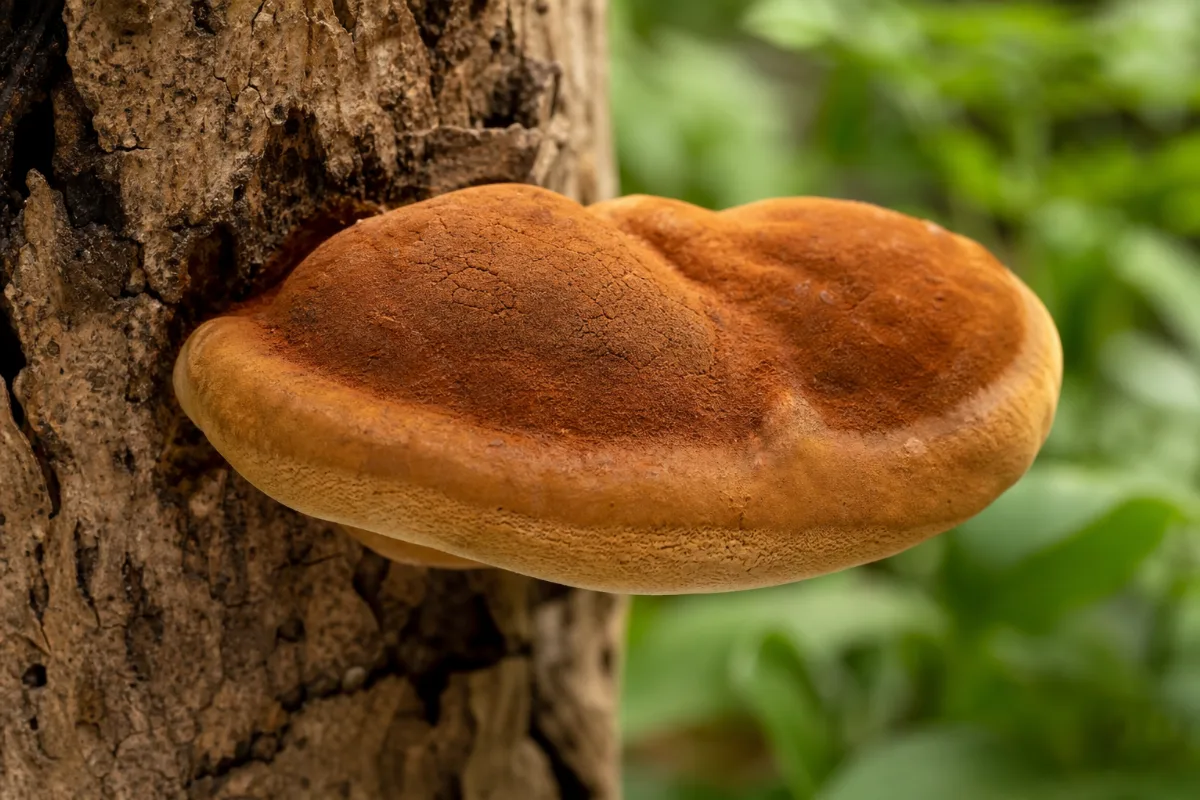
Korean sanghuang is a hard, woody, yellow-brown fungus that grows on trees such as mulberry. It is used as a tonic in East Asia and sold as extracts and teas. All the research on this species is in cells and animals, and we found no human trial. Safety in people, in pregnancy and with medicines is unknown.
General information, not medical advice. Last substantive update · Not medically reviewed. A named clinician has not signed off on this page. How this page is made
About Korean Sanghuang
Korean sanghuang is a hard woody fungus used as a tonic in East Asia. All the research on this species is in rats, mice, cells and test tubes: extracts lowered blood sugar in diabetic animals and raised immune markers in mice. We found no human trial and no human safety data, so benefits are unproven and safety in people is unknown.
What it is, and its names
Sanghuangporus baumii is a fungus in the family Hymenochaetaceae, a group of hard, woody bracket fungi. GBIF accepts this name and lists Phellinus baumii and Inonotus baumii as older names. Many papers and labels still say Phellinus baumii.
One abstract says it grows on mulberry trees, and another says the wild fungus is now cultivated in certain East Asian countries. A 2010 review discusses names that were misapplied to Phellinus baumii, and a 2024 review says these species belong in Sanghuangporus rather than Phellinus or Inonotus.
Korean sanghuang is a trade or common name. We found no source that defines it. For the confusing group of sanghuang and Phellinus linteus products, see the Phellinus and sanghuang page.
Traditional and current uses
Papers describe Phellinus baumii as a traditional medicine in eastern Asia, for conditions that include diabetes, high blood pressure, high cholesterol and cancer. A lung cancer paper says it is used in traditional Chinese medicine. A 2024 review says Sanghuangporus species have a long history of oral use in East Asia as a health tonic.
We found no source describing a specific Korean tradition for this species. It is sold today as extracts, capsules and teas; we did not analyse any product.
What the research shows
Diabetic rats fed polysaccharides from a mycelium culture had plasma glucose 52.3% lower than diabetic control rats in a 2005 study. Mice fed fruiting-body phenolics for 60 days, and mice given ethanol and hot-water extracts for 10 weeks, also had lower blood glucose. In the test tube, a fruiting-body fraction blocked a sugar-digesting enzyme more strongly than the diabetes drug acarbose did.
In mice given an immune-suppressing drug, a 6-week extract improved immune-cell activity and cytokines. In cells, extracts lowered inflammatory signals, and polyphenols slowed human lung and colon cancer cell lines.
One 2023 paper used gut samples from people with type 2 diabetes in a test-tube fermentation model. People did not take the extract. Animal and cell results often fail to carry over to people, and no human trial was found.
Fruiting body, mycelium and extracts are different
The papers used cultivated fruiting body extracts, mycelium culture polysaccharides, and hot-water and ethanol extracts. A 2022 review says strain, source and extraction method change the structure and activity of sanghuang polysaccharides. A 2023 study found large differences in phenolic acids between fruiting bodies.
We found no analysis of mycelium-on-grain or capsule products for this species. Results from one preparation should not be applied to another.
Legal and regulatory status
A web search found no food, supplement or herbal-medicine statement for this species from Korea's food regulator, EFSA, FDA, WHO or EMA, but their own lists were not searched. Do not assume that no official statement exists. We did not check NIH LiverTox or LactMed.
At a glance
Traditional uses history, not proof
- Papers describe Phellinus baumii as a traditional medicine in eastern Asia, for conditions that include diabetes, high blood pressure, high cholesterol and cancer.
- A lung cancer paper says it grows on mulberry trees and is used in traditional Chinese medicine.
- A 2024 review says Sanghuangporus species have a long history of oral use in East Asia to improve health.
- No source we read describes a specific Korean tradition for this species.
Studied for research
- Blood sugar markers, insufficient (diabetic rats and mice only)
- Immune markers in immune-suppressed mice, insufficient
- Inflammation signals in cells, insufficient
- Antioxidant, cancer cell and influenza enzyme tests in dishes, insufficient
Main compounds
- Hispidin and related yellow polyphenols (styrylpyrones)
- Polysaccharides and proteoglycans
- Phenolic acids, triterpenoids and flavonoids
Common forms
- Dried slices of the woody fruiting body, simmered in water
- Hot-water or ethanol extracts
- Mycelium from liquid culture
- Capsules or tea (no product analysis found)
Research links: Taxonomy record for Sanghuangporus baumii (GBIF) · Diabetic rat study, mycelium polysaccharides (abstract) · Immune-suppressed mouse study (abstract) · Diabetic mouse study, extracts and gut flora model (abstract) · Review of Sanghuangporus components and toxicity · Review of sanghuang polysaccharides · Research Library · Genes & Biomarkers Library
What it is and its history
- Accepted scientific name
- Sanghuangporus baumii (Pilat) L.W.Zhou & Y.C.Dai
- Naming authority
- (Pilat) L.W.Zhou & Y.C.Dai, published in Fungal Diversity 77: 340 (2015), per GBIF
- Synonyms
- Phellinus baumii Pilat (older name, still used on labels and in many papers); Inonotus baumii (Pilat) T.Wagner & M.Fisch.
- Common names
- Korean sanghuang (English (trade name)); Sanghuang (Chinese)
- Family or group
- Hymenochaetaceae, a family of hard, woody bracket fungi. A fungus, not a plant.
- Classification
- Fungi > Basidiomycota > Agaricomycetes > Hymenochaetales > Hymenochaetaceae > Sanghuangporus > Sanghuangporus baumii
- Native range
- Not checked.
- Habitat
- One abstract says it grows on mulberry trees; another says it is a wild fungus now cultivated in certain East Asian countries.
- What it looks like
- Fruiting body: A hard, woody conk. Not described further in the sources read.
- Cultivation
- A 2021 abstract says it is now cultivated in certain East Asian countries; cultivated fruiting bodies and mycelium from liquid culture are the sources in the papers (the earlier project summary adds oak logs or sawdust, summary-only).
- Harvest and processing
- Hot water, ethanol and deep eutectic solvents are used to extract compounds (2024 review; 2021 extraction paper).
- Look-alikes and adulterants
- Name: Phellinus linteus / Tropicoporus linteus; Note: Often mixed up with sanghuang products; see the Phellinus and sanghuang page for how the names differ.; Name: Sanghuangporus sanghuang and S. vaninii; Note: Other accepted species in the same genus; toxicity studies cited in the 2024 review were on these two, not S. baumii.
- Sustainability and conservation
- Not checked.
Traditional use and history history, not clinical proof
| Tradition or era | Documented use | Source |
|---|---|---|
| East Asian traditional medicine | Abstracts describe Phellinus baumii as a mushroom used as traditional medicine in eastern Asia, for conditions including diabetes, hypertension, high cholesterol and cancer (2020 and 2021 abstracts), and a lung cancer paper says it grows on mulberry trees and is used in traditional Chinese medicine. A 2024 review says Sanghuangporus species have a long history of oral use in East Asia as a health-improvement method. | p38542832 |
| Korea | No source we read describes a specific Korean tradition for this species. The label 'Korean sanghuang' is a trade or common name; we could not find a source that defines it. | |
| Naming history | A 2010 review revised medicinal Phellinus names to current taxonomy and discussed two misapplied names including Phellinus baumii. The 2024 review says the species belong in Sanghuangporus rather than Phellinus or Inonotus, and GBIF accepts Sanghuangporus baumii. | p20549200 |
Traditional use shows how it was used. It does not show that it works or is safe today.
What is inside, and how it may work
What it contains and how those compounds act in cells and animals. Laboratory and animal mechanisms are not proven effects in people.
Main compounds
| Compound | Family | Where it is concentrated | Activity studied | Level of evidence |
|---|---|---|---|---|
| Hispidin-type styrylpyrone polyphenols (hispidin, hypholomine B, inoscavin A, davallialactone, phelligridin D, baumin, osmundacetone) | styrylpyrone polyphenol (yellow pigments) | Fruiting body Polyphenol yield up to 12.58 mg/g with a deep eutectic solvent method on dried fruiting body (2021); 4.20 mg/g with 60% ethanol is in the earlier project summary (summary-only). Not measured in market products. | Antioxidant, enzyme-blocking and cell effects in the lab. 4 3 11 14 | Laboratory research |
| Polysaccharides and proteoglycans | polysaccharide | Fruiting body, mycelium and culture broth Not verified; structure differs by strain, source and extraction. | Lower glucose in diabetic rats (mycelium, 2005) and activation of mouse immune cells (fruiting body, 2016). 2 5 10 | Animal research |
| Phenolic acids (protocatechuic, p-coumaric, caffeic and five others) | phenolic acid | Fruiting body Varied significantly between samples; numbers are only in the full paper (not read). | Described as antioxidant and anti-inflammatory in the paper's introduction. 16 | Laboratory research |
| Triterpenoids and flavonoids | mixed | Fruiting body and mycelium Not verified. | Listed as main components in the 2024 review. 8 | Laboratory research |
Mechanisms, receptors and pathways
| Target or pathway | Gene or receptor | What was found | Level |
|---|---|---|---|
| Alpha-glucosidase (sugar-digesting enzyme) | Alpha-glucosidase | The ethyl acetate fraction blocked it in the test tube with an IC50 of 49.05 ug/mL against 645.73 ug/mL for acarbose. 11 | Laboratory research |
| Insulin signalling | IRS1/PI3K/AKT | Pathway genes rose in diabetic mice given phenolics or extracts. 12 15 | Animal research |
| Inflammation signalling | NF-kB, MAPK | Both pathways were lowered in stimulated cells. 9 | Laboratory research |
| Cell death and growth arrest | CASP3, PARP1, TP53 (docking) | The polyphenol extract caused apoptosis and cell-cycle arrest in cancer cell lines; docking suggested hispidin and osmundacetone bind these targets. A prediction, not shown in people. 6 7 | Laboratory research |
| Influenza neuraminidase | Neuraminidase | Five polyphenols blocked it in test tubes. 3 | Laboratory research |
Absorption, metabolism and elimination
- Absorption
- Not found.
- Distribution
- Not found.
- Metabolism
- Not found.
- Elimination
- Not found.
- Bioavailability
- Not established.
Isolated compounds versus whole extracts
Papers use hot-water extracts, ethanol extracts, polyphenol or polysaccharide fractions and mycelium culture products. Different strains, sources and extraction methods give different structure and activity, so results from one preparation do not carry to another.
Nutritional composition
A hard, woody conk used as slices for hot water or as extracts, not as an everyday food. No nutrient analysis (such as a USDA entry) was found.
6 not enough evidence
What was looked at
The 6 benefits and uses checked for Korean Sanghuang, each with how strong the evidence is. Tap one to open it.
- Blood sugar markers (animal and lab work only)Not enough evidence
- Immune markers in immune-suppressed miceNot enough evidence
- Inflammation signals in cellsNot enough evidence
- Antioxidant activity (test tube only)Not enough evidence
- Cancer cells in dishes (lab only)Not enough evidence
- Influenza enzyme blocked in the test tubeNot enough evidence
Lab markers tracked in the studies
Blood or plasma glucose (animals)Natural killer (NK) cell activity (mice)Inflammatory mediators in cells (nitric oxide, COX-2, IL-6)Cancer cell growth and apoptosis (cells)
What is Korean Sanghuang good for?
The uses people ask about and how strong the evidence is for each. For this species there are no human trials, so none is proven. Read this together with the Safety tab.
Benefits, one by one
Each card is a research question, not a promise. Tap a goal to filter. Open a card to see the studies, doses and limits.
Blood sugar markers (animal and lab work only)
Not enough evidenceIn diabetic mice and rats, extracts and mycelium polysaccharides lowered blood glucose, and a fruiting-body fraction blocked a sugar-digesting enzyme in the test tube. No person has been tested.
4 studiesMycelium polysaccharides, cultivated fruiting-body fractions and etha…
Studies, doses and limits
Results
Rats: plasma glucose down 52.3% with mycelium polysaccharides (2005). Mice: lower fasting glucose and insulin-resistance index with fruiting-body phenolics and with ethanol plus hot-water extracts (2021, 2023). Test tube: ethyl acetate fraction blocked alpha-glucosidase with IC50 49.05 ug/mL versus 645.73 ug/mL for acarbose (2020).
Effect sizes as reported
Large drops in glucose in streptozotocin-diabetic animals; no human effect size exists
Why this rating
Only rats, mice, cells and enzyme tests. Animal and lab results often fail to carry over to people.
Form and dose studied
Mycelium polysaccharides, cultivated fruiting-body fractions and ethanol/hot-water extracts were used. No amounts are given here.
Who was studied
Streptozotocin-diabetic rats and mice, liver cells, a test-tube gut-flora model
Limits
Streptozotocin diabetes is not the same as human type 2 diabetes. Products people can buy have not been compared with these extracts.
Why researchers looked
Phellinus baumii is described as a traditional remedy for diabetes in some abstracts, and the fruiting body is rich in hispidin-type polyphenols that block sugar-digesting enzymes in the lab.
Traditional use
Reviews and papers describe Phellinus-type mushrooms as traditional medicine in East Asia (one abstract lists diabetes, hypertension, high cholesterol and cancer). No source we read says what Korean tradition specifically used Sanghuangporus baumii for.
Proposed mechanism Laboratory research
Polyphenols block alpha-glucosidase in the test tube, and a phenolic extract raised IRS1/PI3K/AKT signalling genes in diabetic mice.
A proposed mechanism does not show that the effect happens in people.
If you take diabetes medicine, ask your doctor or pharmacist before adding any mushroom extract, because blood sugar effects in animals are not understood in people.
Immune markers in immune-suppressed mice
Not enough evidenceAn extract improved immune-cell activity and cytokines in mice given a drug that suppresses immunity. No person has been tested, and this is not evidence of fewer infections.
2 studiesExtract by mouth in mice (part of the fungus not stated). Polysacchar…
Studies, doses and limits
Results
Mice (6 weeks of oral extract): T- and B-lymphocyte proliferation, spleen and peritoneal NK cell activity, blood markers and cytokines improved compared with controls (2020). Mouse immune cells in a dish grew and engulfed particles more with a purified polysaccharide (2016).
Effect sizes as reported
Several immune markers moved in the expected direction in mice; sizes are not reported in the abstract
Why this rating
Mouse and cell work only; the drug-suppressed mouse model is artificial.
Form and dose studied
Extract by mouth in mice (part of the fungus not stated). Polysaccharide from the fruiting body in cells.
Who was studied
Mice treated with cyclophosphamide; mouse macrophage cells
Limits
A micronucleus (genotoxicity) test was run but its result is not in the abstract. Immune markers are not proof of better health.
Why researchers looked
Phellinus species are used as traditional medicine in eastern Asia, and the authors wanted to test an immune-enhancing effect.
Traditional use
Reviews and papers describe Phellinus-type mushrooms as traditional medicine in East Asia (one abstract lists diabetes, hypertension, high cholesterol and cancer). No source we read says what Korean tradition specifically used Sanghuangporus baumii for.
Proposed mechanism Animal research
The extract raised T- and B-cell proliferation, natural killer cell activity and cytokines in mice; a purified fruiting-body polysaccharide activated mouse immune cells in dishes.
A proposed mechanism does not show that the effect happens in people.
People with autoimmune disease or on immune-suppressing medicines should ask a doctor before using any immune-active mushroom product.
Inflammation signals in cells
Not enough evidenceExtracts and phenolic fractions lowered inflammatory chemicals in lung macrophage cells and mouse immune cells. No animal or human inflammation study was found.
2 studiesExtracts and a phenolic fraction in dishes.
Studies, doses and limits
Results
Coal-fly-ash-stimulated lung macrophage cells made less nitric oxide and inflammatory mediators with the extract, dose-dependently (2021). Phenolics lowered pro-inflammatory factors in stimulated mouse immune cells (2021).
Effect sizes as reported
Dose-dependent in cells; no numbers in the abstracts
Why this rating
Cell culture only.
Form and dose studied
Extracts and a phenolic fraction in dishes.
Who was studied
Mouse cell lines
Limits
Cell results cannot show any effect in the body.
Why researchers looked
Inflammation is listed among the conditions the mushroom is traditionally used for in some abstracts.
Traditional use
Reviews and papers describe Phellinus-type mushrooms as traditional medicine in East Asia (one abstract lists diabetes, hypertension, high cholesterol and cancer). No source we read says what Korean tradition specifically used Sanghuangporus baumii for.
Proposed mechanism Laboratory research
Lower NF-kB and MAPK signalling and fewer inflammatory mediators (COX-2, iNOS, IL-1beta, IL-6, TNF-alpha) in stimulated cells.
A proposed mechanism does not show that the effect happens in people.
None specific.
Antioxidant activity (test tube only)
Not enough evidenceFruiting-body polyphenols such as hispidin and baumin scavenge free radicals and bind iron in the test tube. This does not show a benefit in a person.
2 studiesIsolated compounds and lab extracts.
Studies, doses and limits
Results
Seven styrylpyrones, including the new baumin, showed antioxidant activity (2010). A deep eutectic solvent extract at 0.30 mg/mL scavenged hydroxyl radicals by 95.71%, DPPH by 91.08% and ABTS+ by 85.52% (2021).
Effect sizes as reported
Strong in chemical tests
Why this rating
Chemical tests do not predict benefit in the body.
Form and dose studied
Isolated compounds and lab extracts.
Who was studied
Chemical assays
Limits
Antioxidant tests are poor predictors of health effects.
Why researchers looked
Hispidin-type yellow pigments are the main polyphenols of the fruiting body.
Traditional use
Reviews and papers describe Phellinus-type mushrooms as traditional medicine in East Asia (one abstract lists diabetes, hypertension, high cholesterol and cancer). No source we read says what Korean tradition specifically used Sanghuangporus baumii for.
Proposed mechanism Laboratory research
Styrylpyrones act as radical scavengers and iron chelators in chemical tests.
A proposed mechanism does not show that the effect happens in people.
None specific.
Cancer cells in dishes (lab only)
Not enough evidencePolyphenol and polysaccharide extracts slowed the growth of human lung, colon and cervical cancer cell lines in dishes. This is not a cancer treatment and has not been tested in people.
3 studiesPolyphenol extracts and a purified polysaccharide.
Studies, doses and limits
Results
A549 lung cancer cell growth was inhibited without significant toxicity to normal kidney (HEK293) cells (2022). HCT116 colon cancer cells were inhibited and arrested in S phase (2023). A purified polysaccharide inhibited HeLa and SGC-7901 growth (2016).
Effect sizes as reported
Growth inhibition in cell lines; no animal or human data
Why this rating
Cell lines and computer modelling only.
Form and dose studied
Polyphenol extracts and a purified polysaccharide.
Who was studied
Human cancer cell lines
Limits
Results in dishes rarely carry over. Do not use any mushroom in place of cancer treatment.
Why researchers looked
Cancer is the traditional use most often mentioned for Phellinus-type mushrooms, so laboratories tested extracts on cancer cell lines.
Traditional use
Reviews and papers describe Phellinus-type mushrooms as traditional medicine in East Asia (one abstract lists diabetes, hypertension, high cholesterol and cancer). No source we read says what Korean tradition specifically used Sanghuangporus baumii for.
Proposed mechanism Laboratory research
The polyphenol extract caused apoptosis, cell-cycle arrest and reactive oxygen species build-up in A549 lung cancer cells and S-phase arrest in HCT116 colon cells.
A proposed mechanism does not show that the effect happens in people.
Tell your cancer team about any mushroom product you use. No interaction study with chemotherapy was found.
Influenza enzyme blocked in the test tube
Not enough evidenceFive fruiting-body polyphenols blocked the neuraminidase enzyme of three flu viruses in test tubes. It is not evidence the mushroom prevents or treats flu.
1 studiesIsolated polyphenols.
Studies, doses and limits
Results
All five compounds blocked the enzymes and reduced virus-caused damage in a cell assay (2015).
Effect sizes as reported
Enzyme inhibition in assays
Why this rating
Isolated compounds in dishes.
Form and dose studied
Isolated polyphenols.
Who was studied
Enzyme assay and dog kidney cells
Limits
Not tested in animals or people.
Why researchers looked
Researchers screened the polyphenols against viral enzymes.
Traditional use
Reviews and papers describe Phellinus-type mushrooms as traditional medicine in East Asia (one abstract lists diabetes, hypertension, high cholesterol and cancer). No source we read says what Korean tradition specifically used Sanghuangporus baumii for.
Proposed mechanism Laboratory research
Hispidin and four related compounds inhibited H1N1, H5N1 and H3N2 neuraminidase noncompetitively.
A proposed mechanism does not show that the effect happens in people.
None specific.
Connections to the rest of health
How Korean Sanghuang connects to the rest of our health knowledge graph. Every link says what kind of connection it is. A safety link (for example to the liver) is a warning, not a benefit. A study that merely mentions a topic never creates a benefit link.
Explore every connection: goals, body systems, organs, symptoms, genes
A. Wellness goals
| Connected to | Kind of connection | Evidence status | Context | Studies |
|---|---|---|---|---|
| Blood Sugar Balance | Preliminary mechanism | Not enough evidence | Blood sugar markers (animal and lab work only): In diabetic mice and rats, extracts and mycelium polysaccharides lowered blood glucose, and a fruiting-body fraction blocked a sugar-digesting enzyme in the test tube. No person has been tested. | 2 11 12 15 |
| Immune Support | Preliminary mechanism | Not enough evidence | Immune markers in immune-suppressed mice: An extract improved immune-cell activity and cytokines in mice given a drug that suppresses immunity. No person has been tested, and this is not evidence of fewer infections. | 13 5 |
| Inflammation Balance | Preliminary mechanism | Not enough evidence | Inflammation signals in cells: Extracts and phenolic fractions lowered inflammatory chemicals in lung macrophage cells and mouse immune cells. No animal or human inflammation study was found. | 9 12 |
B. Body systems
| Connected to | Kind of connection | Evidence status | Context | Studies |
|---|---|---|---|---|
| Immune system | Potential benefit | Not enough evidence | Immune markers improved in immune-suppressed mice; not tested in people. Immune markers improved in immune-suppressed mice. Preparation or compound: P. baumii extract (mice) |
13 |
| Blood sugar | Potential benefit | Not enough evidence | Lower glucose in diabetic rats and mice; no human data. Preparation or compound: Mycelium polysaccharides and fruiting-body extracts (animals) |
2 12 15 |
| Endocrine System | Biological association | Not enough evidence | Studied for: Blood sugar markers (animal and lab work only) | 2 11 12 15 |
| Immune System | Biological association | Not enough evidence | Studied for: Immune markers in immune-suppressed mice Studied for: Inflammation signals in cells | 13 5 9 12 6 7 3 |
E. Health conditions
| Connected to | Kind of connection | Evidence status | Context | Studies |
|---|---|---|---|---|
| Pregnancy and breastfeeding | Contraindication | Not enough evidence | No safety data found. Preparation or compound: All products |
I. Biomarkers
| Connected to | Kind of connection | Evidence status | Context | Studies |
|---|---|---|---|---|
| Blood or plasma glucose (animals) | Biological association | Not enough evidence | Measured in trials: lowered. A lab change is not the same as a health benefit. | 2 12 15 |
| Natural killer (NK) cell activity (mice) | Biological association | Not enough evidence | Measured in trials: raised. A lab change is not the same as a health benefit. | 13 |
| Inflammatory mediators in cells (nitric oxide, COX-2, IL-6) | Biological association | Not enough evidence | Measured in trials: lowered. A lab change is not the same as a health benefit. | 9 |
| Cancer cell growth and apoptosis (cells) | Biological association | Not enough evidence | Measured in trials: lowered. A lab change is not the same as a health benefit. | 6 7 |
K. Biological pathways
L. Active compounds
| Connected to | Kind of connection | Evidence status | Context | Studies |
|---|---|---|---|---|
| Hispidin-type styrylpyrone polyphenols (hispidin, hypholomine B, inoscavin A, davallialactone, phelligridin D, baumin, osmundacetone) | Biological association | In vitro | Antioxidant, enzyme-blocking and cell effects in the lab. Preparation or compound: Fruiting body |
4 3 11 14 |
| Polysaccharides and proteoglycans | Biological association | Animal | Lower glucose in diabetic rats (mycelium, 2005) and activation of mouse immune cells (fruiting body, 2016). Preparation or compound: Fruiting body, mycelium and culture broth |
2 5 10 |
| Phenolic acids (protocatechuic, p-coumaric, caffeic and five others) | Biological association | In vitro | Described as antioxidant and anti-inflammatory in the paper's introduction. Preparation or compound: Fruiting body |
16 |
| Triterpenoids and flavonoids | Biological association | In vitro | Listed as main components in the 2024 review. Preparation or compound: Fruiting body and mycelium |
8 |
Each connection is stored with the ingredient, the connected record, the kind of connection, the evidence status, the supporting studies, the preparation or compound involved, and a review date (last reviewed October 25, 2026).
Evidence at a glance: what changed in 4 lab markers
Tap a number to show only those markers. Counts are markers, not people.
The evidence
The research centre for Korean Sanghuang. Every record here was checked against PubMed or the publisher's page; we never list a study we have not verified.
Evidence by outcome
Bars show how many studies we found for each outcome, not how well it works. People are added up across trials only (reviews are not added, to avoid double counting).
How we rate evidence
High certainty
Several well-run trials or reviews agree; further research is unlikely to change the picture much.
Moderate certainty
Good trials point the same way, but some doubt remains.
Low certainty
Small, short or inconsistent trials. The finding could change with better research.
Very low certainty
Very little or very weak human data. Treat as a possibility only.
Mixed findings
Trials or reviews disagree with each other.
Not enough evidence
Not enough human research to say either way.
Evidence against
Good research found no benefit, or found harm.
We take the reviewers' own risk-of-bias and GRADE statements where they exist, and otherwise judge from study size, design, consistency, directness and whether a product matches what is sold. Many publications do not make evidence high. Method note: We checked PubMed records and read the abstracts of 14 papers (rat, mouse and cell studies, chemistry papers and two reviews), plus toxicity passages of the 2024 review and the GBIF taxonomy record. Full texts were otherwise not read. A web search for regulator statements found none. Certainty ratings are the compiler's own reading.
Study library: every study we checked 17
| Study | Design | People | Product, dose, length | Result |
|---|---|---|---|---|
| Dai 2010 Current advances in Phellinus sensu lato: medicinal species, functions, metabolites and mechanisms. Applied Microbiology and Biotechnology · PMID 20549200 · DOI |
Narrative review review |
Review of 26 medicinal species of Phellinus sensu lato | Phellinus s. l. medicinal species Fruiting body and cultured material Not shown here |
Lists 26 medicinal species with names revised to current taxonomy and discusses two misapplied names of Phellinus baumii Pilat and Phellinus himalayensis. Most-shared functions are antitumor and improving immunity; polyphenols are hispidin and its derivatives in general; different polysaccharide purification methods give different activity even in one species. Descriptive; names and functions Methods, limits and fundingOutcomes: Names, functions, metabolites, mechanisms Limitations: A narrative review from 2010, now partly superseded by the move to Sanghuangporus. Based on mostly laboratory and animal work. Funding and conflicts: No conflict of interest in the record. Read: abstract |
| Hwang 2005 Hypoglycemic effect of crude exopolysaccharides produced by a medicinal mushroom Phellinus baumii in streptozotocin-induced diabetic rats. Life Sciences · PMID 15850599 · DOI |
Animal research animal |
Rats made diabetic with streptozotocin | Crude exopolysaccharides (two heteropolysaccharides and two proteoglycans) from submerged mycelial culture Mycelium culture broth Not shown here · vs Diabetic control and non-diabetic rats |
Plasma glucose was reduced by 52.3% in the polysaccharide-fed rats compared with diabetic rats. ALT and AST liver enzyme activities were significantly decreased. Food intake in diabetic control rats was up 28.1% and weight gain down 44.1% against non-diabetic animals. Lower blood glucose in diabetic rats Methods, limits and fundingOutcomes: Plasma glucose, food intake, weight gain, liver enzymes (ALT, AST) Limitations: Rats only. The product was a mycelium culture polysaccharide, not the woody fruiting body. The authors call the effect the highest among mushroom materials in the literature; that is their own comparison. Funding and conflicts: No funding statement in the abstract; no conflict of interest listed. Read: abstract |
| Hwang 2015 Anti-influenza activities of polyphenols from the medicinal mushroom Phellinus baumii. Bioorganic & Medicinal Chemistry Letters · PMID 26077494 · DOI |
Lab lab |
Enzyme assays and MDCK cell culture with influenza viruses | Five polyphenols from the ethanol extract of fruiting bodies: hispidin, hypholomine B, inoscavin A, davallialactone, phelligridin D Fruiting body Not shown here |
All five compounds inhibited H1N1, H5N1 and H3N2 neuraminidase noncompetitively and reduced virus-caused cell damage in the cell assay. Virus enzyme blocked in the test tube Methods, limits and fundingOutcomes: Neuraminidase activity (H1N1, H5N1, H3N2) and virus-induced cell damage Limitations: Isolated compounds in dishes. Not tested in animals or people; not evidence that the mushroom prevents or treats flu. Funding and conflicts: None declared. Read: abstract |
| Lee 2010 Styrylpyrones from the medicinal fungus Phellinus baumii and their antioxidant properties. Bioorganic & Medicinal Chemistry Letters · PMID 20708931 · DOI |
Lab lab |
Chemical isolation and test-tube assays | Compounds isolated from the cultivated fungus: baumin (new), davallialactone, hispidin, hypholomine B, interfungin A, inoscavin A, phelligridin D Cultivated fungus (part not stated in the abstract) Not shown here |
A new styrylpyrone, baumin, was isolated along with six known ones. They showed antioxidant activity through iron chelation and free-radical scavenging. Antioxidant action in the test tube Methods, limits and fundingOutcomes: Antioxidant activity by Fenton-reaction inhibition (iron chelation) and free-radical scavenging Limitations: Chemistry and test-tube work only. Funding and conflicts: None declared. Read: abstract |
| Liu 2016 Antitumor and immunomodulation activities of polysaccharide from Phellinus baumii. International Journal of Biological Macromolecules · PMID 27370747 · DOI |
Lab lab |
HeLa and SGC-7901 cancer cell lines; RAW264.7 mouse immune cells | Purified homogeneous polysaccharide (PPB) Fruiting body Not shown here · vs Untreated cells |
PPB significantly inhibited HeLa and SGC-7901 growth, affected the cell cycle, and promoted growth, phagocytosis and cytokine secretion in RAW264.7 immune cells. The authors take this to mean low toxicity. Cancer cells slowed and immune cells activated in dishes Methods, limits and fundingOutcomes: Cell growth, cell cycle, phagocytosis, cytokines (TNF-alpha, IL-6) Limitations: Cells only. "Low toxicity" is the authors' reading of a cell experiment. Funding and conflicts: No conflict of interest declared; funding not stated in the abstract. Read: abstract |
| Liu 2022 Phellinus baumii Polyphenol: A Potential Therapeutic Candidate against Lung Cancer Cells. International Journal of Molecular Sciences · PMID 36555782 · DOI |
Lab lab |
Human lung cancer A549 cells and normal human embryonic kidney HEK293 cells | Polyphenol extract (PBP); 17 components characterised Not shown here · vs Untreated cells |
The extract significantly inhibited A549 lung cancer cell growth, causing apoptosis, cell-cycle arrest, reactive oxygen species build-up and loss of mitochondrial membrane potential, without significant cytotoxicity to HEK293 cells. Docking suggested osmundacetone and hispidin bind CASP3, PARP1 and TP53. Cancer cells killed in dishes Methods, limits and fundingOutcomes: Cell growth, apoptosis, cell cycle, reactive oxygen species Limitations: Cells and computer modelling only. Not tested in animals or people. Funding and conflicts: No conflict of interest declared; funding not stated in the abstract. Read: abstract |
| Liu 2023 Elucidation of the anti-colon cancer mechanism of Phellinus baumii polyphenol by an integrative approach of network pharmacology and experimental verification. International Journal of Biological Macromolecules · PMID 37838121 · DOI |
Lab lab |
Human colon cancer HCT116 cells; computer network analysis | Polyphenol extract (PBP) Not shown here · vs Untreated cells |
PBP inhibited HCT116 cell proliferation, promoted apoptosis and arrested the cell cycle in S phase. The abstract names davallialactone and citrinin as the main active compounds used in the docking step. Cancer cells slowed in dishes Methods, limits and fundingOutcomes: Cell growth, apoptosis, cell-cycle arrest, protein markers Limitations: Cells and computer modelling only. The abstract does not discuss the safety of the compounds it lists, including citrinin. Funding and conflicts: No competing interests declared; funding not stated in the abstract. Read: abstract |
| Lu 2024 Research Progress of Bioactive Components in Sanghuangporus spp. Molecules · PMID 38542832 · DOI |
Narrative review review |
Review of Sanghuangporus species | Sanghuangporus species (fruiting bodies and mycelia) Fruiting body and mycelium Not shown here |
Says the genus should be Sanghuangporus rather than Phellinus or Inonotus, names polysaccharides, polyphenols, triterpenoids and flavonoids as main components, and says several toxicity studies indicate safety. In the full text we read, the toxicity studies described were on S. vaninii and S. sanghuang, not S. baumii. Descriptive; mostly cells and animals Methods, limits and fundingOutcomes: Components, extraction, activities and toxicity Limitations: A narrative review that argues for use as a functional food; its safety statements do not cover S. baumii and are animal and lab data. Funding and conflicts: Authors declared no conflicts of interest. Read: abstract and toxicity passages of the full text |
| Ullah 2021 Inhibitory Effect of Phellinus baumii Extract on CFA-Induced Inflammation in MH-S Cells through Nuclear Factor-kappaB and Mitogen-Activated Protein Kinase Pathways. Evidence-Based Complementary and Alternative Medicine · PMID 34733341 · DOI |
Lab lab |
Mouse alveolar (lung) macrophage cells exposed to coal fly ash | P. baumii extract (PBE) Not shown here · vs Untreated stimulated cells |
The extract dose-dependently suppressed coal-fly-ash-induced nitric oxide and inflammatory mediators, and reduced NF-kB and MAPK signalling in the cells. Lower inflammatory signals in cultured cells Methods, limits and fundingOutcomes: Nitric oxide, COX-2, iNOS, IL-1beta, IL-6, TNF-alpha, NF-kB and MAPK pathways Limitations: Cultured cells only. No animal or human data in this paper. Funding and conflicts: No conflict of interest declared; funding not stated in the abstract. Read: abstract |
| Wang 2022 Current advances and potential trends of the polysaccharides derived from medicinal mushrooms sanghuang. Frontiers in Microbiology · PMID 35992671 · DOI |
Narrative review review |
Review of sanghuang polysaccharide literature | Polysaccharides from fruiting bodies, cultured mycelia and fermentation broth of sanghuang Fruiting body, mycelium, broth Not shown here |
Calls sanghuang a general designation for a group of Chinese medicinal mushrooms and says different strains, sources and isolation protocols give obvious differences in structure and activity. Lists antioxidant, immune, anti-tumour, anti-diabetic and other functions from the lab and animal literature. Descriptive; mostly lab and animal Methods, limits and fundingOutcomes: Preparation, structure and bioactivities Limitations: A narrative review. Its table of polysaccharide sizes is second-hand and was not re-checked here. Funding and conflicts: No conflict of interest declared. Read: abstract |
| Yang 2020 Cultivated Fruit Body of Phellinus baumii: A Potentially Sustainable Antidiabetic Resource. ACS Omega · PMID 32337422 · DOI |
Lab lab |
Test-tube enzyme assay and insulin-resistant HepG2 liver cells | 80% ethanol extract of cultivated fruiting body, split into fractions (petroleum ether, ethyl acetate, n-butanol, water) Cultivated fruiting body Not shown here · vs Acarbose (positive control) in the enzyme assay |
The ethyl acetate fraction blocked alpha-glucosidase most strongly (IC50 49.05 +/- 3.14 ug/mL against 645.73 +/- 7.86 ug/mL for acarbose). It was 79.45% phenolic compounds, including osmundacetone, hispidin, davallialactone, hypholomine B and inoscavin A, and raised glucose consumption of insulin-resistant HepG2 cells at 25 to 100 ug/mL. It also scavenged free radicals. Enzyme blocking and cell glucose uptake in the test tube Methods, limits and fundingOutcomes: Alpha-glucosidase inhibition, glucose uptake by cells, free-radical scavenging Limitations: Test tube and cell work only. A fraction, not a product people take. Does not show any effect in the body. Funding and conflicts: Authors declared no competing financial interest. Read: abstract |
| Yang 2021 Anti-Inflammatory Properties In Vitro and Hypoglycaemic Effects of Phenolics from Cultivated Fruit Body of Phellinus baumii in Type 2 Diabetic Mice. Molecules · PMID 33920885 · DOI |
Animal research animal |
60 10 normal mice and 50 streptozotocin-induced diabetic mice (five groups of 10), plus RAW 264.7 mouse immune cells |
Phenolic extract (PPE) of cultivated fruiting body Cultivated fruiting body Not shown here 60 days (mice) · vs Saline and metformin groups |
PPE lowered pro-inflammatory factors in stimulated mouse immune cells in a dose-dependent way. In diabetic mice it reduced blood glucose, increased insulin sensitivity and improved other glucose and fat markers; Q-PCR suggested the IRS1/PI3K/AKT pathway was involved. Lower blood glucose in diabetic mice Methods, limits and fundingOutcomes: Blood glucose, insulin sensitivity, glucolipid markers, inflammatory factors in cells, IRS1/PI3K/AKT pathway genes Limitations: Mice and cells only. Mouse doses cannot be translated to people. Funding and conflicts: Funded by Zhejiang Province key research projects; authors declared no conflict of interest. Not industry-funded as far as the abstract shows. Read: abstract |
| Yoo 2020 Phellinus baumii enhances the immune response in cyclophosphamide-induced immunosuppressed mice. Nutrition Research · PMID 31955012 · DOI |
Animal research animal |
Mice given the immune-suppressing drug cyclophosphamide | P. baumii extract by oral gavage Not shown here 6 weeks · vs Control mice (0 mg/kg group) |
The extract improved T- and B-lymphocyte proliferation, spleen and peritoneal NK cell activity, bone marrow cells, blood markers and cytokine levels compared with controls. A micronucleus test (to screen for genotoxic compounds) was run, but its result is not given in the abstract. Immune markers improved in immune-suppressed mice Methods, limits and fundingOutcomes: T- and B-cell proliferation, natural killer (NK) cell activity, blood counts, cytokines, a bone marrow micronucleus test Limitations: Mice only, with a drug that suppresses immunity. The abstract does not say which fungus part was used or report the genotoxicity result. Funding and conflicts: No funding statement in the abstract; conflict of interest: none. Read: abstract |
| Zheng 2021 Optimization of Extraction Process and the Antioxidant Activity of Phenolics from Sanghuangporus baumii. Molecules · PMID 34202632 · DOI |
Lab chemistry |
Chemical extraction and test-tube antioxidant assays | Polyphenols from S. baumii fruiting bodies by deep eutectic solvent extraction Fruiting body Not shown here · vs Conventional extraction method |
Under optimised conditions the yield reached 12.58 mg/g. At 0.30 mg/mL the polyphenols scavenged hydroxyl radicals by 95.71%, DPPH by 91.08% and ABTS+ by 85.52%. High test-tube antioxidant activity Methods, limits and fundingOutcomes: Polyphenol yield and radical scavenging Limitations: Test tube only; antioxidant tests do not show a benefit in the body. Funding and conflicts: No conflict of interest declared. Read: abstract |
| Zheng 2023 Hypoglycemic effect of the Phellinus baumii extract with alpha-glucosidase-inhibited activity and its modulation to gut microbiota in diabetic patients. Biomedicine & Pharmacotherapy · PMID 36577329 · DOI |
Lab and animal lab |
HepG2 liver cells, streptozotocin diabetic mice (10 weeks), and a test-tube gut-flora fermentation model made with samples from people with type 2 diabetes | Ethanol extract (EE) and aqueous (hot-water) extract (AE) of Phellinus baumii Not shown here 10 weeks (mice) · vs Untreated diabetic mice |
In cells the extract raised glucose consumption. In mice, body weight and fasting blood glucose fell (p<0.01) with the lowest glucose in the EE+AE group; insulin and the insulin-resistance index fell (p<0.01) and IRS-1/PI3K/AKT genes rose. In the test-tube fermentation of gut bacteria from diabetic patients, EE reduced H2S and NH3, lowered the Firmicutes to Bacteroidetes ratio and promoted Lactobacillus and Prevotella 9. Lower glucose in mice; changes in a test-tube gut-flora model Methods, limits and fundingOutcomes: Glucose use in cells, fasting glucose and insulin in mice, gut-flora fermentation products Limitations: People did not take the extract. Only gut samples from patients were used in a dish, so this is not a human trial. Funding and conflicts: No conflict of interest declared; funding not stated in the abstract. Read: abstract |
| Zhou 2023 Determination of Phenolic Acids Using Ultra-High-Performance Liquid Chromatography Coupled with Triple Quadrupole (UHPLC-QqQ) in Fruiting Bodies of Sanghuangporus baumii (Pilat) L.W. Zhou and Y.C. Dai. Plants (Basel) · PMID 37896027 · DOI |
Lab chemistry |
Chemical analysis of S. baumii fruiting bodies | Fruiting bodies of S. baumii Fruiting body Not shown here |
Developed a method to measure eight phenolic acids. Content varied significantly between fruiting bodies; protocatechuic acid, p-coumaric acid and caffeic acid were the most abundant. Large variation between samples Methods, limits and fundingOutcomes: Content of eight phenolic acids Limitations: A method paper. It measures chemistry, not health effects. Funding and conflicts: No conflict of interest declared. Read: abstract |
| n/a 2026 GBIF Backbone Taxonomy: Sanghuangporus baumii (Pilat) L.W.Zhou & Y.C.Dai (key 7501549) GBIF · Source |
Taxonomy record record |
n/a | n/a |
Checked through the GBIF API on 2026-10-25. Names confirmed Methods, limits and fundingOutcomes: Status ACCEPTED; family Hymenochaetaceae, order Hymenochaetales, class Agaricomycetes, phylum Basidiomycota. Synonyms: Phellinus baumii Pilat and Inonotus baumii (Pilat) T.Wagner & M.Fisch. Published in Zhou et al., Fungal Diversity 77: 340 (2015). Limitations: Index Fungorum was not read, so the GBIF view of the names is not cross-checked. Funding and conflicts: n/a Read: API record |
What we do not know yet
- No human trial of Sanghuangporus baumii was found.
- No human safety data, including pregnancy, breastfeeding, children and long-term use.
- No interaction studies; the interactions listed are theoretical.
- No contaminant testing of products, and an abstract naming citrinin is unexplained.
- Regulator lists (Korea MFDS, EFSA, FDA, LiverTox, LactMed) were not searched directly.
How new research is added
New studies are found by a saved PubMed search and placed in a review queue. A person reads each one before it changes any evidence rating or safety wording. New publications never change ratings automatically.
Lab markers
What changed in blood or saliva tests during trials. A changed number is not the same as feeling or being healthier, and we give no "normal ranges".
Other 4
Blood or plasma glucose (animals)
Lowered in trials
The sugar level in the blood. Raised glucose is the main sign of diabetes.
Not enough evidenceResults and what it means
Why it was measured
The main outcome of the animal diabetes studies.
Statistical vs. clinical meaning
Statistically significant in animals; not tested in people.
Safety implication
Possible additive effect with diabetes medicines is untested.
| Study | Result | People | Product |
|---|---|---|---|
| 2 | Plasma glucose was reduced by 52.3% compared with diabetic control rats. | Streptozotocin-diabetic rats | Mycelium exopolysaccharides by mouth |
| 12 | Blood glucose fell and insulin sensitivity rose in diabetic mice (numbers are in the full paper, not the abstract). | 60 mice (10 normal, 50 diabetic model) | Phenolic extract of cultivated fruiting body for 60 days |
| 15 | Fasting blood glucose fell (p<0.01) in diabetic mice; lowest in the ethanol plus hot-water group. | Streptozotocin diabetic mice | Ethanol and aqueous extracts for 10 weeks |
Natural killer (NK) cell activity (mice)
Raised in trials
A lab test of how strongly a type of white blood cell kills target cells.
Not enough evidenceResults and what it means
Why it was measured
One of the main outcomes of the mouse immune study.
Statistical vs. clinical meaning
Reported as an improvement; numbers are not in the abstract.
Safety implication
A higher marker does not mean better health.
| Study | Result | People | Product |
|---|---|---|---|
| 13 | Spleen and peritoneal NK cell activities were improved compared with controls in cyclophosphamide-treated mice. | Immune-suppressed mice | P. baumii extract by oral gavage for 6 weeks |
Inflammatory mediators in cells (nitric oxide, COX-2, IL-6)
Lowered in trials
Chemical signals cells release during inflammation.
Not enough evidenceResults and what it means
Why it was measured
The main outcome of the cell inflammation study.
Statistical vs. clinical meaning
Reported as significant in cells.
Safety implication
None specific.
| Study | Result | People | Product |
|---|---|---|---|
| 9 | Dose-dependently suppressed coal-fly-ash-induced nitric oxide, COX-2, iNOS, IL-1beta, IL-6 and TNF-alpha. | Mouse alveolar macrophage cells | P. baumii extract in dishes |
Cancer cell growth and apoptosis (cells)
Lowered in trials
How fast cultured cancer cells multiply and how many die.
Not enough evidenceResults and what it means
Why it was measured
The main outcome of the lab cancer papers.
Statistical vs. clinical meaning
Significant in cell lines; not tested in people.
Safety implication
Not a treatment.
| Study | Result | People | Product |
|---|---|---|---|
| 6 | Inhibited A549 lung cancer cells with apoptosis and cell-cycle arrest, without significant cytotoxicity to HEK293 cells. | Human cell lines | Polyphenol extract in dishes |
| 7 | Inhibited HCT116 colon cancer cell growth and caused S-phase arrest. | Human cell line | Polyphenol extract in dishes |
Safety
What studies and official sources say about side effects, medicines and who should check first. Each point shows what kind of evidence it comes from.
Main points to know 4
- No human safety data were found for this species. We found no human trial, case report or safety study of Sanghuangporus baumii. Safety in people, in pregnancy, while breastfeeding, in children and over the long term is unknown. Unknown is not the same as safe. Gap 8
- Animal studies show it is active on immune and blood sugar markers. Extracts changed immune markers and lowered blood glucose in mice and rats. If you have an immune condition, take immune-suppressing medicine, or take diabetes medicine, ask a doctor or pharmacist before using it. Animal research 13 2 15
- The name on the label may not match the fungus. Phellinus baumii, Phellinus linteus and Sanghuangporus sanghuang are often mixed up in products and papers. Safety information about one may not apply to another. Taxonomy record 17 1 8
- A mould-toxin name appears in one lab paper. The abstract of a 2023 lab paper lists citrinin among the main compounds of a polyphenol extract. Citrinin is generally known as a toxin made by some moulds. The abstract does not discuss it, and we could not tell whether it was a true product of the fungus or a contaminant. This is flagged, not confirmed. Gap 7
Side effects 2
| Effect | How often | Severity and recovery | Evidence |
|---|---|---|---|
| No adverse effects in people have been reported in the sources read No human use was studied, so nothing can be said about how often problems occur. | Not established | unknown Not applicable | Gap |
| No toxicity signal reported in the animal and cell papers read The 2020 mouse study ran a micronucleus (genotoxicity) test, but its result is not in the abstract. The 2005 rat study reported lower liver enzyme activity in diabetic rats. The 2022 lung cancer paper reported no significant cytotoxicity to normal kidney cells. None of these is a safety study. | Not established | none reported in abstracts Not applicable | Animal research 13 2 6 |
Liver
A PubMed search on 2026-10-25 for Phellinus baumii or Sanghuangporus baumii together with liver injury, hepatotoxicity or case reports found no report of liver harm. Diabetic rats given mycelium polysaccharides had lower ALT and AST liver enzymes than diabetic control rats. That does not show liver safety in people. 2
How often. Not known. No human use has been studied.
Monitoring. No agency monitoring advice was found. Anyone with liver disease should ask a doctor first.
This is a safety connection. It is not evidence that Korean Sanghuang supports liver health.
Medicines and supplements 5
| With | Why it matters | Importance | Evidence | What to do |
|---|---|---|---|---|
| Immune-suppressing medicines (for example after a transplant) prescription | In mice the extract raised immune cell activity, so in theory it could work against these medicines. | Theory only; no interaction study of this species was found. | Theoretical Not enough evidence 13 | Ask a doctor or pharmacist first. |
| Diabetes medicines (including insulin) prescription | In diabetic animals extracts lowered blood glucose and blocked a sugar-digesting enzyme in the test tube, so combined use could in theory add to the effect. | Theory only; no human or interaction data. | Theoretical Not enough evidence 2 11 15 | Ask a doctor or pharmacist before using it if you take diabetes medicine, and do not stop or change your medicine because of a mushroom product. |
| Chemotherapy and other cancer treatment prescription | Extracts act on cancer cell lines and immune cells in the lab. | No interaction study was found. | Theoretical Not enough evidence 6 7 | Tell your cancer team about any mushroom product before and during treatment. |
| Blood thinners prescription | No source we read links this species to blood clotting. | No data found either way. | Gap Not enough evidence | Ask a doctor or pharmacist if you take blood thinners. |
| Other supplements supplement | Not studied. | No data found. | Gap Not enough evidence | Tell your pharmacist what supplements you take. |
Who should check first 4
| Situation | Advice | Evidence |
|---|---|---|
| Pregnancy and breastfeeding | No safety data were found. Avoid unless a doctor advises otherwise. | Gap |
| Children | No safety data were found. Ask a doctor. | Gap |
| Autoimmune disease, organ transplant or immune-suppressing treatment | Ask your doctor first. The extract stimulated immune cells in mice; for a related Phellinus product see the Phellinus and sanghuang page. | Animal research 13 |
| Planned surgery or diabetes treatment | Tell your care team about any mushroom product because it lowered blood sugar in animals. | Animal research 2 |
Overdose, product quality and regulators
Summary. No poisoning from Sanghuangporus baumii has been described in the sources read. No toxicity study of S. baumii was found. A 2024 review says several toxicity studies indicate safety, but the studies described in the full text were on S. vaninii and S. sanghuang, in rats and mice, not S. baumii.
Animal. Related species only: the review describes acute and repeated-dose rat studies and genotoxicity tests of S. vaninii and S. sanghuang products with no adverse findings. This does not cover S. baumii.
Human doses studied. No human use of S. baumii was studied. No amounts are given on this page.
High dose or long term signals. Not known.
Overdose response. No overdose description was found. Seek medical help if you feel unwell after using a product.
Genotoxicity. A bone marrow micronucleus test was run in the 2020 mouse paper, but its result is not in the abstract.
Toxic or hazardous parts. Fungus: the woody conk is not eaten like a food mushroom. The 2024 review calls the group edible mushrooms, but no S. baumii food use was described in the sources read.
We found no test of heavy metals, pesticides, mould toxins or radioactivity in S. baumii or products sold under its name.
Which species is in the product. Phellinus baumii, Phellinus linteus and Sanghuangporus sanghuang are easy to confuse. GBIF accepts Sanghuangporus baumii and lists Phellinus baumii and Inonotus baumii as synonyms. A 2010 review discusses misapplied names of Phellinus baumii. 17 1 8
Fruiting body, mycelium or extract. Polysaccharides from fruiting bodies, cultured mycelia and fermentation broth differ in structure and activity, and strain and extraction method matter. Results from one product do not carry to another. Mycelium-on-grain products were not analysed in any source we found. 10 8
Variation in the fruiting body. A 2023 chemical study found large differences in phenolic acid content between S. baumii fruiting bodies. 16
Citrinin named in one abstract. A 2023 abstract lists citrinin among compounds of a polyphenol extract. Citrinin is generally known as a mould toxin; the abstract does not say if it is a fungal product or contaminant, and it was not followed up. Not verified. 7
| Body | Action | Date |
|---|---|---|
| GBIF (taxonomy, not a regulator) (International) | Lists Sanghuangporus baumii as the accepted name; Phellinus baumii and Inonotus baumii are synonyms. source | 2026-10-25 |
When to get medical help
- Hives, swelling of the lips or face, or trouble breathing after taking a product
- Yellow skin or eyes, dark urine or severe belly pain
- New or worsening symptoms if you have an autoimmune condition
- Very low blood sugar signs (shaking, sweating, confusion) if you take diabetes medicine
If someone may be poisoned or in a crisis, contact a clinician or emergency service straight away. In the US, Poison Control is 1-800-222-1222.
General information only, not medical advice. Ask a clinician or pharmacist before use, especially with medicines, in pregnancy or with a health condition. See the Natural Remedy Safety guide.
Frequently asked questions
What is Korean sanghuang?
Is Sanghuangporus baumii the same as Phellinus baumii?
How is it different from Phellinus linteus?
Has it been tested in people?
Does it lower blood sugar?
Does it boost the immune system?
Does it fight cancer?
Is it safe?
No human safety data were found for this species, so safety is unknown. The toxicity studies in a 2024 review were on related species, not S. baumii. Ask a doctor or pharmacist first.
Is it safe in pregnancy, breastfeeding or for children?
We found no information for any of these groups. Absence of data is not proof of safety. Ask a doctor before using it.
Does it interact with medicines?
What is hispidin?
Explore by health goal
Editorial transparency
- Written by
- AlternativeMed editorial team. Research compiled with AI assistance, then checked against PubMed records.
- Medical review
- None. This page has not been reviewed by a physician or pharmacist.
- First published
- 2026-10-25
- Last substantive update
- 2026-10-25
- How we research
- We checked PubMed records and read the abstracts of 14 papers (rat, mouse and cell studies, chemistry papers and two reviews), plus toxicity passages of the 2024 review and the GBIF taxonomy record. Full texts were otherwise not read. A web search for regulator statements found none. Certainty ratings are the compiler's own reading.
- How we rate evidence
- See "How we rate evidence" in the Evidence tab.
- Independence
- No product is promoted on this page. No affiliate links are shown. This page is information, not a recommendation to use this fungus.
Sources 17
Each source was opened and checked. Where we read only the abstract, it says so. The small numbers in the text point here.
- Dai YC, Zhou LW, Cui BK, et al.. Current advances in Phellinus sensu lato: medicinal species, functions, metabolites and mechanisms.. Applied Microbiology and Biotechnology. 2010. PMID 20549200. DOI 10.1007/s00253-010-2711-3. (abstract)
- Hwang HJ, Kim SW, Lim JM, et al.. Hypoglycemic effect of crude exopolysaccharides produced by a medicinal mushroom Phellinus baumii in streptozotocin-induced diabetic rats.. Life Sciences. 2005. PMID 15850599. DOI 10.1016/j.lfs.2004.12.019. (abstract)
- Hwang BS, Lee IK, Choi HJ, et al.. Anti-influenza activities of polyphenols from the medicinal mushroom Phellinus baumii.. Bioorganic & Medicinal Chemistry Letters. 2015. PMID 26077494. DOI 10.1016/j.bmcl.2015.05.081. (abstract)
- Lee IK, Han MS, Lee MS, et al.. Styrylpyrones from the medicinal fungus Phellinus baumii and their antioxidant properties.. Bioorganic & Medicinal Chemistry Letters. 2010. PMID 20708931. DOI 10.1016/j.bmcl.2010.07.093. (abstract)
- Liu MM, Zeng P, Li XT, et al.. Antitumor and immunomodulation activities of polysaccharide from Phellinus baumii.. International Journal of Biological Macromolecules. 2016. PMID 27370747. DOI 10.1016/j.ijbiomac.2016.06.086. (abstract)
- Liu X, Cui S, Dan C, et al.. Phellinus baumii Polyphenol: A Potential Therapeutic Candidate against Lung Cancer Cells.. International Journal of Molecular Sciences. 2022. PMID 36555782. DOI 10.3390/ijms232416141. (abstract)
- Liu X, Cui S, Li W, et al.. Elucidation of the anti-colon cancer mechanism of Phellinus baumii polyphenol by an integrative approach of network pharmacology and experimental verification.. International Journal of Biological Macromolecules. 2023. PMID 37838121. DOI 10.1016/j.ijbiomac.2023.127429. (abstract)
- Lu J, Su M, Zhou X, et al.. Research Progress of Bioactive Components in Sanghuangporus spp.. Molecules. 2024. PMID 38542832. DOI 10.3390/molecules29061195. (abstract and toxicity passages of the full text)
- Ullah HMA, Lee YY, Yun BS, et al.. Inhibitory Effect of Phellinus baumii Extract on CFA-Induced Inflammation in MH-S Cells through Nuclear Factor-kappaB and Mitogen-Activated Protein Kinase Pathways.. Evidence-Based Complementary and Alternative Medicine. 2021. PMID 34733341. DOI 10.1155/2021/5535630. (abstract)
- Wang H, Ma JX, Zhou M, et al.. Current advances and potential trends of the polysaccharides derived from medicinal mushrooms sanghuang.. Frontiers in Microbiology. 2022. PMID 35992671. DOI 10.3389/fmicb.2022.965934. (abstract)
- Yang K, Zhang S, Ying Y, et al.. Cultivated Fruit Body of Phellinus baumii: A Potentially Sustainable Antidiabetic Resource.. ACS Omega. 2020. PMID 32337422. DOI 10.1021/acsomega.9b04478. (abstract)
- Yang K, Zhang S, Geng Y, et al.. Anti-Inflammatory Properties In Vitro and Hypoglycaemic Effects of Phenolics from Cultivated Fruit Body of Phellinus baumii in Type 2 Diabetic Mice.. Molecules. 2021. PMID 33920885. DOI 10.3390/molecules26082285. (abstract)
- Yoo JH, Lee YS, Ku S, et al.. Phellinus baumii enhances the immune response in cyclophosphamide-induced immunosuppressed mice.. Nutrition Research. 2020. PMID 31955012. DOI 10.1016/j.nutres.2019.12.005. (abstract)
- Zheng N, Ming Y, Chu J, et al.. Optimization of Extraction Process and the Antioxidant Activity of Phenolics from Sanghuangporus baumii.. Molecules. 2021. PMID 34202632. DOI 10.3390/molecules26133850. (abstract)
- Zheng M, Wang L, Sun Y, et al.. Hypoglycemic effect of the Phellinus baumii extract with alpha-glucosidase-inhibited activity and its modulation to gut microbiota in diabetic patients.. Biomedicine & Pharmacotherapy. 2023. PMID 36577329. DOI 10.1016/j.biopha.2022.114130. (abstract)
- Zhou Z, Liang S, Zou X, et al.. Determination of Phenolic Acids Using Ultra-High-Performance Liquid Chromatography Coupled with Triple Quadrupole (UHPLC-QqQ) in Fruiting Bodies of Sanghuangporus baumii (Pilat) L.W. Zhou and Y.C. Dai.. Plants (Basel). 2023. PMID 37896027. DOI 10.3390/plants12203565. (abstract)
- n/a. GBIF Backbone Taxonomy: Sanghuangporus baumii (Pilat) L.W.Zhou & Y.C.Dai (key 7501549). GBIF. 2026. (API record)
Where to buy
Check the label first. Whatever you buy, look for these:
- Fruiting body versus mycelium on grain: the label should say which
- The extract type and the beta-glucan amount, if stated
- A third-party testing mark
- Interactions: ask a pharmacist if you take medicines or blood thinners
Talk to a pharmacist or doctor before you start any supplement, especially if you take medicines. See the Safety tab for interactions.
Support our free guides: as an Amazon Associate we earn from qualifying purchases. Full disclosure.


